Forster Gallery Zanzibar: Where African Contemporary Art Meets Stone Town
Most visitors to Zanzibar come for the beaches, the spice tours, and the labyrinthine alleyways of Stone Town. But tucked within this UNESCO World Heritage city is one of East Africa's most compelling contemporary art destinations — the Forster Gallery Zanzibar, a space that is quietly reshaping how African art is seen, made, and shared with the world.
Whether you're a seasoned art collector, a curious traveler, or someone who has never set foot in a gallery before, a visit to Forster Gallery offers something that very few experiences on the island can match: a genuine, unmediated encounter with living African creativity.
The Story Behind the Gallery
Forster Gallery was founded by Markus Forster and Marina Majiba, a couple who arrived in Tanzania over 15 years ago and never really left. Their journey into the Zanzibar art world began in 2008 with the opening of the Art Hotel Zanzibar — a boutique hotel conceived around the idea that living with art, rather than simply viewing it, changes the way you experience a place.
The success of that concept led Markus to formalize his passion in 2017 with the launch of Forster Gallery Zanzibar. Today, the gallery represents more than 15 artists from across the African continent, maintains a stock of over 100 original works, and has become a bridge connecting Tanzanian and pan-African talent with collectors and galleries in Europe, Asia, and beyond.
Forster's philosophy is refreshingly unpretentious. "Don't be intimidated by art," he says. It's an ethos you feel the moment you walk through the door.
The OpenStudio: Where You Can Watch Art Being Made
What makes Forster Gallery unlike almost any other gallery you've visited is its OpenStudio — a fully equipped, professional workspace where artists live and create during residency periods lasting weeks or months at a time.
Artists from across Africa are invited to apply for residencies at the OpenStudio. Those whose work aligns with the gallery's vision are selected and given something remarkable: their travel expenses to Zanzibar are covered, accommodation is provided free of charge, and they are given access to quality materials and a working space on one of the most inspiring islands on earth.
The result is a gallery that is also a living studio. When you visit, you may find an artist mid-canvas, working through a new series, or experimenting with unfamiliar materials. You can watch, ask questions, and have a genuine conversation about the work being made in front of you. It's an encounter with art that no museum or commercial gallery can replicate.
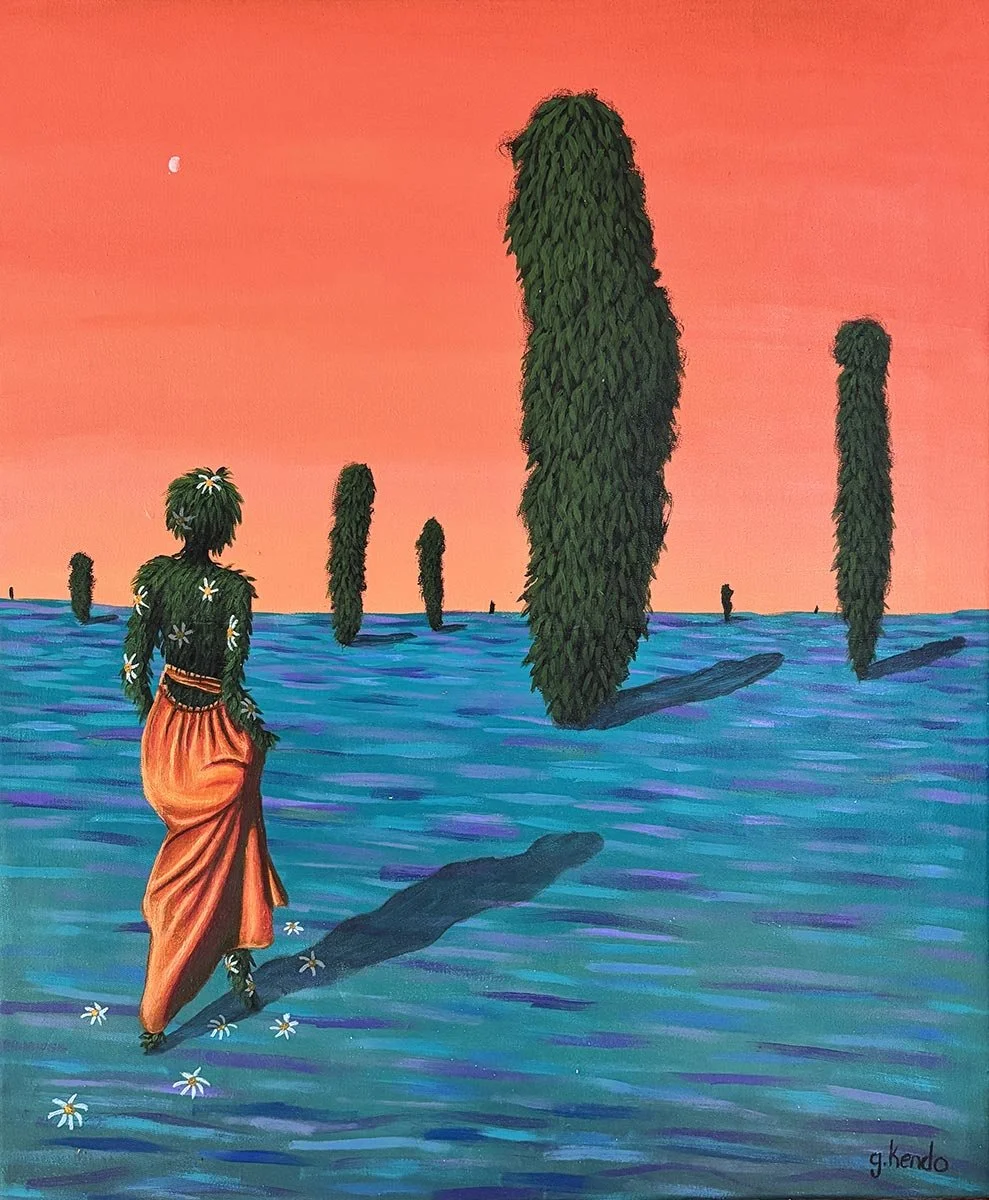
Recent artists in residence have included Gavin Kendo (April 2024), Annah Nkyalu (March 2024), Kyunyu Pauline Makala and Juanita Frier (September 2023), and Yvette Kiessling (January/February 2023) — a rotating roster of voices from Tanzania, Kenya, Cameroon, and beyond.
The Artists: A Celebration of African Talent
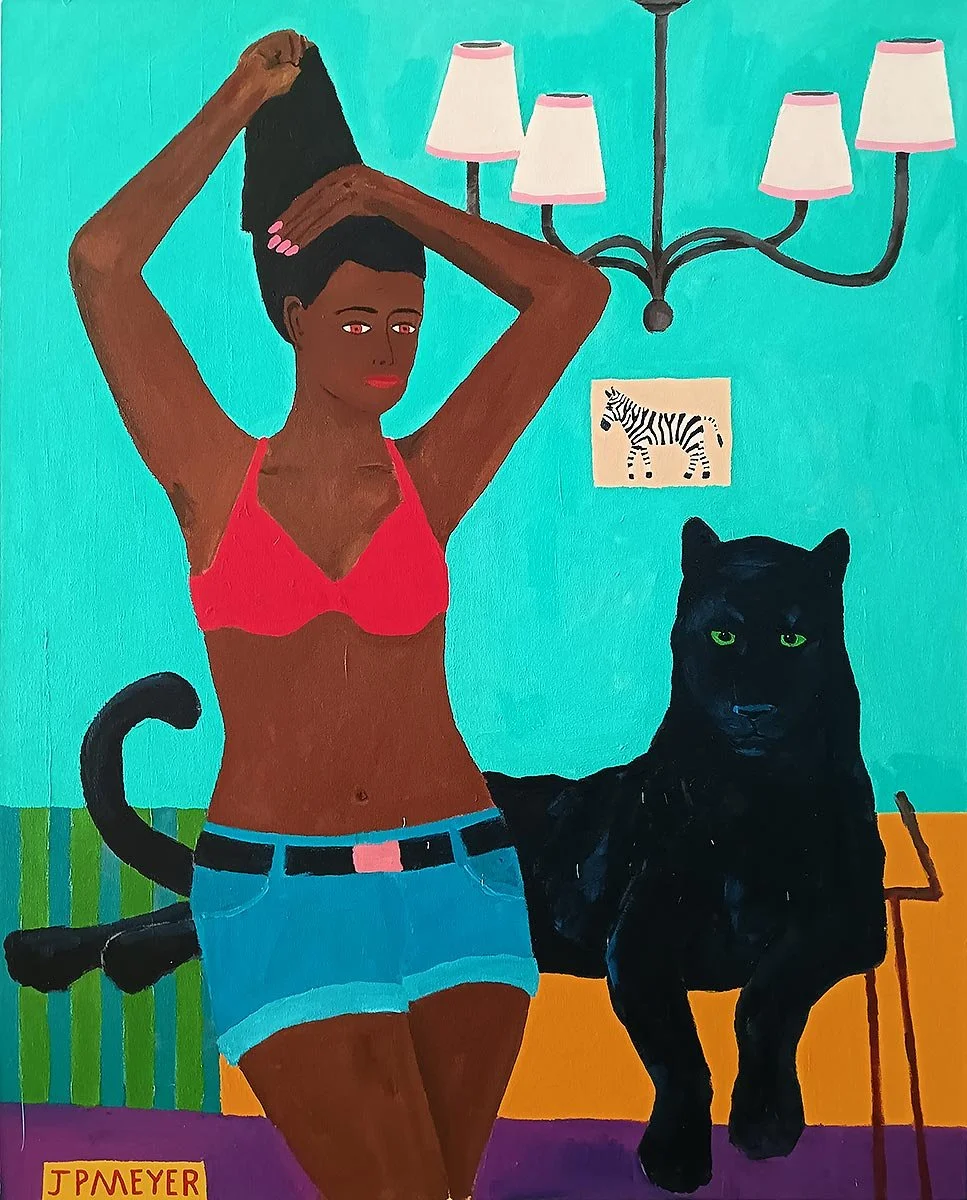
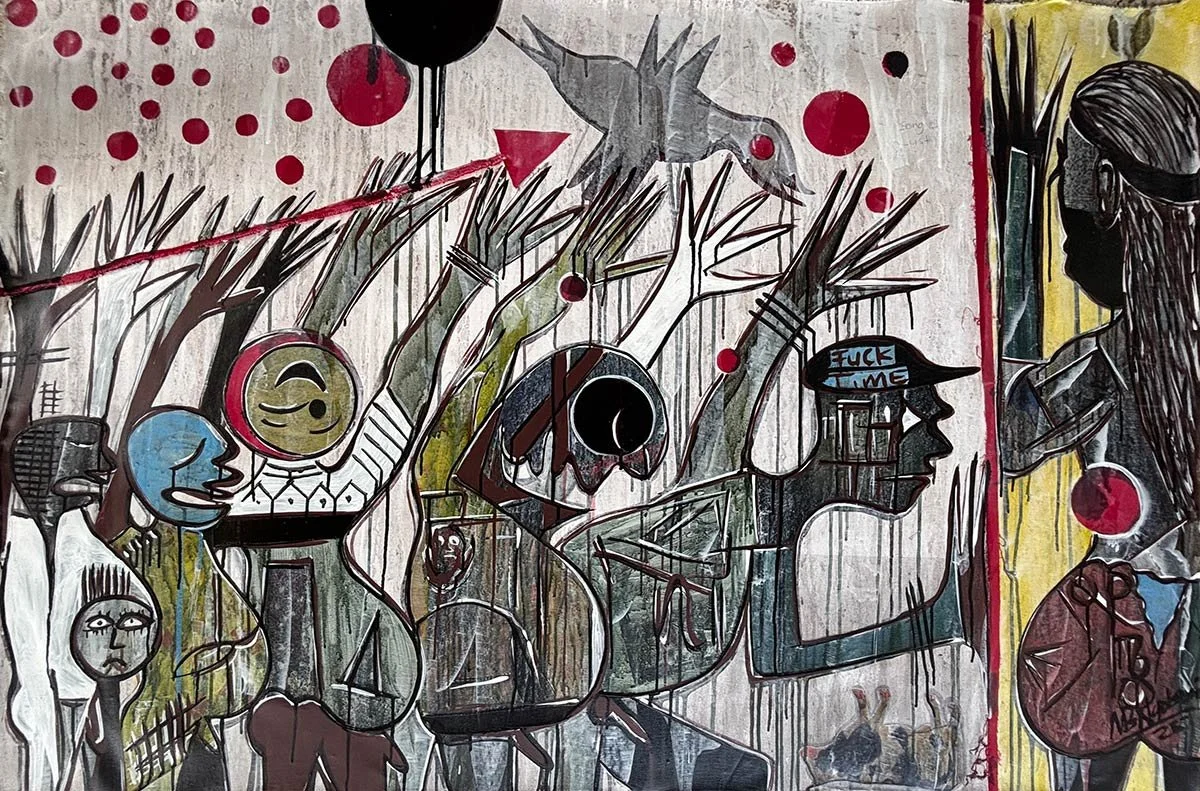
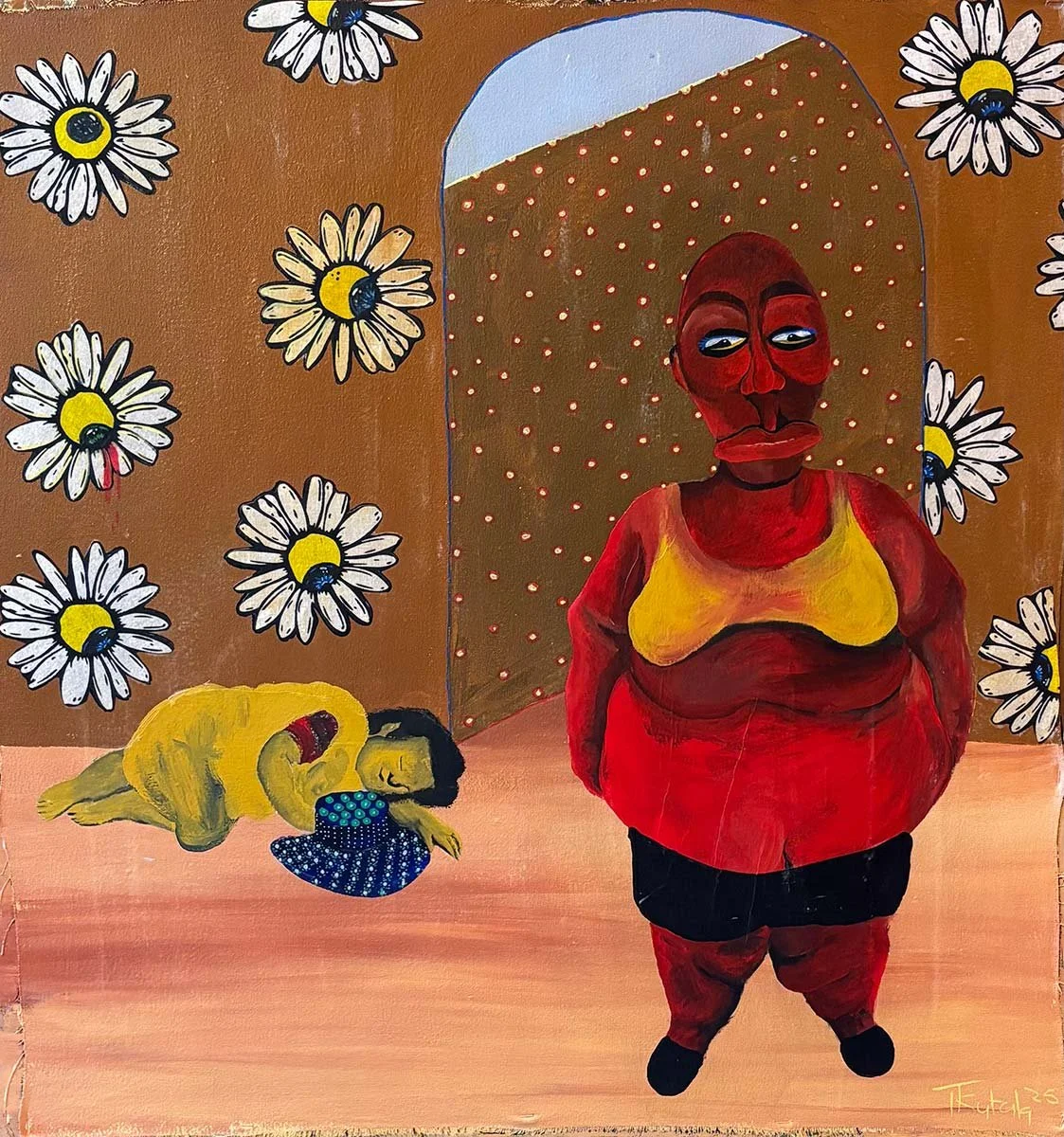
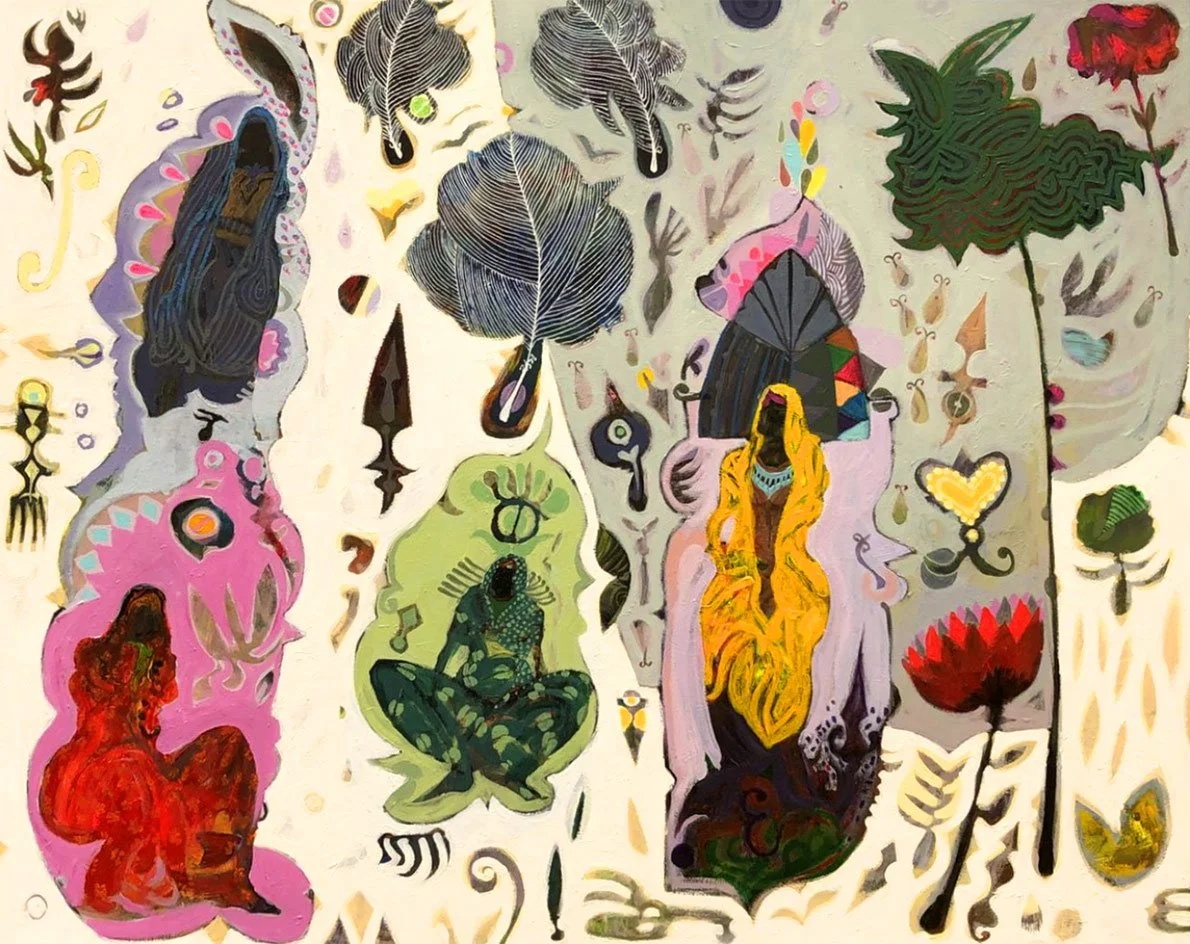
The gallery's roster spans Tanzania's founding masters of modern painting to emerging voices redefining what African contemporary art looks like in the 21st century.
The Tinga Tinga Lineage
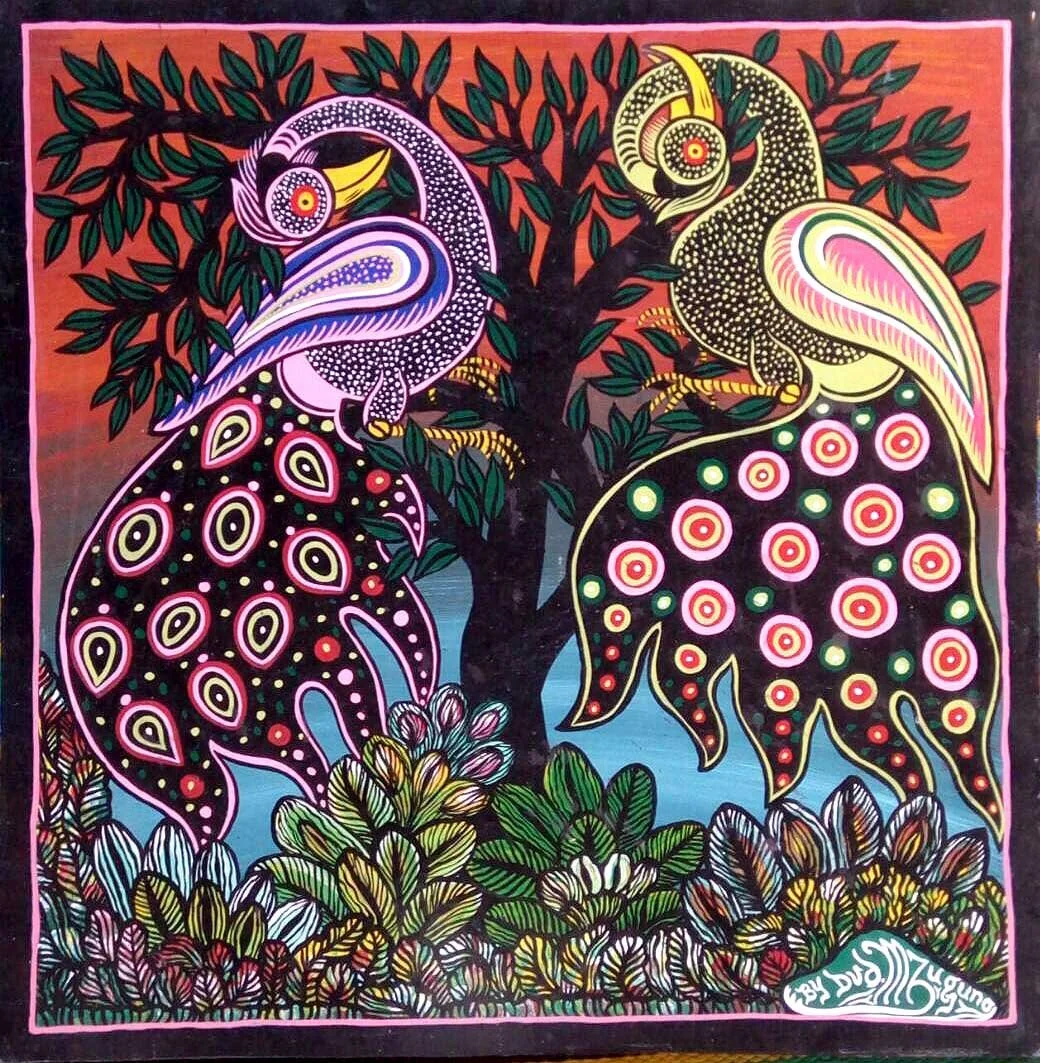
Any exploration of Tanzanian art begins with Edward Saidi Tingatinga — the self-taught painter from southern Tanzania who, in the late 1960s, developed the colorful, enamel-on-hardboard style that now bears his name. Working from bicycle paint on repurposed hardboard, Tingatinga created vivid, flattened depictions of wildlife and village life that were unlike anything being made in East Africa at the time. He died in 1972, but his influence endures in virtually every canvas sold in Tanzania today.
Forster Gallery honors this lineage through ES Tinga Tinga originals, as well as the work of David Mzuguno — one of the most important painters to emerge from the original Tinga Tinga Centre in Dar es Salaam. Born in the rural village of Gonja Bombo in northern Tanzania, Mzuguno moved to Dar es Salaam in 1967 and spent decades developing a style that, while rooted in the Tinga Tinga tradition, pushed toward greater personal expression. His works have been exhibited in Tanzania, Kenya, Uganda, Belgium, Japan, South Korea, and China. Mzuguno passed away in 2010, and his paintings at Forster Gallery represent some of the finest examples of his mature work.
The Lilanga Legacy
No name looms larger in 20th-century Tanzanian art than George Lilanga. A Makonde sculptor and painter from the south of Tanzania, Lilanga developed a visual world populated by a cast of creatures known as shetani (spirits) — round, brightly colored, often mischievous figures inspired by Makonde mythology. His paintings are instantly recognizable: explosive with color, alive with movement, and carrying a humor and warmth that make them some of the most beloved works in African art history. Lilanga's work has been collected and exhibited globally, and is represented in major private and institutional collections worldwide.
Forster Gallery also represents Hendrick Lilanga, George's grandson, who was born in Dar es Salaam in 1974 and trained directly under his grandfather. While Hendrick studied by copying his grandfather's technique — as is traditional in African artistic apprenticeship — he has developed a distinctly individual style that honors the Lilanga visual language while pushing it in new directions.
The New Generation
Alongside the masters, Forster Gallery actively champions artists who are redefining African contemporary art for a global audience.
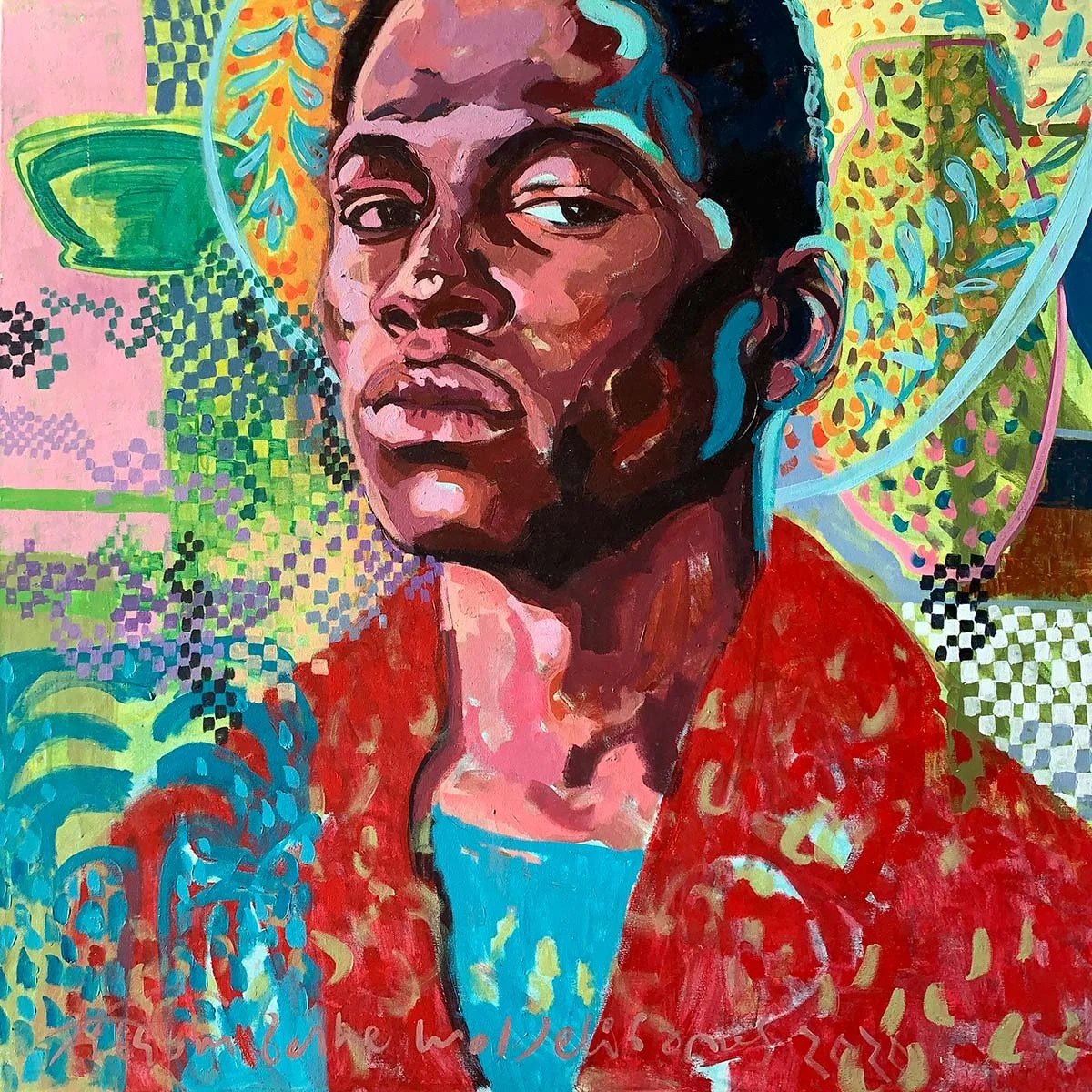
Valerie Asiimwe Amani, born in 1991 in Dar es Salaam, is one of the most internationally recognized Tanzanian artists of her generation. An Economics and Fashion graduate who went on to earn her MFA from The Ruskin School of Art at Oxford University, Amani works across painting, writing, and curation to explore body politics, memory, language, and identity through a distinctly East African lens. Her exhibitions have been shown at the Zeitz Museum of Contemporary African Art in Cape Town, Rele Gallery in Lagos, and City SALTS in Basel, Switzerland. She is also the recipient of the 2021 Vivien Leigh Prize, which resulted in the acquisition of her work by The Ashmolean Museum in Oxford. Her presence in the Forster Gallery collection represents a direct connection between Stone Town and the highest levels of the international art world.
Kyunyu Pauline Makala, also born in 1991, grew up in Mwanza on the shores of Lake Victoria. She began drawing and painting as a child but spent years pursuing a professional career in procurement before submitting her portfolio to Forster Gallery in 2023 and being selected for a residency. It proved to be a turning point. Working in Zanzibar, she developed a powerful, material-driven practice using found objects — hair collected from beauty salons, seashells, roadside sand, glass shards, polystyrene, and glitter — layered into richly textured, vibrantly colored canvases that speak directly to female identity, creative freedom, and self-determination. Her work is raw, honest, and impossible to ignore.
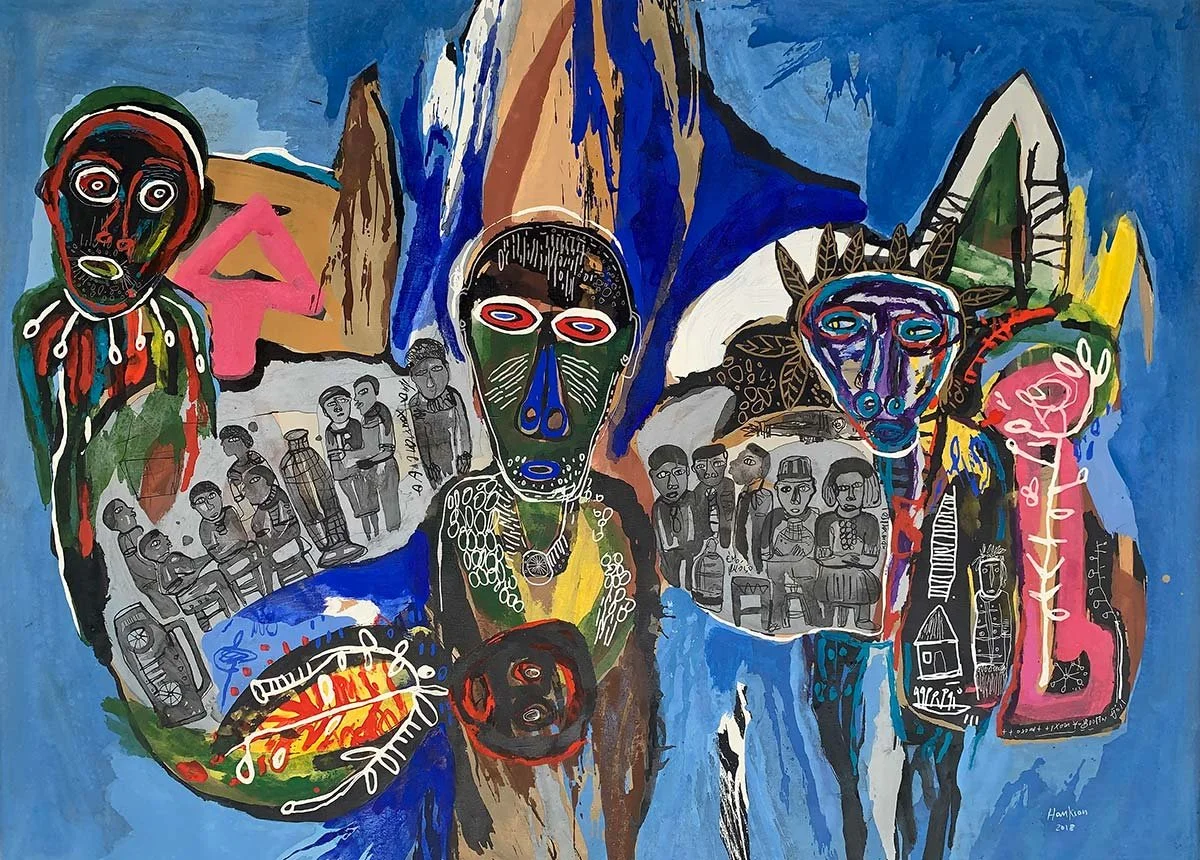
Hako Hankson, born in Cameroon in 1968, comes from a family steeped in traditional sculpture. His father served as keeper of cultural ceremonial objects — sceptres, totems, and ritual masks — giving Hankson early and intimate access to sacred objects that continue to shape his creative vision. He has exhibited across Switzerland, Cameroon, Senegal, and Portugal, was selected for the Dakar Biennale 2020, and showed at the prestigious 1-54 African Art Fair in London in 2021.
Michael Soi, one of Kenya's most celebrated contemporary painters, rounds out a roster that makes Forster Gallery one of the most geographically and conceptually diverse art spaces in East Africa.
Past Exhibitions
The gallery has mounted a series of thematic exhibitions that reflect both its local roots and its international ambitions. Past shows have included Tanzanian Masters, celebrating the foundational figures of modern Tanzanian painting; Zanzibar Inspirations, exploring how the island's light, architecture, and ocean inform artistic practice; and I Have Something to Say, a bold exhibition centered on artists using their work as a vehicle for social commentary. Shadow and Light and Landscapes and Beaches have also drawn visitors from around the island and from further afield.
The gallery also hosts live African art auctions streamed online from Zanzibar, making the work of its artists accessible to collectors around the world.
Planning Your Visit
Forster Gallery is located in Stone Town, Zanzibar's historic UNESCO-listed old city. Visits are by appointment only, which means your time at the gallery will be unhurried, personal, and tailored to your interests — a far cry from the rushed experience of a tourist-facing shop.
To book your visit, contact the gallery directly:
Email: info@forster-gallery.com
Phone (Tanzania): +255 654 269 654
Website: forster-gallery.com
The gallery can also arrange a pickup from your hotel in Stone Town, from the ferry terminal, or from the airport — making it straightforward to include even if your time on the island is limited.
If you are visiting Zanzibar on a Duma Explorer itinerary, ask your guide to help arrange a visit. It is one of the most rewarding hours you can spend in Stone Town — and if a resident artist happens to be in the studio when you arrive, the conversation alone will be worth the trip.
Why It Belongs on Your Zanzibar Itinerary
Zanzibar has always been a place where cultures converge — Arab traders, Indian merchants, Swahili fishermen, Portuguese explorers, and British colonial administrators have all left their mark on the island's architecture, cuisine, language, and art. The Forster Gallery is the most vivid contemporary expression of that legacy: a space where African artists from across a vast continent come to Zanzibar, absorb its singular atmosphere, and make work that belongs both to this island and to the world.
You will not find mass-produced Tinga Tinga prints here, or the rows of identical wooden carvings that line the souvenir stalls of Stone Town's tourist quarter. What you will find is work made by artists who have something to say — and a gallery that has given them the space, the materials, and the platform to say it.
Don't leave Zanzibar without visiting.