Exploring the Rich Diversity of Tanzania's Cultural Heritage
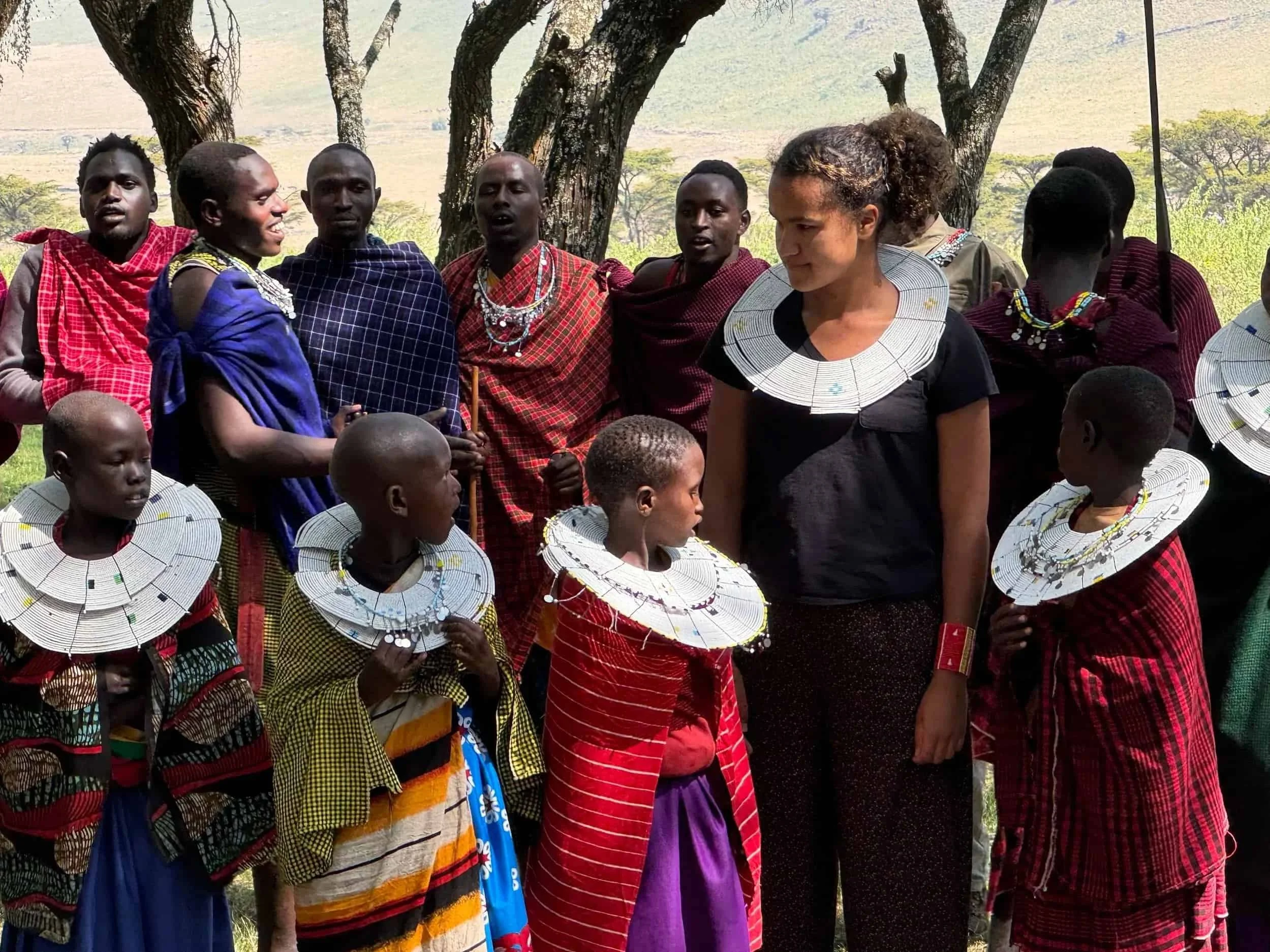
Experience the Maasai of Mysigio Village, Ngorongoro
Tanzania's Ethnic Mosaic: The Vibrant Tribes
Tanzania's rich blend of over 120 ethnic groups forms the essence of the nation's identity and draws visitors eager to explore its cultural depth. Across the country, you'll encounter distinct music, dance, attire, and crafts that reflect centuries of tradition.
The Maasai, famous for their pastoral life and vibrant red shukas, are among Africa's most recognized peoples. Their semi-nomadic culture — highlighted by the jumping dance "Adumu" — remains largely intact today. The Chagga, found in the Arusha and Kilimanjaro regions, have long excelled at farming, cultivating bananas and coffee with advanced irrigation systems that reflect remarkable agricultural ingenuity.
The Sukuma, Tanzania's largest ethnic group, are rooted in agriculture and livestock keeping across the Mwanza and Shinyanga regions. Their harvest celebrations, including the lively Bugobogobo dance, remain central to community life.
The Hadza tribe, living near Lake Eyasi in northern Tanzania, is one of the last remaining hunter-gatherer communities on earth. With a population of around 1,000 to 1,300 people, the Hadza have maintained a way of life largely unchanged for tens of thousands of years. They hunt with hand-crafted bows and arrows, forage for wild berries and tubers, and have no concept of land ownership — moving fluidly across the landscape as resources shift with the seasons. Spending time with the Hadza is a genuinely humbling experience that reframes how we understand humanity's relationship with the natural world.
In cities like Dar es Salaam, modernity meets tradition in a dynamic urban lifestyle where diverse tribal influences converge, creating a cultural experience unlike anywhere else on the continent.
Experience Tanzania's colorful ethnic tapestry as a living museum of culture, transitioning from the soulful tribes to Dar es Salaam's pulsating rhythm. Discover the country's deep and vibrant cultural journey.
Cultural Encounters on Safari: Where to Experience Tanzania's Living Traditions
One of the most rewarding aspects of a Tanzania safari is the opportunity to engage directly with indigenous communities whose traditions have endured for centuries. These cultural interactions go far beyond sightseeing — they offer genuine human connection and a deeper understanding of the landscapes you're traveling through.
Maasai Communities in Ngorongoro — The Ngorongoro Conservation Area is one of the few places in East Africa where wildlife and indigenous communities coexist within a protected landscape. The Maasai who live here continue their pastoral traditions alongside the region's extraordinary wildlife, grazing cattle on the crater rim just as their ancestors did. Visitors can walk into a traditional Maasai boma (homestead), watch the iconic Adumu jumping dance, learn about their age-old system of age-set social structure, and hear firsthand how this community balances tradition with conservation. Duma Explorer arranges respectful, community-led visits that directly benefit Maasai families.
Hadzabe Tribe at Lake Eyasi — A visit to the Hadzabe near Lake Eyasi is unlike any other cultural experience in Africa. As one of the last hunter-gatherer societies on earth, the Hadzabe invite visitors to join their early-morning hunts, watch them craft arrows tipped with the poison of desert roses, and forage for wild berries and baobab fruit. It is an encounter that strips away the modern world and connects you to humanity's oldest way of life. Duma Explorer includes Lake Eyasi cultural excursions in many northern Tanzania safari itineraries.
Zanzibari Culture in Stone Town — After the savanna, Zanzibar's Stone Town offers a completely different cultural dimension. This UNESCO World Heritage Site is a living record of Swahili, Arab, Indian, and European influences layered over centuries of trade. Wandering its narrow alleyways, you'll encounter intricately carved wooden doors, bustling spice markets, and the call to prayer echoing from ancient mosques. For a full guide to exploring this remarkable city, read our detailed Stone Town, Zanzibar guide.
The Cultural Heart of Dar es Salaam
Situated along the Indian Ocean, Dar es Salaam is Tanzania's beating cultural heart, drawing together influences from over 120 ethnic groups in a city that is constantly in motion. The result is a compelling mix of traditional and modern life that makes it one of East Africa's most rewarding destinations for cultural exploration.
Swahili serves as the common thread weaving together the city's many languages — including Arabic and English — reflecting Dar es Salaam's long history as a coastal trading crossroads.
Key cultural landmarks include the Askari Monument, which honors African soldiers who served in World War I, and the State House, a reminder of the colonial era and symbol of modern Tanzanian governance. Walking through the city's streets — past local vendors, craft markets, and open-air restaurants — brings Tanzania's artistic and culinary identity to life in the most immediate way.
A Taste of Tanzanian Cuisine
The enticing aromas drifting from Dar es Salaam's kitchens tell the story of Tanzania's history — a rich blend of African, Swahili, Arab, and Indian influences that have shaped the country's culinary identity over centuries.
At the center of it all is ugali, a hearty staple made from maize flour, cooked to a firm, dough-like consistency and served alongside nearly every meal. Ugali is the foundation of Tanzanian dining — whether in a Dar es Salaam restaurant or a rural village — and is typically paired with rich stews, grilled meats, or leafy greens.
No discussion of Tanzanian food is complete without nyama choma — literally "roasted meat" in Kiswahili. This beloved dish of slow-grilled beef or goat, often seasoned simply with salt and lime, is a social tradition as much as a meal. Families and friends gather at nyama choma joints across the country, sharing platters of smoky, charred meat alongside cold drinks and conversation. It is Tanzania's answer to the braai or the barbecue, and an essential part of any cultural experience.
Makande, a comforting one-pot dish of maize and beans cooked with coconut milk, is another staple found throughout the country and reflects the resourcefulness of Tanzanian home cooking. Chipsi mayai — a street food omelette stuffed with chips (French fries) — is a favorite grab-and-go meal in Dar es Salaam and beyond, while pilau, a fragrant spiced rice dish seasoned with cumin, cardamom, and cloves, reveals the deep influence of Arab and Indian traders on coastal Tanzanian kitchens.
Along the coast, mishkaki — marinated meat skewers grilled over charcoal — speak to the legacy of Arab traders who shaped Swahili culture. Wali wa nazi (coconut rice) reflects India's culinary influence, delivering flavors that feel both familiar and wonderfully exotic. Samosas, bajias (spiced fritters), and vitumbua (sweet coconut rice pancakes) round out the street food scene that makes evening markets like Forodhani Gardens in Stone Town one of Tanzania's most sensory experiences.
Sharing food is fundamental to Tanzanian culture. Whether in a city apartment or a rural village, communal dining brings people together. Families and friends gather around shared dishes, often seated on mkeka mats, in a tradition that embodies Tanzania's deep spirit of togetherness. More than sustenance, Tanzanian food is a living expression of cultural identity and history — and tasting your way through Tanzania is one of the most enjoyable ways to connect with the country's heritage.
Tanzanian Arts and Festivals
Tanzania's culture shines most vividly through its arts and festivals, which offer some of the most memorable experiences available to travelers on the continent.
Tinga Tinga art is perhaps Tanzania's most distinctive visual tradition. Named after its founder, Edward Said Tingatinga, who developed the style in Dar es Salaam in the late 1960s, Tinga Tinga paintings are immediately recognizable for their bold colors, rounded forms, and intricate detail. Originally created on hardboard using bicycle paint, the works typically depict wildlife, village scenes, and the rhythms of everyday Tanzanian life. Tingatinga passed away in 1972, but his style lived on through his family and a growing community of artists — today, Tinga Tinga art is sold in markets and galleries across Tanzania and exported around the world. Buying a piece directly from an artist in Dar es Salaam or Zanzibar is one of the most meaningful souvenirs a traveler can bring home.
For travelers with a serious interest in African contemporary art, a visit to the Forster Gallery in Zanzibar's Stone Town is a must. Founded by Markus Forster and Marina Majiba, the gallery represents more than 15 artists from across the African continent and features an OpenStudio where visiting artists create new work during residencies. Unlike many gallery experiences, Forster Gallery invites you to watch art being made, ask questions, and engage directly with the creative process — making it one of the most compelling fine art spaces in East Africa.
Dance holds an equally important place in cultural life. The Ngoma dance, performed by the Maasai, Sukuma, and other tribes, uses rhythm, movement, and costume to tell stories passed down through generations. It remains a living tradition, performed at ceremonies and festivals throughout the year.
Sauti za Busara ("Sounds of Wisdom") is one of Africa's premier music festivals, held each February in the historic Fort of Zanzibar's Stone Town. Since its founding in 2003, the festival has grown into a celebrated four-day showcase of African music in all its forms — from traditional coastal taarab to contemporary Afrobeats and everything in between. Artists from across the continent perform for audiences that travel from around the world to experience it, making Sauti za Busara one of the most compelling reasons to time a Zanzibar visit for early in the year. The Mwaka Kogwa, a Swahili new year celebration rooted in ancient Persian Zoroastrian tradition, is another highlight of Tanzania's cultural calendar. Held each July in Makunduchi on Zanzibar's southern coast, the festival involves ritual mock fights, traditional songs, and communal feasting — a four-day celebration of renewal that has been practiced for centuries.
Music is woven into virtually every aspect of Tanzanian life — and nowhere is that more apparent than in Bongo Flava, the country's dominant modern sound. Sung entirely in Kiswahili, Bongo Flava blends East African rhythms with hip-hop, R&B, and Afrobeats, and you'll hear it pouring out of restaurants, minibuses, and beach bars from Dar es Salaam to Zanzibar. Alongside it, Taarab — the haunting orchestral poetry of the Swahili coast — and Singeli, the electrifying underground genre born in Dar es Salaam's working-class neighborhoods, complete a musical landscape unlike anywhere else in Africa. For a deeper look at the sounds you'll encounter on your trip, read our full guide to Music in Tanzania: The Kiswahili Soundtrack to Your Safari.
Discover Tanzania with Duma Explorer
Duma Explorer brings Tanzania's cultural richness to life through tailored adventures that go well beyond the standard safari. Led by owner Stacy Readal, Duma Explorer designs personalized journeys that combine Tanzania's breathtaking natural landscapes with authentic cultural encounters — from hiking through Kilimanjaro's lush foothills to game drives across the Serengeti.
Travelers with Duma Explorer have the opportunity to participate in Maasai ceremonies in Ngorongoro, join early-morning hunts with the Hadzabe at Lake Eyasi, explore the winding alleyways and art galleries of Stone Town, and engage directly with the communities that make Tanzania so extraordinary. These interactions offer genuine insight into Tanzanian life and create connections between visitors and locals that last long after the journey ends. Experience the vibrant arts and festivals of Tanzania up close with Duma Explorer. Known for its tailored adventures, Duma Explorer excels in showcasing the cultural richness and natural beauty of Tanzania.
Conclusion
Tanzania's culture is a vibrant blend of diverse traditions, living history, and shared humanity. From the ancient stories of its tribes to the pulsating energy of Dar es Salaam, from the spice-infused flavors of its cuisine to the rhythms of its music and dance, Tanzania offers cultural riches that reward every traveler who takes the time to explore them.
Diversity in Tanzania is not just a feature of the landscape — it is the soul of the nation. Preserving and celebrating that diversity honors the past and enriches the future. Whether you're drawn to the Maasai plains, the alleys of Stone Town, or the festival stages of Zanzibar, let Duma Explorer guide you to the experiences that make Tanzania truly unique.
About Duma Explorer
Duma Explorer is your gateway to extraordinary adventures in East Africa, offering personalized travel itineraries for Kilimanjaro climbs and unforgettable safari journeys across Tanzania's stunning landscapes.
Rooted in deep local expertise, Duma Explorer crafts trips that matter — providing immersive experiences in nature and culture across Tanzania, Kenya, Uganda, and Rwanda.
Ready to start your adventure? Explore our services and let us tailor your dream journey through Africa.