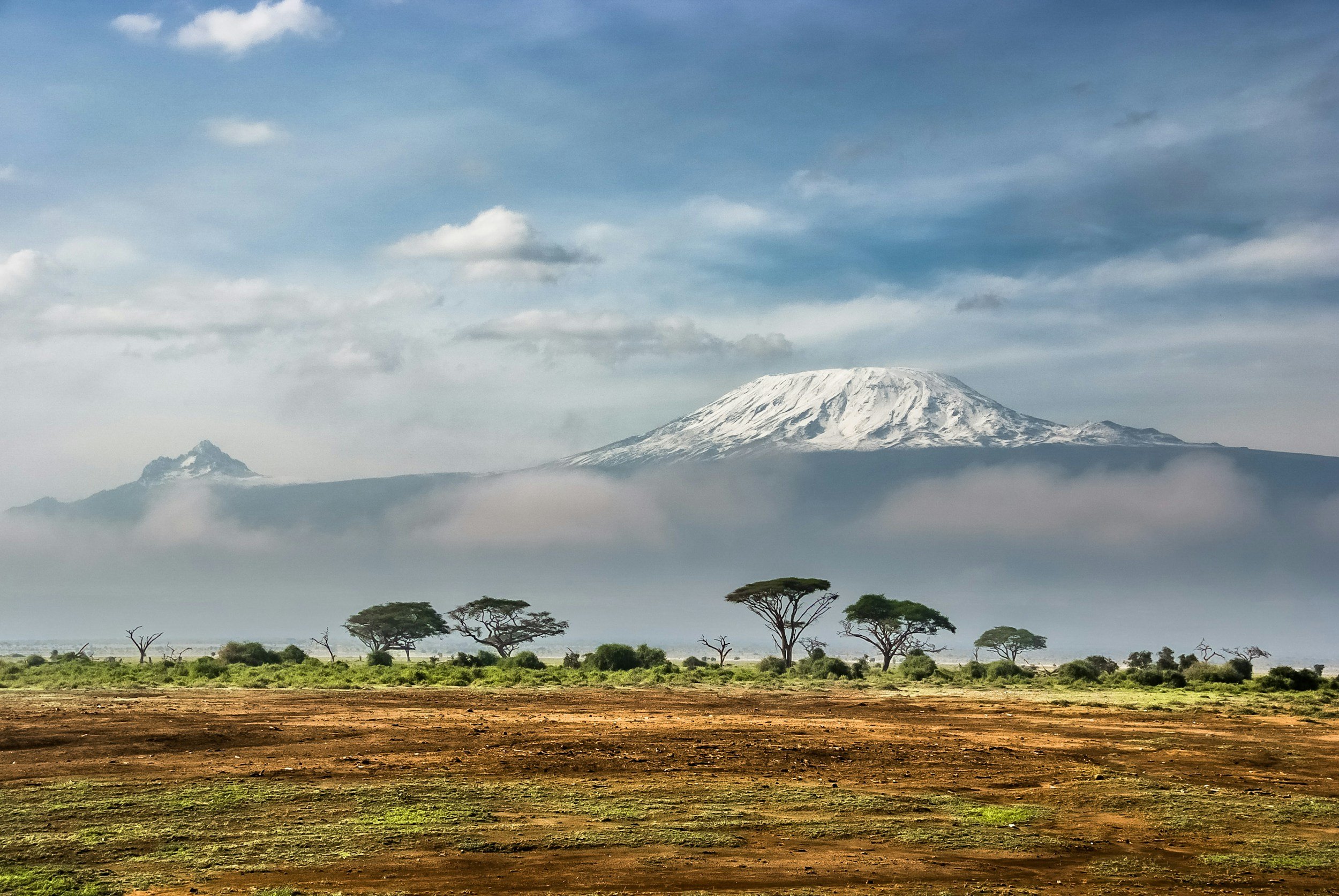
Climb Mount Kilimanjaro with the Team That Knows It Best
For over 20 years, Duma Explorer has guided climbers to the Roof of Africa. Work directly with founder Stacy Readal to custom-design your expedition — backed by WFR-certified guides, ethical porter treatment, and 680+ five-star reviews.
20+
YEARS ON THE MOUNTAIN
680+
FIVE-STAR REVIEWS
1:1
SUMMIT NIGHT SUPPORT
8
MAXIMUM GROUP SIZE
With over 200 licensed Kilimanjaro operators in Tanzania, your choice of company determines your guide quality, safety, food, and porter treatment. Here is what sets Duma Explorer apart.
IN THIS GUIDE
Routes Comparison | Best time to climb | Pricing info | Full Moon Calendar | Group Climbs | Climbing Routes | FAQ | Resources
Wilderness First Responder–Certified Guides
Every head guide holds WFR certification and carries at least 15 years of Kilimanjaro experience. Guides completed their most recent recertification in April 2026. They monitor your vitals with pulse oximeters and carry emergency oxygen on every climb.
Ethical Porter Treatment
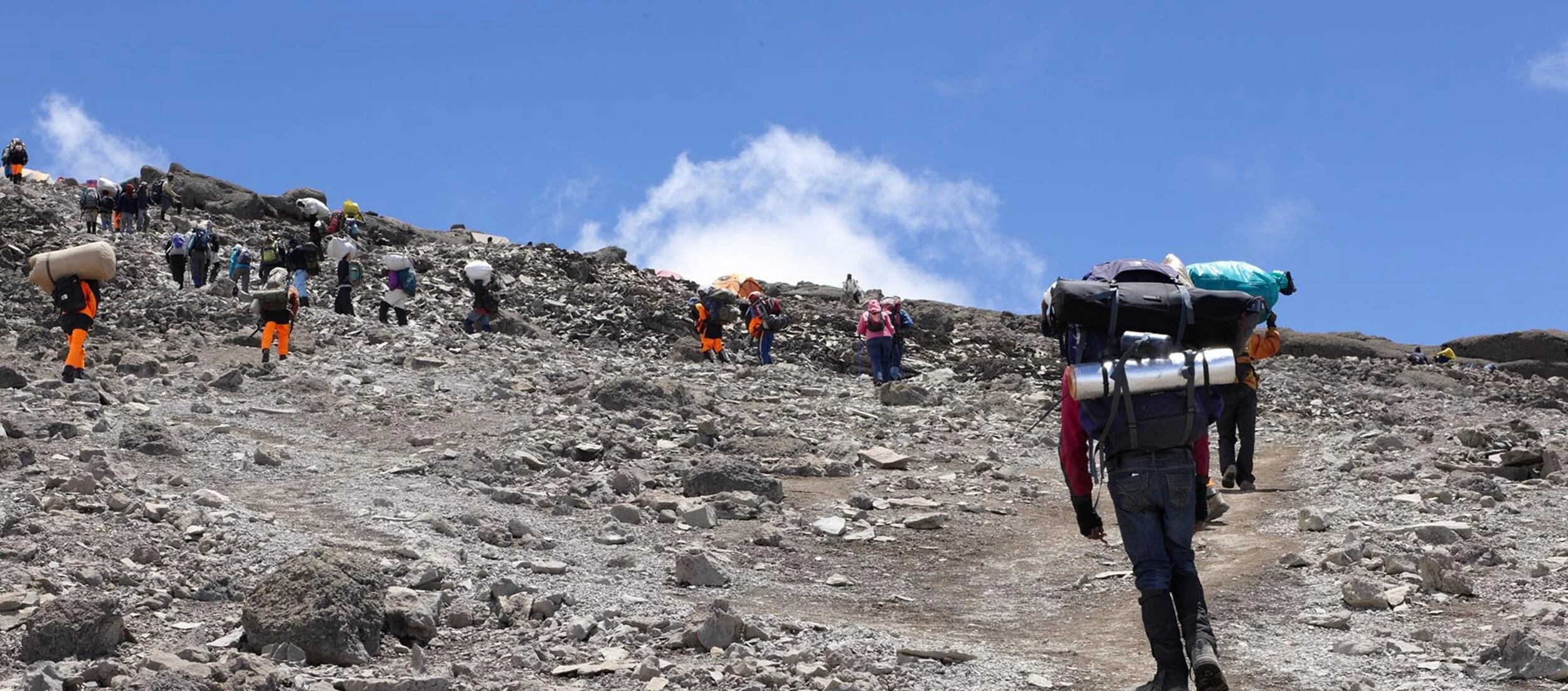
As one of the ten founding partners of the Kilimanjaro Porters Assistance Project (KPAP), Duma Explorer has been committed to fair porter treatment since the organization's inception. We continue to meet or exceed all KPAP requirements for fair wages, proper gear, and respectful treatment of every crew member.
High-End Mountaineering Equipment
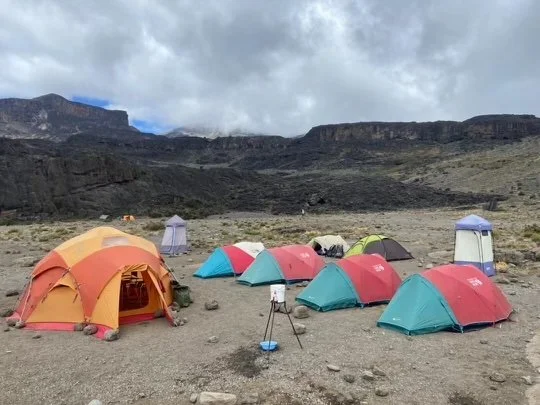
Tents rated for sub-zero temperatures and extreme winds. Comfortable sleeping arrangements, quality dining tents, private toilets, and proper sanitation facilities are standard on every trek.
Empowering Women on the Mountain
Duma Explorer is proud to employ female porters and assistant guides on our Kilimanjaro crews, helping to create opportunity in a traditionally male-dominated industry. We believe a diverse mountain team strengthens the climbing experience for everyone.
Summit Night: One Staff Member for Every Climber
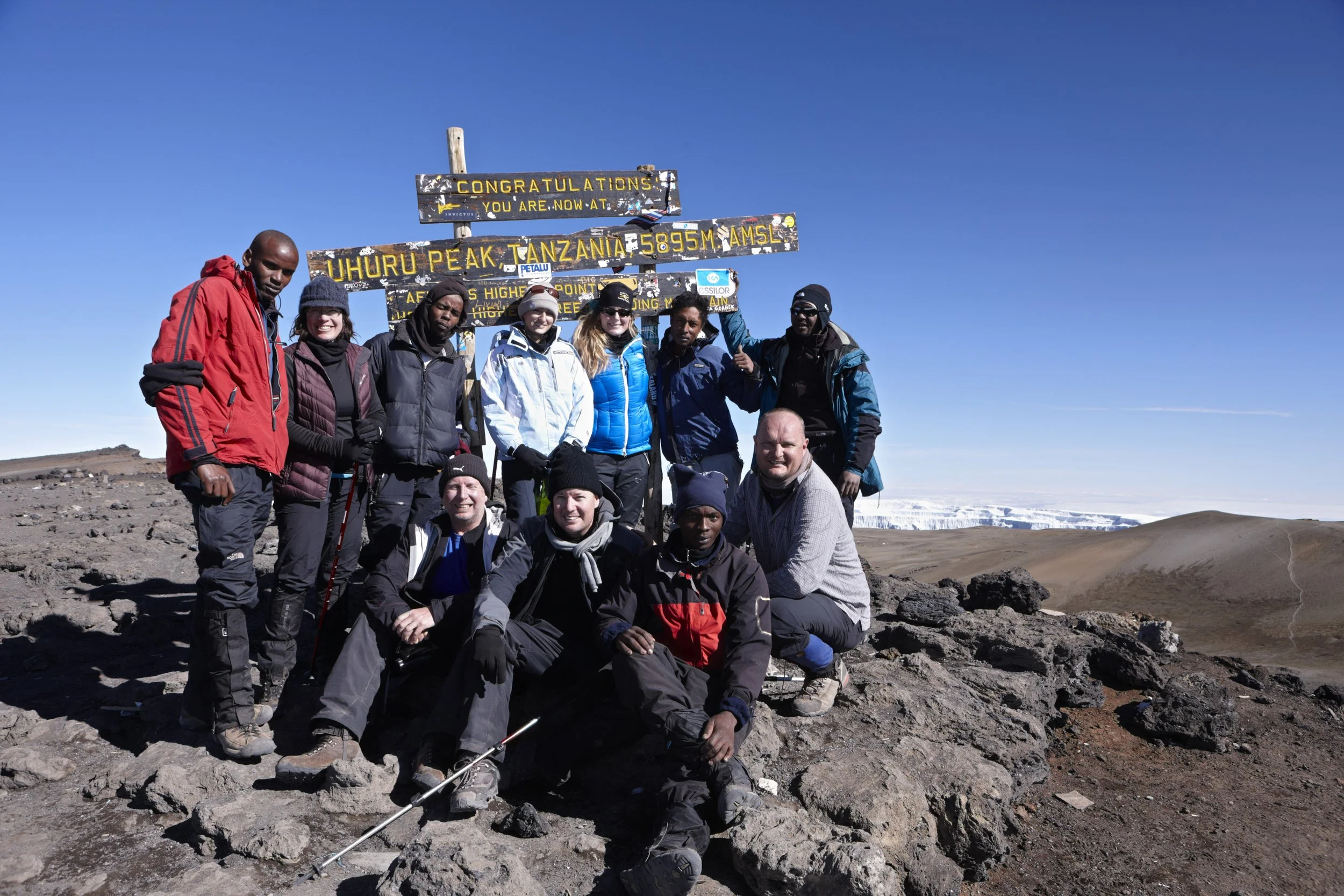
On the night that matters most, every Duma climber has a dedicated crew member by their side. Our 1:1 staff-to-climber ratio on summit night means constant monitoring of your pace, breathing, and condition — giving you the best possible chance of reaching Uhuru Peak safely.
Experienced Mountain Crew
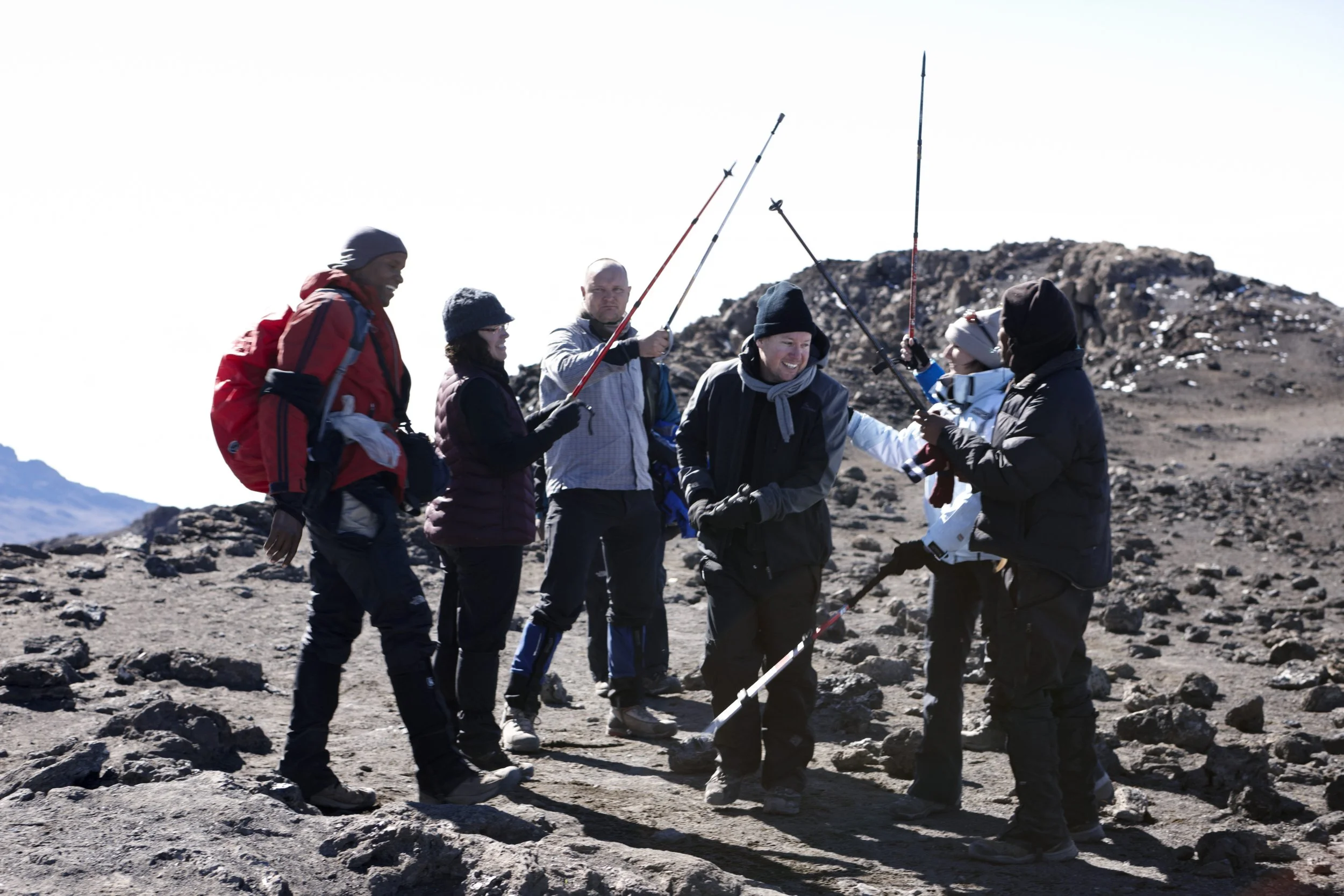
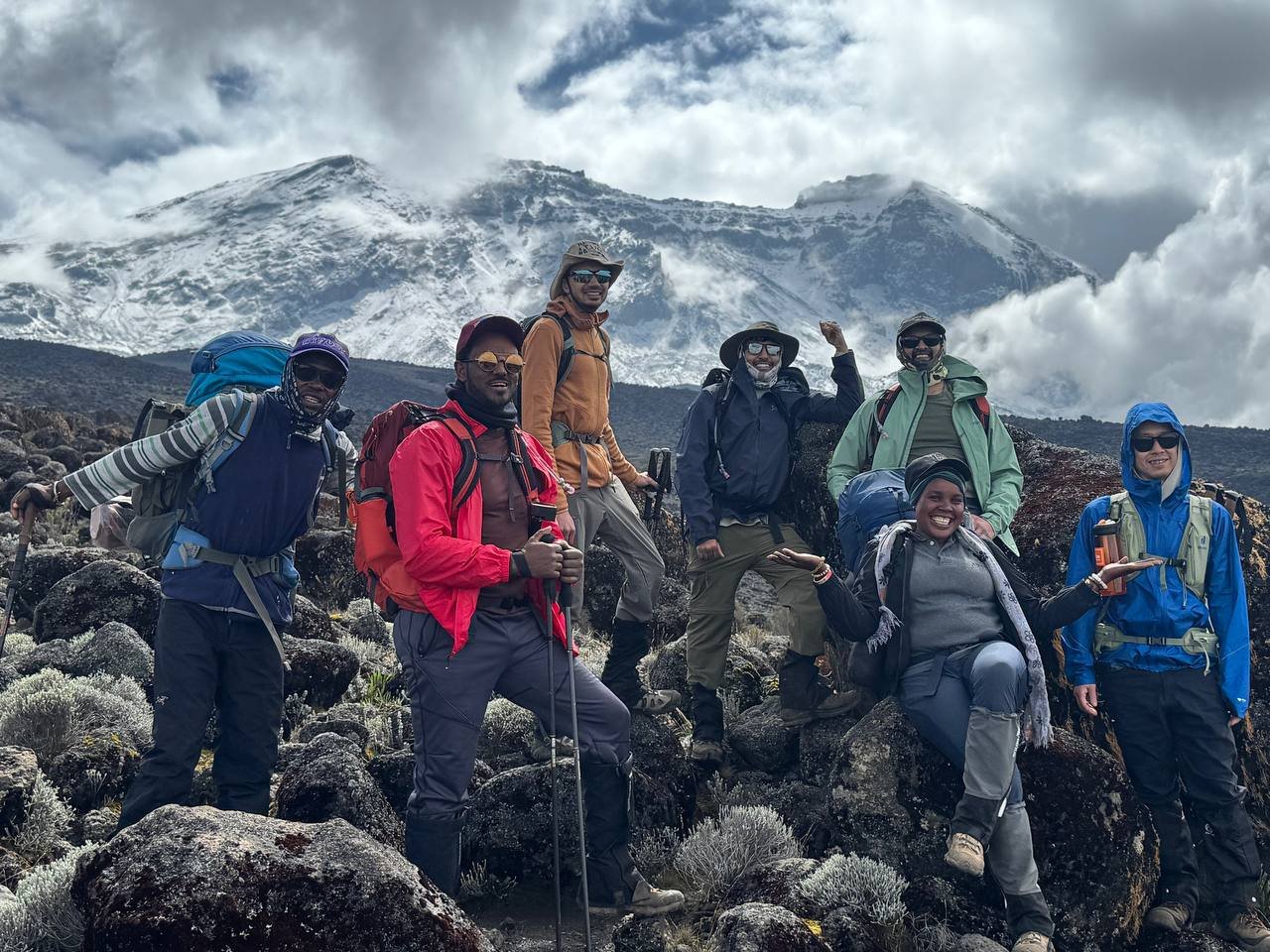
Guides, assistant guides, cooks, and porters — many have been with Duma since the beginning. Head guides have a minimum of seven years' experience; most porters and cooks have at least five. Our reviews consistently show that it is the depth and dedication of the entire team that sets Duma apart.
680+ Five-Star Reviews
Climbers consistently highlight Duma’s exceptional guide and support crew quality and experience, gourmet mountain food, and the personal attention that comes from working directly with the company’s owner.
Work Directly with the Owner
Travelers work one-on-one with founder Stacy Readal to custom-design every detail — from route selection and acclimatization schedules to post-climb safaris. Stacy is straightforward about climb difficulty and mountain conditions, so you know exactly what to expect before you arrive.
Kilimanjaro Routes Compared
Six routes to the Roof of Africa — which one is right for you?
*Success rates shown are industry-wide averages across all operators. Duma Explorer’s success rates are consistently higher thanks to a 1:1 staff-to-climber ratio on summit night, highly experienced team, and proven acclimatization protocols. We recommend the 8-day Lemosho for most climbers — it offers the best balance of scenery, acclimatization, cost, and summit success.
| Route | Days | Success Rate* | Difficulty | Scenery | Crowds | Pros | Cons |
|---|---|---|---|---|---|---|---|
|
Lemosho 8 Days
Our Top Pick |
8 | ~90% | Moderate | Excellent | Low–Moderate |
✓ Best acclimatization profile ✓ Scenic Shira Plateau crossing ✓ High success rate ✓ Fewer crowds than Machame ✓ Possible wildlife sightings |
✗ Higher cost (extra forest fees) ✗ Longer drive to trailhead |
| Lemosho 7 Days | 7 | ~85% | Moderate | Excellent | Low–Moderate |
✓ Same scenic route, one day shorter ✓ Good acclimatization ✓ Full rainforest-to-summit experience |
✗ Less acclimatization than 8-day ✗ Longer drive to trailhead |
| Shira 7 Days | 7 | ~85% | Moderate | Excellent | Low |
✓ Shorter western approach via Lemosho trail ✓ Full Shira Plateau & southern circuit scenery ✓ Strong acclimatization profile ✓ Vehicle-accessible exit at Shira 2 |
✗ Skips the montane rainforest of Day 1 ✗ Starts at higher altitude (3,414 m) ✗ Long drive to Morum Barrier |
|
Northern Circuit 9 Days
Recommended |
9 | ~95% | Moderate | Exceptional | Very Low |
✓ Highest success rate on Kili ✓ Circles entire mountain ✓ Maximum acclimatization ✓ Least crowded route |
✗ Most expensive option ✗ Longest time commitment |
|
Northern Circuit 8 Days
Recommended |
8 | ~90% | Moderate | Exceptional | Very Low |
✓ Full circumnavigation ✓ Excellent acclimatization ✓ Least crowded route |
✗ Higher cost ✗ Long trek |
|
Machame 7 Days
Popular |
7 | ~73% | Moderate–Hard | Very Good | High |
✓ Varied, dramatic scenery ✓ Short drive from Moshi ✓ Least expensive camping option |
✗ Most crowded route ✗ Lower success rate than Lemosho ✗ Steep descent on Mweka |
| Machame 6 Days | 6 | ~50% | Hard | Very Good | High |
✓ Budget-friendly ✓ Short drive ✓ Scenic western approach |
✗ Low success rate ✗ Very crowded ✗ Rushed acclimatization |
| Rongai 7 Days | 7 | ~85% | Moderate | Good | Low |
✓ Quietest established route ✓ Gentle, steady gradient ✓ Possible wildlife sightings ✓ Good for wet season (drier east side) |
✗ Less dramatic scenery early on ✗ Long drive to trailhead (near Kenya border) ✗ Fewer campsite options |
| Rongai 6 Days | 6 | ~70% | Moderate | Good | Low |
✓ Quiet and remote ✓ Gentle approach ✓ Drier east-side start |
✗ Less acclimatization time ✗ Less dramatic early scenery ✗ Long drive to trailhead |
|
Marangu 6 Days
Classic |
6 | ~50% | Moderate | Good | High |
✓ Only route with hut accommodation ✓ No camping required ✓ Least physically demanding terrain |
✗ Lowest success rate ✗ Dormitory-style huts (60–120 bunks) ✗ Same ascent and descent path ✗ Busiest route on the mountain |
*Success rates shown are industry-wide averages across all operators. Duma Explorer's success rates are consistently higher thanks to a 1:1 staff-to-climber ratio on summit night, highly experienced guides, and proven acclimatization protocols.
Best Time to Climb Kilimanjaro
The table below is based on 30 years of historical weather data recorded on Mount Kilimanjaro at climbing elevations between 1,800 and 2,800 meters — not from the town of Moshi at the base of the mountain, where conditions are significantly drier. Note, Kilimanjaro's weather has become increasingly unpredictable in recent years. Months that were historically dry can now bring sudden, heavy downpours, and summit-night snowfall is more common than many climbers expect. February is a good example: in 2025, climbers experienced almost no rain, while in 2026 the mountain received over 500 mm of rainfall in a single month. At Duma Explorer, we prepare for every scenario. Our climbers sleep in four-season mountaineering tents designed to withstand high winds and heavy rain at altitude, and we carry micro spikes for summit night whenever there is snow or ice on the crater rim. Weather on Kilimanjaro can change in minutes, and the right equipment makes all the difference between a miserable night and a safe, successful summit.
| Month | Season | Base Temp (avg) | Summit Temp (night) | Rainfall | Conditions | Climbing Rating |
|---|---|---|---|---|---|---|
| January | Short Dry / Variable | 25°C / 77°F | -7 to -15°C | High (~339 mm, 16 days) | Warm days, variable rain; often drier mid-month | Good |
| February | Short Dry / Variable | 26°C / 79°F | -7 to -15°C | High (~347 mm, 15 days) | Highly variable; can be dry or very wet year to year | Good |
| March | Long Rains Begin | 25°C / 77°F | -5 to -15°C | Very High (~488 mm, 18 days) | Rain increasing steadily; trails become muddy | Fair |
| April | Long Rains (Peak) | 24°C / 75°F | -5 to -15°C | Very High (~594 mm, 23 days) | Heaviest rainfall; reduced visibility; slippery trails | Poor |
| May | Long Rains End | 22°C / 72°F | -7 to -18°C | High (~297 mm, 17 days) | Rain easing late month; still wet and cold at altitude | Fair |
| June | Dry Season Begins | 20°C / 68°F | -10 to -20°C | Low (~92 mm, 9 days) | Rapidly drying; cold nights; clear skies increasing | Good |
| July | Long Dry (Peak) | 20°C / 68°F | -10 to -20°C | Very Low (~49 mm, 10 days) | Driest month; clear skies; cold nights at summit | Excellent |
| August | Long Dry (Peak) | 21°C / 70°F | -10 to -20°C | Very Low (~68 mm, 9 days) | Dry and stable; busiest climbing month | Excellent |
| September | Long Dry | 23°C / 73°F | -7 to -18°C | Low (~96 mm, 8 days) | Dry; warming days; excellent visibility | Excellent |
| October | Short Rains Begin | 25°C / 77°F | -5 to -15°C | Moderate (~233 mm, 12 days) | Short rains arriving; still many clear days | Good |
| November | Short Rains | 24°C / 75°F | -5 to -15°C | Very High (~407 mm, 23 days) | Heavy rain; afternoon storms common | Fair |
| December | Short Rains Easing | 24°C / 75°F | -7 to -15°C | High (~400 mm, 20 days) | Rain decreasing through the month; warm | Good |
Rainfall data based on 30-year on-mountain averages (1,800–2,800 m elevation). Actual conditions vary significantly year to year.
2026 Kilimanjaro rates
Kilimanjaro Climb Pricing
| Route & Duration | 2–3 Pax | 4–7 Pax | 8+ Pax |
|---|---|---|---|
| Machame 6 Days | $2,699 | $2,299 | $2,099 |
| Machame 7 Days | $2,999 | $2,599 | $2,399 |
| Marangu 6 Days | $2,399 | $1,999 | $1,799 |
| Lemosho 7 Days Recommended | $2,999 | $2,599 | $2,399 |
| Lemosho 8 Days Recommended | $3,399 | $2,999 | $2,799 |
| Shira 7 Days | $3,049 | $2,649 | $2,449 |
| Rongai 6 Days | $2,699 | $2,299 | $2,099 |
| Rongai 7 Days | $2,999 | $2,599 | $2,399 |
| Northern Circuit 8 Days Recommended | $3,399 | $2,999 | $2,799 |
| Northern Circuit 9 Days Recommended | $3,799 | $3,399 | $3,199 |
All prices in USD per person. No hidden fees or surcharges. Contact Stacy to discuss your group size and preferred dates.
Full Moon & New Moon Calendar: 2026–2027
Time your summit night for moonlit trails or Milky Way stargazing
| Month | New Moon 🌑 | Full Moon 🌕 | Darkest Skies (Stargazing) | Brightest Moonlit Ascent |
|---|---|---|---|---|
| 2026 | ||||
| January | Jan 18 | Jan 3 | Jan 16–20 | Jan 1–5 |
| February | Feb 17 | Feb 2 | Feb 15–19 | Jan 31–Feb 4 |
| March | Mar 19 | Mar 3Total lunar eclipse | Mar 17–21 | Mar 1–5 |
| April | Apr 17 | Apr 2 | Apr 15–19 | Mar 31–Apr 4 |
| May | May 16 | May 1 & May 31Blue Moon on May 31 | May 14–18 | Apr 29–May 3 or May 29–Jun 2 |
| June | Jun 15 | Jun 30 | Jun 13–17 | Jun 28–Jul 2 |
| July | Jul 14 | Jul 29 | Jul 12–16 | Jul 27–31 |
| August | Aug 12 | Aug 28Partial lunar eclipse | Aug 10–14 | Aug 26–30 |
| September | Sep 11 | Sep 26 | Sep 9–13 | Sep 24–28 |
| October | Oct 10 | Oct 26 | Oct 8–12 | Oct 24–28 |
| November | Nov 9 | Nov 24 | Nov 7–11 | Nov 22–26 |
| December | Dec 9 | Dec 24Super Full Moon | Dec 7–11 | Dec 22–26 |
| 2027 | ||||
| Month | New Moon 🌑 | Full Moon 🌕 | Darkest Skies (Stargazing) | Brightest Moonlit Ascent |
| January | Jan 7 | Jan 22Super Full Moon | Jan 5–9 | Jan 20–24 |
| February | Feb 6 | Feb 21 | Feb 4–8 | Feb 19–23 |
| March | Mar 8 | Mar 22 | Mar 6–10 | Mar 20–24 |
| April | Apr 7 | Apr 21 | Apr 5–9 | Apr 19–23 |
| May | May 6 | May 20 | May 4–8 | May 18–22 |
| June | Jun 4 | Jun 19 | Jun 2–6 | Jun 17–21 |
| July | Jul 4Super New Moon | Jul 18 | Jul 2–6 | Jul 16–20 |
| August | Aug 2 & Aug 31Black Moon on Aug 31 | Aug 17Penumbral lunar eclipse | Jul 31–Aug 3 or Aug 29–Sep 2 | Aug 15–19 |
| September | Sep 30 | Sep 16 | Sep 28–Oct 2 | Sep 14–18 |
| October | Oct 29 | Oct 15 | Oct 27–31 | Oct 13–17 |
| November | Nov 27 | Nov 14 | Nov 25–29 | Nov 12–16 |
| December | Dec 27 | Dec 13 | Dec 25–29 | Dec 11–15 |
All dates are in East Africa Time (EAT, UTC+3). Source: timeanddate.com
Group Climbing Dates
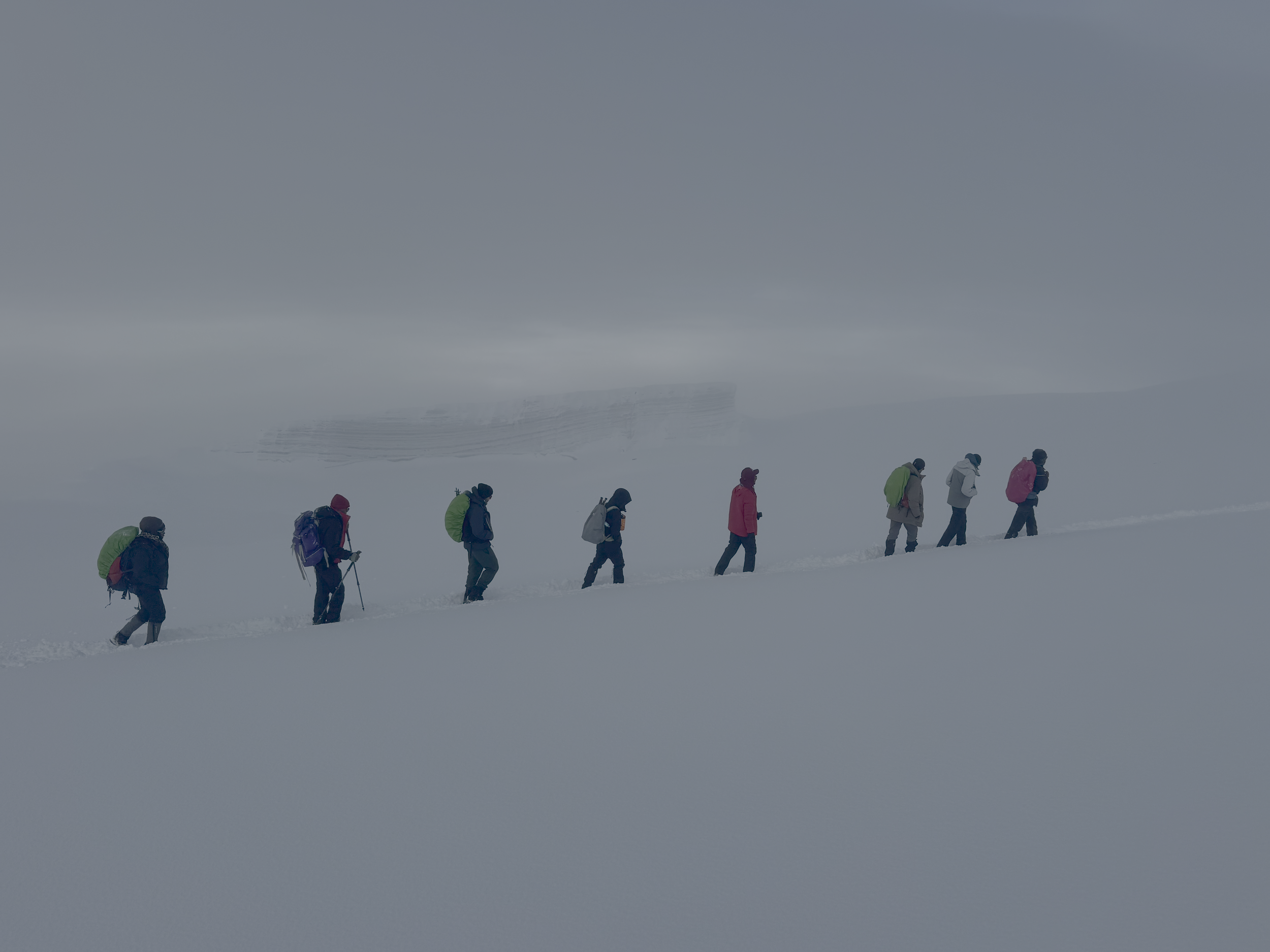
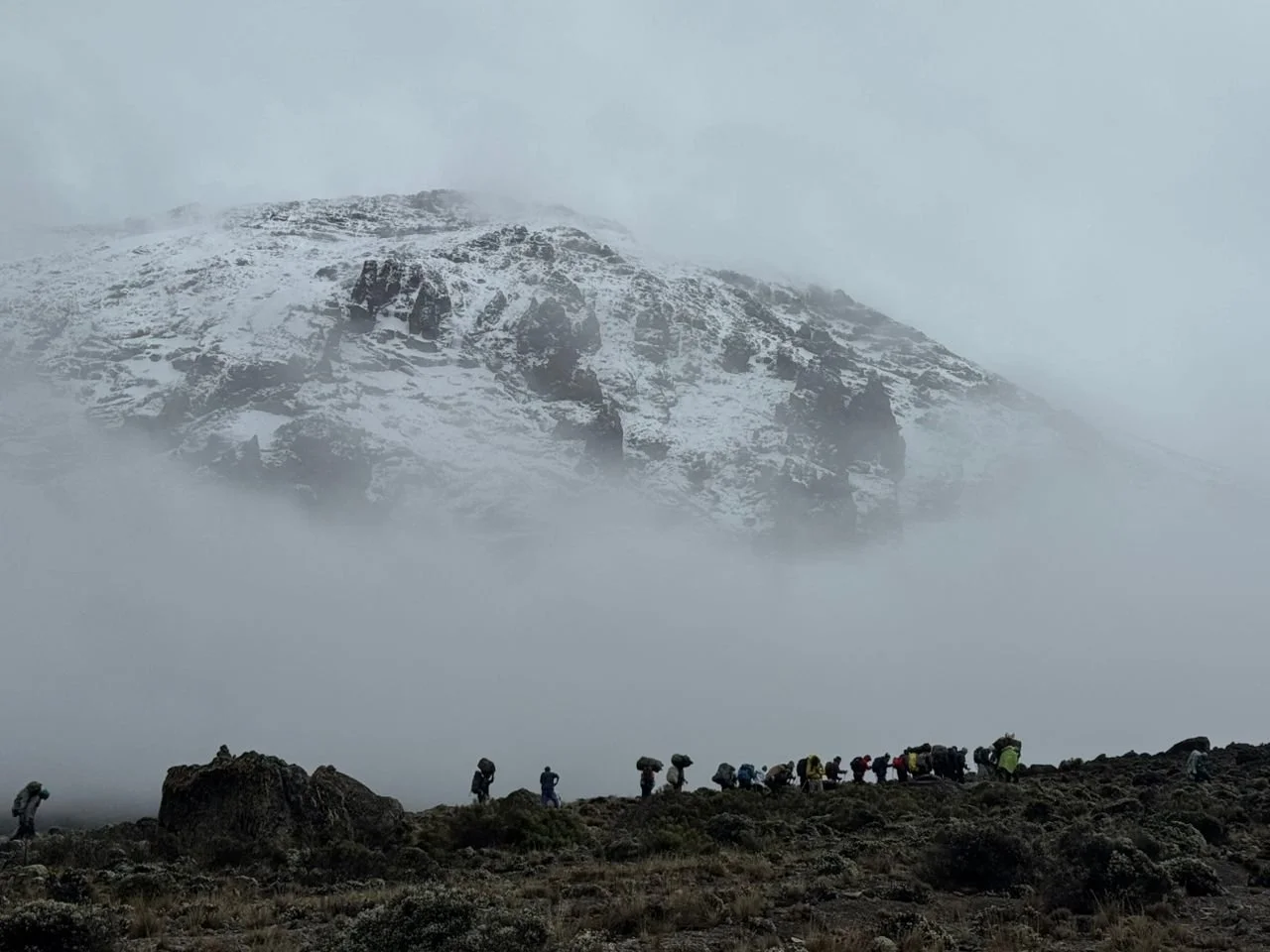
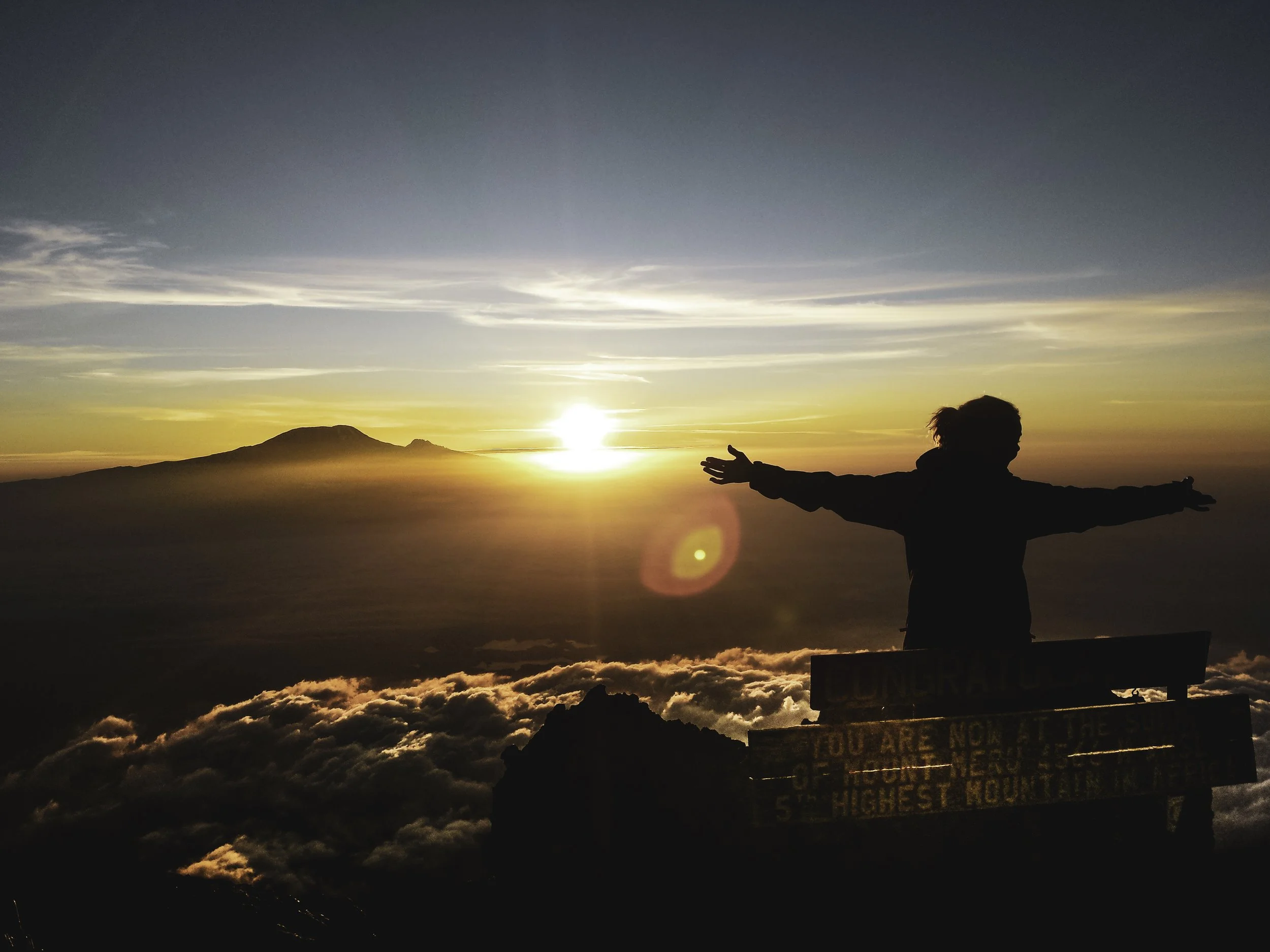
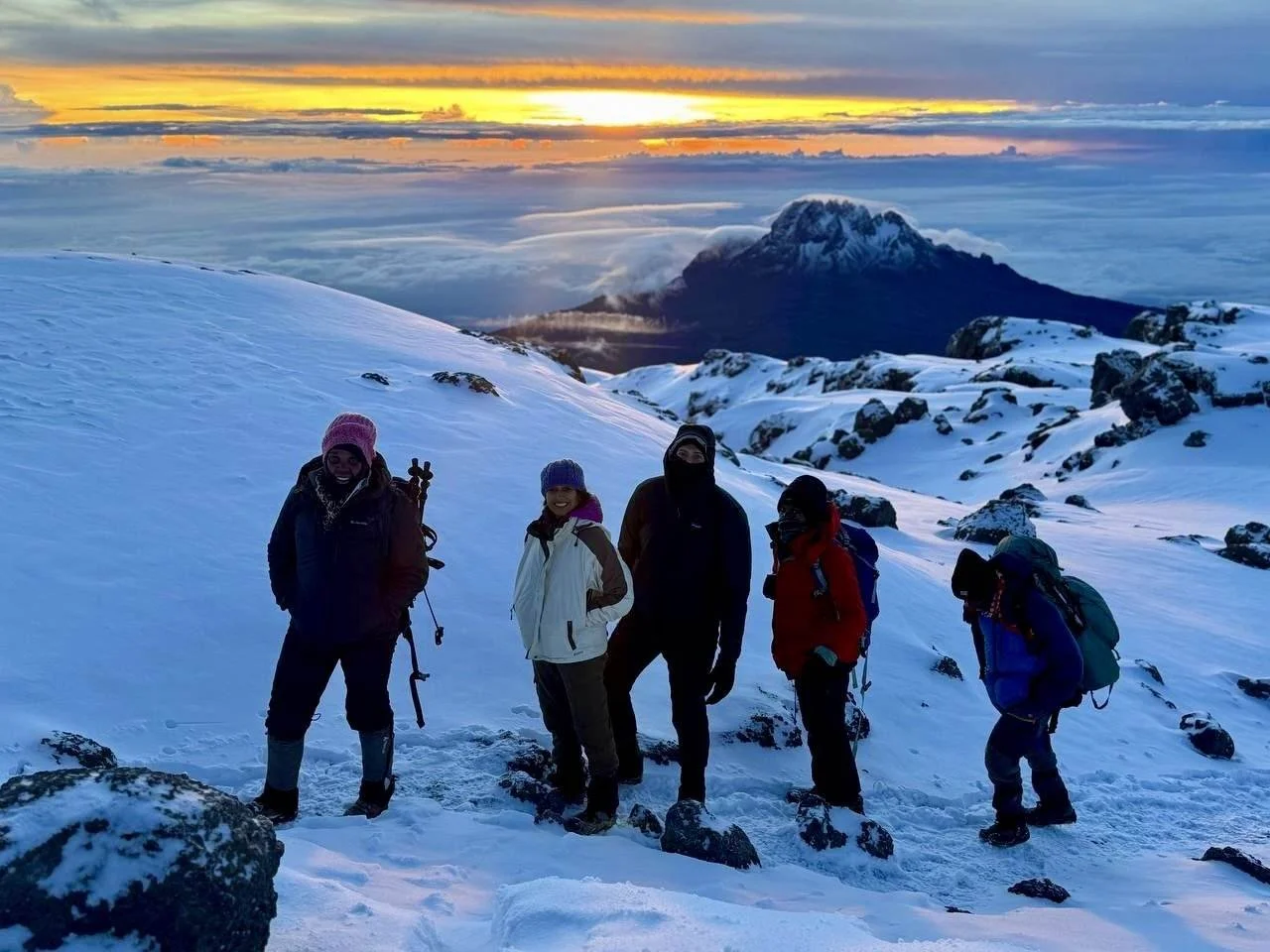
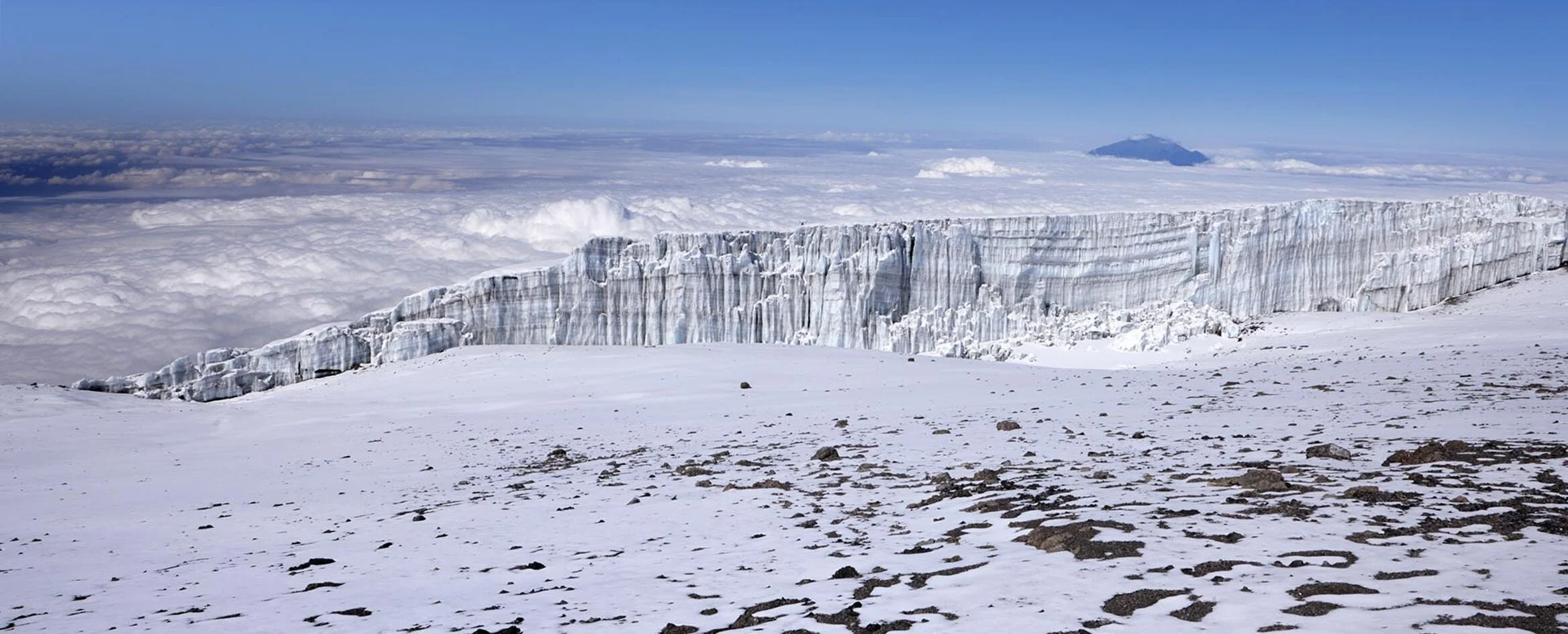
Climbing Mount Kilimanjaro, the world’s highest free-standing mountain at 5,895 meters, is an unforgettable adventure. Known as the "Roof of Africa," Mt Kilimanjaro in Africa offers stunning views, from lush rainforests to glaciers, culminating at Uhuru Peak. Suitable for all fitness levels, climbing Mountain Kilimanjaro is a bucket-list challenge made safe and enjoyable with expert guidance.
Mount Kilimanjaro Routes
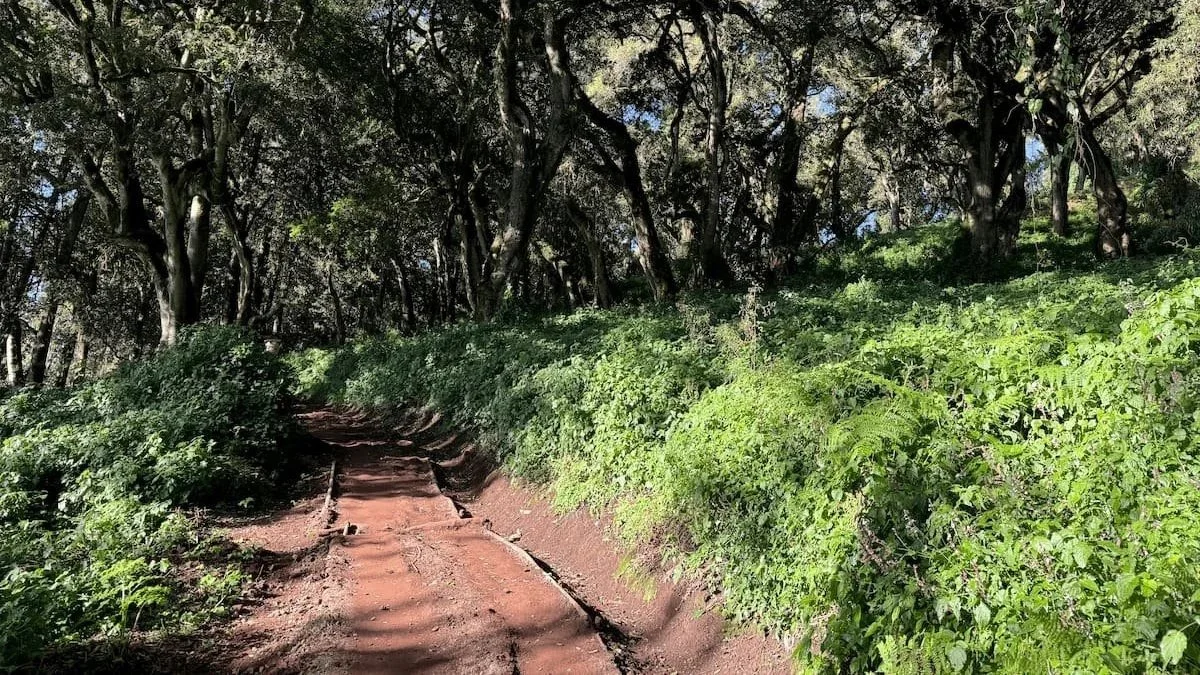
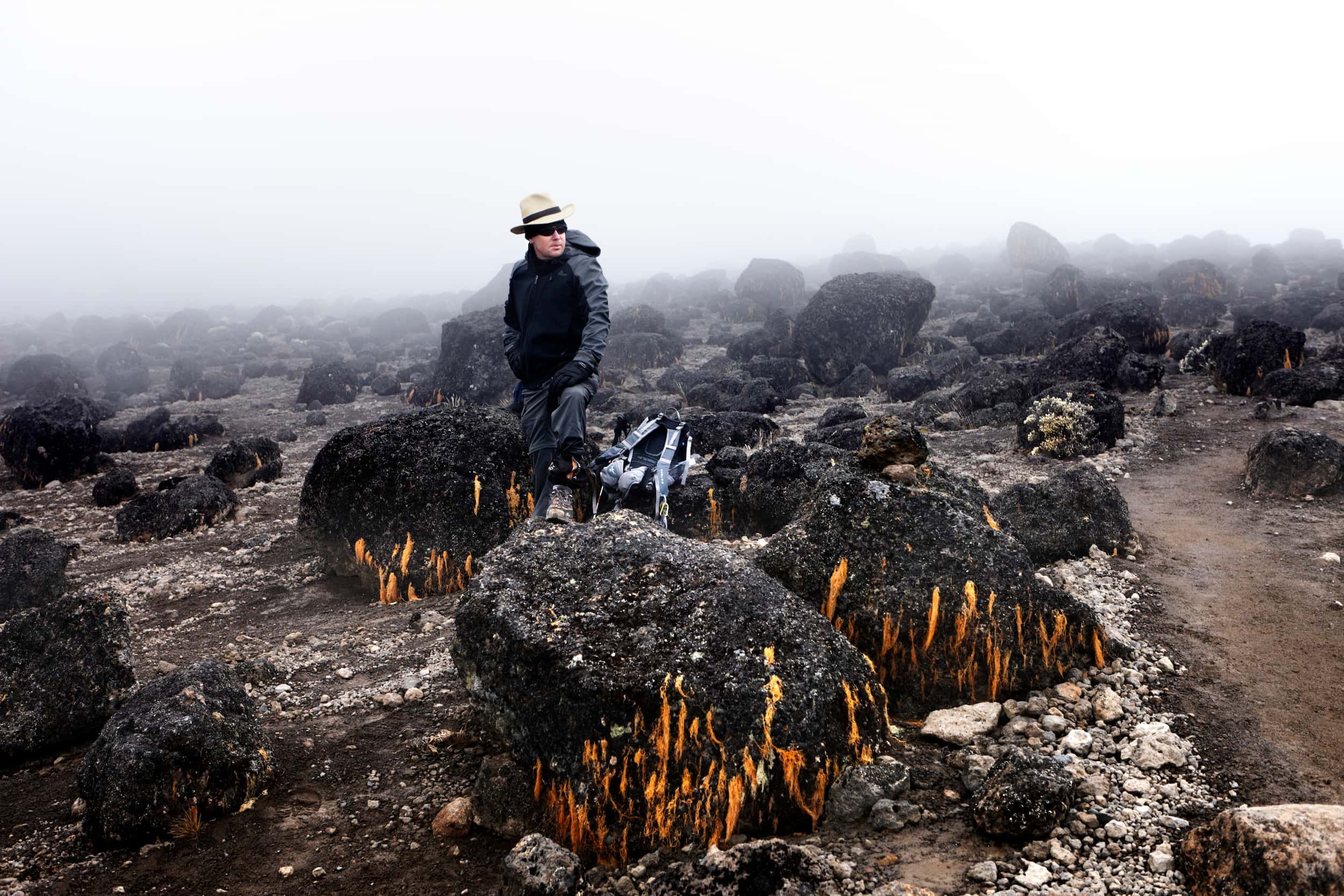
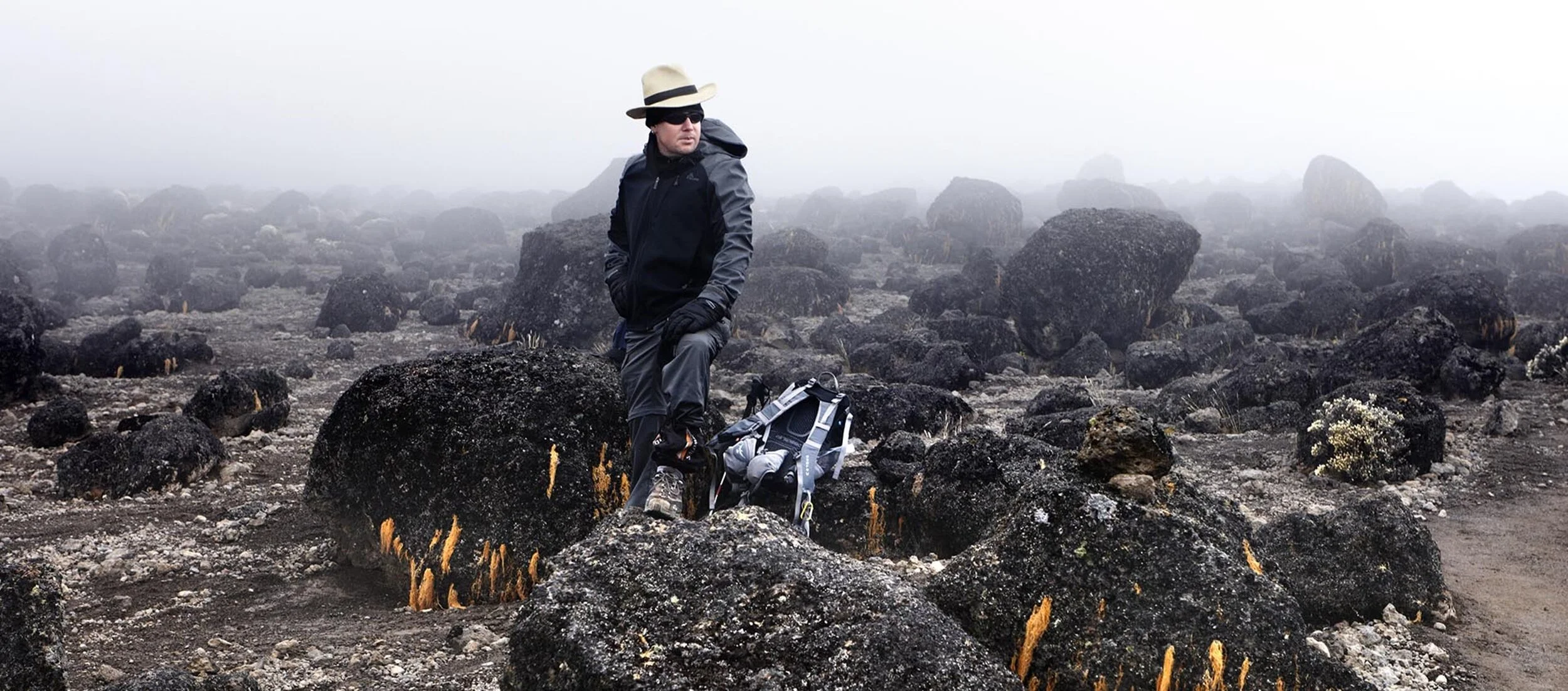
Mount Kilimanjaro offers routes for all adventurers, with unique views and difficulty levels for both beginners and seasoned hikers. Whether you opt for the scenic Machame, the quieter Lemosho, or the classic Marangu, each trail guarantees beautiful sights and unforgettable memories.
Lemosho - Shira Route (High success climb rate)
Northern Circuit Route (Most comprehensive views)
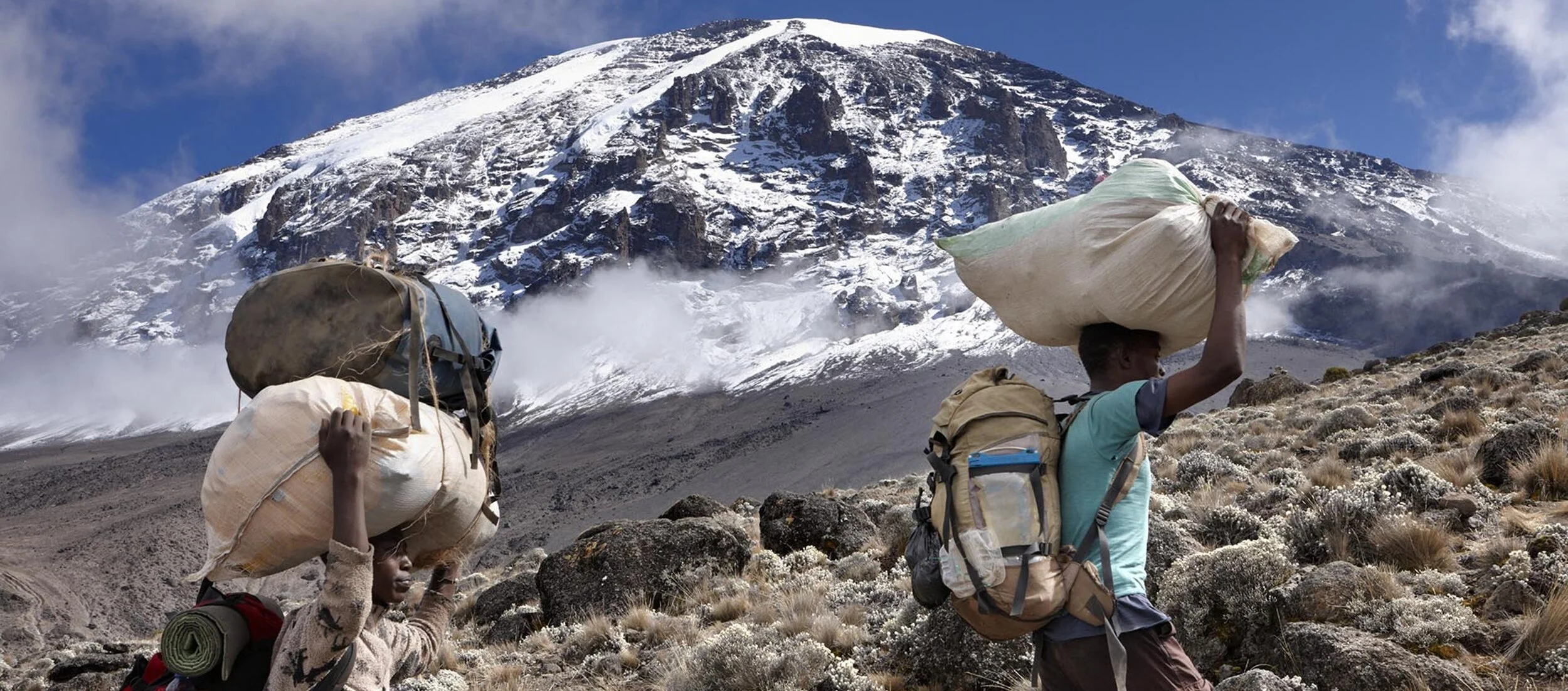
Machame Route (Popular camping route)
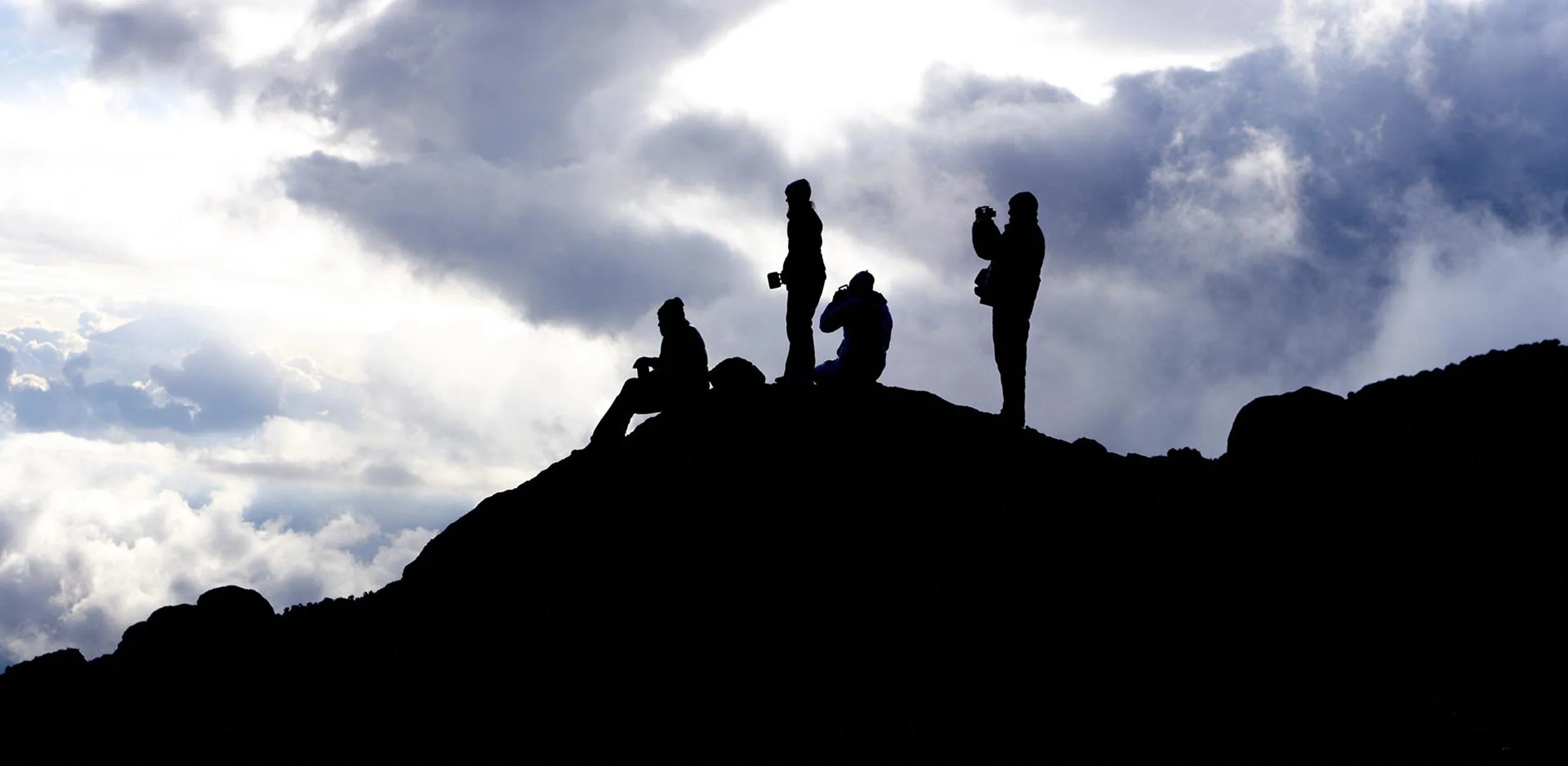
Rongai Route (Least crowded routes)

A Day in the Kilimanjaro Rainforest (Day hike)
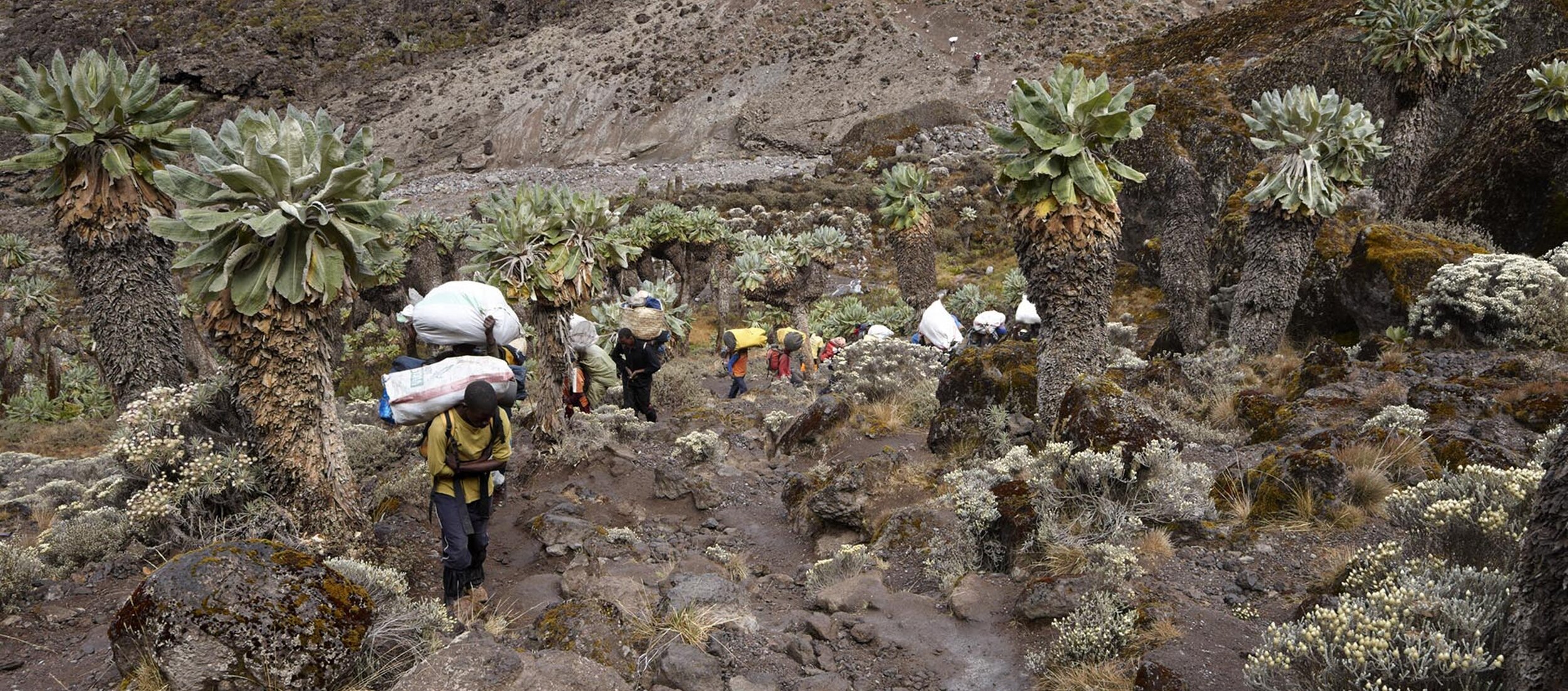
Lemosho - Shira Route via Crater Camp (high summit success rates)
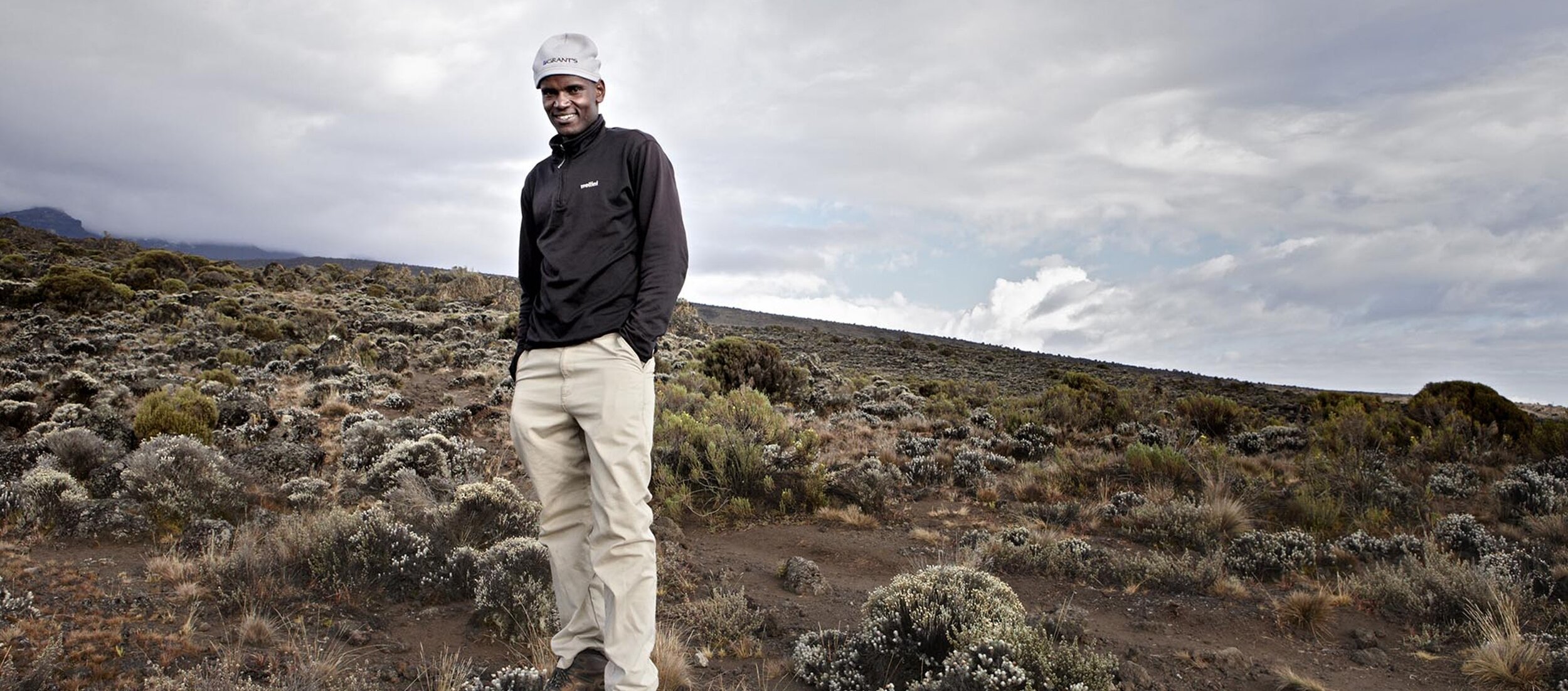
Marangu Route (Oldest climbing route)
Umbwe Route (Most difficult)
Frequently Asked Questions
Planning Your Kilimanjaro Climb
-
Kilimanjaro is not a technical climb — no ropes, harnesses, or mountaineering experience are required. That said, it is physically and mentally demanding. You will hike 5 to 9 days at altitude, with summit night beginning around midnight in sub-zero temperatures. The main challenge is altitude sickness, not the terrain itself. Most people with average fitness who train in advance and choose a longer route will reach the summit.
-
We recommend the 8-day Lemosho route for most climbers. It offers the best combination of high success rate (approximately 90%), scenic variety including the Shira Plateau, good acclimatization, and moderate crowd levels. For those with more time, the 9-day Northern Circuit has the highest success rate on the mountain at roughly 95% and circumnavigates the entire peak. The 7-day Machame is a good budget-friendly alternative with dramatic scenery, though it is the most crowded camping route.
-
Success rates vary widely by route and duration. Industry-wide averages range from around 50% on shorter routes like the 6-day Machame and Marangu to approximately 95% on the 9-day Northern Circuit. Duma Explorer's success rates are consistently higher than industry averages thanks to a 1:1 staff-to-climber ratio on summit night, WFR-certified guides, and proven acclimatization protocols. Choosing a longer route is the single most important factor in reaching the summit.
-
Duma Explorer's 2026 rates range from $1,799 to $3,799 per person depending on the route, duration, and group size. Larger groups receive lower per-person pricing. All prices include park fees, meals, camping equipment, WFR-certified guides, porters, emergency oxygen, and transport to and from Kilimanjaro National Park. We publish our prices openly with no hidden surcharges.
-
The best months to climb are during the long dry season from June through October, when skies are clearest and trails are driest. July through September offer the most stable conditions. January and February can also be good, though rainfall on the mountain is highly variable during these months. We recommend avoiding the heavy rains of April and May. Duma Explorer uses four-season mountaineering tents and carries micro spikes for summit snow, so we are prepared for weather at any time of year.
-
You do not need to be an athlete, but a solid base of fitness makes a real difference in your comfort and success. We recommend beginning a training program at least two to three months before your climb, focusing on cardiovascular endurance, leg strength, and hiking with a loaded daypack. Long weekend hikes with elevation gain are the best preparation. Stacy will discuss your fitness level and recommend the right route and duration for your experience.
-
Kilimanjaro is not a technical climb, but altitude-related illness is a real risk. Duma Explorer prioritizes prevention: our WFR-certified guides monitor your vitals daily with pulse oximeters, carry emergency oxygen on every climb, and maintain a 1:1 staff-to-climber ratio on summit night. If a serious medical emergency occurs, helicopter evacuation is available through KiliMedAir, the authorized aerial rescue provider on Kilimanjaro. Designated helicopter landing zones are located at key camps along all major routes. We strongly recommend purchasing travel insurance that explicitly covers high-altitude trekking and helicopter evacuation. Read our complete guide to helicopter evacuation on Kilimanjaro.
-
Altitude sickness is the number one reason climbers do not reach the summit. Symptoms can include headache, nausea, fatigue, and shortness of breath. The best prevention is choosing a longer route that allows gradual acclimatization. Duma Explorer's guides monitor your vitals daily with pulse oximeters, carry emergency oxygen on every climb, and are trained Wilderness First Responders. We also maintain a 1:1 staff-to-climber ratio on summit night to closely watch each climber's condition.
-
All climbs include Kilimanjaro National Park fees, all meals on the mountain prepared by experienced cooks, four-season mountaineering tents, sleeping arrangements, a private toilet, WFR-certified head guides, assistant guides, porters, emergency oxygen and a first aid kit, pulse oximetry monitoring, daily health checks, and round-trip transport between your hotel and the national park gate. The only extras are optional tips for the mountain crew and a single-tent supplement if you prefer not to share.
-
You can absolutely climb as a solo traveler. Duma Explorer runs both private climbs for individuals and couples, and scheduled group departures throughout the year with a maximum group size of eight. Solo travelers often join a group climb for a shared experience and lower per-person cost. Every climb, whether private or group, receives the same level of staffing, equipment, and personal attention from our team.
-
Duma Explorer provides all camping equipment including tents, dining tents, and toilet facilities. You will need to bring your own personal gear: a good pair of broken-in hiking boots, layered clothing for temperatures ranging from 30 degrees Celsius at the base to minus 20 degrees at the summit, a warm sleeping bag rated to at least minus 10 degrees, trekking poles, a headlamp, and a daypack. We send every climber a detailed packing list after booking.
-
Contact us through our website and you will work directly with founder Stacy Readal to plan every detail. Stacy will help you choose the right route based on your fitness, schedule, budget, and goals, and will be straightforward about what to expect on the mountain. We can also arrange post-climb safaris, Zanzibar beach stays, and other Tanzania experiences. A deposit secures your dates and the balance is due before your climb.
-
Yes. Duma Explorer is one of the ten founding partners of the Kilimanjaro Porters Assistance Project (KPAP) and has been committed to fair porter treatment since the organization began. We meet or exceed all KPAP requirements for fair wages, proper gear, nutritious food, and respectful treatment. We also employ female porters and assistant guides, helping to create opportunity in a traditionally male-dominated industry.
-
Absolutely, and most of our climbers do. Tanzania is home to the Serengeti, the Ngorongoro Crater, Tarangire National Park, and many other world-class wildlife destinations. We typically recommend scheduling your safari after the climb so you can relax and recover while enjoying game drives. Stacy will help you design a complete itinerary that fits your interests and timeframe.
-
Three things set us apart. First, you work directly with the owner — Stacy Readal personally plans every climb and is straightforward about difficulty and conditions. Second, we provide a 1:1 staff-to-climber ratio on summit night, meaning every climber has a dedicated crew member monitoring their condition during the most critical part of the ascent. Third, our team is deeply experienced — head guides carry a minimum of fifteen years on the mountain, all hold WFR certification,, and many of our crew members have been with Duma since the beginning.