

Tanzania Safari Guide: East Africa’s best safari experience
Tanzania is one of the great wildlife destinations on Earth. With 16 national parks covering more than 42,000 square kilometers of protected wilderness, a coastline stretching along the Indian Ocean, and landscapes ranging from the snow-capped summit of Kilimanjaro to the vast floodplains of the Rufiji River, it offers a depth and diversity of safari experience that very few countries can match.
At Duma Explorer, we’ve been designing and leading Tanzania safaris for more than twenty years. We know these parks intimately — not just the headline destinations, but the quiet corners, the seasonal patterns, and the places where the crowds thin and the real magic begins. Every trip we build is custom-designed around your interests, timeline, and budget, because no two travelers want exactly the same thing.
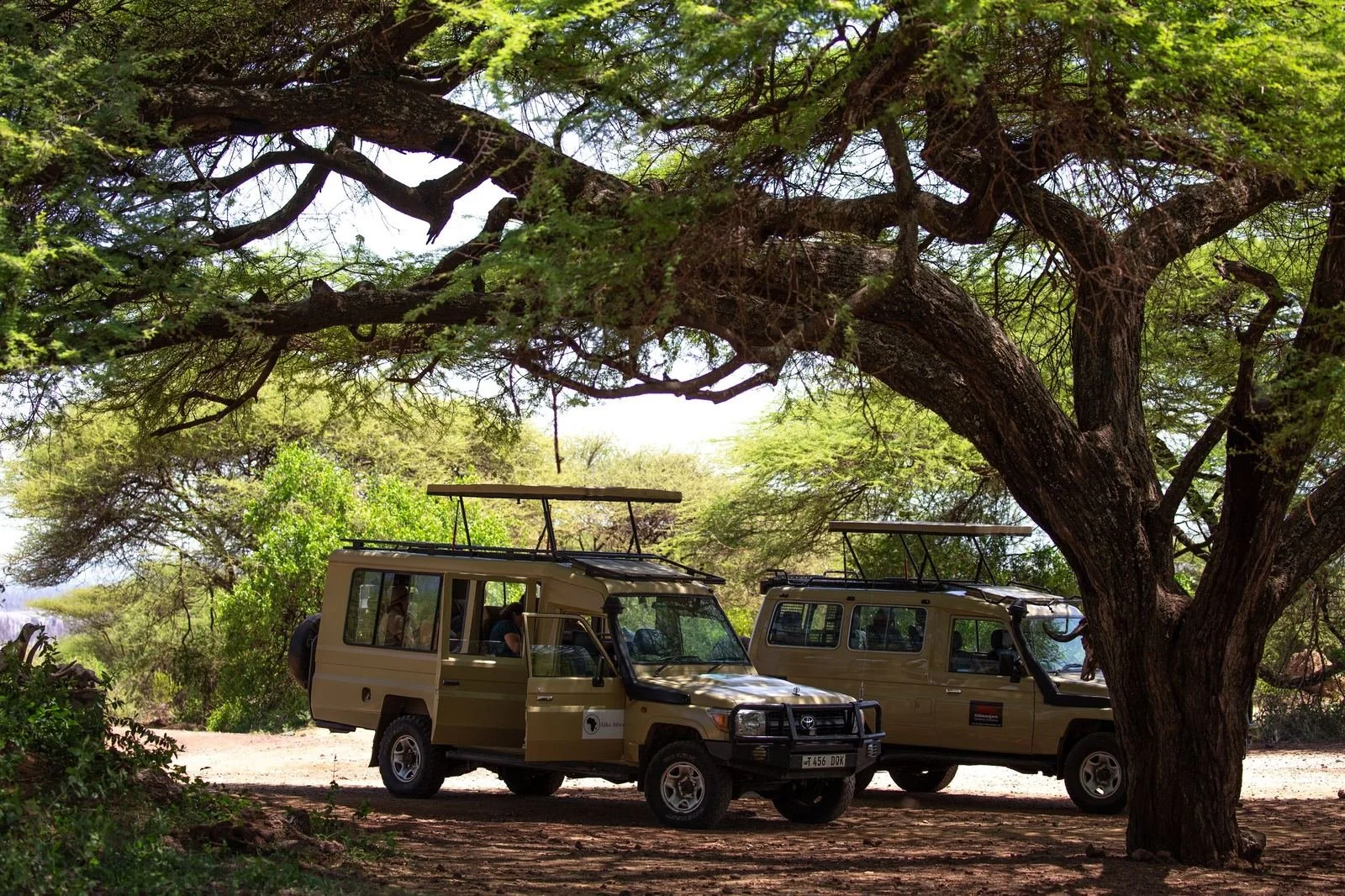
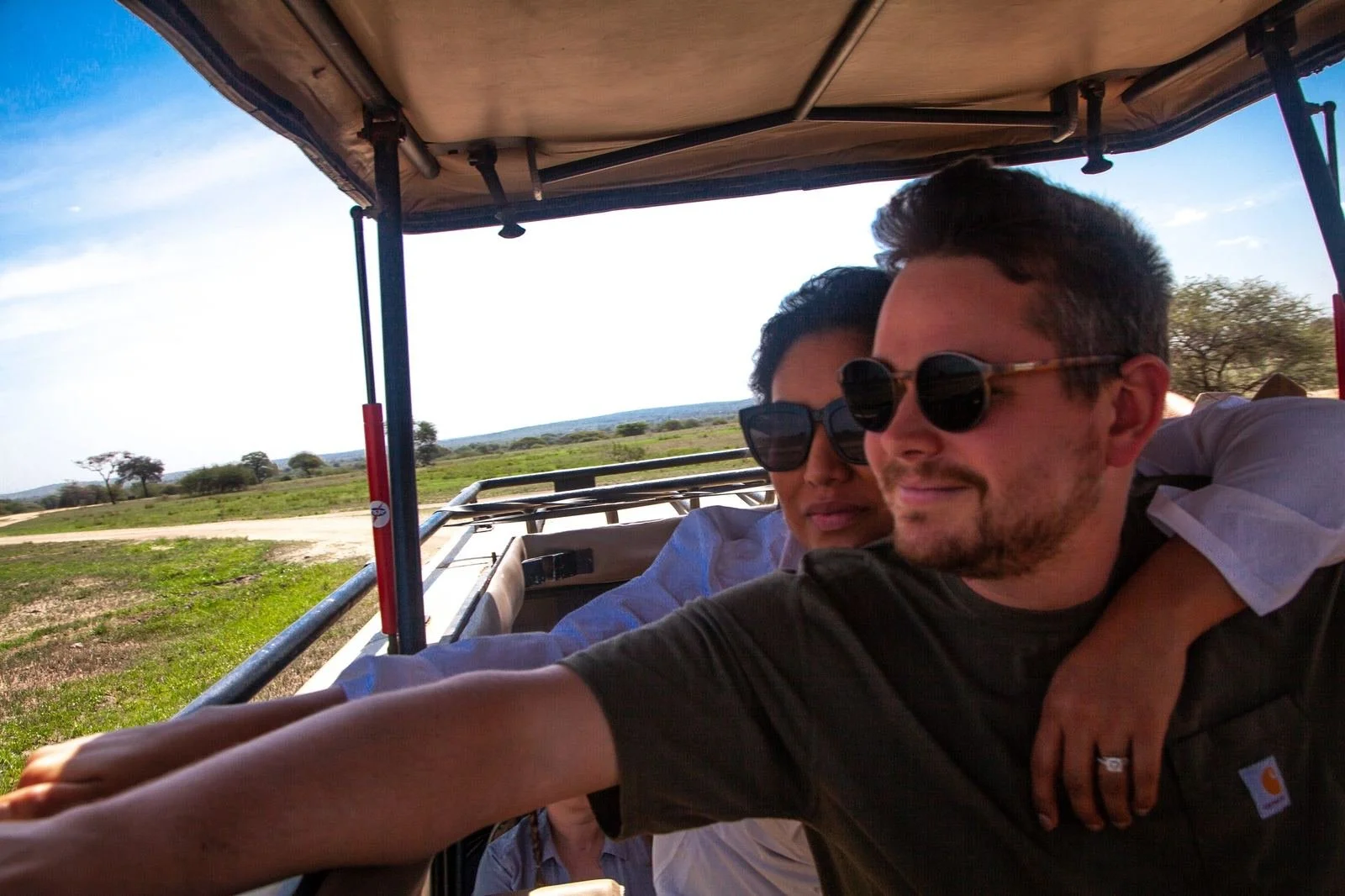
Every safari is private: your own Land Cruiser and guide, not a packed joining jeep. You plan with owner Stacy Readal; on the ground you travel with Alika Africa, our Tanzania team (same company). Most 8–14 day private Northern Circuit trips, including safari then Zanzibar, fall around $4,000–$6,000 per person.
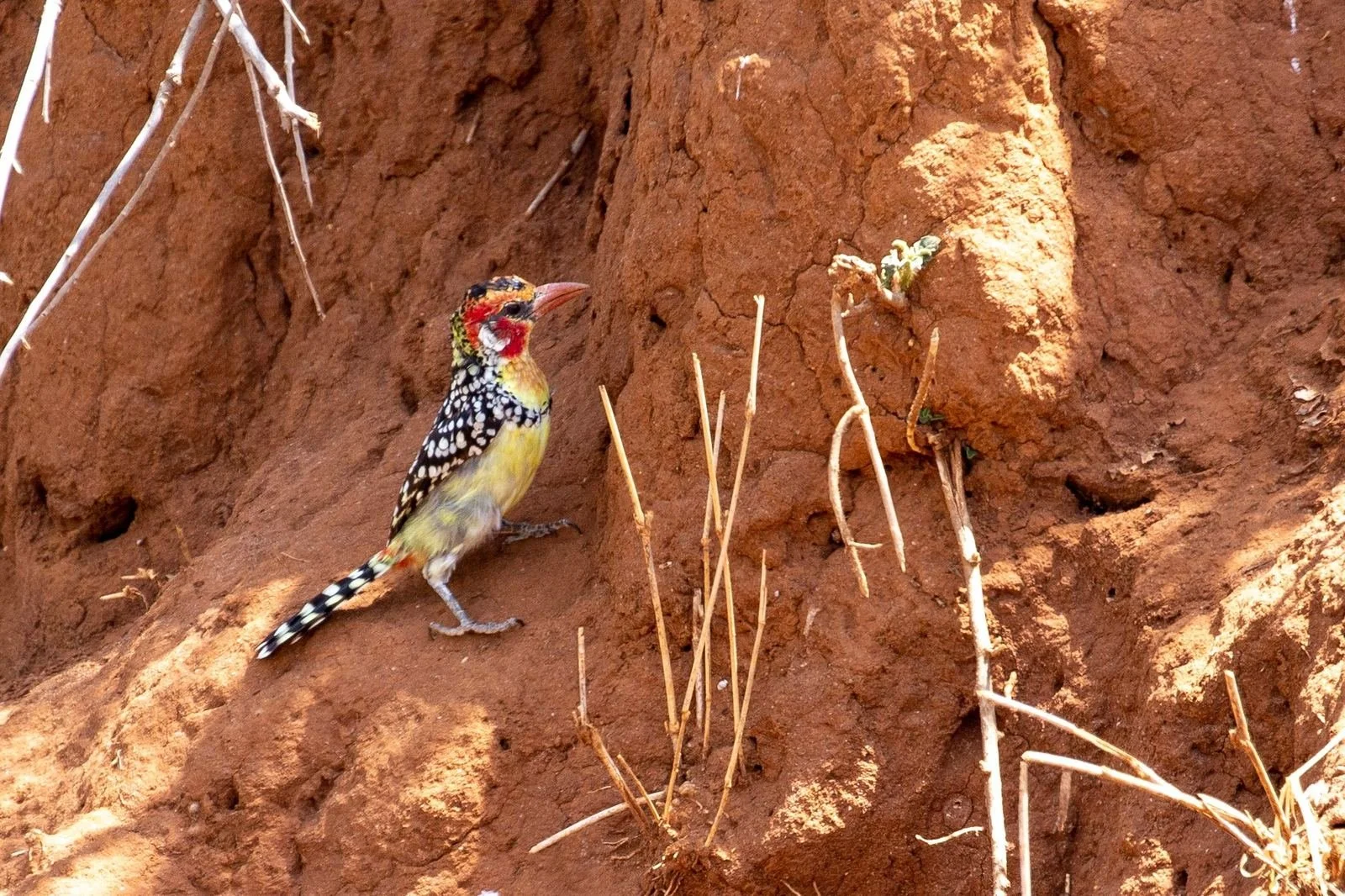
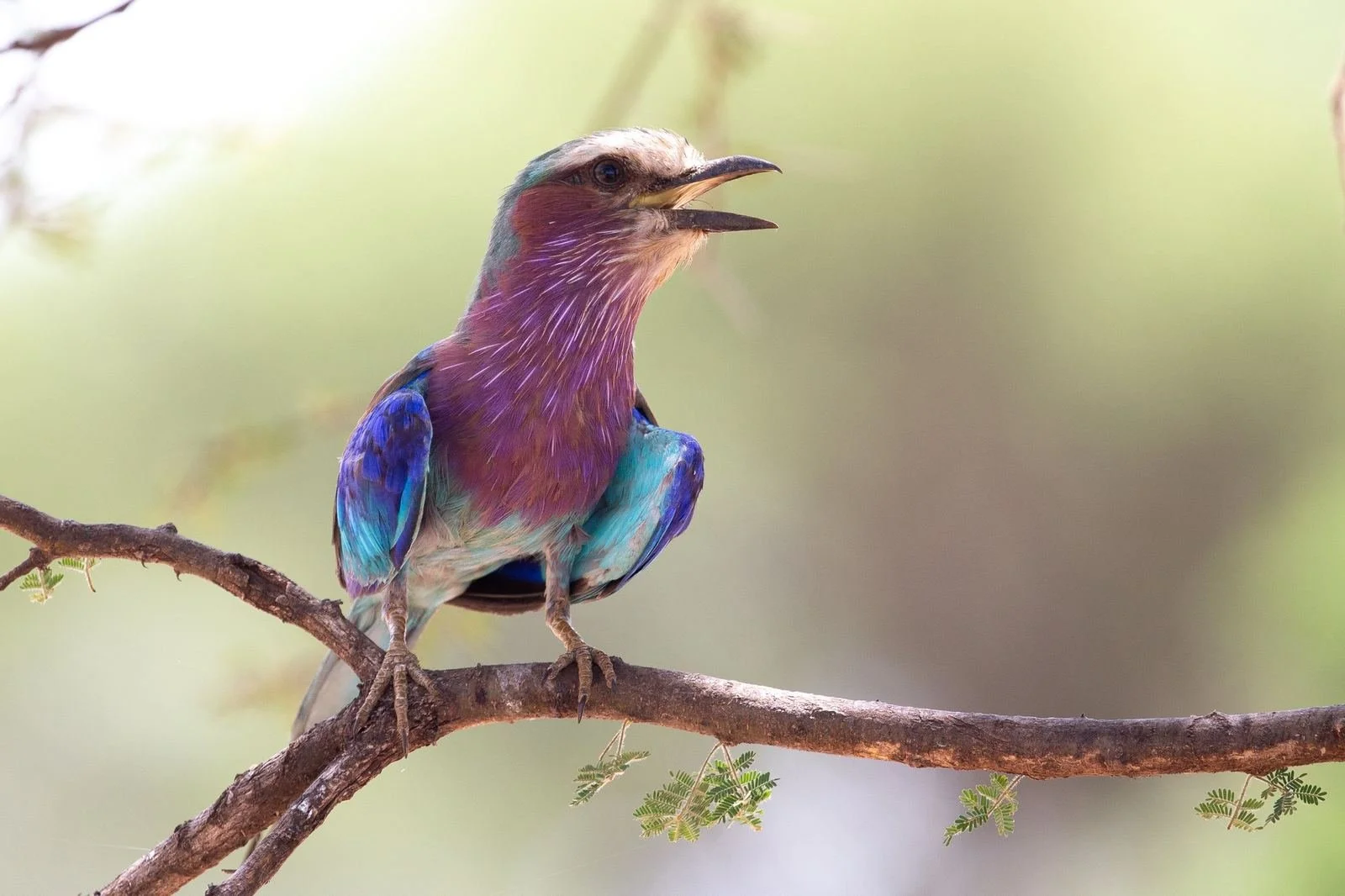
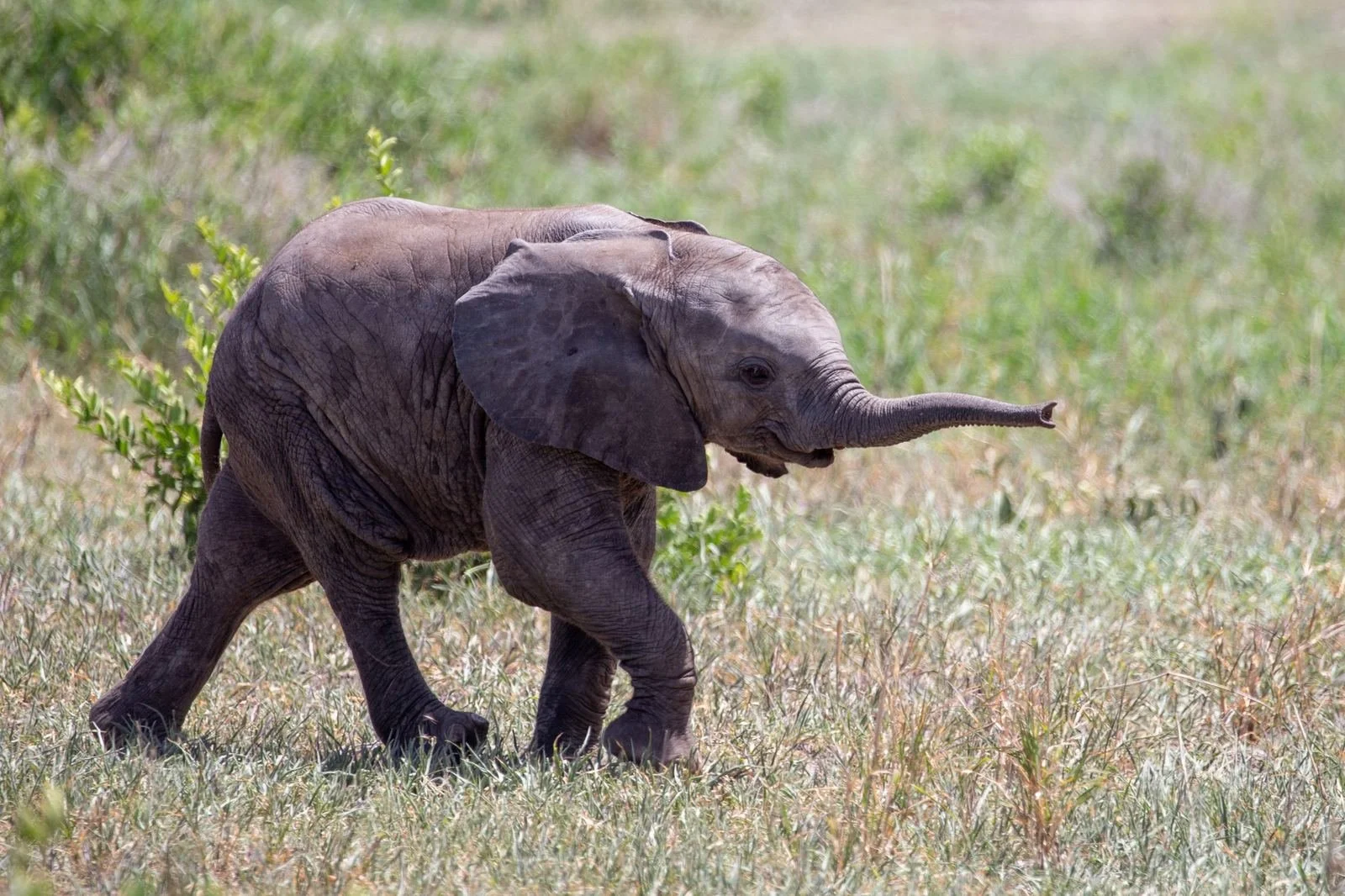
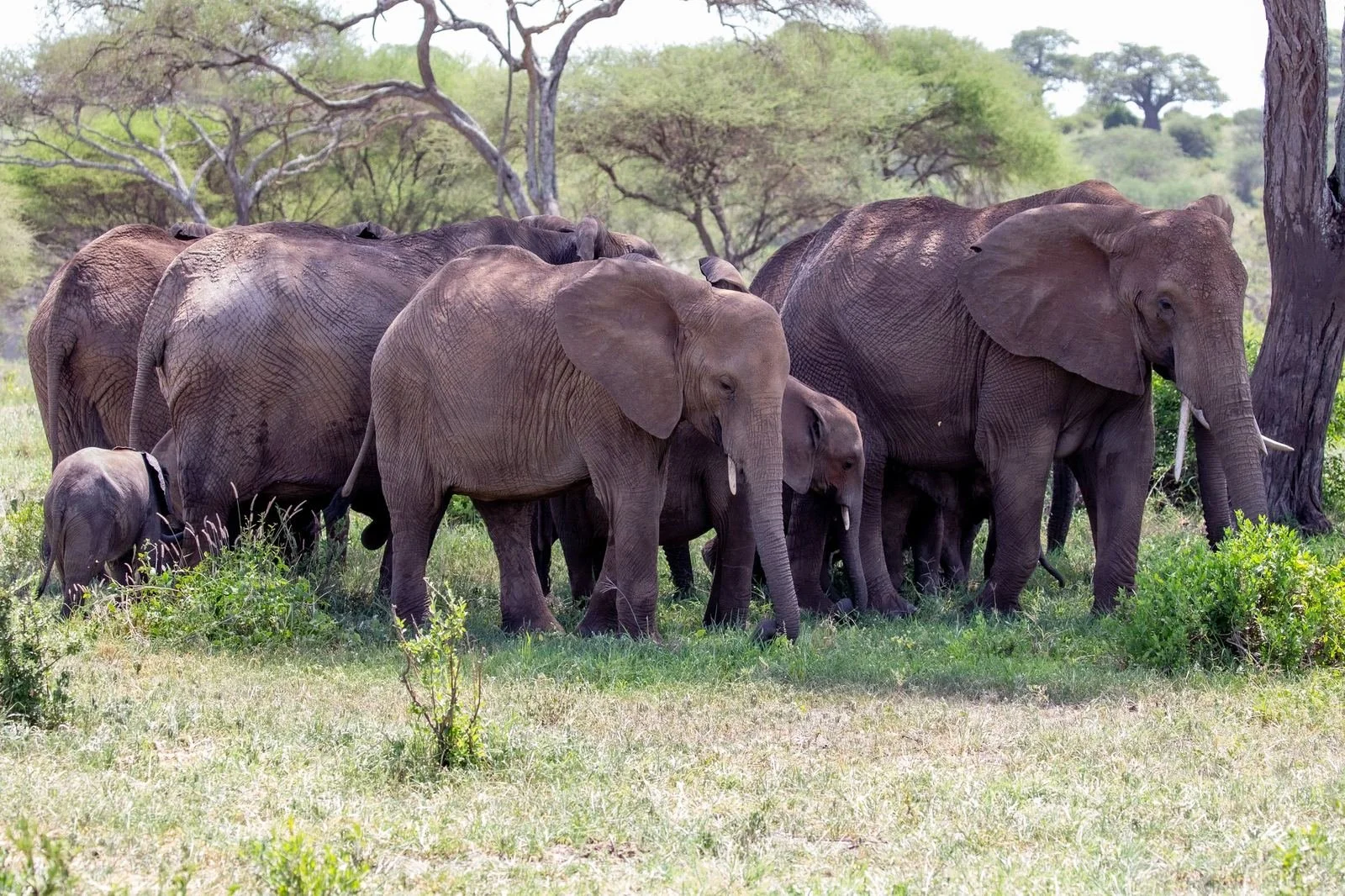
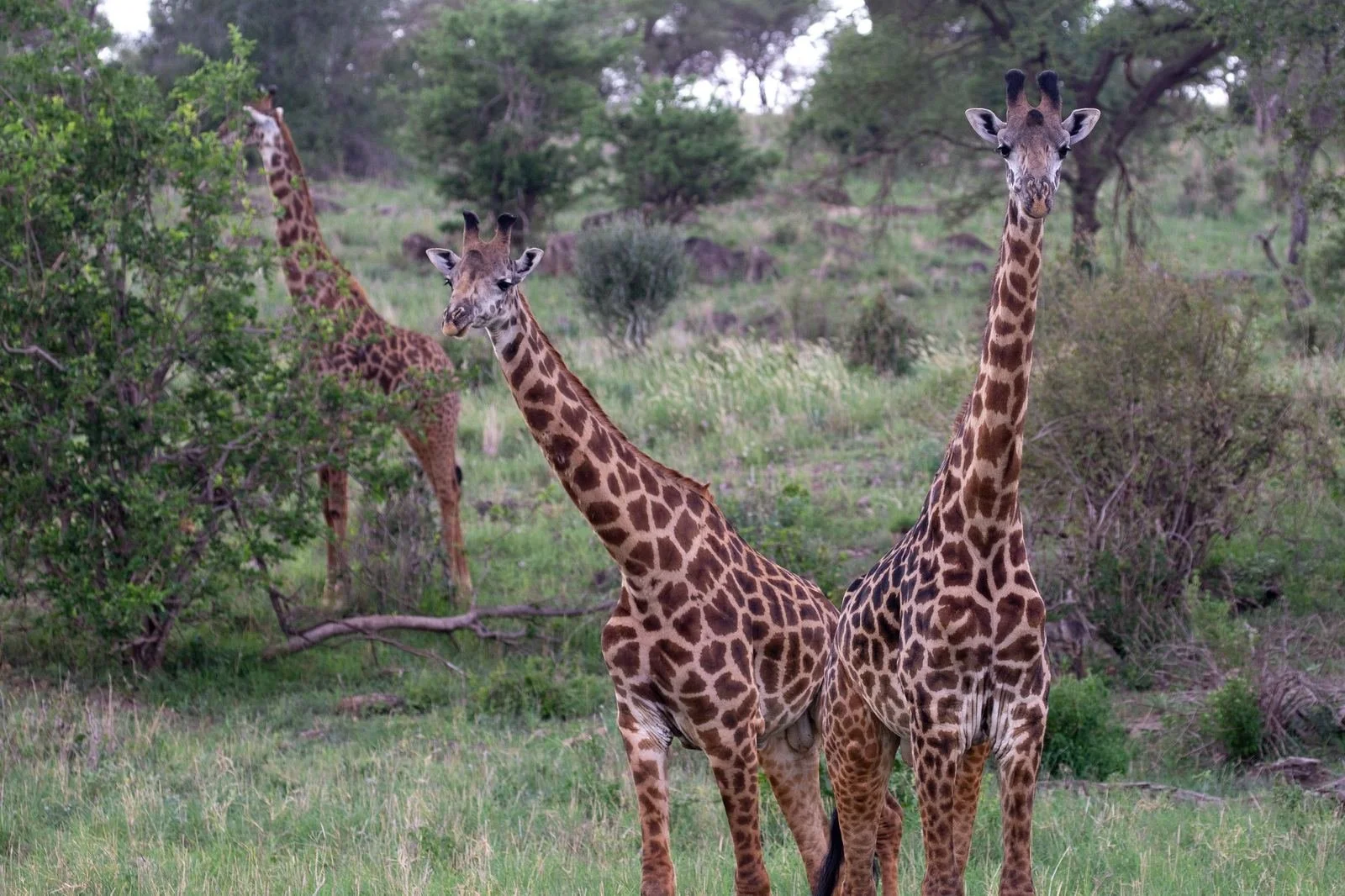
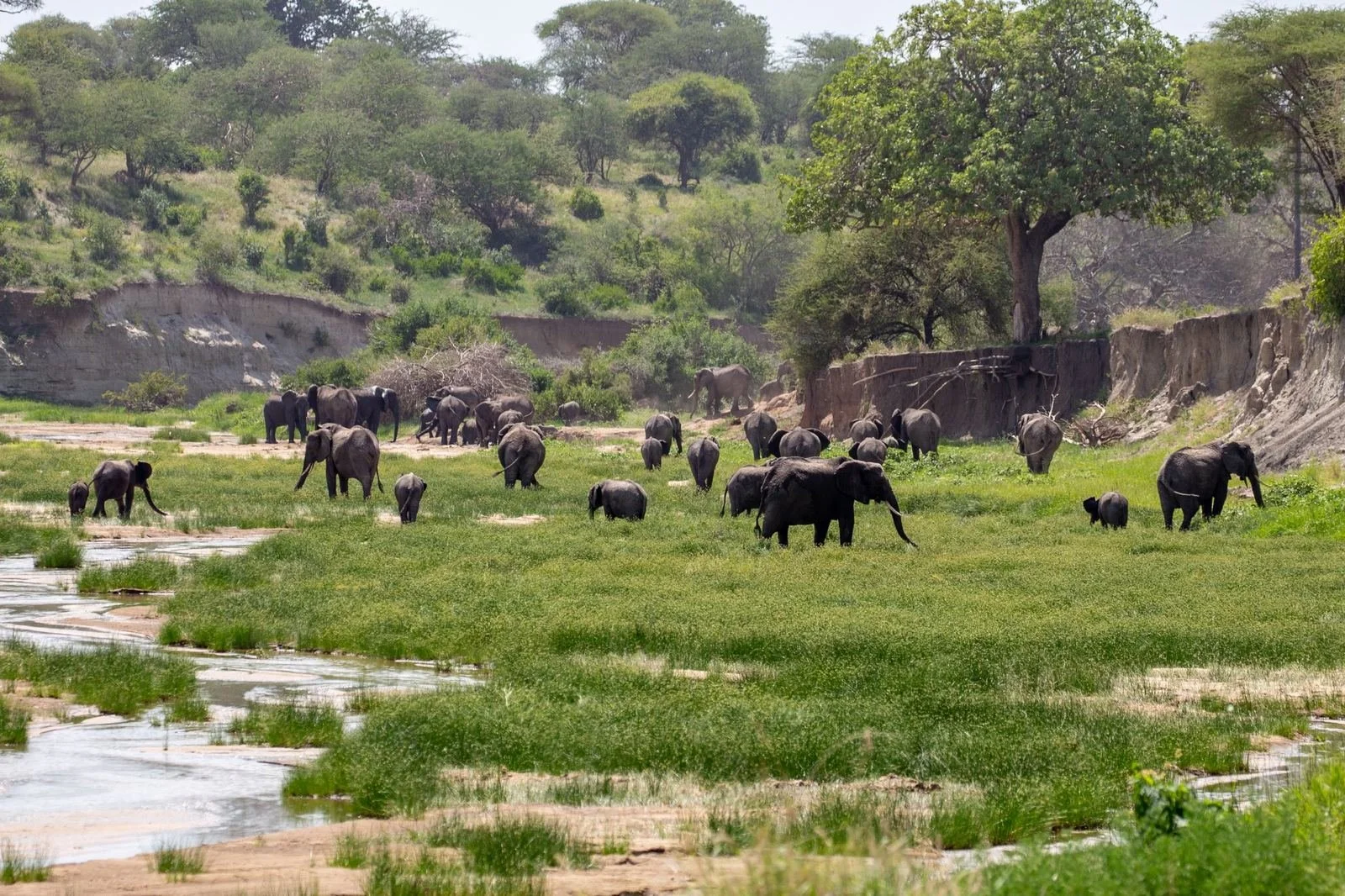
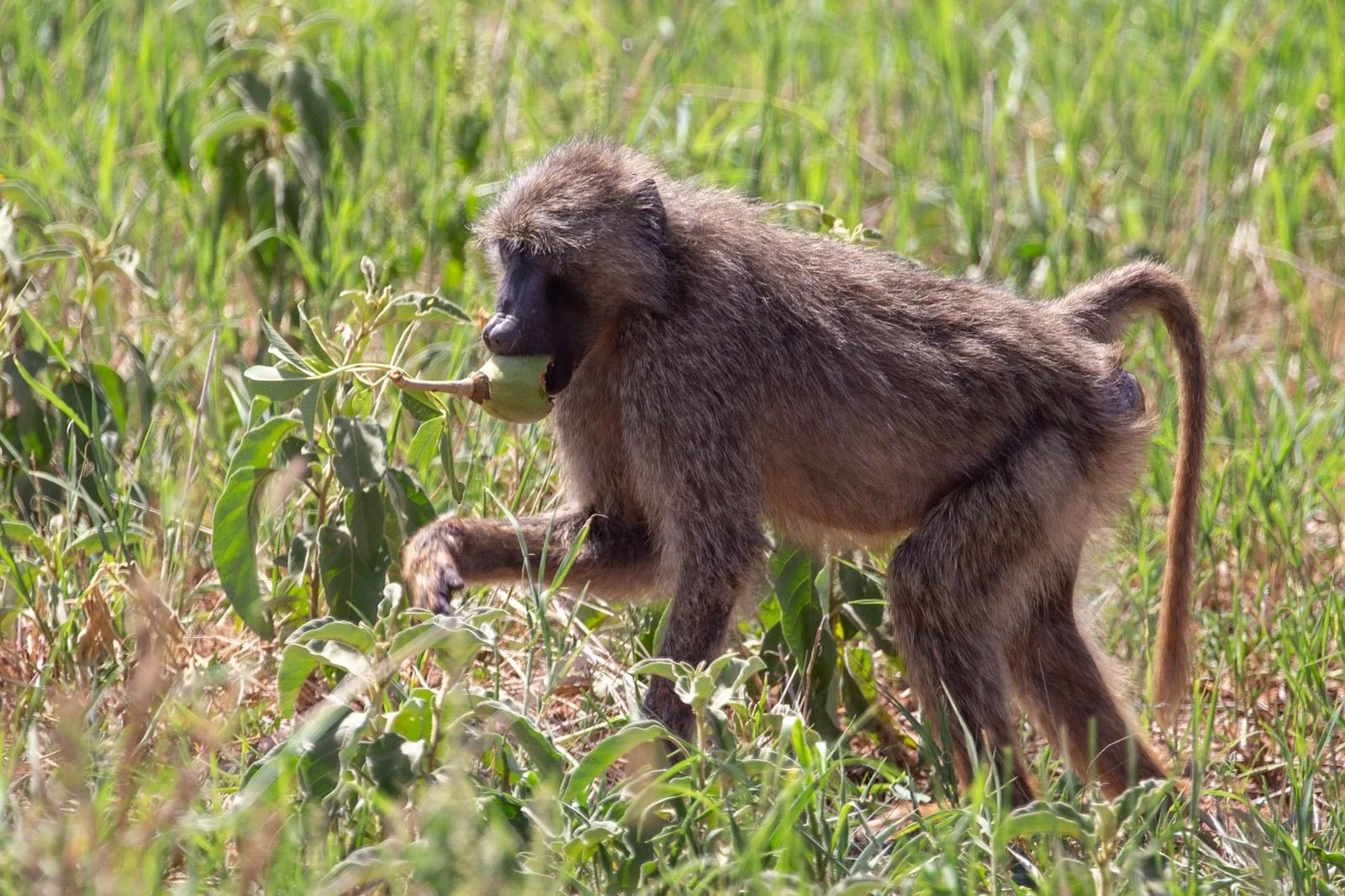
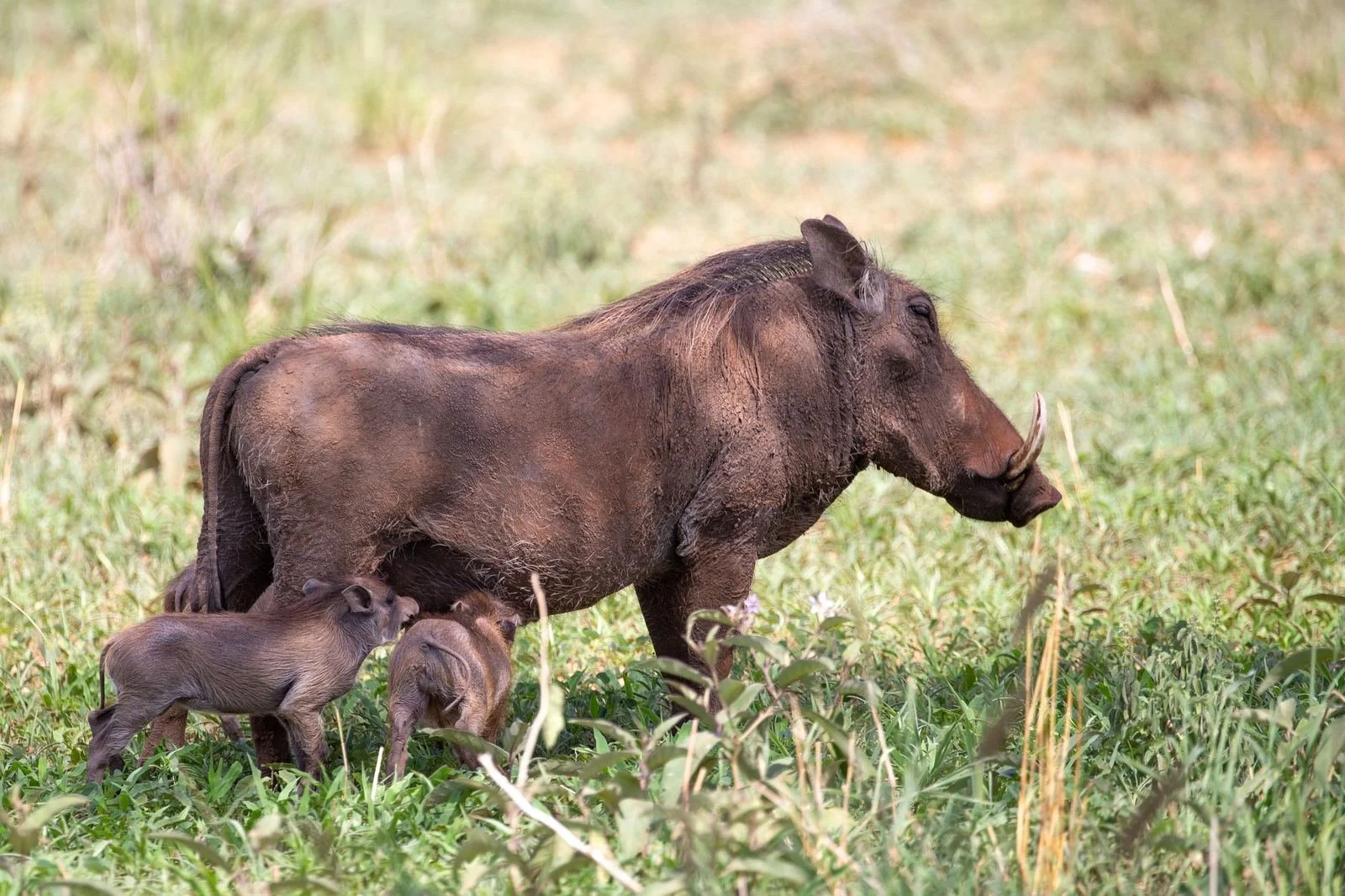
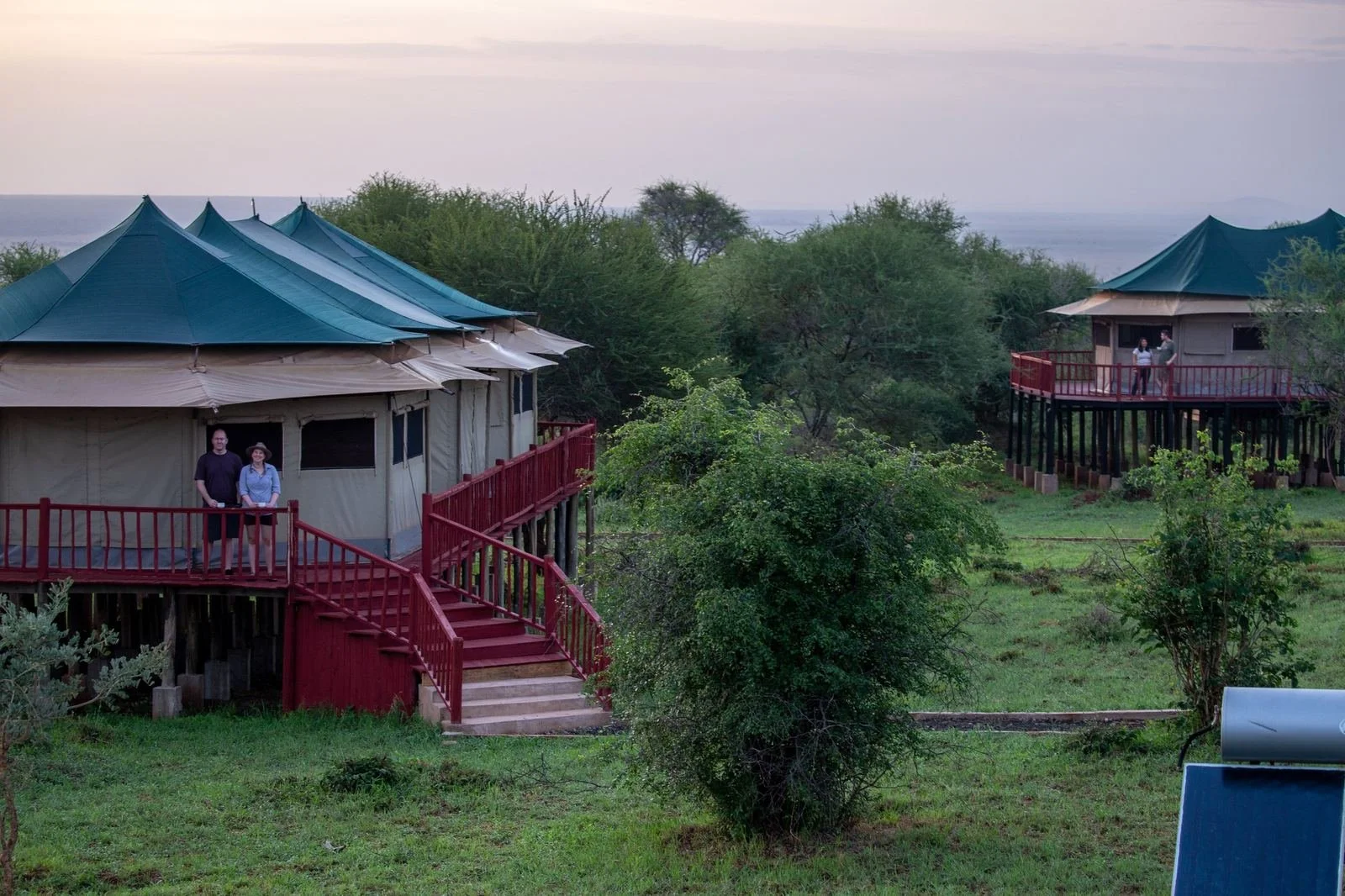
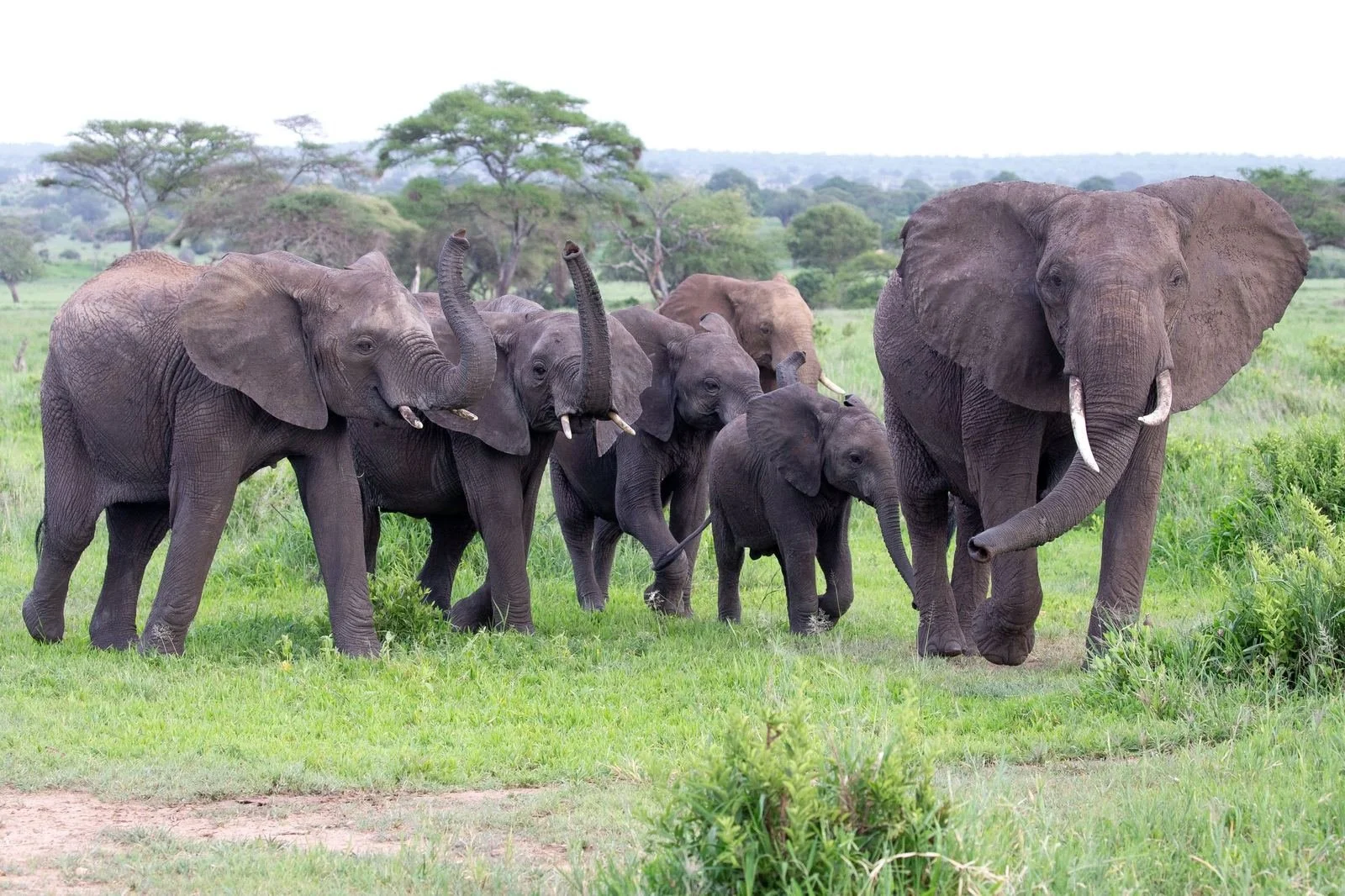
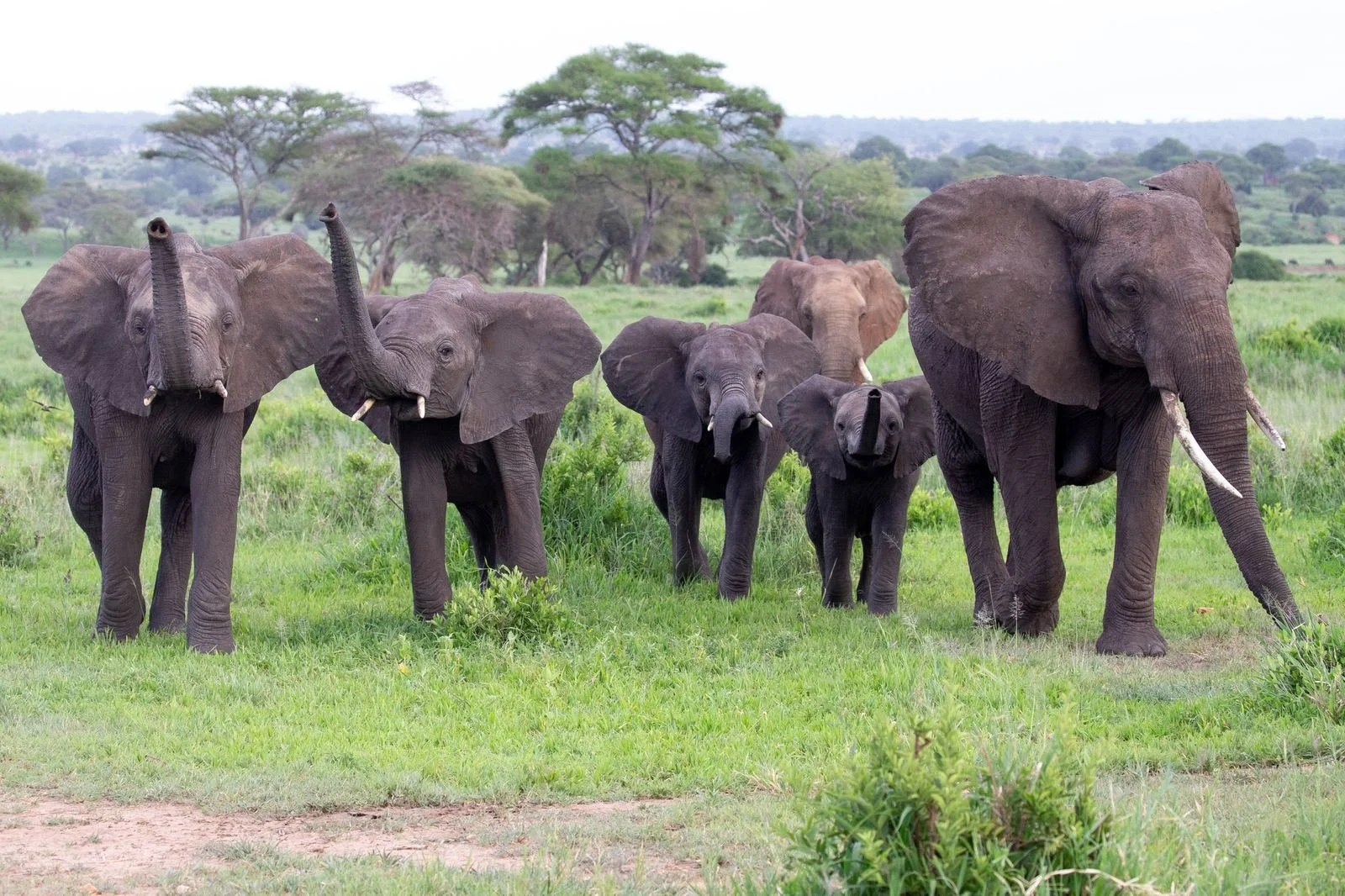
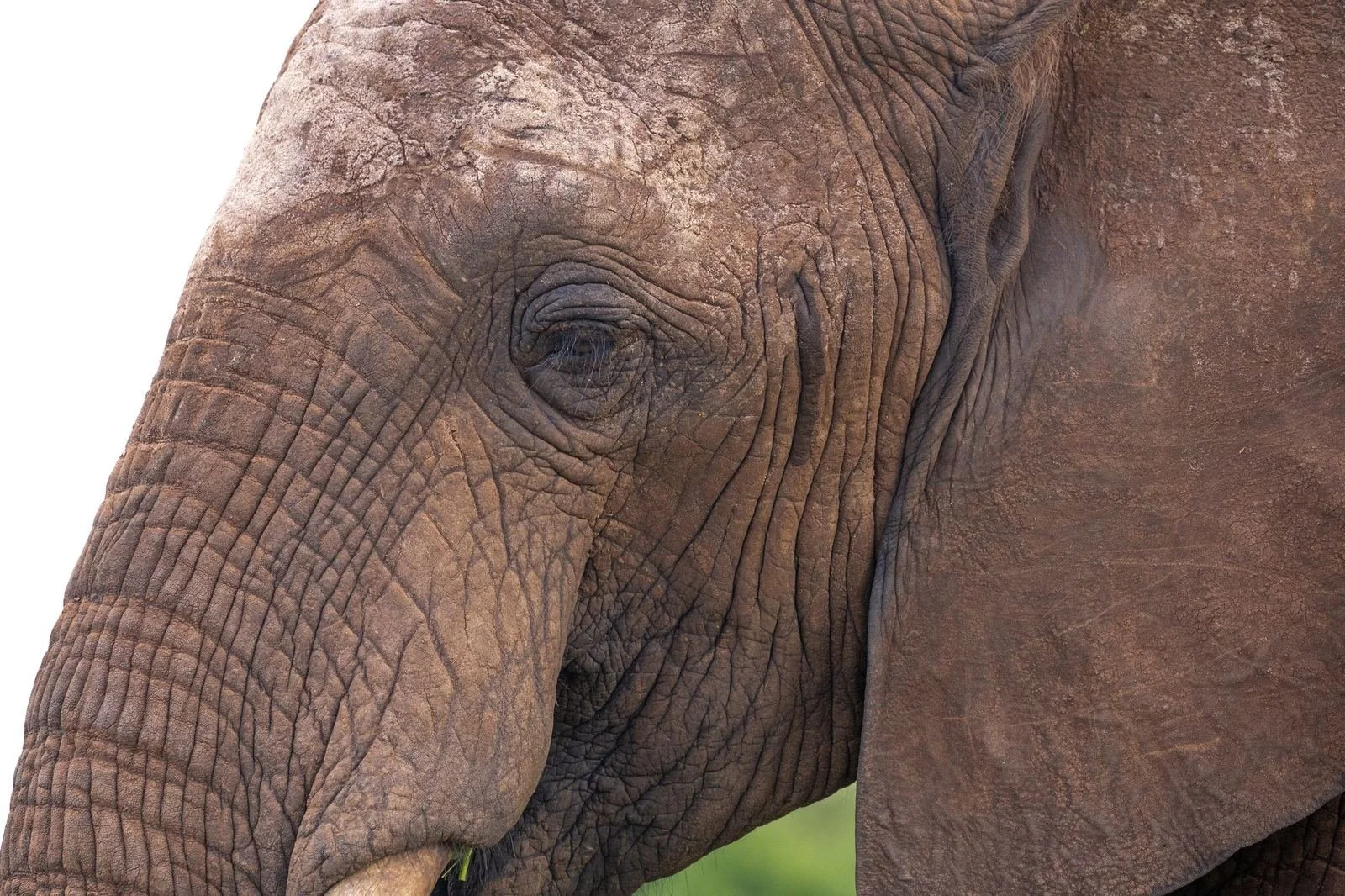
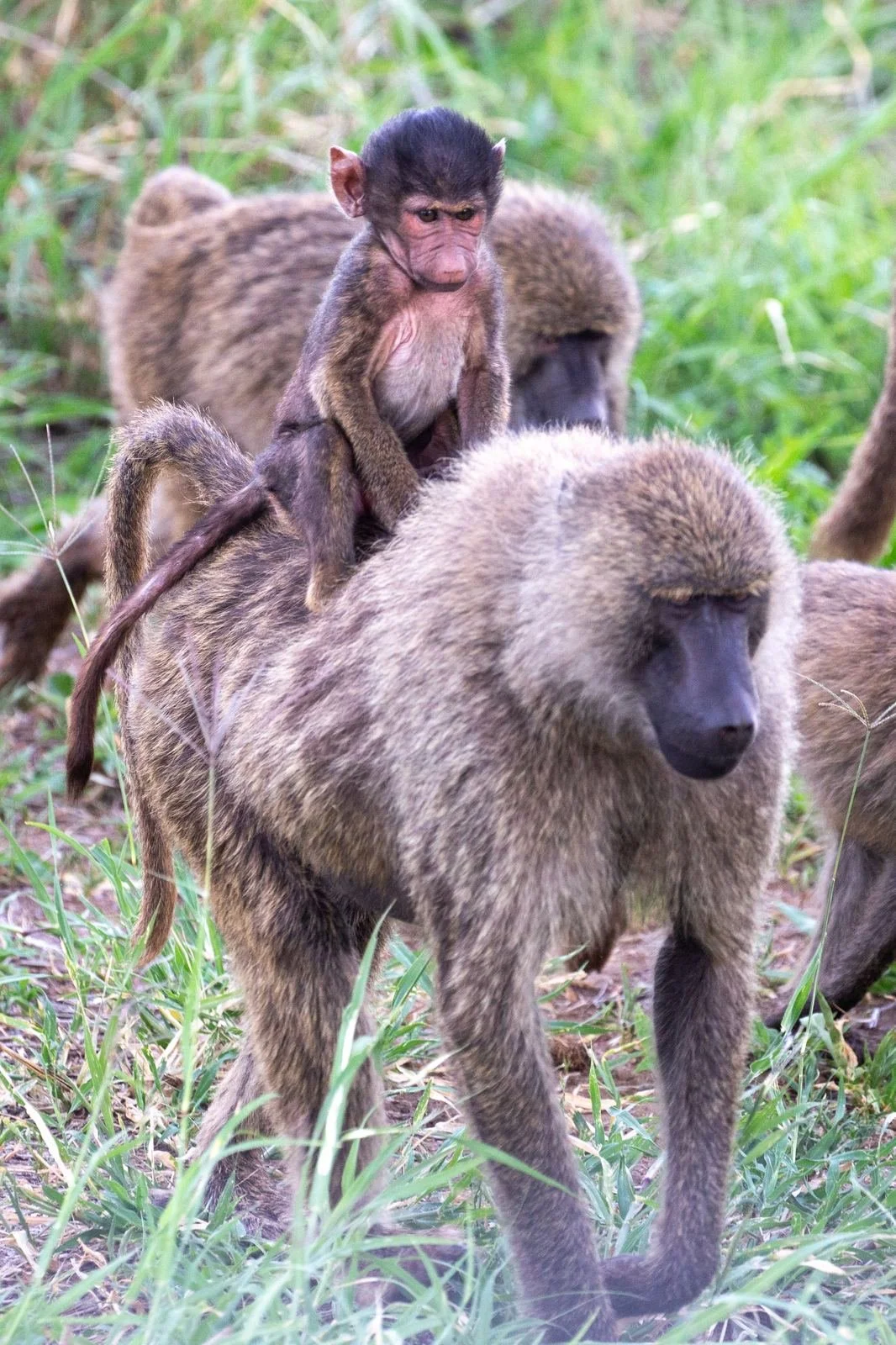
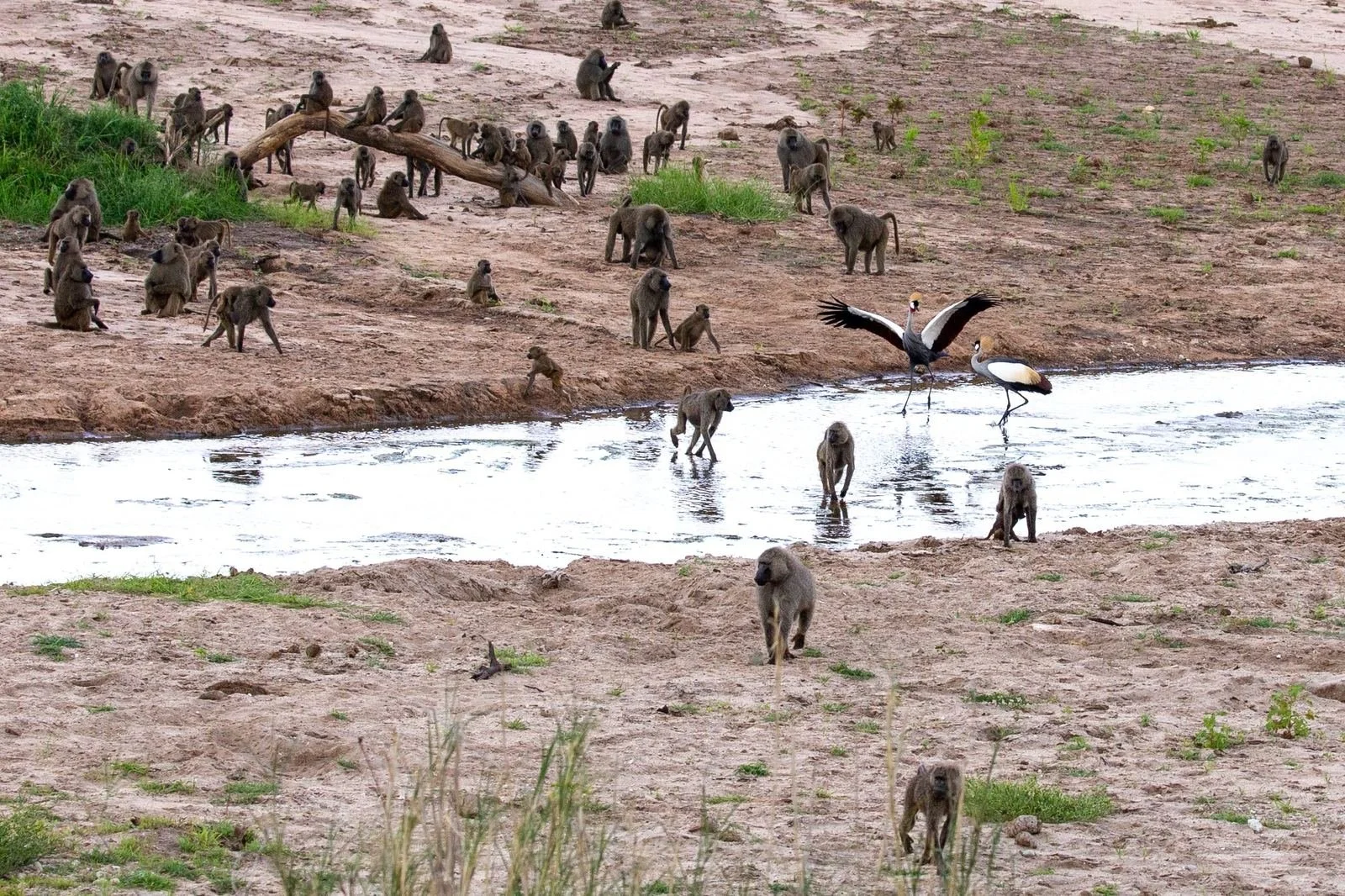
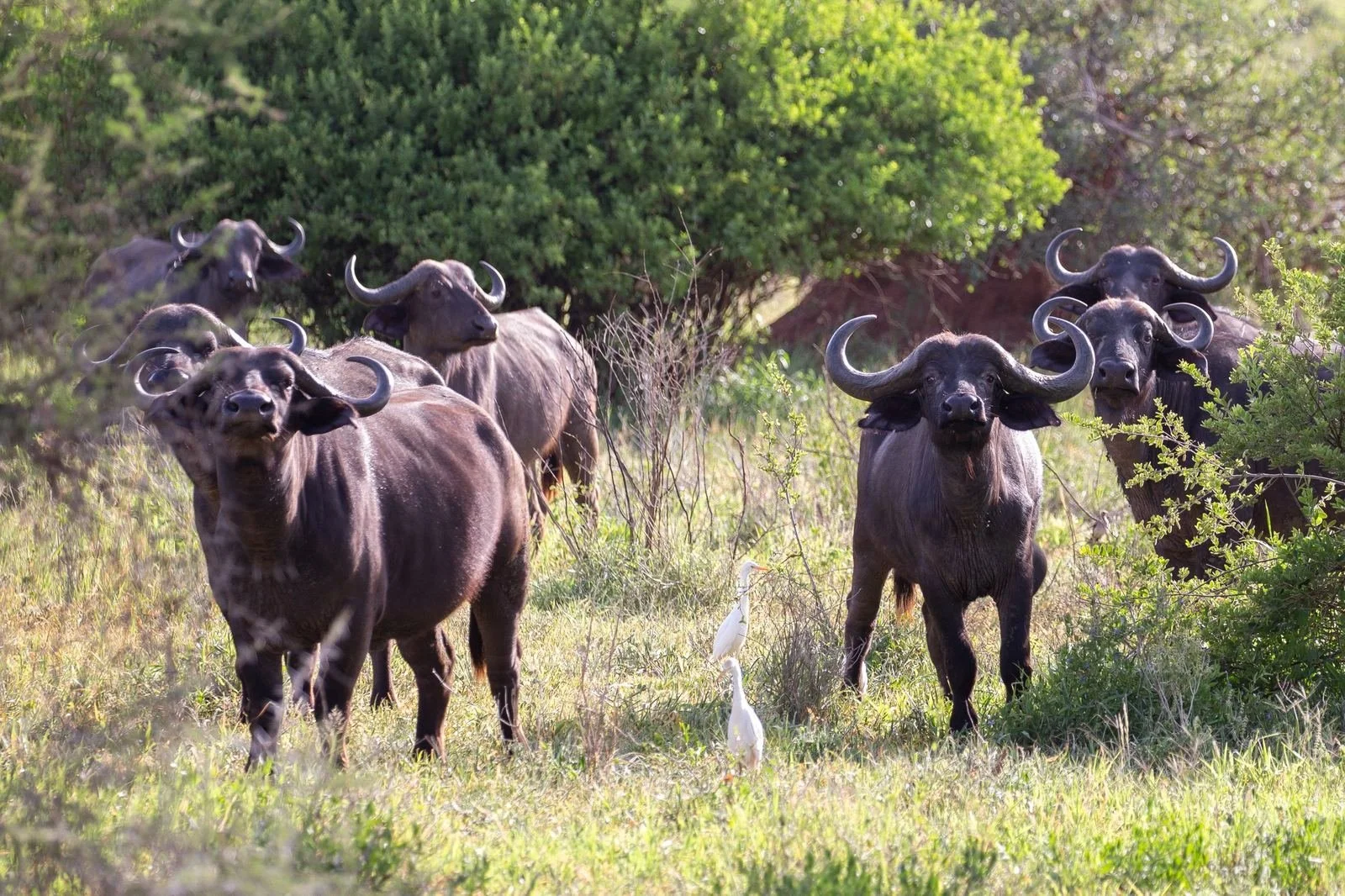
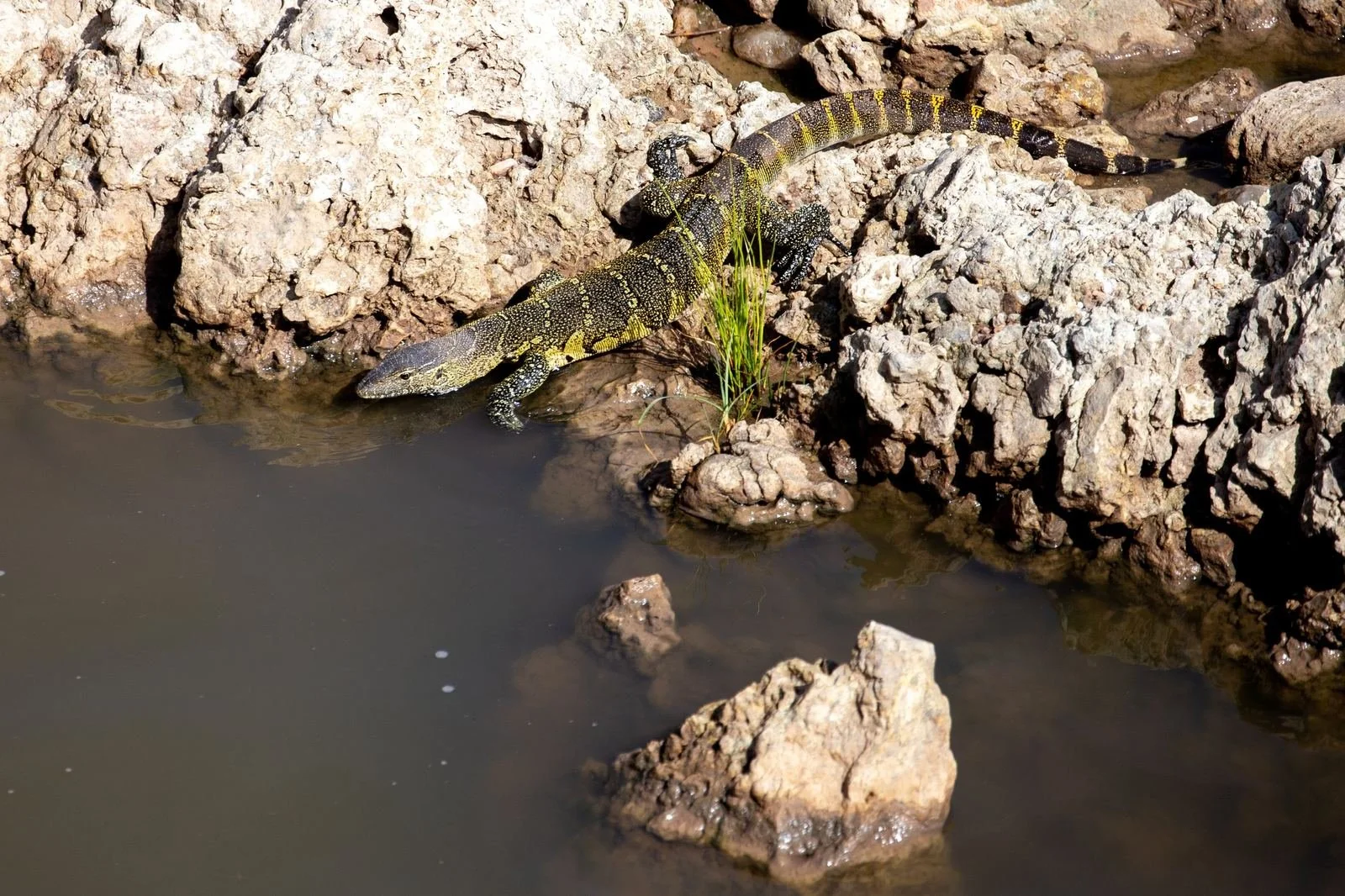
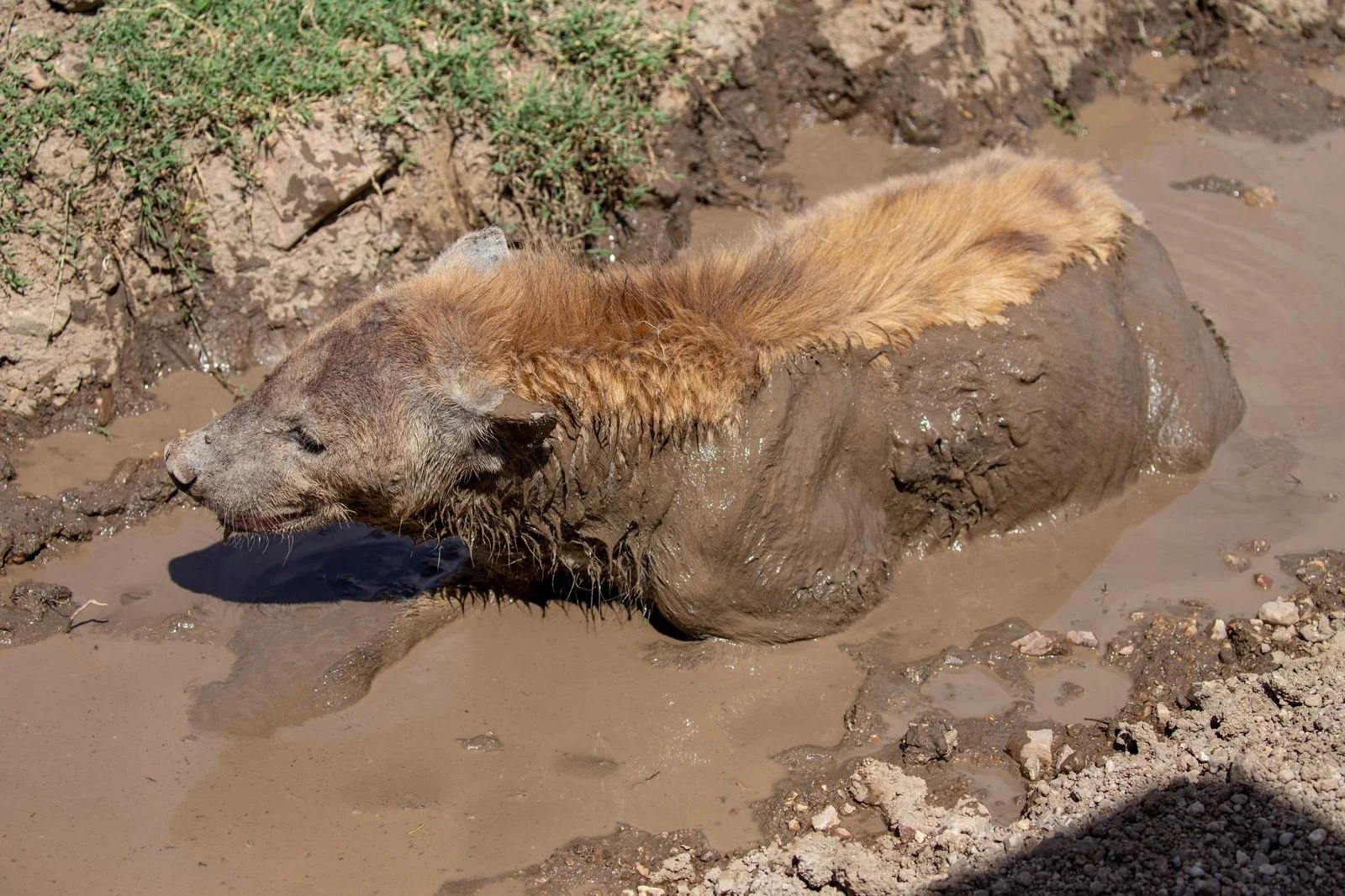
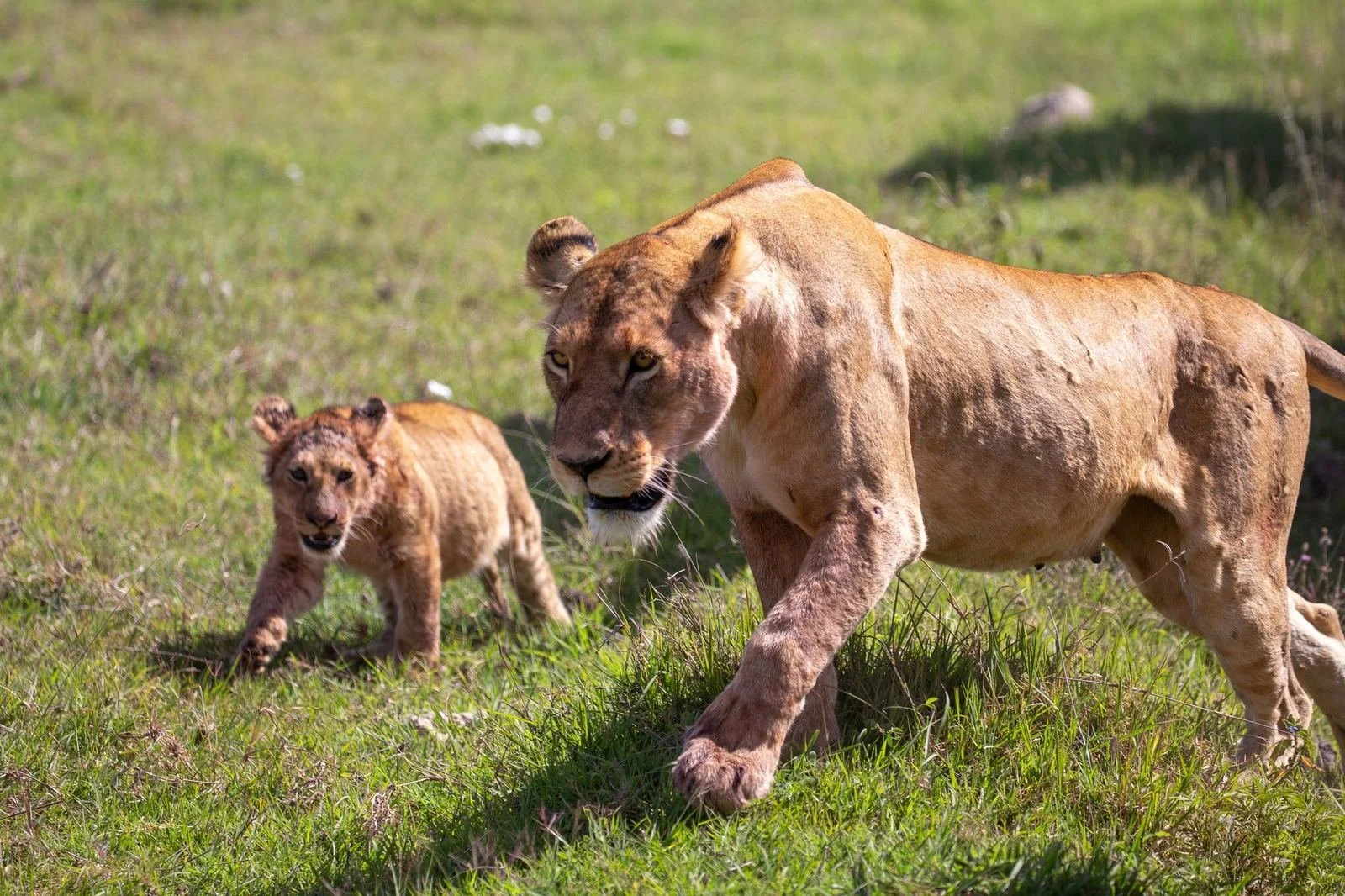
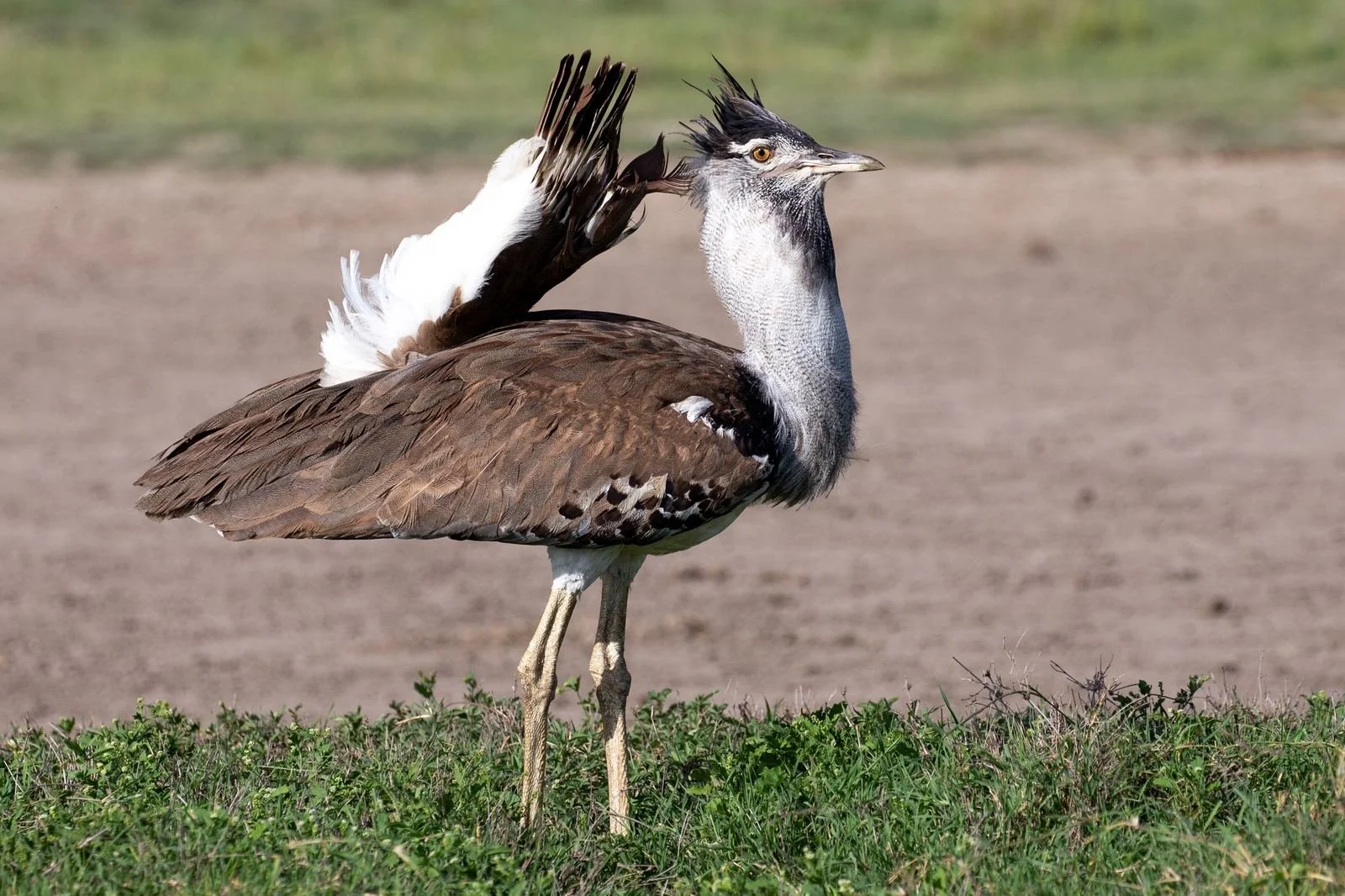
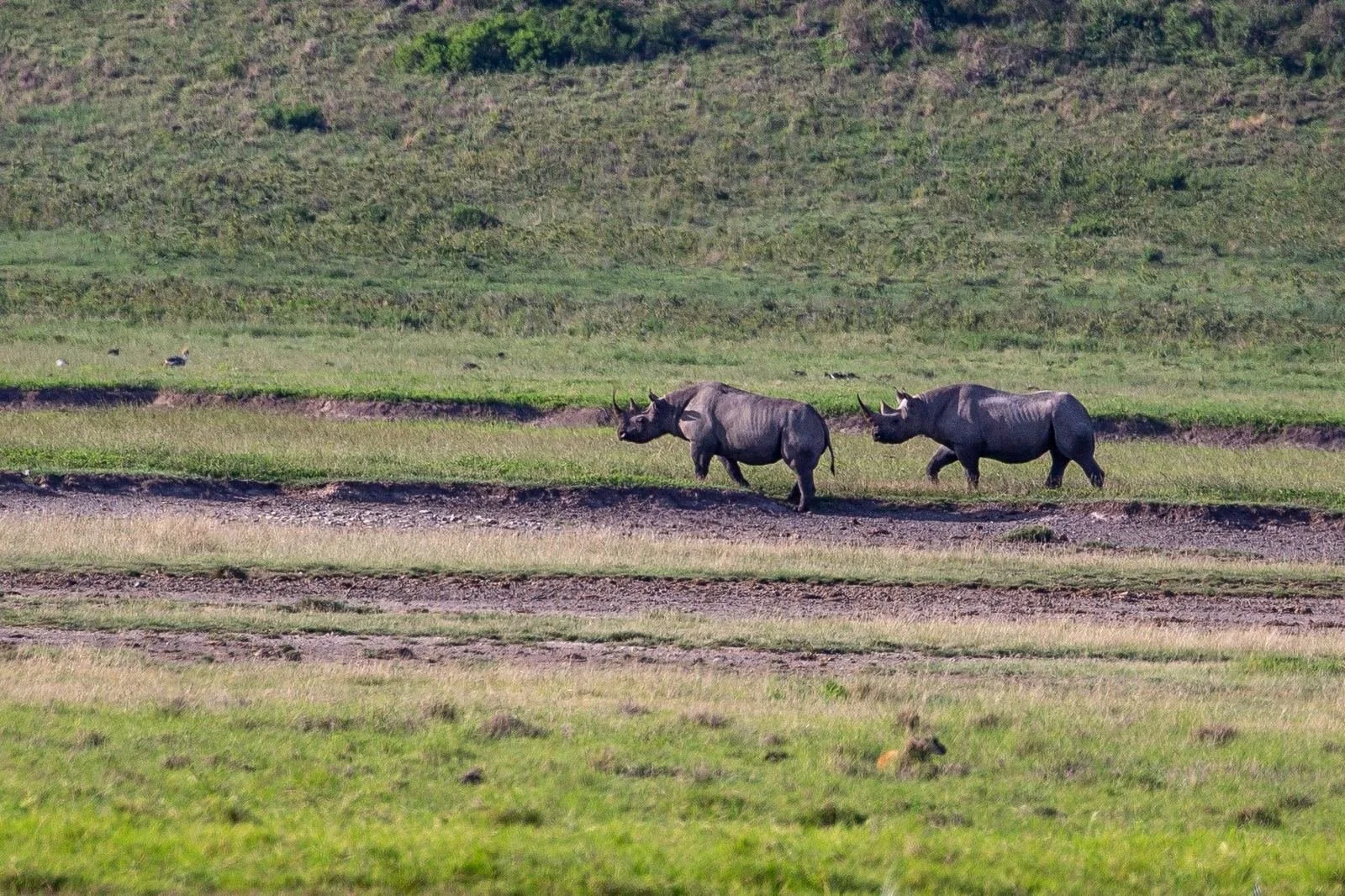
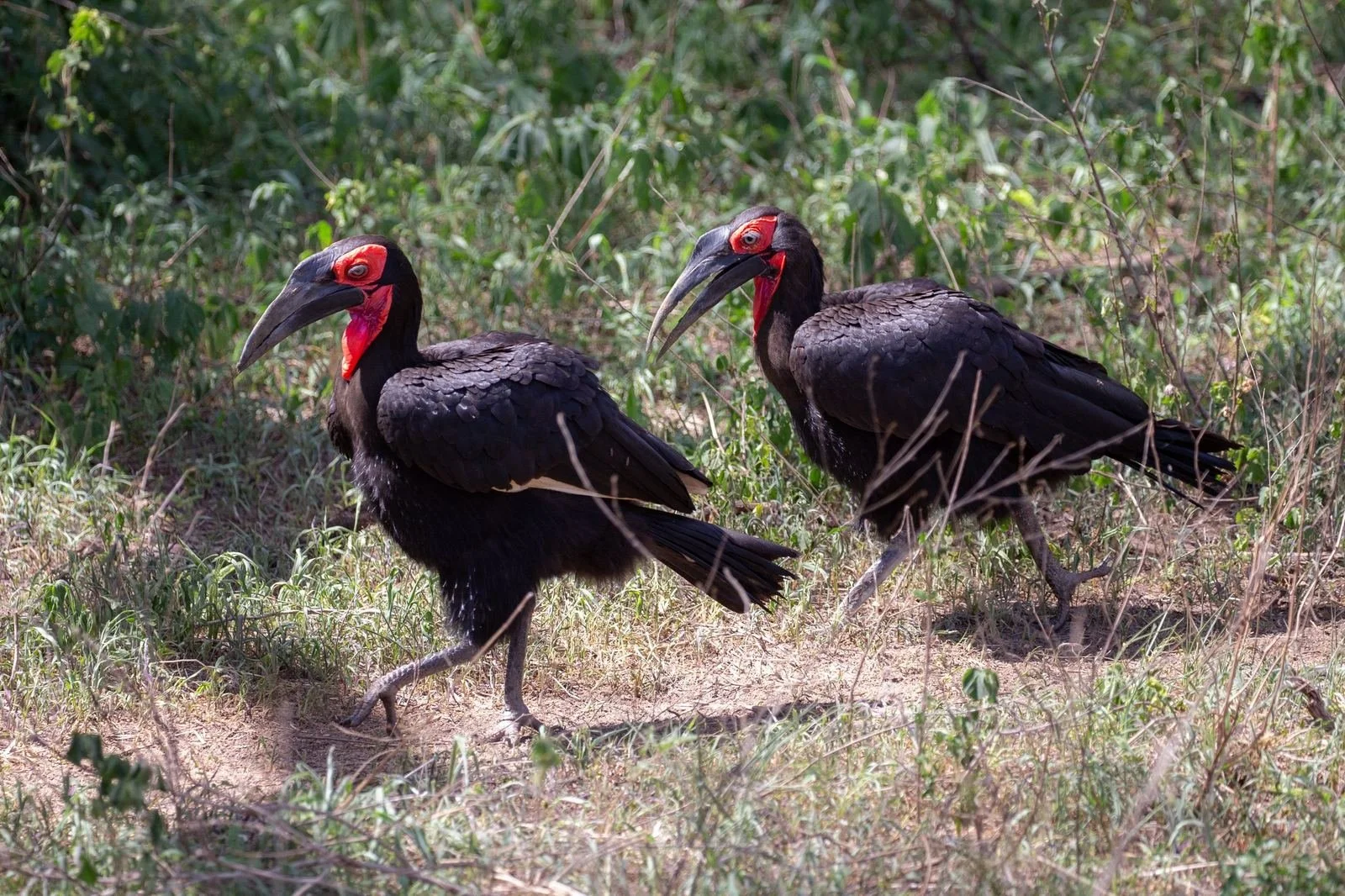
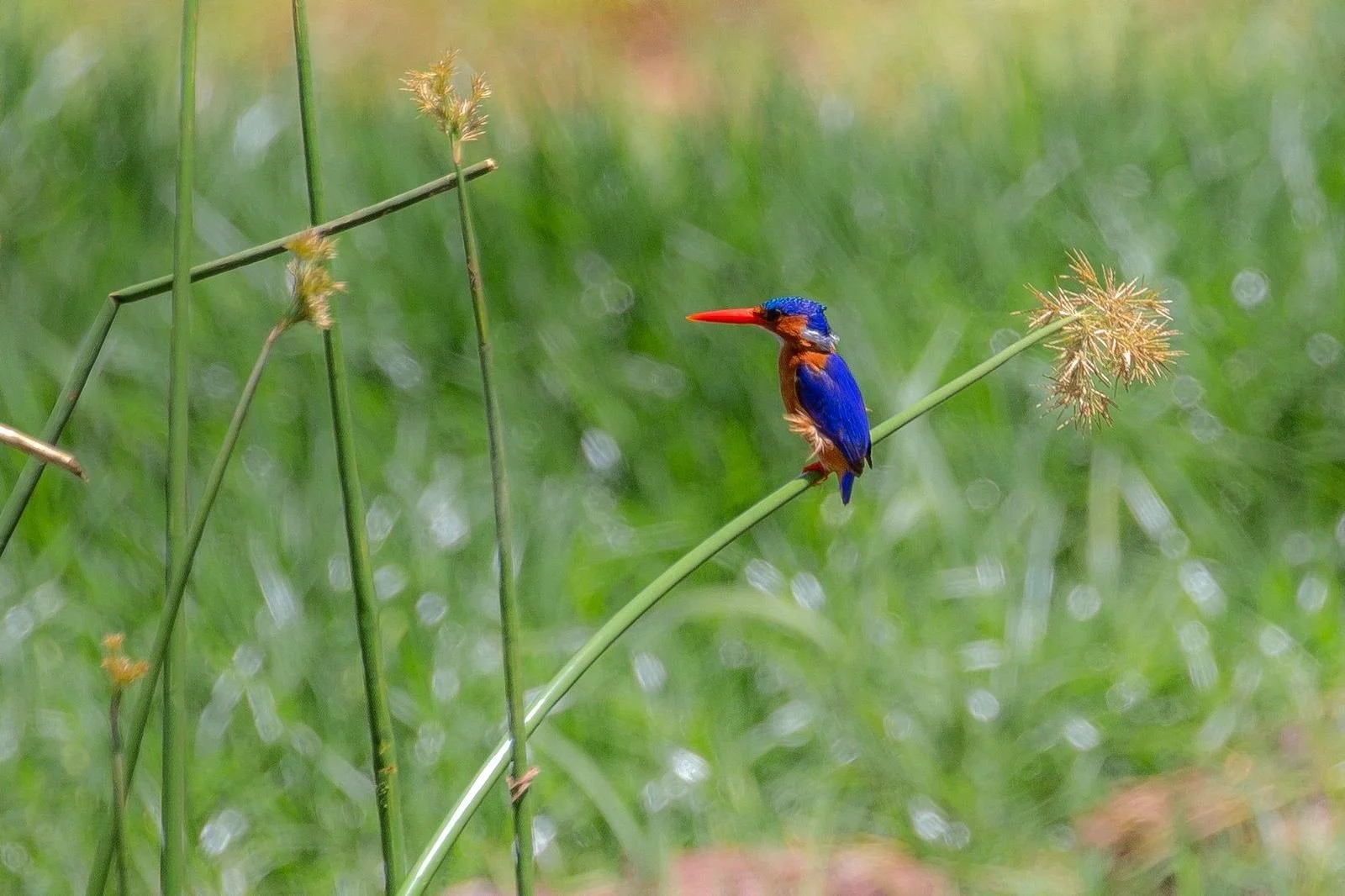
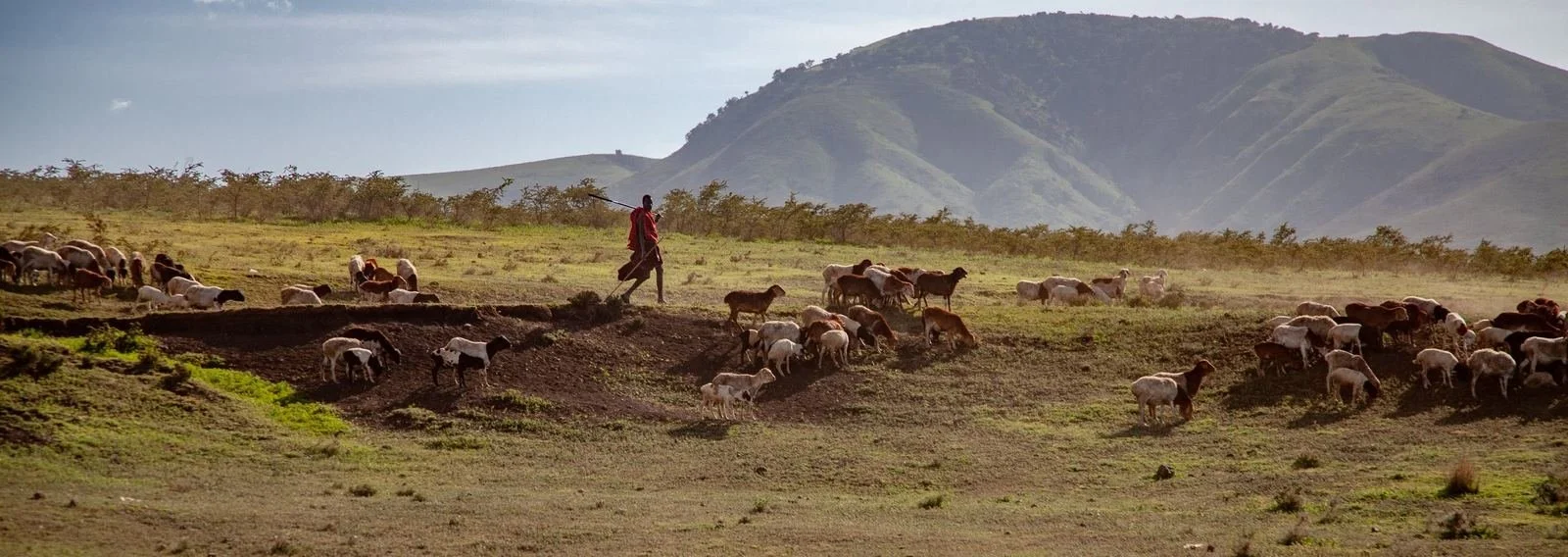
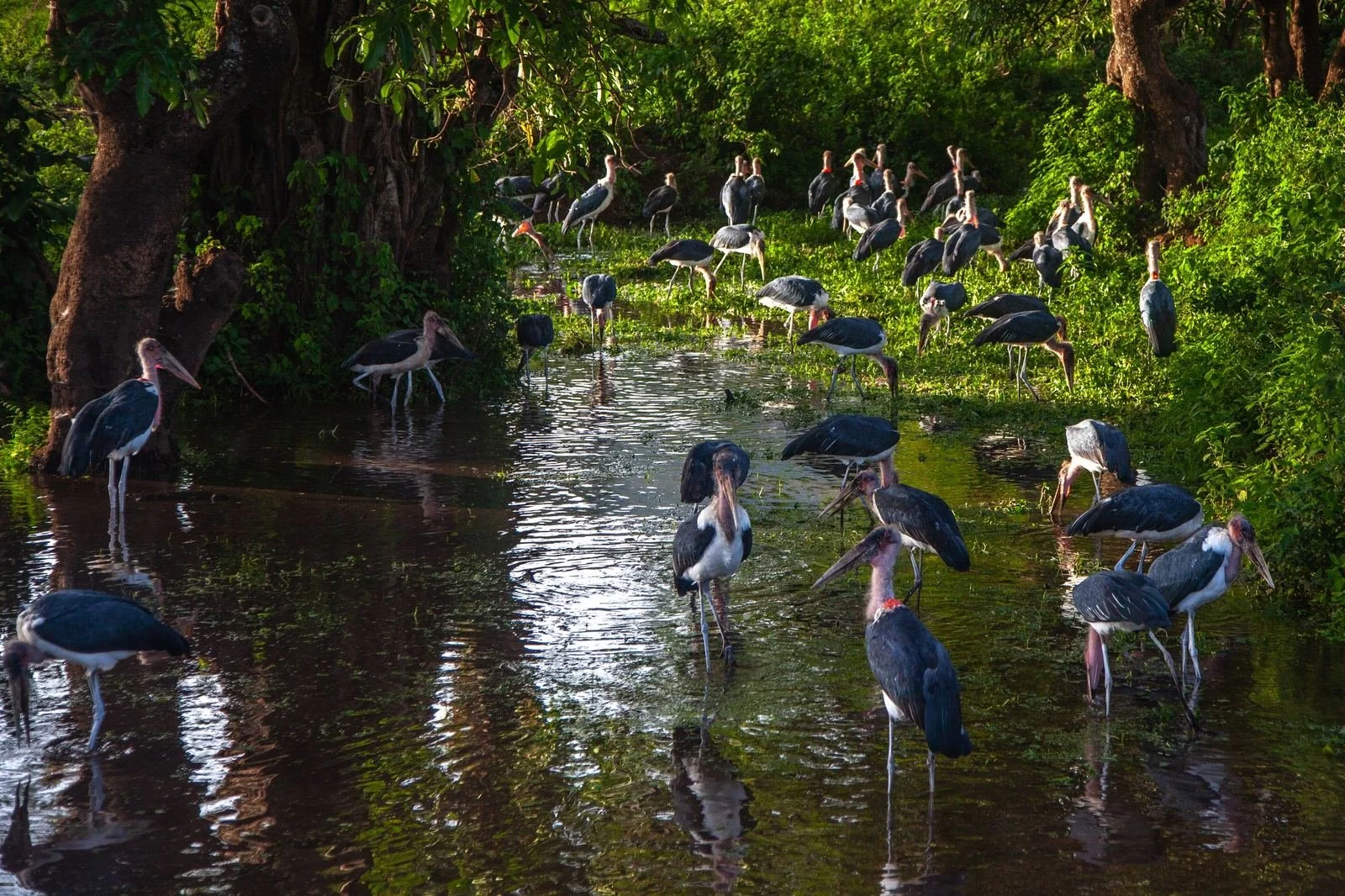
Tanzania Destinations
Tanzania’s safari regions fall into three main circuits:
Northern Circuit - where the Serengeti and Ngorongoro headline a concentration of world-famous parks;
Southern Circuit - where vast wilderness and remarkably few visitors create a completely different experience;
Western Circuit - where chimpanzee trekking and remote bush camps draw travelers looking for something truly off the beaten path.
Understanding these three circuits is the key to planning the right safari for you.
Northern Tanzania Safari Circuit
The Northern Circuit is Tanzania’s most visited and most iconic safari region. It’s where the Great Wildebeest Migration plays out across the Serengeti, where the Ngorongoro Crater concentrates an astonishing density of wildlife inside the walls of an ancient caldera, and where Tarangire’s enormous elephant herds wander beneath cathedral-sized baobab trees. Most Northern Circuit safaris begin and end in Arusha, and the parks are connected by a well-established network of roads and airstrips that make multi-park itineraries seamless.
Serengeti National Park
The Serengeti is, for many people, the reason they come to Africa. Covering nearly 15,000 square kilometers, it is one of the oldest and most celebrated ecosystems on the planet. The park’s open grasslands, acacia woodlands, and kopje-studded plains support an extraordinary density of predators — lion prides, leopards draped in sausage trees, cheetahs hunting the short-grass plains, and large clans of hyenas.
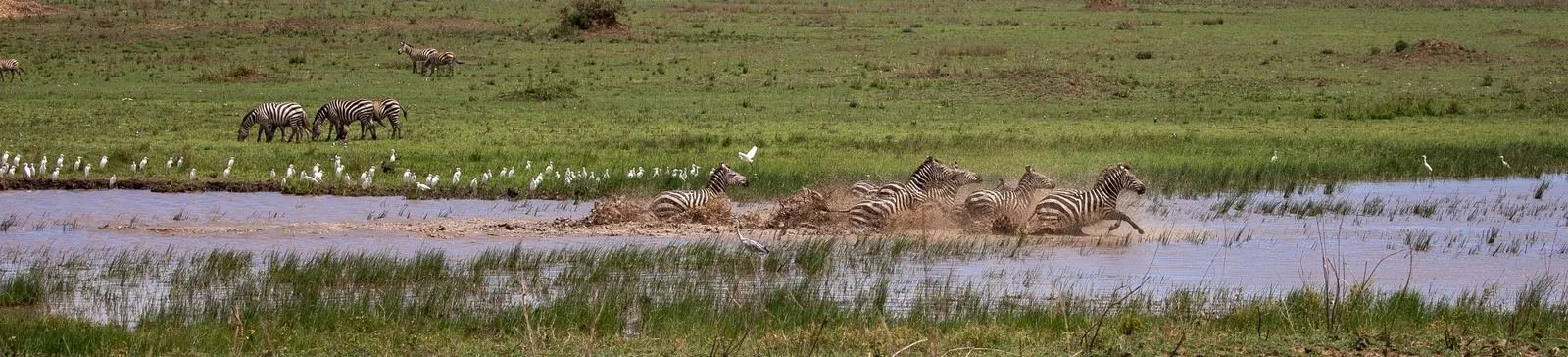
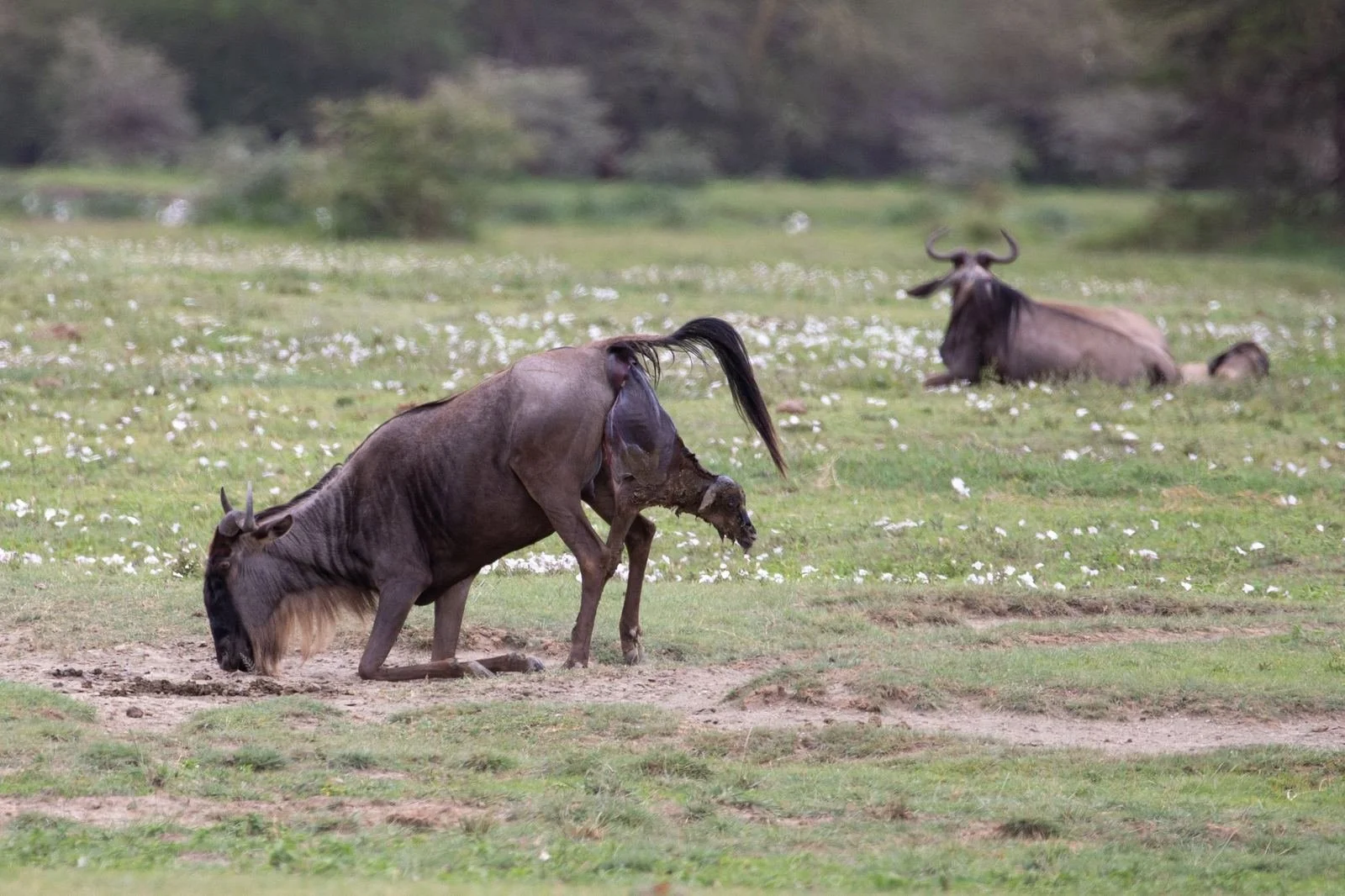
The Serengeti is also home to the Great Wildebeest Migration, one of the natural world's most dramatic events. A recent study published by researchers at Oxford University used AI-powered satellite imagery to count the migration from space, estimating the wildebeest population at roughly 500,000 to 600,000 animals — less than half the long-cited figure of 1.3 million from decades of aerial surveys. The findings sparked significant debate among wildlife biologists. Critics, including University of Glasgow conservation biologist Grant Hopcraft, argue that the satellite method only partially captured the wildebeests’ range and likely missed portions of the population. Others note that the AI method has never been validated against known ground counts, and that as many as 20 percent of animals may have been hidden under tree cover and therefore undetectable from satellite imagery (Science). The study’s authors stress that they are not definitively claiming a specific number, and have called for a simultaneous aerial and satellite count to compare the error biases in each approach. Regardless of where the true number lands, the spectacle remains extraordinary: vast herds of wildebeest and zebra moving in a continuous cycle across the Serengeti-Mara ecosystem, pursued by predators at every turn.
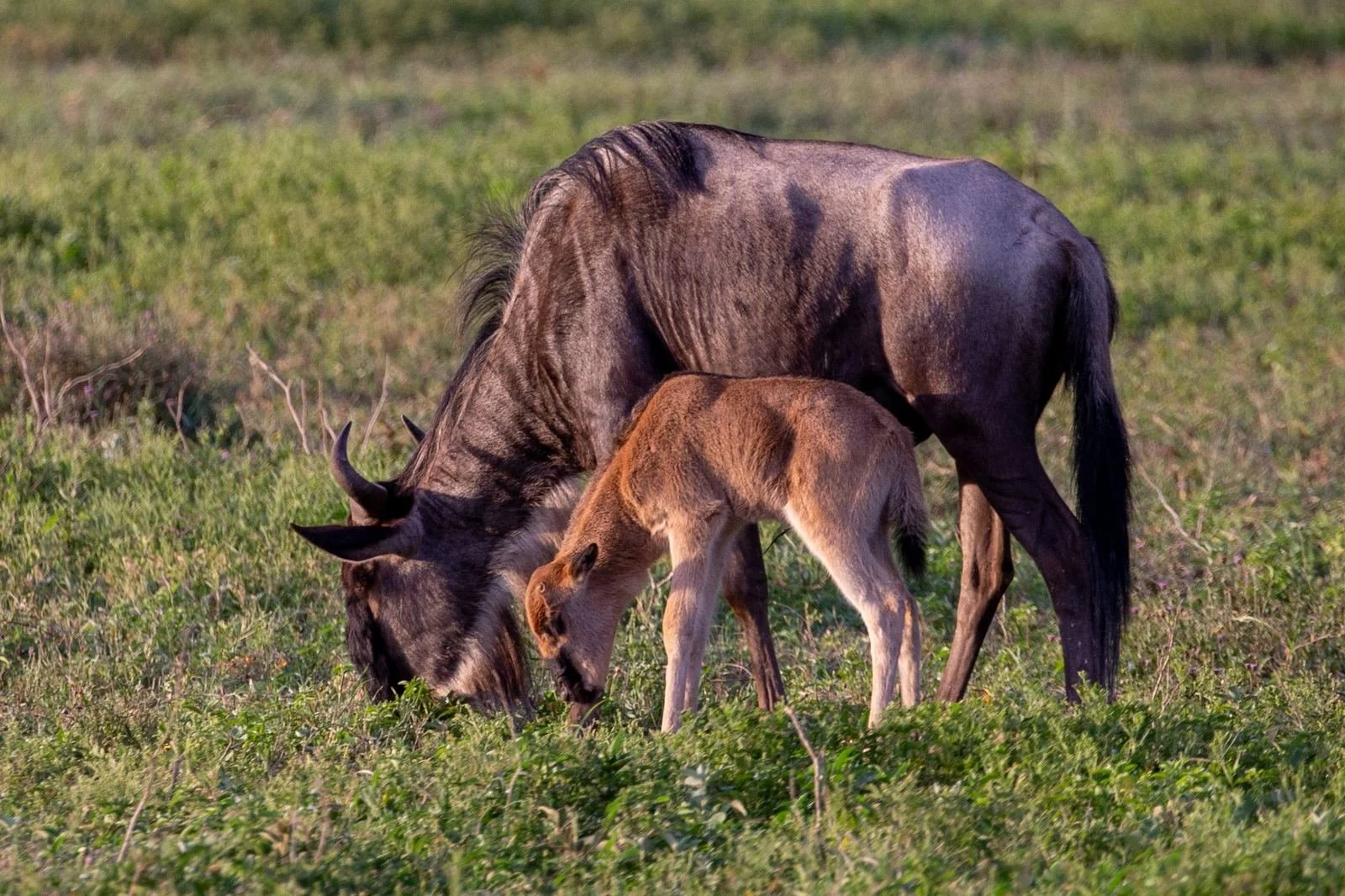
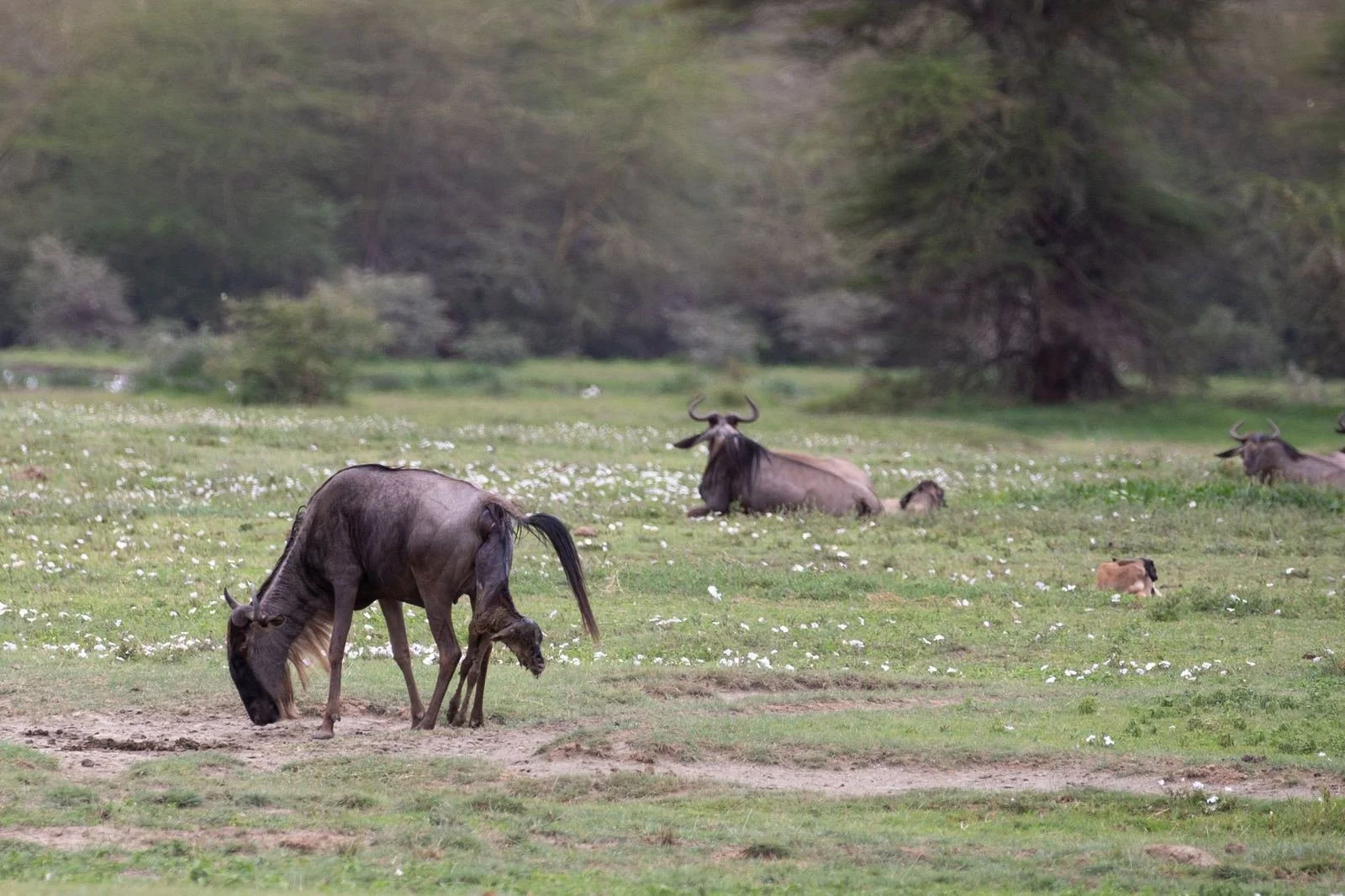
The migration’s location shifts throughout the year. From January through March, calving takes place on the southern Serengeti plains around Ndutu, with up to 8,000 calves born daily and predators in peak hunting mode. By June, the herds have moved into the central and western corridors. From July through September, the migration reaches the northern Serengeti and the Mara River, where dramatic river crossings unfold. By November and December, the herds begin moving south again, completing the cycle.
Ngorongoro Conservation Area
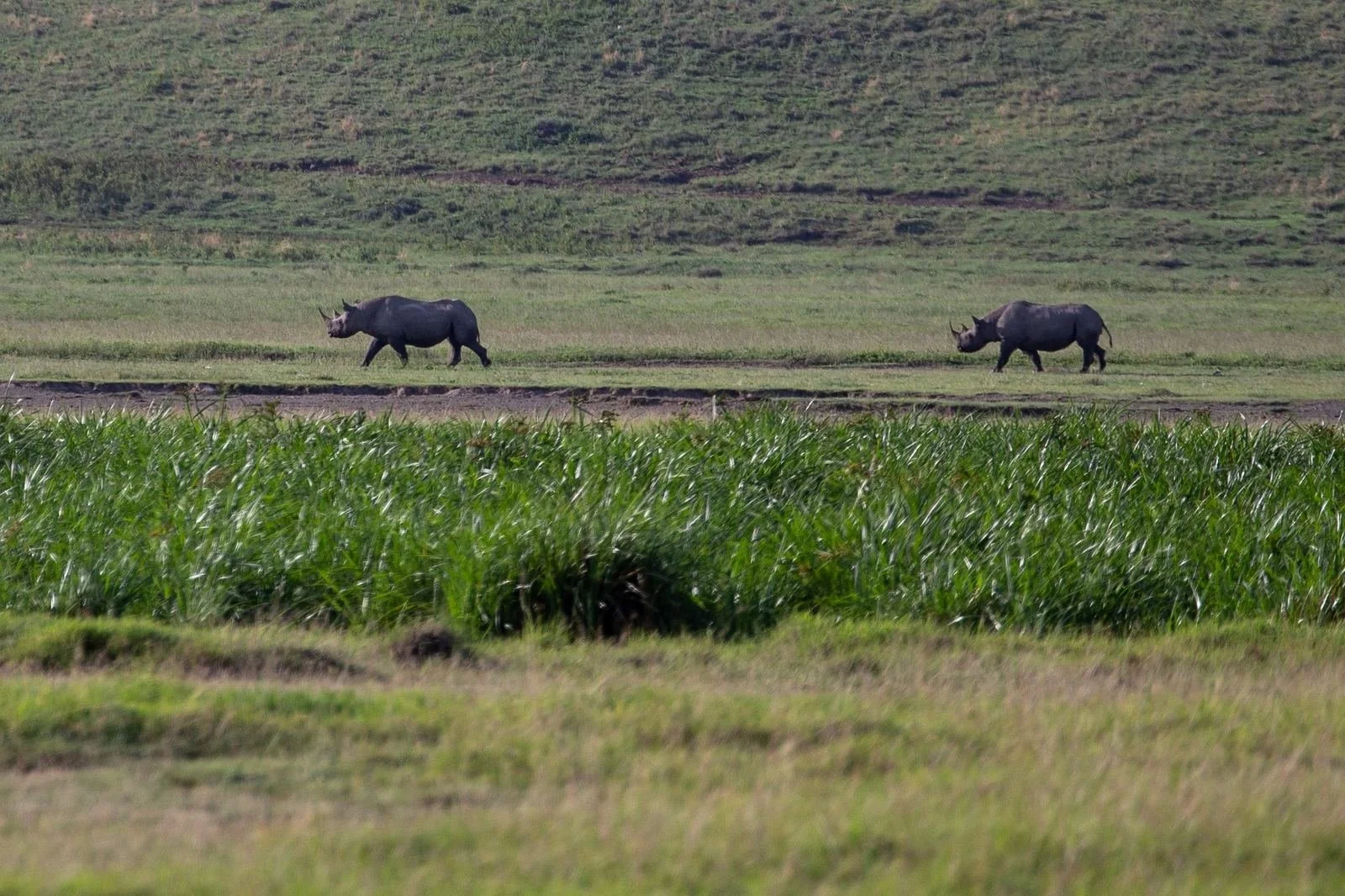
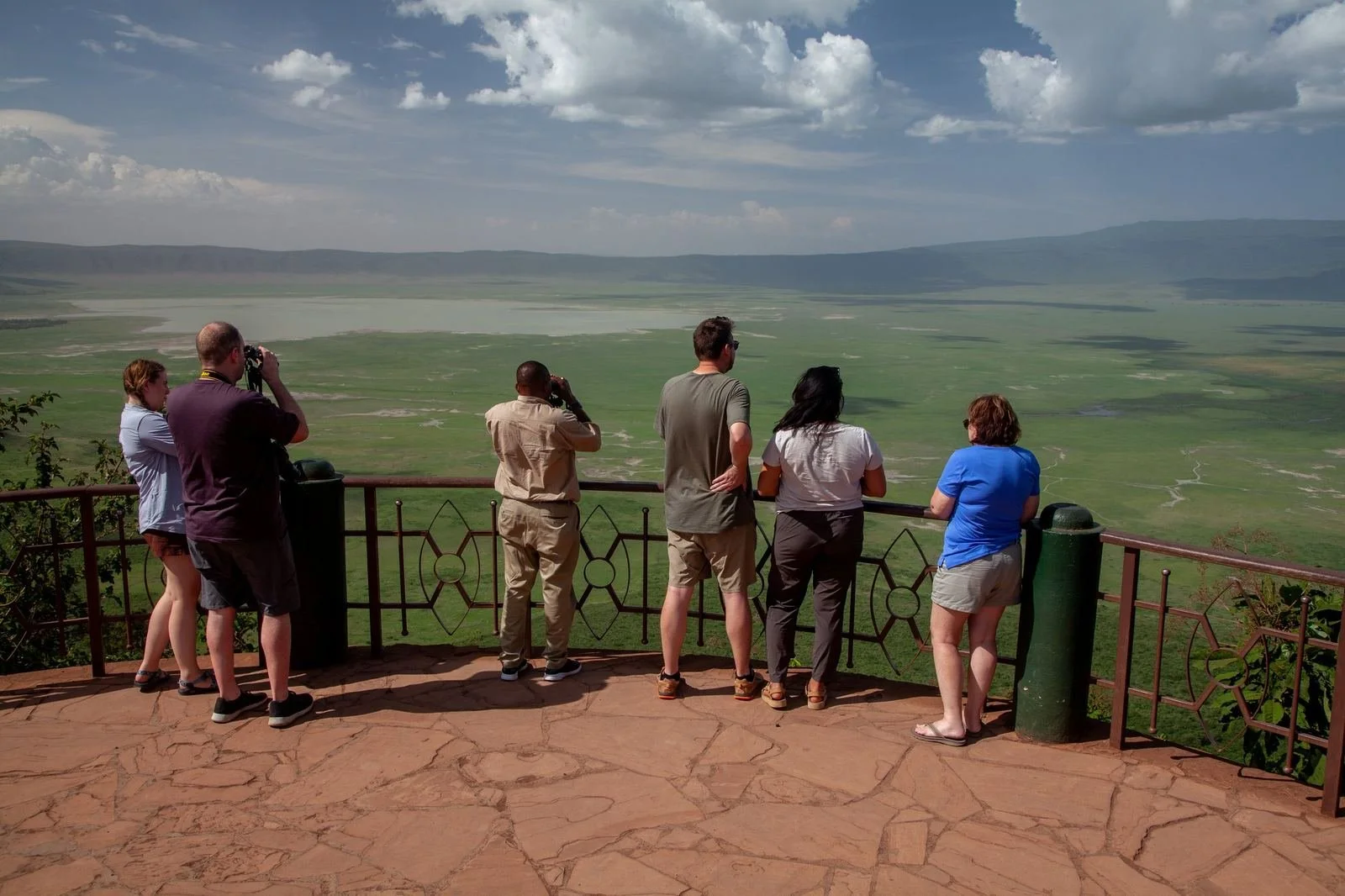
The Ngorongoro Crater is the world’s largest intact volcanic caldera, and descending into it on a game drive is one of Africa’s most unforgettable experiences. The crater floor covers roughly 260 square kilometers and supports a permanent population of around 25,000 large animals, including lion, elephant, buffalo, black rhino, and vast herds of wildebeest and zebra. The concentration of wildlife here is remarkable — a single morning drive can produce sightings of all the Big Five.
Beyond the famous crater, the broader Ngorongoro Conservation Area offers experiences most visitors miss. Empakai Crater, a stunning 15-kilometer hike around an alkaline lake ringed by steep forested walls, offers flamingos, highland forest birds, and views across to Ol Doinyo Lengai — Tanzania’s only active volcano. Hiking with the Maasai from the Ngorongoro Highlands into Lake Natron is on of our favorite additions to any Northern Circuit wildlife itinerary.
Tarangire National Park
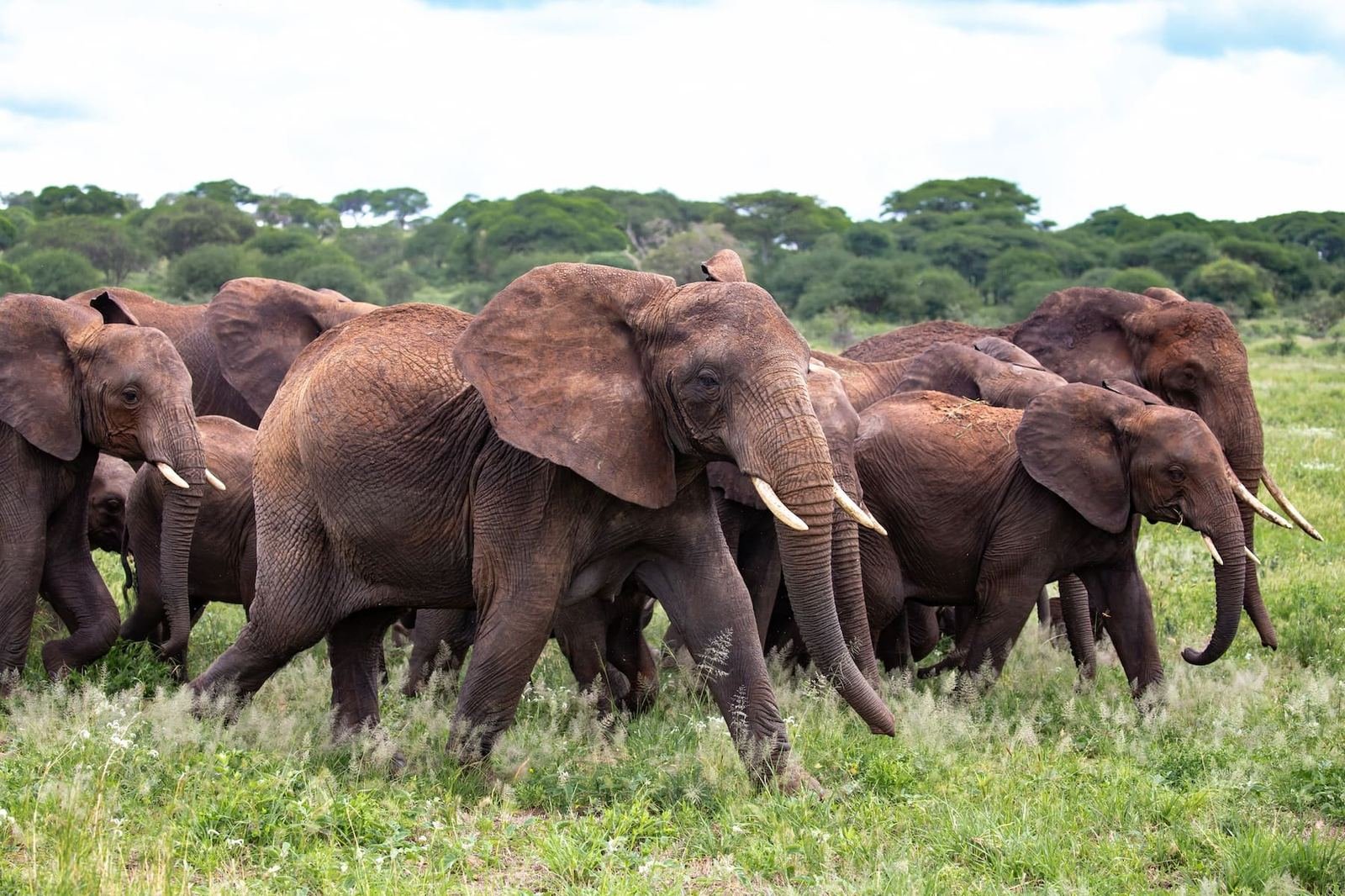
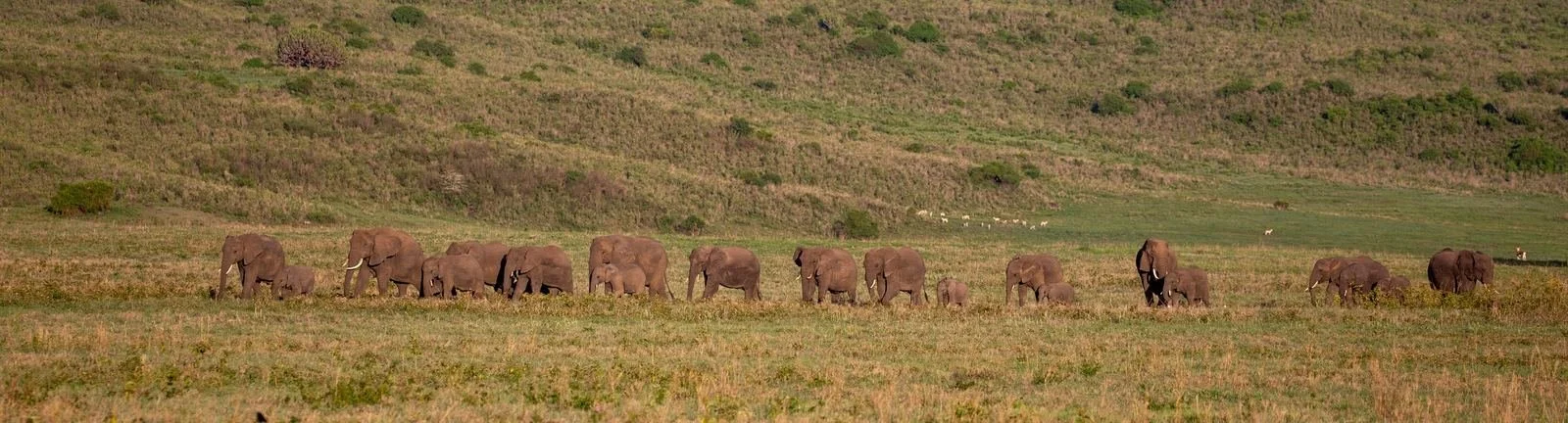
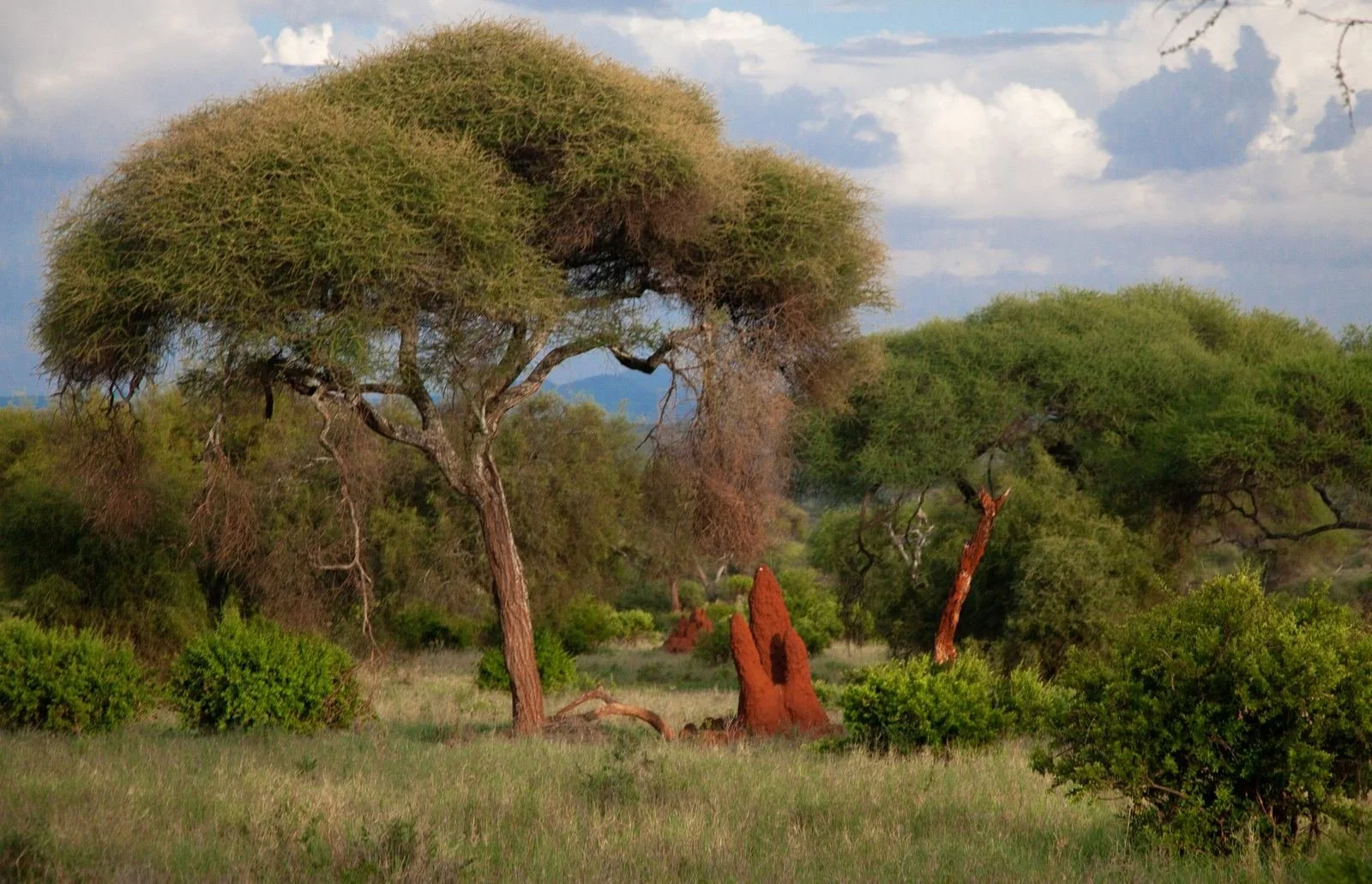
Tarangire is owner Stacy Readal’s favorite park in Tanzania, and it’s consistently one of the parks our clients love most. Covering 2,850 square kilometers of rolling savanna studded with enormous baobab trees, the park is famous for its elephant herds — some of the largest gatherings in East Africa — and for an extraordinary bird population of more than 500 recorded species. The perennial Tarangire River acts as a lifeline during the dry season, drawing wildlife from across the surrounding ecosystem to its banks. Silale Swamp, deep in the park’s interior, becomes a magnet for extraordinary wildlife concentrations during the dry months, with thousands of elephants, buffalo, and other large mammals gathering around the remaining water.
We recommend spending at least two nights in Tarangire whenever possible. A longer stay allows you to drive deeper into the park, well past the day-trip crowds that stay near the main gate. The farther you go, the more off the beaten path the experience becomes — and even during peak season, it’s still possible to have wildlife sightings entirely to yourself when you’re deep inside Tarangire.
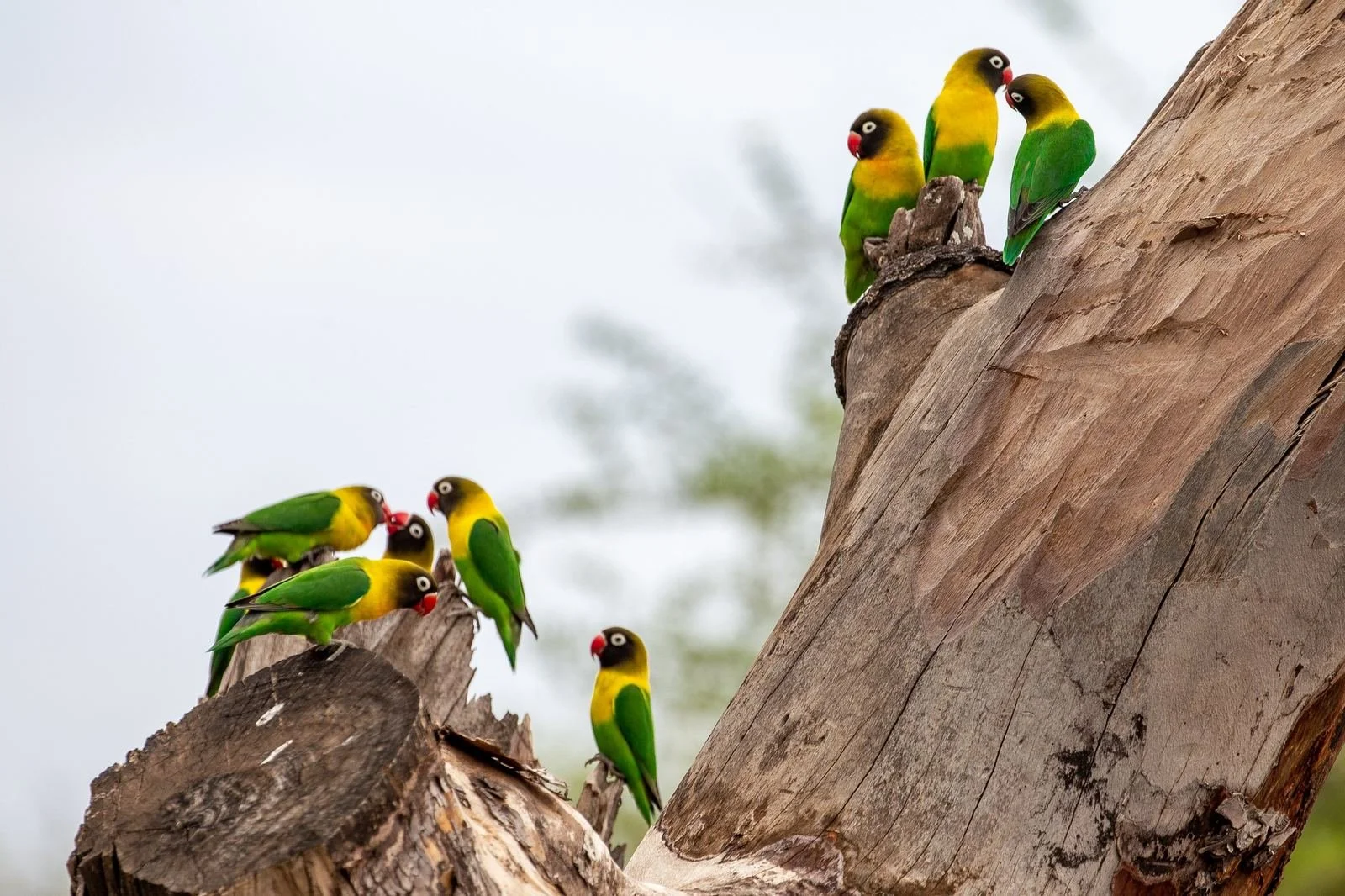
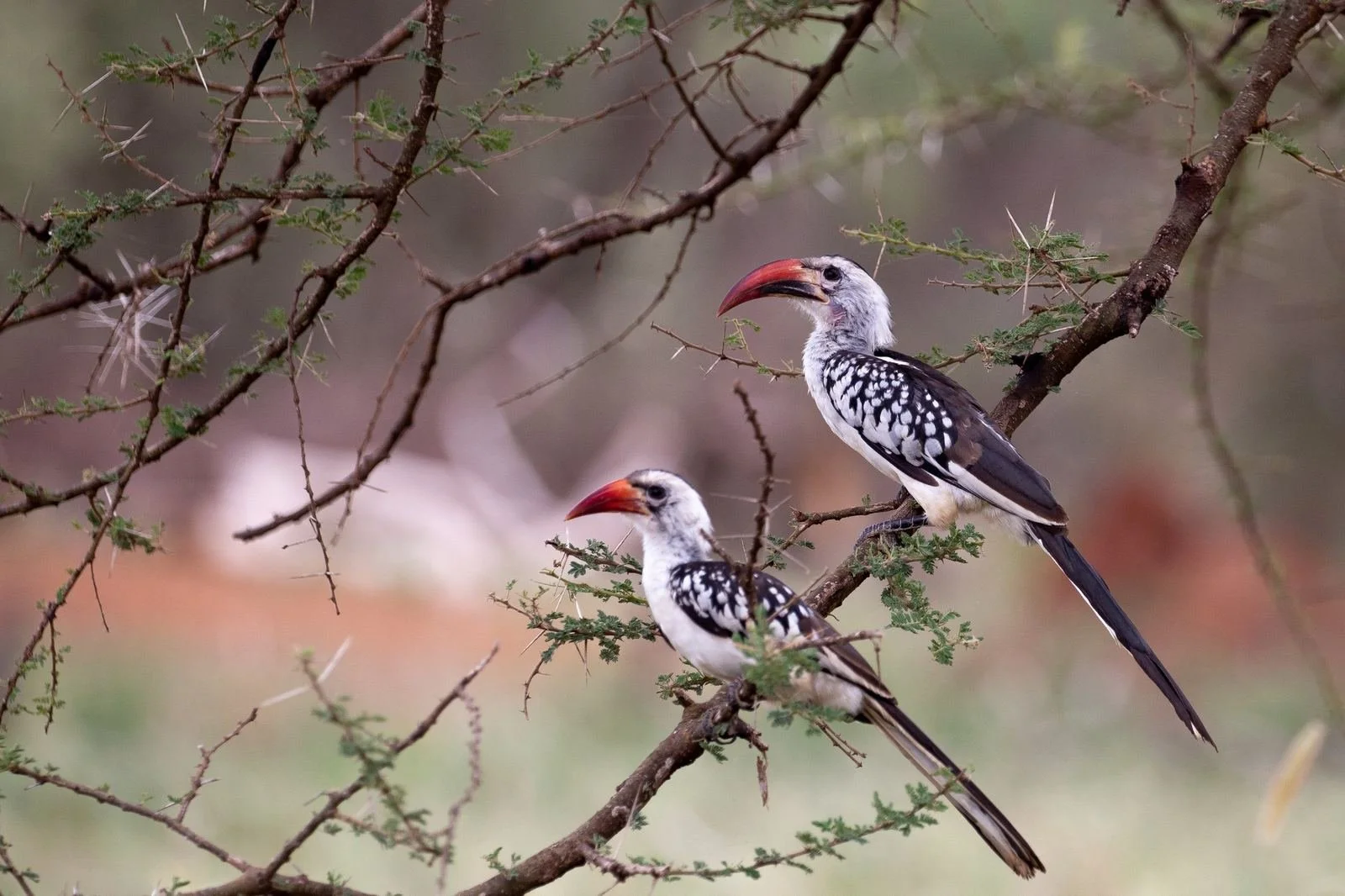
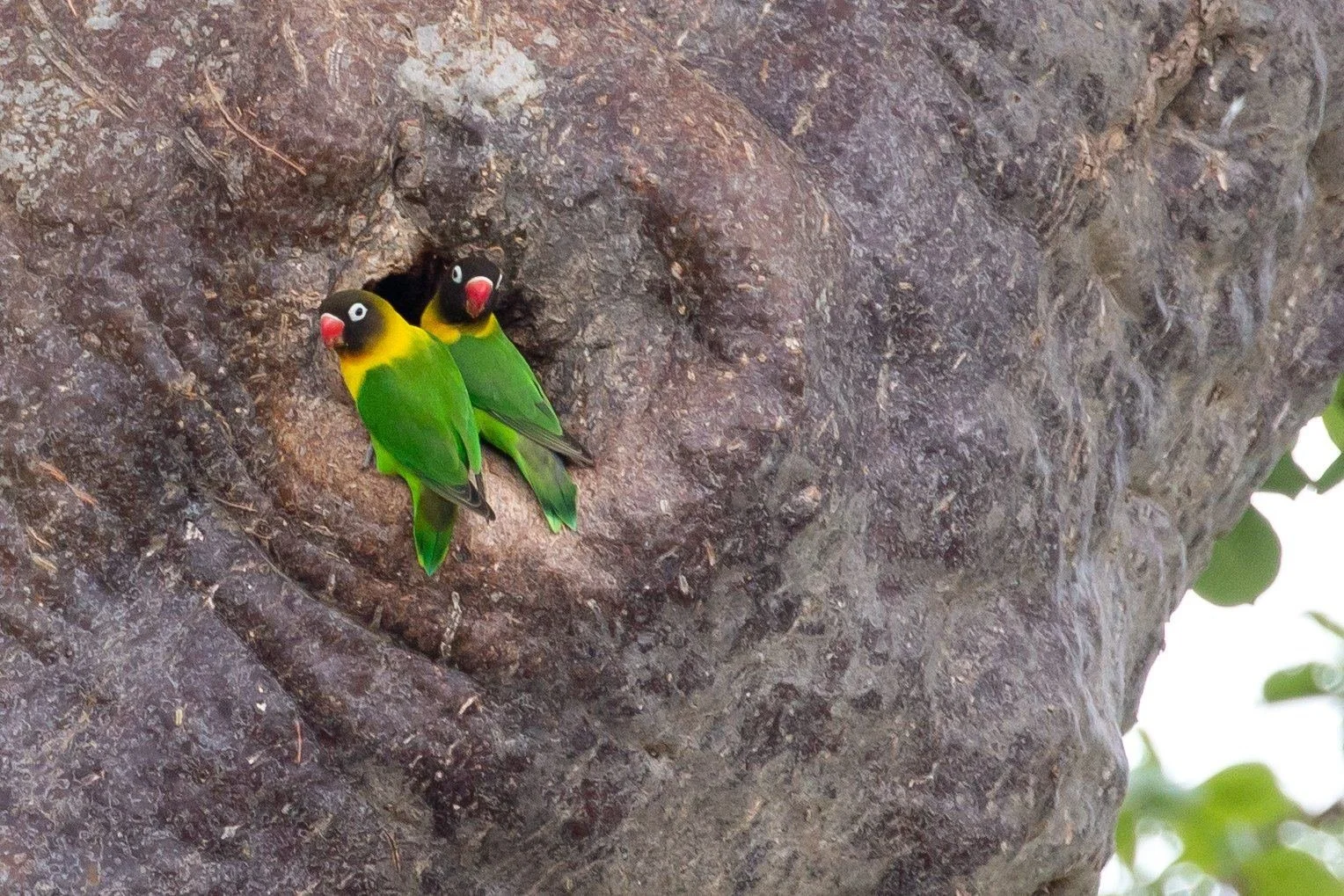
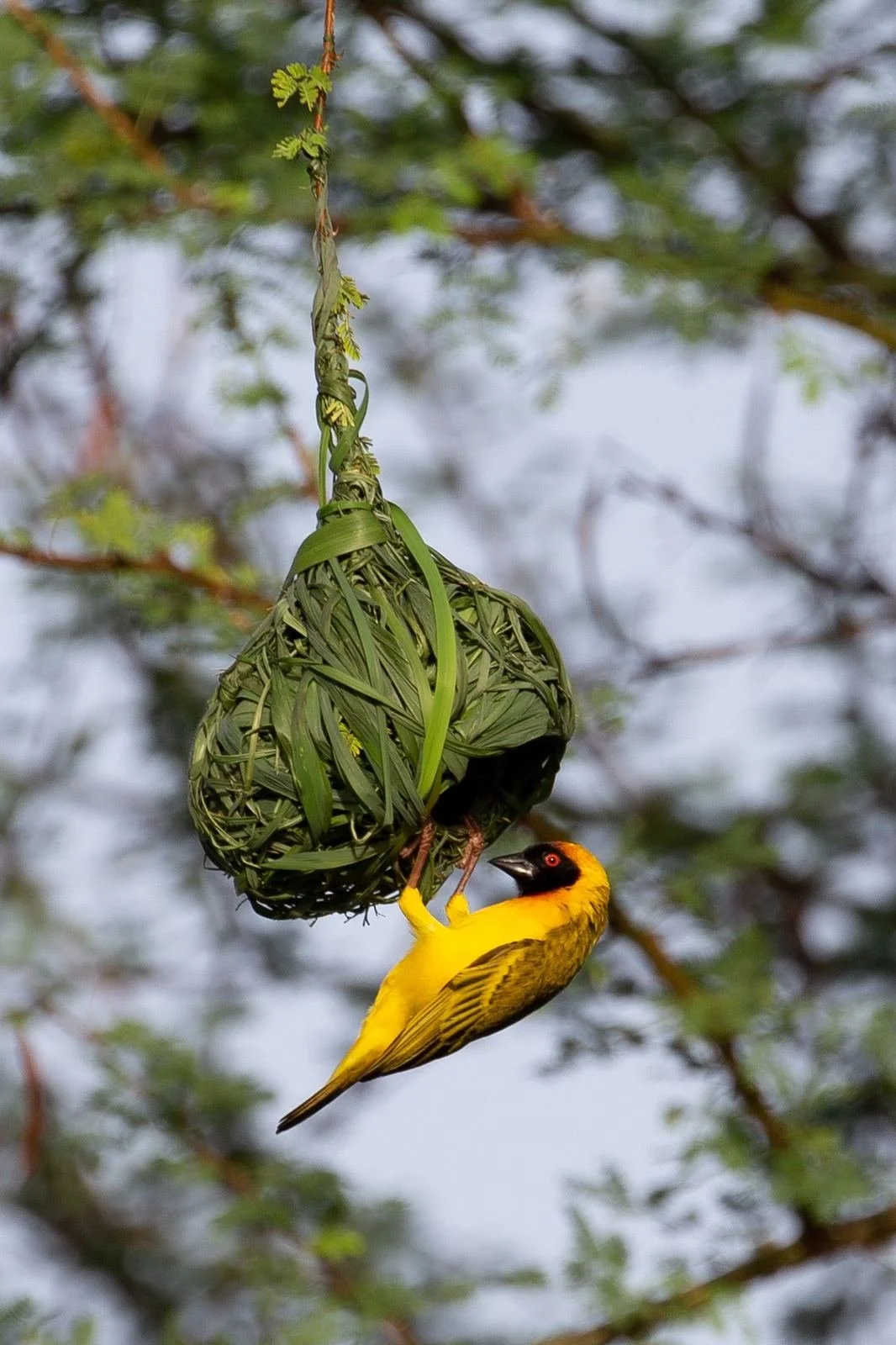
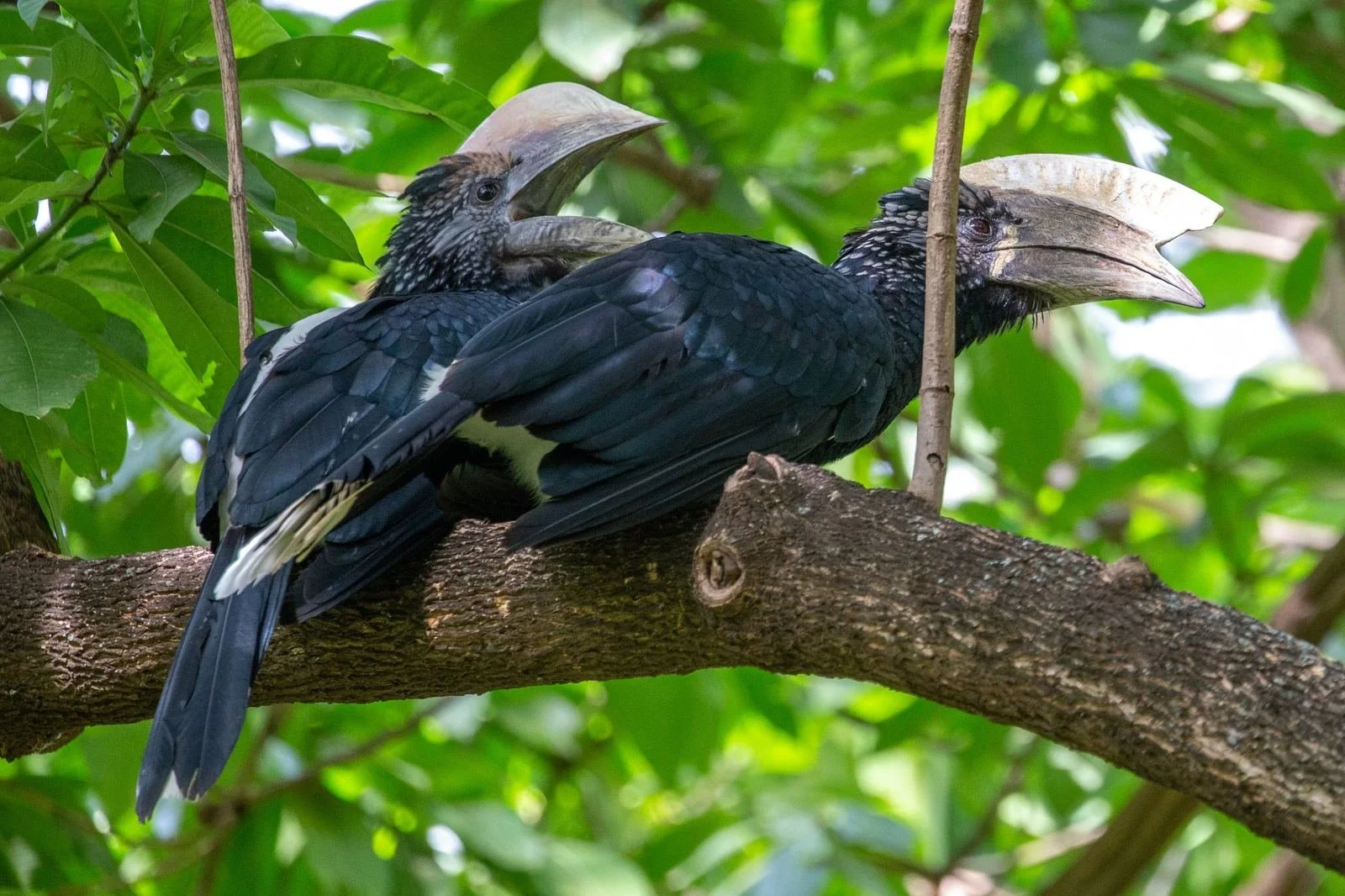
Tarangire is also a superb birding destination, with near-endemic species including the Yellow-collared Lovebird, Ashy Starling, and Rufous-tailed Weaver. We often pair Tarangire with Ngorongoro and the Serengeti on Northern Circuit itineraries — it adds a completely different landscape and feel to the trip.
Lake Eyasi & Cultural Experiences
We often add cultural elements to our Northern Circuit safaris, and Lake Eyasi is one of the most rewarding stops. The lake sits in a dramatic Rift Valley setting and is home to two of Tanzania’s most fascinating indigenous communities: the Hadzabe, one of the last true hunter-gatherer peoples in Africa, and the Datoga, semi-nomadic blacksmiths and pastoralists. Spending a morning with the Hadzabe on a traditional hunt, learning their click language, and watching them make fire and craft arrowheads is a profound and humbling experience that adds a dimension to your safari no game drive can replicate. The lake and its surrounding wetlands also offer fantastic birding.
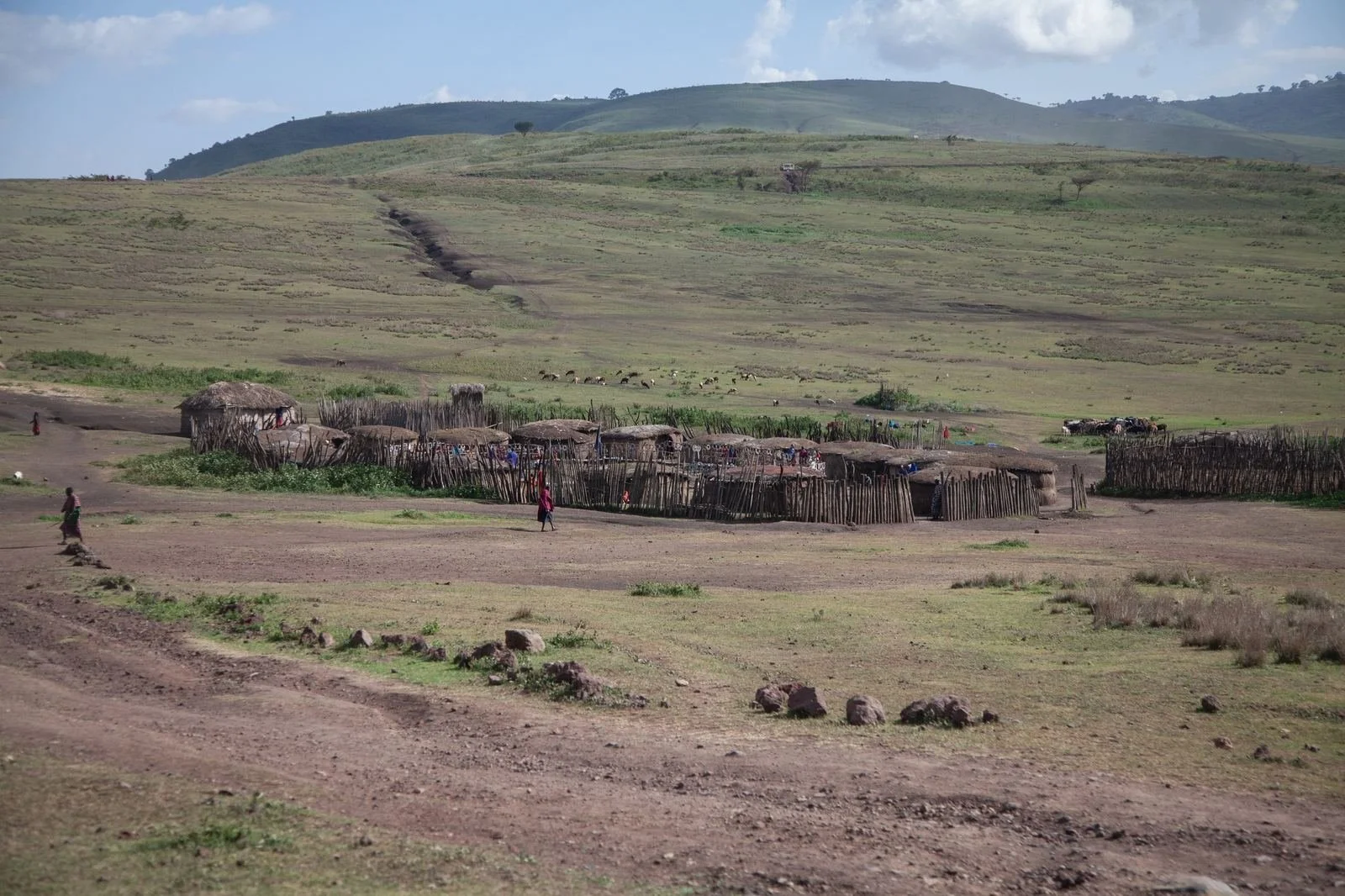
In-depth, authentic Maasai experiences can also be added to any Northern Tanzania safari. Whether it’s a guided walk with Maasai warriors, a traditional Orpul ceremony, or an overnight cultural immersion, these encounters are designed to be respectful, community-led, and genuinely enriching for both travelers and hosts.
Lake Manyara National Park
Lake Manyara is a beautiful park set beneath the dramatic western escarpment of the Rift Valley, known for its large flocks of flamingos, more than 40 raptor species, and diverse primate populations. However, it’s worth noting that the lake has been extensively flooded in recent years, significantly reducing the accessible game-drive area. For this reason, we generally do not include Lake Manyara in our current safari itineraries. When conditions improve, it will once again be a worthwhile stop on the Northern Circuit.
Arusha National Park & Mount Meru
Often overlooked in favor of the bigger-name parks, Arusha National Park is a gem for travelers arriving in the region. Mount Meru, Tanzania’s second-highest peak at 4,566 meters, anchors the park and provides a backdrop to excellent forest birding, canoeing on the Momella Lakes, and close encounters with colobus monkeys, giraffes, and buffalo. It’s an ideal half-day or full-day activity on arrival day, before heading into the circuit.
Mkomazi National Park
Mkomazi is one of Tanzania’s best-kept secrets — a vast, wild park on the Kenyan border that almost no one visits. Just a three-hour drive from Kilimanjaro International Airport, it is remarkably accessible yet receives only a handful of visitors on any given day, offering a level of solitude that is nearly impossible to find in the Northern Circuit parks. What makes Mkomazi truly special is its ecology: it represents the southernmost extension of the Sahel and Somali semi-arid biome, which means several species found here occur in no other Tanzanian national park. Gerenuk, fringe-eared oryx, and lesser kudu roam the dry Commiphora bushlands alongside elephant, giraffe, lion, and cheetah. The park is also home to a heavily guarded black rhino sanctuary — one of only two places in Tanzania where these critically endangered animals can be seen — and a successful African wild dog breeding and reintroduction program. With roughly 450 bird species recorded, including rarities like Friedmann’s Lark and the Vulturine Guineafowl, Mkomazi is exceptional for birders as well. It makes an easy and rewarding add-on after a Kilimanjaro climb or a Northern Circuit safari — we recommend two to three nights to experience a completely different side of Tanzania that very few travelers ever see. Learn more about Mkomazi National Park.
Southern Tanzania Safari Circuit
If the Northern Circuit is Tanzania’s greatest hits, the Southern Circuit is the deep cut that rewards those willing to go further. These parks are bigger, wilder, and dramatically less crowded than their northern counterparts. Where you might share a lion sighting with ten vehicles in the Serengeti, in Ruaha you may be the only car for miles. The trade-off is accessibility — most southern parks are reached by light aircraft, and many camps close during the long rains from March through May. The best time to visit the Southern Circuit is June through October.
Ruaha National Park
Ruaha is Tanzania’s largest national park, covering more than 20,000 square kilometers of unspoiled wilderness. It sits at the transition zone between East and Southern African ecosystems, which gives it a unique mix of species — you’ll find both Greater and Lesser Kudu here, something no other park in East Africa can claim. The Great Ruaha River is the park’s lifeline, and during the dry season it becomes one of the most spectacular predator theaters in Africa as lion prides, leopards, wild dogs, and massive crocodiles compete for prey drawn to the shrinking water.
Ruaha is also home to one of the largest wild dog populations in East Africa, along with enormous elephant herds and over 570 recorded bird species. For experienced safari-goers who’ve already done the northern parks, Ruaha is often the single most rewarding destination we recommend.
Nyerere National Park (formerly Selous Game Reserve)
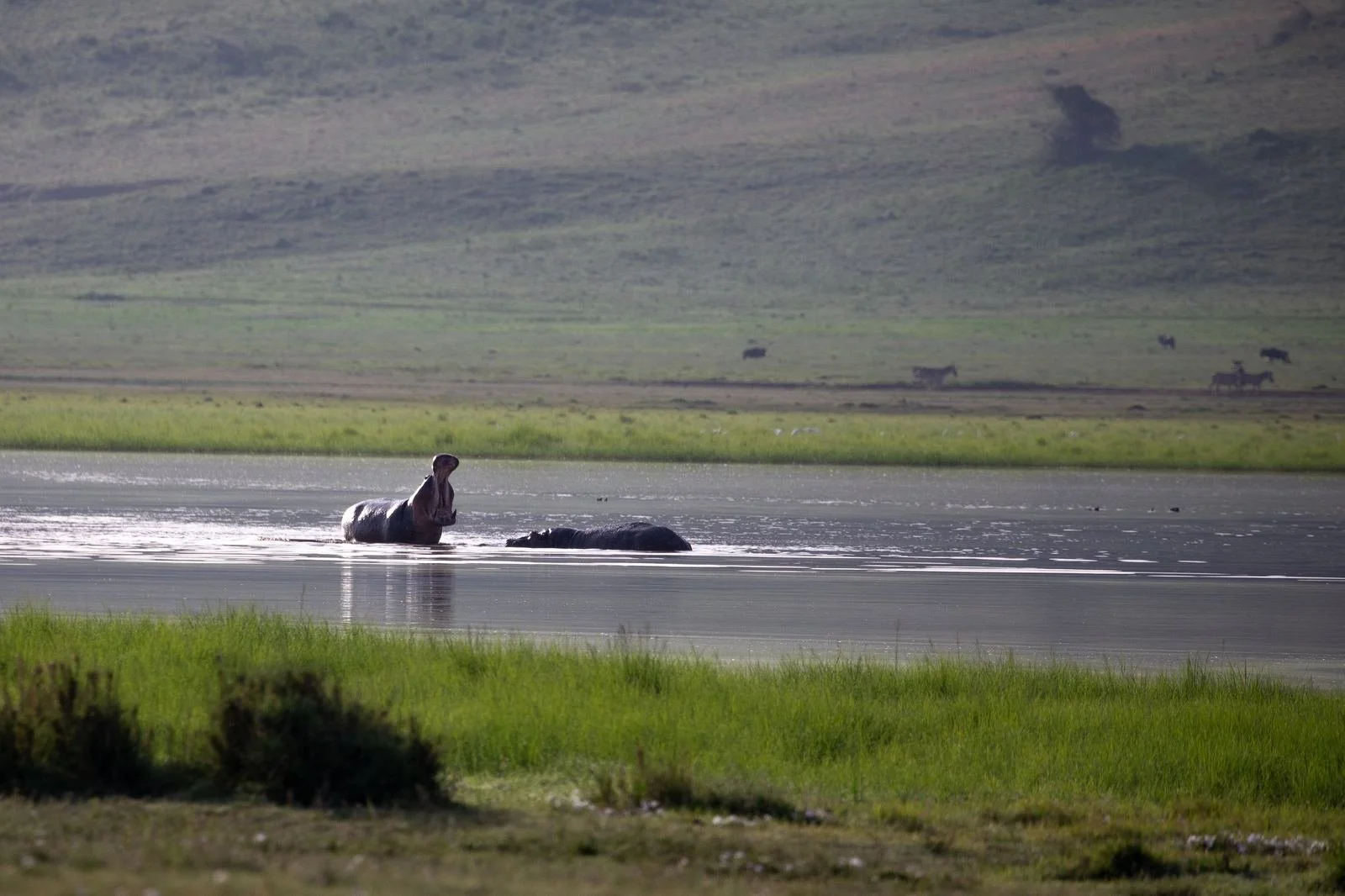
Nyerere National Park, formerly known as the Selous Game Reserve, is one of Africa’s largest protected areas. What makes it distinctive is the diversity of safari activities it offers: traditional game drives, walking safaris with armed rangers through the bush, and boat safaris along the Rufiji River — a completely different way to experience Africa’s wildlife. Hippo pods, crocodiles, and elephants line the riverbanks while African Fish Eagles call overhead. The combination of boat, walking, and driving safaris makes Nyerere one of the most varied and immersive safari experiences in Tanzania.
Mikumi National Park
Mikumi is the most accessible of the Southern Circuit parks, reachable by road from Dar es Salaam in about five hours. Its open grasslands and flood plains draw comparisons to the Serengeti, and it’s home to healthy populations of lion, elephant, giraffe, buffalo, and wildebeest. Mikumi is an excellent option for travelers with limited time who want a genuine southern Tanzania experience without a flight.
Udzungwa Mountains National Park
Udzungwa is part of the ancient Eastern Arc Mountains — one of Africa’s most important biodiversity hotspots. It’s not a traditional safari park (there are no roads or game drives), but a hiking and forest destination with endemic species found nowhere else on Earth, including the Udzungwa Forest Partridge and the Sanje Mangabey. For birders and hikers, Udzungwa adds a completely different dimension to a Southern Circuit itinerary.
Western Tanzania Safari Circuit
The Western Circuit is Tanzania’s final frontier — remote, expensive to reach, and utterly unlike anything else in East Africa. These parks sit along the shores of Lake Tanganyika and in the wild bushland west of the Rift Valley. There are no crowds here, no paved roads, and no compromises. This is Tanzania at its most raw and authentic, and it rewards the journey with experiences you simply cannot find anywhere else on the continent. Most Western Circuit camps operate from July through October only, and all travel is by light aircraft.
Mahale Mountains National Park
Mahale is one of the most extraordinary places in Africa. A rugged, forested mountain range rising from the white-sand shores of Lake Tanganyika, it’s home to roughly 800 habituated chimpanzees and offers what many consider the finest chimpanzee trekking experience in the world. Tracking chimps through Mahale’s steep forest trails — hearing their pant-hoots echo through the canopy before you see them — is a wildlife encounter on par with gorilla trekking in terms of emotional impact. After a morning with the chimps, you can swim in the crystal-clear waters of Lake Tanganyika or kayak along the shoreline.
Gombe Stream National Park
Gombe is where Jane Goodall began her groundbreaking chimpanzee research in 1960, and it remains an intimate, almost sacred place for wildlife enthusiasts. At just 35 square kilometers, it’s one of Tanzania’s smallest parks, but the opportunity to trek with habituated chimps in the same forests where Goodall made her discoveries gives it an emotional weight that few destinations can match. Gombe is typically visited as a day trip from Kigoma or as part of a Western Circuit itinerary with Mahale.
Katavi National Park
Katavi is one of Africa’s most remote and least-visited national parks, and that remoteness is its greatest asset. During the dry season, the Katuma River shrinks to a series of pools that attract staggering concentrations of hippos — sometimes hundreds packed into a single pool — along with enormous buffalo herds, lion prides, and crocodiles. The landscape is stark and beautiful, and you will almost certainly be the only vehicle in sight. Katavi is almost always combined with Mahale as a fly-in package.
Best Time for a Tanzania Safari
Tanzania offers rewarding safari experiences in every month of the year, but the character of the experience changes significantly with the seasons. The dry season from June through October is considered peak safari season — vegetation thins, animals congregate around water sources, and game viewing is at its most reliable. The wet season brings lush green landscapes, dramatic skies, migratory birds, lower prices, and far fewer visitors.
It’s also worth knowing that certain times of the year are much more crowded than others. July through September, the February calving season, and the Christmas/New Year holiday period bring the highest visitor numbers, particularly in the Northern Circuit. We encourage travelers to consider less crowded times whenever possible — you’ll often have a better experience in June, October, or even the shoulder months of January and March, with fewer vehicles at sightings and more flexibility at the best camps.
The Northern Circuit (Serengeti, Ngorongoro, Tarangire) is accessible year-round and offers excellent game viewing in every month. The Southern Circuit parks (Ruaha, Nyerere) are best from June through October, with some camps closing during the long rains. The Western Circuit parks (Katavi, Mahale, Gombe) typically operate from July through October only.
Best Time for a Tanzania Safari: Monthly Weather, Wildlife & Crowd Guide
| Month | Season | Weather | Game Viewing | Crowds | Safari Highlights |
|---|---|---|---|---|---|
| Dry Season — Peak Safari Months | |||||
| June | Early Dry | Warm days, cool nights. Very little rain. 15–28°C / 59–82°F | Excellent — vegetation thins, animals gather at water | High | Migration enters central/western Serengeti. Southern circuit opens. |
| July | Dry | Dry and warm. Clear skies. 13–28°C / 55–82°F | Excellent | Peak | Migration reaches northern Serengeti. Mara River crossings begin. |
| August | Dry | Dry and warm. Clearest skies. 13–29°C / 55–84°F | Excellent — best of the year | Peak | Peak Mara River crossings. Best predator sightings. Most crowded month. |
| September | Late Dry | Warm and dry. 14–29°C / 57–84°F | Excellent | High | Migration continues in the north. Ruaha and Katavi at their best. |
| October | End of Dry | Warming up, occasional brief showers. 15–30°C / 59–86°F | Very good — animals still at water sources | Moderate | Migration begins moving south. Last month for western circuit camps. |
| Short Rains — Green Season Begins | |||||
| November | Short Rains | Brief afternoon showers. Warm. 16–30°C / 61–86°F | Good — landscapes green, wildlife disperses | Low | Shoulder season value. Migratory birds arrive. Short rains refresh the plains. |
| December | Short Rains / Holiday | Showers ease late month. 16–30°C / 61–86°F | Good | Moderate | Holiday season brings visitors. Migration reaches southern Serengeti. Lush scenery. |
| Calving Season — Southern Serengeti | |||||
| January | Warm & Drier | Warm with occasional showers. 16–30°C / 61–86°F | Very good — calving begins | Moderate | Wildebeest calving begins in southern Serengeti. Predator action peaks. |
| February | Calving Peak | Warm, brief showers. 16–30°C / 61–86°F | Excellent — calving spectacle | Moderate | Peak calving: 8,000+ calves born daily. Predators follow. Ndutu area at its best. |
| March | Late Calving / Rains Begin | Increasing rain, warm. 16–29°C / 61–84°F | Good — herds begin moving | Low | Calving continues. Migration starts northward movement. Excellent birding. |
| Long Rains — Low Season | |||||
| April | Long Rains | Heavy afternoon rains. 17–28°C / 63–82°F | Moderate — some roads muddy | Very Low | Lowest prices of the year. Some southern/western camps close. Lush and dramatic. |
| May | Long Rains | Rain easing late month. 15–27°C / 59–81°F | Moderate — improving toward month end | Very Low | Best value month. Northern parks stay accessible. Migration herds consolidate. |
Conditions vary by region. The Northern Circuit (Serengeti, Ngorongoro, Tarangire) is accessible year-round. Southern Circuit parks (Ruaha, Nyerere) are best June–October. Western Circuit parks (Katavi, Mahale, Gombe) are best July–October. Temperatures shown are typical for northern Tanzania at safari altitude.
Your Safari Guides
The guide sitting beside you in the vehicle shapes your entire safari experience. A great guide doesn’t just find animals — they read the bush, understand animal behavior, identify birds by call, and connect you to the ecology and culture of the places you’re moving through. A great guide also knows how to get away from the crowds, even during peak season, so that you can have wildlife experiences all to yourself. At Duma Explorer, our safari guides are the heart of what we do. Our guides have worked with us for years and are permanent employees.
Read more about our guides on our Meet the Team page.
All of our safari guides are trained by EcoTraining, one of Southern Africa’s most respected field-guide institutions. We run annual training programs with our guides, continuously building their skills in wildlife identification, ecological interpretation, and guest experience. Our guides are currently undergoing FGASA (Field Guide Association of Southern Africa) certification — the 55-day Level 1 qualification widely recognized as the gold standard in African wildlife education.
Driving Safety & Vehicles
Safari driving in Tanzania means long hours on unpaved roads, through river crossings, and across terrain that changes with the seasons. Experience behind the wheel matters. All of our guides have a minimum of seven years of driving experience as safari guides, and many have more than twenty years navigating Tanzania’s parks. That depth of experience ensures not only your safety but also a smoother, more comfortable ride through even the most remote areas.
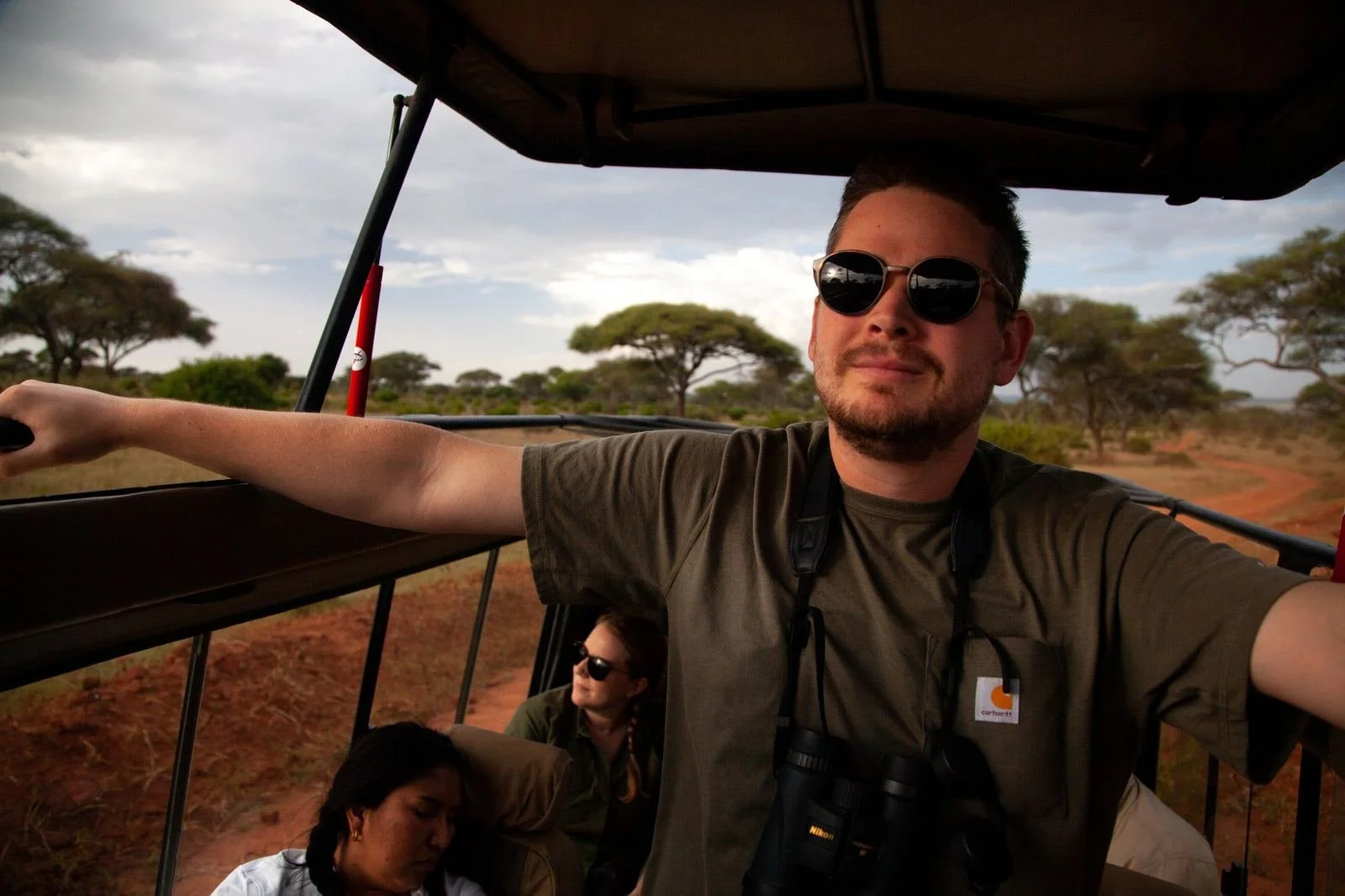
Our safari vehicles are fully serviced and inspected between every trip. We maintain our fleet on a strict schedule so that mechanical issues never interrupt your experience in the bush. Every vehicle is equipped with pop-up roofs for game viewing, charging ports, mini refrigerator, and ample space for photography and comfortable seating throughout long game drives.
Why Travelers Choose Duma Explorer
We’ve been designing and leading Tanzania safaris since 2002. In that time, we’ve earned more than 680 five-star reviews, become a founding partner of the Kilimanjaro Porters Assistance Project (KPAP), and built a reputation for deeply personalized, high-quality travel in East Africa. Our work has been featured in The Wall Street Journal.
When you book with Duma Explorer, you work directly with owner Stacy Readal. Stacy lived in East Africa for 15 years, speaks fluent Swahili, and personally oversees every safari operation. You’re not talking to a call center or a booking agent — you’re working with the person who built this company and knows these parks firsthand.
Every trip is custom-designed. We don’t sell pre-packaged tours. We listen to what you want — whether that’s a family-friendly Northern Circuit safari, a remote fly-in to Katavi and Mahale, a birding-focused itinerary across multiple countries, or a combination of safari and Kilimanjaro climbing — and we design something that fits your interests, timeline, and budget.
13 years of award-winning service. Recognized by TripAdvisor every year since 2012, rated 5.0 from 680+ traveler reviews, and ranked among the best Kilimanjaro tour operators. See all our awards →
Frequently Asked Questions
-
Prices start at approximately $450 per person per day for a family of four traveling during low season. Peak season pricing starts at around $600 per person per day. Prices vary widely depending on the time of year, accommodations chosen (luxury lodges vs. tented camps vs. mobile camping), group size, and which parks you visit. True luxury safaris run from approximately USD 1500 - 3000 per person per day. We provide custom quotes for every trip and design itineraries to fall within people’s budgets whenever possible. Contact us with your dates and interests for a personalized quote.
-
A meaningful Northern Circuit safari typically requires five to seven days, allowing time for the Serengeti, Ngorongoro, and Tarangire. If you want to add the Southern or Western Circuit, plan for 10 to 14 days. We can design shorter trips for travelers with limited time, but we generally recommend at least five full days on safari to get the most from the experience.
-
The dry season from June through October is peak safari season, with the best game viewing and most reliable weather. January through March is excellent for the calving season in the southern Serengeti. The shoulder months of November and early December offer good wildlife sightings with fewer crowds and lower prices. The long rains (April–May) are the quietest and most affordable period, though some southern and western camps close.
-
July through September, the February calving season, and the Christmas/New Year holiday period are the busiest times, particularly in the Northern Circuit parks. We encourage travelers to consider June, October, or the shoulder months whenever possible — you’ll often have a better experience with fewer vehicles at sightings and more availability at the best camps.
-
The Northern Circuit (Serengeti, Ngorongoro, Tarangire) is Tanzania’s most famous and most visited safari region, with world-class game viewing and excellent infrastructure. The Southern Circuit (Ruaha, Nyerere) is much less visited, offering bigger wilderness areas, walking and boat safaris, and a sense of solitude that the north can’t always provide. Both are excellent — the choice depends on whether you prioritize the iconic spectacle of the north or the remote, intimate feel of the south.
-
Both are exceptional safari destinations with distinct strengths. Tanzania offers a larger total area of protected wilderness, the full Serengeti ecosystem, Ngorongoro Crater, and the southern and western circuits that Kenya doesn't have. One practical advantage of northern Tanzania is that all the major parks are connected by well-maintained roads, so your entire safari can be done by driving — no flights required between parks. In Kenya, the distances between key destinations are greater, so flying between some locations is often recommended to avoid long travel days. Kenya offers the Masai Mara (the northern extension of the Serengeti), excellent conservancy models, and strong options near Nairobi and in Northern Kenya. Many travelers do both, and we can design combined Tanzania-Kenya itineraries. Owner Stacy Readal prefers Tanzania for safari overall, but loves Amboseli for its unmatched views of Kilimanjaro and Samburu for its unique northern species — Grevy's zebra, reticulated giraffe, and gerenuk — that you won't find anywhere else in East Africa.
-
Yellow fever vaccination is required for entry into Tanzania if you are traveling from an endemic area. We also recommend being up to date on routine vaccinations and consulting your doctor about malaria prophylaxis, hepatitis A and B, and typhoid. Always check the latest requirements with your healthcare provider or a travel medicine clinic before departure and visit the travel page for Tanzania on the CDC website.
-
Yes. Tanzania is one of Africa’s most stable and welcoming countries for tourists. Safari tourism is a cornerstone of the national economy, and the parks are well managed and secure. As with any travel, basic precautions apply — but Tanzania has a well-earned reputation as a safe and hospitable destination. We handle all logistics, transfers, and accommodations, so you can focus on the experience.
-
Absolutely — and many of our clients do exactly this. We recommend climbing first and safariing after, so you can relax and recover while watching wildlife. Our Kilimanjaro and safari packages are fully customizable. See our Kilimanjaro climbing page for route details and pricing.
Ready to Plan Your Tanzania Safari?
Whether you’re dreaming of the Serengeti migration, a remote encounter with chimps at Mahale, or a quiet game drive through Ruaha with no one else in sight, we’d love to help you build the right trip. Tell us your dates, your interests, and your budget, and we’ll design a custom Tanzania safari around you.