An Ornithologist’s Playground: Birding in Tanzania & Uganda

Vast expanses of protected, unbroken wilderness and extensive biodiversity make East Africa a truly unique ornithologist’s playground, with an amazing abundance of bird species. View our 18-day birding itinerary that covers the best of Tanzania and Uganda.
There are places in this world where birdsong never stops — where the air hums with wingbeats from dawn to dusk, and a flash of crimson or cobalt can stop you mid-step on a dusty trail. East Africa is one of those places.
Tanzania and Uganda together are home to more than 2,100 recorded bird species, from the prehistoric-looking Shoebill lurking in Ugandan papyrus swamps to the critically endangered Beesley’s Lark calling from a single dusty plain north of Arusha. Whether you’re a seasoned lister chasing lifers or a curious traveler who simply wants to understand why that lilac-breasted roller just took your breath away, these two countries deliver birding experiences that are impossible to find anywhere else on Earth.
At Duma Explorer, we’ve spent over two decades guiding travelers through East Africa’s wildest corners. Birding has always been woven into our safaris — because understanding the birds means understanding the ecosystem, the seasons, and the story the bush is telling you on any given morning.
Tanzania: Where Over 1,100 Species Call Home
Tanzania’s birding credentials are staggering. With more than 1,100 confirmed species and approximately 33 strict endemics found nowhere else on the planet, it consistently ranks among Africa’s top birding destinations. The diversity of habitats — from the snow-capped summit of Kilimanjaro to the soda lakes of the Rift Valley, from the miombo woodlands of the south to the ancient forests of the Eastern Arc Mountains — means that every day in the field brings an entirely different cast of characters.
Kilimanjaro & Mount Meru — Birding at Altitude
Few people think of Kilimanjaro as a birding destination, but the mountain’s distinct vegetation zones — from lush montane rainforest at 1,300 meters to alpine moorland above the tree line — create habitat for a fascinating range of highland species. Hundreds of bird species have been recorded on the mountain, and the surrounding montane forest belt is one of the richest birding habitats in northern Tanzania. Mount Meru, its quieter neighbor, offers similarly rich birding in Arusha National Park without the crowds. On our Tanzania & Uganda itinerary, Kilimanjaro is where the journey begins — with two nights at Kaliwa Lodge, nestled at 1,300 meters in the tropical vegetation of Kilimanjaro’s mountain rainforest, where you’ll wake to the cry of hornbills and the chattering of monkeys.
Tarangire National Park — Over 500 Species
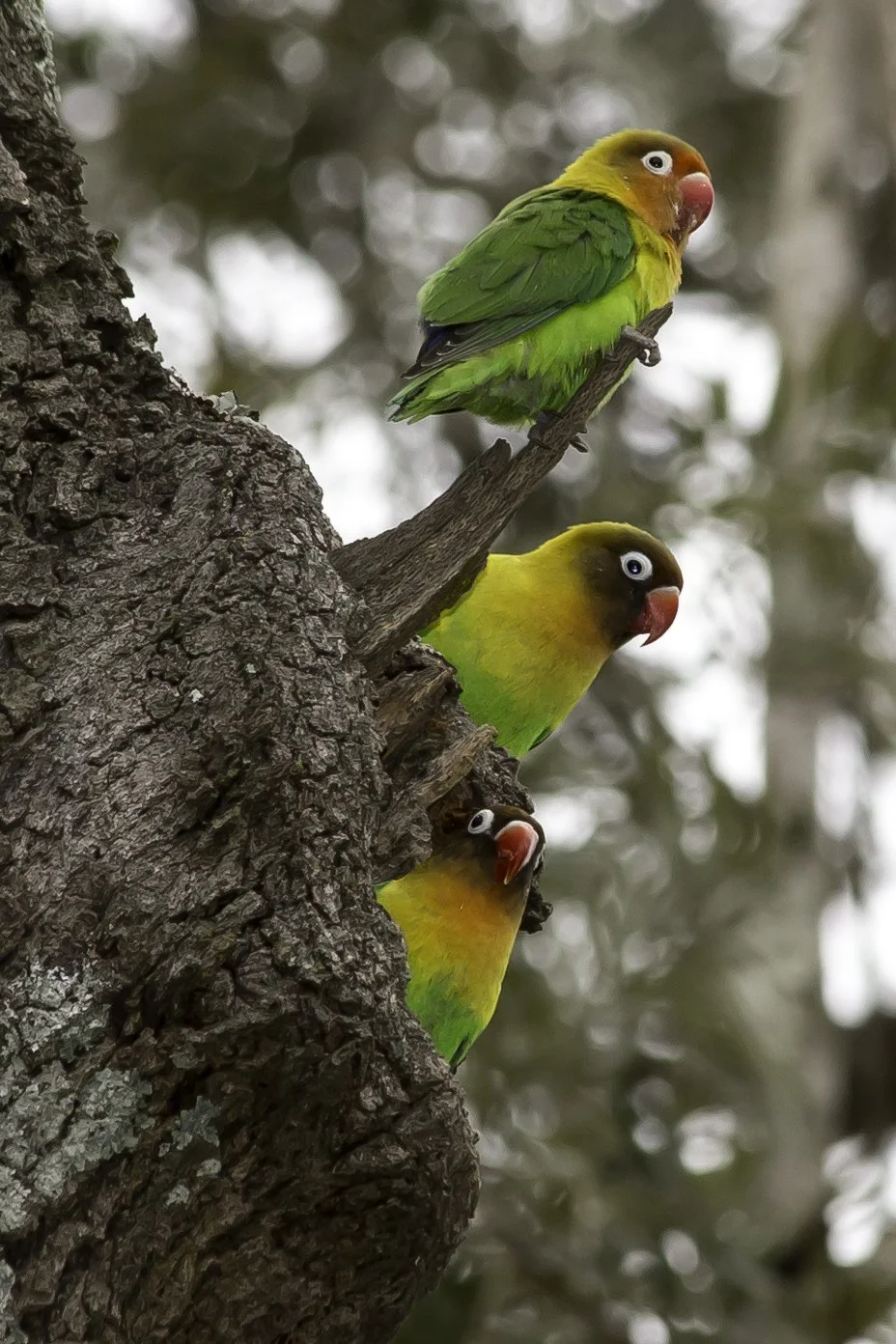
Tarangire is one of our favorite birding grounds in all of East Africa. Covering 2,850 square kilometers of undulating landscape dominated by enormous baobab trees and the perennial Tarangire River, the park supports more than 500 recorded species. During the wet season, the Silale Swamp comes alive with waterbirds — Yellow-collared Lovebirds chatter in the acacias, while Ashy Starlings and Rufous-tailed Weavers (both near-endemics) forage among the grasses. Look up and you might spot a Bateleur eagle soaring overhead, or a Martial Eagle perched in a dead tree, surveying the plain below. In the dry season, the meandering Tarangire River draws wildlife to its banks, offering spectacular game viewing alongside the birding.
Ngorongoro Crater & Empakai Crater
The Ngorongoro Conservation Area offers birding in one of the most dramatic settings on Earth. Down in the caldera, you’ll find a concentrated mix of waterbirds, raptors, and open-country species all within the crater’s dramatic walls. But the birding doesn’t stop at the famous crater — a day trip to Empakai Crater, with its stunning 15-kilometer lake hike, brings you into highland forest habitat where an entirely different suite of species awaits.
Lake Manyara National Park — Raptors & Flamingos
Lake Manyara is a raptor-lover’s paradise. Tanzania is home to nearly 100 birds of prey, and more than 40 raptor species have been recorded here alone. The alkaline lakeshore draws vast congregations of flamingos — an estimated five to six million Greater and Lesser Flamingos cycle through Tanzania’s Rift Valley lakes throughout the year, painting the water pink from edge to edge.
Mkomazi National Park — 400+ Species in the Wild North
Remote and seldom visited, Mkomazi is a hidden gem for birders seeking solitude and species-rich bushland. More than 400 bird species have been documented here, including weaver birds, hornbills, and several dry-country specialists that are difficult to find elsewhere in the Northern Circuit. Read our detailed post on this rarely-visited park here.
The Serengeti — From Central Plains to the Northern Migration
The Serengeti isn’t just about the Great Migration — it’s also a phenomenal birding destination. The short-grass plains of the Central Serengeti host Secretary Birds, Kori Bustards (the world’s heaviest flying bird), and the unmistakable Marabou Stork. Head north toward the Mara River and the landscape shifts — here, amidst the drama of the wildebeest migration, you’ll find riverine forest species, raptors riding the thermals, and open-country birds against a backdrop of one of nature’s greatest spectacles. Our itinerary takes you from the Central Serengeti to three nights in the Northern Serengeti, giving you time to experience both the migration and the remarkable birdlife that comes with it.
Tanzania’s Iconic Endemics
For dedicated birders, Tanzania’s endemic species are reason enough to visit. The critically endangered Beesley’s Lark, with perhaps only 45 individuals remaining, survives on a single plain north of Arusha. Other prized endemics include the Grey-breasted Spurfowl, Yellow-collared Lovebird, Ashy Starling, and Rufous-tailed Weaver, along with numerous near-endemics shared only with neighboring Kenya.
The Eastern Arc Mountains — Tanzania’s Ancient Endemic Hotspot
Long before the Serengeti became famous, the Eastern Arc Mountains were quietly harboring some of the rarest birds on Earth. This chain of ancient crystalline mountains — stretching from the Taita Hills in southern Kenya through the Pare, Usambara, Nguru, Ukaguru, Uluguru, Rubeho, and Udzungwa ranges in Tanzania — is one of the most important biodiversity hotspots in Africa. Often called the “Galapagos of Africa,” these isolated forest fragments have evolved in near-total separation for 30 million years, producing an extraordinary concentration of species found absolutely nowhere else. Roughly 23 strictly endemic bird species have been identified across these mountain blocks, many confined to a single range or even a single forest patch.
The Usambara Mountains are home to the rare Usambara Eagle-Owl, a vulnerable species found only in these forests, along with the Usambara Weaver, Usambara Akalat, Long-billed Tailorbird, and Mrs. Moreau’s Warbler — one of Africa’s most range-restricted birds. The West Usambaras in particular offer accessible montane forest birding within a day’s drive of Arusha.
The Uluguru Mountains, rising steeply above Morogoro, shelter the critically range-restricted Uluguru Bush-shrike, which occupies less than 50 square kilometers of total forest area. Loveridge’s Sunbird and the Uluguru Mountain Greenbul round out a suite of endemics that draw dedicated birders from around the world.
The Udzungwa Mountains are the largest and most species-rich block in the chain. The Udzungwa Forest Partridge, discovered as recently as 1991, is one of Africa’s most exciting ornithological finds of the modern era. The mountains also harbor the Rufous-winged Sunbird, Iringa Akalat, and the Banded Green Sunbird, all confined to these ancient forests.
These mountains don’t make most safari itineraries — and that’s part of their appeal. Birding here feels like exploration. The trails are quiet, the forests are primordial, and the species you find simply cannot be seen anywhere else. For birders who have already visited the Northern Circuit and want to go deeper into Tanzania’s avian heritage, the Eastern Arc is the next frontier.
Uganda: The Pearl of Africa for Birders
If Tanzania’s birding credentials are staggering, Uganda’s are nothing short of extraordinary for a country its size. Covering an area smaller than the UK, Uganda has recorded over 1,090 bird species — the fourth-highest count in all of Africa. The secret is geography: Uganda sits at the convergence of East African savanna, West African rainforest, and the unique Albertine Rift montane ecosystems, creating a patchwork of habitats that few countries can rival.
Bwindi Impenetrable Forest — Albertine Rift Endemics & Gorilla Trekking
Bwindi is famous for mountain gorillas, but birders know it for an equally compelling reason: it is the only place on Earth where all 24 Albertine Rift endemic bird species have been recorded. Walking these mist-shrouded trails, you’ll encounter the dazzling Regal Sunbird, the African Green Broadbill, Grauer’s Cuckooshrike, and Chapin’s Flycatcher — species that exist only in this narrow band of highland forest straddling the Congo-Nile divide. More than 350 species have been documented in Bwindi alone.
On our Tanzania & Uganda itinerary, you’ll spend three nights at Buhoma Lodge in Bwindi, with dedicated birding days including walks around Mubwindi Swamp in the Ruhija sector — one of the best spots for Albertine Rift endemics — plus the unforgettable experience of gorilla trekking. It’s the kind of place where a morning of world-class birding is followed by an afternoon sitting quietly among a family of mountain gorillas.
Queen Elizabeth National Park — 600+ Species
With more than 600 recorded bird species, Queen Elizabeth National Park holds one of the highest bird counts of any protected area in Africa. The Ishasha sector in the south is known for its tree-climbing lions, but it’s also superb birding territory. Further north, a private boat cruise along the Kazinga Channel is a birder’s dream — African Skimmers, Pied Kingfishers, Malachite Kingfishers, and dozens of weavers and herons line the banks. Inland, the park’s crater lakes and savanna grasslands add an entirely different suite of species to your list.
Mabamba Bay Wetland — Home of the Shoebill
If there’s one bird that draws birders to Uganda above all others, it’s the Shoebill. This prehistoric-looking giant, standing nearly five feet tall with a massive shoe-shaped bill, is one of the most sought-after birds in the world. Mabamba Bay Wetland on the shores of Lake Victoria is widely considered the most reliable place in Africa to see one. Our guides take you by canoe through the papyrus swamps in the early morning, when Shoebills are most active and the light is magical.
Kidepo Valley National Park — The Remote North
Kidepo is one of Africa’s most remote and beautiful national parks, and it rewards the journey with more than 470 bird species. This is where you’ll find dry-country specialties rarely seen elsewhere in Uganda — Ostriches striding across the Narus Valley, Karamoja Apalis, Abyssinian Rollers, and Red-throated Bee-eaters nesting in sandy riverbanks. If you’re looking for birds that feel like they belong in the Sahel rather than equatorial Africa, Kidepo is the place.
Kibale Forest & Semuliki National Park
Kibale Forest is best known for chimpanzee trekking, but its 375+ bird species make it a superb birding stop. Nearby Semuliki National Park, nestled in the Rift Valley floor, adds another 440+ species and provides access to Congo Basin birds that are extremely difficult to find anywhere else in East Africa. Together, these two parks offer a West African birding flavor without crossing into the Congo.
Best Time of Year for Birding in East Africa
East Africa offers rewarding birding year-round, but certain seasons stand out. In Tanzania, the months of October through April coincide with the arrival of Palearctic migrants from Europe and Asia, swelling species counts significantly. The wet season months of November to May also bring breeding plumage and territorial displays. In Uganda, the dry seasons of December to February and June to September offer the best forest birding conditions, with clear trails and active canopy flocks. For Shoebill sightings at Mabamba Bay, early mornings during the dry season (June–September) are ideal.
Your Guides: Trained by the Best in Africa
A great birding safari is only as good as the guide standing beside you. At Duma Explorer, our guides don’t just spot birds — they understand behavior, habitat, and the ecological relationships that make each sighting meaningful. When your guide can identify a bird by its call before it ever breaks cover, you begin to experience the bush in a completely different way.
Our lead Tanzanian birding guides — Sifuni Mungure, Justin Mushi, and Isack Msuya — have spent decades in the field. Their expertise ranges from moist forests of the Ngorongoro Highlands to the dry-country parks of Tarangire and Mkomazi, and they carry the kind of deep, intuitive knowledge that only comes from a lifetime spent in the bush.
All of our Tanzanian guides are trained by EcoTraining, one of Southern Africa’s most respected field-guide institutions. In April 2025, our team completed an advanced, hands-on training program led by EcoTraining South Africa, further sharpening their skills in bird identification, animal behavior, and ecological interpretation.
Beginning in December 2025, every Duma Explorer Tanzanian guide is also undertaking the rigorous 55-day Field Guide Association of Southern Africa (FGASA) Level 1 qualification (NQF2). Recognized across the continent, FGASA certification is widely considered the gold standard in African wildlife education. This commitment means that when you step into the field with a Duma guide, you’re walking with someone whose training meets the highest professional standards in the industry.
Combining Tanzania & Uganda: The Ultimate East African Birding Safari
While each country is spectacular on its own, combining Tanzania and Uganda into a single birding itinerary is the ultimate way to experience East Africa’s avian diversity. The two countries complement each other beautifully, with remarkably little species overlap between their signature habitats.
Our 18-day Tanzania & Uganda itinerary is designed to take you through the best birding habitats in both countries. Begin at Kaliwa Lodge on the slopes of Kilimanjaro, where montane forest birding sets the tone. Move on to Tarangire National Park for two days among the baobabs and 500+ species, then continue to Ngorongoro Crater and Empakai for highland and crater-floor birding. Spend four nights in the Serengeti — from the Central Plains to the Northern Migration — before flying to Uganda. In Bwindi Impenetrable Forest, three nights give you time for dedicated birding at Mubwindi Swamp, Albertine Rift endemics, and gorilla trekking. The journey concludes in Queen Elizabeth National Park, where game drives, a private Kazinga Channel boat cruise, and the Ishasha sector round out an extraordinary species list.
Explore the full day-by-day itinerary: Tanzania & Uganda Birding Safari Itinerary
Every birding safari is fully customizable. Whether you want to extend your time in the Serengeti, add Mabamba Bay for Shoebill sightings, include Kibale Forest for chimpanzee trekking and Congo Basin birds, or adjust the pace to focus on photography, we’ll build something that fits your interests perfectly.
| Destination | Country | Species | Signature Birds |
|---|---|---|---|
| Tanzania — 1,100+ Species, ~33 Endemics | |||
| Mt. Kilimanjaro | Tanzania | Hundreds | Highland forest species, hornbills |
| Tarangire National Park | Tanzania | 500+ | Yellow-collared Lovebird, Ashy Starling, Rufous-tailed Weaver |
| Ngorongoro Crater | Tanzania | 300+ | Flamingos, raptors, waterbirds |
| Lake Manyara National Park | Tanzania | 400+ | 40+ raptor species, flamingos |
| Mkomazi National Park | Tanzania | 400+ | Hornbills, weaver birds, dry-country specialists |
| Serengeti National Park | Tanzania | 500+ | Kori Bustard, Secretary Bird, Marabou Stork |
| Uganda — 1,090+ Species, 24 Albertine Rift Endemics | |||
| Bwindi Impenetrable Forest | Uganda | 350+ | All 24 Albertine Rift endemics, Regal Sunbird, African Green Broadbill |
| Queen Elizabeth National Park | Uganda | 600+ | African Skimmer, Pied Kingfisher, Malachite Kingfisher |
| Mabamba Bay Wetland | Uganda | 300+ | Shoebill |
| Kidepo Valley National Park | Uganda | 470+ | Ostrich, Karamoja Apalis, Abyssinian Roller |
| Kibale Forest | Uganda | 375+ | Forest canopy species |
| Semuliki National Park | Uganda | 440+ | Congo Basin specialties |
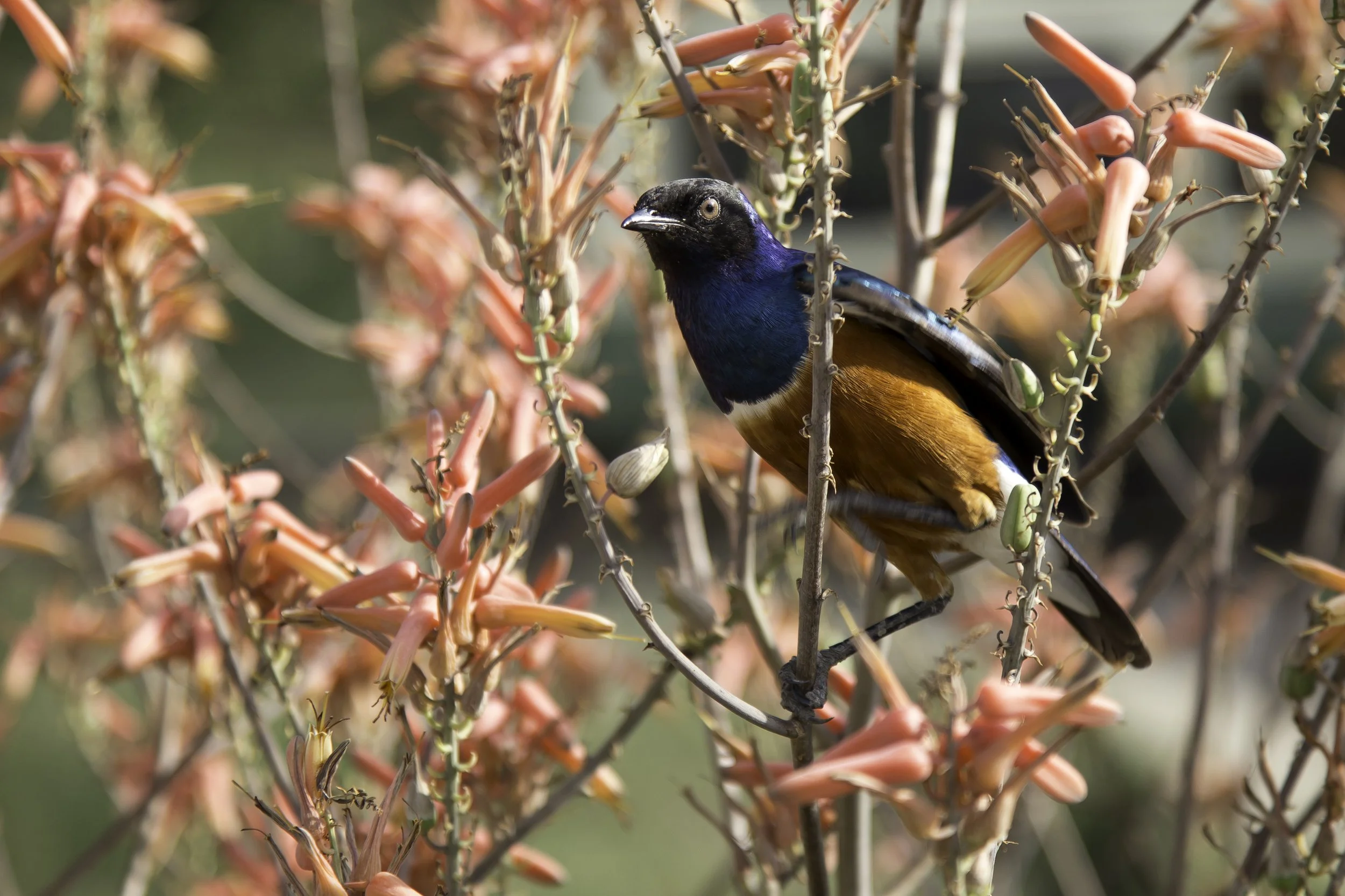
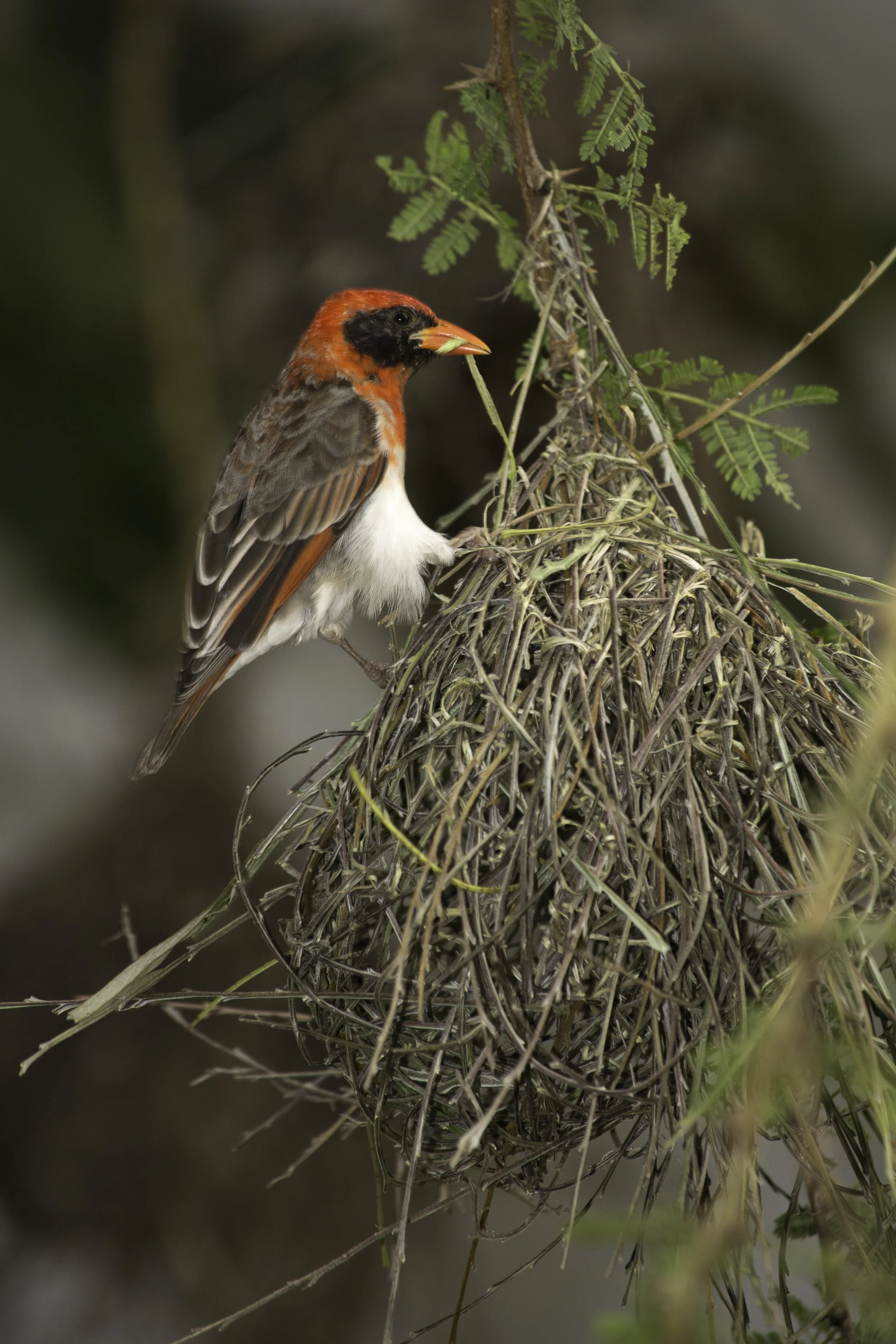
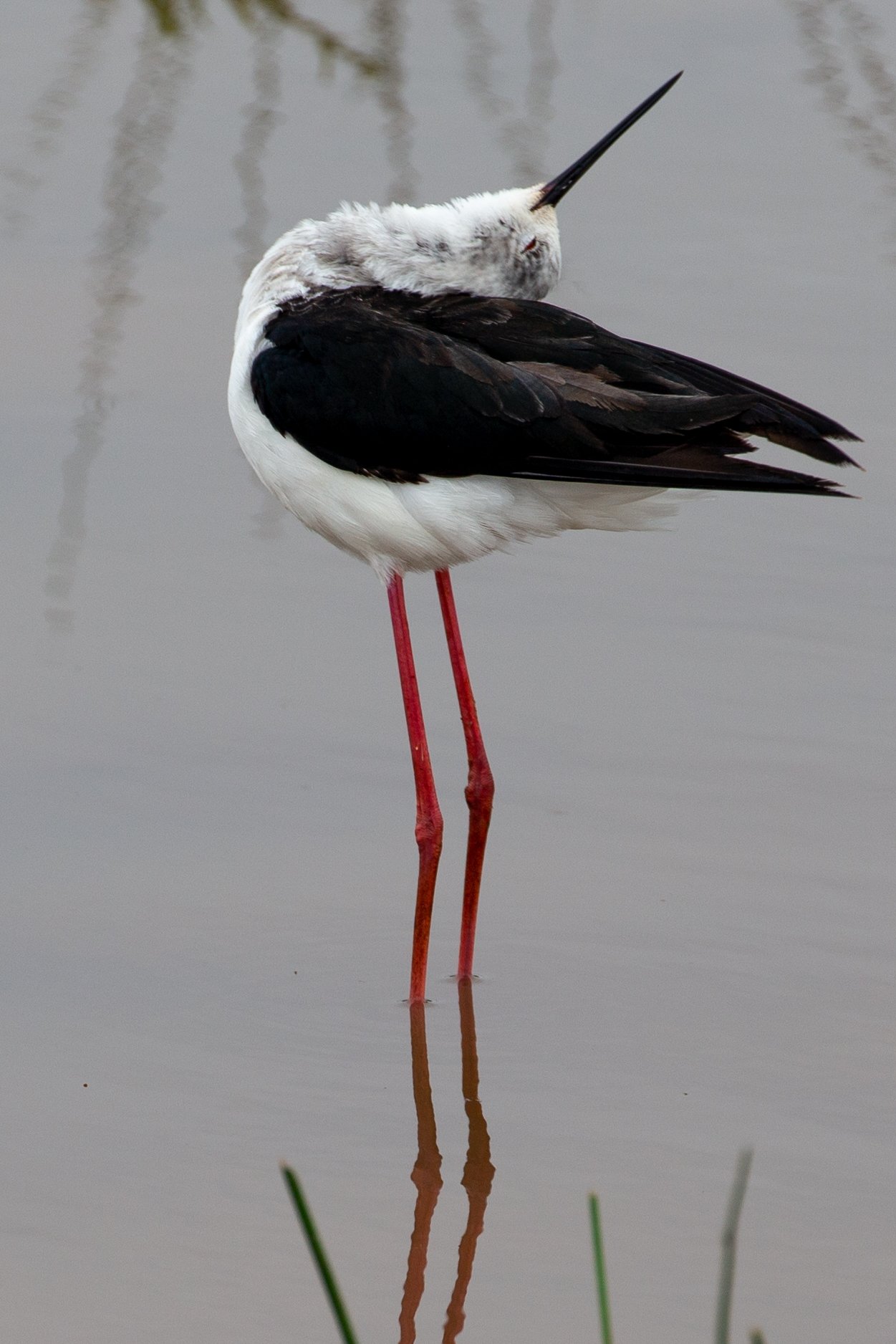
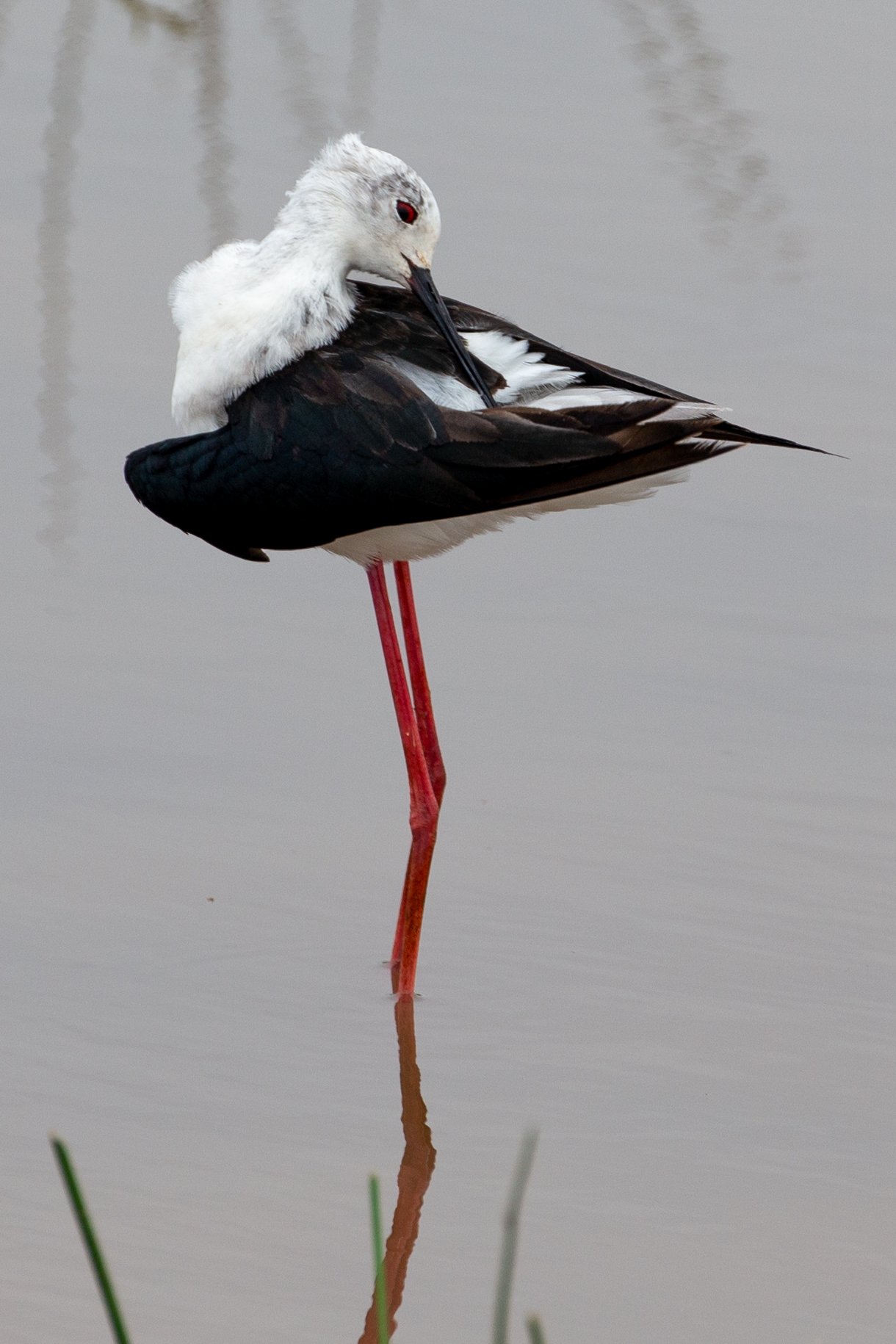
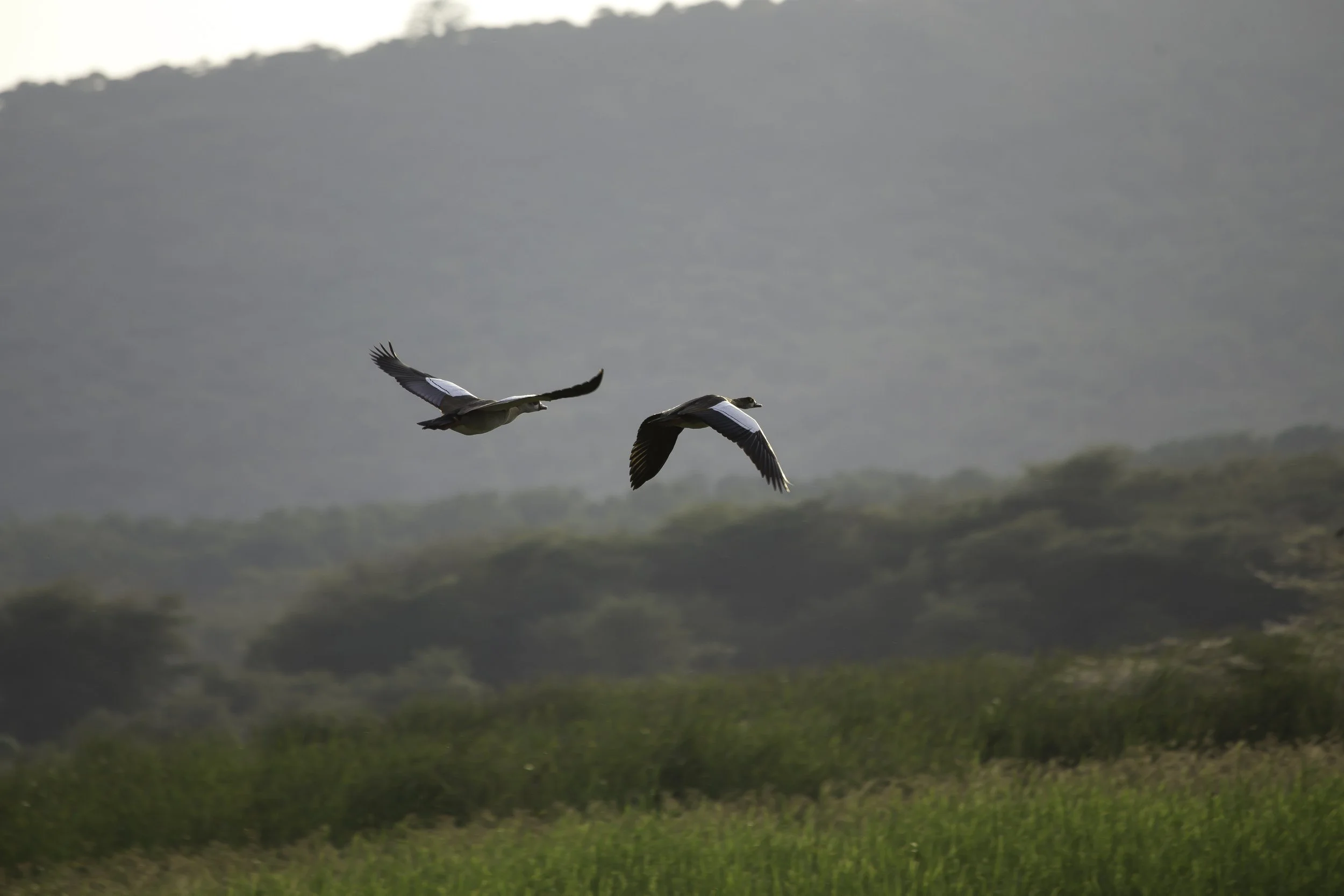
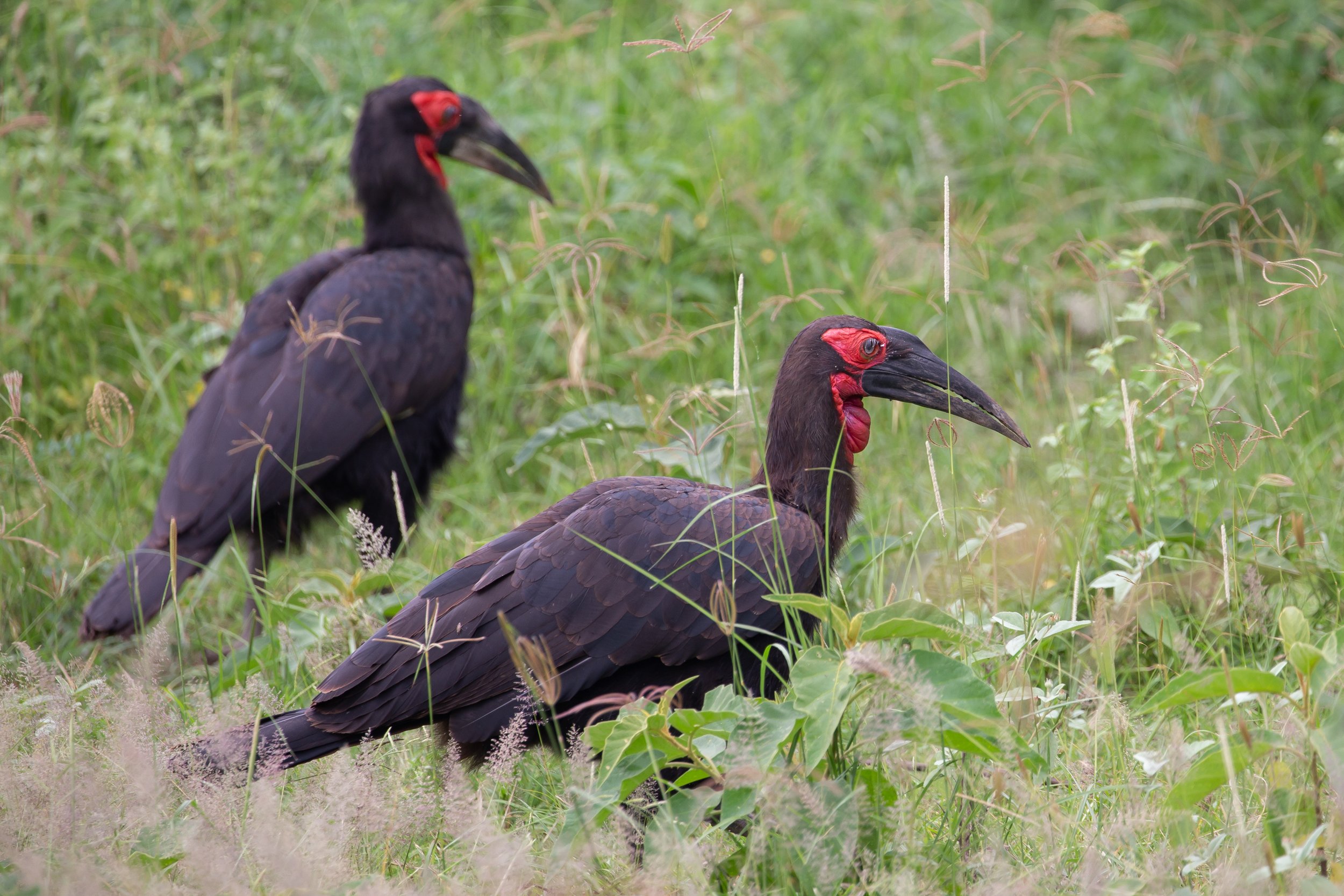
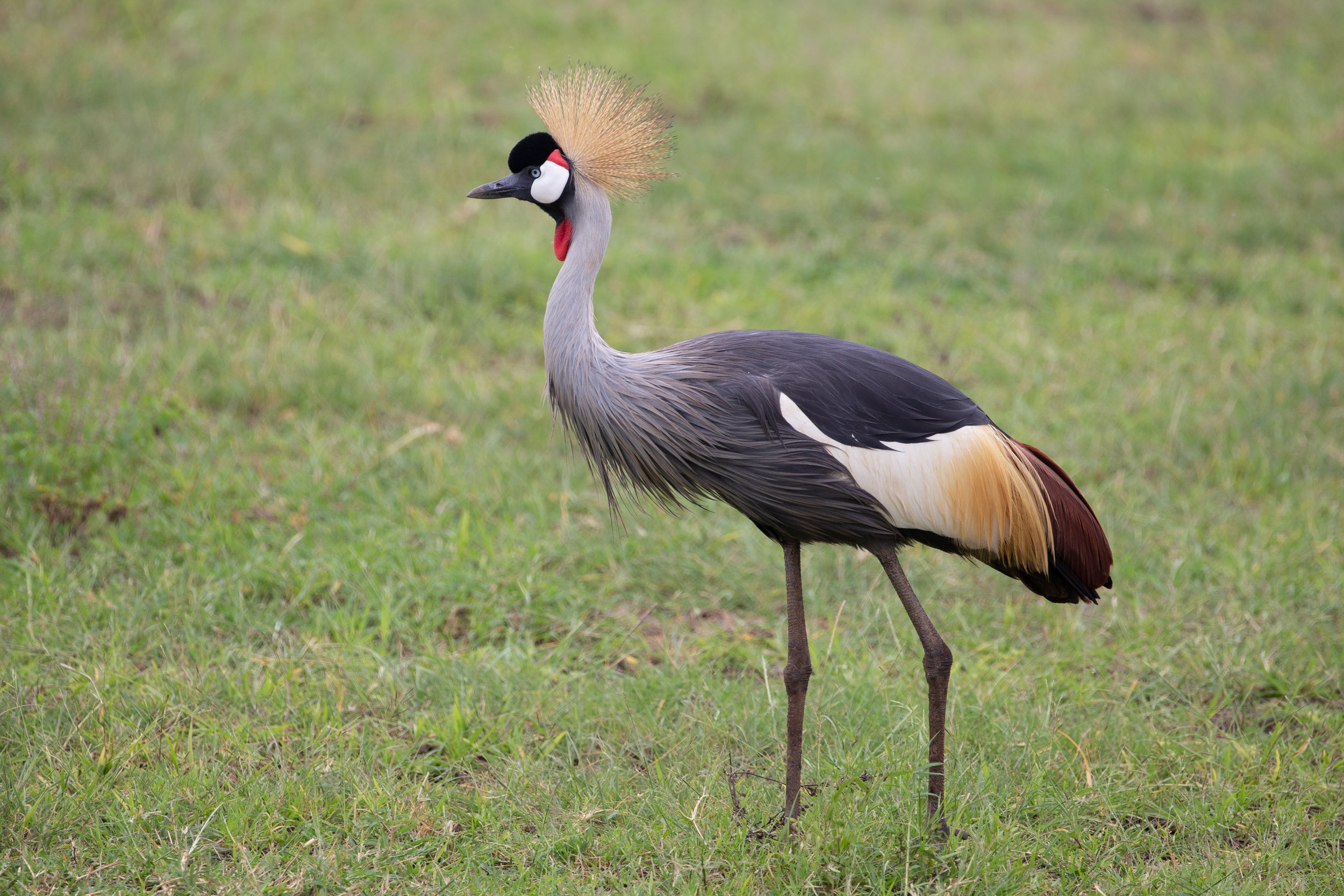
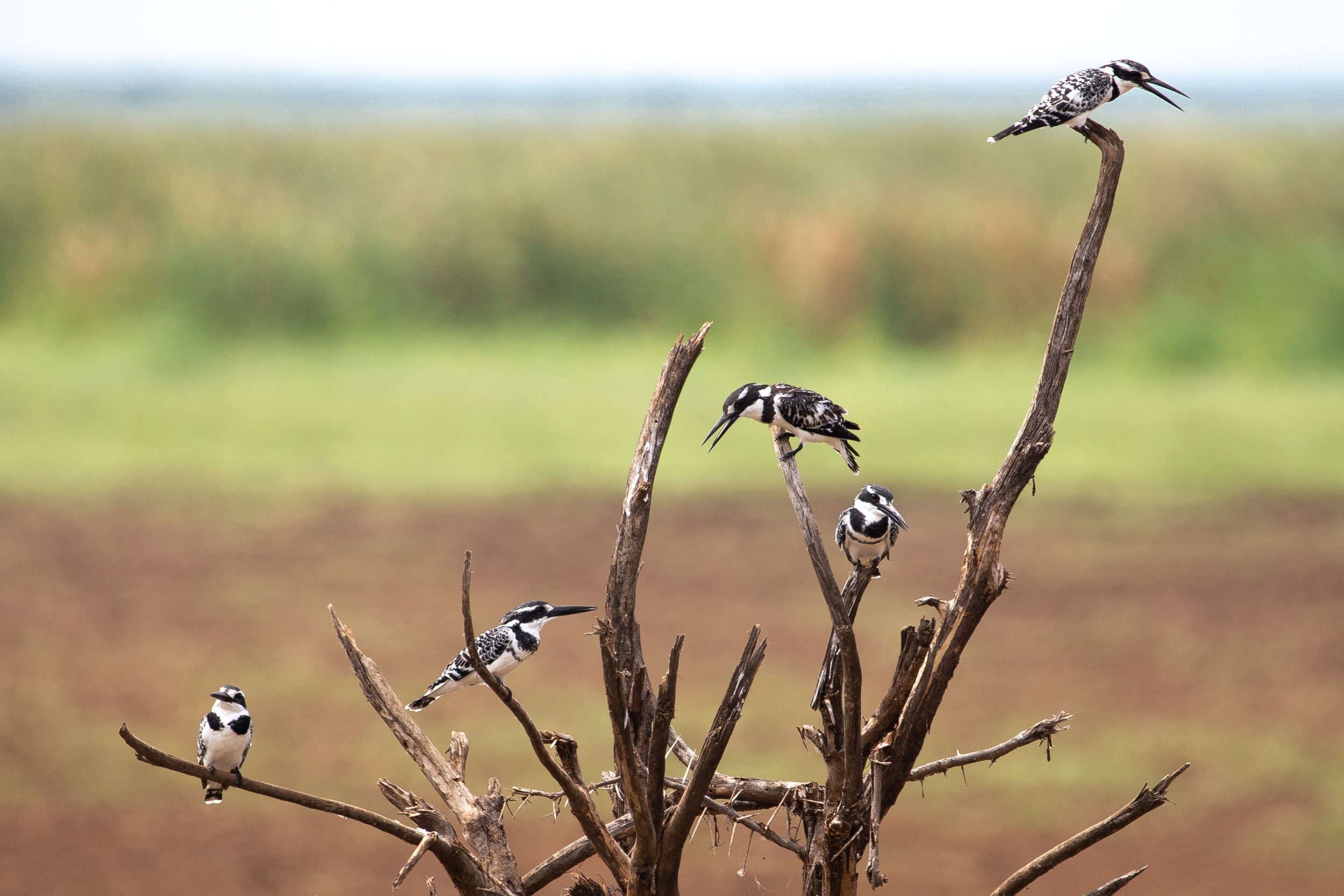
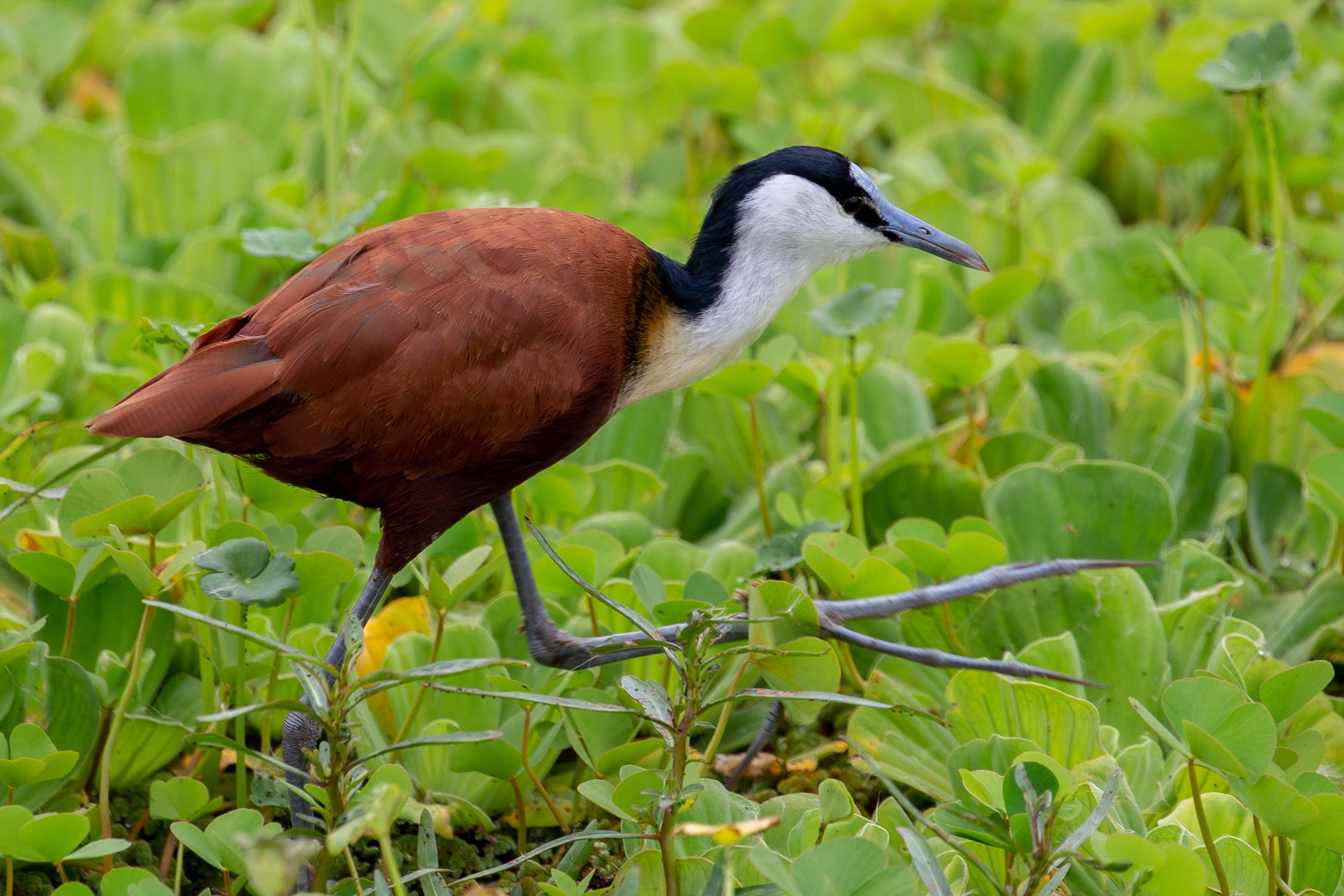
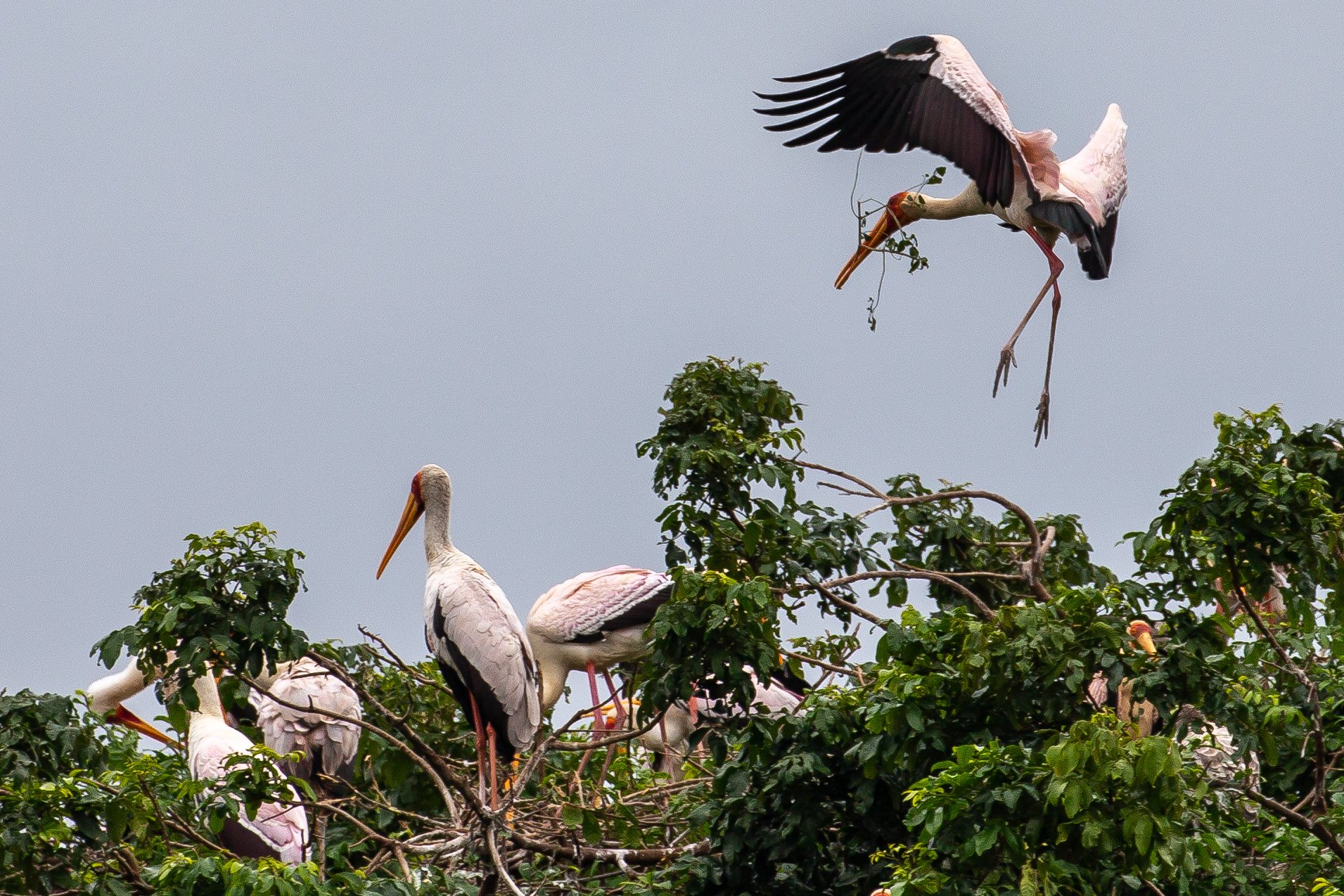
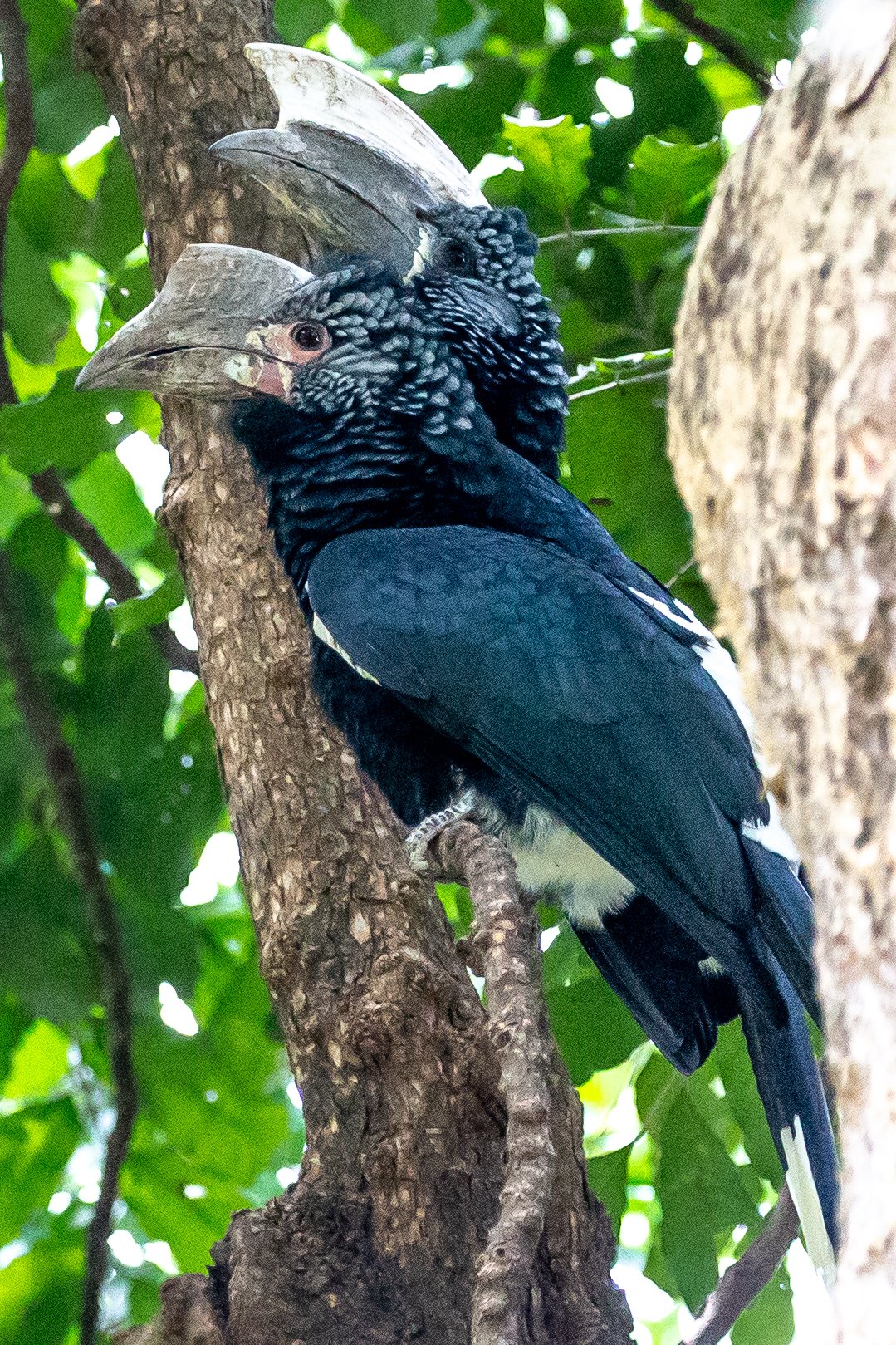
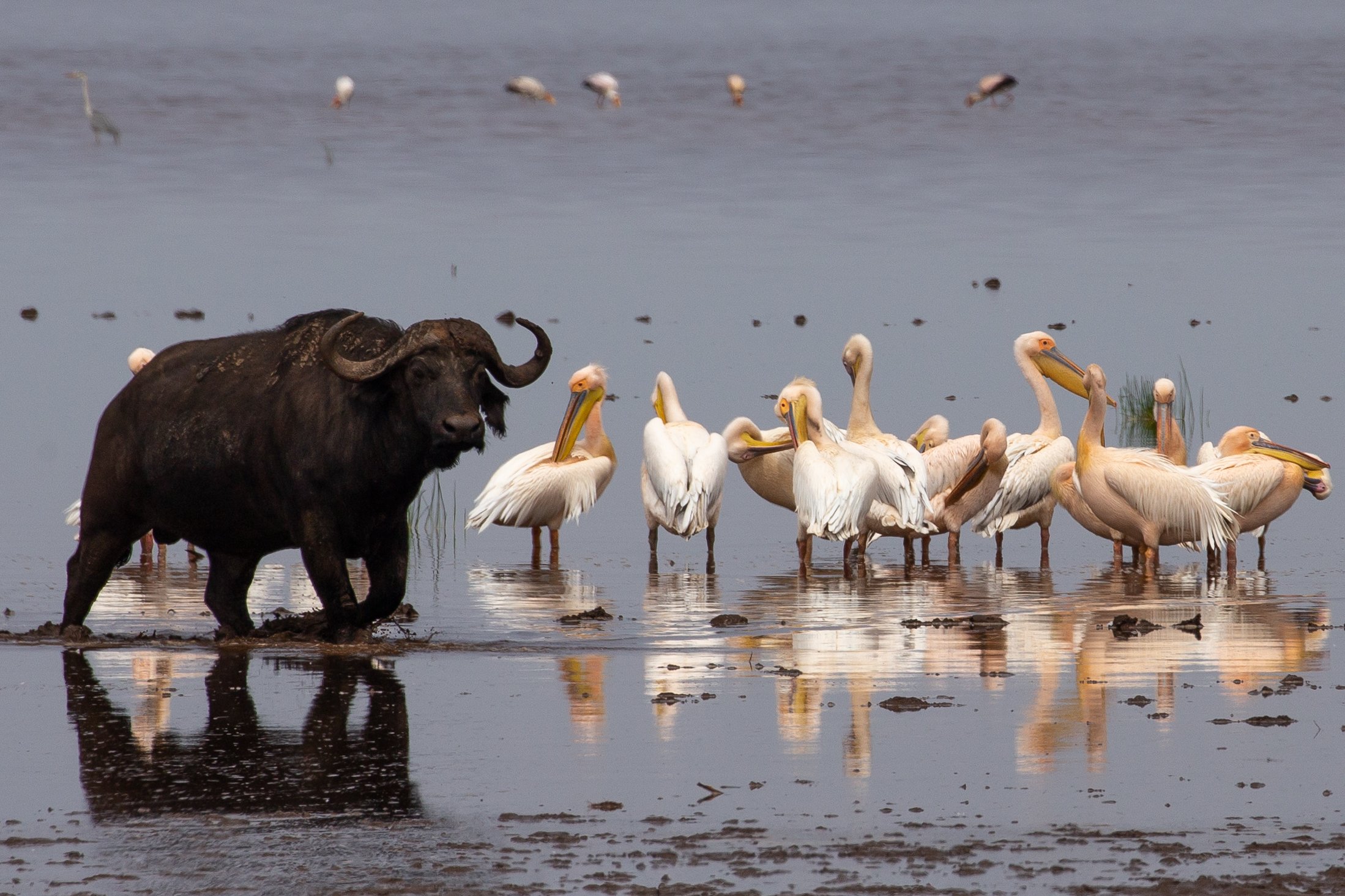
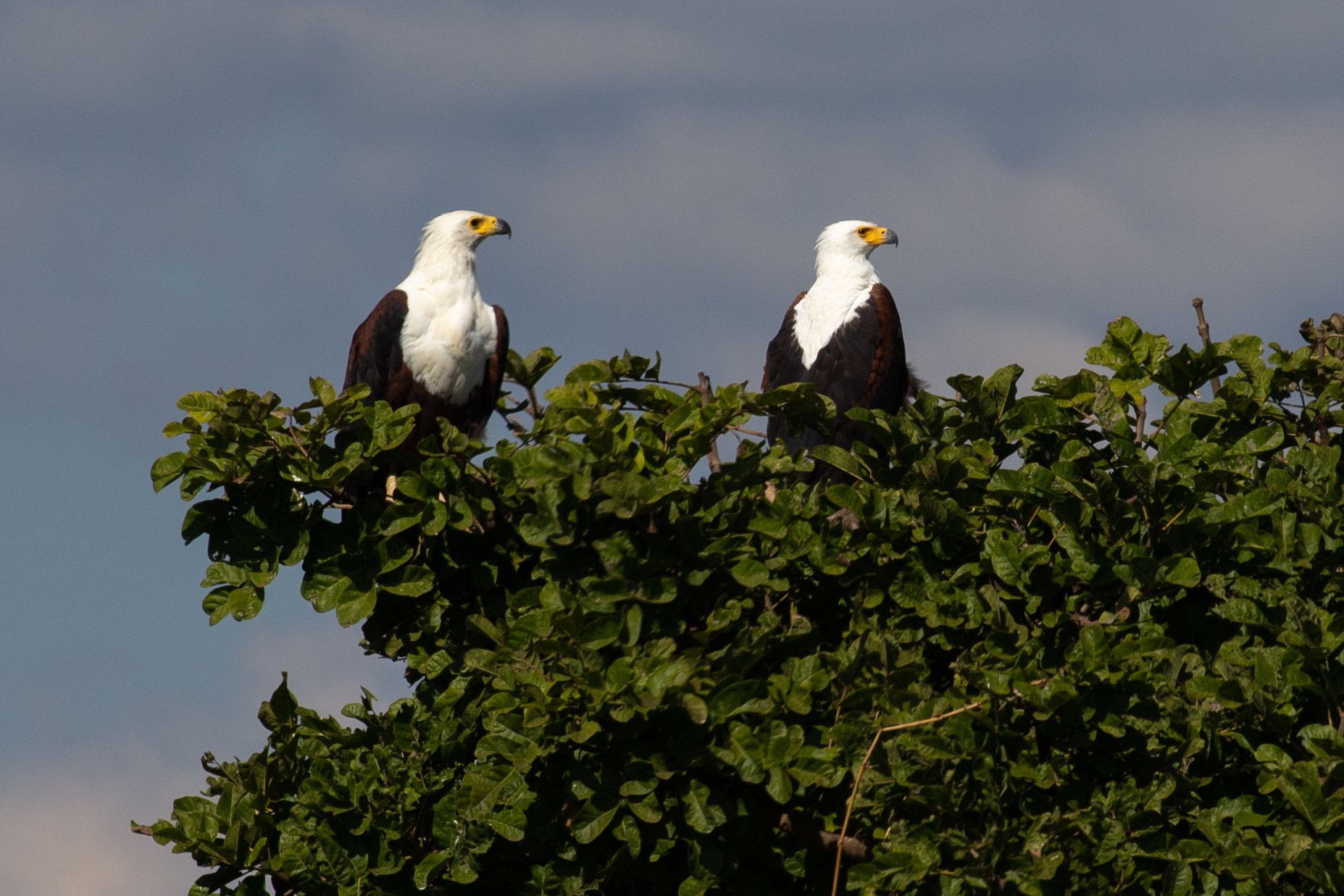
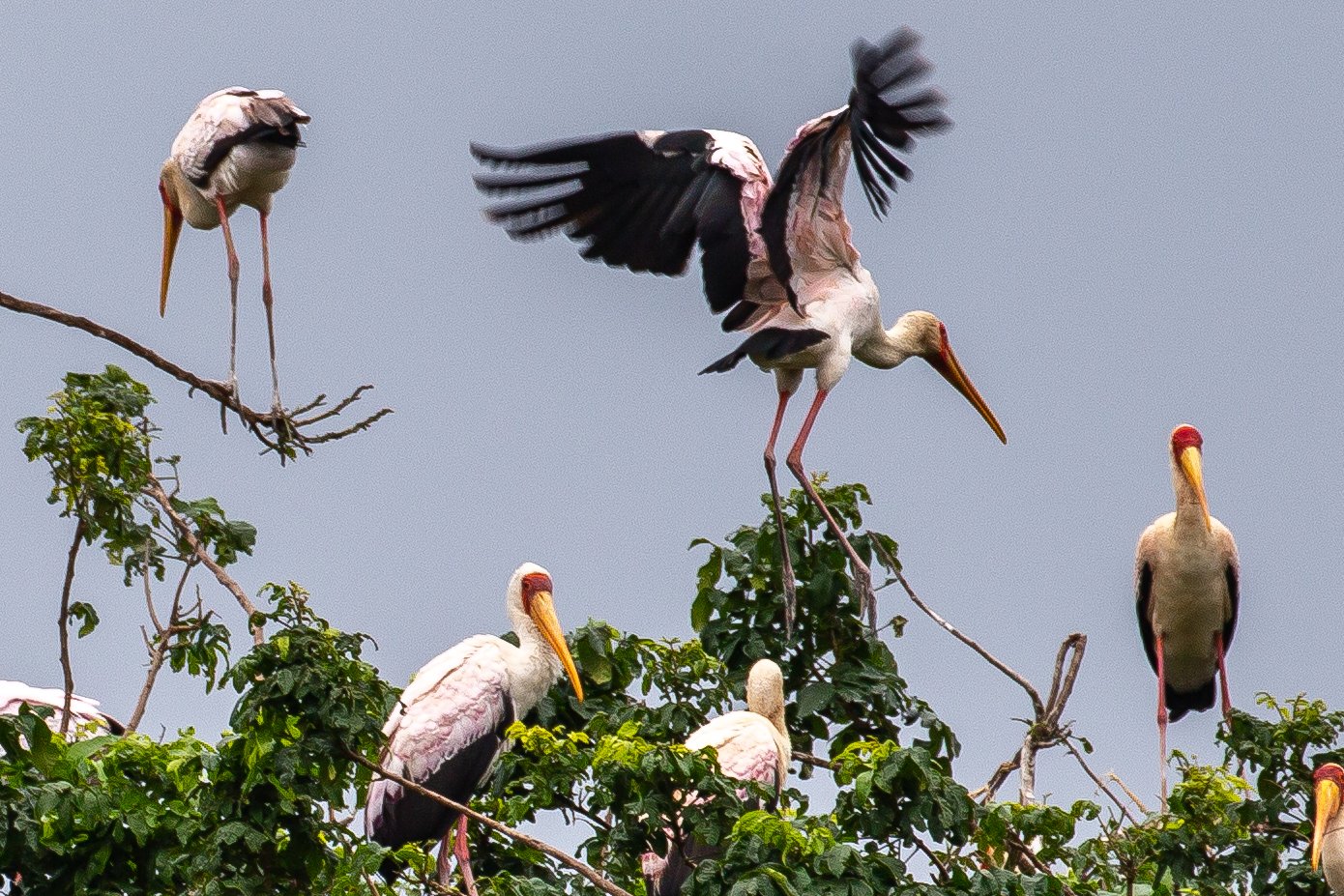
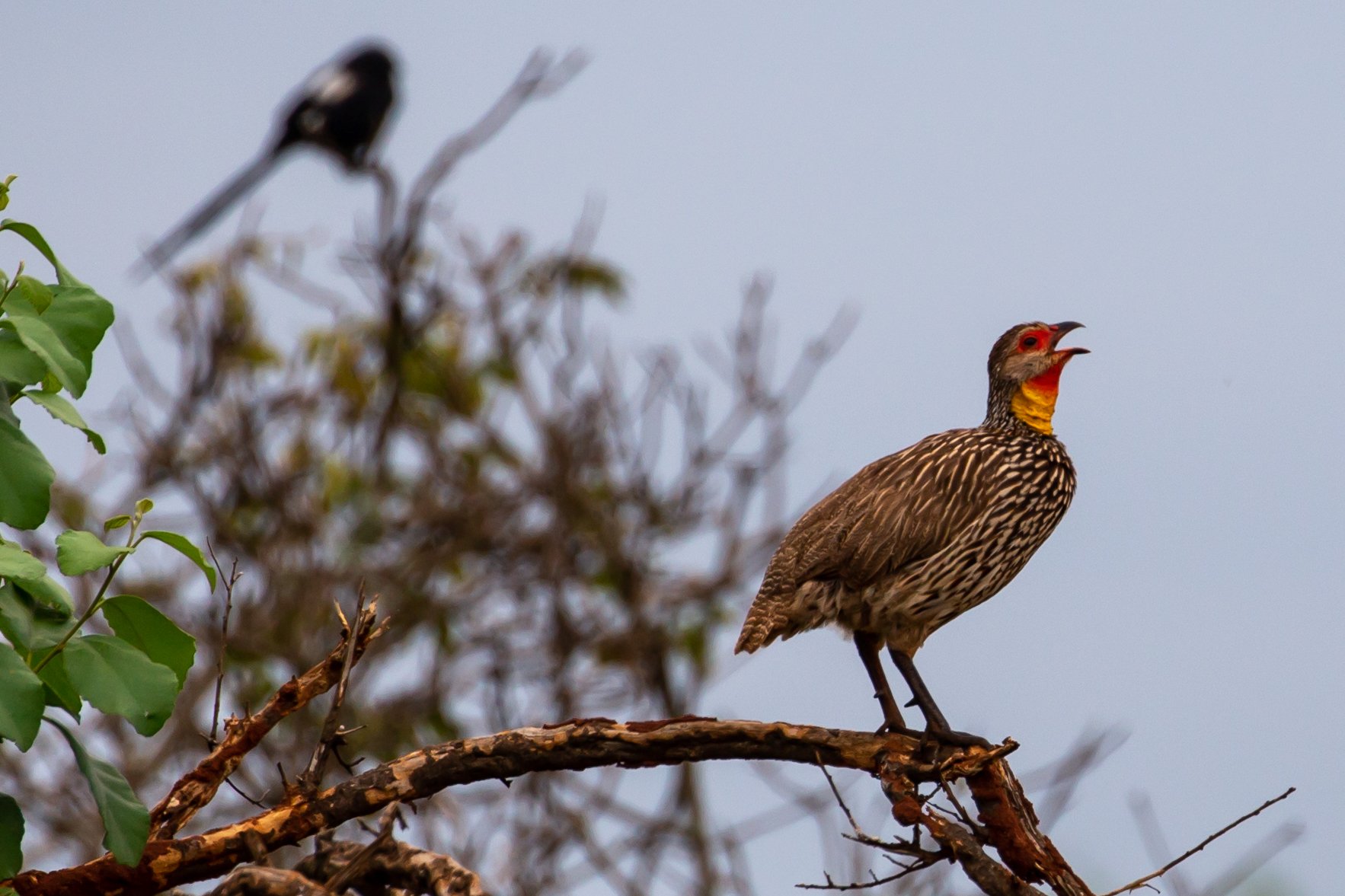
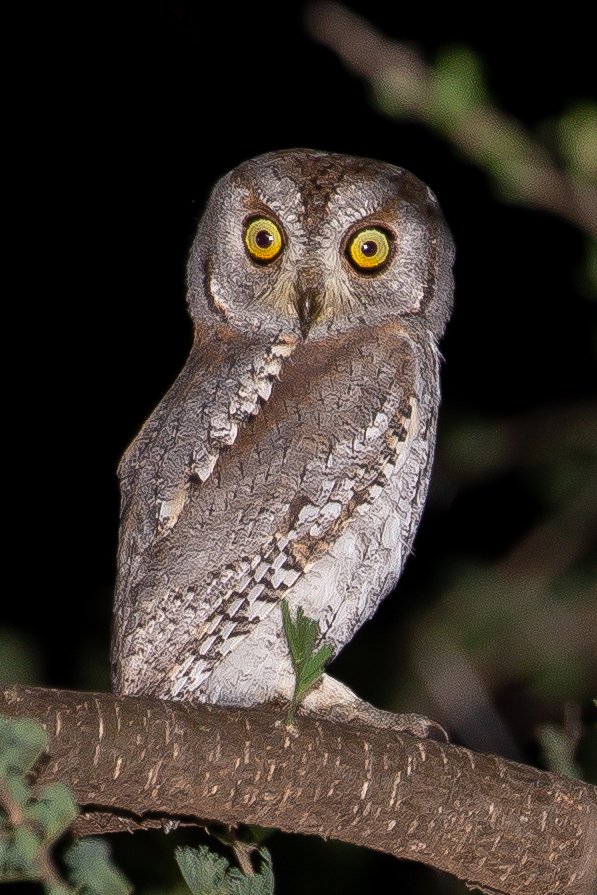
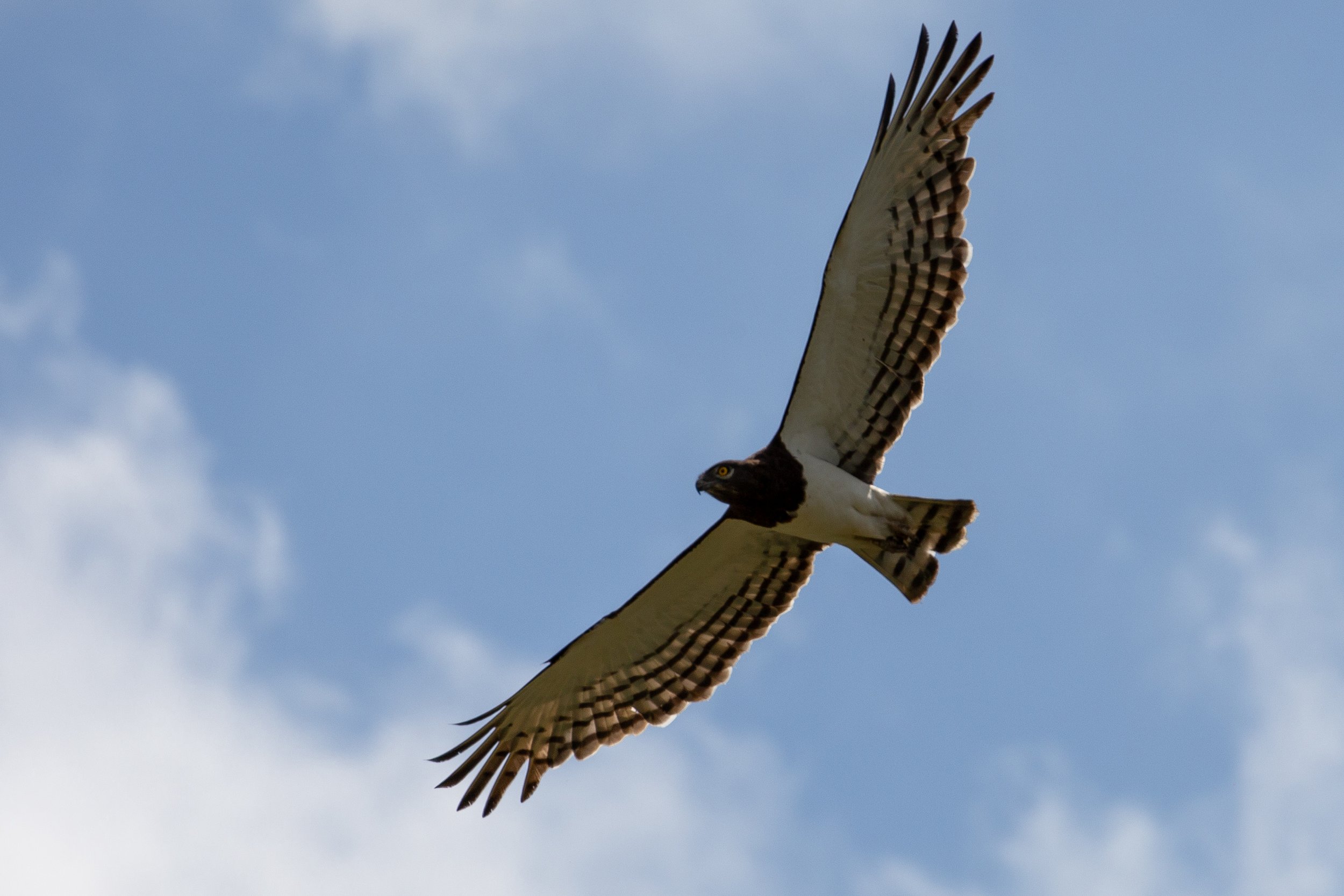
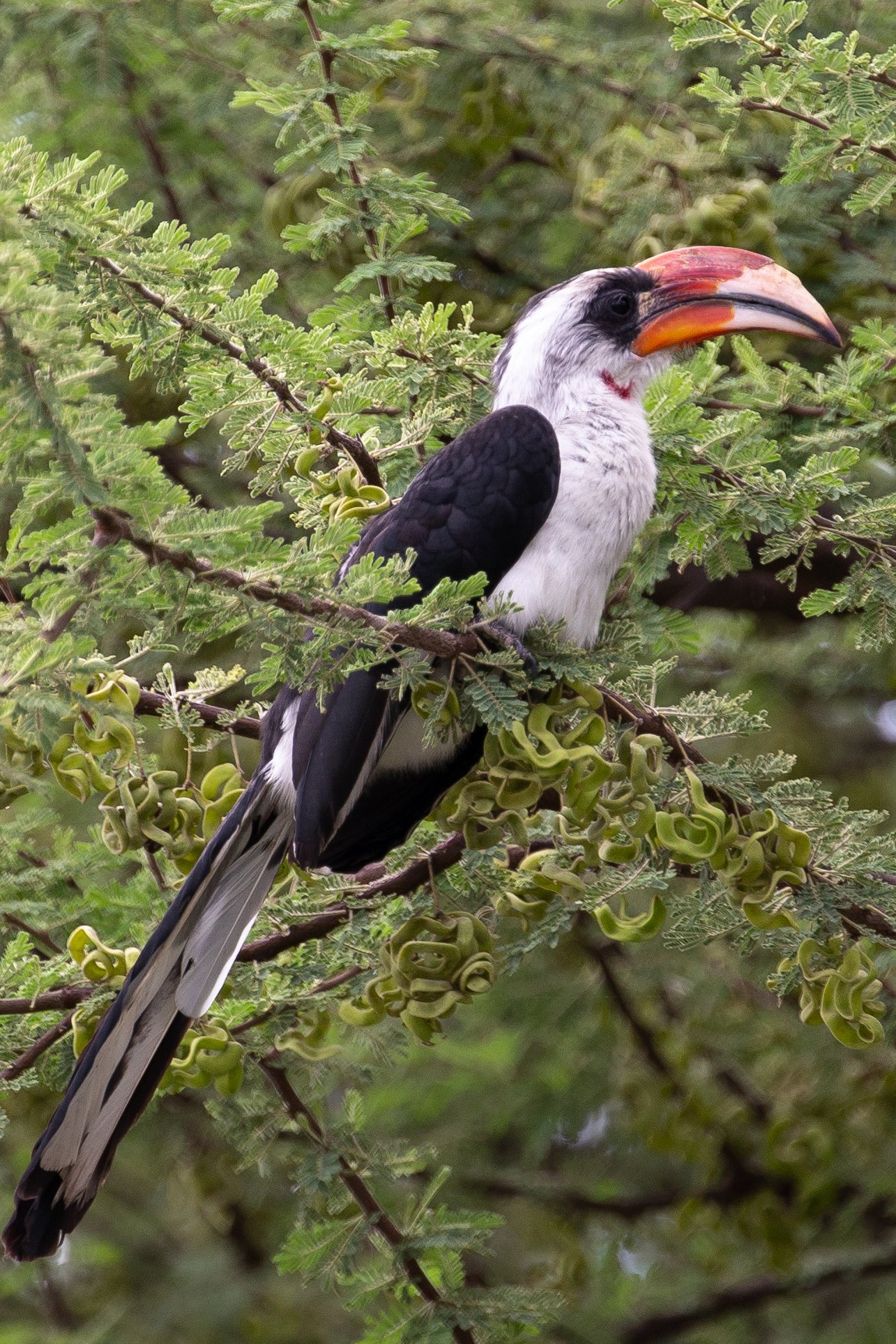
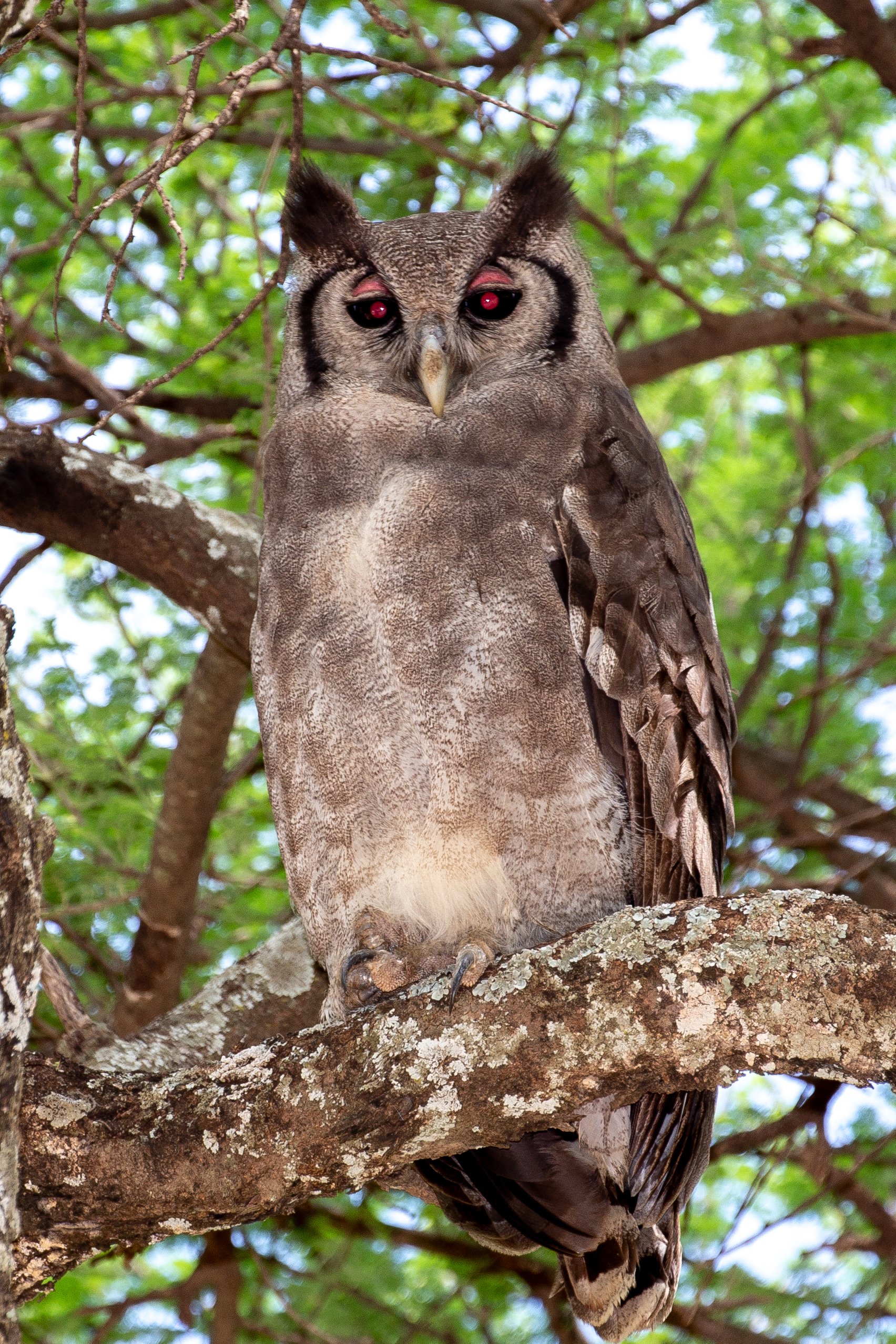
The below gallery was shot by Jim Marden, Professor of Biology and Associate Director of Huck Institutes of the Life Sciences at Penn State. He and his family have traveled with us three times, with Isack Msuya guiding them on each safari. Jim’s thoughts on Isack: ‘Isack has deep knowledge, incredible eyesight, a wonderful sense of humor, and is one of the sweetest warmest people I’ve ever met.’







Frequently Asked Questions About Birding in East Africa
How many bird species are in Tanzania?
Tanzania is home to more than 1,100 recorded bird species, including approximately 33 strict endemics found nowhere else on Earth.
How many bird species are in Uganda?
Uganda has recorded over 1,090 bird species — the fourth-highest count in Africa — despite being a relatively small country. This includes 24 Albertine Rift endemics.
What is the best time of year for birding in Tanzania?
October through April is excellent for Palearctic migrants, while the wet season (November–May) brings breeding plumage and active displays. That said, Tanzania offers rewarding birding year-round.
What is the best time to see the Shoebill in Uganda?
The dry season months of June through September offer the best Shoebill sightings at Mabamba Bay Wetland. Early morning visits (6:00–9:00 AM) are recommended when the birds are most active.
Where can I see the Shoebill in Uganda?
Mabamba Bay Wetland on the shores of Lake Victoria is widely considered the most reliable Shoebill location in Africa. Sightings are also possible in Murchison Falls National Park.
Do I need a specialized guide for birding in East Africa?
A knowledgeable guide transforms a birding safari. At Duma Explorer, our guides are trained by EcoTraining South Africa and hold FGASA certifications — the gold standard in African wildlife education. They can identify species by sight and call, and they understand the ecological context that makes each sighting meaningful. They have decades of experience
Can I combine birding with a traditional wildlife safari?
Absolutely. Most of East Africa’s premier birding destinations are also world-class big-game safari parks. A combined itinerary lets you watch elephants in Tarangire while ticking off 500+ bird species, or track gorillas in Bwindi while searching for Albertine Rift endemics.
Can I combine Tanzania and Uganda into one birding trip?
Yes, and we highly recommend it. Our 18-day Tanzania & Uganda itinerary takes you from Kilimanjaro and Tarangire through the Serengeti, then into Bwindi and Queen Elizabeth National Park in Uganda. The two countries offer complementary habitats with remarkably little species overlap. Contact us to explore the full itinerary.
What makes Duma Explorer’s birding guides different?
Our lead birding guides — Sifuni Mungure, Justin Mushi, and Isack Msuya — are trained by EcoTraining South Africa and are completing FGASA Level 1 certifications, recognized as the gold standard in African wildlife education. They bring years of field experience across both Tanzania. In Uganda, specialist bird guides are hired in each park to accompany you. Our head safari guide in Uganda was trained at Mweka Wildlife College, East Africa’s premier wildlife school.
Ready to Plan Your East African Birding Safari?
Whether you’re dreaming of Shoebills in the papyrus, Beesley’s Larks on the plain, or a lilac-breasted roller catching the golden-hour light, we’d love to help you build the birding trip of a lifetime. Get in touch with our team to start designing your custom East African birding safari.
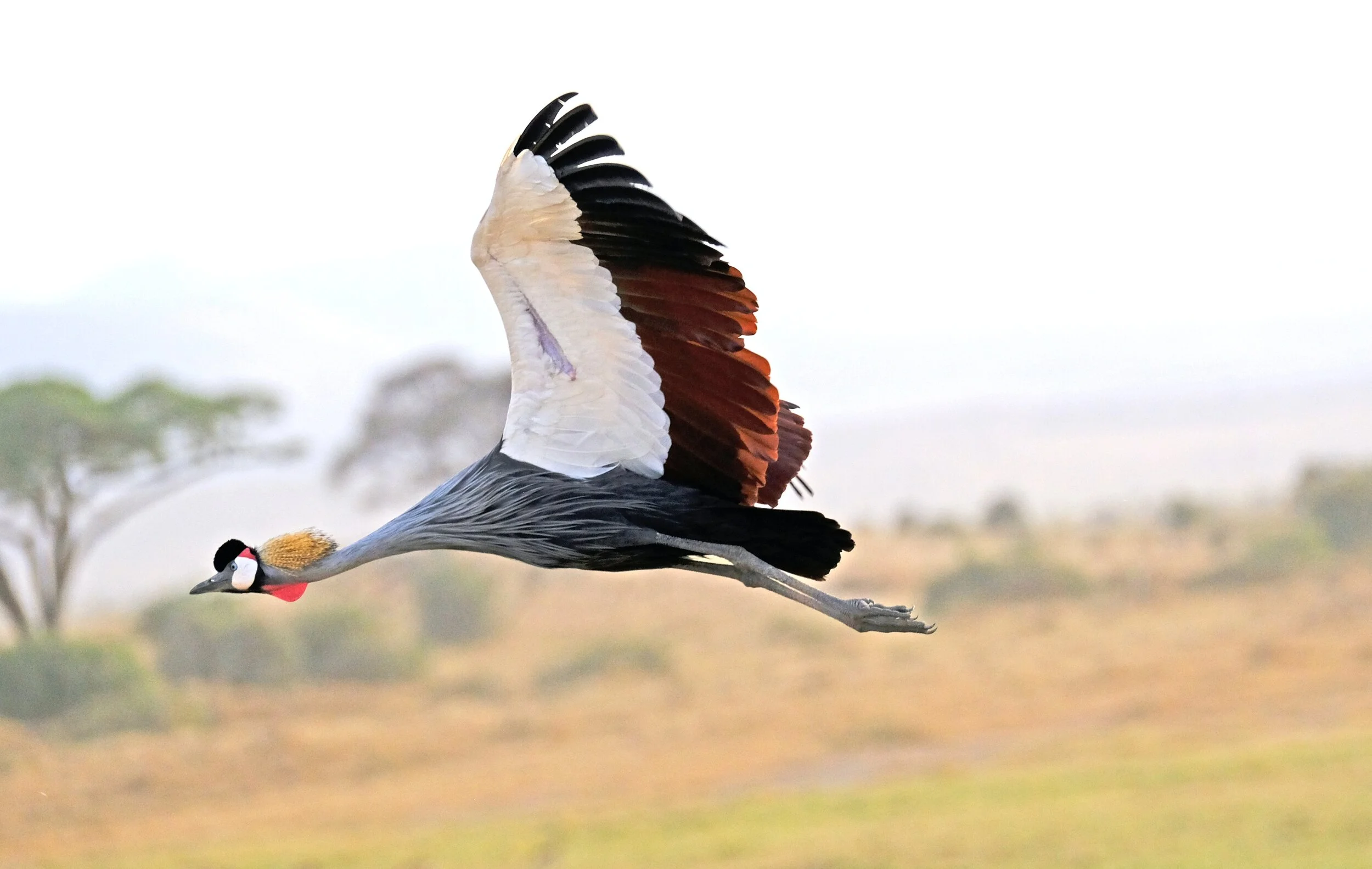
The Grey Crowned Crane, pictured left, is the national bird of Uganda.
Tanzania is home to the world’s ugliest bird, the Marabou Stork; the heaviest flying bird, the Kori Bustard; and the largest bird, the Ostrich. Also, the greater and lesser flamingos are the most populous in Tanzania, with an estimated five to six million birds present.