

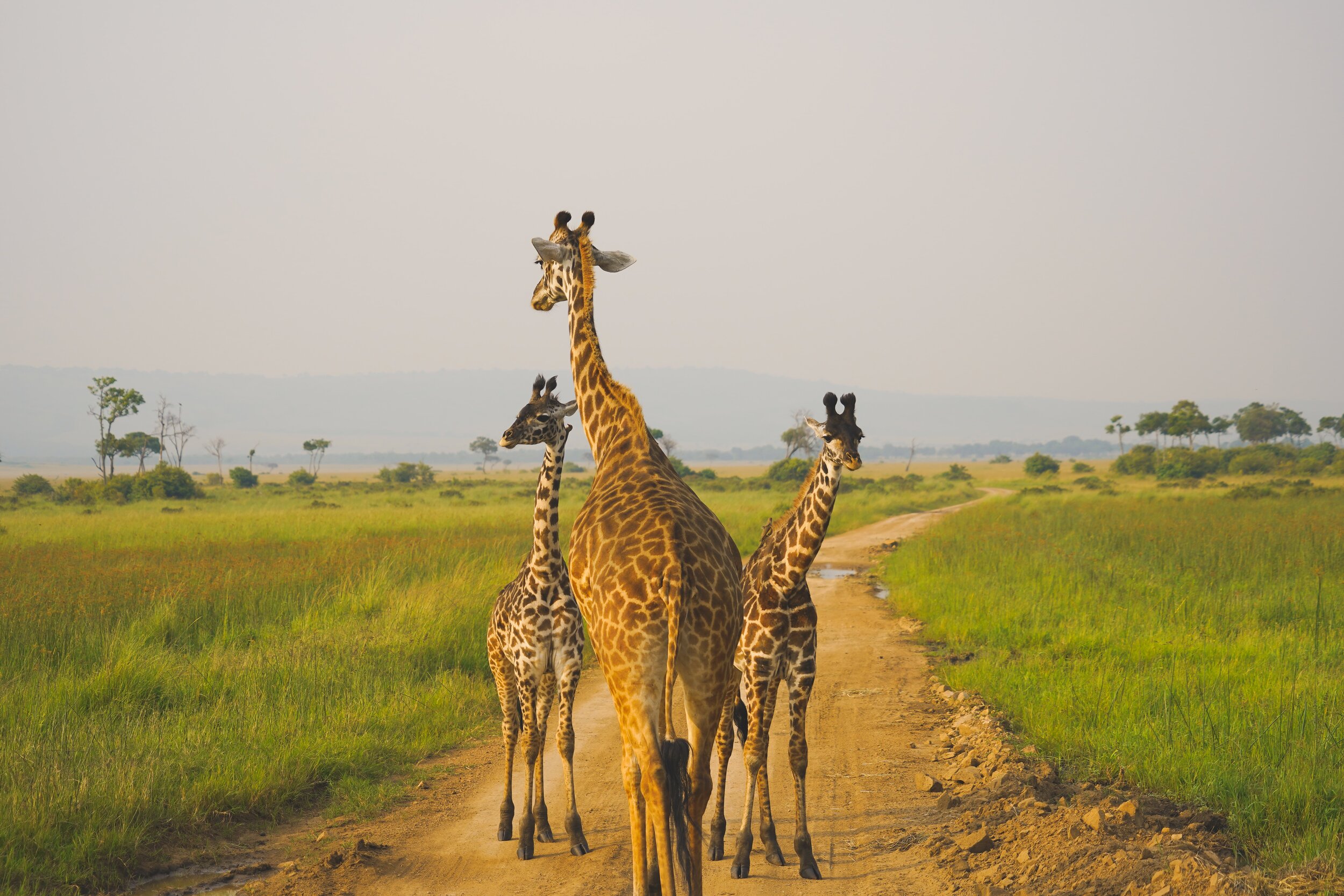
Kenya Tours: Maasai Mara, Amboseli, and Samburu Wilderness
Where Iconic Wildlife Meets Dramatic Landscapes
Kenya is where the modern safari was born — and it remains one of the most thrilling wildlife destinations on the planet. From the sweeping grasslands of the Maasai Mara to the arid beauty of Samburu, from snow-capped Kilimanjaro rising behind Amboseli’s elephants to the innovative conservancies of Laikipia, Kenya offers a range of safari experiences that is difficult to match anywhere in Africa. The country’s excellent air infrastructure makes it easy to combine multiple parks in a single trip, and its proximity to Tanzania, Uganda, and Rwanda means a Kenya safari can be the starting point for a broader East African adventure.
At Duma Explorer, we design custom Kenya safaris built around your interests, timeline, and budget. Whether you’re drawn to big cats, birding, conservation, or cultural immersion, we know these parks intimately and will help you experience the very best of what Kenya has to offer.
IN THIS GUIDE
Kenya Parks | When to go | Kenya Safari Costs | FAQ | Itineraries | Hotel & Lodges | Blog & Resources
Kenya’s Best Safari Destinations
Samburu National Reserve
A personal favorite of owner Stacy Readal. Samburu is one of Kenya’s most special and underrated safari destinations. Set in the semi-arid landscape of northern Kenya, the reserve is defined by the Ewaso Ng’iro River, a lifeline that draws elephants, leopards, crocodiles, and an astonishing density of wildlife to its shaded banks. The river ecosystem creates a lush corridor through an otherwise dry landscape, and game drives along the riverfront are consistently among the most productive in all of Kenya.
What makes Samburu truly unique is its wildlife. Several species found here are rarely or never seen in the southern parks: the Grevy’s zebra (the world’s largest and most endangered zebra), the reticulated giraffe with its striking geometric markings, the long-necked gerenuk that stands on its hind legs to browse, the Beisa oryx, and the Somali ostrich. These are collectively known as the “Samburu Special Five,” and seeing them is a highlight for any wildlife enthusiast.
Samburu is also culturally rich. The Samburu people, close relatives of the Maasai, maintain a vibrant pastoral culture, and meaningful cultural visits can be incorporated into any safari here. The reserve is also home to Save the Elephants, the world-renowned research organization founded by Dr. Iain Douglas-Hamilton. Visits to the research center can be arranged for travelers with a genuine interest in elephant conservation — an unforgettable experience that brings you face to face with the science behind protecting these extraordinary animals.
Amboseli National Park
Another of Stacy’s favorites. Amboseli is one of the most visually iconic parks in Africa. The sight of elephants moving across open plains with the towering, snow-capped peak of Mount Kilimanjaro filling the background is one of the defining images of the African safari. The park is relatively compact compared to some of Kenya’s larger reserves, but that works to its advantage — game drives are remarkably productive, with a high concentration of elephants, lions, cheetahs, hippos, and a wide variety of plains game in a manageable area.
Amboseli is perhaps best known for its super tuskers — bull elephants whose tusks are so long and heavy that they nearly touch the ground. A “super tusker” is defined as an elephant with tusks each weighing over 100 pounds (45 kilograms), often reaching lengths that seem almost impossible on a living animal. Fewer than 50 super tuskers are believed to remain in all of Africa, and the Amboseli ecosystem is one of their last strongholds. These elephants represent decades of survival and carry some of the largest ivory genetics left on the continent — seeing one in the wild, framed by Kilimanjaro, is an experience that stays with you forever.
Gateway to Tanzania: Amboseli sits directly on the Kenya–Tanzania border, making it an ideal stop for travelers flying into Nairobi but heading to Tanzania for the next leg of their safari. Rather than driving straight through to the border, a night or two in Amboseli adds one of Kenya’s most rewarding parks to your itinerary with virtually no detour. It also works beautifully as a fly-in, fly-out visit from Nairobi — a quick domestic flight gets you to the park in under an hour.
Maasai Mara National Reserve
The Maasai Mara is the northern extension of the Serengeti ecosystem, and together they form the stage for the greatest wildlife spectacle on Earth: the Great Wildebeest Migration. Between July and October, more than a million wildebeest and hundreds of thousands of zebra pour across the Mara River from Tanzania into Kenya, pursued by crocodiles and big cats. Even outside of migration season, the Mara is one of Africa’s most reliable destinations for big-cat sightings — its open grasslands make it one of the best places in the world to see lions, leopards, and cheetahs in action.
The Mara Triangle: Our favorite part of the Maasai Mara is the Mara Triangle, the western section of the reserve managed by the Mara Conservancy. The Triangle tends to be slightly less crowded than the main reserve, particularly during peak migration season, while still offering outstanding game viewing across sweeping plains and along the Mara River. The road infrastructure is well maintained, and the overall experience feels more exclusive. For travelers who want the Mara at its best without the heaviest vehicle traffic, the Triangle is the place to be.
The Laikipia Conservancies: Ol Pejeta, Lewa & Loisaba
The Laikipia Plateau, north of Mount Kenya, is home to some of Kenya’s most innovative and successful wildlife conservancies. Unlike the national parks and reserves, Ol Pejeta, Lewa, and Loisaba are fenced and actively managed private conservancies where wildlife populations are carefully monitored, anti-poaching efforts are intensive, and visitor numbers are kept low. The result is an intimate, uncrowded safari experience with exceptional wildlife density and a genuine sense that your visit directly supports conservation.
Ol Pejeta Conservancy is perhaps best known as the home of Najin and Fatu, the last two northern white rhinos on Earth. Visiting these extraordinary animals — protected around the clock by armed guards — is a profoundly moving experience and a stark reminder of the consequences of poaching. Beyond the northern whites, Ol Pejeta has the largest black rhino population in East Africa and offers up-close wildlife experiences that are particularly well suited for families with children. The conservancy’s Sweetwaters Chimpanzee Sanctuary is the only place in Kenya where chimpanzees can be seen.
Lewa Wildlife Conservancy is a UNESCO World Heritage Site and one of the most important rhino sanctuaries in Africa. It is home to roughly 15% of Kenya’s black rhino population and a significant number of Grevy’s zebra. Lewa’s open landscapes and managed wildlife populations make sightings remarkably consistent, and the conservancy’s deep community involvement makes it a model for conservation across the continent.
Loisaba Conservancy offers a more remote, off-the-beaten-path experience in the northern Laikipia landscape. In addition to excellent general game viewing — elephant, lion, wild dog, and leopard are all present — Loisaba has become famous for one very special resident:
Giza, the black leopard. Giza Mrembo — meaning “the beautiful darkness” in Swahili — is a wild, free-ranging melanistic leopard who has become one of Africa’s most celebrated and most-photographed big cats. Melanistic leopards are exceptionally rare, and the Laikipia Plateau is home to the largest known population of black leopards anywhere in the world. Giza was first spotted as a young cub during the 2022 drought and has since become habituated enough to vehicle presence that regular sightings are possible — a once-in-a-lifetime experience for any safari traveler. She has been documented by National Geographic, the BBC, and wildlife photographers from around the world.
Nairobi: More Than a Layover
Nairobi is the only capital city in the world with a national park inside its borders. Nairobi National Park offers a surreal experience — watching black rhinos, lions, and giraffes against a backdrop of city skyscrapers — and it’s an excellent way to spend a morning on arrival or departure day. The park is home to a healthy population of endangered black rhinos and is one of the best places to spot them in Kenya.
Just outside the park, the Sheldrick Wildlife Trust (formerly the David Sheldrick Wildlife Trust) operates a world-famous elephant and rhino orphanage. The public feeding sessions, where tiny orphaned elephants are bottle-fed by their keepers, are joyful and deeply moving — and the Trust’s foster program allows visitors to support the care of individual animals. For travelers with children, or anyone who loves elephants, the Sheldrick Trust is an essential Nairobi stop.
Designing a Comprehensive Kenya Safari
Kenya’s well-developed domestic flight network makes it possible to visit multiple parks in a single trip without long overland drives. A comprehensive Kenya safari that takes in the country’s full range of landscapes and wildlife might follow this route:
Nairobi → Samburu → Lewa or Ol Pejeta → Lake Nakuru → Maasai Mara
This circuit begins with the unique semi-arid wildlife and Samburu culture of the north, moves through the rhino strongholds and managed conservancies of Laikipia, stops at Lake Nakuru for its flamingos and rhinos, and finishes with the big-cat drama and open plains of the Mara. The entire route is well served by scheduled and charter flights, and overland transfers between the Laikipia conservancies and Nakuru are scenic and manageable.
Adding Amboseli: Amboseli works best as an optional fly-in, fly-out addition, either at the beginning or end of the safari. A quick flight from Nairobi’s Wilson Airport puts you in Amboseli in under an hour, and one or two nights is enough to experience the park’s unforgettable elephant herds and Kilimanjaro views. For travelers continuing to Tanzania, Amboseli is a natural first stop — it sits right on the border and can be combined with an overland transfer into northern Tanzania.
Kenya’s Air Infrastructure: Easy Connections Across East Africa
One of Kenya’s great advantages as a safari destination is its excellent air infrastructure. Nairobi’s Jomo Kenyatta International Airport (NBO) is one of East Africa’s major hubs, with direct flights to Europe, the Middle East, Asia, and the Americas. Wilson Airport, Nairobi’s domestic hub, connects to virtually every safari destination in the country with scheduled and charter flights throughout the day.
Beyond domestic connections, Kenya’s air links make it easy to extend your trip across East Africa. Direct flights connect Nairobi or Maasai Mara to Kigali (for gorilla trekking in Rwanda or Uganda’s Bwindi), Entebbe (for Uganda safaris or gorilla trekking), and the Kenyan coast (Mombasa, Diani, and Lamu) for a post-safari beach stay. The Masai Mara also has direct connections to the Serengeti via Migori and the Tanzania border, making cross-country safari combinations seamless. Whether you’re adding gorilla trekking, a Tanzania safari, or a week on the Indian Ocean, Kenya is an ideal starting point.
| Month | Conditions | Game Viewing | Crowds | Notes |
|---|---|---|---|---|
| January | Dry, warm | Excellent | Moderate | Post-calving predator action in the Mara |
| February | Dry, warm | Excellent | Moderate | Great birding; migratory species present |
| March | Long rains begin | Good | Low | Green season starts; lower rates |
| April | Long rains | Moderate | Low | Wettest month; some roads challenging. Best rates |
| May | Long rains ending | Moderate | Low | Rains tapering off; green landscapes. Best rates |
| June | Dry, cool | Very good | Moderate–High | Dry season begins; migration approaches the Mara |
| July | Dry, cool | Excellent | Peak | Wildebeest migration enters the Mara. Book well ahead |
| August | Dry, cool | Excellent | Peak | Migration river crossings. Highest demand |
| September | Dry, warm | Excellent | Peak | Migration continues; superb big-cat action |
| October | Short rains begin | Very good | Moderate | Migration lingers; shoulder season value |
| November | Short rains | Good | Low–Moderate | Green season; lower rates. Good birding |
| December | Dry, warm | Very good | High | Holiday season; dry conditions return |
Best Time to Visit Kenya
Kenya is a year-round safari destination, though conditions and pricing vary by season. The dry seasons offer the best game viewing as animals concentrate around water sources, while the green season brings lush landscapes, newborn animals, excellent birding, and lower prices.
| Month | Conditions | Game Viewing | Crowds | Notes |
|---|---|---|---|---|
| January | Dry, warm | Excellent | Moderate | Post-calving predator action in the Mara |
| February | Dry, warm | Excellent | Moderate | Great birding; migratory species present |
| March | Long rains begin | Good | Low | Green season starts; lower rates |
| April | Long rains | Moderate | Low | Wettest month; some roads challenging. Best rates |
| May | Long rains ending | Moderate | Low | Rains tapering off; green landscapes. Best rates |
| June | Dry, cool | Very good | Moderate–High | Dry season begins; migration approaches the Mara |
| July | Dry, cool | Excellent | Peak | Wildebeest migration enters the Mara. Book well ahead |
| August | Dry, cool | Excellent | Peak | Migration river crossings. Highest demand |
| September | Dry, warm | Excellent | Peak | Migration continues; superb big-cat action |
| October | Short rains begin | Very good | Moderate | Migration lingers; shoulder season value |
| November | Short rains | Good | Low–Moderate | Green season; lower rates. Good birding |
| December | Dry, warm | Very good | High | Holiday season; dry conditions return |
Kenya Safari Costs: Park Fees & Lodge Pricing
Safari costs in Kenya are driven by two main factors: park and conservancy entry fees (paid per person per day) and accommodation. Both vary significantly between high and low season. The table below gives approximate ranges for foreign non-resident visitors.
| High Season (Jul–Oct, Dec–Feb) | Low Season (Mar–May, Nov) | |
|---|---|---|
| Park & Conservancy Entry Fees (per person, per day) | ||
| Maasai Mara National Reserve | $200 | $100 |
| Samburu National Reserve | $90 | $90 |
| Amboseli National Park | $90 | $90 |
| Ol Pejeta / Lewa / Loisaba (conservancy fees) | $80–$120 | $80–$120 |
| Nairobi National Park | $80 | $80 |
| Accommodation (per person, per night) | ||
| Luxury Lodge / Tented Camp | $500–$1,500+ | $300–$900 |
| Mid-Range Lodge | $250–$500 | $150–$350 |
| Budget Lodge | $80–$200 | $50–$150 |
| Other Costs | ||
| Domestic Flight (per sector) | $150–$350 | $150–$350 |
| Estimated Total (7-Night Safari, Mid-Range) | ||
| Total per person | $4,500–$7,000 | $3,000–$5,000 |
Prices are approximate and vary by lodge, itinerary, and group size. Park fees as of 2025–2026 per KWS and Narok County (Maasai Mara). Conservancy fees are often included in lodge rates. Green prices indicate lower-cost season.
Note on Maasai Mara fees: The Maasai Mara charges significantly higher entry fees than KWS-managed national parks, and its fees are seasonal — $200 per person per day during peak season (July–October) and $100 per person per day during the rest of the year. Conservancy fees at private conservancies like Ol Pejeta, Lewa, and Loisaba are typically included in lodge rates.
Frequently Asked Questions
Planning Your Kenya trip
-
Both countries offer world-class wildlife, but the experience differs. Kenya's Maasai Mara is the northern continuation of Tanzania's much larger Serengeti ecosystem, so the migration crosses both countries, though it is more reliably seen year-round on the Tanzania side. Kenya has a wider range of private conservancies, while Tanzania has the vast Serengeti, the Ngorongoro Crater, and larger tracts of untouched wilderness in its Southern and Western circuits. Driving safaris are also easier in Tanzania, where the Northern Circuit parks — Tarangire, Lake Manyara, Ngorongoro, and the Serengeti — are virtually connected, making overland travel between them seamless. Many travelers combine both countries for the ultimate East African safari.
-
A super tusker is a bull elephant whose tusks each weigh over 100 pounds (45 kilograms). These elephants are extremely rare — fewer than 50 are believed to remain in all of Africa. Their tusks are so large they often nearly touch the ground. Amboseli National Park and the surrounding ecosystem are among the last strongholds for these magnificent animals, and seeing one in the wild is one of the most extraordinary experiences a safari can offer.
-
Yes. The Laikipia Plateau in central Kenya is home to the largest known population of melanistic (black) leopards in the world. Giza Mrembo, the most famous individual, is a wild female whose territory includes the Loisaba Conservancy area. She is habituated to vehicles and sightings are possible, though never guaranteed. Lodges in the Laikipia region can arrange specialized leopard-tracking drives for guests.
-
Absolutely. The Laikipia conservancies, particularly Ol Pejeta, are excellent for families because the fenced reserves offer close-up wildlife encounters in a more controlled environment. Many lodges in the Mara and Laikipia welcome children with dedicated family programs, bush walks, and educational activities. The Sheldrick Wildlife Trust in Nairobi is a highlight for kids of all ages.
-
Yes — and it’s one of the most popular combinations in East African travel. Direct flights from Nairobi or the Maasai Mara to Kigali take about two hours, putting you within easy reach of gorilla trekking in Rwanda’s Volcanoes National Park or Uganda’s Bwindi Impenetrable Forest (accessed from Kigali via the Cyanika border). We regularly design itineraries that pair a safari with a 2–3 night gorilla trekking extension.
-
A focused safari covering two or three parks can be done well in 5–7 days. A more comprehensive circuit — Samburu, Laikipia, Nakuru, and the Mara — typically requires 8–10 days. Adding Amboseli as a fly-in extension adds 1–2 days. We recommend at least 6 full days on safari to get the most from the experience.
-
The Great Migration typically reaches the Maasai Mara between July and October. River crossings — the most dramatic moments of the migration — are most frequent in August and September. However, the timing varies year to year depending on rainfall, so exact dates are never guaranteed. The Mara offers excellent game viewing year-round, even when the migration herds are in Tanzania.
-
Mnemba Atoll's day-visitor snorkeling areas have been heavily affected by coral bleaching, and the sheer number of boats diminishes the experience. Chumbe Island limits visitors to ~20 per day with pristine reef protected for nearly 30 years — it's a completely different caliber of snorkeling. Mafia Island Marine Park offers exceptional, uncrowded snorkeling with possible whale shark encounters October–March. We recommend Chumbe for a day trip or Mafia for a multi-day stay.
-
Zanzibar has two kitesurfing seasons around Paje and Jambiani. The Kusi season (June–September) brings strong SE trade winds of 15–25 knots — best for intermediate and advanced riders. The Kaskazi season (December–March) delivers gentler NE winds of 12–20 knots, ideal for beginners and freestyle. Transition months (April–May and October–November) are least reliable. Water temperatures are warm year-round; a 2mm wetsuit is only needed June–September.
Start Planning Your Kenya Safari
Kenya is a safari destination of extraordinary depth — from the iconic Mara to the untamed beauty of Samburu, from Amboseli’s super tuskers to Laikipia’s black leopards, from the last northern white rhinos at Ol Pejeta to the elephants of the Sheldrick Trust. We’ll help you design a trip that captures exactly what draws you to Africa, with the logistics, lodges, and expert guidance taken care of. With over 20 years of experience designing custom East African itineraries, Duma Explorer is your trusted partner for this extraordinary journey.