Bwindi Gorilla Trekking 2026: Permit Costs & How to Book
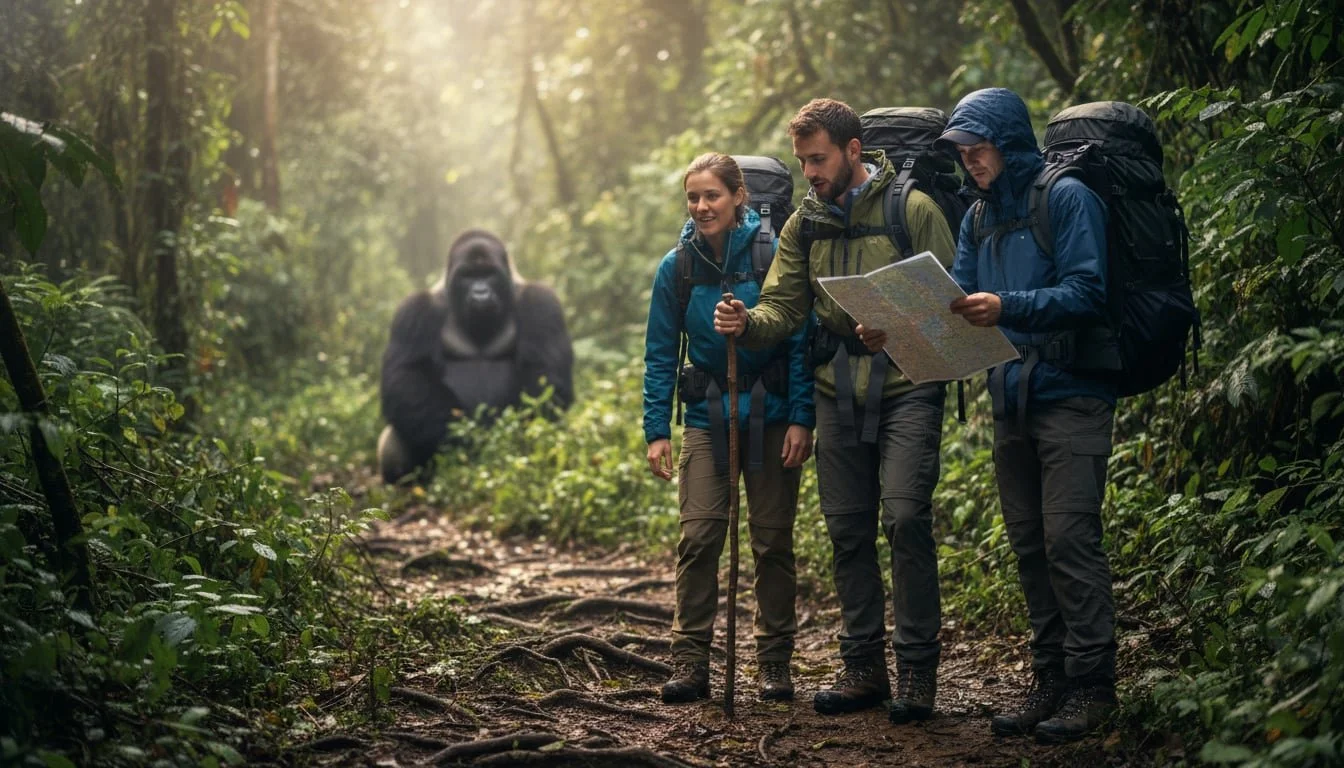
Planning a Bwindi gorilla trekking adventure is one of the most exciting things you can do. The thought of meeting mountain gorillas in their misty, emerald home is nothing short of magical. But let’s be honest, figuring out the logistics like permits, costs, and what to pack can feel a bit overwhelming.
That’s where this guide comes in. Think of it as your friendly, straightforward resource for everything you need to know. We’ll walk you through all the details, from securing that all important permit to understanding what the trek is really like. By the end, you’ll be ready to plan your trip with confidence. For a bigger‑picture overview across countries and add‑ons, see our complete East Africa safari planning guide.
2026 Bwindi Gorilla Trekking Quick Facts
Permit Cost: USD $800 (Foreign Non-Residents); $700 (Foreign Residents); $500 (Rest of Africa); UGX 300,000 (East African Citizens).
Habituation Experience: USD $1,500 per person (up to 4 hours with gorillas).
Booking Timeline: 6–12 months in advance for peak season (June–Sept, Dec–Feb).
Minimum Age: 15 years old.
Daily Permit Limit: ~192 permits across 24 habituated families.
All About Your Gorilla Permit
The gorilla permit is the golden ticket for your Bwindi gorilla trekking adventure. It’s the most crucial piece of the puzzle, so let’s break down what you need to know.
How much does a gorilla permit cost?
A standard gorilla permit in Uganda costs USD $800 per person for foreign non residents. This permit grants you one precious hour with a habituated mountain gorilla family in Bwindi Impenetrable National Park. While it might seem steep, this fee is essential. It helps fund critical conservation efforts, supports local communities, and limits the number of daily visitors to protect the gorillas. For comparison, a similar permit in neighboring Rwanda costs $1,500.
What about the Gorilla Habituation Experience?
If one hour doesn’t feel like enough, Uganda offers a unique alternative: the Gorilla Habituation Experience. For USD $1,500 per person, you get to spend up to four hours with a semi habituated gorilla family. You’ll join researchers and rangers as they gently accustom a gorilla group to human presence. This incredible experience is limited to just four visitors per group each day and is only available in Bwindi’s southern Rushaga sector, making it an exclusive and deeply insightful adventure.
How do I book a gorilla permit?
You have two main options for booking your permit, which is issued by the Uganda Wildlife Authority (UWA). You can contact UWA directly, or you can go through a licensed tour operator.
Booking through a trusted tour operator is by far the easier and more common method. Companies that specialize in East African travel, like Duma Explorer, often pre purchase permits or can check real time availability for you. They handle the entire booking process, ensuring your permit is secured for the correct date and Bwindi sector, which takes the stress and uncertainty out of your hands.
When should I book my permit?
Book as early as you possibly can. Gorilla permits are in extremely high demand and sell out quickly, especially during peak seasons.
Peak Season (June to September & December to February): Book at least 6 months in advance, or even earlier.
Low Season (March to May & October to November): Aim to book 3 to 6 months in advance. While last minute permits are sometimes available, it’s not worth the risk.
Think of it this way: once you know your travel dates, booking your gorilla permit should be the very first thing you do.
What does the permit fee include?
The $800 permit fee is more than just an entry ticket. It’s an all inclusive pass for the trekking activity itself. It covers:
Park entrance fees for Bwindi on the day of your trek.
The service of expert UWA rangers and trackers who guide you.
A contribution to local community development projects.
A certificate you receive after completing your trek.
The permit does not cover your transportation, accommodation, meals, or the cost of hiring a porter.
Planning Your Bwindi Trip Logistics
With your permit sorted, it’s time to think about the when, where, and how of your trip. Many travelers like to unwind on the coast afterward. Here are the best things to do in Stone Town, Zanzibar.
When is the best time for Bwindi gorilla trekking?
You can go on a Bwindi gorilla trekking trip year round. The park has two main seasons, and each offers a different experience.
Dry Seasons (June to August & December to February): This is the most popular time to visit. The forest trails are drier and less slippery, making the trek physically easier. The weather is generally sunny, though a rain shower can still surprise you. The downside? It’s peak season, so permits and lodges sell out fast and prices are at their highest.
Rainy Seasons (March to May & September to November): Don’t let the name scare you off. Trekking in the rainy season means fewer crowds, and you might find discounts on lodges and even permits (UWA has occasionally offered promotional rates). The forest is incredibly lush and green. The main challenge is the mud, as trails become slick and more difficult to navigate. Interestingly, gorillas often stay at lower elevations during this time, which can sometimes lead to shorter treks.
If you’re coordinating Uganda gorillas with a Tanzania safari, use our Great Migration in East Africa guide to time Serengeti wildlife perfectly.
How do I get to Bwindi?
Bwindi is in a remote corner of southwestern Uganda, but it’s quite accessible.
By Road from Entebbe/Kampala: The most common way is a scenic drive in a 4x4 vehicle, which takes about 8 to 10 hours. While long, it’s a beautiful journey through the Ugandan countryside.
By Road from Kigali, Rwanda: A popular and much shorter option is to fly into Kigali and drive across the border. The journey to Bwindi’s southern sectors (Rushaga or Nkuringo) takes only 4 to 5 hours.
By Air: To save time, you can take a domestic flight from Entebbe to one of two nearby airstrips: Kihihi (for the northern sectors) or Kisoro (for the southern sectors). The flight is about 90 minutes, followed by a 1 to 2 hour road transfer to your lodge.
The "Kigali Shortcut" vs. Entebbe Arrival
Kigali Arrival: 4–5 hour drive. Best for southern sectors (Rushaga/Nkuringo). Requires an East African Tourist Visa ($100).
Entebbe Arrival: 8–10 hour drive or 90-minute flight. Best for northern sectors (Buhoma/Ruhija). Ideal if combining with Chimpanzees in Kibale.
A knowledgeable tour operator can help you figure out the best route. For instance, Duma Explorer can arrange a seamless itinerary that might have you fly in to save time and then drive out to experience more of Uganda’s stunning landscapes. If you’re pairing gorillas with safari or the coast, here’s how to fit multiple experiences into one East Africa trip.
How much does accommodation cost?
Bwindi offers lodging for every style and budget, with prices usually quoted per person per night.
Budget: Expect to pay $50 to $100 per person. This includes basic guesthouses and community run rest camps offering essential comforts.
Mid range: Rates are typically $100 to $300 per person. This gets you a comfortable room in a safari lodge or tented camp, usually with full board meals.
Luxury: High end lodges range from $600 to $1,500+ per person. These properties offer gourmet food, premium service, and stunning forest views.
The Trekking Experience Itself
You’re booked, you’ve arrived, and the big day is here. Here’s what to expect on the trail.
What are the Bwindi trekking sectors?
Bwindi is divided into four main regions, or sectors. Your permit is specific to one of these sectors, and you must start your trek there.
Buhoma (North): The original and most developed sector with a wide range of lodges. The terrain is at a lower altitude and can sometimes offer easier treks.
Ruhija (East): A quieter, high altitude sector known for its beautiful views and excellent birdwatching.
Rushaga (South): Home to the largest number of habituated gorilla families and the Gorilla Habituation Experience.
Nkuringo (Southwest): Famous for its stunning vistas and challenging, rewarding treks.
| Sector | Region | Difficulty | Best For | Closest Access |
|---|---|---|---|---|
| Buhoma | North | Moderate | First-timers, older trekkers | Kihihi Airstrip / Queen Elizabeth NP |
| Rushaga | South | Moderate | Habituation Experience, families | Kigali (Rwanda) / Kisoro Airstrip |
| Nkuringo | South | Strenuous | Adventurous hikers, best views | Kigali (Rwanda) / Kisoro Airstrip |
| Ruhija | East | Moderate+ | Birdwatchers, quiet trails | — |
SectorRegionDifficultyBest For...Closest AccessBuhomaNorthModerateFirst-timers, older trekkersKihihi Airstrip / Queen Elizabeth NPRushagaSouthModerateHabituation Experience, familiesKigali (Rwanda) / Kisoro AirstripNkuringoSouthStrenuousAdventurous hikers, best viewsKigali (Rwanda) / Kisoro AirstripRuhijaEastModerate+Birdwatchers, quiet trails
How many gorilla families are there?
Bwindi is home to about half of the world’s mountain gorillas. There are currently around 24 habituated gorilla families available for tourism across the four sectors. To protect the gorillas from stress and disease, each family is visited by only one group of a maximum of 8 tourists per day, for just one hour. This strict rule means a total of about 192 permits are available park wide each day, ensuring the experience remains intimate and sustainable.
How difficult is the trek?
The difficulty of a Bwindi gorilla trekking experience ranges from moderate to challenging. The hike can last anywhere from 30 minutes to several hours depending on where the gorillas are. You’ll be hiking on steep, uneven, and often muddy terrain through dense rainforest.
You don’t need to be a super athlete, but a decent level of fitness will make the experience more enjoyable. The guides set a comfortable pace with plenty of rest stops. The most important thing is to be honest about your fitness level during the morning briefing, as the rangers can often assign you to a group whose location matches your ability.
What should I pack for the trek?
Dressing right is key to a comfortable trek. Here’s a quick checklist for your daypack:
Waterproof Hiking Boots: Good ankle support is a must.
Long Pants and Long Sleeved Shirt: Protects against scratches and stinging nettles.
Gardening Gloves: To grip muddy slopes and vegetation.
Rain Jacket: It’s a rainforest, so be prepared.
Daypack: To carry your essentials.
Water and Snacks: Stay hydrated and energized. Most lodges provide a packed lunch.
Insect Repellent: With DEET or Picaridin.
Camera: No flash photography is allowed.
Cash: For hiring a porter and for tips.
Budgeting for Your Trip
Understanding the costs helps you plan better. Here’s a look at the extra expenses.
How much does it cost to hire a porter?
Hiring a porter is one of the best decisions you can make. For a set fee of $20 USD, a local porter will carry your daypack, leaving your hands free to navigate the trail and take photos. More importantly, it provides a vital source of income for local community members. It’s a true win win.
How much should I tip?
Tipping is a customary way to show appreciation for excellent service. While not mandatory, it is highly encouraged. Here are some general guidelines:
Rangers and Trackers: Plan for $15 to $20 per trekker, which can be pooled as a group and given to the lead guide to share.
Porters: A tip of $5 to $10 is a great way to thank them for their hard work.
Lodge Staff: Many lodges have a general tip box where you can leave around $5 to $10 per guest, per night.
Your Driver/Guide: For a multi day guide, $10 to $15 per person, per day is a common guideline, given at the end of your trip.
What is the total cost for a Bwindi gorilla trek?
The permit is the largest fixed cost, but your total trip price will depend on your choices for accommodation and transport. A rough estimate for a 3 day, mid range Bwindi gorilla trekking trip would be:
Gorilla Permit: $800
Accommodation (2 nights): $300 to $500
Transport (shared vehicle): $250 to $400
Porters & Tips: $40 to $50
Total Estimated Cost:$1,390 to $1,750 per person
This excludes international flights. Booking an all inclusive safari package can often provide better value and simplifies logistics. A custom itinerary from a specialist like Duma Explorer can be tailored to your budget and interests, combining your gorilla trek with other Ugandan highlights. Or extend into Tanzania. Start planning with our top Serengeti safari tours guide.
Frequently Asked Questions About Bwindi Gorilla Trekking
-
No, you cannot choose a specific family in advance. On the morning of the trek, park rangers assign visitors to different gorilla families. They do this based on the current location of the gorillas and the physical fitness levels of the trekkers in each group.
-
The official rule is to maintain a distance of about 7 to 10 meters (23 to 33 feet) from the gorillas. However, gorillas are wild animals and don’t know the rules. Curious juveniles or even adults may sometimes move closer to you. It’s important to listen to your guide’s instructions and remain calm and quiet.
-
Yes, it is very safe. You are always accompanied by armed, experienced UWA rangers whose primary job is your safety. They are trained to handle any situation in the forest, from navigating the terrain to understanding gorilla behavior. The biggest risks are usually slipping on a muddy trail or minor scratches from vegetation.
-
The minimum age to go on a Bwindi gorilla trekking tour in Uganda is 15 years old. This rule is strictly enforced by the Uganda Wildlife Authority to ensure the safety of both the visitors and the gorillas.
-
The trek goes on, rain or shine! Bwindi is a rainforest, so rain is always a possibility. This is why a good waterproof rain jacket and waterproof boots are essential. The trek might be slower and muddier, but the experience of seeing gorillas in the mist can be even more atmospheric and magical.
-
Both countries offer incredible gorilla trekking experiences. Uganda’s main advantages are the lower permit cost ($800 vs. $1,500 in Rwanda) and the option for the unique Gorilla Habituation Experience. Rwanda’s advantage is the shorter driving distance from its international airport in Kigali to Volcanoes National Park (about 2 to 3 hours). The choice often comes down to budget and the overall itinerary you have in mind. For a deeper dive on Rwanda logistics, permits, and tips, see our Rwanda gorilla trekking guide.