

Stone Town Zanzibar: Best Things to Do & Guide 2026
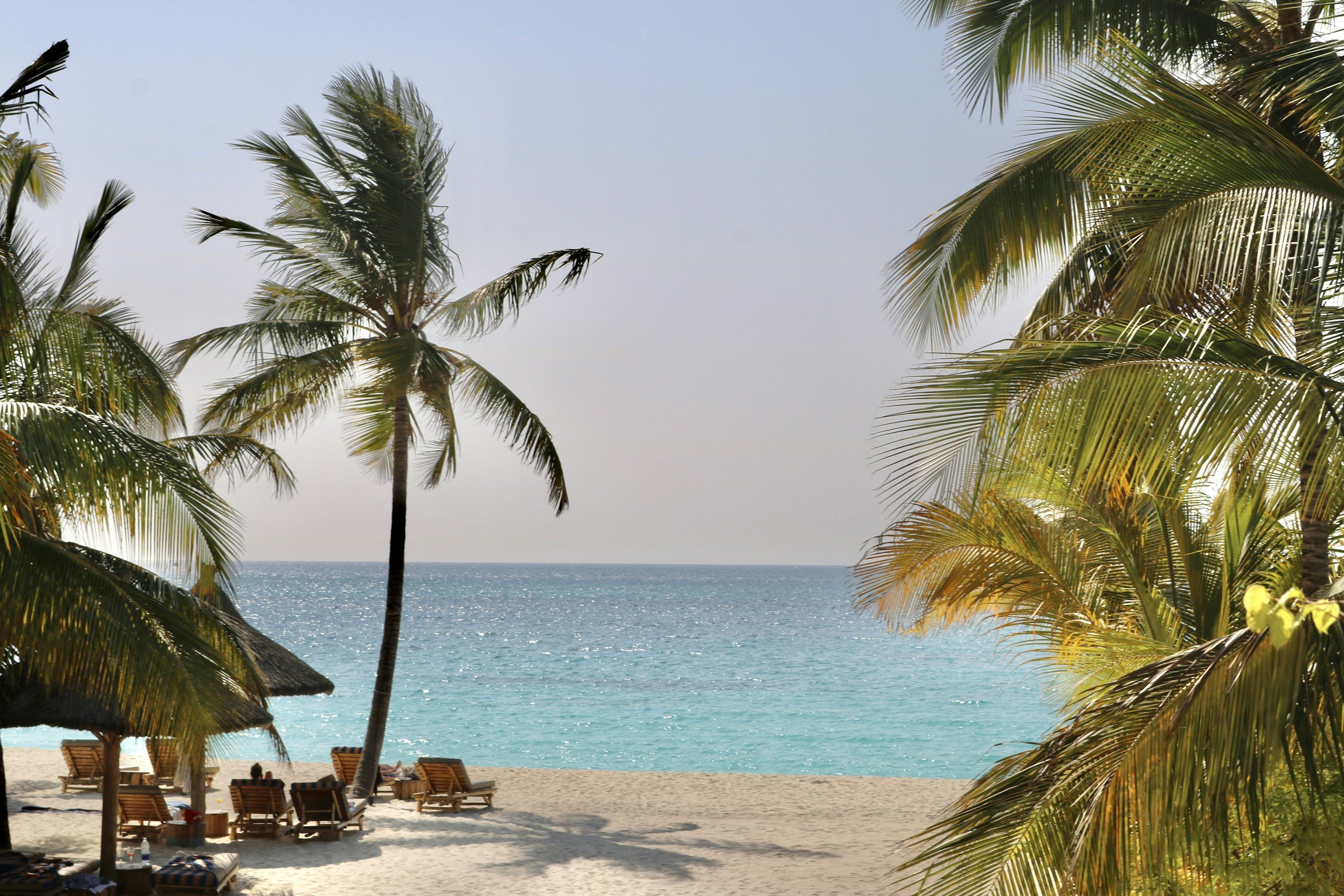
Welcome to Stone Town Zanzibar, the historic heart of Zanzibar City and a place where time seems to slow down. A UNESCO World Heritage site, this ancient port city is a captivating labyrinth of narrow alleys, bustling bazaars, and grand Arab houses with spectacular carved wooden doors. Its rich history is a tapestry woven from a thousand years of cultural fusion, blending African, Arab, Persian, Indian, and European influences into a unique Swahili civilization.
Once a flourishing hub for the spice and slave trades, Stone Town today is a living museum. As you wander its streets, you’ll feel the echoes of its past, from the call to prayer drifting from minarets to the scent of cloves and cardamom hanging in the air. This guide will walk you through everything you need to know to make your visit to Stone Town Zanzibar an unforgettable adventure.
| Category | Fast Facts for 2026 |
|---|---|
| Vibe | Historic, labyrinthine, aromatic, soulful |
| Must-try food | Zanzibar Pizza & Sugarcane Juice (Forodhani Gardens) |
| Top landmark | The Old Fort (Ngome Kongwe) |
| Modesty level | High (shoulders and knees covered) |
| Connectivity | 5G available in main squares; e-SIMs recommended |
| Best transport | Walking (no cars allowed in the core) |
Planning Your Trip: What to Know Before You Go
A little preparation goes a long way in making your visit smooth and enjoyable. Here are the essentials for planning your trip to Stone Town Zanzibar.
Essential Travel Tips
Cultural Respect: Zanzibar’s population is over 99% Muslim. To show respect for local customs, it’s best to dress modestly when walking around town. Covering your shoulders and knees is a simple and appreciated gesture.
Currency: The local currency is the Tanzanian Shilling (TZS), but US dollars are widely accepted in hotels and for tours. It’s wise to carry some smaller USD bills (printed after 2006) for convenience. ATMs are available and dispense shillings.
Plastic Bag Ban: Remember that Tanzania implemented a strict ban on single use plastic bags in 2019. Do not bring any plastic carrier bags in your luggage, as they can be confiscated at the airport.
Visas: Most visitors will need a visa for Tanzania. You can get one on arrival or apply online in advance.
Digital Connectivity & Payments 2026: While cash (TZS) is king in the markets, most cafes and boutique hotels now accept contactless mobile payments and major credit cards. For data, skip the physical SIM card queues at the airport; e-SIMs (like Airalo or Holafly) now offer reliable 4G/5G coverage throughout Stone Town.
When to Visit
The best time to visit is during the two dry seasons, from June to October and again from January to February. During these months, you can expect sunny days and comfortable temperatures perfect for exploring. The main rainy season runs from March to May, with April being the wettest month. While you can find great deals on accommodation during this low season, some tours and hotels may close, and the narrow alleys can become temporarily flooded.
Accommodation in Stone Town
Stone Town offers a fantastic range of places to stay, from charming guesthouses tucked away in historic buildings to luxurious boutique hotels with rooftop pools and ocean views. Many accommodations are restored merchant houses or former palaces, allowing you to sleep surrounded by history. Staying within the old town itself gives you the best access to all the main sights, which are easily reachable on foot.
For a completely seamless trip, consider letting an expert handle the details. Duma Explorer can craft a custom itinerary that perfectly blends your time in historic Stone Town with a relaxing beach escape or an exhilarating mainland safari. For ideas, see how to fit multiple experiences into one East Africa trip.
Should You Stay in Stone Town or the Beach?
Most travelers find that 2 nights in Stone Town followed by 4–5 nights at a beach resort (like Nungwi or Paje) is the perfect balance.
Choose Stone Town for: Culture, history, food tours, and architecture.
Choose the North/East Coast for: Diving, white sand, and "toes-in-the-sand" relaxation.
Exploring the Heart of Stone Town on Foot
The best way to experience Stone Town is to get lost in it. The entire historic area covers just about one square kilometer, making it perfect for exploration on foot. Cars can’t navigate the cramped lanes, so put on some comfortable shoes and prepare to wander.
The Magic of an Alleyway Exploration
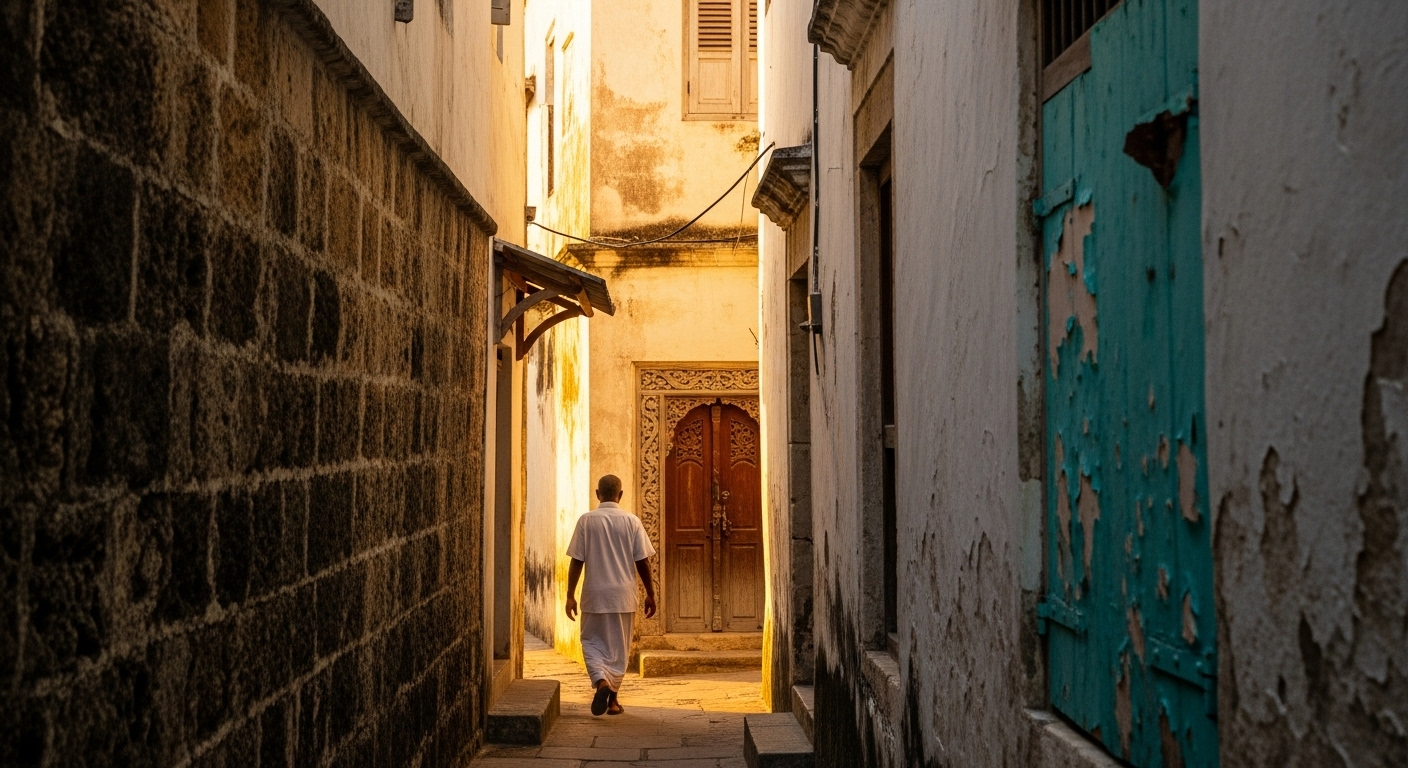
Getting lost in the labyrinth of Stone Town’s alleys is part of the fun. As you meander through the twisting corridors, you’ll discover hidden courtyards, kids playing soccer, and locals chatting on baraza benches (stone benches built into the sides of houses). Every turn reveals a new sensory experience, from the aroma of freshly baked bread to the vibrant colors of a souvenir shop. Don’t worry about losing your way; you’ll eventually emerge onto a main road or the beautiful seafront.
A guided walking tour of Stone Town can elevate this experience. A local guide brings the city to life, sharing stories of sultans, explorers, and merchants while pointing out architectural details you might otherwise miss. They can lead you to major landmarks and hidden gems, providing historical context that turns a simple walk into a fascinating journey through time.
The Iconic Zanzibari Doors
As you explore, you’ll quickly notice one of Stone Town’s most famous features: its magnificent carved doors. With over 560 historic doors, these are more than just entrances; they are symbols of wealth, status, and cultural identity. You can spot two main styles.
Arab Style Doors: These are typically rectangular and feature intricate geometric patterns or verses from the Quran.
Indian Style Doors: These often have a rounded top and are adorned with large brass studs, a design originally meant to deter war elephants in India but adopted in Zanzibar as a beautiful status symbol.
Jaws Corner and a Taste of Local Life
For an authentic slice of daily life, find your way to Jaws Corner. This unassuming street corner is an open air coffee spot where local men gather every day to sip strong, black coffee, play board games, and discuss the day’s news. It’s a social institution and a wonderful place to pause, people watch, and soak up the genuine community spirit of Stone Town Zanzibar.
Souvenir and Curio Shops
The alleys of Stone Town are lined with treasures. The souvenir and curio shops are perfect for finding unique mementos of your trip. Art lovers should also visit Forster Gallery in Stone Town to explore standout contemporary East African works. You can find everything from fragrant spice packages and colorful kanga fabrics to Tinga Tinga paintings and handcrafted jewelry. Bargaining is part of the culture, so feel free to negotiate politely. Buying from these small shops is a great way to support local artisans and take a piece of Zanzibar home with you.
The Perfect 2-Day Stone Town Itinerary
Day 1: The Deep Dive
Morning: Guided walking tour (start at 8:30 AM to beat the heat).
Afternoon: Visit the Slave Market Memorial and lunch at Lukmaan Restaurant.
Evening: Sunset at Africa House Hotel followed by Forodhani Night Market.
Day 2: Islands & Spices
Morning: Boat trip to Prison Island to see the Giant Tortoises.
Afternoon: Spice Farm tour (located just outside town).
Evening: Traditional Taarab music performance at the DCMA.
Iconic Landmarks and Rich History
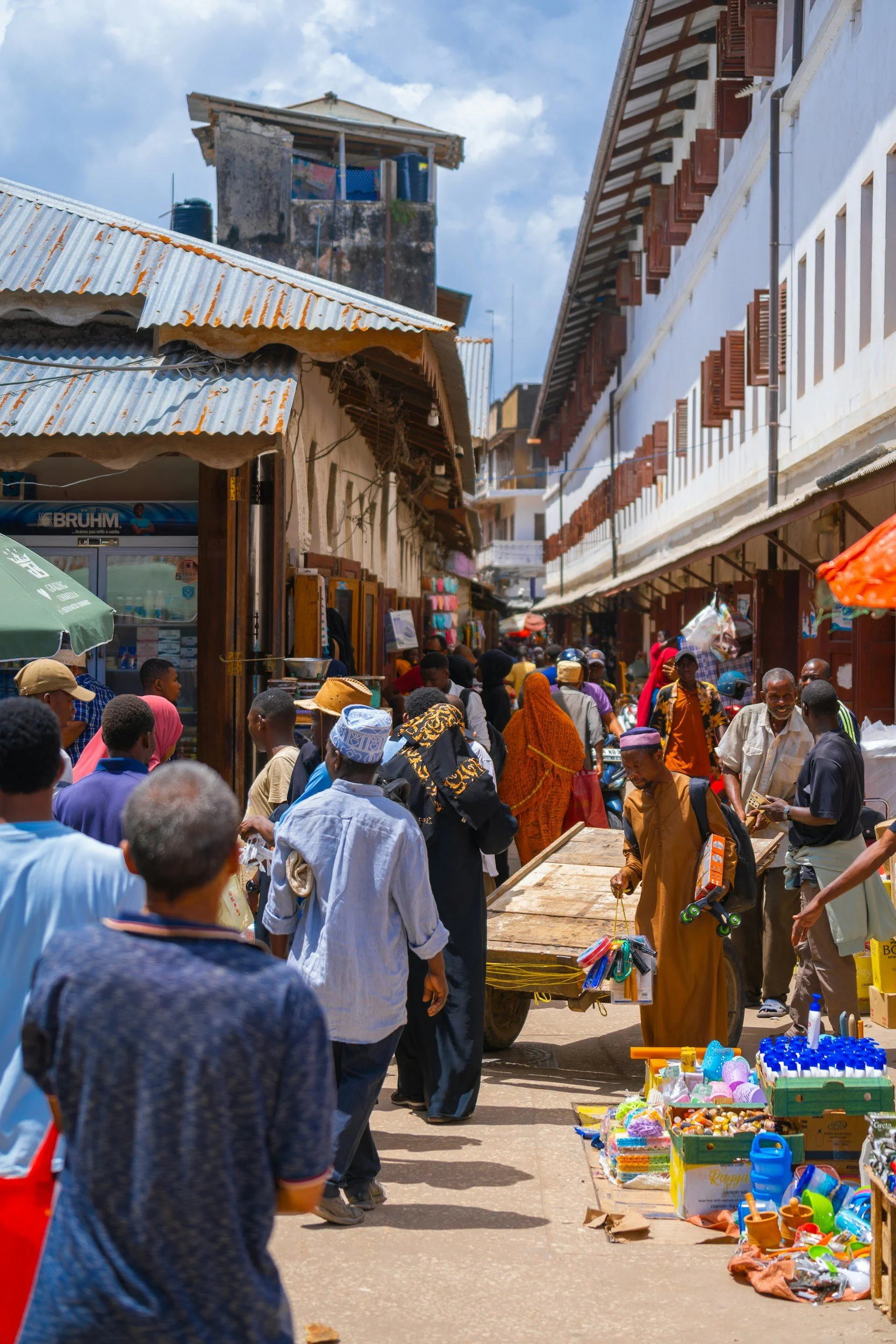
Stone Town is packed with historical sites that tell the story of its complex and often turbulent past. Each building has a story, and visiting them offers a deeper understanding of the island’s heritage.
The House of Wonders (Beit al Ajaib)
The grandest and most famous landmark on the seafront is the House of Wonders. Built in 1883, it earned its name by being the first building in Zanzibar to have electricity and an elevator. Sadly, a large part of the structure collapsed in 2020 during renovations. While you can’t go inside, you can still admire its imposing facade and learn about the ongoing efforts to restore this magnificent palace.
The Palace Museum (Sultan’s Palace)
Next to the House of Wonders stands the Palace Museum. This was once the residence of the Sultan and his family. Today, it offers a glimpse into the opulent royal life of the 19th century. You can wander through rooms filled with original furniture, personal belongings of the royal family, and exhibits on Zanzibar’s history, including the fascinating story of Princess Salme, a Sultan’s daughter who eloped to Europe.
The Old Fort (Ngome Kongwe)
The oldest building in Stone Town Zanzibar is the Old Fort. Constructed around 1700 by Omani Arabs to defend against the Portuguese, its massive stone walls have served as a garrison, a prison, and even a railway depot. Today, the fort is a cultural hub, housing an open air amphitheater, art galleries, and craft shops. It’s free to enter and offers great views from its ramparts.
Old Slave Market and Christ Church Cathedral
A visit to the site of the former Slave Market is a sobering but essential experience. This was the last legally operating slave market in East Africa, finally closed in 1873. The Anglican Christ Church Cathedral was built directly on the site as a symbol of hope and freedom. Its altar poignantly stands on the exact spot of the market’s main whipping post. You can tour the cathedral and descend into the cramped, dark chambers where enslaved people were held. The powerful memorial sculpture outside serves as a moving tribute to the victims of this dark chapter in history.
Other Historical Gems
The Old Dispensary: This stunningly ornate building on the waterfront is one of Stone Town’s most beautiful. Built in the late 19th century by a wealthy Indian merchant, its intricately carved balconies and stained glass windows are a photographer’s dream.
Hamamni Persian Baths: Commissioned by a Sultan in the 1880s, these were the first public baths in Zanzibar. Though no longer in use, you can take a tour to see the complex system of hot and cold rooms and learn about the social life that once centered here.
St. Joseph’s Cathedral: Built by French missionaries in the late 1890s, this Roman Catholic cathedral is easily recognizable by its twin spires. Its presence highlights the diverse religious history of the island.
Freddie Mercury House and Museum: The legendary Queen frontman was born in Zanzibar as Farrokh Bulsara. The house where he spent his early years is now a small museum dedicated to his life and is a popular pilgrimage site for fans.
Unforgettable Experiences in and Around Stone Town
Beyond the historical sites, Stone Town offers a wealth of activities that connect you with its vibrant culture and stunning natural surroundings.
Forodhani Gardens Night Market
As the sun sets, Forodhani Gardens on the seafront transforms into a bustling open air food market. This is the best place to sample Zanzibari street food. Vendors fire up their grills, serving fresh seafood skewers, samosas, and the famous Zanzibar “pizza” (a savory filled crepe). Don’t leave without trying a glass of freshly pressed sugarcane juice with ginger and lime.
Watch the Sunset on the Seafront
The daily sunset is a spectacle in itself. Join locals and travelers along the waterfront to watch the sun dip below the horizon. The sky explodes in color, silhouetting the dhows sailing in the harbor. It’s a perfect, peaceful end to a day of exploration. For an even better view, consider a rooftop restaurant. Perched atop historic buildings, these spots offer panoramic vistas, delicious food, and a magical atmosphere, especially after dark.
Sunset Dhow Cruise
For a truly iconic Zanzibar experience, take a sunset dhow cruise. Sailing on a traditional wooden boat as the sky turns orange and pink is incredibly romantic and relaxing. Many cruises include snacks and drinks, and some even have live Taarab musicians on board, creating an unforgettable evening on the water.
Prison Island (Changuu) Day Trip
A short boat ride from Stone Town takes you to Prison Island. Despite its name, the island was never used as a long term prison but rather as a quarantine station. Today, its main attraction is a sanctuary for Aldabra giant tortoises. Some of these gentle giants are over 150 years old. You can feed them, learn about their history, and then enjoy a swim or snorkel in the clear turquoise waters.
Immerse Yourself in Local Culture
Swahili Cooking Lesson: Dive into the flavors of the Spice Island with a hands on cooking class. You’ll often start with a trip to the bustling Darajani Market to buy fresh ingredients before learning to prepare classic Swahili dishes like spiced pilau rice or coconut fish curry.
Mrembo Spa: Indulge in a traditional spa treatment using local spices and natural ingredients. A spice scrub with cloves, cinnamon, and sandalwood will leave you feeling refreshed and smelling divine, connecting you directly to the island’s aromatic heritage.
The Rhythm of Stone Town: Music, Festivals, and Nightlife
The cultural pulse of Stone Town Zanzibar is strong, with music and celebrations playing a central role in island life.
Taarab Music and the Dhow Countries Music Academy
The soulful sound of Zanzibar is Taarab music, a beautiful blend of Swahili poetry with Arab, Indian, and African musical traditions. To dive deeper into the islands’ sounds and influences, read about music in Tanzania, the Kiswahili soundtrack to your safari. To hear it live, visit the Dhow Countries Music Academy (DCMA). This music school is dedicated to preserving and promoting the region’s musical heritage and often hosts free concerts and jam sessions.
Festivals in Stone Town
If your trip aligns, you’re in for a treat. Stone Town hosts two major international festivals:
Sauti za Busara: Held every February, this pan African music festival brings musicians and fans from across the continent to the Old Fort for several nights of incredible live performances. Get a feel for what to expect at Sauti za Busara.
Zanzibar International Film Festival (ZIFF): Usually held in July, ZIFF is one of East Africa’s largest cultural events, showcasing films from around the world in venues across the city.
Stone Town Nightlife
Nightlife in Stone Town is more relaxed than rowdy. Evenings are about enjoying a good meal at a rooftop restaurant, sipping a cocktail at a hotel bar with an ocean view, or listening to live Taarab music. While there are a few bars that stay open later, the general vibe is laid back and social, perfectly suited to the island’s character.
Ready to explore the magic of Stone Town Zanzibar? Whether you’re planning a standalone cultural getaway or looking to add an island escape to a thrilling Tanzanian safari, this enchanting city awaits, and you can start with these 7 to 10 day Tanzania safari itineraries. Let Duma Explorer help you design the perfect journey to the heart of the Swahili Coast.
Traveling Responsibly in Stone Town
Photography: Always ask "Hujambo" (Hello) and request permission before taking photos of locals, especially elders.
Water: To reduce plastic waste, use the filtered water stations now available in many boutique hotels rather than buying single-use bottles.
Support Local: Buy souvenirs from the Hurumzi Street artisans rather than mass-produced items in the main tourist stalls.
Frequently Asked Questions About Stone Town Zanzibar
How many days do I need in Stone Town Zanzibar?
Two to three full days is ideal. This gives you enough time for a walking tour, visiting the major historical sites, enjoying a sunset cruise, and exploring the markets without feeling rushed.
Is Stone Town Zanzibar safe for tourists?
Yes, Stone Town is generally very safe for tourists. As with any city, it’s wise to be aware of your surroundings, especially at night. Stick to well lit areas after dark and keep your valuables secure in crowded places like the market.
What is the best time of year to visit Stone Town Zanzibar?
The best times to visit are during the dry seasons from June to October and January to February. The weather is sunny and pleasant, perfect for walking and outdoor activities.
What should I wear when exploring Stone Town?
Lightweight, breathable clothing is best for the tropical climate. Out of respect for the local Muslim culture, it is recommended to dress modestly by covering your shoulders and knees when walking through the town.
Can I use US dollars in Stone Town?
Yes, US dollars are widely accepted at most hotels, restaurants, and tour companies. However, it’s a good idea to have some Tanzanian Shillings for smaller purchases at local shops and markets.
Is it easy to get lost in Stone Town Zanzibar?
Yes, and that’s part of the adventure! The maze of alleys can be confusing, but the area is small, so you can’t get lost for long. Sooner or later, you will find your way back to a familiar landmark or the seafront.
