

The Great Migration in East Africa 2026: The Ultimate Guide
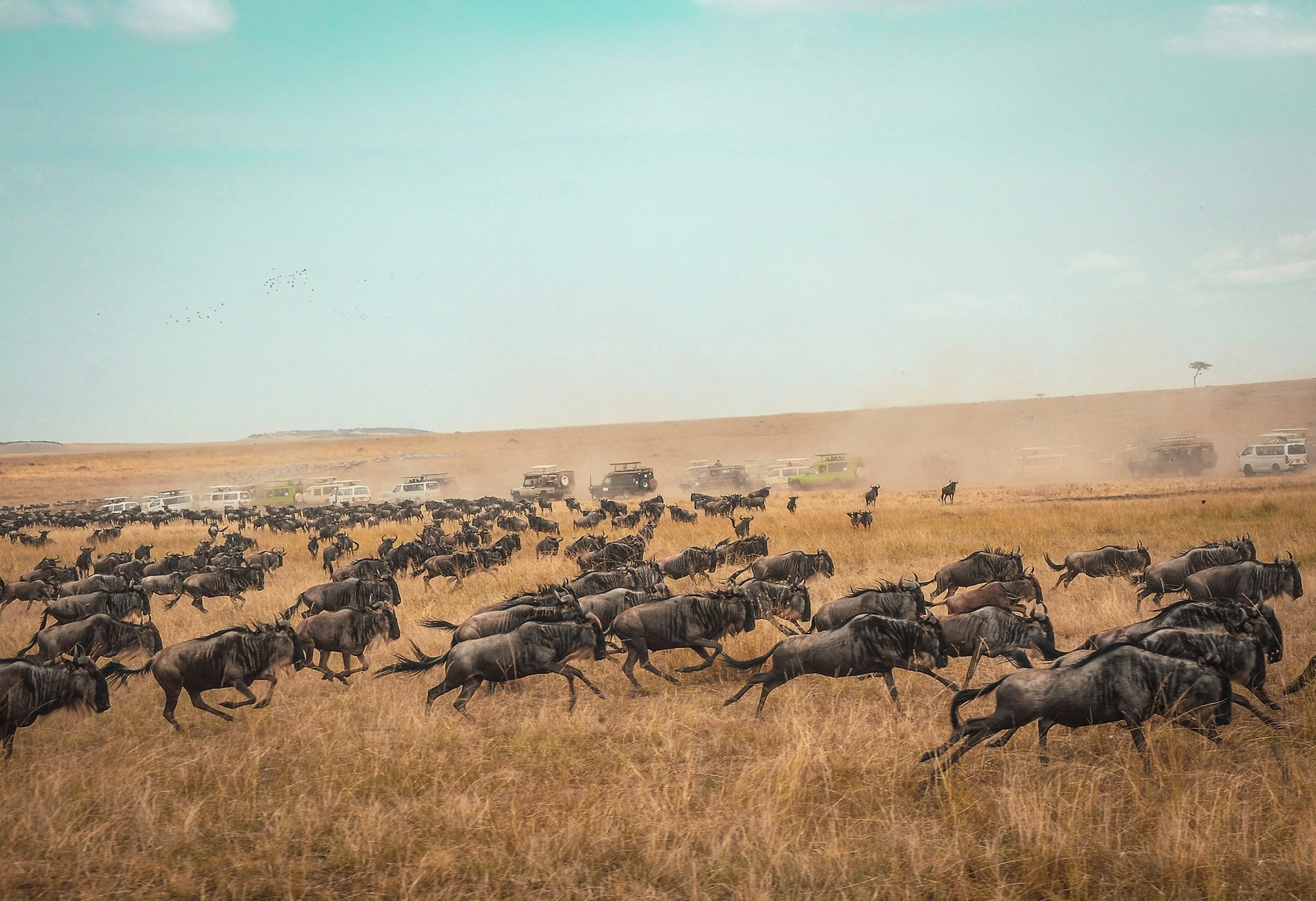
The Great Migration in East Africa is widely considered the greatest wildlife spectacle on Earth. Every year more than two million animals move across the vast Serengeti Mara ecosystem in search of fresh grass and water. This incredible natural event spans northern Tanzania and southern Kenya and includes over 1.5 million wildebeest, hundreds of thousands of zebras, and large numbers of gazelles.
The migration is not a single moment or event. It is a continuous annual cycle driven by rainfall and grazing patterns. Herds move in a clockwise loop across the ecosystem throughout the year, creating different safari experiences depending on the month you visit.
From the dramatic Mara River crossings to the extraordinary calving season in the southern Serengeti, the Great Migration offers unforgettable wildlife encounters for travelers and photographers alike.
This guide explains when and where to witness the migration and how to plan your safari for the best possible experience.
🦬 Key Takeaways
What You Need to Know Before Planning a Great Migration Safari in East Africa
2+ million animals — over 1.5 million wildebeest, 250,000 zebras, and 300,000 gazelles — participate in the annual migration loop.
The migration never stops. It is a continuous, year-round clockwise cycle across 25,000+ square kilometers of Tanzania and Kenya.
Best for river crossings: July–September in the Northern Serengeti and Kenya's Maasai Mara. This is peak Great Migration season.
Best for calving season: January–March in the southern Serengeti and Ndutu. Up to 8,000 wildebeest calves are born per day at peak.
Tanzania hosts the herds for ~9 months of the year. Kenya's Maasai Mara delivers the famous Mara River crossings from July to October.
No crossing can be guaranteed — wildebeest are unpredictable. Plan at least 3–4 days in key areas to maximize your chances.
Book 12+ months in advance for peak-season camps near the Mara River. The best positions sell out extremely early.
What Is the Great Migration
The Great Migration is the largest overland wildlife migration on Earth.
Each year the herds travel roughly 800 kilometers or 500 miles through the Serengeti Mara ecosystem. The migration includes:
Over 1.5 million wildebeest
Around 250,000 zebras
Approximately 300,000 gazelles
Together these animals form massive moving herds that reshape the landscape and sustain the ecosystem.
The migration is driven almost entirely by rainfall and the availability of fresh grass. As seasonal rains move across East Africa, the animals follow the green pastures.
Predators such as lions, cheetahs, hyenas, and crocodiles follow the herds, creating some of the most dramatic wildlife interactions on the planet.
Where the Great Migration Takes Place
The migration takes place across a vast ecosystem covering more than 25,000 square kilometers.
The main areas involved include:
Serengeti National Park, Tanzania
The Serengeti hosts the herds for most of the year and is where calving season occurs.
Maasai Mara National Reserve, Kenya
The Mara is famous for the spectacular Mara River crossings that take place between July and October.
Grumeti River Region, Western Serengeti
Another important crossing point where crocodiles wait as the herds attempt to cross.
These regions together form the Serengeti Mara ecosystem, one of the most important wildlife areas in the world.
How the Migration Moves Throughout the Year
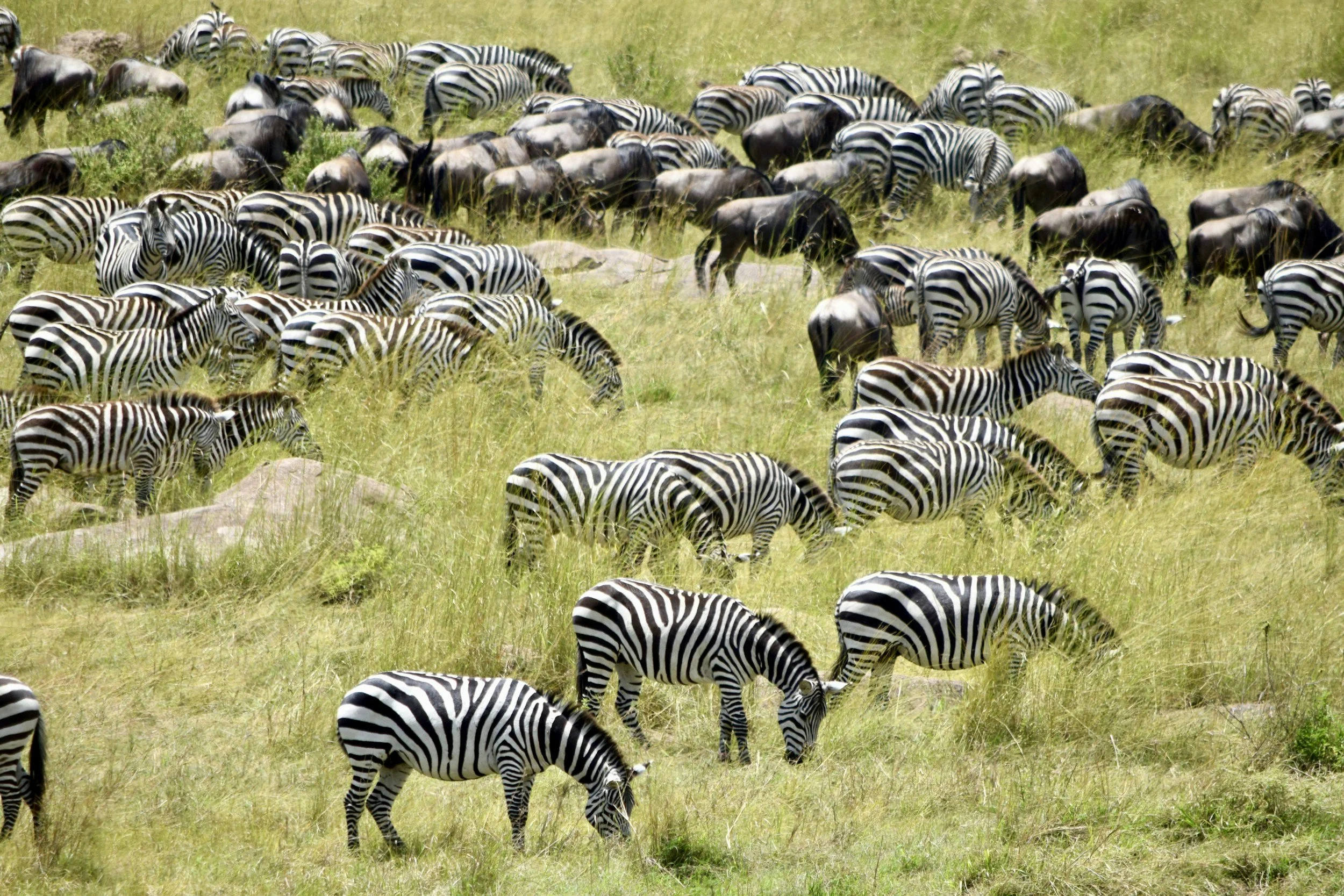
The migration follows a seasonal cycle. The herds move in response to rainfall patterns and the growth of new grass.
While exact timing changes each year, the general pattern remains consistent.
January to March
Calving season takes place in the southern Serengeti and the Ndutu region. Hundreds of thousands of wildebeest calves are born during this period. Predator activity is extremely high as lions, cheetahs, and hyenas hunt the vulnerable newborns.
April to June
As rains begin to move north, the herds start migrating through the central Serengeti. This is a period of massive herd movement and excellent predator sightings.
June to July
The migration approaches the western Serengeti and the Grumeti River. Here the animals face their first major river crossings.
July to September
The herds reach the northern Serengeti and Maasai Mara. This is when the famous Mara River crossings occur. Thousands of animals attempt dangerous crossings while crocodiles wait in the water.
October to November
After spending time in the Maasai Mara, the herds begin moving south again toward the Serengeti.
December
The migration returns to the southern Serengeti as the short rains begin, completing the annual cycle.
Great Migration Month-by-Month Movement
| Month | Migration Location | Key Wildlife Activity | Best Safari Experience |
|---|---|---|---|
| January | Southern Serengeti (Ndutu Plains) | Start of calving season | Newborn wildebeest and predator activity |
| February | Southern Serengeti | Peak calving season | Thousands of calves born daily |
| March | Southern Serengeti | Large herds grazing | Predator sightings and large herd movement |
| April | Central Serengeti | Herds begin moving north | Mass migration movement |
| May | Central Serengeti | Massive herd columns | Excellent photography opportunities |
| June | Western Serengeti | Grumeti River crossings begin | Crocodile encounters and river drama |
| July | Northern Serengeti | Mara River crossing begins | Iconic migration crossings |
| August | Maasai Mara | Peak river crossing season | Most dramatic migration moments |
| September | Maasai Mara | Herds spread across Mara | Excellent predator encounters |
| October | Northern Serengeti | Herds begin returning south | Less crowded safari viewing |
| November | Central Serengeti | Short rains begin | Green landscapes and herd movement |
| December | Southern Serengeti | Migration cycle resets | Herds returning to calving grounds |
Best Time to See the Great Migration
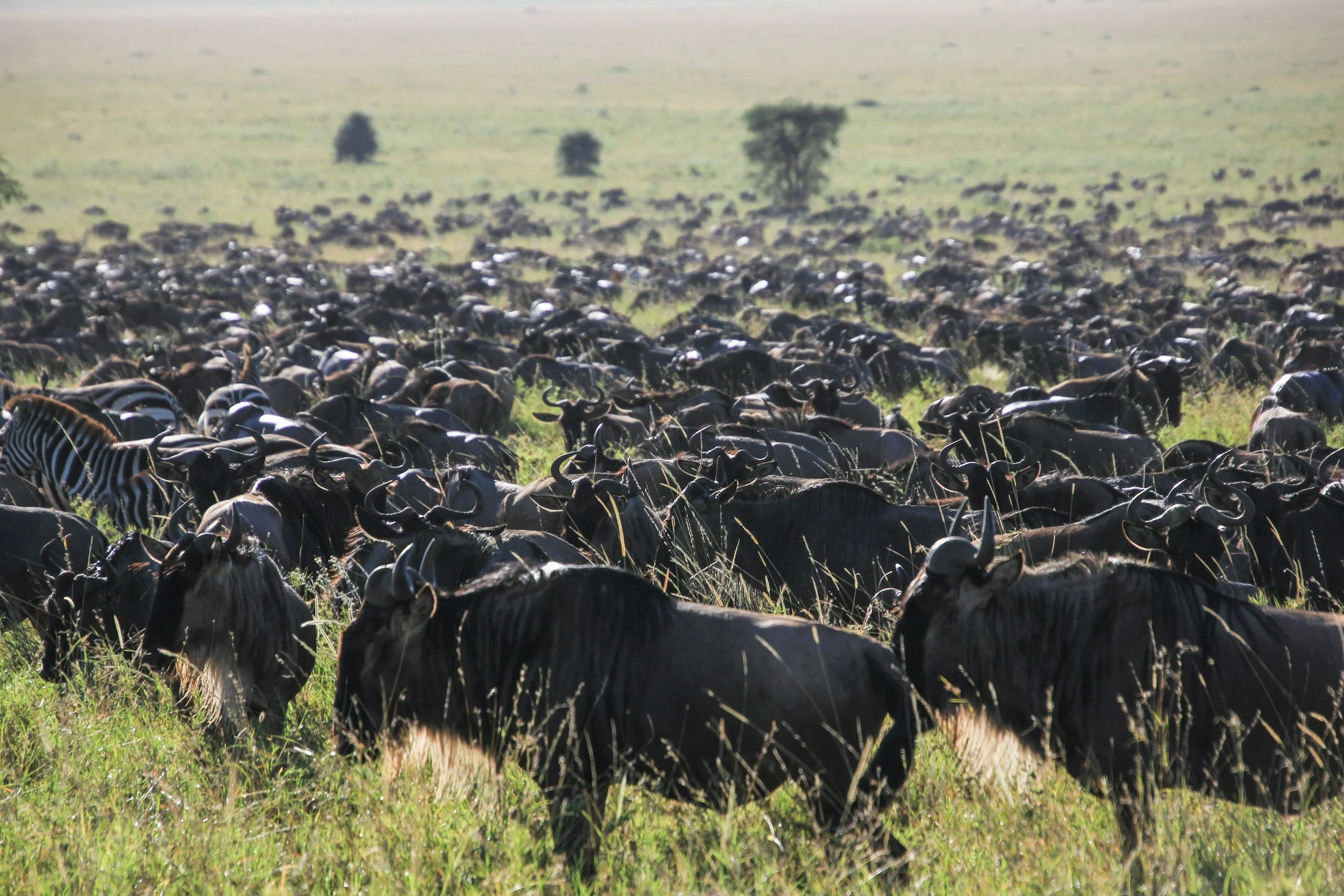
The best time to see the migration depends on the experience you want.
For calving season and predator action
Visit January to March in the southern Serengeti.
For river crossings
Visit July to September in the northern Serengeti or Maasai Mara.
For large moving herds
Visit April to June in the central Serengeti.
Because the migration is active year round, every month offers a unique safari experience.
Best Time to See the Great Migration
| Safari Experience | Best Months | Location |
|---|---|---|
| Calving Season | January – March | Southern Serengeti and Ndutu |
| Massive Herd Movement | April – June | Central Serengeti |
| Grumeti River Crossings | June – July | Western Serengeti |
| Mara River Crossings | July – September | Northern Serengeti and Maasai Mara |
| Migration Return South | October – December | Central and Southern Serengeti |
Why the Great Migration Is So Important
The migration is not only spectacular to witness. It is also essential to the health of the ecosystem.
The moving herds help maintain grasslands by grazing and fertilizing the soil. Their presence supports predators and scavengers throughout the region.
Without the migration, the Serengeti Mara ecosystem would not function in the same way.
Planning a Great Migration Safari
To maximize your chances of seeing dramatic wildlife events, planning your safari carefully is essential.
Consider the following tips:
Choose your timing based on the experience you want
Spend at least three to four days in one location during migration season
Work with experienced guides who track herd movement
Consider visiting both Tanzania and Kenya for a complete migration experience
Professional safari operators monitor herd movements daily and can adjust itineraries to increase your chances of witnessing key moments such as river crossings.
Frequently Asked Questions
What is the best time to see the Great Migration
The best time depends on what you want to witness. For the dramatic Mara River crossings, visit July to September. For calving season with newborn wildebeest and intense predator activity, visit January to March in the southern Serengeti. The migration happens year round, so every month offers unique wildlife experiences.
Where does the Great Migration take place
The migration takes place across a 25,000 plus square kilometer ecosystem spanning Tanzania's Serengeti National Park and Kenya's Maasai Mara National Reserve. The herds move in a clockwise loop between these regions each year.
Is Tanzania or Kenya better for the Great Migration
Both countries offer incredible experiences. Tanzania hosts the herds for about nine months of the year and includes calving season and the Grumeti River crossings. Kenya's Maasai Mara is famous for the Mara River crossings from July to October. Many travelers visit both countries.
Can you guarantee seeing a Mara River crossing
No safari operator can guarantee a river crossing. The animals behave unpredictably and may wait days before crossing or cross multiple times in a single day. Spending at least three to four days in the Northern Serengeti or Maasai Mara increases your chances.
How many animals are involved in the migration
The migration includes more than 1.5 million wildebeest, around 250,000 zebras, and about 300,000 gazelles. In total more than two million animals participate in the migration.
Is the Great Migration suitable for families
Yes. Witnessing the migration can be an extraordinary educational experience for children and adults. Parents should be aware that predator activity and natural deaths are part of the ecosystem and may occur during game drives.
How far do the animals travel
The herds travel approximately 800 kilometers or 500 miles each year as they move across the Serengeti Mara ecosystem following rainfall and fresh grazing.
