

How to Fit Multiple Experiences Into One East Africa Trip
East Africa isn’t just a destination; it’s a world of adventure packed into one magnificent region. From the thundering herds of the Serengeti to the misty jungles home to mountain gorillas, the sheer diversity can feel overwhelming. You might be wondering how to fit multiple experiences into one East Africa trip without it feeling rushed or disjointed. The great news is, with smart planning, you can absolutely create a seamless journey that combines epic wildlife, breathtaking landscapes, and rich cultural encounters.
Quick Answer: How to Combine Multiple East Africa Experiences
To successfully fit multiple experiences like the Great Migration and Gorilla Trekking into one trip, plan for a minimum of 12 to 14 days. The most efficient 2026 strategy is to use the East African Tourist Visa ($100) to move between Kenya, Uganda, and Rwanda, while using regional bush flights to connect remote hubs like the Serengeti and Bwindi Forest, saving up to 9 hours of driving per leg.
This guide is your blueprint. We’ll walk through every step, from defining your dream trip to navigating the on the ground logistics, showing you exactly how to craft an unforgettable, multi faceted adventure.
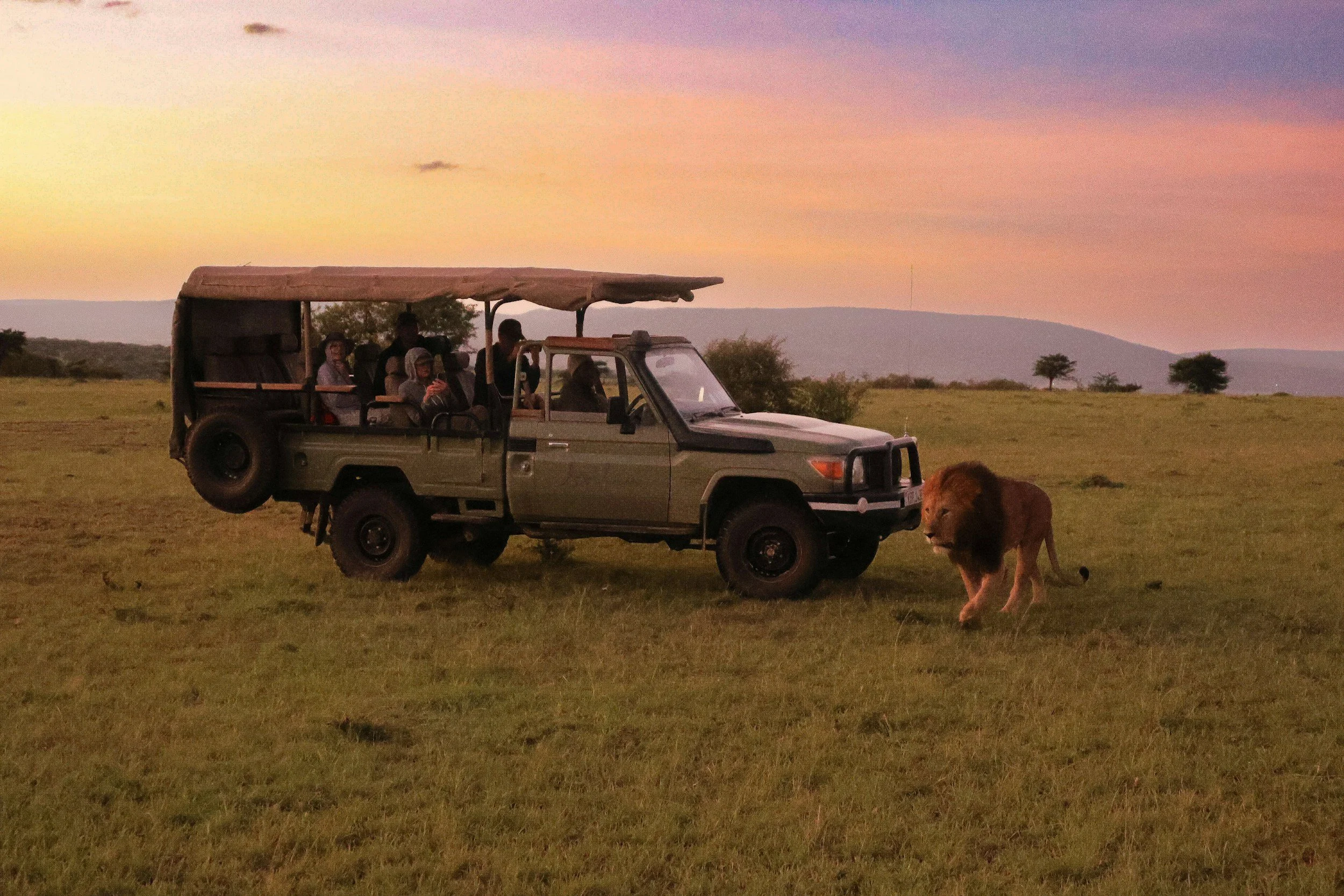
East Africa Highlights: Regional Comparison at a Glance
| Experience | Best Country | Ideal Duration | Top High-Value Add-on |
|---|---|---|---|
| The Big Five & Migration | Tanzania / Kenya | 7–10 Days | Hot Air Balloon Safari |
| Gorilla & Chimp Trekking | Uganda / Rwanda | 3–5 Days | Batwa Cultural Trail |
| Adventure & Trekking | Tanzania (Kili) | 6–8 Days | Coffee Farm Tour |
| Beach & Relaxation | Zanzibar (Tanzania) | 4–5 Days | Stone Town Spice Tour |
| Primate & Savannah Mix | Uganda | 10–12 Days | Murchison Falls Boat Trip |
Start with Your Vision: Defining Your Perfect Trip
Before you look at maps or book a single lodge, the most important step is to look inward. A successful trip is one that aligns with your personal travel dreams.
1. Travel Goal Setting: What’s Your “Why”?
What is the one thing you absolutely must do or see? Is it witnessing the Great Migration? Coming face to face with a silverback gorilla? Summiting Kilimanjaro? A 2024 survey ranked going on an African safari as the #8 most desired travel experience worldwide, so you’re in good company. By defining your primary goals, you create a “why” for your trip. This purpose will guide every other decision, ensuring the final itinerary is a true reflection of what you want, whether it’s a luxurious honeymoon or a family bonding adventure.
2. Top Multi-Country Combinations for 2026
The "Grand Migration" Circuit (Kenya & Tanzania)
Best for: First-timers and Big Cat enthusiasts.
The Flow: Start in Nairobi (Maasai Mara) and cross into the Serengeti (Tanzania).
Logistics Tip: Use the Isebania border for a land crossing, or fly from Wilson Airport (Nairobi) directly to Serengeti airstrips.
The "Primate & Plains" Explorer (Uganda & Kenya/Tanzania)
Best for: Bucket-list seekers.
The Flow: Fly into Entebbe for Bwindi Gorilla trekking, then take a regional flight to the Maasai Mara.
Logistics Tip: Leverage the East African Tourist Visa ($100) which covers Kenya, Uganda, and Rwanda on a single entry.
3. Destination Selection: Pinpointing Your Must See Spots
Once you’ve chosen your countries, it’s time to zoom in on specific parks and reserves. Tanzania alone boasts 23 national parks. Will you focus on the Serengeti, home to the planet’s largest migratory herds? Or perhaps Kenya’s Maasai Mara, legendary for its big cat sightings and dramatic river crossings? Maybe you’ll add Uganda’s lush forests for gorilla trekking or Zanzibar for a dose of history and beach relaxation. Choosing your destinations is about matching locations to your goals and ensuring each stop adds a new, exciting layer to your journey.
The Nuts and Bolts of Itinerary Planning
With your core destinations in mind, the next challenge is connecting the dots in a way that makes sense. This is where a little logistical magic turns a list of places into a flowing adventure.
1. Route Planning and Sequencing: Connecting the Dots
A well planned route is efficient and logical, minimizing backtracking and long, tedious travel days. Instead of zig zagging, your safari should flow from one park to the next. For example, a classic northern Tanzania circuit starts in Arusha, moves through Tarangire, then loops through the Serengeti and Ngorongoro Crater. Planning a multi country safari is exponentially more complex, as you have to align border crossings, visa rules, and flight schedules. The goal is to maximize your time enjoying the wildlife, not sitting in a vehicle or airport.
2. Seasonal and Migration Timing: Being in the Right Place at the Right Time
When you travel is just as important as where. East Africa has distinct dry and wet seasons that dramatically impact wildlife viewing. For a month-by-month breakdown, see our guide to choosing the best time for your African safari adventure. The dry season (June to October) is peak safari time, with animals gathering at water sources. However, the green season (April to May and November) offers lush landscapes, newborn animals, and fewer crowds.
The Great Migration is the ultimate timing challenge. This year round cycle sees over 1.5 million wildebeest moving through the Serengeti and Maasai Mara. To see the dramatic Mara River crossings, you’ll want to be there between July and September. For the calving season, when 500,000 babies are born, you’ll need to be in the southern Serengeti from January to March.
3. Time Allocation per Stop: How Long Should You Stay?
One of the biggest mistakes first time visitors make is trying to see too much too quickly. A whirlwind tour of one night stops leads to a lot of travel and not enough time for wildlife. Experts recommend a minimum of two to three nights in major parks like the Serengeti or Maasai Mara. This gives you multiple game drives and a better chance to witness unique animal behaviors. Remember, the average safari is about 5 to 7 days, so focusing on two or three parks deeply is often more rewarding than skimming the surface of five.
4. Flight and Ground Transport Optimization: Getting Around Smartly
East Africa is vast, and getting around requires a smart mix of driving and flying. Driving in a 4x4 Land Cruiser is perfect for game drives and seeing the countryside between nearby parks. But for long distances, like from the Serengeti to Zanzibar, a short bush flight can save you an entire day of travel. These small planes have strict luggage limits, typically 15 kg per person in soft sided bags, but they are a game changer for anyone wondering how to fit multiple experiences into one East Africa trip without spending all their time in transit. A hybrid approach, driving scenic circuits and flying over long stretches, is often the best strategy.
Curating Your Adventures: From Safaris to Summits
Now for the fun part: deciding what you’ll actually do. East Africa offers an incredible menu of activities beyond the traditional game drive.
1. Safari Experience Choice: Beyond the Game Drive
Think beyond the 4x4. You can float over the Serengeti plains in a hot air balloon at sunrise (an unforgettable experience for about $599 per person), get up close with nature on a guided walking safari, or glide past hippos on a boat safari in Nyerere National Park. Keep in mind that activities like night drives and off roading are often restricted in national parks but may be allowed in private conservancies. Mixing these experiences adds different perspectives to your adventure.
2. Primate Trekking Integration: Meeting the Great Apes
For many, seeing mountain gorillas or chimpanzees in the wild is a profound, life changing experience. This usually means adding Uganda or Rwanda to your itinerary. Gorilla trekking was ranked the #11 top bucket list experience for 2024, and for good reason. The logistics require careful planning, as you must secure a permit for a specific date, often months in advance. The trek can be strenuous, but the reward of spending an hour just feet away from a gorilla family is indescribable.
3. Beach Extension Planning: The Classic “Bush and Beach” Combo
After dusty trails and early morning game drives, there’s nothing better than unwinding on a tropical beach. The “bush and beach” combo is a classic for a reason, and Zanzibar is the most popular choice. Interest in safari and beach holidays has grown by about 20% recently, as travelers seek both adventure and relaxation. A quick flight can take you from the heart of the Serengeti to the white sands of Zanzibar, allowing you to seamlessly transition from khaki shorts to flip flops.
4. Cultural Immersion Planning: Connecting with People
East Africa’s incredible wildlife exists alongside vibrant human cultures—especially Tanzania’s cultural heritage. Incorporating authentic cultural visits, like spending time with a Maasai community in Kenya or learning ancient survival skills from the Hadzabe people in Tanzania, adds a powerful human dimension to your trip. When done respectfully and in partnership with the community, these interactions often become the most cherished memories of a safari.
5. Adventure Activity Add On: For the Thrill Seekers
If you want to add a physical challenge to your trip, East Africa delivers. The ultimate adventure add on is climbing Mount Kilimanjaro, Africa’s highest peak. It was even voted the #4 dream travel experience in the world. A Kili trek takes about a week and requires good fitness, but no technical skill. Other options include trekking Mount Kenya, white water rafting on the Nile in Uganda, or scuba diving off the coast. An adventure activity is a great way to add another layer of accomplishment to your journey.
Mastering the Practical Details
Great trips are built on solid logistics. Getting these details right ensures your journey is smooth, safe, and stress free.
1. Visa and Border Crossing Planning: Your Paperwork Checklist
Navigating entry requirements is crucial for a multi country trip. While the East African Tourist Visa simplifies travel between Kenya, Uganda, and Rwanda, you’ll still need a separate visa for Tanzania. Always check the latest rules for your nationality well in advance. And if you’re crossing land borders, be prepared with all your documents, including proof of Yellow Fever vaccination, which is often required when traveling between neighboring countries.
2. Permit Booking Strategy: Securing Your Spot
For certain high demand activities, permits are non negotiable. Gorilla trekking permits in Uganda ($700) and Rwanda ($1500) are extremely limited and can sell out a year in advance. Your strategy should be to lock in your permit date first, then build the rest of your itinerary around it. A good local operator will handle this for you, but early planning is key.
3. Accommodation Strategy: Where You’ll Rest Your Head
Your accommodation is more than just a place to sleep; it’s part of the experience. From luxury lodges with plunge pools to intimate tented camps where you can hear lions roaring at night, the options are vast. A good strategy involves mixing accommodation styles for variety and choosing locations that fit your itinerary. The best camps are often small and book up early, so deciding on your lodging well in advance is a critical part of planning how to fit multiple experiences into one East Africa trip.
4. Health and Vaccination Preparation: Staying Safe and Healthy
Consult a travel doctor 4 to 8 weeks before your trip. You’ll likely need vaccinations like Yellow Fever and Typhoid, as well as anti malarial medication. Pack a personal first aid kit, insect repellent, and high SPF sunscreen. Most importantly, secure comprehensive travel insurance that includes medical evacuation, giving you peace of mind while you’re out in the bush.
5. Packing Essentials: What to Bring
Pack light and smart. Choose lightweight, layered clothing in neutral colors. A warm fleece for chilly mornings, a wide brimmed hat, and sturdy walking shoes are must haves. Binoculars are essential for wildlife viewing, one pair per person is ideal. And remember to pack everything in a soft sided duffel bag, especially if you’re taking any internal bush flights.
6. Flexibility and Buffer Day Planning: The Secret to a Stress Free Trip
Travel in Africa can be unpredictable. Flights can be delayed, roads can be rough, and wildlife doesn’t operate on a schedule. Building a buffer day or two into your itinerary provides a safety net for unexpected changes and allows for spontaneous opportunities. It transforms a rigid schedule into a relaxed adventure, giving you the freedom to linger an extra hour with a leopard in a tree without feeling rushed.
Bringing It All Together: From Plan to Reality
With all the pieces in place, it’s time to weave them into a journey that tells a story. This is where the magic happens.
1. The Cohesive Trip Narrative: Telling a Great Story
The best trips have a natural flow, like a story with a beginning, middle, and end. Your itinerary should build purposefully, with each stop complementing the last. You might start with the raw wilderness of a remote park, build to the spectacle of the Great Migration, and end with quiet reflection on a tranquil beach. This narrative arc makes the journey feel cohesive and emotionally satisfying.
2. Local Operator Selection: Why On the Ground Expertise Matters
Planning a complex, multi country trip is a huge undertaking. Partnering with a reputable local tour operator can be the single best decision you make. A company based in East Africa, like the Tanzania specialists at Duma Explorer, has the on the ground knowledge to handle complex logistics, secure permits, and troubleshoot any issues that arise. They live and breathe this region, and their expertise is invaluable in crafting a seamless and authentic experience.
3. Popular Itinerary Idea: The Kenya-Tanzania Migration Circuit
This is the ultimate safari for wildlife lovers, following the Great Migration through the vast, unfenced ecosystem of the Serengeti and Maasai Mara. You’ll witness different stages of the epic journey, from the dramatic river crossings to the massive herds grazing on the endless plains.
4. Popular Itinerary Idea: The Uganda-Rwanda Primate Trail
This itinerary focuses on intimate encounters with our closest relatives. It combines gorilla trekking in the misty mountains of Uganda and Rwanda with chimpanzee tracking in lush forests. It’s a journey that’s more about hiking and deep connection than a traditional vehicle based safari.
5. Popular Itinerary Idea: The Kenya-Tanzania-Zanzibar “Bush and Beach”
This classic trip offers the best of both worlds. You’ll spend a week or more on thrilling game drives across Kenya and Tanzania’s iconic parks before flying to the spice island of Zanzibar to relax on pristine beaches. It’s the perfect blend of adventure and rejuvenation, which makes it a popular solution for how to fit multiple experiences into one East Africa trip. If you’re looking for a personalized journey, Duma Explorer crafts incredible custom bush and beach itineraries that can even include more off the beaten path coastal spots.
6. Popular Itinerary Idea: The Uganda-Kenya-Tanzania Grand Circuit
For those with more time and a desire to see it all, this grand tour is the answer. It combines the primate trekking of Uganda, the classic savannah safaris of Kenya, and the iconic landscapes of Tanzania (including the Serengeti and Ngorongoro Crater) into one epic, three week (or longer) adventure. This is the ultimate deep dive into what makes East Africa so spectacular.
Planning Your Logistics: Bush-to-Bush Connections
Navigating East Africa requires choosing between the "Scenic Route" (Driving) and "Efficiency" (Flying).
Frequently Asked Questions About Planning an East Africa Trip
1. How long do I need to fit multiple experiences into one East Africa trip?
For a multi country trip that doesn’t feel rushed, plan for at least 12 to 14 days. If you want to include a major add on like a Kilimanjaro climb or explore three countries, 3 weeks is more realistic.
2. Is it safe to travel between multiple East African countries?
Yes, it is generally very safe, especially when traveling with a reputable tour operator who handles all the logistics. Major tourist routes and border crossings are well established.
3. What is the best way to handle money and payments across different countries?
While US Dollars are widely accepted for tourist activities, it’s wise to have some local currency (Kenyan Shillings, Tanzanian Shillings, Ugandan Shillings) for small purchases. Credit cards are accepted at major hotels and lodges, but carry cash for smaller camps and markets. For a deeper breakdown, see our guide on how much money you should bring on a safari.
4. Can I really see both gorillas and the Great Migration in one trip?
Absolutely! This is a popular combination. A common itinerary involves flying between Uganda (for gorillas) and Tanzania or Kenya (for the migration). It requires careful planning around flight schedules but is an incredible way to see the best of East Africa’s wildlife.
5. How far in advance should I book a multi country safari?
For the best choice of accommodations and to secure necessary permits (especially for gorillas), you should plan to book 9 to 12 months in advance, particularly if you are traveling during the peak season (June to October).
Putting together the perfect journey is the first step in an adventure of a lifetime. By thoughtfully considering your goals and working through the logistics, you can successfully figure out how to fit multiple experiences into one East Africa trip and create memories that will last forever.
(Ready to turn your dream trip into a reality? The local experts at Duma Explorer specialize in creating custom, private safaris across Tanzania and greater East Africa. Reach out to start designing your perfect adventure today!)
