Best Kilimanjaro Tour Operators (2026): How to Choose the Right Company

Choosing a Kilimanjaro tour operator is the single most important decision you’ll make before setting foot on the mountain. It determines the quality of your guides, the safety protocols protecting you at altitude, the food fueling your body for summit night, and whether the porters carrying your gear are treated fairly. Get it right, and the climb of a lifetime unfolds in front of you. Get it wrong, and you’re risking your safety, your money, and the wellbeing of the mountain crew making it all possible.

At Duma Explorer, we’ve been leading climbers to the summit of Kilimanjaro for more than twenty years. We were one of the ten founding partners of the Kilimanjaro Porters Assistance Project (KPAP), we’ve earned over 600 five-star reviews, and our work has been featured in The Wall Street Journal. But this post isn’t about us — it’s about giving you the tools to evaluate any operator, including ours, so you can make the right call for your climb.

What Makes a Great Kilimanjaro Tour Operator?

There are more than 200 licensed Kilimanjaro tour operators in Tanzania. Some have been on the mountain for decades; others registered last year. The difference between a great operator and a mediocre one isn’t always obvious from a website, so here’s what to look for.

1. Guide Experience and Certifications

Your head guide is the person making life-or-death decisions at altitude — when to push forward, when to turn back, and how to recognize the early signs of acute mountain sickness before they become dangerous. Ask any prospective operator: how many years of experience do your head guides have? Are they Wilderness First Responder (WFR) certified? Do they carry emergency oxygen and a pulse oximeter? A guide with five years of experience and a WFR certification is worth far more than a cheaper operator with guides who learned on the job.

At Duma Explorer, all of our head mountain guides have more than 15 years of experience on Kilimanjaro and are Wilderness First Responder certified. Our head guides are being recertified for WFR this April 2026, keeping their emergency medical training current and sharp. Every climb includes emergency oxygen, a pulse oximeter, and daily health checks performed by the head guide.

2. Porter Ethics and KPAP Partnership

This is non-negotiable. The porters who carry your gear, set up your tents, and cook your meals are the backbone of every Kilimanjaro climb. Unfortunately, not every operator treats them fairly. Some pay below minimum wage, overload packs beyond the legal 20-kilogram limit, or fail to provide adequate food and shelter.

The Kilimanjaro Porters Assistance Project (KPAP) is the leading independent organization monitoring porter treatment on the mountain. They audit operators and certify those who meet fair wage, weight, and welfare standards. Before booking with any company, check whether they are a KPAP partner — and ask specifically about porter wages, load limits, and sleeping arrangements.

Duma Explorer was one of the ten founding partners of KPAP and has maintained that partnership for more than 20 years. Owner Stacy Readal served on the KPAP board for two years. We don’t just meet the standards — we helped create them. Our porters are paid above minimum wage, their loads are weighed and monitored, and they sleep in proper tents with adequate gear. This isn’t a marketing bullet point for us. It’s the foundation of how we operate.

3. Staff-to-Climber Ratio

A proper Kilimanjaro operation requires a significant support team: guides, assistant guides, cooks, and porters. The industry standard for a well-run climb is roughly a 1:1 staff-to-climber ratio at minimum, but the best operators go well beyond that. A higher ratio means your camp is set up before you arrive, your meals are hot and nutritious, and there’s always a guide nearby if someone needs help.

Duma Explorer maintains a 1:1 staff-to-climber ratio on the summit, with our total crew often exceeding that across guides, assistant guides, cooks, and porters. Our crew totals approximately 150 people across all operations, and every climb is fully staffed regardless of group size.

4. Route Selection and Itinerary Length

The route you choose and the number of days you spend on the mountain have the biggest impact on your chances of reaching the summit. Operators who push five- or six-day itineraries on popular routes are prioritizing cost over your safety and success. The data is clear: longer itineraries with proper acclimatization profiles produce dramatically higher summit success rates.

The best operators will offer you honest advice about which route suits your fitness level and goals, rather than steering you toward the cheapest or most popular option. They should be able to explain the acclimatization profile of each route and why an extra day on the mountain is worth the investment.

Duma Explorer offers all six Kilimanjaro routes: Machame (6–7 days), Marangu (6 days), Lemosho (7–8 days), Rongai (6–7 days), Umbwe (6 days), and the Northern Circuit (8–9 days). Our recommended option are the Lemosho and Northern Circuit Routes — these routes offer the best acclimatization profile and are the most scenic. Northern Circuit is the least-crowded route on the mountain.

5. Safety Equipment and Emergency Protocols

Every reputable operator should carry emergency oxygen, a pulse oximeter, a comprehensive first aid kit, and a reliable communication device on every climb. Ask about their evacuation protocol: do they have a clear plan for getting a sick climber off the mountain quickly? Do they require clients to carry helicopter evacuation insurance up to 6,000 meters?

At Duma Explorer, our safety kit includes emergency oxygen, a pulse oximeter, and a full first aid kit on every climb. Daily health checks by the head guide monitor your blood oxygen saturation, heart rate, and overall condition. We require all climbers to carry helicopter evacuation insurance up to 6,000 meters — and we have clear protocols for when and how to evacuate if needed.

6. What’s Included in the Price

Kilimanjaro pricing varies enormously, and the cheapest option is almost never the best value. A rock-bottom price often means corners are being cut somewhere — underpaid porters, inexperienced guides, poor food, or substandard equipment. The industry benchmark for a well-run seven-day climb is around $2,700 or higher for groups. Anything significantly below that should raise questions about where the savings are coming from.

When comparing prices, make sure you’re comparing like for like. A comprehensive price should include: all park entrance, camping, hut, and rescue fees; all meals and treated drinking water on the mountain; camping equipment including mountaineering mess and sleeping tents, tables and chairs, sleeping mattresses and pillows, and a private toilet tent; WFR-certified guide, cook, and porter salaries and fees; 1:1 staff-to-climber ratio on the summit; first aid kit, emergency oxygen, and pulse oximeter; daily health checks; and transport to and from Kilimanjaro National Park.

7. Transparent, Published Pricing

Trustworthy operators publish their prices openly. If a company won’t give you a clear price until you’ve had a sales call, that’s a red flag. You should be able to see exactly what you’re paying for, with no hidden surcharges or surprise add-ons.

Here are Duma Explorer’s 2026 Kilimanjaro rates, published and transparent:

Route & Duration 2-3 Pax 4-7 Pax 8+ Pax
Machame 6 Days $2,599 $2,299 $2,099
Machame 7 Days $2,899 $2,599 $2,399
Marangu 6 Days $2,299 $1,999 $1,799
Rongai 6 Days $2,599 $2,299 $2,099
Rongai 7 Days $2,899 $2,599 $2,399

All prices include park fees, meals, camping equipment, WFR-certified guides, porters, emergency oxygen, and transport. Single tent supplement: $30/night. Marangu new huts (4-person with toilets & hot showers): $47.20/person/night surcharge. Rates valid January–December 2026.

Single tent supplement: $30/night. Marangu new huts (4-person with toilets and hot showers): $47.20/person/night surcharge. All prices include park fees, meals, equipment, guides, porters, and transport.

Red Flags: When to Walk Away from an Operator

Not every company operating on Kilimanjaro deserves your business. Here are warning signs that should make you think twice:

Prices significantly below $2,000 for a seven-day climb. At that price point, someone in the chain isn’t being paid properly — and it’s almost always the porters. Park fees alone account for nearly $1,000, and operators pay 18% VAT plus other taxes, leaving very little to fund a safe, ethical operation.

No KPAP partnership or reluctance to discuss porter treatment. If an operator can’t tell you what they pay their porters, how much weight they carry, or where they sleep, that’s a clear sign that ethics aren’t a priority.

Guides without verifiable certifications. Ask for specifics — not just “certified guides” but what certification, from which organization, and when it was last renewed.

Pushing five-day itineraries as sufficient. Five days is not enough time for proper acclimatization on any route. An operator who suggests otherwise is prioritizing turnover over your safety.

No published reviews or a very thin online presence. A legitimate operator with years of experience should have a substantial body of independent reviews on TripAdvisor, Google, or similar platforms.

How Kilimanjaro Operators Compare

The table below compares some of the well-known Kilimanjaro operators across key criteria. We’ve included Duma Explorer alongside other reputable companies so you can see how different operators stack up. Note that pricing, routes, and certifications can change — always verify directly with the operator before booking.

Operator Price Range (7-day) Routes Offered Max Group Size KPAP Partner Guide Certifications
Duma Explorer $2,399–$2,999 (per pax) All 6 routes (Lemosho & Northern Circuit recommended) 8 Founding Partner WFR Certified (recertifying April 2026)
Thomson Safaris $5,295–$6,495 Machame, Lemosho, Rongai 12 Yes WFR Certified
Ultimate Kilimanjaro $2,545–$3,845 All 6 routes Varies Yes WFR Certified
Climbing Kilimanjaro $2,590–$3,890 All 6 routes Varies Verify In-house guide school
Kandoo Adventures $2,790–$3,690 Machame, Lemosho, Rongai, Marangu 12 Yes WFR Certified
Follow Alice $2,780–$3,930 Machame, Lemosho, Rongai, Northern Circuit 10 Yes WFR Certified
Altezza Travel $2,400–$4,200 All 6 routes Varies Verify Various certifications

Prices are approximate and may vary by season, group size, and itinerary length. Always confirm directly with the operator. Last updated March 2026.

Why Climbers Choose Duma Explorer

We started as a Kilimanjaro trekking company more than twenty years ago, and the mountain remains at the heart of everything we do. Here’s what sets us apart:

Two decades on the mountain. We’ve been leading Kilimanjaro climbs since 2002. Our head guides have more than 15 years of individual experience, and many have summited hundreds of times. That kind of deep, accumulated knowledge — knowing how the weather shifts on the Western Breach in March, recognizing the early signs of pulmonary edema at 4,800 meters, understanding which campsites offer the best shelter in a storm — cannot be replicated by newer operations.

Founding KPAP partner for 20+ years. We didn’t adopt ethical porter treatment because it became fashionable. We were one of ten companies that helped build the standards the industry now follows. Our porters are paid above minimum wage, their loads are weighed and monitored on every climb, and they are equipped with proper gear and shelter. This partnership has been unbroken for more than two decades.

Wilderness First Responder certified guides. Every head guide holds a current WFR certification, with recertification happening this April 2026. This means our guides are trained to manage altitude emergencies, administer emergency oxygen, and make informed evacuation decisions in the field — not just call for help and hope for the best.

600+ five-star reviews. We don’t cherry-pick testimonials. Our track record is public on TripAdvisor, Google, and across independent review platforms. Climbers come back to us — one client has summited Kilimanjaro six times with Duma Explorer, returning again and again because of the trust built with our guides and crew. Read a Q&A about how to prepare for your Kilimanjaro climb with our repeat mountaineer here.

Featured in The Wall Street Journal. Our approach to responsible, high-quality Kilimanjaro operations has earned media recognition alongside more than 600 independently verified reviews.

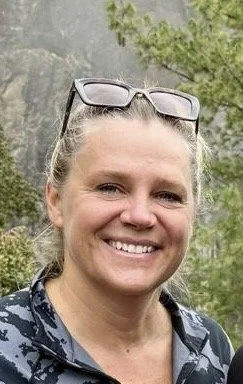
Work directly with the owner. When you book with Duma Explorer, you work directly with owner Stacy Readal to custom-design your climb. Stacy lived in East Africa for 15 years, speaks fluent Swahili, and personally is in touch with the Kilimanjaro team while you are on the mountain. You’re not being passed to a sales team or a booking agent — you’re talking to the person who built this company.

Choosing the Right Kilimanjaro Route

Kilimanjaro offers six established routes to the summit, each with a different character, difficulty level, and acclimatization profile. The right route for you depends on your fitness, experience, time, and budget. Here’s a quick overview:

Machame Route (6–7 days) — The most popular route on Kilimanjaro, and for good reason. The scenery is spectacular, the “walk high, sleep low” profile aids acclimatization, and the seven-day option gives you a crucial extra day. It’s a camping route, so expect tents rather than huts.

Marangu Route (6 days) — The oldest route on Kilimanjaro, and the only one with hut accommodations. It’s often called the “Coca-Cola route” and is ideal for climbers who prefer sleeping in huts over tents. The new four-person huts with toilets and hot showers are available for a surcharge.

Lemosho Route (7–8 days) — Widely considered the most scenic route, starting from the west with stunning Shira Plateau views. The eight-day option provides excellent acclimatization and our Lemosho climbs have a success rate approaching 100%. This is the route we run most often for group climbs.

Rongai Route (6–7 days) — The only route approaching from the north, near the Kenyan border. Rongai sees less traffic and offers a drier climate, making it a strong choice for the rainy season.

Umbwe Route (6 days) — The steepest and most direct route. Umbwe is for experienced, fit climbers who want a physical challenge. The rapid altitude gain means acclimatization is harder, so this route isn’t recommended for first-time high-altitude trekkers.

Northern Circuit (8–9 days) — Our recommended route along with Lemosho. The Northern Circuit is the longest route on Kilimanjaro, circumnavigating the mountain and providing the best acclimatization profile of any route. It’s also the least crowded, offering a sense of solitude that the southern routes can’t match. If you have the time and budget, this is the climb to do.

Frequently Asked Questions

How much does it cost to climb Kilimanjaro in 2026?

Prices range from approximately $1,799 to $3,599 per person depending on route, duration, and group size. At Duma Explorer, a seven-day Machame climb starts at $2,399 for groups of eight or more, with small group pricing at $2,899. The industry benchmark for a safe, ethical climb is around $2,700+ for a seven-day itinerary.

What is the best route for first-time climbers?

The Lemosho Route (8 days) and the Northern Circuit (8–9 days) offer the best acclimatization profiles and highest success rates. The Machame Route (7 days) is also an excellent choice. We generally recommend at least seven days regardless of route.

What is the success rate for climbing Kilimanjaro?

Success rates vary widely by operator, route, and itinerary length. Longer itineraries (7–9 days) with proper acclimatization typically achieve success rates above 90%. Our Lemosho 8-day climbs approach a near-100% success rate. Be cautious of operators claiming very high success rates without specifying how they measure them.

What certifications should Kilimanjaro guides have?

Look for Wilderness First Responder (WFR) certification at minimum. This is a rigorous emergency medicine course designed for remote wilderness settings. All of Duma Explorer’s head guides are WFR certified, with recertification scheduled for April 2026.

What is KPAP and why does it matter?

The Kilimanjaro Porters Assistance Project (KPAP) is an independent organization that monitors and certifies the ethical treatment of porters on Kilimanjaro. KPAP partners are audited for fair wages, safe load weights, and proper equipment. Duma Explorer is a founding partner of KPAP and has maintained the partnership for over 20 years.

How do I choose between Kilimanjaro tour operators?

Look for five things: guide certifications (WFR or equivalent), KPAP partnership or verifiable porter ethics, transparent published pricing, a strong body of independent reviews (not just testimonials on their own website), and honest route recommendations that prioritize acclimatization over cost.

What is included in Duma Explorer’s Kilimanjaro price?

All park entrance, camping, hut, and rescue fees; all meals and treated drinking water; camping equipment including tents, mattresses, pillows, tables, chairs, and a private toilet tent; WFR-certified guide, cook, and porter salaries; 1:1 staff-to-climber ratio; emergency oxygen and pulse oximeter; daily health checks; and transport to and from the park.

Can I join a group climb to reduce costs?

Yes. Duma Explorer offers scheduled group climbs throughout the year, with a maximum group size of eight. Group climbs are a great way to reduce per-person cost while still getting a fully supported, high-quality climb.

Ready to Climb Kilimanjaro?

Whether you’re planning your first summit attempt or coming back for another go at the Roof of Africa, we’d love to help you build the right climb. Tell us your dates, your fitness level, and your goals, and we’ll design a custom Kilimanjaro itinerary around you.

Get a free custom Kilimanjaro itinerary → Contact Stacy at Duma Explorer

Or reach us directly on WhatsApp: +1 510 424 1675

Previous
Previous

AndBeyond Ngorongoro Crater Lodge: This iconic lodge is closed for renovations until January 2027

Next
Next

Best Time for Tanzania and Uganda Safari Tours