Walking Safari in Ndutu: A Personal Encounter with Nature in the Serengeti ecosystem
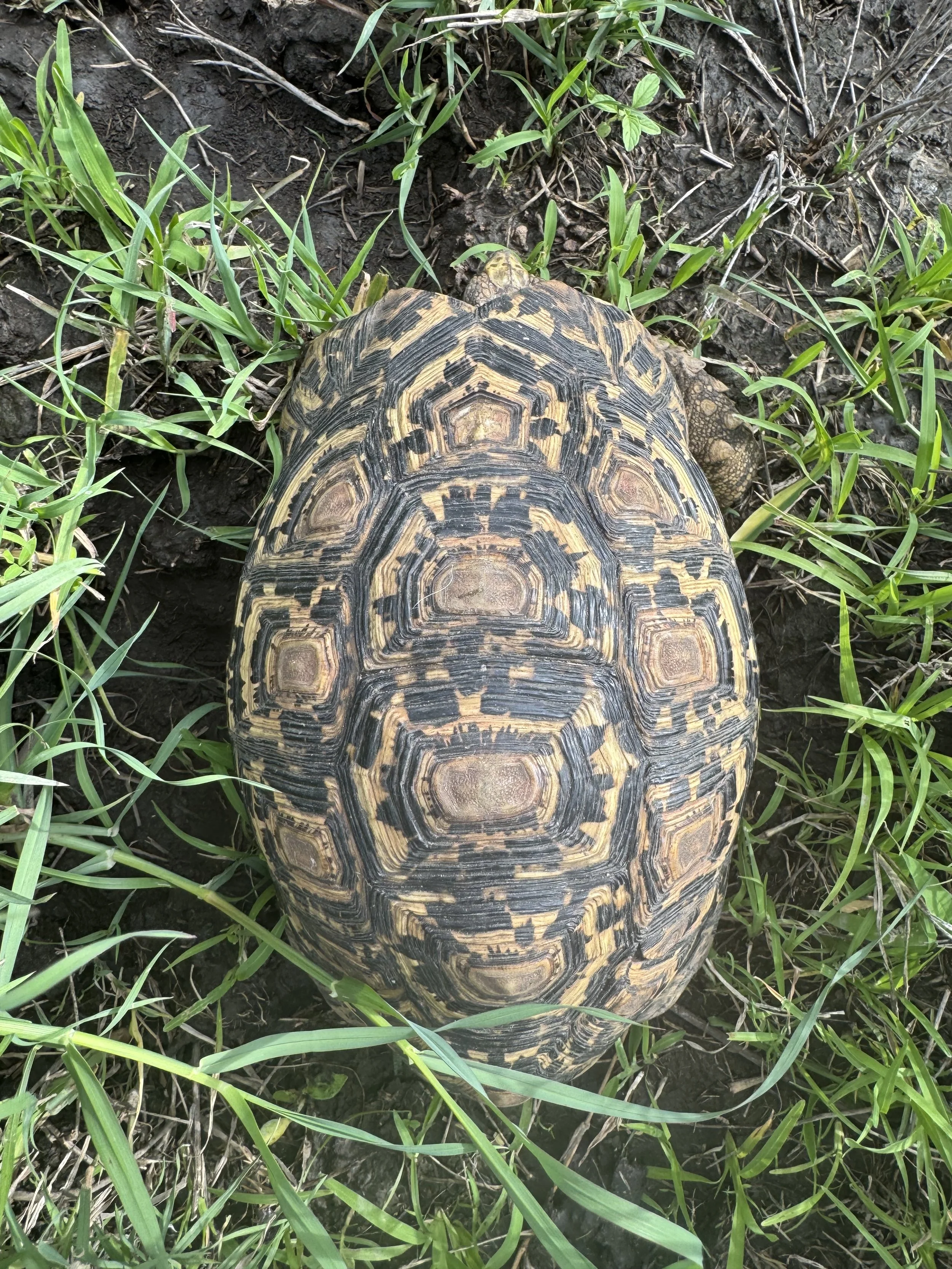

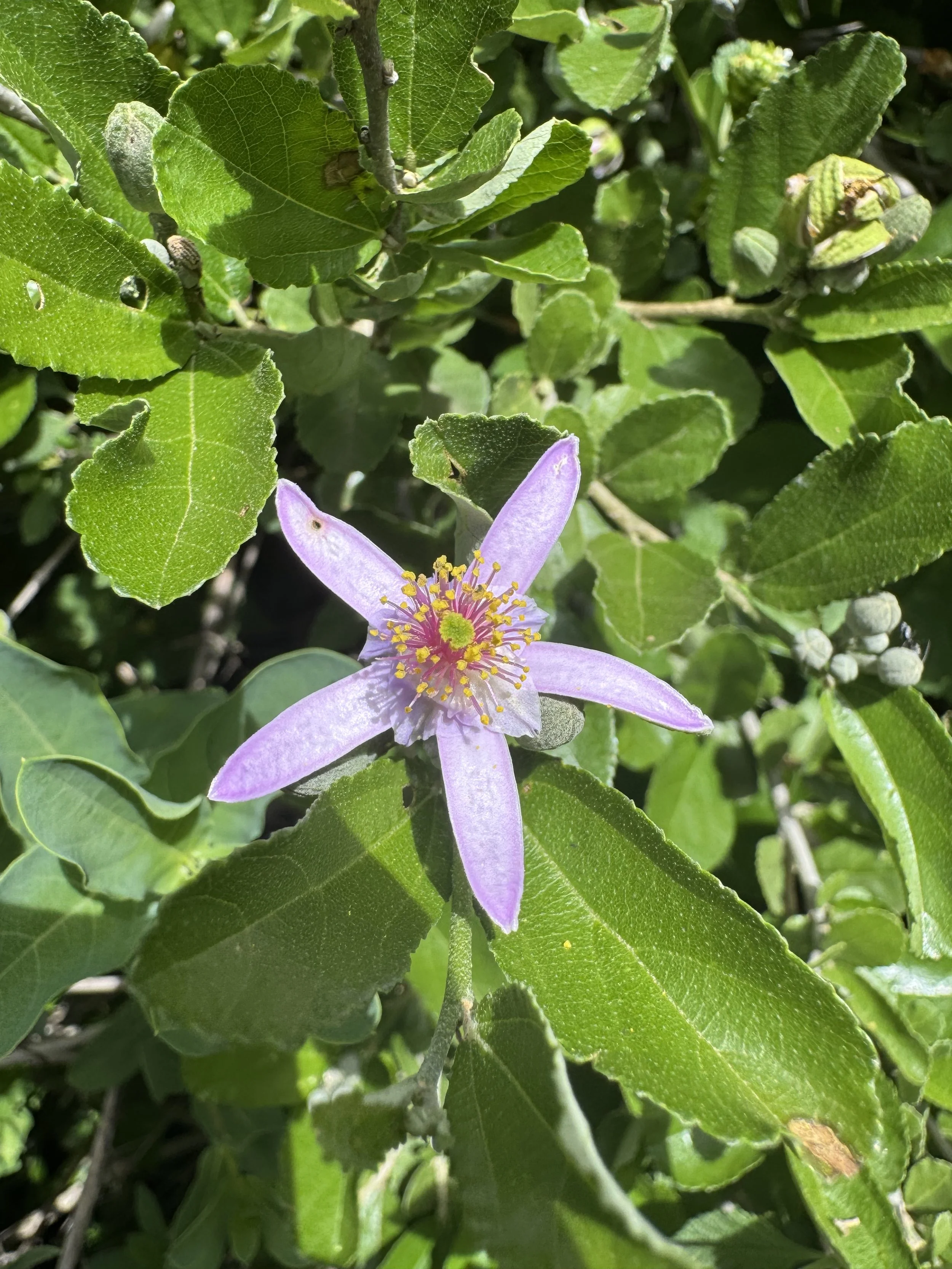

Peering out of the safari jeep windows, we saw giraffes loping through vast plains and a pride of lion cubs waking up from a nap. A family of warthogs played in the distance before they wandered out of sight. Purple wildflowers swayed in the breeze, but we couldn’t reach them.
We were surrounded by an abundance of nature. But our time and interactions with the landscapes we had admired over the last week was limited.
Aside from lunch breaks, our days were spent within the protection of a 4x4 jeep that conveniently transported us from site to site. It also blew past that cool Acacia tree and adorable guineafowl I might have liked to have stopped at for a closer look.
That chance finally came when we went on a short Ndutu walking safari in Ngorongoro Conservation Area.
Just getting out of the vehicle for a couple of hours to stretch our legs and come closer to the foliage I had been aching to examine felt like a treat. The walk wasn’t long, but it was a refreshing change of pace.
Our journey started near the Lake Ndutu airstrip, where we met up with an armed park ranger who served as our guide and guard. While the idea of strolling around the Serengeti with wild animals nearby could be unsettling, it felt a lot safer to have a man with a large gun along.
The walking expeditions only take place in certain areas of the national parks and are required to be accompanied by armed rangers. They are trained as wildlife guides and emergency medical responders.
Experiences vary: Some more rugged travelers opt for multi-day walking safaris that include camping in tents along the way. While grateful to be out of the car, we were not ready for such a commitment. Our trek lasted a few hours in the morning and barely a few kilometers.
But there was something incredibly rejuvenating about spending that short time out and about on foot. The breeze felt stronger and more refreshing whooshing past our faces unhindered by jeep doors or windows as the day heated up and we hiked along.
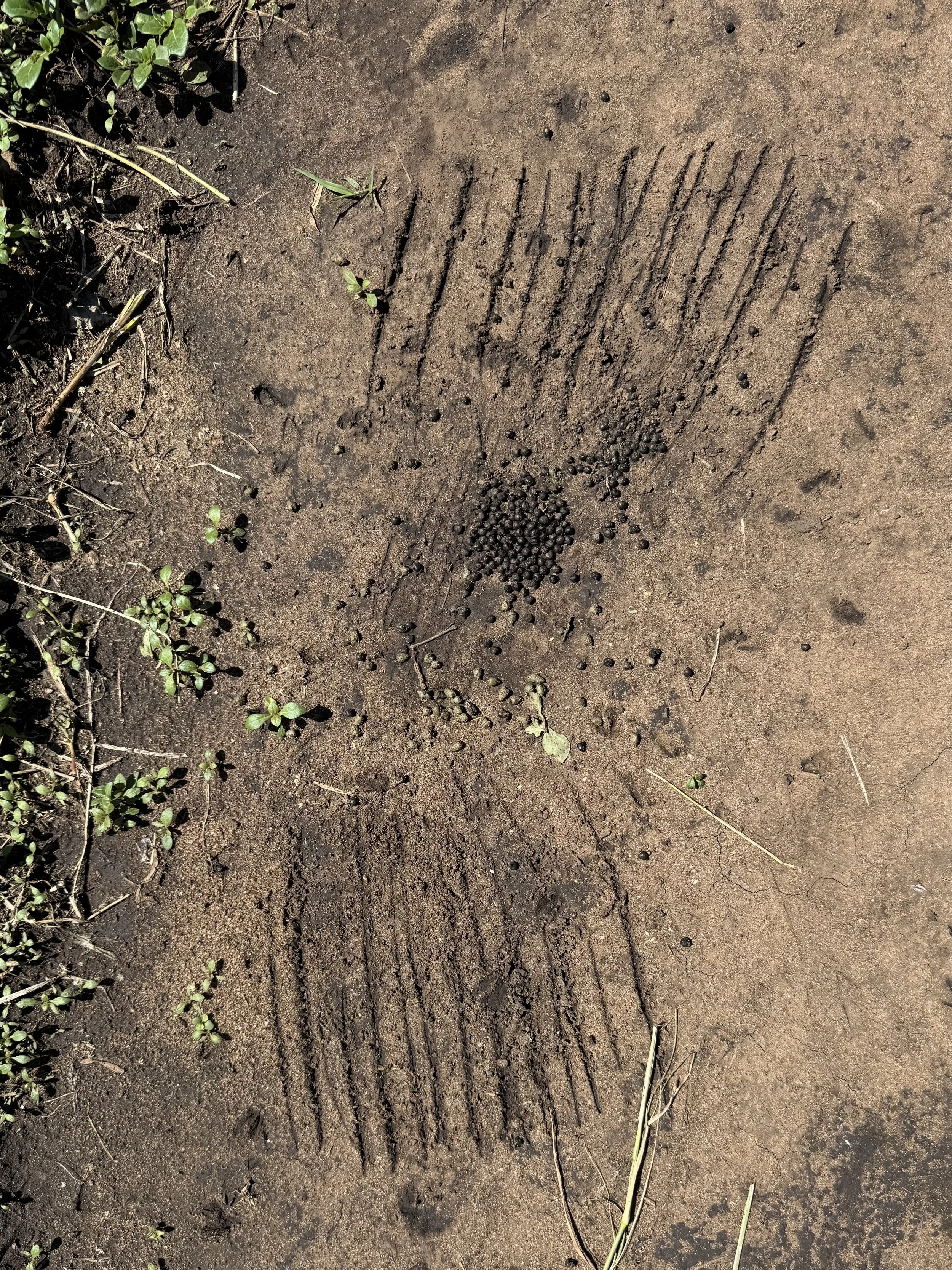
We could hear the birds chirping louder than we could from the jeep; all the smells were stronger, too. These smells included elephant and zebra poop, which we stopped near for a closer look. When we got to a particular spot that had a large collection of elephant dung, our guide explained that we had reached an “elephant bedroom.”
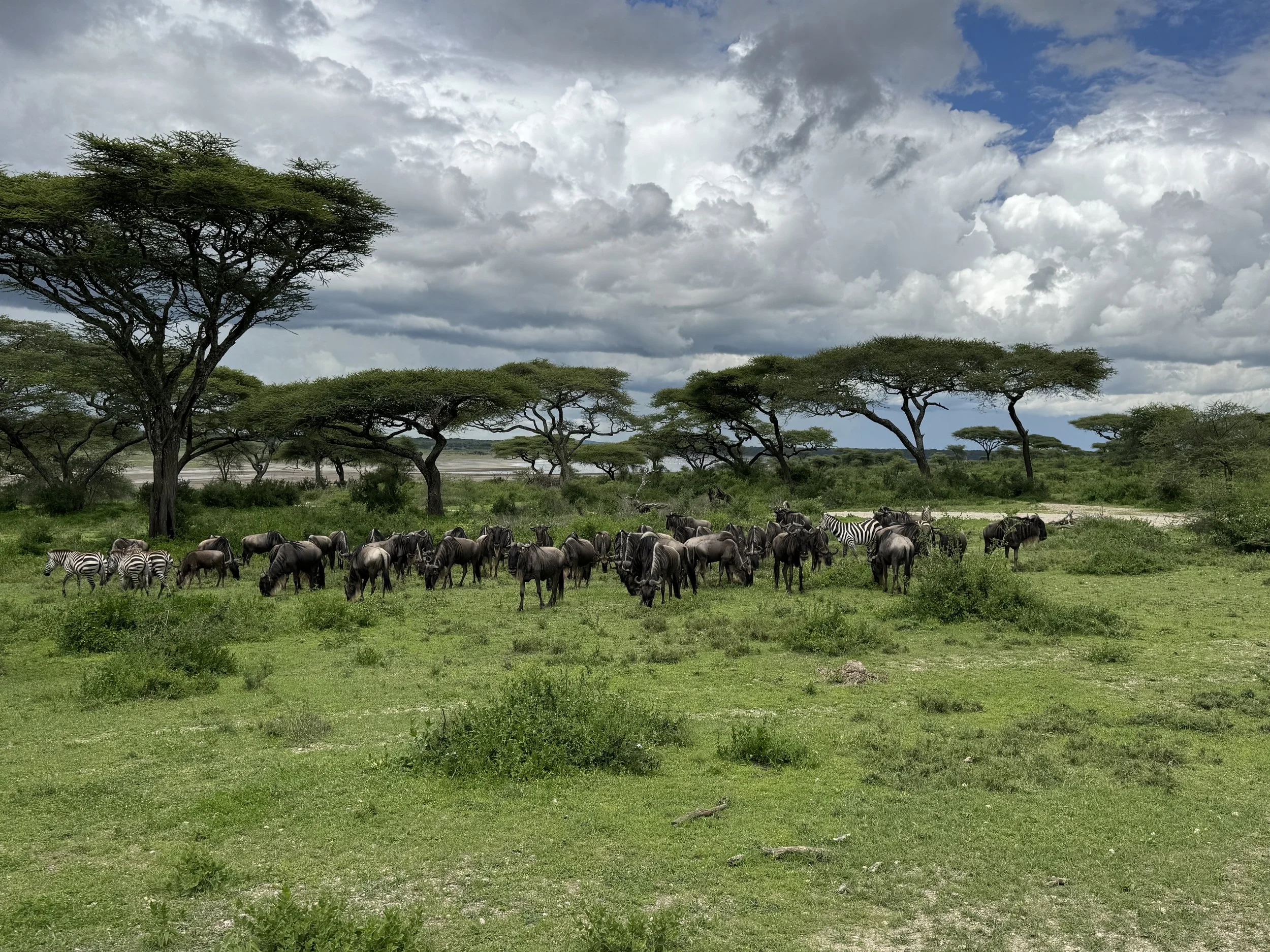
We never saw any elephants but were able to make out herds of co-mingling zebra and wildebeests migrating in the distance. They were close enough to see but not so close that we alarmed them or us by our proximity. Meanwhile, a Fischer’s lovebird landed in a tree above me.
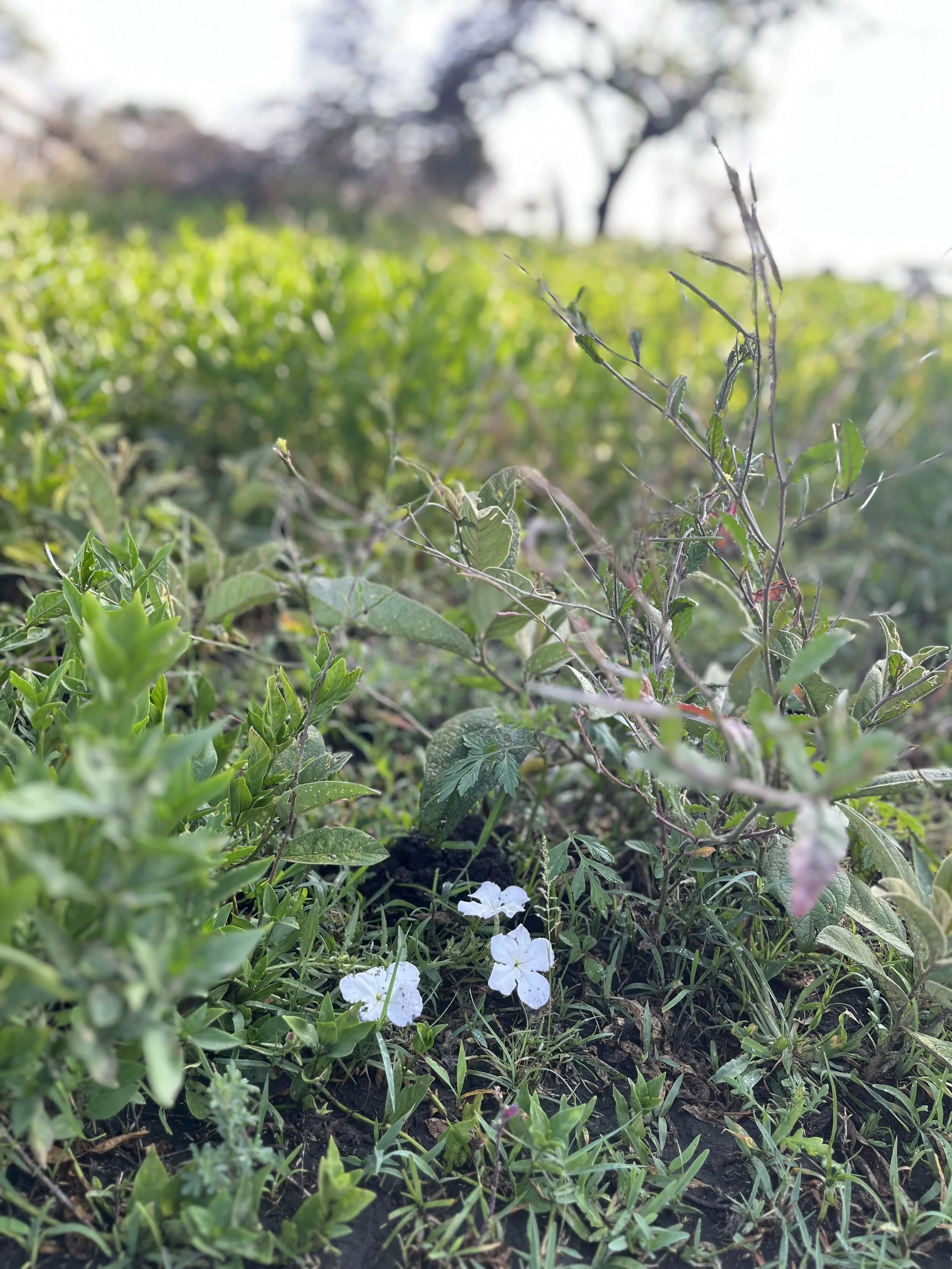
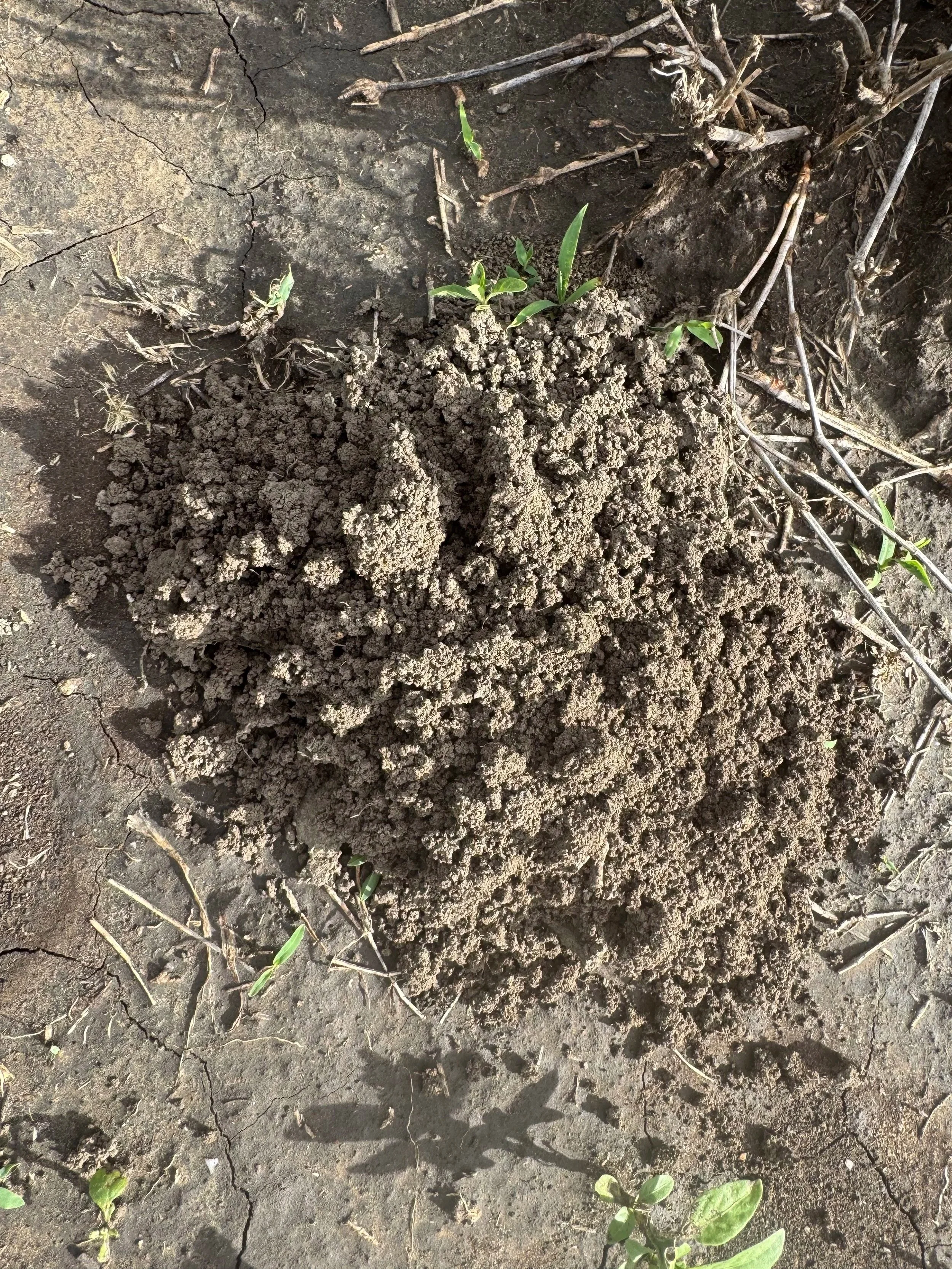
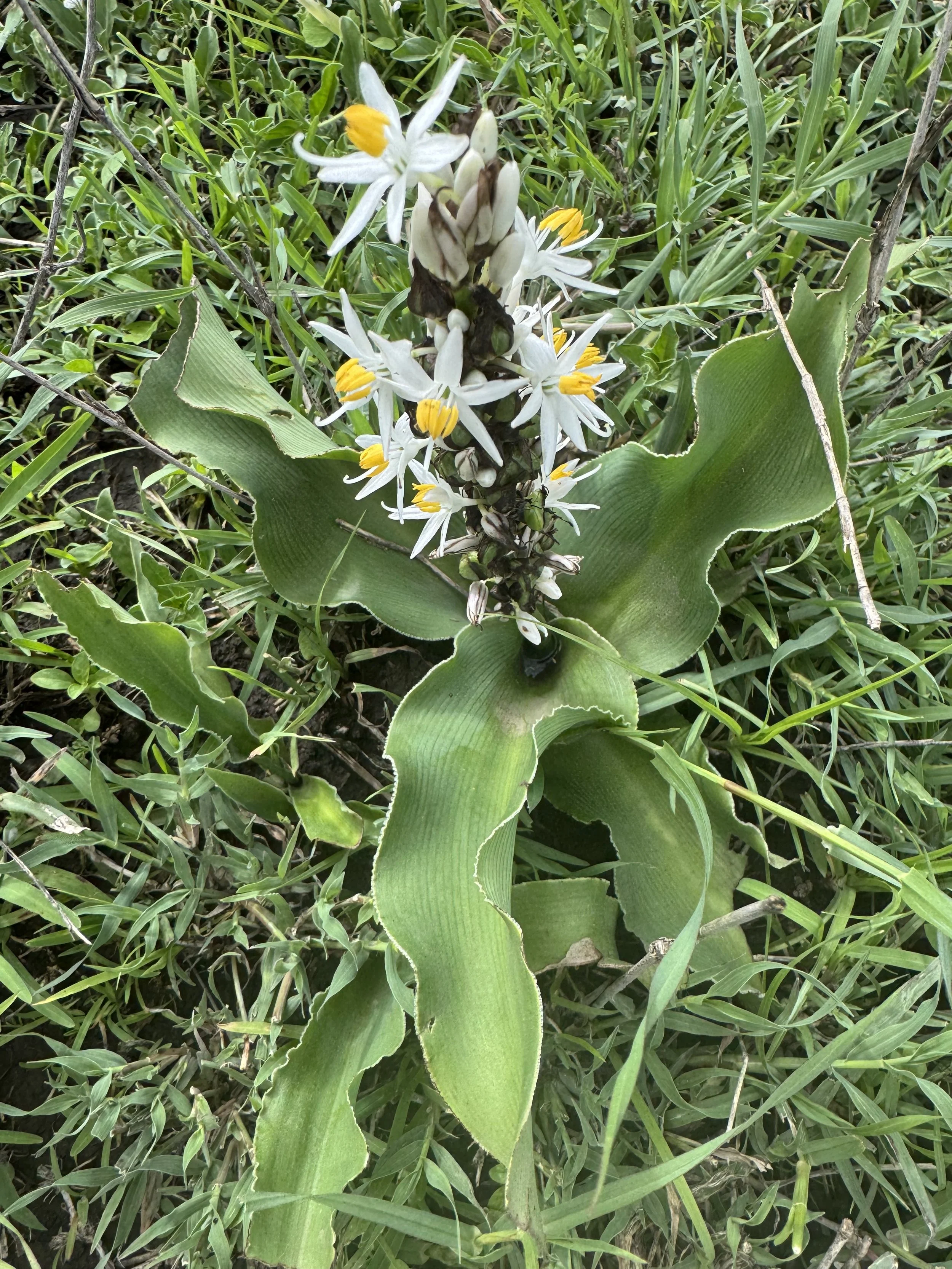
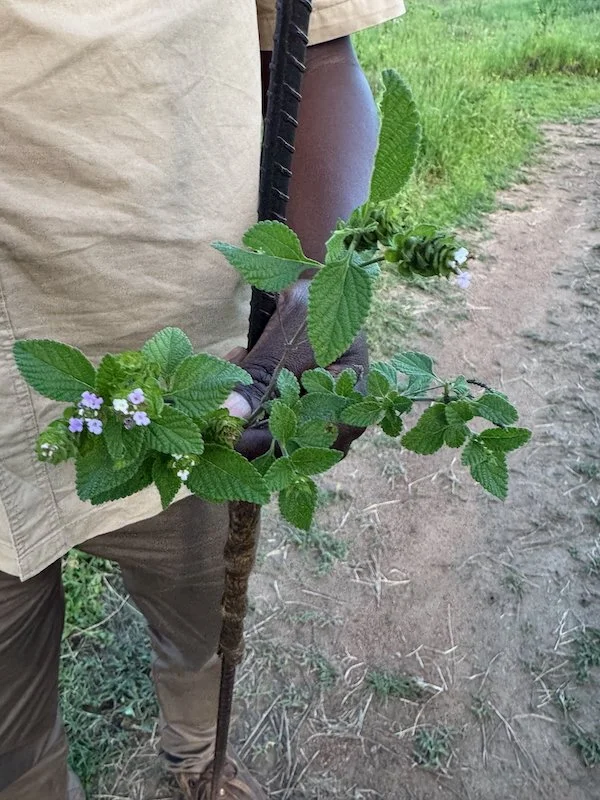
I bent over to examine a cluster of white wildflowers in the grasses near my hiking boots. The action itself felt freeing because there was nothing between me and the nature. I stopped to investigate a Harvester termite pile, a mound of sand marking the entrance to their underground colony.
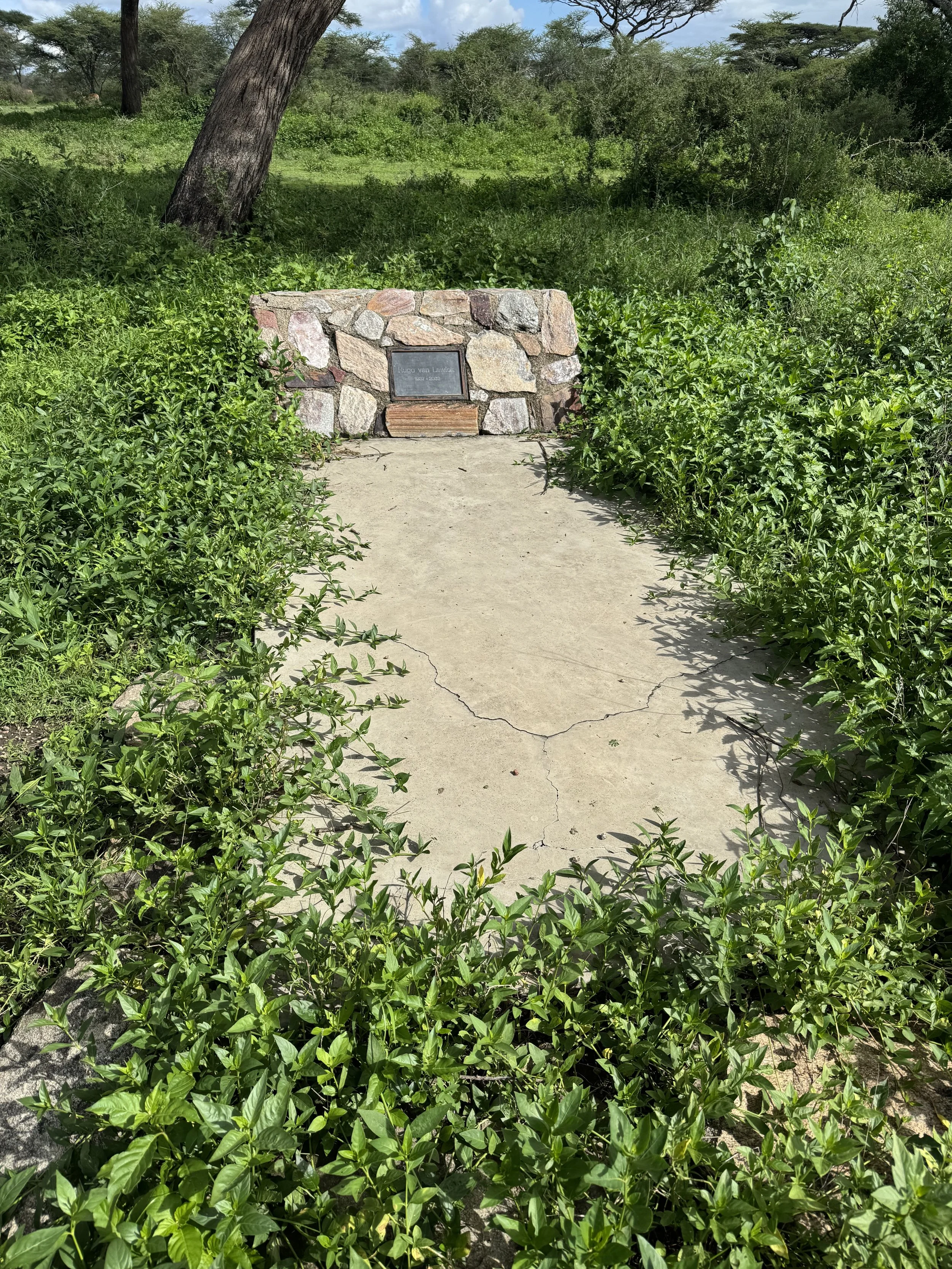
The guard pointed out Hugo van Lawick’s grave, the award-winning photographer famous for his work documenting the chimpanzees of Gombe and marriage to Jane Goodall.
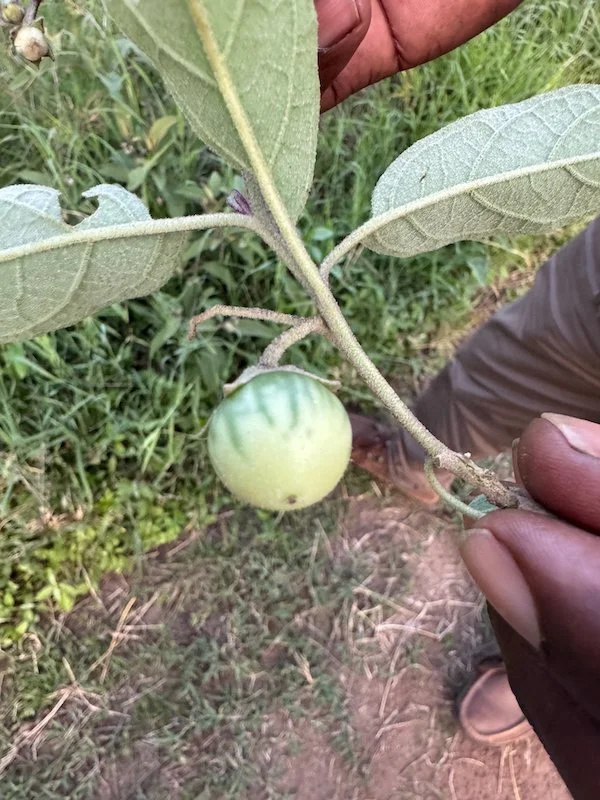
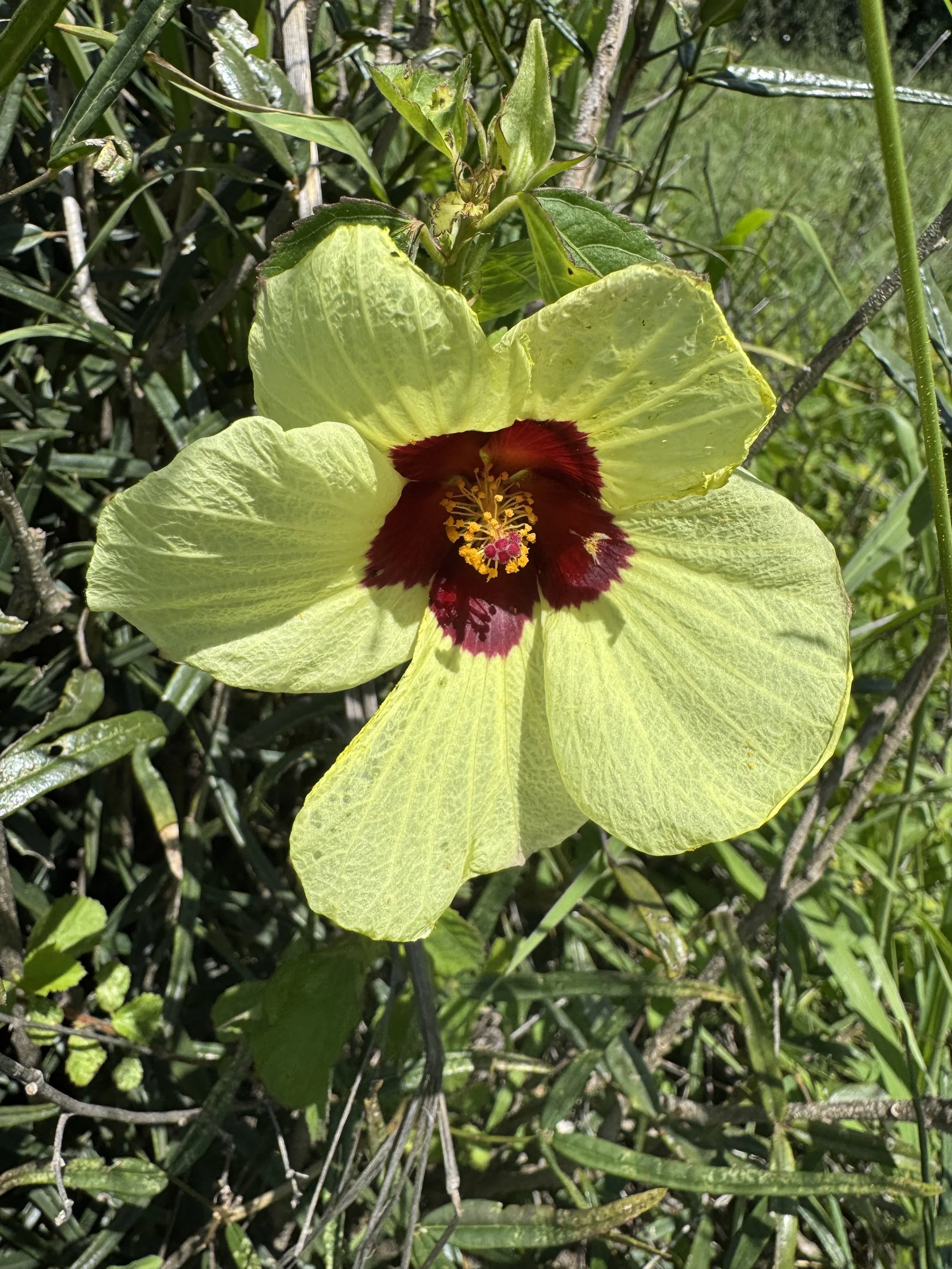
It wasn’t the larger animals that made the biggest impression during this outing —it was the tiny birds and plants here that made it most worthwhile because I got to finally experience them in a more personal way.