

Safari Cost in Tanzania 2026: Prices, Fees & Glossary
TL;DR
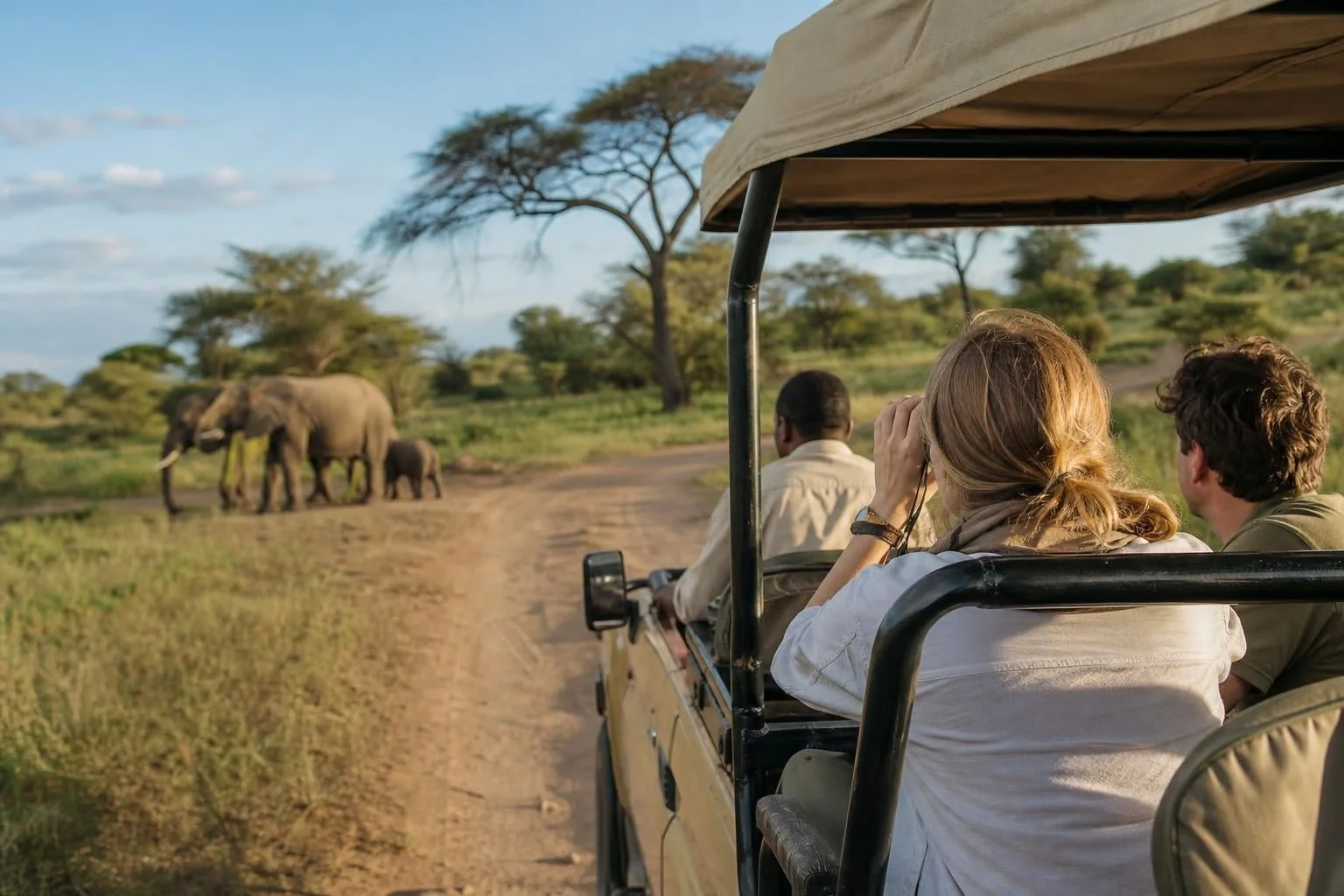
A Tanzania safari in 2026 costs $250 to $1,500+ per person per day depending on accommodation tier, season, and group size. For a standard 7-day trip, expect to pay $1,800 to $3,500 for budget camping, $2,800 to $4,900 for mid-range lodges, or $5,500 to $10,500+ for luxury. Park fees alone eat up 25 to 35% of your total spend, and tips, visas, and insurance are almost never included in operator quotes.
Safari pricing in Tanzania is famously opaque. You’ll get one quote for $3,000 and another for $8,000, and both operators will insist their price is fair. The problem isn’t dishonesty. It’s that the safari industry uses dozens of specialized terms, and no two operators package costs the same way.
This guide works differently from a typical cost breakdown. It’s organized as a glossary, a decoder ring for every fee, term, and pricing concept you’ll encounter while planning a Tanzania safari. Each entry includes 2026 numbers and practical context so you can compare quotes with confidence.
Considering a private safari? See private safari routes and costs for a detailed look at how pricing changes across different itineraries.
Quick Answer: How Much Does a Tanzania Safari Cost? If you're wondering how much to budget, here's the short answer.
|
Safari Type |
Typical Cost Per Person |
Best For |
|---|---|---|
|
Budget Camping |
$1,800–3,500 (7 days) |
Backpackers and budget travelers |
|
Mid-Range Lodge |
$2,800–4,900 |
Most first-time visitors |
|
Luxury Safari |
$5,500–10,500+ |
Premium experiences |
|
Fly-In Luxury |
$10,500–17,500+ |
Maximum comfort and minimal driving |
Most travelers spend between $3,500 and $5,000 per person once tips, visas, travel insurance, and optional activities are included. The biggest factors affecting price are: - accommodation quality - number of travelers - season - park fees - whether the safari is private or shared
Key Takeaways
-
Tanzania safari prices are best compared using PPPD (Per Person Per Day).
-
Park fees alone usually account for 25–35% of the total safari cost.
-
Mid-range safaris provide the best value for most travelers.
-
Green season can reduce total trip costs by 20–40%.
-
Booking directly with a licensed Tanzanian operator can lower costs by 15–30%.
-
Hidden costs usually include tips, visas, travel insurance, drinks, and optional activities.
How Tanzania Safari Pricing Works
Before jumping into definitions, it helps to understand the five components that make up every safari quote:
-
Accommodation (the biggest variable, 35 to 50% of total cost)
-
Park fees and government charges (fixed, non-negotiable, 25 to 35%)
-
Vehicle and driver-guide (shared across passengers)
-
Meals (usually included; drinks often excluded)
-
Logistics (airport transfers, domestic flights, fuel surcharges)
The reason quotes vary so wildly comes down to four factors: accommodation tier, booking channel, travel season, and group size. A couple booking a luxury fly-in safari through a London agency during peak season will pay five to ten times more per person than four friends sharing a budget camping vehicle in green season through a local Arusha operator.
The single most important concept for comparing safari costs in Tanzania is PPPD, which stands for Per Person Per Day. Every quote should be converted to this unit before you compare anything. More on that below.
For readers planning trips beyond Tanzania, our East Africa safari cost guide covers pricing across Kenya, Uganda, and Rwanda as well.
Daily Cost Ranges by Tier (2026)
|
Tier |
Per Person Per Day |
7-Day Total (Per Person) |
|---|---|---|
|
Budget camping (group join) |
$250 to $400 |
$1,800 to $3,500 |
|
Mid-range (lodge-based) |
$450 to $800 |
$2,800 to $4,900 |
|
Luxury (private lodge/tented camp) |
$850 to $1,500 |
$5,500 to $10,500+ |
|
Ultra-luxury / fly-in |
$1,500 to $2,500+ |
$10,500 to $17,500+ |
One insight that rarely appears in cost guides: the jump from budget to mid-range delivers the biggest quality increase per dollar spent. Going from $250 to $450 per day transforms the experience (private vehicle, better food, comfortable beds, knowledgeable guides). Going from $800 to $1,200 per day adds luxury touches, but the core wildlife experience is largely the same.
What Is Included in Most Tanzania Safari Packages?
One of the biggest reasons travelers struggle to compare quotes is that safari companies include different services.
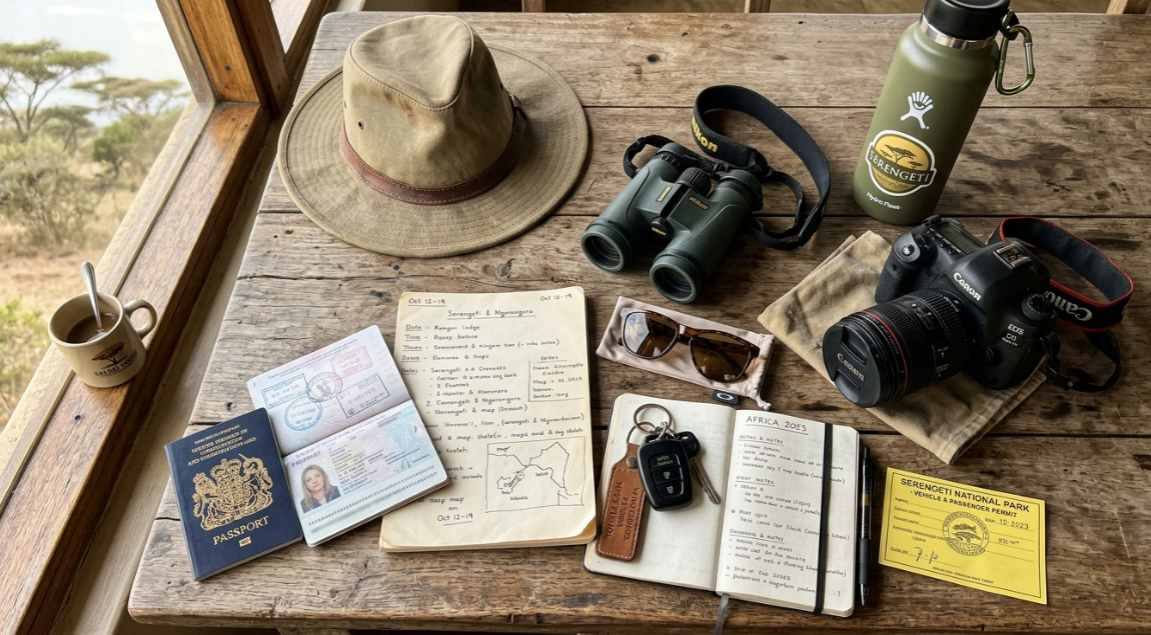
Most safari packages include:
-
accommodation
-
meals (usually Full Board)
-
professional driver-guide
-
safari vehicle
-
park entry fees
-
game drives
-
airport transfers
-
bottled drinking water
Often NOT included:
-
international flights
-
visas
-
travel insurance
-
alcoholic drinks
-
tips
-
optional activities
-
Zanzibar extensions
A package that appears cheaper may simply exclude expensive government fees.
Glossary: Park Fees & Government Charges
These are the fixed costs that no operator, no matter how clever, can reduce. The Tanzanian government sets them, and they apply equally whether you’re on a budget camping trip or staying in a $3,000-per-night suite.
Park Entry Fee
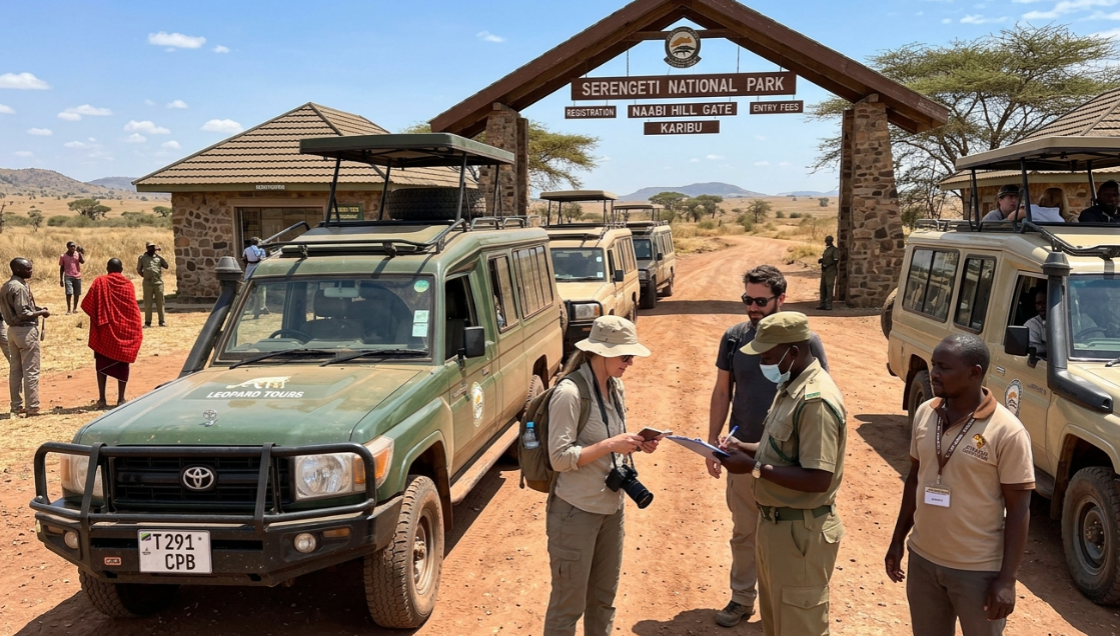
The daily charge per person to enter a national park or conservation area. Tanzania’s parks authority (TANAPA) organizes parks into three tiers:
|
Park Tier |
Examples |
Adult Fee (per day) |
|---|---|---|
|
Premium |
Serengeti, Ngorongoro |
$70 to $83 |
|
Mid-range |
Tarangire, Lake Manyara |
$53 to $59 |
|
Standard |
Mikumi, Ruaha, Katavi |
$30 to $35 |
For a standard 7-day Northern Circuit itinerary covering Tarangire (2 days), Ngorongoro (1 day), and Serengeti (3 days), park fees alone total roughly $500 to $600 per person. That’s before accommodation, transport, or anything else.
TANAPA vs. NCAA vs. WMA
This distinction matters for pricing but almost never appears in cost guides.
TANAPA (Tanzania National Parks Authority) manages all national parks: Serengeti, Tarangire, Lake Manyara, Mikumi, Ruaha, and others. Their fees follow the tiered system above.
NCAA (Ngorongoro Conservation Area Authority) operates independently of TANAPA. Ngorongoro is technically not a national park but a conservation area, which is why it has its own fee structure and additional charges like the crater descent fee.
WMA (Wildlife Management Area) fees apply to community-managed buffer zones around parks. These are smaller charges ($20 to $50 per person per day) that fund local conservation and community development.
When an operator quotes “park fees included,” ask which specific fees that covers. Some include TANAPA but exclude NCAA or WMA charges.
Crater Service Fee (Ngorongoro)
A one-time fee of $295 per vehicle to drive down into the Ngorongoro Crater floor. This is not a per-person charge, which means group size matters enormously here. For a couple, the crater descent adds nearly $150 per person. For a group of four, it’s about $74 each. Some operators list this fee separately from their main quote, which creates sticker shock at booking time.
Concession Fee
A nightly charge for staying at camps or lodges located inside park boundaries (as opposed to properties on park borders). In the Serengeti, concession fees run $71 per adult per night for foreign non-residents. These fees are typically included in your accommodation rate, but it’s worth confirming with your operator.
Conservation Levy
A broad term for supplementary fees that fund conservation programs. These vary by area and sometimes increase without much notice. Always check whether conservation levies are included in quoted park fees or added on top.
Transit Fee
Charged when you drive through a park without stopping for a full-day game drive. For example, if your itinerary passes through Lake Manyara National Park en route to Ngorongoro, you’ll pay a transit fee rather than a full entry fee. These typically run $15 to $30 per person.
Vehicle Entry Fee
A separate charge (on top of human entry fees) for bringing a vehicle into a park. Ranges from $10 to $50 per vehicle per day depending on the park and vehicle type.
GePG / Control Number System
Tanzania’s parks operate on a strictly cashless payment system. All fees require a government “Control Number” issued through the GePG (Government Electronic Payment Gateway). Self-drivers must pay via Visa or Mastercard at the gate. Cash is not accepted at any national park or conservation area. On organized safaris, your operator handles this process, but it’s worth knowing that payment delays at the GePG system can sometimes cause entry holdups.
Glossary: Accommodation & Meal Terms
Accommodation is where the safari cost in Tanzania varies most. The difference between a basic dome tent and a luxury tented suite with a plunge pool is enormous, and the terminology can be confusing.
Budget Camping
Basic tented accommodation, often with shared facilities. Campsites inside or adjacent to parks charge $30 to $50 per person per night for the campsite itself, with the operator providing tents, sleeping gear, and a cook. Total cost including everything: $250 to $400 PPPD.
Tented Camp (Permanent)
Fixed structures with canvas walls, proper beds, en-suite bathrooms, and often verandas facing the bush. These range from mid-range ($300 to $600 per night) to ultra-luxury ($1,500+ per night). Don’t confuse “tented camp” with “camping.” At the high end, these are essentially luxury hotel rooms wrapped in canvas.
Mobile Tented Camp
A camp that relocates seasonally to follow wildlife movements, particularly the Great Migration in the Serengeti. Mobile camps typically fall in the mid-range to luxury bracket. Their key advantage is positioning: they set up exactly where the action is.
Lodge
A permanent, built structure, usually with stone or timber construction, electricity, and full hotel-style amenities. Lodges range from functional mid-range properties ($200 to $400 per night) to architect-designed luxury lodges ($800 to $2,000+ per night). For a deeper look at what the luxury tier actually includes, check out this guide to luxury Tanzania safaris.
Full Board (FB)
All three meals included, plus tea and coffee. This is the standard meal plan on most safaris. Alcoholic beverages, premium soft drinks, and special dietary items are usually extra.
All-Inclusive
Meals plus all drinks (including alcohol), laundry, and sometimes activities like guided walks or night drives. Common at luxury properties. Always confirm exactly what “all-inclusive” covers, because the definition varies between lodges.
Game Package
A per-night rate that bundles accommodation, meals, park fees, and game drives into one price. Common at lodges and camps that handle their own game drives rather than relying on your safari operator’s vehicle.
Single Supplement
The extra charge a solo traveler pays for occupying a room or tent alone. Safari accommodation is priced per room assuming double occupancy. If you’re traveling solo, you’ll pay a supplement that ranges from 30% to 100% of the per-person rate. On a 7-day safari, single supplements can add $500 to $2,000 to your total. This is one of the most commonly overlooked costs for solo travelers.
Glossary: Vehicle, Guide & Logistics Terms
4x4 Land Cruiser
The standard safari vehicle in Tanzania. Most operators use Toyota Land Cruisers with pop-up roofs for wildlife viewing. Vehicle and driver-guide costs typically run $200 to $350 per day, which is split among all passengers in the vehicle.
Pop-Up Roof (Hatch Top)
The roof section of the vehicle that lifts up, allowing passengers to stand and photograph wildlife from an elevated position. All proper safari vehicles in Tanzania have them. Some budget operators use converted minivans with smaller hatches, which provide a noticeably worse viewing experience.
Driver-Guide
Your guide drives the vehicle and leads game drives. In Tanzania, unlike some other countries, the driver and guide are the same person. Quality varies enormously. Experienced guides with years of training spot wildlife that inexperienced guides drive right past. The guide’s skill is arguably the single biggest factor in your safari experience, which is why the cheapest quote isn’t always the best value.
Private Vehicle
A dedicated vehicle for your group only, with your own driver-guide. This is the standard for mid-range and luxury safaris. You control the schedule, decide how long to spend at sightings, and can leave whenever you want.
Shared Vehicle
A vehicle shared with other travelers on a group-join safari. This is the primary cost-saving mechanism for budget travelers. Sharing a vehicle and guide across six to nine passengers can reduce per-person rates by 30 to 50% compared to a private safari. The trade-off: you don’t control the pace, and you may spend more or less time at sightings than you’d like.
For a full comparison of these two approaches, read this group vs. private safari guide.
Fly-In Safari
Instead of driving between parks (which can mean 4 to 8 hours on rough roads), you take small bush planes between airstrips. This saves time and adds comfort but increases costs significantly. Domestic charter flights run $300 to $800 per person per leg. Scheduled bush flights on operators like Coastal Aviation are cheaper ($150 to $400 per leg) but run on fixed schedules.
Transfer
The drive between the airport and your first/last accommodation, or between two parks. “Airport transfer” is usually included in safari packages, but transfers between unrelated destinations (say, from a safari to a beach hotel) may not be.
Glossary: Booking & Payment Terms
PPPD (Per Person Per Day)
The only honest comparison unit for safari pricing. A PPPD rate equals the total cost divided by the number of travelers, divided by the number of safari days. Always convert quotes to PPPD before comparing, because some operators quote total trip cost, others quote per-day, and some quote per-group. A “$3,000 safari” sounds cheap until you realize it’s per person for three days, which is $1,000 PPPD, firmly in luxury territory.
Quote Normalization
The process of converting different operators’ quotes into the same format for apples-to-apples comparison. When you receive a quote, extract: the total cost, what’s included (park fees? transfers? domestic flights?), what’s excluded, the number of days, and the number of people. Then calculate the PPPD. If one operator includes park fees and another doesn’t, the “cheaper” quote might actually cost more. Our guide on common safari booking mistakes covers the most frequent pitfalls when comparing quotes.
Agent Markup
International travel agents and booking platforms typically add 20 to 40% above what a local Tanzanian operator charges. That markup funds international marketing, commission structures, and administrative overhead. For larger international safari companies based in the US or UK, markups can reach 30 to 300% above local operator prices. Booking directly with a licensed Arusha-based operator removes that layer, potentially saving 15 to 30% on the same itinerary.
TATO License
A license issued by the Tanzania Association of Tour Operators. Any reputable operator should hold one. It indicates legal compliance and a baseline level of professionalism. Always verify TATO membership before sending a deposit.
Deposit & Final Payment
Most operators require a 25 to 30% deposit at booking, with the balance due 60 to 90 days before travel. Cancellation terms get stricter as the travel date approaches. Credit card payments often carry a 3 to 4% surcharge due to processing fees on international transactions.
Glossary: Seasonal & Timing Terms
Season is one of the biggest levers affecting safari cost in Tanzania. The same lodge, same room, same view can cost 40% less simply because you visited in April instead of August.
Peak Season (July to October)
The dry season. Best game viewing because animals concentrate around water sources, and vegetation is thinner. Also the most expensive and most crowded period. Lodge rates are at their highest, and popular properties book out 6 to 12 months in advance.
High Season (January to February)
Coincides with the calving season in the southern Serengeti (Ndutu area). Excellent for predator-prey interactions and baby animals. Prices are high but slightly below July to October levels.
Green Season (Late March to May)
Also called the “long rains.” This is when prices drop 20 to 40% compared to peak season, and visitor numbers plummet. Parks are lush and green, birdlife is spectacular, and many lodges offer promotional rates. The trade-off: some roads become difficult, a few camps close, and afternoon rain showers are common (though mornings are often clear). For budget-conscious travelers, green season offers the best value by far.
Shoulder Season (June and November)
The transitional months between peak and green seasons. Shoulder months offer a compelling balance: decent weather, lower crowds than peak, and prices 10 to 20% below high-season rates.
Short Rains (November to December)
A brief rainy period that’s less intense than the long rains. Some travelers avoid it, but November in the Serengeti can be excellent for migration viewing with fewer crowds. Prices dip modestly.
For a month-by-month breakdown of when to visit, see this best time to visit East Africa seasonal guide.
Costs Excluded from Most Safari Quotes
This is where people get caught off guard. A quote that looks reasonable can balloon by $500 to $1,000+ per person once you add everything that’s excluded. Here’s what to budget for separately.
Tipping
Tips are never included in safari quotes, and they represent real money. Standard 2026 tipping rates: safari guide $50 per vehicle per day (shared among passengers), camp or lodge staff $10 to $15 per guest per day via a communal tip box.
For a 7-day safari, budget $200 to $350 per person in tips.
The tipping debate is real. Practitioners on TripAdvisor forums show wide disagreement about amounts. Some recommend $20 per day for the whole vehicle, others suggest $10 per person per day. Experienced travelers on forums advise tipping according to local wage levels, not norms from your home country. Outside North America, tipping is voluntary, not obligatory. The key is to see these as guidelines, not obligations. For more detailed guidance, read this safari tipping guide.
Visa Fees
Tanzania tourist visas cost $50 for most nationalities. US citizens pay $100. These are processed as e-visas before arrival. Details are covered in our Tanzania visa costs and rules guide.
Travel Insurance
Not optional. Comprehensive travel insurance covering emergency medical evacuation is essential. Medical flights from remote safari areas cost $20,000 to $50,000 without coverage. A good policy with evacuation coverage runs $100 to $300 for a two-week trip. This is one of the cheapest things on the list relative to the risk it covers.
Zanzibar Mandatory Health Insurance
Here’s a cost that almost no safari guide mentions: every visitor arriving in Zanzibar is required to purchase health insurance at the point of entry. This is a government requirement, not optional. You cannot proceed past the entry point without it. If you’re adding a Zanzibar beach extension to your safari, factor this in. For full details on Zanzibar costs, see our Zanzibar budget guide.
Optional Activities
|
Activity |
Typical Cost |
|---|---|
|
Hot air balloon safari (Serengeti) |
$550 to $650 |
|
Walking safari |
$50 to $150 |
|
Night game drive |
$50 to $100 |
|
Cultural village visit |
$30 to $80 |
Other Excluded Items
Alcoholic beverages at lodges (often $5 to $15 per drink), laundry services ($10 to $20 per load), WiFi at remote camps (sometimes charged or unavailable), international flights, and personal shopping.
How to Save on Safari Costs Without Sacrificing Quality
Travel in Green Season
The most straightforward savings lever. Lodge rates drop 20 to 40%, parks are less crowded, and many properties run promotions. If you can tolerate occasional rain and slightly more challenging road conditions, green season delivers exceptional value.
Optimize Group Size
Group size is one of the biggest cost levers available. Vehicle and guide costs are fixed whether there are two people in the car or six. A group of four typically pays 20 to 30% less per person than a couple. Sharing a vehicle with other travelers on a group-join departure cuts costs even further.
Book Direct with a Local Operator
Cutting out international middlemen saves 15 to 30% on the same itinerary. A licensed, Arusha-based operator with TATO membership and strong reviews provides the same (often better) service at lower cost, because you’re not funding a London or New York marketing budget.
Mix Accommodation Tiers
You don’t need luxury accommodation every night. Spend on the premium lodge for your Serengeti nights (where you’ll spend the most time) and choose mid-range options for transit nights or shorter stops. This “splurge-and-save” approach can reduce overall costs by 15 to 25% while preserving the highlight experiences.
Target the Value Inflection Point
As mentioned earlier, the biggest quality leap per dollar is from budget to mid-range. If your budget is tight, prioritize upgrading from basic camping to a mid-range lodge-based safari rather than stretching for luxury. The core wildlife experience at mid-range is outstanding.
Sample Cost Scenarios (2026 Estimates)
These all-in estimates include the safari package, tips, visa, travel insurance, and typical optional extras. International flights are excluded.
|
Scenario |
Package Cost |
Add-Ons (tips, visa, insurance, extras) |
All-In Estimate |
|---|---|---|---|
|
5-day budget camping, 4 travelers, green season |
$1,250 to $1,800 pp |
$300 to $450 pp |
$1,550 to $2,250 pp |
|
7-day mid-range lodge, 2 travelers, shoulder season |
$3,200 to $4,500 pp |
$400 to $600 pp |
$3,600 to $5,100 pp |
|
10-day luxury fly-in, 2 travelers, peak season |
$8,500 to $15,000 pp |
$500 to $900 pp |
$9,000 to $15,900 pp |
|
7-day safari + 3-night Zanzibar extension, mid-range |
$4,000 to $5,500 pp |
$500 to $750 pp |
$4,500 to $6,250 pp |
For real itinerary templates with day-by-day cost breakdowns, see our safari itinerary ideas with costs.
Tanzania vs. Other Safari Destinations
Tanzania sits in the upper-middle range of African safari destinations. It’s generally 10 to 25% more expensive than comparable Kenya safaris, but 15 to 30% less than Botswana’s luxury offerings and 20 to 40% below South Africa’s premier private reserves. The higher Tanzania safari cost compared to Kenya reflects higher park fees, the Ngorongoro crater descent charge, and generally more remote logistics in the Serengeti ecosystem.
For a detailed side-by-side breakdown, read our Tanzania vs. Kenya safari comparison.
Start Planning Your Tanzania Safari
Understanding what drives safari costs in Tanzania is the first step toward building a trip that matches your budget and expectations. Whether you’re drawn to budget camping under the stars or a luxury fly-in with private butlers, the core experience, watching lions hunt on the Serengeti plains, descending into Ngorongoro Crater, standing among thousands of wildebeest, is available at every tier.
Ready to see what a custom itinerary looks like? Explore private Tanzania safari options with route-by-route pricing, or compare group vs. private safari costs to find the right fit.
Frequently Asked Questions
How much does a 7-day Tanzania safari cost in 2026?
A 7-day safari costs $1,800 to $3,500 per person for budget camping, $2,800 to $4,900 for mid-range lodge-based trips, and $5,500 to $10,500+ for luxury options. These are package costs before tips, visa, and insurance, which typically add $400 to $600 per person.
What are the biggest hidden costs on a Tanzania safari?
Tipping ($200 to $350 per person for 7 days), the Ngorongoro Crater descent fee ($295 per vehicle), single supplements for solo travelers, alcoholic beverages at lodges, and travel insurance with medical evacuation coverage. The Zanzibar mandatory entry health insurance is another commonly missed cost for those adding a beach extension.
Is it cheaper to book a Tanzania safari through a local operator?
Yes. International agents and booking platforms add 20 to 40% markup, sometimes more. Booking directly with a licensed Arusha-based operator typically saves 15 to 30% on the same itinerary and accommodation. Always verify TATO membership and check review platforms before booking.
What is the cheapest time of year for a Tanzania safari?
The green season (late March through May) offers the lowest prices, with accommodation rates dropping 20 to 40% compared to peak season. Shoulder months like June and November also offer savings of 10 to 20% with generally better weather than the long rains.
How much are Tanzania park fees in 2026?
Premium parks like Serengeti charge $70 to $83 per adult per day. Mid-range parks like Tarangire and Lake Manyara charge $53 to $59. Standard parks like Mikumi run $30 to $35. Ngorongoro Conservation Area charges $82 per adult per day, plus a separate $295 vehicle fee to descend into the crater.
Can I pay park fees in cash?
No. Tanzania’s national parks operate on a completely cashless system through the GePG (Government Electronic Payment Gateway). Payments require a government Control Number, and self-drivers must pay by Visa or Mastercard at the gate. On organized safaris, your operator handles all park fee payments.
How does group size affect Tanzania safari costs?
Significantly. Vehicle and guide costs are fixed regardless of passenger count. A group of four pays 20 to 30% less per person than a couple for the same itinerary. Group-join safaris with six to nine passengers can reduce per-person rates by 30 to 50% compared to private vehicles.
Should I tip on a Tanzania safari?
Tipping is expected but not mandatory. Standard rates are around $50 per vehicle per day for the driver-guide (shared among passengers) and $10 to $15 per guest per day for lodge staff. Opinions vary widely among travelers. The consensus among experienced safari-goers is to tip according to the quality of service and local wage context rather than applying home-country norms.