

Swahili Coast Travel Guide 2026: 40+ Key Terms & Tips
TL;DR
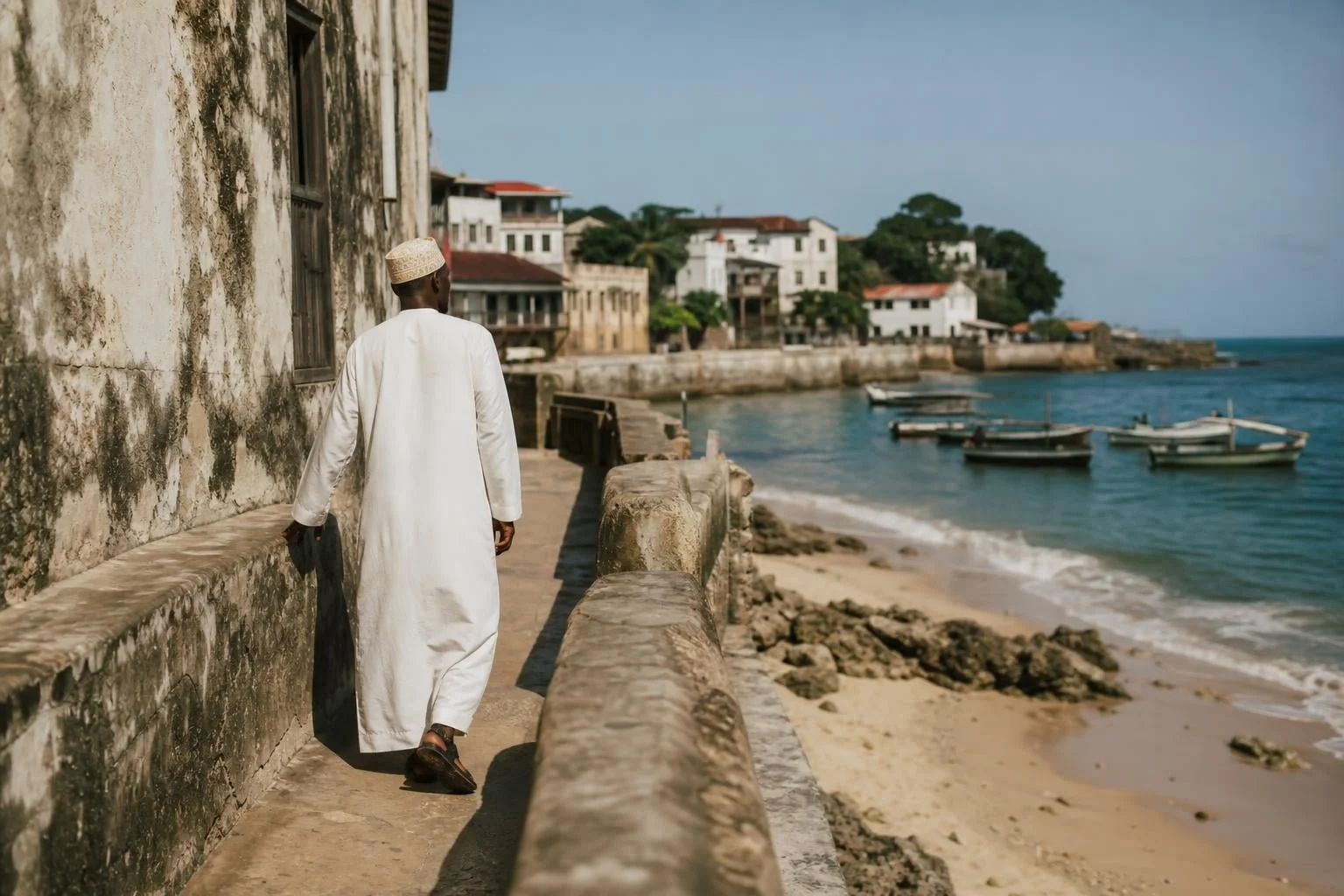
The Swahili Coast stretches across 880 miles of East African Indian Ocean shoreline, spanning Tanzania, Kenya, Mozambique, and the Comoros Islands. It holds three UNESCO World Heritage Sites, centuries of trade history, and destinations far beyond the well-known beaches of Zanzibar. This glossary covers 40+ terms across geography, monsoon seasons, culture, activities, logistics, and history to help you plan a Swahili Coast travel itinerary with confidence.
Most people hear “Swahili Coast” and think Zanzibar. That’s like hearing “California” and thinking only of Los Angeles. The Swahili Coast is a 1,500-kilometer stretch of Indian Ocean shoreline running from southern Somalia through Kenya and Tanzania into northern Mozambique, including the Comoros Islands. The name comes from the Arabic word sawāḥil, meaning “coasts,” and the region has been a crossroads of African, Arab, Persian, and Indian cultures for over a thousand years.
This glossary covers the terms, places, seasons, and cultural vocabulary you need for Swahili Coast travel planning. Whether you’re building a bush-and-beach safari itinerary or trying to figure out why everyone keeps saying pole pole, this is your reference.
Swahili Coast Travel at a Glance
The Swahili Coast is a 1,500-kilometer (930-mile) stretch of East African coastline running from southern Somalia through Kenya and Tanzania into northern Mozambique, including the Comoros Islands. Most travelers visit Zanzibar, but the region also includes historic towns like Lamu, Bagamoyo, Pangani, Kilwa Kisiwani, and wildlife destinations such as Saadani National Park and Mafia Island.
For most visitors:
|
If You Want... |
Best Destination |
|---|---|
|
White-sand beaches |
Zanzibar |
|
Quiet beaches |
Pangani |
|
Whale sharks |
Mafia Island |
|
UNESCO history |
Stone Town, Kilwa Kisiwani, Lamu |
|
Safari + beach |
Saadani National Park |
|
Diving |
Pemba Island |
|
Local Swahili culture |
Lamu or Stone Town |
Quick Takeaway If you're planning your first Swahili Coast trip, spend 4–5 days in Zanzibar. If you've already visited Zanzibar, consider Pangani, Mafia Island, Saadani National Park, or Kilwa for a quieter and more authentic experience.
Jump to a section:
Swahili Coast Fast Facts
|
Fact |
Information |
|---|---|
|
Length |
Approximately 1,500 km (930 miles) |
|
Countries |
Somalia, Kenya, Tanzania, Mozambique, Comoros |
|
UNESCO Sites |
3 |
|
Best Time to Visit |
June–October and December–February |
|
Main Language |
Swahili |
|
Currency |
Tanzanian Shilling (TZS), Kenyan Shilling (KES), Mozambican Metical (MZN), Comorian Franc (KMF) |
|
Largest Gateway |
Dar es Salaam |
|
Most Popular Island |
Zanzibar |
|
Best Wildlife Destination |
Saadani National Park |
|
Best Diving |
Pemba Island |
|
Best Whale Shark Destination |
Mafia Island |
Geographic Terms: Where the Swahili Coast Is
Swahili Coast
The coastal region of East Africa bordering the Indian Ocean, inhabited by the Swahili people and spanning Tanzania, Kenya, Mozambique, and the Comoros. Tanzania alone contributes 880 miles of largely undeveloped coastline. Most Swahili Coast travel itineraries focus on the Tanzanian and Kenyan sections, where infrastructure and tourism are best developed. A common mistake is treating this as synonymous with Zanzibar. Zanzibar is one part of a much larger whole.
Zanzibar Archipelago
A semi-autonomous region of Tanzania in the Indian Ocean, about 25 to 50 kilometers off the mainland. The archipelago includes Unguja (the island most people mean when they say “Zanzibar”), Pemba Island, and dozens of smaller islets. It functions as the gateway destination for most Swahili Coast visitors, with direct international flights and established tourism infrastructure.
Stone Town
The historic core of Zanzibar City on Unguja Island. UNESCO designated it a World Heritage Site in 2000 for its unique cultural fusion of Swahili, Arab, Persian, Indian, and European influences. Over 1,700 historic buildings line its narrow alleys, many featuring the intricately carved wooden doors Zanzibar is famous for. Stone Town is usually the starting or ending point of any Zanzibar stay.
Pemba Island
Zanzibar’s less-visited sister island, located north of Unguja. Known for deep-water diving (the Pemba Channel drops to 800+ meters), extensive clove plantations, and genuine quiet. Practitioners on TripAdvisor recommend Pemba specifically for travelers who “really need relaxing quiet beaches” as an alternative to increasingly busy Zanzibar. Reaching Pemba requires a short flight or a longer ferry ride from Unguja.
Mafia Island
Located 160 kilometers south of Zanzibar, Mafia hosts some of the most diverse marine ecosystems in eastern Africa, with over 50 coral species and 400 fish species. It is the primary destination for whale shark swimming between October and March. Far less developed than Zanzibar, with limited lodging options and a genuine off-grid feel.
Pangani
A small town of roughly 6,000 people at the mouth of the Pangani River on mainland Tanzania. During the Swahili trading era it was a flourishing port. Today it is a remote, quiet place where time has barely moved. Travelers on TripAdvisor note the appeal is precisely that “it’s so blissfully quiet and undeveloped.” One important detail most guides skip: Pangani’s beaches have dark brown sand with black swirls, not the white sand of Zanzibar. Swimming conditions vary with the tides and are not always safe, so ask locally before wading in.
A practical routing tip from repeat visitors on forums: avoid driving to Pangani via Tanga (the road is rough). Instead, alight at Muheza junction and take a daladala or taxi. The cost difference is significant, roughly $10 by bus versus $40 to $50 by taxi.
For a deeper comparison of mainland beaches versus island options, see our guide to Zanzibar vs. mainland Tanzania.
Saadani National Park
The only national park on the East African coast where the beach meets the bush. Covering roughly 1,062 square kilometers north of Dar es Salaam, Saadani is where lions walk near the ocean and elephants cross sandy tracks within sight of the shore. Visitor numbers remain low, making it a genuine slow-travel destination. It sits just a 20-minute flight from Zanzibar, making it easy to pair with an island stay.
If you’re building a trip that combines wildlife safari with coastal time, Saadani is the most direct way to do both without a long transit day.
Kilwa Kisiwani
An island about 330 kilometers south of Dar es Salaam that was, at its 14th-century peak, the single most important trading center on the East African coast. The city-state minted its own currency and built the Great Palace, which was the largest permanent building in sub-Saharan Africa at the time. The Ruins of Kilwa Kisiwani and Songo Mnara were inscribed as a UNESCO World Heritage Site in 1981. Getting here requires effort (boat from the mainland), which is exactly why so few tourists visit.
Bagamoyo
Once a major hub of the East African slave and ivory trade, about 75 kilometers north of Dar es Salaam. Its name reportedly derives from bwaga moyo (“lay down your heart”), reflecting the despair of enslaved people passing through. Today its colonial architecture and cultural landmarks make it a worthwhile day trip from Dar, and it’s a logical stop on the road north toward Saadani.
Lamu Old Town (Kenya)
The oldest and best-preserved Swahili settlement in East Africa, and a UNESCO World Heritage Site since 2001. Lamu’s narrow alleys are car-free; donkeys remain the primary transport. The town has barely changed in 700 years and retains its traditional functions, from dhow building to coral-stone architecture. Reaching Lamu requires a flight to Manda Island followed by a short boat ride. It represents the Kenyan end of the Swahili Coast and is worth including in any multi-country Swahili Coast travel plan.
Tanga
A port city in northeastern Tanzania and a gateway to Saadani National Park. Known for Swahili culture, the Amboni Caves (the largest limestone caves in East Africa), and colonial-era architecture. Less visited than Dar es Salaam but useful as a transit point for travelers heading to Pangani or the Usambara Mountains.
Dar es Salaam
Tanzania’s largest city and economic hub. Not technically a tourist destination in itself, but it’s the main transit hub for Swahili Coast travel. Flights and ferries to Zanzibar, Mafia, and Kilwa depart from here. Budget at least a half-day layover if connecting through Dar, and consider the East Africa visa requirements before arrival.
Seasons & Weather: When to Go
Understanding monsoon vocabulary is the single most practical thing you can learn before planning Swahili Coast travel. These Swahili terms directly affect which activities are possible, which lodges are open, and how rough the sea will be.
Kusi (Southeast Monsoon)
The southeast monsoon, running roughly June through September or October. Kusi brings drier air and stronger breezes. It is the rougher of the two main wind seasons because both the wind and offshore currents move in the same direction (south to north), creating choppier seas on east-facing coasts. During Kusi, rainfall averages just 50 to 100 millimeters monthly, daytime temperatures hover around 25 to 30°C, and ocean visibility can reach 20 to 30 meters, making it excellent for diving despite the surface chop.
For a month-by-month breakdown of how this affects island conditions, read the best time to visit Zanzibar guide.
Kaskazi (Northeast Monsoon)
The northeast monsoon, lasting roughly December through March. Kaskazi winds are gentler, flattening the ocean surface and making this period ideal for swimming, snorkeling, and beginner water sports. The air is warmer and more humid. December through February is peak season along the coast, with corresponding peak pricing.
Matlai (Transitional Calm)
The calm period between the two monsoon seasons. These transitional windows, roughly October to November and March to April, can offer some of the best conditions on the coast: less wind than Kusi, less heat than Kaskazi, and fewer tourists than peak season. October in particular is widely considered an ideal month along the entire Swahili Coast.
Masika (Long Rains)
The long rainy season, typically March or April through May. Roads away from paved routes become difficult. A number of coastal and island lodges close entirely. You’ll have places to yourself, but logistics get harder. This is generally the season to avoid for Swahili Coast travel unless you’re comfortable with uncertainty and don’t mind rain most afternoons.
Best Travel Windows
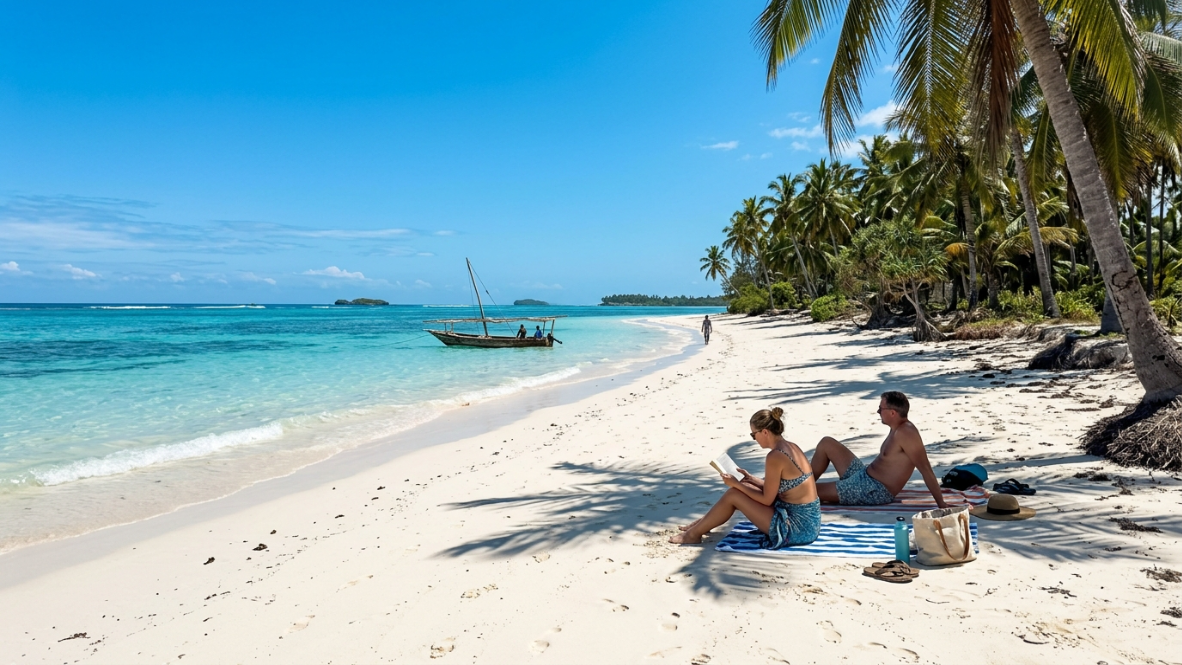
The dry seasons from June to October and December to February are the standard recommendation. October deserves special mention as a shoulder month with excellent conditions, lower prices, and the start of whale shark season off Mafia Island. The broader East Africa season guide covers how coast timing aligns with safari and Kilimanjaro seasons if you’re combining experiences.
Short Rains (Vuli)
A brief wet spell from late October through December, typically lighter and less disruptive than Masika. Rain comes in short afternoon bursts rather than all-day downpours. Most lodges stay open, and the landscape turns green after the dry Kusi season.
Month-by-Month Swahili Coast Travel Guide
|
Month |
Weather |
Crowds |
Best Activities |
|---|---|---|---|
|
January |
Excellent |
High |
Beaches, snorkeling |
|
February |
Excellent |
High |
Diving |
|
March |
Fair |
Medium |
Photography |
|
April |
Heavy rain |
Low |
Budget travel |
|
May |
Heavy rain |
Low |
Quiet travel |
|
June |
Excellent |
Medium |
Safari + coast |
|
July |
Excellent |
High |
Whale watching |
|
August |
Excellent |
High |
Diving |
|
September |
Excellent |
Medium |
Beaches |
|
October |
Outstanding |
Medium |
Whale sharks |
|
November |
Good |
Medium |
Shoulder season |
|
December |
Excellent |
High |
Holidays |
Cultural Terms: What You’ll See and Hear
For a deeper glossary focused specifically on Zanzibar’s cultural traditions and etiquette, see the Zanzibar culture glossary. The terms below focus on what you’ll encounter across the broader Swahili Coast.
Dhow
A traditional wooden sailing vessel, handcrafted by master carpenters using techniques passed down through generations. Historically powered by the lateen sail to harness monsoon winds for Indian Ocean trade. Today you’ll encounter dhows as sunset cruise vessels, fishing boats, and inter-island transport. A dhow cruise at sunset in Stone Town or Lamu is one of the coast’s signature experiences.
Taarab
A musical tradition that has connected Arab, Indian, and African cultures along the Swahili Coast for centuries. Taarab performances blend stringed instruments, percussion, and poetic Swahili lyrics. You’re most likely to hear it at Stone Town cultural events or on organized dhow cruises. The music is distinctly different from mainland Tanzanian genres and reflects the coast’s unique identity.
Kanga (Khanga)
A colorful rectangular cotton fabric that Zanzibaris have worn since the mid-19th century. Kangas typically feature a border, a central pattern, and a Swahili proverb or saying printed along the edge. They serve as clothing, baby carriers, prayer mats, and gifts. Buying one is both a practical souvenir and a cultural gesture.
Pole Pole
Swahili for “slowly, slowly.” This phrase defines the rhythm of Swahili Coast travel more than any other. Life moves pole pole along the coast, and fighting against that pace leads only to frustration. Embrace it. Ferries leave when they leave. Meals arrive when they’re ready. This is the charm, not a flaw.
Shikamoo
A respectful Swahili greeting used when addressing someone older. The response is marahaba. Using shikamoo in coastal towns, particularly with elders, signals cultural awareness and is always appreciated. It’s more formal than the common jambo or habari greetings.
Swahili Cuisine
Coconut milk, rice, seafood, and spices (cloves, cinnamon, cardamom) form the backbone of coastal cooking. Common meals include biryani, pilau (spiced rice), and seafood curry, eaten with chapati or mandazi (fried dough). The cuisine reflects centuries of Indian Ocean trade, blending African, Arab, Indian, and Portuguese influences into something entirely its own.
For restaurant picks and what to order, see the Zanzibar food guide.
Spice Island
Zanzibar’s longstanding nickname, earned through its history as a center of the global spice trade. Cloves, cinnamon, nutmeg, cardamom, turmeric, and ginger still grow on working plantations across Unguja. The name carries real meaning: cloves remain one of Zanzibar’s top exports.
Forodhani Gardens
A waterfront park in Stone Town that transforms into a bustling night food market every evening. Vendors serve Zanzibar pizza, grilled seafood, sugar cane juice, and other street food from smoking grills. It’s touristy but genuinely fun, and the food is cheap.
Coral-Stone Architecture
The distinctive building style found in Stone Town, Lamu, and the Kilwa ruins. Builders use coral stone cut from reef formations and lime mortar, creating structures that are both durable and breathable in the tropical climate. The style is easily recognized by elaborate carved doorways and intricate geometric designs on facades.
Carved Doors of Zanzibar
Stone Town’s most photographed architectural feature. The heavy wooden doors with brass studs and intricate carvings were historically markers of the owner’s status and origin. Indian-influenced doors feature rounded tops and floral motifs; Omani-style doors tend to be more geometric. Over 500 carved doors survive in Stone Town.
Activities & Experiences: What to Do
Bush and Beach
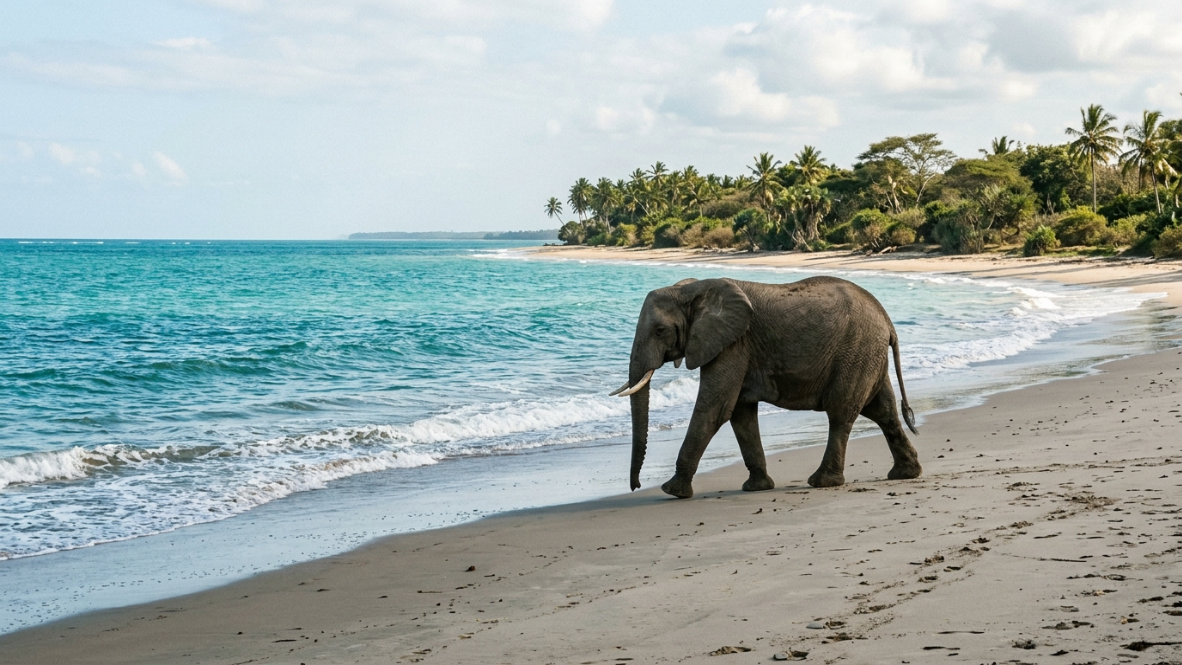
The dominant trip-planning concept for Swahili Coast travel. A bush-and-beach trip pairs a wildlife safari (typically in the Serengeti, Ngorongoro, or Tarangire) with a coastal stay. The Tanzania mainland coast offers a genuine alternative for those who want to skip the more crowded resorts of Zanzibar. Saadani, Pangani, and Mafia Island all serve this purpose.
→ Planning a multi-part trip? See our East Africa safari itineraries guide for routes and costs.
Spice Tour
A guided walk through working plantations near Kizimbani or Kidichi on Unguja, where you smell, taste, and learn how spices are harvested. Tours typically last two to three hours and include a meal prepared with the spices you’ve just picked. It’s one of Zanzibar’s most popular half-day activities and a good counterpoint to pure beach time.
Whale Shark Swimming
Whale sharks migrate to Tanzanian waters between October and March, attracted by plankton blooms. Mafia Island is the primary access point. WWF registered 180 individual whale sharks near Mafia in December 2017 alone. These animals reach up to 12 meters long and weigh around 20 tonnes, but they’re filter feeders and completely harmless to swimmers. Snorkeling alongside one is a bucket-list Swahili Coast experience.
Wami River Safari
In Saadani National Park, a boat safari along the mangrove-lined Wami River reveals hippos, large crocodiles, mangrove kingfishers, and lesser flamingos. It’s a completely different experience from a savannah game drive and highlights the coast’s unique position where marine and terrestrial ecosystems overlap.
Maziwe Island Snorkeling
Maziwe is a small sandbar about six miles off the Pangani coast, accessible only during low tide. The snorkeling is excellent, with healthy coral and diverse reef fish. Practitioners on TripAdvisor regularly note you often have the island entirely to yourself, which is nearly impossible at more popular Zanzibar snorkeling spots.
Humpback Whale Season
Between July and October, migrating humpback whales pass through the waters off the Swahili Coast. They’re most commonly spotted from Mafia Island and the waters around Saadani. Sightings aren’t guaranteed, but the season overlaps with the dry Kusi period, making it a good time to combine whale watching with diving.
Green Turtle Nesting
The beaches of Saadani and parts of the broader mainland coast form one of the last major green turtle breeding sites on mainland Tanzania. Nesting typically occurs between April and September. Seeing a nesting turtle or hatchling release is a rare wildlife encounter that most Swahili Coast guides mention only in passing.
Dhow Cruise
An evening or full-day sailing trip on a traditional dhow. Stone Town sunset cruises are the most common version, complete with snacks and taarab music. Longer sailing trips between islands or along the coast offer a more immersive experience and a glimpse of how these waters were navigated for centuries.
Logistics & Transport: How to Get Around
Coastal Aviation
The small-plane airline connecting remote Swahili Coast destinations. Coastal Aviation operates flights from Arusha and Dar es Salaam to Zanzibar, Mafia, Saadani (via Mashado airstrip), and other bush airstrips. These are typically 12-to-14-seat Cessna Caravans. Flight times are short (20 minutes from Zanzibar to Saadani), and the aerial views are part of the experience.
Daladala
Crowded minivans used as local transport throughout Tanzania. They’re the cheapest way to move along the coast, often costing just a few dollars for a multi-hour ride. They are not comfortable for long distances, and schedules are approximate at best. For short hops (say, Muheza junction to Pangani), a daladala works fine. For anything longer, consider a taxi or scheduled flight.
Ferry Crossings
Ferries and small planes link Zanzibar with Pemba Island, the Mafia Archipelago, and the mainland coast. The Dar es Salaam to Zanzibar fast ferry takes about two hours and runs multiple times daily. The Zanzibar to Pemba ferry is longer (roughly four to five hours) and rougher, especially during Kusi season. For Mafia, flying is strongly preferred over the unreliable local ferry.
Slow Travel
Lonely Planet’s Tanzania expert Mary Fitzpatrick describes the Swahili Coast as the ultimate slow-travel destination. A functional network of local buses and ferries makes it possible to work your way along the coast without flying, but it takes time. The key decision is whether to cover the full coast or pick one or two bases and explore from there. Most travelers with limited time are better served choosing a single base rather than hopping between three or four.
For practical safety and planning tips, the Zanzibar safety glossary covers common concerns.
Visa and eTA Requirements
Tanzania requires an electronic visa or eTA for most nationalities. Apply online before departure. If combining Tanzania with Kenya (for Lamu or Mombasa), you may need separate visas for each country or the East Africa Tourist Visa, which covers Tanzania, Kenya, and Uganda on a single permit. Details change frequently, so check the East Africa visa guide for current rules and costs.
Swahili Coast Budget Guide
People search this constantly.
|
Travel Style |
Daily Budget |
|---|---|
|
Backpacker |
$40–70 |
|
Mid-range |
$120–220 |
|
Luxury |
$350–800+ |
Historical Terms: What Shaped the Coast
Swahili City-States
Between roughly the 9th and 16th centuries, a chain of independent city-states flourished along the coast. Kilwa Kisiwani, Mombasa, Lamu, Zanzibar, and others grew wealthy from Indian Ocean trade. They were not a unified empire but a network of competing ports sharing language, religion (Islam), and architectural styles. Kilwa was among the earliest and most powerful, minting its own currency from the 11th to 14th centuries.
Monsoon Trade Routes
The entire Swahili Coast civilization was built on seasonal winds. Traders relied on the Kaskazi (northeast monsoon) to sail from Arabia, Persia, and India toward Africa, then waited months for the Kusi (southeast monsoon) to carry them home. This annual rhythm shaped settlement patterns, culture, and even cuisine. The spices, textiles, and architectural styles you see today are direct products of these trade connections reaching as far as China.
Slave Trade Heritage
Zanzibar was one of the main slave-trading ports in East Africa. Bagamoyo and Pangani also have significant histories tied to the slave and ivory trades. The Anglican Cathedral in Stone Town sits on the former site of the slave market. These places carry enormous symbolic importance in the story of abolition and human rights. Visiting the memorial sites is uncomfortable and should be, as they preserve an essential chapter of global history.
The Three UNESCO World Heritage Sites
The Swahili Coast contains three UNESCO World Heritage Sites, a fact no other travel guide seems to compile in one place:
-
Ruins of Kilwa Kisiwani and Songo Mnara (inscribed 1981). Medieval trading city ruins on two islands off southern Tanzania.
-
Stone Town, Zanzibar (inscribed 2000). Living historic center reflecting centuries of cultural fusion.
-
Lamu Old Town, Kenya (inscribed 2001). Oldest intact Swahili settlement in East Africa.
Visiting all three on a single trip is possible but requires real commitment to logistics. Most travelers pick one or two.
Omani Sultanate
In the early 19th century, the Sultan of Oman relocated his capital to Zanzibar, cementing the island’s role as the commercial heart of the western Indian Ocean. The Omani period brought clove plantations (worked by enslaved people), the distinctive carved doors, and the House of Wonders in Stone Town. This era is the most visible layer of Zanzibar’s complex architectural and cultural identity.
Frequently Asked Questions
Is the Swahili Coast just Zanzibar?
No. Zanzibar is one destination within the Swahili Coast, which stretches roughly 1,500 kilometers from southern Somalia through Kenya and Tanzania to northern Mozambique. The mainland coast of Tanzania alone offers 880 miles of largely undeveloped shoreline, including places like Pangani, Saadani, Bagamoyo, and Kilwa that most visitors never consider.
What is the best time for Swahili Coast travel?
The dry seasons from June to October and December to February are most recommended. October stands out as a shoulder month with calm seas, lower prices, the start of whale shark season, and fewer crowds. Avoid the Masika long rains (March through May) unless you’re comfortable with unpredictable logistics and some lodge closures.
How do Kusi and Kaskazi affect trip planning?
Kusi (June to October) brings drier weather and excellent diving visibility but rougher seas, especially on east-facing coasts. Kaskazi (December to March) brings calmer, warmer ocean conditions ideal for swimming and snorkeling. Choose your season based on which water activities matter most to you.
Can you combine a safari with the Swahili Coast?
Yes, this is the “bush and beach” concept and the most popular way to structure a Tanzania trip. A typical approach pairs five to seven days of safari in the northern circuit (Serengeti, Ngorongoro, Tarangire) with three to five days on the coast. Saadani National Park uniquely combines both in one location.
How do you get to the mainland coast destinations like Pangani or Kilwa?
Pangani is reachable by road from Dar es Salaam (about five to six hours) or by daladala from Muheza junction. Saadani is best accessed by small plane from Dar or Zanzibar (around 20 minutes via Coastal Aviation). Kilwa requires either a long drive south from Dar (roughly five hours) or a charter flight. None of these are quick trips, which is part of the appeal.
Is Lamu worth including in a Swahili Coast itinerary?
Lamu offers something no Tanzanian destination quite matches: a 700-year-old, car-free Swahili town that’s still a living community rather than a museum. It requires crossing into Kenya, which adds visa considerations, but flights from Nairobi or Mombasa are straightforward. For travelers with two weeks or more, Lamu is a worthwhile addition.
What makes the Swahili Coast different from a standard Zanzibar beach holiday?
Scope and depth. A Zanzibar beach holiday typically means Unguja’s resort strips and a day trip to Stone Town. Swahili Coast travel opens up mainland coastal parks, off-grid islands like Mafia and Pemba, medieval ruins, and a multi-country cultural corridor. It rewards curiosity and patience over convenience.
The Swahili Coast rewards travelers who plan carefully and move slowly. Whether you’re drawn to the medieval ruins of Kilwa, the whale sharks off Mafia, or the quiet sand of Pangani, this stretch of coastline offers something far richer than a standard beach holiday.
→ Ready to start building your itinerary? Explore safari and beach trip options or browse East Africa itinerary routes and costs to see how the pieces fit together.