Stone Town, Zanzibar: A Complete Guide to the UNESCO World Heritage Old Town
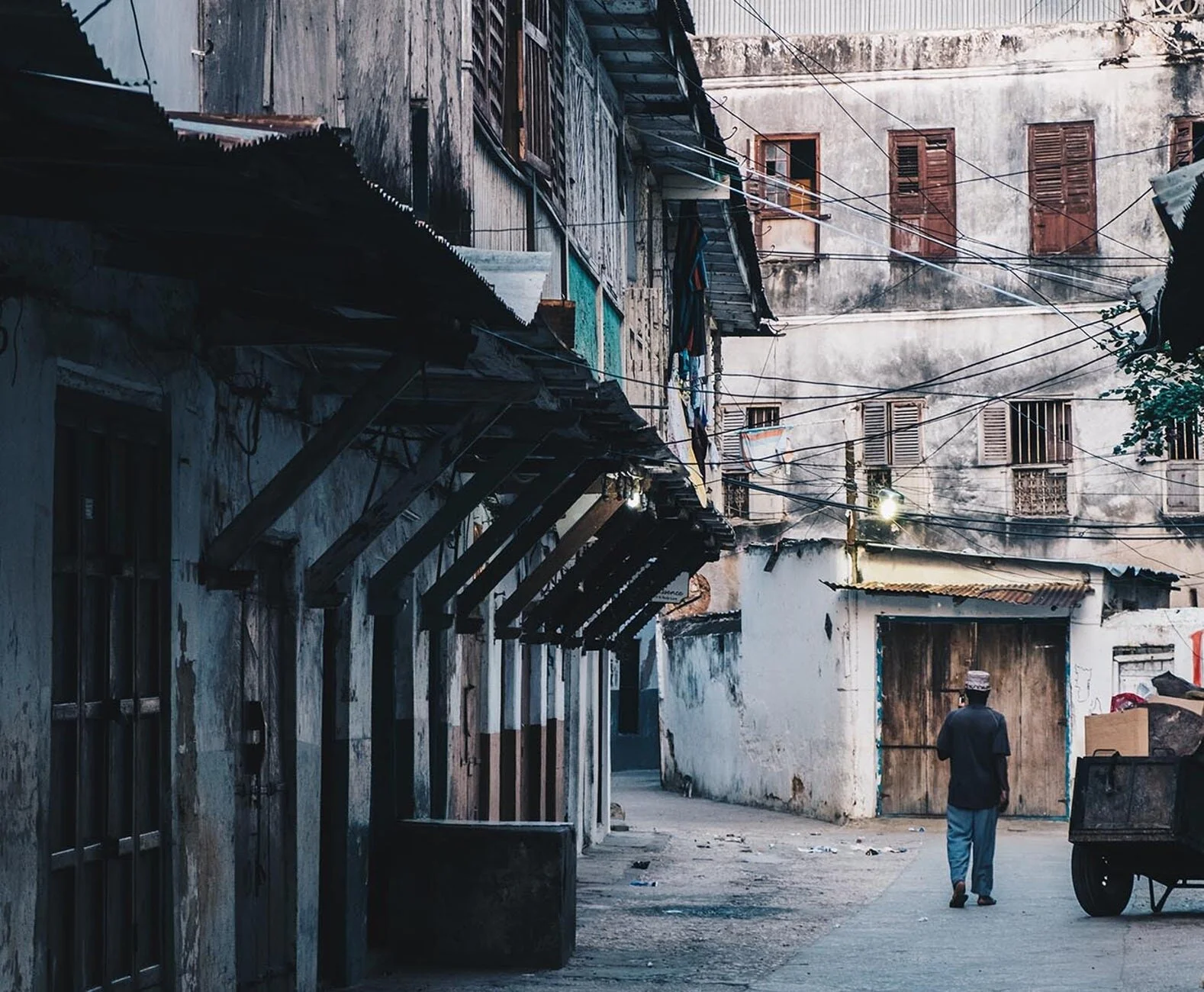
Stone Town, Zanzibar: A Complete Guide to the UNESCO World Heritage Old Town
Stone Town is the historic heart of Zanzibar City and a UNESCO World Heritage Site that draws visitors from around the world. Once the capital of the Zanzibar Sultanate and the center of the East African spice and slave trades, its narrow, winding streets are lined with 19th-century coral stone buildings, ornately carved wooden doors, and a rich blend of Arab, Persian, Indian, and Swahili culture. Whether you're exploring the Christ Church Cathedral and Slave Museum, browsing the vibrant bazaars, visiting the Freddie Mercury Museum, or watching the sunset from a rooftop restaurant, Stone Town is one of the most atmospheric and culturally significant destinations in East Africa. Here's everything you need to know for your visit.
Most travelers add 1–2 days in Stone Town after a Tanzania safari, then 3–4 beach nights.
See Tanzania safari itineraries →
A Brief History of Stone Town, Zanzibar
Stone Town, also known as Mji Mkongwe (Swahili for “old town”), is the older, historical part of Zanzibar City, the capital of Zanzibar. The newer area of the city is known as Ng’ambo (Swahili for “the other side”). Stone Town is located on the western coast of Unguja, the main island of the Zanzibar Archipelago. It was the capital of the Zanzibar Sultanate, and the center of the spice and slave trades in the late 18th to 19th centuries. In 1964, Tanganyika and Zanzibar joined each other to form the United Republic of Tanzania; Zanzibar retained a semi-autonomous status, with Stone Town as its capital.
Why Stone Town Is a UNESCO World Heritage Site
The name “Stone Town” comes from the reddish coral stone that is used as a main construction material for its buildings. Stone Town features a diverse range of architectural styles mostly dating back to the 19th century, with Arab, Persian, Indian, and European elements. It is also known for its intricately carved, large, wooden doors. Stone Town was designated as a UNESCO World Heritage Site in 2000.
Top Things to See and Do in Stone Town
Stone Town’s main attractions are all within walking distance, and include former palaces of the sultans, fortresses, cathedrals, mosques, and an outdoor bazaar. Stone Town’s streets are mazelike and narrow; you’ll need to get around on foot, bikes, or motorbikes. A highlight is the Christ Church Cathedral and Slave Museum, built in 1887 to mark the end of the slave trade; its High Altar was constructed on the site of a whipping post. This monument is a sobering reminder about the impacts of the slave trade impacts on the region and beyond.
Stone Town is also a launching point for many regional attractions and island activities, including boat trips, Chumbe Island, spice tours, cultural tours, fishing trips and other adventures.
Stone Town’s Cultural Scene: Festivals, Film & Music
Stone Town is the center of Swahili culture. It hosts Swahili cultural events throughout the year, including the largest film festival in East Africa, the annual multi-disciplinary Zanzibar International Film Festival. The annual music festival, Sauti ya Busara, takes place inside Stone Town’s Old Fort and features musicians from Africa and beyond. Swahili culture is evident throughout the town, in the streets, historical buildings, and museums. Stone Town features excellent shopping and dining, and is considered the fashion mecca of East Africa. Designers like Kihaga and Mago have storefronts. There are also a lot of shops specializing in spices, seaweed products, organic cosmetics, and soaps, as well as traditional art and fabrics, carved doors, and furniture. We also suggest attending a soccer match; Zanzibaris are dedicated fans, and the stadium is 10 minutes away from the center of Stone Town.
Art Galleries and Museums in Stone Town
For travelers with a serious interest in African contemporary art, Stone Town is home to the Forster Gallery — one of East Africa's most compelling fine art spaces. Founded by Markus Forster and Marina Majiba, the gallery represents Tanzanian masters alongside emerging artists from across the African continent, including works by George Lilanga, David Mzuguno, and Valerie Asiimwe Amani, whose paintings have been exhibited at the Zeitz Museum of Contemporary African Art in Cape Town and acquired by The Ashmolean Museum in Oxford. What sets Forster Gallery apart is its OpenStudio residency program, which brings artists from across Africa to live and work in Zanzibar — meaning you may arrive to find a resident artist mid-canvas, available for a conversation about the work being made in front of you. Visits are by appointment; contact the gallery at info@forster-gallery.com to arrange yours.
If you’re into Queen, Freddie Mercury, the lead singer of the band, was born in Stone Town. The Freddie Mercury Museum opened in 2019 and is the world’s first museum dedicated entirely to the singer. The museum is located in the house where Mercury lived with his family before moving to England in 1963.
Where to Eat and Stay in Stone Town
While in Stone Town, we recommend that you stay at Emerson Spice and dine at their Secret Garden restaurant. This romantic restaurant is situated in a walled garden with an atmosphere reminiscent of old Zanzibar. There are evening live music performances at Secret Garden every Wednesday and Friday. Dinner at Emerson Spice’s sister restaurant, Emerson Hurumzi’s Rooftop Tea House, is a great option for a longer meal. The five-course, seafood-based dinner is a modern take on Zanzibari cuisine. While dining at the Rooftop Tea House, watch and listen to the streets of Stone Town from above and on some evenings a live Taarab music performance. Taarab is a traditional type of Zanzibari music dating back to the 1880s. Arrive early to your dinner reservation in order to watch the sunset and listen to the calls to prayer from the many mosques around town. Emerson Spice is a restored former mansion of the last Swahili ruler of Zanzibar; its latticed balconies, unique rooms, and beautiful decor makes this a destination.
Music and Cultural Preservation in Zanzibar
The Emerson Zanzibar Foundation, founded by the late owner of Emerson Spice and Emerson Hurumzi, has been instrumental in conserving and promoting the culture and art of Zanzibar. For those interesting in an in-depth musical experience, visit the Dhow Countries Music Academy which has regular concerts and music lessons. Dhow Countries Music Academy promotes the music of countries located on the Indian Ocean.
Practical Tips for Visiting Stone Town
Getting there: Stone Town is a short 15-minute drive from Abeid Amani Karume International Airport (ZNZ). Most hotels arrange airport transfers, and Duma Explorer can coordinate your arrival as part of a wider Tanzania safari or Zanzibar beach itinerary.
Getting around: Stone Town’s streets are too narrow for cars in many places — exploring on foot is the best (and most rewarding) way to navigate. Hire a local guide for your first walk to orient yourself.
How long to stay: We recommend 1–2 full days in Stone Town as part of a longer Zanzibar stay of 3–5 nights. This gives you time to explore the historic sites, enjoy the food scene, and take a day trip to the spice plantations or Chumbe Island.
Currency: US dollars are widely accepted, but carry bills printed after 2006. ATMs are available but can be unreliable, so bring enough cash.
Combine with a safari: Many of our guests visit Stone Town as the final stop after a Tanzania safari — the perfect way to unwind after days in the Serengeti or Ngorongoro Crater. Contact us to plan your itinerary.
Best Time to Visit Stone Town
Stone Town can be visited year-round thanks to Zanzibar’s tropical climate. The most popular months are June through October (the dry season), when temperatures are warm but comfortable and rainfall is minimal. January and February are also excellent — hot and dry with fewer crowds. The long rains fall from March to May, and the short rains come in November, but even during these months, mornings are often clear and Stone Town’s covered streets and indoor attractions remain enjoyable. If you’re combining Stone Town with a Tanzania safari, the dry season (June–October) offers the best wildlife viewing and ideal Zanzibar weather.