

Tanzania Safari Safety Guide 2026: Rules, Risks & Tips
TL;DR
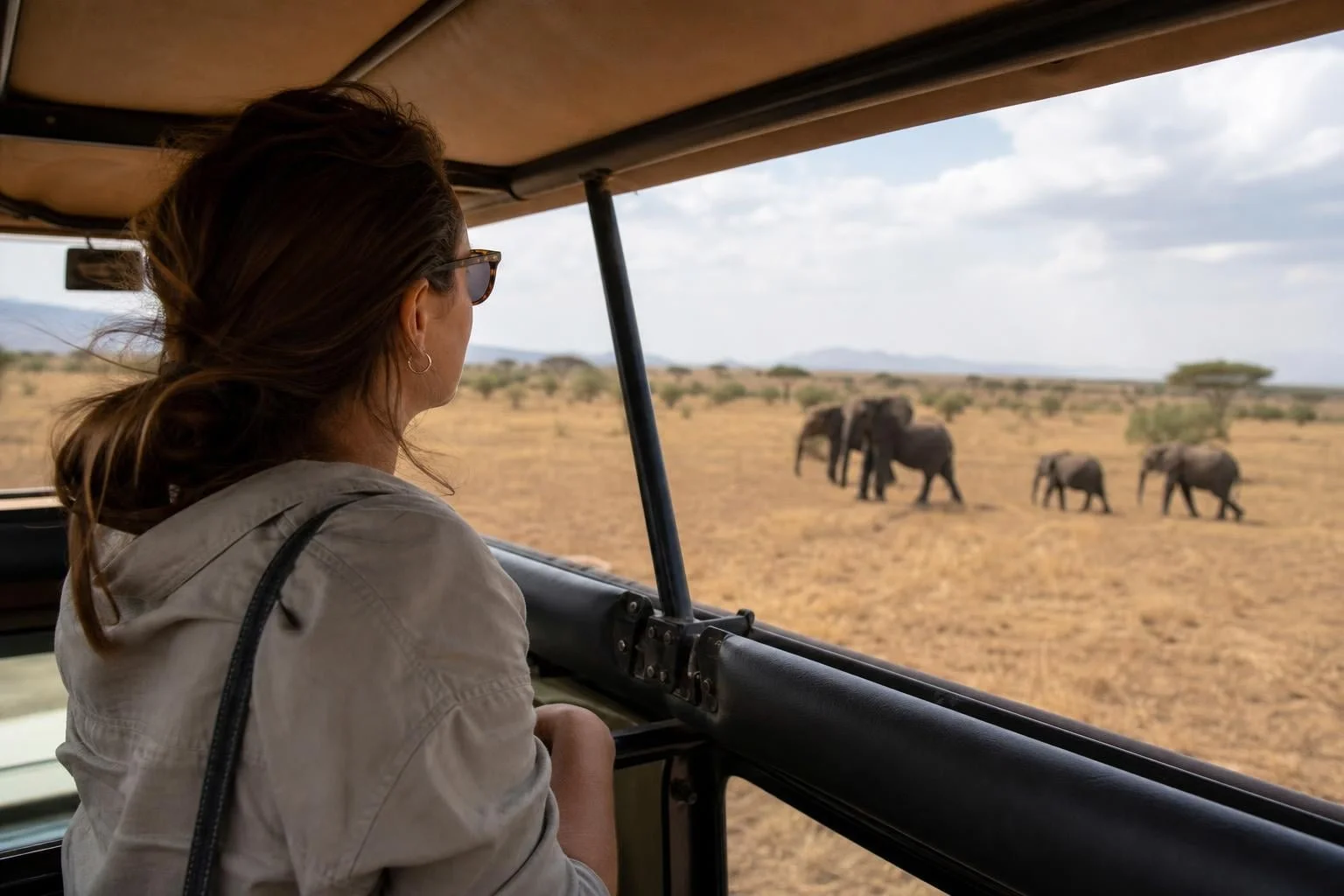
Tanzania welcomed over 2.1 million international visitors in 2024 and remains one of Africa’s safest safari destinations, though the U.S. raised its travel advisory to Level 3 in October 2025. The actual safari parks sit hundreds of kilometers from cited risk zones. Your biggest health threat on safari is malaria, not wildlife. Understanding guide certifications, park rules, insurance layers, and operator vetting criteria is the difference between a well-prepared trip and an anxious one.
The U.S. State Department’s Level 3 “Reconsider Travel” advisory for Tanzania, issued October 31, 2025, understandably alarms people mid-booking. It cites unrest, crime, terrorism, and the targeting of LGBTQ+ travelers. Read that cold, and you might cancel your trip.
But context matters. The advisory singles out the Mtwara Region on the far southern coast near Mozambique as the primary terrorism concern. The Serengeti, Ngorongoro Crater, Tarangire, and Lake Manyara, the parks that define a classic Tanzania safari, sit hundreds of kilometers to the north and west. Tanzania hosted a record-breaking 2.1 million international tourists in 2024, and safari circuits operated normally even during the brief post-election disturbances in late October 2025.
None of this means Tanzania safari safety is something to take on faith. It means you need the right vocabulary to separate real risks from headline noise, to vet operators intelligently, and to make decisions based on specifics rather than fear.
That’s what this guide provides: a glossary of the safety terms, certifications, regulations, and protocols that actually determine how safe your safari will be, plus practical checklists you can act on today.
Planning a private safari and want to understand your options first? Check out this guide to private safari routes and costs.
Quick Answer: Is Tanzania Safe for Safari Travelers? Yes. Tanzania remains one of Africa's safest safari destinations when you travel with a licensed safari operator and follow park regulations. Most safety concerns affecting tourists are related to malaria, road travel, petty theft in cities, and avoidable rule violations around wildlife—not attacks by wild animals. The Northern Safari Circuit, including Serengeti National Park, Ngorongoro Conservation Area, Tarangire National Park, and Lake Manyara National Park, is far from the regions highlighted in most international travel advisories. For most visitors, safari safety comes down to four essentials: - Book a licensed operator with certified guides. - Take malaria prevention seriously. - Carry comprehensive travel insurance with evacuation coverage. - Follow TANAPA wildlife rules at all times.
Tanzania Safari Safety at a Glance
|
Category |
Risk Level |
Notes |
|---|---|---|
|
Wildlife encounters |
Low |
Safe when guide instructions are followed |
|
Malaria |
Moderate |
Biggest health risk |
|
Violent crime in safari parks |
Very Low |
Extremely uncommon |
|
Petty theft in cities |
Moderate |
Use normal travel precautions |
|
Road travel |
Moderate |
Long-distance driving carries the greatest transportation risk |
|
Terrorism in safari parks |
Very Low |
Risk areas are far from Northern Safari Circuit |
|
Walking safaris |
Low |
Only with certified armed guides |
|
Solo travelers |
Low |
Safe with reputable operators |
|
Families |
Very Low |
Family safaris are common |
|
Female travelers |
Low |
Standard travel awareness recommended |
The Safety Terms That Actually Matter: A–Z Glossary
AMREF Flying Doctors
East Africa’s primary air ambulance service, operating fixed-wing aircraft out of Wilson Airport in Nairobi for over 60 years. For roughly $40 per person for a 30-day membership, AMREF will evacuate you from a remote safari location to a hospital in Nairobi during a medical emergency.
Why it matters for Tanzania safari safety: Safari camps can be hours from the nearest hospital by road. Air evacuation closes that gap from half a day to under two hours. But AMREF membership is transport only. It does not cover hospital treatment, surgery, or repatriation to your home country. Think of it as one piece of a three-part insurance puzzle (more on that below).
Concession Area
A private wildlife area adjacent to or within a national park, leased to a single operator or a small number of operators. Concessions typically allow walking safaris, night drives, and off-road driving, activities restricted in public TANAPA parks.
Safety implications: Fewer vehicles and more exclusive access mean a different risk profile. Walking safaris in concessions require armed ranger escorts. The tradeoff is lower crowd density but higher dependence on your operator’s protocols. If you’re considering these more remote experiences, understanding how to choose a remote operator matters.
Drone Ban
TANAPA prohibits drones inside all national parks and conservation areas. No exceptions for tourists. Violation means confiscation of equipment and fines.
Why it exists: Drones disturb wildlife, particularly birds of prey and large mammals with calves. They can trigger stampedes. Beyond the ecological argument, a drone falling near a hippo pool or elephant herd creates a genuine safety hazard for everyone nearby.
EcoTraining
A professional safari guide training provider offering FGASA-accredited programs across Africa. Course lengths range from 28 days for a Trails Guide or Safari Guide certification to 55 days for the Apprentice Field Guide Level 1 (NQF2). When an operator invests in EcoTraining for its guides, it signals commitment to wildlife interpretation skills and emergency preparedness that go well beyond basic licensing.
FGASA (Field Guides Association of Southern Africa)
The industry benchmark for safari guide certification across Africa. Levels range from Nature Site Guide through Advanced Field Guide. Originally a Southern African standard, FGASA is now recognized in Tanzania, Kenya, Rwanda, Uganda, and several other countries.
Why this matters for your safety: FGASA-certified guides must demonstrate first aid competence. As FGASA’s own training materials state, guides are responsible for guest well-being, and unforeseen accidents or medical emergencies, from wildlife encounters to injuries, require immediate first aid skills until professional help arrives. A 55-day NQF2 program is a serious commitment. Ask your operator whether their guides hold FGASA credentials.
Game Drive Safety Rules (TANAPA)
Tanzania National Parks Authority enforces specific rules that directly affect your safety on every game drive:
-
Vehicle hours: Driving in parks is allowed between 6:00 AM and 6:00 PM. Night drives require a special permit and are only available in select areas.
-
Speed limits: Maximum 50 km/h in parks, 25 km/h inside the Ngorongoro Crater. Recommended game-viewing speed is 25 km/h.
-
Vehicle exit: You must not exit your vehicle within 200 meters of any wild animal. Outside that radius, you should stay within 25 meters of your car. Leaving the vehicle is only permitted at designated stopping points or picnic sites.
-
No feeding animals. No loud noise, horns, or music.
-
No off-road driving in public parks.
These aren’t suggestions. TANAPA recorded 23 wildlife-related tourist injuries in 2025, primarily in cases where visitors violated safety guidelines. In 2022, an encounter with an elephant ended fatally, and attacks by lions and buffaloes have also been reported. Rare, but real, and almost always tied to rule-breaking.
Level 3 Travel Advisory (U.S.)
As of October 31, 2025, the U.S. State Department classifies Tanzania at Level 3: “Reconsider Travel.” The four stated reasons are unrest, crime, terrorism, and targeting of LGBTQ+ travelers.
Critical context: Level 3 is not a travel ban (that’s Level 4: “Do Not Travel”). The terrorism risk is concentrated in the Mtwara Region, far from safari circuits. The unrest reference relates to isolated post-election protests that were swiftly contained. Tanzania’s Ministry of Natural Resources and Tourism issued an official advisory confirming that peace, stability, and normalcy were fully restored.
Practitioners on Reddit and TripAdvisor forums consistently report that the safari experience itself feels remarkably safe. One common sentiment across these discussions: the meaningful risk for most safari and beach travelers is opportunistic urban crime, not anything that happens inside the parks.
LGBTQ+ Safety
Same-sex acts are illegal in Tanzania and Zanzibar, with severe penalties on the books. The October 2025 U.S. advisory specifically warns that LGBTQ+ travelers “have been arrested, targeted, and harassed.”
Practical reality: Many LGBTQ+ travelers visit Tanzania each year without incident. But the legal and social risk is genuinely higher than in most safari destinations. Discretion is advised, particularly regarding public displays of affection. Private lodges and camps in the bush are generally more insulated than cities. This isn’t a risk to dismiss, but it’s also not a blanket reason to avoid the country if you plan accordingly.
Malaria Prophylaxis
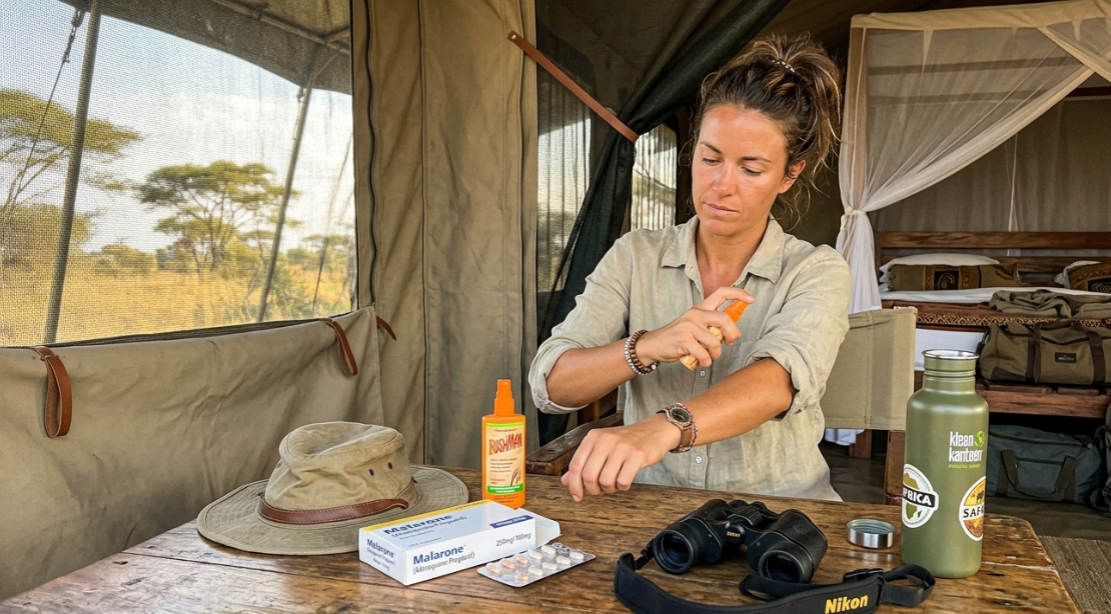
Tanzania is a malaria zone below 1,800 meters elevation, which includes virtually all safari parks. The biggest Tanzania safari safety risk is malaria, not wildlife. Prophylactic medication (Malarone, doxycycline, or mefloquine) is strongly recommended. Combine medication with DEET-based repellent, long sleeves at dusk, and sleeping under treated bed nets.
Visit a travel clinic 4 to 6 weeks before departure. This timing matters because some medications require lead time, and you’ll likely need other vaccinations too. For more on health precautions relevant to East Africa, see this malaria risks and prevention guide.
Mandatory Travel Insurance (Tanzania Mainland)
Starting in 2025, Tanzania requires all foreign visitors (excluding EAC and SADC citizens) to purchase travel insurance upon entry under the Insurance Act, Chapter 394. The cost is approximately $44, paid in Tanzanian shillings. It covers emergency medical treatment, baggage loss, rescue services, and repatriation for up to 92 days.
The catch: This mandatory policy is a baseline, not a replacement for comprehensive coverage. It won’t cover a $50,000 air evacuation or a $80,000 hospital stay in Nairobi. If you’re also climbing Kilimanjaro, note that high-altitude trekking to nearly 6,000 meters is a specialist activity that most generic policies exclude. For a deeper look at what real coverage looks like, see this safari travel insurance guide.
Night Escort
Lodge and camp staff, often Maasai askaris (guards), who walk guests between their room or tent and common areas after dark. This is standard at camps inside national parks where wildlife roams freely through the property.
Night escorts are not ceremonial. Hippos graze on lawns. Elephants drink from pools. Buffalo wander through unfenced camps. The escorts carry flashlights, know the animals’ patterns, and keep you on safe paths. If your lodge offers this service, use it every time.
Safari camps and lodges also maintain 24/7 radio communications, controlled or monitored perimeters, and emergency call systems. For travelers evaluating luxury lodges and tented camps, these security features are worth asking about during the booking process.
Park Fees
Daily entry fees paid to TANAPA for each national park. These fees fund ranger patrols, anti-poaching units, road maintenance, and safety infrastructure. Well-funded parks have better safety records, more ranger presence, and better-maintained roads. Understanding how park fees fit into overall costs helps you see where your money goes.
Radio Communication
Safari vehicles and camps maintain VHF/HF radio networks for real-time coordination. These serve three safety functions: wildlife alerts (predator sightings, dangerous animal movements), emergency response coordination, and communication with park headquarters. When vetting an operator, ask about their communications setup. A vehicle without a working radio in a remote park is an unnecessary risk.
STEP (Smart Traveler Enrollment Program)
A free service from the U.S. State Department that lets American citizens register their trip abroad. STEP sends you safety alerts for your destination and helps the nearest embassy locate you during an emergency. Registration takes five minutes and costs nothing. There’s no reason not to do it.
TANAPA (Tanzania National Parks Authority)
The government body managing Tanzania’s 22 national parks. TANAPA sets and enforces all safety regulations: speed limits, vehicle standards, guide licensing requirements, permitted hours, and wildlife interaction rules. Every park entry fee you pay goes through TANAPA.
Tourism Police
Dedicated police units patrolling the Northern Safari Circuit 24 hours a day, 7 days a week. They cover the Serengeti, Ngorongoro, Tarangire, and Lake Manyara. Armed robbery incidents on safari routes decreased 15% in 2025 according to Tanzania Tourism Association data. The tourism police are a big part of why the parks themselves feel so secure compared to urban areas.
Travel Insurance (Comprehensive, Three-Layer Framework)
This is one of the most important Tanzania safari safety concepts, and the one most travelers get wrong. A single policy rarely covers everything. The recommended approach uses three layers:
Layer 1: AMREF Flying Doctors membership (~$40). Covers emergency air evacuation from the bush to a Nairobi hospital.
Layer 2: Comprehensive travel medical insurance. Covers hospital treatment, surgery, and specialist care. Aim for $100,000+ in medical coverage and $250,000+ in evacuation/repatriation benefits.
Layer 3: Trip protection. Covers cancellation, interruption, delays, and baggage loss.
The cost of being uninsured: A medical emergency on safari without proper insurance can unfold like this: emergency air evacuation from a bush camp runs $10,000 to $50,000, hospital treatment in Nairobi $15,000 to $80,000, and aeromedical repatriation to your home country $50,000 to $100,000. Total exposure: $75,000 to $230,000. The three layers combined cost a few hundred dollars.
Travelife Certified
A sustainability certification that also covers safety management practices, staff training, and guest welfare protocols. It’s rare among Tanzania operators. When you see it, it means the company has submitted to third-party auditing of how they treat guests, staff, and the environment.
Vehicle Safety Standards
Reputable operators use purpose-built 4x4 safari vehicles with pop-up roofs, reinforced seating, seat belts, spare tires, first aid kits, and fire extinguishers. Vehicle maintenance is a top differentiator between budget and quality operators. A breakdown in a remote area of the Serengeti isn’t just inconvenient; it’s a safety event. When comparing private safari operators, vehicle condition and maintenance schedules should be on your checklist.
Walking Safari
On-foot game viewing in designated areas, guided by armed, certified rangers. Walking safaris offer an immersive experience but carry higher risk than vehicle-based drives. TANAPA only permits them in specific zones with trained guides and armed escorts. Participants must follow ranger instructions exactly, without exception. Walking safaris are safe when run correctly, but “correctly” means the operator controls every step of the experience.
If you’re adding gorilla trekking in Uganda or Rwanda to your trip, the safety rules for gorilla trekking follow a similar logic of controlled, guided wildlife encounters on foot.
Wilderness First Responder (WFR)
An advanced 80-hour wilderness medicine certification that trains guides to manage emergencies far from hospitals: wound care, fracture stabilization, anaphylaxis, altitude sickness, and evacuation decision-making. WFR is uncommon among Tanzania safari guides. When an operator’s guides hold this certification, it’s a strong safety differentiator, particularly for Kilimanjaro climbs and walking safaris where professional medical help may be hours away.
Yellow Fever Vaccination
Required if arriving from an endemic country. The WHO classifies Tanzania as a yellow fever risk area. Certificate validity is now lifetime under updated WHO guidance. Many operators and travel doctors recommend vaccination regardless of your origin country, both for your protection and to avoid entry complications.
ZIC (Zanzibar Insurance Corporation)
Since October 2024, all foreign visitors to Zanzibar (excluding residents) must purchase mandatory inbound travel insurance from Zanzibar Insurance Corporation. This is separate from the mainland Tanzania policy. Coverage lasts up to 92 days. Like the mainland requirement, it should be treated as a floor, not a ceiling, for your insurance coverage.
Seasonal Safety Factors
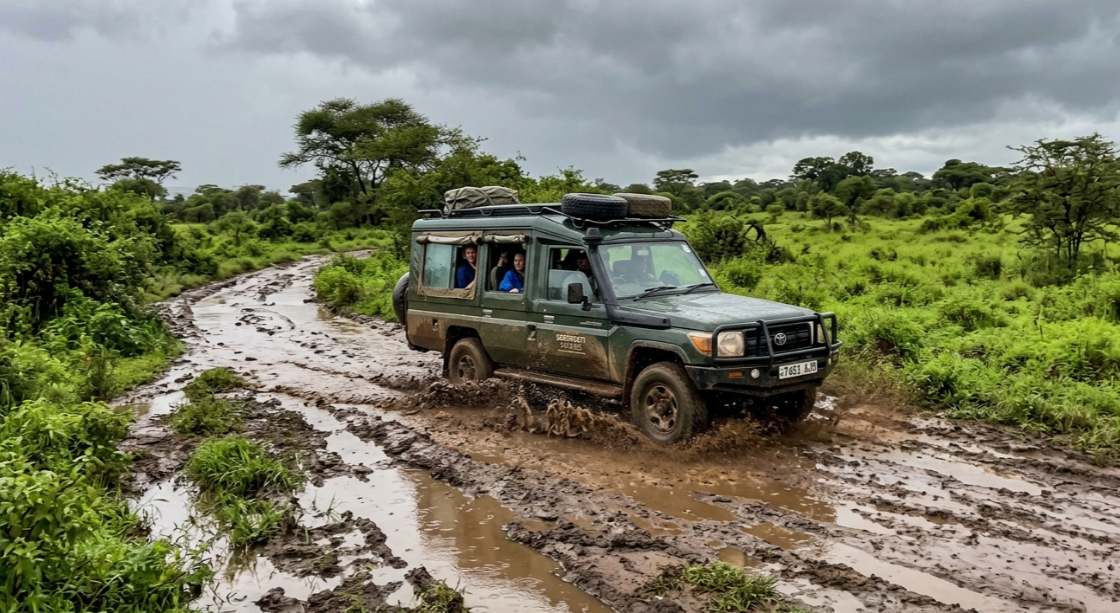
Timing affects Tanzania safari safety beyond just wildlife visibility. The rainy seasons (long rains in April and May, short rains in November) make roads muddy and river crossings difficult. Some camps close entirely. The dry season (June through October, plus January through March) provides safer driving conditions, more predictable logistics, and better wildlife viewing since animals concentrate around water sources.
If you’re still deciding when to go, the best time to visit guide breaks down month-by-month conditions across East Africa.
Weather-Related Safety Risks
Many travelers focus on wildlife while overlooking weather-related hazards that affect safari logistics.
During the Dry Season
-
Dust can irritate eyes and lungs.
-
Morning temperatures can fall below 10°C in Ngorongoro.
-
Dehydration becomes more common.
-
Wildlife concentrates near water, making viewing easier but requiring stricter guide discipline.
During the Rainy Season
-
Roads become slippery and occasionally impassable.
-
Flash flooding can delay transfers.
-
Mosquito populations increase.
-
Some remote camps close temporarily.
Although safaris operate year-round, travelers should prepare differently depending on the season.
Urban Safety: Arusha, Dar es Salaam, and Stone Town
Most travelers pass through at least one Tanzanian city before reaching the parks. Urban crime, particularly petty theft and opportunistic robbery, represents the most realistic safety concern for tourists. Practitioners on TripAdvisor forums and Reddit consistently emphasize a few ground rules:
-
Don’t walk with visible jewelry, cameras, or phones in crowded areas.
-
Use registered taxis or ride-hailing apps rather than hailing random vehicles.
-
Avoid walking alone after dark in Arusha, Dar es Salaam, and Stone Town.
-
Keep copies of your passport separate from the original.
-
Use hotel safes for valuables you don’t need on your person.
The Northern Safari Circuit towns (Arusha, Karatu) have tourism police and a strong infrastructure geared toward traveler safety. Dar es Salaam requires more street awareness, as any large city does.
Medical Facilities Near Tanzania Safari Parks
Knowing where medical care is available provides additional peace of mind.
|
Location |
Medical Resources |
|---|---|
|
Arusha |
Largest concentration of international-standard hospitals serving safari travelers |
|
Karatu |
Regional clinics for initial stabilization |
|
Serengeti camps |
First aid and radio evacuation only |
|
Ngorongoro |
Ranger stations and emergency coordination |
|
Zanzibar |
Several private hospitals and clinics |
For serious emergencies, evacuation to Nairobi through AMREF Flying Doctors remains the standard protocol.
Your Pre-Safari Safety Checklist
-
Visit a travel clinic 4 to 6 weeks before departure. Get malaria prophylaxis, yellow fever vaccination (if needed), and any other recommended shots (typhoid, hepatitis A/B, tetanus).
-
Purchase three layers of insurance. AMREF Flying Doctors membership, comprehensive travel medical insurance, and trip protection. Do not rely on Tanzania’s mandatory $44 policy alone.
-
Register with STEP (for U.S. citizens) or your country’s equivalent program.
-
Save the AMREF emergency hotline number in your phone and on paper.
-
Confirm your operator’s licensing and certifications. Ask about TANAPA licensing, guide credentials, vehicle maintenance, and radio equipment.
-
Review TANAPA park rules so you know the speed limits, vehicle exit rules, and prohibited behaviors before your first game drive.
-
Pack appropriately. Long sleeves and pants for dusk (malaria prevention), sturdy shoes, sunscreen, and a basic first aid kit. For a complete list, see this Tanzania safari packing guide.
-
Carry photocopies of all documents (passport, insurance cards, vaccination certificates) separate from originals.
Questions to Ask Your Safari Operator About Safety
These questions separate serious operators from those cutting corners. Don’t feel awkward asking them. Good operators welcome the scrutiny.
-
What guide certifications does your team hold? Look for FGASA, WFR, EcoTraining, or equivalent credentials.
-
What is your emergency protocol? A clear answer should cover radio procedures, nearest medical facilities, AMREF coordination, and evacuation routes.
-
Are your vehicles equipped with first aid kits, fire extinguishers, and working radios?
-
Do you carry AMREF Flying Doctors coverage or coordinate air evacuation?
-
What sustainability or safety certifications does your company hold? Travelife, KPAP, or similar third-party audits indicate operational standards beyond the minimum.
-
What is your vehicle maintenance schedule? Reputable operators service vehicles on fixed intervals, not just when something breaks.
-
How do you handle medical emergencies in remote areas? The answer reveals whether they’ve actually thought through worst-case scenarios.
Avoiding common safari booking mistakes starts with asking these questions before you put down a deposit, not after.
Solo, Family, and Couple-Specific Considerations
Solo travelers: Tanzania safari safety for solo visitors is strong, particularly on group departures or with a private guide. The main concern is urban crime. Stick to reputable accommodations, use vetted transfers, and avoid walking alone at night in cities.
Families: Children under five are restricted from some parks and most walking safaris. Family-friendly lodges often have fenced perimeters, family suites near common areas (reducing nighttime walks), and guides experienced with younger travelers.
Couples and honeymooners: The vast majority of honeymoon safaris go smoothly. The main consideration is LGBTQ+ travelers, who face legal risk (see the glossary entry above). Private camps and lodges offer more privacy and insulation than budget hotels in cities.
Frequently Asked Questions
Is Tanzania safe for tourists in 2025?
Yes, for the vast majority of visitors. Tanzania welcomed over 2.1 million international tourists in 2024. The U.S. Level 3 advisory reflects country-wide risk factors, but safari zones (the Northern Circuit, southern parks, Zanzibar) operate hundreds of kilometers from cited risk areas like Mtwara. On safari, you’re in a controlled environment with trained guides, tourism police, and established safety protocols. Urban areas require standard precautions against petty crime.
What is the biggest safety risk on a Tanzania safari?
Malaria, not wildlife. Tanzania is a malaria zone below 1,800 meters, and all major safari parks fall within that range. Prophylactic medication, DEET repellent, long sleeves at dusk, and bed nets are essential. Wildlife incidents do occur (TANAPA recorded 23 tourist injuries in 2025), but these almost always involve violations of park rules like exiting a vehicle near animals.
Do I need travel insurance for a Tanzania safari?
Tanzania now requires foreign visitors to purchase a $44 insurance policy upon entry. But this mandatory policy covers only basic emergencies. For real protection, use a three-layer approach: AMREF Flying Doctors for bush evacuation (~$40), comprehensive travel medical insurance ($100K+ coverage), and trip protection for cancellations and delays. Without these, a medical emergency could cost $75,000 to $230,000 out of pocket.
How do I know if a safari operator is safe?
Ask about guide certifications (FGASA, WFR, EcoTraining), vehicle maintenance schedules, radio communication systems, emergency protocols, and third-party certifications (Travelife, KPAP). Check independent review platforms like TripAdvisor and SafariBookings. An operator who can’t clearly articulate their emergency procedures is one to avoid.
Are walking safaris dangerous?
Walking safaris carry more risk than vehicle-based game drives, but they’re safe when conducted properly: in designated areas, with armed and certified ranger escorts, following strict protocols. Participants must follow ranger instructions without deviation. The experience is controlled and intentional, not a casual stroll through the bush.
Is Zanzibar safe for tourists?
Zanzibar is generally safe but requires the same urban precautions as mainland cities, particularly in Stone Town after dark. Since October 2024, all foreign visitors must purchase mandatory travel insurance from the Zanzibar Insurance Corporation, separate from the mainland policy. LGBTQ+ travelers should exercise particular discretion, as Zanzibar has its own legal code with severe penalties.
Should I cancel my safari because of the Level 3 advisory?
A Level 3 advisory means “Reconsider Travel,” not “Do Not Travel” (that’s Level 4). The advisory reflects the entire country, including regions no tourist would visit. Safari operators, lodges, and parks on the Northern Circuit continue operating normally. The decision is personal, but millions of visitors travel safely through Tanzania’s safari circuits every year, including during and after the events that triggered the advisory.
Can I use a drone on safari in Tanzania?
No. TANAPA prohibits drones inside all national parks and conservation areas. Violation results in confiscation and fines. Drones disturb wildlife and create genuine safety hazards around large animals.
Ready to start planning a Tanzania safari with an operator that takes safety seriously? Explore custom safari itineraries and costs to see what a well-organized trip looks like from start to finish.