
Kilimanjaro Climb Cost 2026: Full Breakdown + Real Prices
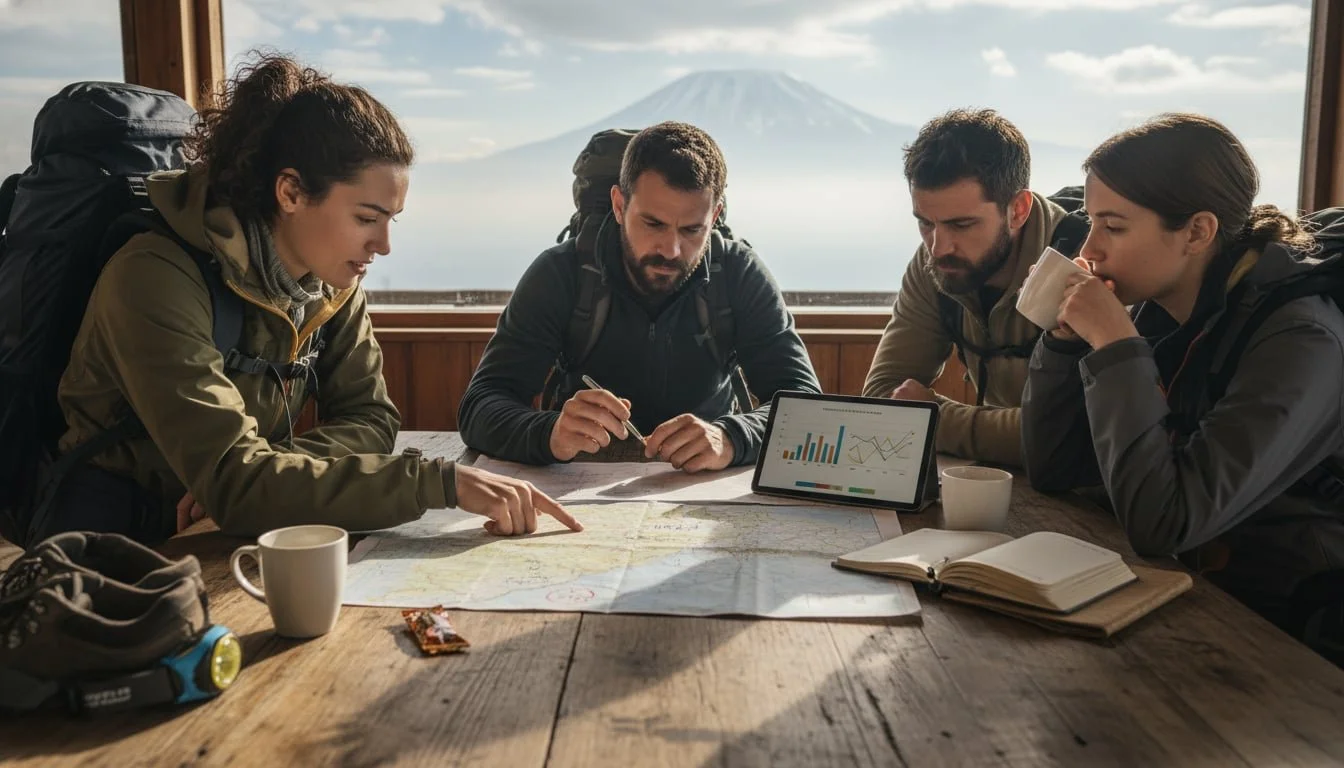
Thinking about standing on the roof of Africa? It’s an incredible goal, but one of the first questions on every aspiring climber’s mind is: what is the real Kilimanjaro climb cost? The answer isn’t a single number. A quality trek typically falls in the $2,000 to $6,000 range, but you can find budget options starting around $1,400 and luxury climbs exceeding $7,000.
At a Glance: Kilimanjaro 2026 Price Estimates
|
Category |
Estimated Total (USD) |
What's Included |
|
The Budget Climb |
$2,800 – $3,500 |
Minimum days, basic gear, shared transport. |
|
The Value Choice |
$4,500 – $5,500 |
7-8 days, high-quality food, ethical porter wages. |
|
The Luxury Trek |
$7,500 – $10,000+ |
Walk-in tents, portable loos, oxygen, 5-star hotels. |
This wide range exists because the total price is a sum of many different parts. From non negotiable park fees to your choice of operator and flight costs, every element plays a role. This guide breaks down every component of the Kilimanjaro climb cost so you can budget wisely and choose an adventure that’s safe, ethical, and right for you.
What Determines the Main Price of Your Climb?
The price tag you see from a tour operator is influenced by several key decisions you make. These factors have the biggest impact on your base Kilimanjaro climb cost.
Service Level (Budget, Mid Range, or Luxury)
The level of comfort and support you want directly affects the price. Operators generally fall into three categories:
-
Budget Operators ($1,500 to $1,900): These companies offer the lowest prices by providing the bare essentials. However, this low cost often comes at a price. It may mean lower quality food, older equipment, and critically, unfair wages for the porters and guides who are the backbone of your climb.
-
Mid Range Operators ($2,200 to $3,500): This is the sweet spot for most climbers. In this range, you can expect experienced guides, good quality equipment, nutritious meals, and strong safety protocols. Crucially, these operators typically pay their staff fair wages. This price point delivers a safe, comfortable, and ethical climb without paying for unnecessary luxuries.
-
Luxury Operators ($4,000+): For a premium price, you get premium comforts. Luxury packages might include extras like walk in sleeping tents with cots, a private portable toilet, and even hot showers on the mountain. While these perks add comfort, they don’t necessarily increase your chances of reaching the summit.
A responsible operator like Duma Explorer focuses on the mid to high end, investing in things that truly matter: Wilderness First Responder certified guides, high quality gear, and ethical porter treatment as a founding partner of the Kilimanjaro Porters Assistance Project (KPAP).
Your Chosen Route and Climb Duration
The trail you take and the number of days you spend on the mountain are major cost drivers. For side-by-side pros and cons, see our Kilimanjaro climbing routes guide.
-
Route Impact: Longer, more remote routes like the 9 day Northern Circuit are more expensive than shorter, more direct routes like the 5 or 6 day Marangu route. This is due to longer drives to the trailhead and more complex logistics. A budget Marangu climb might cost around $1,900, while the Northern Circuit can easily exceed $3,200.
-
Duration Impact: Every extra day on Kilimanjaro adds to the cost. You can expect to pay around $200 to $300 more per person for each additional day. This covers another day of park fees, staff wages, and food supplies. While cutting a day saves money, it’s a risky trade. Shorter 5 and 6 day climbs have summit success rates as low as 40 to 60%, while longer 7 and 8 day climbs boast success rates of 80 to 90% or higher by allowing for better acclimatization. Learn how acclimatization works and how to prevent altitude sickness on Kilimanjaro.
2026 Average Operator Prices by Route
While park fees are fixed, the logistics of different routes change the operator's price. Here is what to expect for a mid-range package:
|
Route |
Duration |
Avg. Package Price |
Why the Price Difference? |
|
Marangu |
6 Days |
$2,200 |
Uses shared huts; no camping logistics. |
|
Machame |
7 Days |
$2,500 |
Most popular; high competition keeps prices fair. |
|
Lemosho |
8 Days |
$2,900 |
High transport costs to the remote west start point. |
|
Northern Circuit |
9 Days |
$3,400 |
Longest route; requires more food and staff wages. |
Group Size (Private vs. Joining a Group)
Climbing with more people generally lowers the per person cost. Fixed costs like transportation and guide salaries are shared across all members of the group. Joining a scheduled group climb can save you roughly 15 to 20% compared to arranging a private trek for one or two people.
If you’re a solo traveler or a couple, joining a small group departure is a fantastic way to reduce the Kilimanjaro climb cost while meeting like minded adventurers.
What’s Included in a Standard Climb Package?
When you see a price from an operator, it’s important to understand what it covers. A reputable company will be transparent about inclusions, which usually make up the bulk of your expenses on the ground.
Mandatory Park Fees and Permits
This is a significant and non negotiable part of the Kilimanjaro climb cost, paid to the Kilimanjaro National Park (KINAPA). These fees are the same for every operator and fund trail maintenance, ranger salaries, and conservation. For a standard 7 day camping route, the fees per climber break down to approximately:
-
Conservation Fee: $70 per day
-
Camping Fee: $50 per night
-
Rescue Fee: $20 (one time)
-
Government VAT: 18% on top of most fees
For a 7 day, 6 night climb, these mandatory park fees alone total around $970 per person. Any operator claiming to offer a climb for just a few hundred dollars more than this is cutting corners elsewhere.
Fair Staff Wages for Your Mountain Crew
Your support team of guides, porters, and cooks work incredibly hard to make your climb safe and successful. Ethical operators pay fair wages, which is a key part of your package cost. A fair wage for a lead guide is around $30 to $40 per day, while porters should earn $15 to $20 per day.
Unfortunately, some budget operators exploit their crew, paying porters as little as $5 to $8 a day. Choosing a KPAP Partner company ensures your money supports fair labor practices, which leads to a happier, more motivated crew and a safer climb for you.
Food, Water, and Camping Logistics
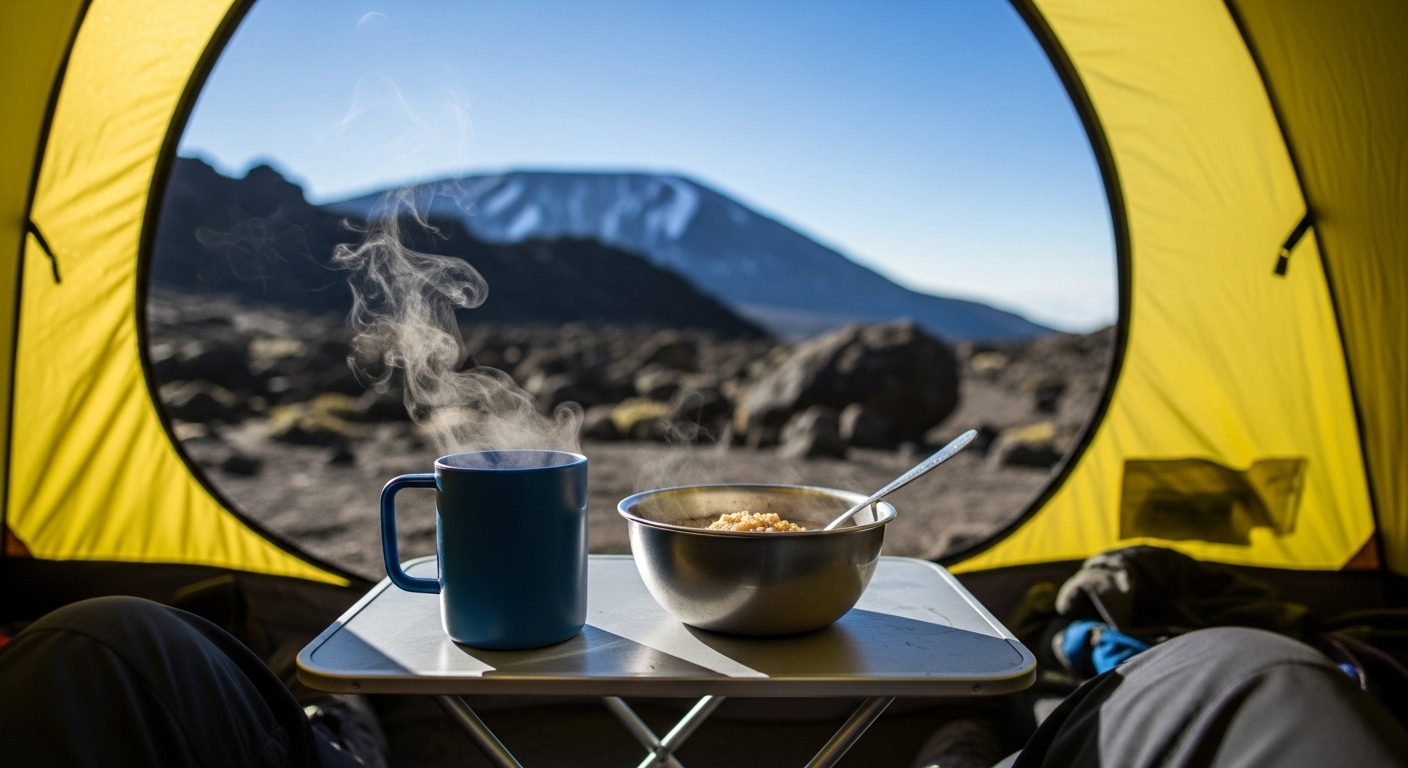
While on the mountain, all your meals and drinking water are included. Your crew will prepare hot, high energy meals for breakfast, lunch, and dinner. They also boil and purify water from mountain streams, ensuring you have several liters of safe drinking water each day. The package cost also covers the tents, cooking equipment, and all the logistics of moving camp each day.
The Tour Operator Fee
This is what’s left after covering all the direct costs like park fees and wages. It covers the operator’s business expenses like marketing, office staff, equipment maintenance, and vehicle costs, plus a modest profit. For a well run company, the profit margin is often only around 5 to 8%. This is why a sustainable Kilimanjaro climb cost cannot be extremely cheap.
Your Personal Budget: Essential Costs Outside the Package
Beyond the price you pay your operator, you’ll need to budget for several key expenses to get you to the mountain and properly equipped for the journey.
International Flights and Airport Transfers
Airfare is one of the largest external costs. Depending on your origin city and the time of year, round trip flights to Kilimanjaro International Airport (JRO) can range from $800 to $1,500 per person. Choosing the right season can lower fares and improve conditions—see our guide to the best time to climb Kilimanjaro.
Once you land, you’ll need a transfer to your hotel in Moshi or Arusha. A taxi for the one hour drive costs about $50 to $80 each way. Many mid range packages, like some offered by Duma Explorer, include these airport transfers, adding convenience and value.
Gear and Clothing
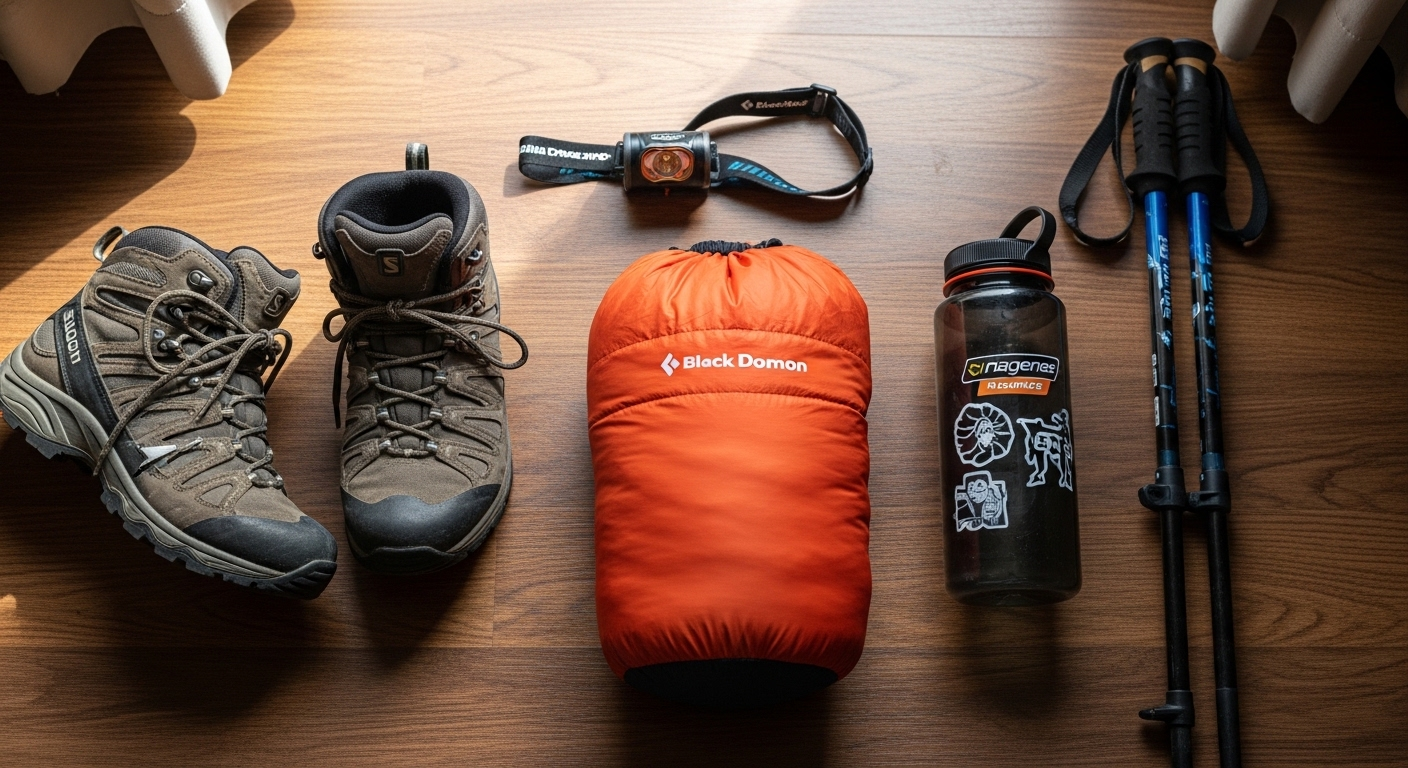
Having the right gear is crucial for a safe and comfortable climb. If you’re an experienced hiker, you may already own much of what you need. If you’re starting from scratch, you might spend $300 to $800 purchasing essentials like broken in hiking boots, a warm sleeping bag, a down jacket, and layers of thermal clothing. For a complete packing list and training tips, download our Kilimanjaro Guidebook.
A great way to reduce this part of your Kilimanjaro climb cost is to rent gear. In Arusha or Moshi, you can rent high quality equipment for a fraction of the purchase price.
-
Warm Sleeping Bag (minus 20°C): ~$20 for the trip
-
Down Jacket: ~$20 for the trip
-
Trekking Poles: ~$10 for the trip
-
Waterproof Pants: ~$10 for the trip
Tips for Your Guides and Porters
Tipping is a customary and expected practice on Kilimanjaro. The tips are a significant portion of the crew’s income and a way to show your gratitude for their incredible hard work. A standard guideline is to budget $250 to $350 per climber for the entire trek. This amount is pooled and distributed among the team during a tipping ceremony at the end of the climb.
Travel Insurance
Comprehensive travel insurance is essential. Most operators require it. Your policy must cover high altitude trekking up to 6,000 meters and include emergency medical evacuation. A helicopter evacuation from Kilimanjaro can cost $5,000 to $10,000, so this is not a place to cut corners. A suitable policy typically costs between $50 and $150.
Tanzania Visa Fee
Most travelers need a visa to enter Tanzania. For most nationalities, a single entry tourist visa costs $50 USD. For U.S. citizens, a multiple entry visa is required and costs $100 USD.
Vaccinations and Medications
Consult a travel clinic well before your trip. You may need vaccinations for Yellow Fever, Typhoid, or Hepatitis A, which can cost a few hundred dollars. You will also likely need anti malarial medication and may want a prescription for altitude sickness medication like Diamox.
Customizing Your Climb: Optional Expenses
Several optional add ons can adjust your comfort level and final Kilimanjaro climb cost.
-
Pre and Post Climb Accommodation: Most packages include one night in a hotel before and one night after the climb. If you want to arrive earlier or stay longer, budget for extra nights, which can cost $100 or more per night for a mid range hotel.
-
Extra Acclimatization Day: Adding a day to your itinerary to help your body adjust to the altitude is highly recommended. This typically adds $200 to $300 to your cost but significantly boosts your chance of reaching the summit.
-
Single Supplement: If you’re a solo traveler and want a private hotel room (instead of sharing), you may need to pay a single supplement fee of around $50 to $100 per night. On the mountain, most operators will provide a solo climber with their own tent at no extra charge.
-
Portable Toilet: The public toilets at the camps are very basic. For added comfort and hygiene, you can hire a private portable toilet tent for your group for around $100 to $150 for the entire climb.
The "Hidden" Costs People Often Forget
Don't let your budget get derailed by these easily overlooked expenses:
-
The "Tanzania Arrival" Night: Most packages include the night before the climb, but if you arrive at 2 AM, you'll need an extra night ($80–$150).
-
Post-Climb Celebration: After 7 days of mountain food, you will want a nice dinner and drinks in Moshi ($40–$60).
-
Laundry & Storage: Tipping the hotel staff to store your "safari clothes" or wash your summit gear ($20).
-
Rental Gear Shortfall: If your "waterproof" jacket fails the first rain, renting a replacement on-site costs roughly $30 extra.
Putting It All Together: Your Total Trip Budget
So, what is the final, all inclusive Kilimanjaro climb cost? To create a realistic budget, you need to add the operator’s package price to all your personal external costs.
|
Cost Component |
Estimated Range |
|---|---|
|
Climb Package (Mid Range) |
$2,200 - $3,500 |
|
International Flights |
$800 - $1,500 |
|
Crew Tips |
$250 - $350 |
|
Gear (Buy/Rent Mix) |
$200 - $800 |
|
Insurance & Visa |
$150 - $250 |
|
Vaccinations & Meds |
$100 - $300 |
|
Total Estimated Cost |
$3,700 - $6,750 |
Most climbers find their total expenses land somewhere between $4,000 and $6,500 for a safe, comfortable, and successful trip. While it’s a significant investment, the experience of watching the sunrise from Uhuru Peak is truly priceless.
Ready to start planning your adventure? Get a personalized quote from Duma Explorer to see a transparent breakdown of your specific Kilimanjaro climb cost.
Frequently Asked Questions About the Kilimanjaro Climb Cost
What is a realistic all in cost to climb Kilimanjaro?
A realistic all in budget is between $4,000 and $6,500 per person. This covers a quality mid range climb package, international flights, tips for your crew, essential gear, travel insurance, and visa fees.
Why are some Kilimanjaro climbs so cheap?
Climbs priced below about $1,800 are a major red flag. Operators achieve these prices by cutting critical costs, most often by underpaying their porters and guides. They may also use old equipment, provide insufficient food, and lack proper safety protocols, putting both you and their crew at risk. To vet companies before you book, see our guide to the best Kilimanjaro tour operators.
How much cash should I bring for my Kilimanjaro trip?
You should bring enough cash (preferably in US dollars) to cover tips for your mountain crew ($250 to $350 is a good guideline) and money for personal expenses like souvenirs, meals in town, and drinks. It’s wise to bring a little extra for emergencies.
Can I save money by booking directly with a local Tanzanian company?
Yes, booking directly with a reputable local operator can offer better value. It eliminates the commission paid to overseas travel agents, meaning more of your money goes directly into the quality of your climb. Duma Explorer operates its own climbs on the ground in Tanzania through its local entity, ensuring end to end quality control.
Is the Kilimanjaro climb cost refundable?
Most operators require a non-refundable deposit (usually 20%). However, park fees are often refundable if cancelled within a specific window. Always check your operator's 2026 cancellation policy.
Why did prices go up in 2026?
Increases are typically driven by adjusted Tanzania National Park (TANAPA) fees and rising fuel costs affecting airport transfers and supply logistics.