

Maasai Mara Safari Guide 2026: Costs, Best Time & Tips
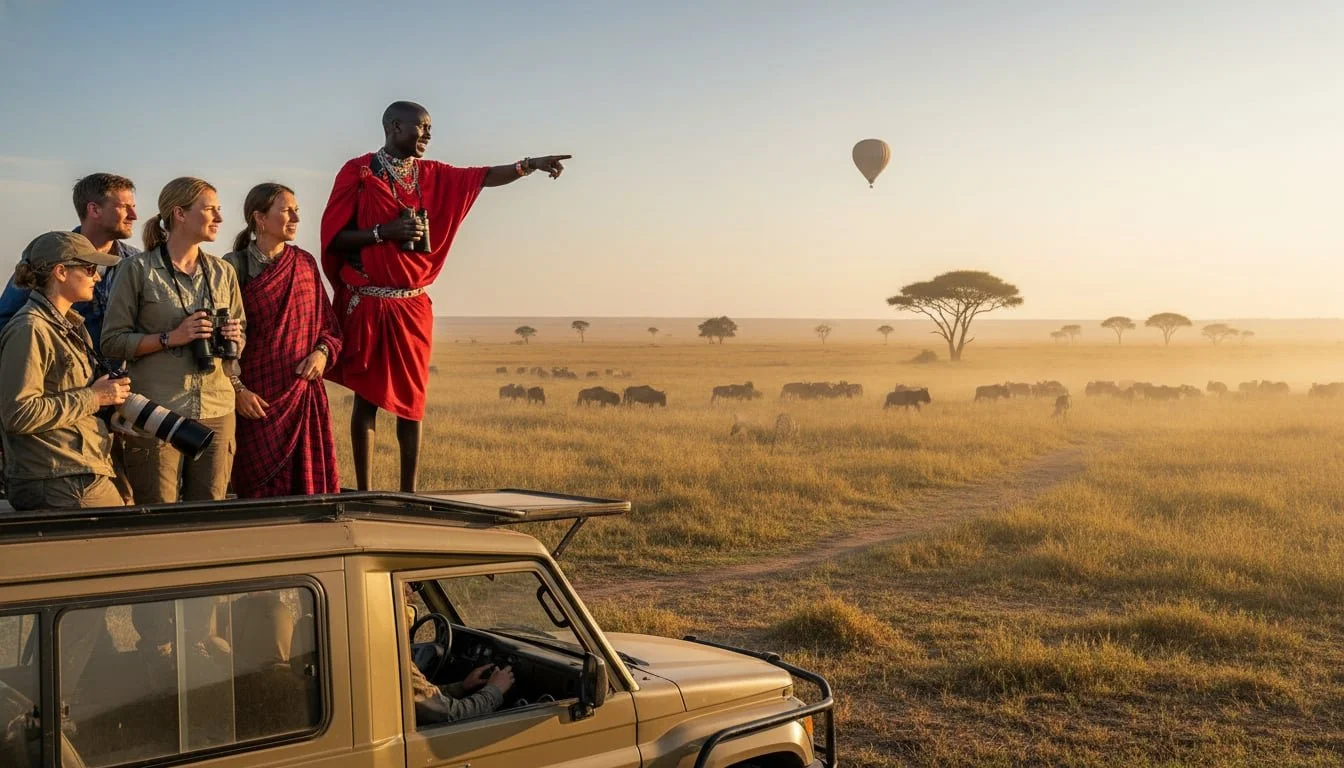
Planning a trip to Kenya’s legendary plains is one of the most exciting travel experiences you can have. A Maasai Mara safari is more than just a vacation, it’s a journey into the heart of the wild, a place where nature’s greatest dramas unfold daily. From the earth shaking thunder of the Great Wildebeest Migration to the silent, golden gaze of a lion, the Mara delivers moments that stay with you forever.
But where do you even begin? This comprehensive guide breaks down everything you need to know for your Maasai Mara safari, from costs and logistics to the best time to visit and what to pack. Let’s get you ready for the adventure of a lifetime.
Quick Trip Planner: Maasai Mara Safari 2026
-
Average Cost: $350–$1,200+ per person, per day (includes park fees, lodging, and game drives).
-
Best Time to Visit: July to October for the Great Migration and dry weather; January to February for calving season.
-
Recommended Duration: 3 to 5 days to see the Big Five and the Mara River crossings.
-
Park Entry Fees (2026): $100 (Low Season) or $200 (High Season) for non-resident adults.
-
Top Wildlife: The Big Five (Lion, Leopard, Elephant, Buffalo, Rhino) plus the Great Wildebeest Migration.
What to Expect on Your Maasai Mara Safari
The core of any Maasai Mara safari is immersing yourself in the wilderness and witnessing animals in their natural habitat. In the Mara, this experience is second to none.
Unbeatable Game Viewing
Game viewing is the main event, the reason you travel thousands of miles. It means heading out in a 4x4 vehicle with an expert guide to find and observe wildlife. The Maasai Mara is exceptional because of its sheer density of animals. It’s home to all of Africa’s “Big Five” which are the lion, leopard, elephant, buffalo, and rhino. Beyond that, you’ll find abundant cheetahs, hyenas, giraffes, hippos, and countless species of antelope.
A remarkable fact is that while the Mara ecosystem covers only 0.1% of the continent’s land surface, it supports an estimated 40% of Africa’s large mammal species. Game drives typically happen in the early morning and late afternoon when animals are most active.
World Famous Big Cat Sightings
If you dream of seeing big cats, you’ve chosen the right place. The Maasai Mara is one of the best locations in the world for spotting lions, leopards, and cheetahs. The open grasslands are perfect hunting grounds for cheetahs, and the reserve is home to a massive lion population of about 480 lions (over one year old) in 2023 across the Maasai Mara National Reserve and surrounding conservancies. This means you have an excellent chance of seeing prides with cubs, lions on a hunt, or a solitary leopard resting in a sausage tree. The area’s fame was cemented by the popular BBC documentary Big Cat Diary, which was filmed right here.
The Great Wildebeest Migration
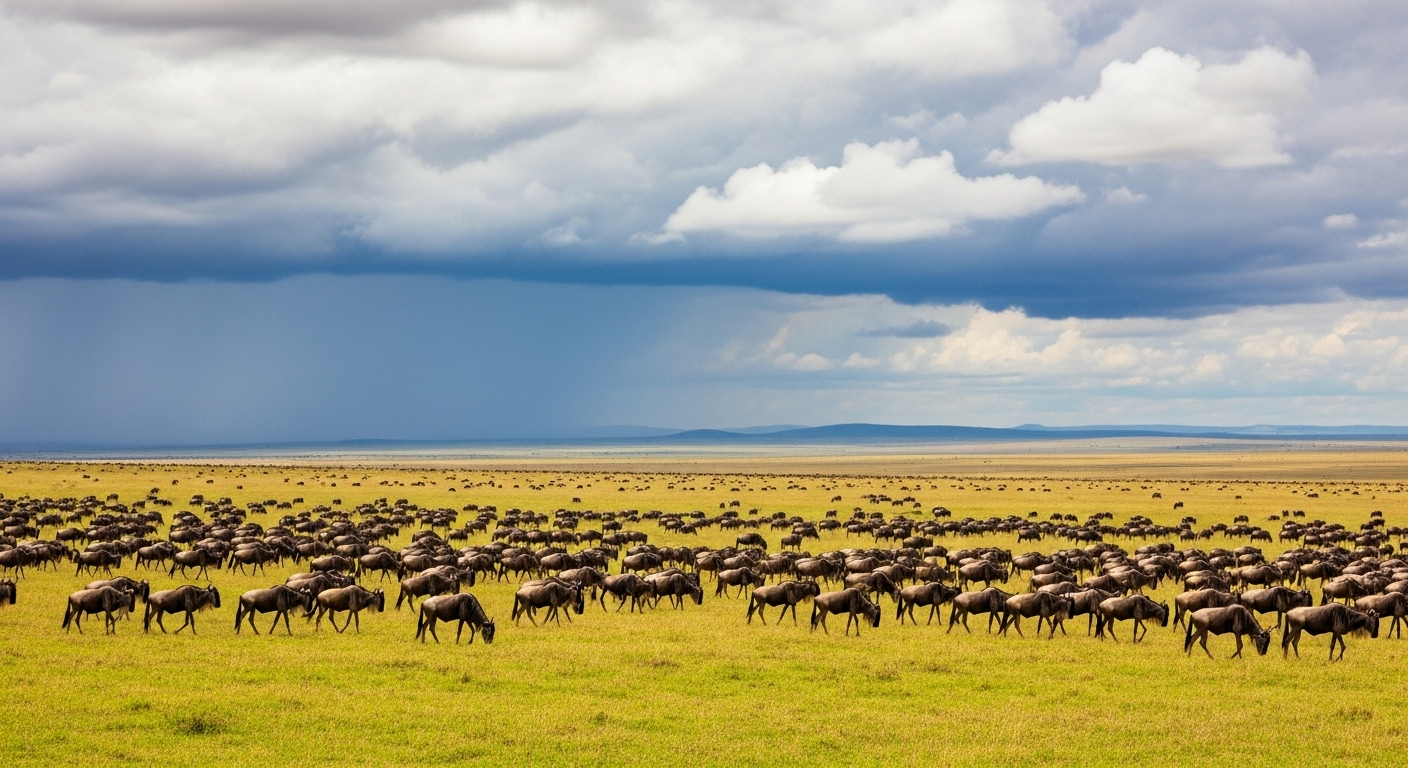
This is nature’s most spectacular show. The Great Wildebeest Migration (https://www.dumaexplorer.com/blog/the-great-migration-in-east-africa) is the year round movement of over 1.5 million wildebeest, zebra, and gazelles across the Serengeti Mara ecosystem. The herds typically arrive in the Maasai Mara around July and stay until October, drawn by fresh grazing. The most dramatic part of this journey is the Mara River crossing, where massive herds brave crocodile infested waters. Witnessing this raw, chaotic event has earned the migration its title as one of the Seven Natural Wonders of Africa.
A Paradise for Birding
While mammals often steal the show, the Maasai Mara is a world class destination for birding, with over 500 recorded bird species. The area is recognized as an Important Bird Area and is home to 53 birds of prey. Keep an eye out for the striking lilac breasted roller (Kenya’s national bird), the massive ground hornbill, and the secretary bird as it stalks through the grass. Birdwatching is fantastic all year, but it peaks during the rainy season (November to April) when migratory birds from Europe and Asia arrive.
Planning Your Perfect Maasai Mara Safari
With the incredible sights in mind, let’s dive into the practical details of planning your trip.
The Best Time to Visit
While the Maasai Mara is a fantastic year round destination, the best time to visit depends on what you want to see. For a broader East Africa timing overview, see our guide to choosing the best time for an African safari (https://www.dumaexplorer.com/blog/how-to-choose-the-best-time-for-your-african-safari-adventure).
The peak season is from July to October. This is the dry season, when vegetation is thin, making animals easier to spot. More importantly, this is when the Great Migration is typically in the Mara, offering the chance to see river crossings. Naturally, this is also the busiest and most expensive time.
The rainy seasons (March to May for the long rains and October to December for the short rains) bring lush, green landscapes and fewer tourists. These months are perfect for birding and for seeing newborn animals. Many lodges also offer lower rates during this period. For a great balance of good weather, active wildlife, and fewer crowds, consider the shoulder months like June or September.
Month by Month Guide to the Mara
-
January & February: A lovely, dry period with green scenery from the recent short rains. Wildlife is abundant, and you’ll see many young animals.
-
March, April & May: This is the long rainy season, with April being the wettest month. The landscape is a stunning emerald green, though some roads can be muddy and some camps may close. It’s the quietest time, with the lowest prices.
-
June: The rains subside, and the safari season begins to pick up. The landscape is still green, and the first migratory herds may begin to arrive.
-
July & August: Peak season. The Great Migration floods the plains, and river crossings are a common sight. Weather is dry and pleasant. Book everything far in advance, as this is the busiest time of year.
-
September & October: The migration is still in full swing, but crowds (especially in September) can be slightly smaller than in August. By late October, the herds start moving south again.
-
November & December: The short rains arrive, turning the landscape green again. This is a beautiful time for photography, with dramatic skies and excellent birding. The Christmas and New Year period sees another spike in visitors.
How Many Days Should You Spend in the Mara?
To truly appreciate the magic of the Mara, you need to give it time. The absolute minimum recommended stay is 3–4 days. This gives you one full day for game drives, plus arrival and departure day activities.
However, the ideal length for a fulfilling Maasai Mara safari is 3 or 4 nights. This allows you to explore different regions of the vast reserve, increases your chances of seeing the Big Five and witnessing special events like a hunt, and gives you time for other activities like a village visit or a hot air balloon ride without feeling rushed. A knowledgeable operator like Duma Explorer can help you build an itinerary that perfectly balances your time across different parks and activities, or even combine multiple experiences in one East Africa trip (https://www.dumaexplorer.com/blog/how-to-fit-multiple-experiences-into-one-east-africa-trip).
Getting to the Maasai Mara
Located about 224 kilometers southwest of Nairobi, there are two main ways to reach the reserve.
-
By Air: The quickest and most comfortable option is a 45 to 60 minute flight on a small bush plane from Nairobi’s Wilson Airport. This saves you a long day on the road and offers stunning aerial views of the Great Rift Valley.
-
By Road: The drive from Nairobi takes about 5 to 6 hours. While the final stretch can be bumpy, it’s an adventure in itself, taking you through Kenyan towns and landscapes. This is generally the more budget friendly option, especially for groups.
Your Safari Packing List
Packing light and smart is key. Small bush planes have strict luggage limits (usually 15kg in soft bags), and layering is essential for the Mara’s climate.
-
Clothing: Neutral, earthy tones (khaki, green, brown) are best. Avoid bright colors, as well as dark blue or black, which can attract tsetse flies. For outfit inspiration and practical advice, see our quick tips for ladies heading on a safari adventure (https://www.dumaexplorer.com/blog/dress-the-part-quick-tips-for-ladies-heading-on-a-safari-adventure).
-
Footwear: Comfortable closed toe shoes like hiking boots or sturdy trainers are perfect.
-
Sun & Insect Protection: A wide brimmed hat, sunglasses, high SPF sunscreen, and a good insect repellent are non negotiable.
-
Gear: Binoculars are a must have for enhancing wildlife viewing. A camera with a good zoom lens, extra batteries, and memory cards will ensure you capture the memories. A headlamp or small flashlight is very useful around camp at night.
Understanding the Cost of a Maasai Mara Safari
A safari is a significant investment, so it’s important to understand where your money goes. Costs can vary dramatically based on your travel style, from budget camping to ultra luxury lodges.
|
Safari Tier |
Daily Cost (USD) |
What’s Included? |
|
Budget |
$250 – $400 |
Shared transport, public campsites/budget tents, buffet meals. |
|
Mid-Range |
$450 – $850 |
Private 4x4 Jeep, boutique tented camps, mid-tier lodges. |
|
Luxury |
$1,000 – $2,500+ |
Fly-in transfers, ultra-luxury lodges, private chefs, laundry. |
The Total Maasai Mara Safari Cost
Safari prices are typically quoted per person, per day and bundle accommodation, meals, park fees, and guided game drives. For a line-by-line example of how safari budgets break down, see our Tanzania safari cost guide (https://www.dumaexplorer.com/blog/tanzania-safari-cost).
-
Budget Safaris: $150 to $300 per person, per day. These often involve basic camping or simple lodges and group tours.
-
Mid Range Safaris: $300 to $800 per person, per day. This gets you comfortable tented camps or lodges and often a private vehicle. A typical 3 day mid range package might cost between $1,000 and $1,500 per person.
-
Luxury Safaris: $1,000+ per person, per day. This includes high end lodges, fly in transfers, and exclusive experiences.
Accommodation Cost
Your choice of lodging is the biggest factor in your overall budget, typically accounting for 40% to 70% of the total cost. Options range from USD 40 per person, per night to luxury tented camps that can exceed $500 per person, especially during peak season. Mid range lodges and camps offer a great balance of comfort and value.
Park Entrance Fee
A significant and mandatory cost is the park entrance fee, which directly funds conservation and community projects. For non resident adults, the fee is $100 per day during the low season (Jan 1 to June 30) and $200 per day during the high season (July 1 to Dec 31). These fees are crucial for protecting the ecosystem, funding anti poaching patrols, and supporting the local Maasai communities.
Vehicle Entrance Fee
In addition to personal entry fees, a daily fee is charged for each vehicle. A standard safari 4x4 Land Cruiser costs about 1,500 Kenyan Shillings (around $12) per day. This cost is almost always included in your safari package and handled by your tour operator.
Transport Cost to the Maasai Mara
Getting there is part of the budget. A round trip flight from Nairobi to the Mara can cost between $300 and $450 per person. If you travel by road with a private vehicle and guide, the transport cost is bundled into the daily rate of your safari package.
Safari Guide and Activity Costs
Your guide is arguably the most critical element of your safari. Their expertise is built into your package price, but it’s customary to tip for excellent service (a common guideline is $10 to $15 per guest, per day for your guide).
While standard game drives are included, some activities cost extra.
-
Hot Air Balloon Safari: Shared baskets are priced at USD $530 per adult in Standard Season and USD $580 per adult in Peak Season (2025).
-
Maasai Village Visit: A fee or donation of $20 to $30 per person is standard.
-
Night Drives & Walking Safaris: If not included by your conservancy camp, these can be $50 to $100 per person.
A reputable operator will provide a clear quote that details all inclusions and potential extra costs, so there are no surprises. This is where the personalized planning of a company like Duma Explorer becomes invaluable, ensuring your budget and expectations are perfectly aligned.
Elevating Your Safari Experience
Beyond the classic game drive, the Mara offers unique activities that can make your trip even more memorable.
Staying in a Private Conservancy
The lands bordering the main Maasai Mara National Reserve are made up of private and community owned conservancies. Staying at a camp here offers a more exclusive experience with far fewer vehicles. Conservancies also permit activities not allowed in the main reserve, such as guided bush walks, off road driving, and thrilling night game drives. Here’s what a walking safari looks like in Ndutu (https://www.dumaexplorer.com/blog/walking-safari-in-ndutu).
Floating in a Hot Air Balloon
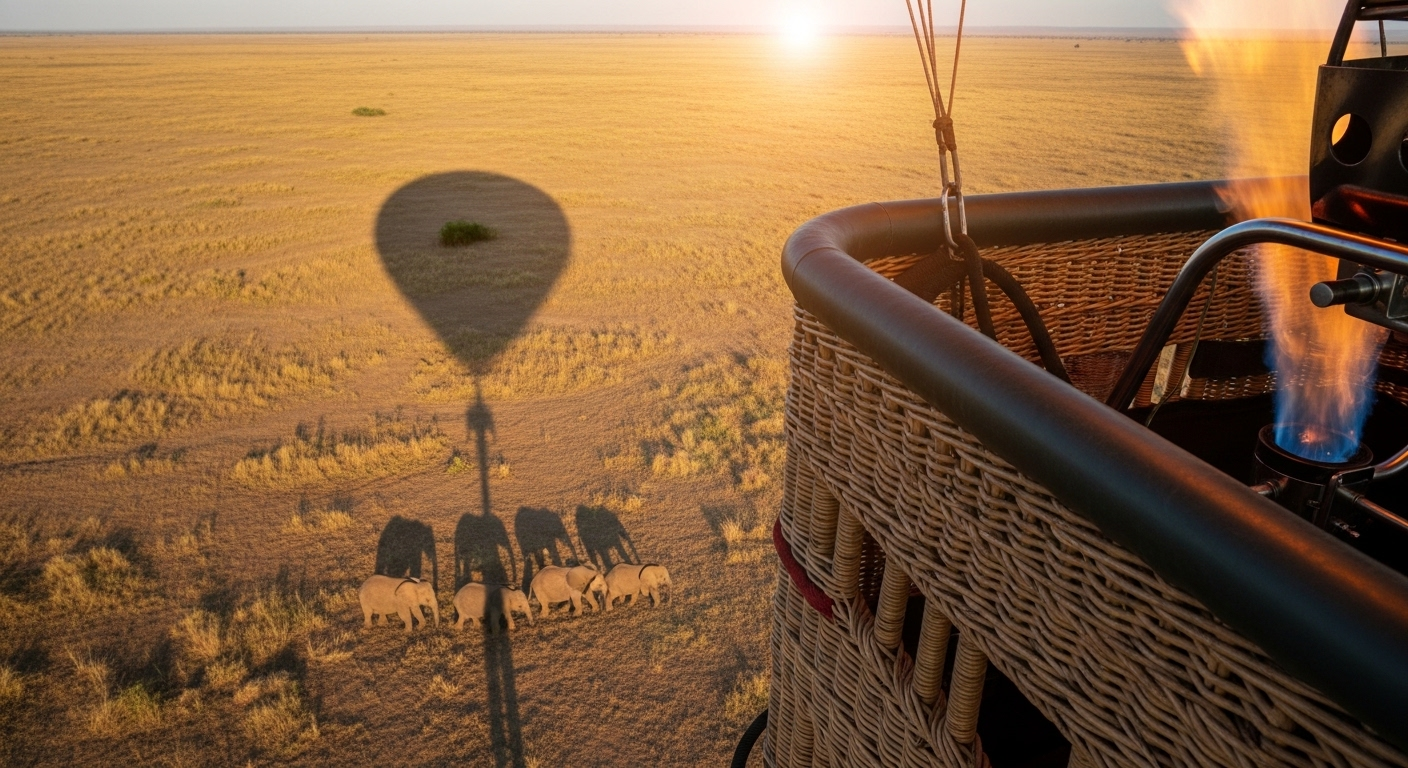
For a truly magical view of the Mara, nothing beats a hot air balloon safari at dawn. If you’re also considering a Serengeti leg, see our guide to top Serengeti safari tours (https://www.dumaexplorer.com/blog/top-serengeti-safari-tours-your-ultimate-guide-to-an-unforgettable-adventure). You’ll float silently over the plains as the sun rises, watching herds of elephants or wildebeest below. The one hour flight is followed by a celebratory champagne breakfast served right in the bush, a classic safari tradition.
A Visit to a Maasai Village
A Maasai cultural visit offers a fascinating glimpse into the lives of the region’s semi nomadic people. You can visit a traditional village (known as a manyatta), learn about their customs, see how they build their homes, and watch the famous Adumu jumping dance. It’s an enriching experience that provides direct financial support to the local community.
Your Maasai Mara Safari Awaits
A Maasai Mara safari is an investment in memories that will last a lifetime. With its breathtaking landscapes and unparalleled wildlife density, it delivers on its promise of adventure at every turn. By understanding the seasons, costs, and unique experiences available, you can craft the perfect trip.
Ready to start planning your own unforgettable adventure? The experts at Duma Explorer specialize in creating custom East African safaris and can help you navigate all the details. If trekking to see mountain gorillas is on your list, start with our Rwanda gorilla trekking preparation guide (https://www.dumaexplorer.com/blog/how-to-prepare-for-an-unforgettable-rwanda-gorilla-trekking-adventure).
Frequently Asked Questions
1. How much does a 3 day Maasai Mara safari cost?
A 3 day safari can range from around $300 per person for a very basic group camping tour to $1,200 to $1,500 per person for a 3-day mid-range Masai Mara safari, and $2,000 or more for a luxury fly in safari.
2. Can I see the Big Five in the Maasai Mara?
Yes, the Maasai Mara is home to all five members of the Big Five: lions, leopards, elephants, buffalo, and rhinos. While rhinos are critically endangered and can be elusive, sightings of the other four are very common.
3. Is a Maasai Mara safari worth it?
Absolutely. The Maasai Mara offers one of the highest concentrations of wildlife in the world, stunning scenery, and the chance to witness the Great Migration. It consistently ranks as one of the planet’s top safari destinations for good reason.
4. What is the cheapest month to visit the Maasai Mara?
The cheapest months are typically April and May, during the peak of the long rainy season. Many camps offer significant discounts, but you should be prepared for wet weather conditions.
5. How many days are ideal for a first time safari?
For a first time visit to the Maasai Mara, 3 or 4 nights is ideal. This provides enough time to explore the vast reserve, have numerous game drives, and increase your chances of seeing a wide variety of wildlife without feeling rushed.
6. Do I need a private guide for my safari?
While not strictly necessary, having a private vehicle and guide greatly enhances the experience. It offers complete flexibility over your daily schedule, allowing you to stay longer at sightings that interest you and move at your own pace. A great guide is key to a successful safari.
7. Is it better to stay inside the reserve or in a private conservancy?
Both have advantages. Staying inside the reserve puts you in the heart of the action, especially for the Great Migration river crossings. Staying in a private conservancy offers a more exclusive, uncrowded experience with additional activities like night drives and walking safaris. Many travelers find a combination of both offers the perfect balance.
8. What currency should I bring for tips and souvenirs?
While US Dollars are widely accepted for larger payments and tips for guides, it’s helpful to have some Kenyan Shillings (KES) for smaller purchases at local markets or for tipping staff in smaller amounts.