

Best Moshi Kilimanjaro Climb Operator Guide (2026)
The definitive guide to choosing a licensed Kilimanjaro trekking company in Moshi, Tanzania covering safety standards, KPAP porter welfare, route selection, acclimatization strategy, and cost.
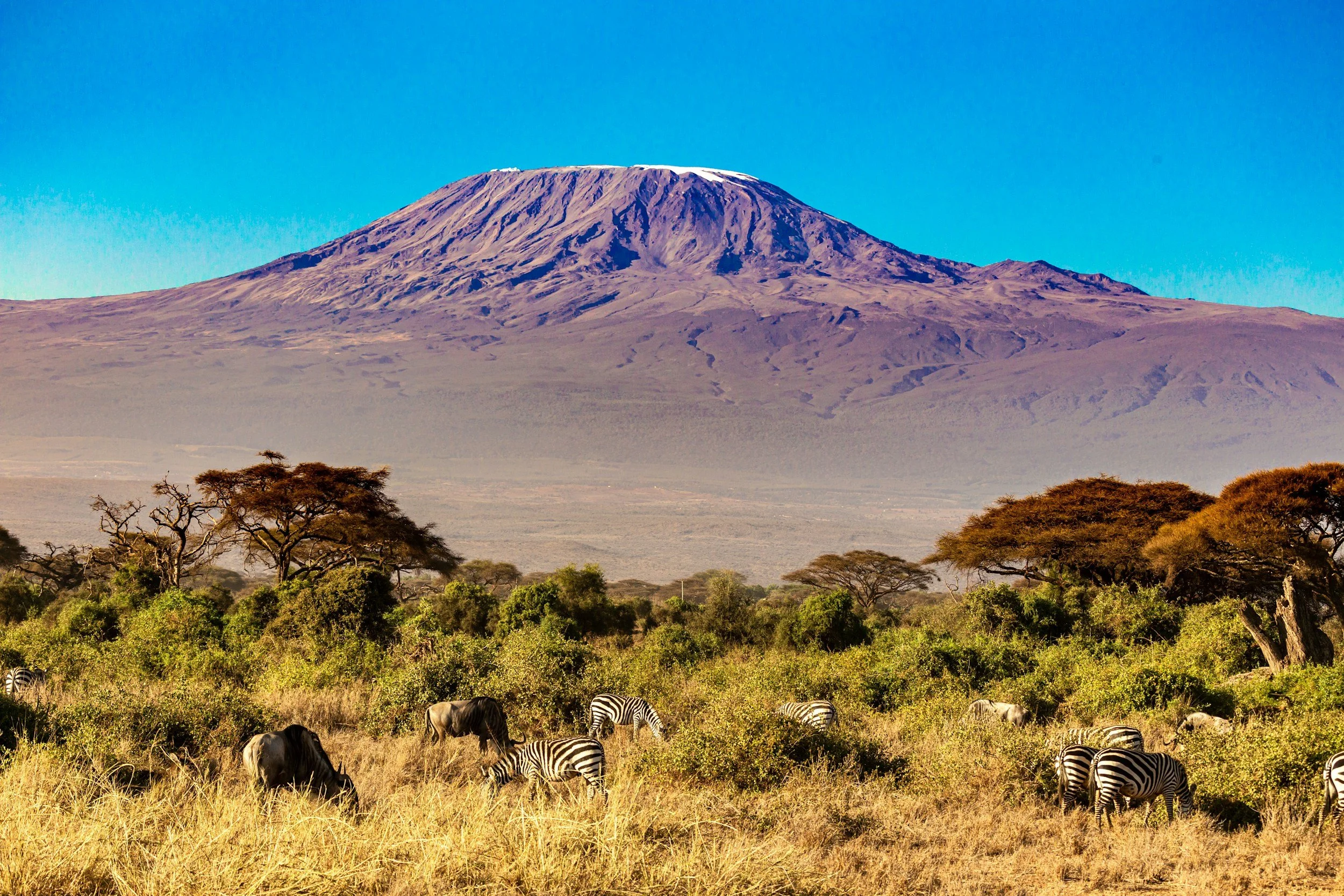
Climbing Mount Kilimanjaro is a life-changing adventure a multi-day trek through five distinct climate zones to the roof of Africa at 5,895 m (19,341 ft). Yet your expedition begins long before you set foot on the trail. It starts with one critical decision: choosing the right Moshi Kilimanjaro climb operator. Since virtually all Kilimanjaro treks begin in Moshi, selecting a safe, ethical, and experienced trekking company is the single most important step in your Kilimanjaro planning checklist. This guide covers every factor you need to evaluate from TANAPA licensing and WFR-certified guides to KPAP porter welfare standards and realistic summit success rates so you can book with complete confidence.
🏔 KEY TAKEAWAYS
• Moshi is the premier base for all Kilimanjaro climbs choose a licensed, local operator with WFR-certified guides.
• KPAP membership is the gold standard for ethical porter treatment and fair wages never compromise on this.
• Longer routes (7–9 days) dramatically improve summit success rates budget at least $2,200–$3,000 per person.
• Acclimatization, not fitness, is the #1 factor for reaching Uhuru Peak choose a route with a 'climb high, sleep low' profile.
• Book 3–6 months ahead for peak season (June–September, December–February) to secure the best guides and dates.
Why Moshi is the Best Base for Your Kilimanjaro Climb
Nestled at 890 m (2,920 ft) at the foot of the mountain, the vibrant town of Moshi is the undisputed gateway to Kilimanjaro National Park (a UNESCO World Heritage Site). Its strategic location gives you convenient access to every major Kilimanjaro trailhead, making it the logical starting point for any Kilimanjaro trekking package.
Kilimanjaro International Airport (JRO) Transfers
Your journey from Kilimanjaro International Airport (JRO) to your Moshi hotel is straightforward most reputable operators include a JRO airport transfer in their packages, ensuring a smooth, stress-free arrival. The pre-climb day in Moshi is invaluable: it gives you time to rest, adjust to the new time zone, attend your pre-climb briefing, and complete any last-minute preparation.
Gear Rental and Luggage Storage in Moshi
Moshi is a well-equipped logistics hub for Kilimanjaro expeditions. Numerous shops offer gear rental in Moshi from sub-zero sleeping bags and trekking poles to gaiters and summit gloves. If you realise you are missing a crucial piece of kit, your guide can help you sort out last-minute Kilimanjaro gear hire before departure. Most hotels also provide secure luggage storage in Moshi, so you can leave city clothes and valuables behind and carry only what you need up the mountain.
Distance from Moshi to Kilimanjaro Trailheads
The distance from Moshi to the park gates ranges from a 45-minute drive to Marangu Gate or Machame Gate, to a few hours for the more remote Lemosho or Rongai trailheads. A reliable Moshi Kilimanjaro climb operator handles all this transportation, so your first morning on the mountain starts seamlessly.
The Ultimate Checklist: How to Choose a Kilimanjaro Trekking Company in Moshi
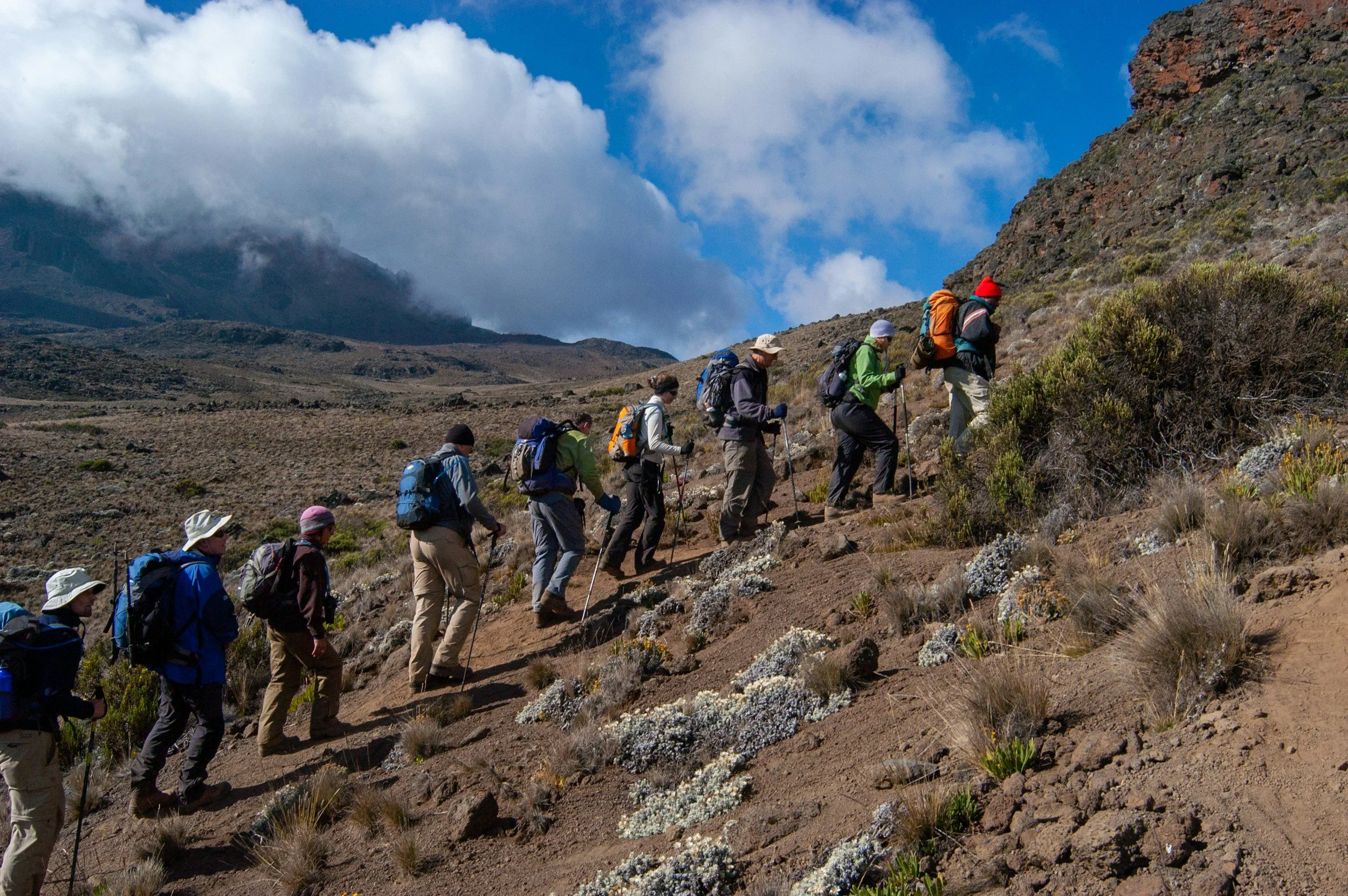
With hundreds of Kilimanjaro trekking companies to choose from, narrowing your search can feel overwhelming. Use these non-negotiable criteria as your evaluation framework.
1. Safety Standards and Guide Certification
Your safety on the mountain is paramount. A top Kilimanjaro climb operator in Moshi invests heavily in guide training, emergency protocols, and medical equipment.
WFR-Certified Guides: Wilderness First Responder (WFR) certification is an 80-hour advanced medical qualification that equips guides to manage emergencies in remote environments. Operators like Duma Explorer, whose lead guides are WFR-certified, demonstrate a serious commitment to Kilimanjaro guide qualifications and climber safety.
Daily Health Monitoring: Your crew should conduct altitude sickness checks every day including pulse oximeter readings to measure blood-oxygen saturation and structured questioning about AMS (Acute Mountain Sickness) symptoms.
Emergency Evacuation Plan: Approximately 1,000 climbers are evacuated from Kilimanjaro every year. Ask each operator about their Kilimanjaro emergency evacuation procedures, including emergency oxygen, satellite communication, and protocols for a rapid descent or helicopter evacuation.
Guide-to-Climber Ratio: A strong guide-to-climber ratio on Kilimanjaro especially on summit night is essential. Some of the best operators, including Duma Explorer, offer a 1:1 guide-to-climber ratio for small groups on summit day, ensuring dedicated support if you are struggling while the group continues.
2. Ethical Operations: Porter Welfare and Sustainable Tourism
The porters are the backbone of every Kilimanjaro expedition. Choosing an operator that treats them fairly is both the right thing to do and a sign of a well-run company. Responsible Kilimanjaro tourism starts with porter welfare.
KPAP Membership: The Kilimanjaro Porters Assistance Project (KPAP) is a Tanzanian nonprofit that independently audits operators against strict standards including fair porter wages, three meals per day, proper shelter, and a strict 20 kg (44 lb) porter weight limit on Kilimanjaro. KPAP-affiliated operators pay their porters significantly more than non-affiliated companies. Duma Explorer is a founding KPAP partner.
Travelife Certification: Certifications such as Travelife indicate a company's commitment to sustainable Kilimanjaro climbing and responsible tourism. Look for operators that apply Leave No Trace principles and support their local communities.
Local Ownership: Booking with a locally owned Tanzania safari and trekking operator ensures your money supports the local economy and that on-the-ground quality control over guides, equipment, and camp conditions is consistently high.
3. Credentials, Reviews, and Summit Success Rate
A company's track record is one of the strongest predictors of your experience.
TANAPA License: Verify that your operator holds a valid Tanzania National Parks (TANAPA) licence. This is a legal prerequisite for operating on Kilimanjaro.
Summit Success Rate: A high Kilimanjaro summit success rate reflects expertise in acclimatization and pacing. Success rates on 8-day routes can exceed 90%, compared to approximately 50% for rushed 5-day itineraries.
Independent Reviews: Read recent reviews on platforms such as TripAdvisor. Look for consistent, specific praise about Kilimanjaro guide quality, food, safety practices, and camp equipment not just generic five-star ratings.
4. Transparent Pricing and Package Inclusions
Rock-bottom Kilimanjaro climb prices are a red flag. Suspiciously cheap operators almost always cut corners on porter wages or safety equipment. A reputable company provides fully transparent Kilimanjaro trek pricing with a clear breakdown of every Kilimanjaro climb package inclusion.
A full package typically covers: TANAPA park fees (approximately $800–$900 per person per week), crew salaries, all meals on the mountain, and group camping equipment. Confirm whether airport transfers and hotel nights in Moshi are included. Total Kilimanjaro trek cost for a quality 7–8 day climb generally ranges from $2,200 to $3,500 per person.
Planning Your Kilimanjaro Climb: From Booking to Briefing
The Booking Process
After an initial consultation to select your route and dates, you will receive a detailed quote. To confirm your place, you complete a booking form and pay a deposit typically 25% of the total cost. The operator then sends a confirmation packet containing your itinerary, a Kilimanjaro packing list, and personalised training advice for the mountain.
Tanzania Visa Requirements and Health Preparations
Before travelling, sort your documents. The Tanzania visa requirement can often be fulfilled online via an e-visa or on arrival at JRO, depending on your nationality. Check the yellow fever vaccine requirement for Tanzania proof of vaccination may be required if you are arriving from a country with yellow fever transmission risk. Consult your travel health clinic for up-to-date advice on malaria prophylaxis and altitude medication.
Pre-Climb Briefing and Gear Check
The day before your trek, your lead guide holds a detailed Kilimanjaro pre-climb briefing. This is your opportunity to review the itinerary, confirm safety protocols, meet your team, and ask any outstanding questions. The briefing is followed by a thorough Kilimanjaro gear check your guide reviews your equipment piece by piece. This is the moment to identify any missing items that you can rent locally in Moshi.
Life on the Mountain: Routes, Acclimatization, and Camp Comfort
Kilimanjaro Route Options from Moshi (2026)
Several excellent Kilimanjaro routes from Moshi suit different fitness levels, budgets, and time frames:
Machame Route (6–7 days): Known as the 'Whiskey Route', this is the most popular Kilimanjaro trekking trail highly scenic with a strong acclimatisation profile.
Lemosho Route (7–8 days): Often regarded as the most beautiful route, it offers a quieter start from the western side and excellent high altitude acclimatisation. Ideal for those prioritising summit success and scenery.
Northern Circuit Route (9 days): The longest and newest route, offering a near-360-degree traverse of the mountain with the highest published Kilimanjaro summit success rates.
Rongai Route (6–7 days): The only route approaching from the drier northern side an excellent choice during Kilimanjaro rainy season (March–May and November).
Marangu Route (5–6 days): The 'Coca-Cola Route' is the only trail with Kilimanjaro hut accommodation instead of tents. More affordable but with lower acclimatisation time and success rates.
Acclimatization Strategy: The Key to Reaching Uhuru Peak
Proper acclimatisation is the single most critical factor for reaching Uhuru Peak on Kilimanjaro. A sound Kilimanjaro acclimatisation strategy involves trekking pole pole (slowly, slowly in Swahili), staying well-hydrated, and choosing a longer itinerary. Routes such as Machame and Lemosho are built around a 'climb high, sleep low' profile ascending to a higher altitude during the day before descending to sleep. This significantly supports your body's adjustment to thin air and reduces the risk of Acute Mountain Sickness (AMS). Diamox (acetazolamide) is commonly used as a preventive medication; consult your doctor beforehand.
Camp Life: Equipment Quality and Meal Plans
Your comfort and energy at camp directly affects your summit performance. High Kilimanjaro camp equipment quality means four-season, waterproof mountain tents and thick sleeping mats. A well-designed Kilimanjaro meal plan should be rich in carbohydrates and hot, nutritious food. Top operators ensure all drinking water is purified and can accommodate common dietary restrictions.
Partner with a Top Moshi Kilimanjaro Climb Operator
Choosing the right Moshi Kilimanjaro climb operator is the foundation of a safe, ethical, and successful expedition. An operator that prioritises WFR guide training, KPAP porter welfare, transparent pricing, and proactive communication demonstrates a genuine respect for the mountain, its people, and your safety. Do your research, ask the right questions, and you will find a partner who supports you every step of the way to Uhuru Peak (5,895 m).
For a team that embodies every one of these qualities from WFR-certified guides to a founding partnership with KPAP consider planning your climb with Duma Explorer.
Frequently Asked Questions: Choosing a Moshi Kilimanjaro Climb Operator
What is the most important factor when choosing a Kilimanjaro climb operator?
Safety is the top priority. Look for an operator with WFR-certified guides, daily altitude health checks, and a comprehensive emergency evacuation plan. After safety, ethical practices especially KPAP-verified porter welfare are crucial indicators of a quality company.
How much does a Kilimanjaro climb from Moshi cost in 2026?
For a reputable, mid-range 7–8 day climb, budget between $2,200 and $3,000 per person. Be cautious of prices significantly below $1,800 this nearly always means corners are being cut on safety equipment or porter wages.
Why is KPAP membership so important when choosing an operator?
KPAP (Kilimanjaro Porters Assistance Project) membership is your guarantee that an operator treats its porters ethically. KPAP partners are independently monitored to ensure fair wages, safe working conditions, proper meals, and a strict 20 kg load limit. This ensures your adventure doesn't come at the expense of the crew's wellbeing.
What is a realistic Kilimanjaro summit success rate to expect?
Success rates depend heavily on route duration. On longer 8–9 day routes (Lemosho, Northern Circuit), a quality operator typically achieves rates above 90%. On shorter 5–6 day routes, rates drop significantly. Always favour a longer itinerary to maximise your acclimatisation and summit chances.
How far in advance should I book my Kilimanjaro climb?
Book 3–6 months in advance, especially for peak seasons (June–September and December–February). Early booking secures your preferred dates, the best guides, and allows you time to train and prepare properly.
Can I climb Kilimanjaro without a guide or operator?
No. Tanzania National Parks (TANAPA) legally requires all climbers to be accompanied by a licensed guide. Independent trekking on Kilimanjaro is not permitted. Selecting a professional Moshi Kilimanjaro climb operator is mandatory.
What happens to my extra luggage in Moshi?
All reputable Moshi hotels and operators offer secure luggage storage. You pack your mountain gear into a duffel bag (carried by a porter, max 15 kg) and a personal daypack, leaving suitcases and valuables safely stored until you return.
Should I book with a local or international Kilimanjaro operator?
Booking with a reputable, locally based operator like Duma Explorer typically offers the best value, supports the local economy, and ensures direct on-the-ground control over guide quality, camp equipment, and logistics resulting in a smoother, more authentic experience from start to finish.
