

Family Safari in East Africa: The Complete Guide to Planning a Safari With Kids
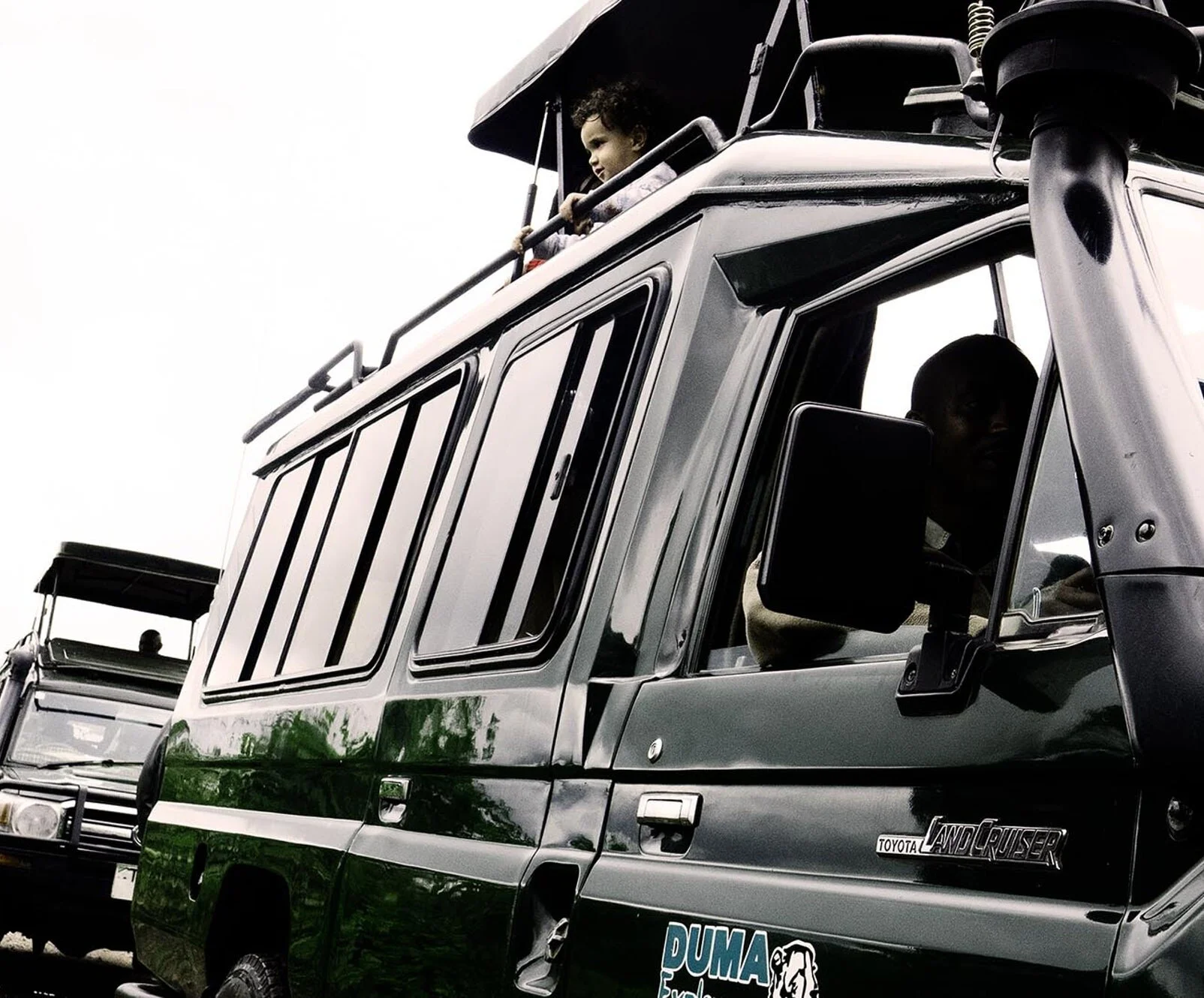
Create lifelong memories with your loved ones in the majestic wilderness of East Africa.
Duma Explorer has been planning family safaris across East Africa since 2002. From toddlers to teenagers, grandparents to great-aunts, we know how to make every age group feel at home in the bush.
Should I Go on Safari With Kids?
Absolutely. East Africa is one of the most rewarding family destinations in the world, and a safari is far more than a holiday — it is an experience that stays with children for life. Watching a herd of elephants cross the Serengeti at sunset, tracking a leopard through the Ngorongoro Crater, or spotting a pride of lions from the safety of your vehicle — these are the kinds of moments that spark curiosity and create lasting memories for the whole family.
But what truly sets East Africa apart as a family destination is the people. East Africans are extraordinarily kind, warm, and genuinely welcoming to children. In Tanzanian and Kenyan culture, children hold a special place, and you will notice this from the moment you arrive. Lodge staff, guides, drivers, and locals in the communities you visit will go out of their way to engage with your kids — learning their names, teaching them Swahili words, showing them animal tracks, and making them feel like the most important guests on safari. For families who may be nervous about traveling to a new continent with young ones, this warmth and helpfulness is deeply reassuring. Your children will not just be tolerated — they will be celebrated.
A Mother's Perspective: Traveling East Africa With Kids
Duma Explorer owner Stacy Readal doesn't just plan family safaris — she has lived them. Stacy has been traveling across East Africa with her own two daughters, Adelina and Victoria (now 18 and 14), since they were babies. Stacy's daughters have grown up on safari. They took their first game drives in Tanzania as babies, have since trekked to see mountain gorillas in Uganda, interacted with black rhinos at Ol Pejeta Conservancy in Kenya, gone birding for Vangas in Masoala National Park in Madagascar, explored the beaches and spice plantations of the Swahili Coast, and spent time with communities in every country Duma Explorer operates in. Between them, Adelina and Victoria have been on dozens of safaris across Tanzania, Kenya, Uganda, Rwanda, Madagascar, Zambia, South Africa and Zimbabwe.
This firsthand experience as a mother means Stacy understands the realities of traveling with kids at every age and stage. She knows which lodges have interconnecting rooms, which camps are best for families with toddlers, where teenagers will be most engaged, and how to pace an itinerary so that no one — parents included — burns out. When Stacy recommends a destination or experience for your family, it comes from years of personal knowledge, not just a brochure.
Adelina's Favorites
Adelina, now 18, has a deep love for East Africa's creative and cultural side. In Zanzibar, her standout experiences include a batik fabric painting class, weeklong henna painting and Tinga Tinga workshops, and a traditional Swahili dinner on the rooftop at Emerson Hurumzi — one of Stone Town's most atmospheric restaurants. On safari, she loves learning about elephant conservation at Save the Elephants in Samburu, Northern Kenya, watching elephants swim in the waterhole at Mkomazi National Park, trekking gorillas in Uganda, and going on game drives on the floor of Ngorongoro Crater. She is always moved by Maasai cultural experiences, and she has loved her immersive stays at both Mysigio Camp and Isoitok Camp, where she had long conversations with a Maasai chief, participated in traditional ceremonies, and joined walks through the bush. But her most epic adventure? An overnight hike to the summit of Ol Doinyo Lengai — the Maasai "Mountain of God" — which rises above Lake Natron and is widely considered East Africa's hardest single-day climb. At the top, she stood at the edge of the active crater and watched lava bubbling beneath her feet.
Victoria's Favorites
Victoria went on her first safari at just two months old in Tarangire National Park — and she has been hooked ever since. Now 14, she has strong opinions about what makes a trip unforgettable. Her top experiences include night snorkeling in the marine reserve off Chumbe Island, wandering the lively night market in Stone Town, Zanzibar and an unforgettable stay at Mysigio Camp where she fully immersed herself in Maasai culture — from drinking goat blood to holding baby goats to witnessing the traditional Orpul ceremony. She also loved fly camping at Kisima Ngeda and joining an early morning hunt with the Hadzabe, one of the last hunter-gatherer tribes on Earth. But her most epic adventure to date? Trekking with Maasai warriors from the Ngorongoro Highlands down to Lake Natron — a multi-day walk through some of the most remote and dramatic landscape in Tanzania.
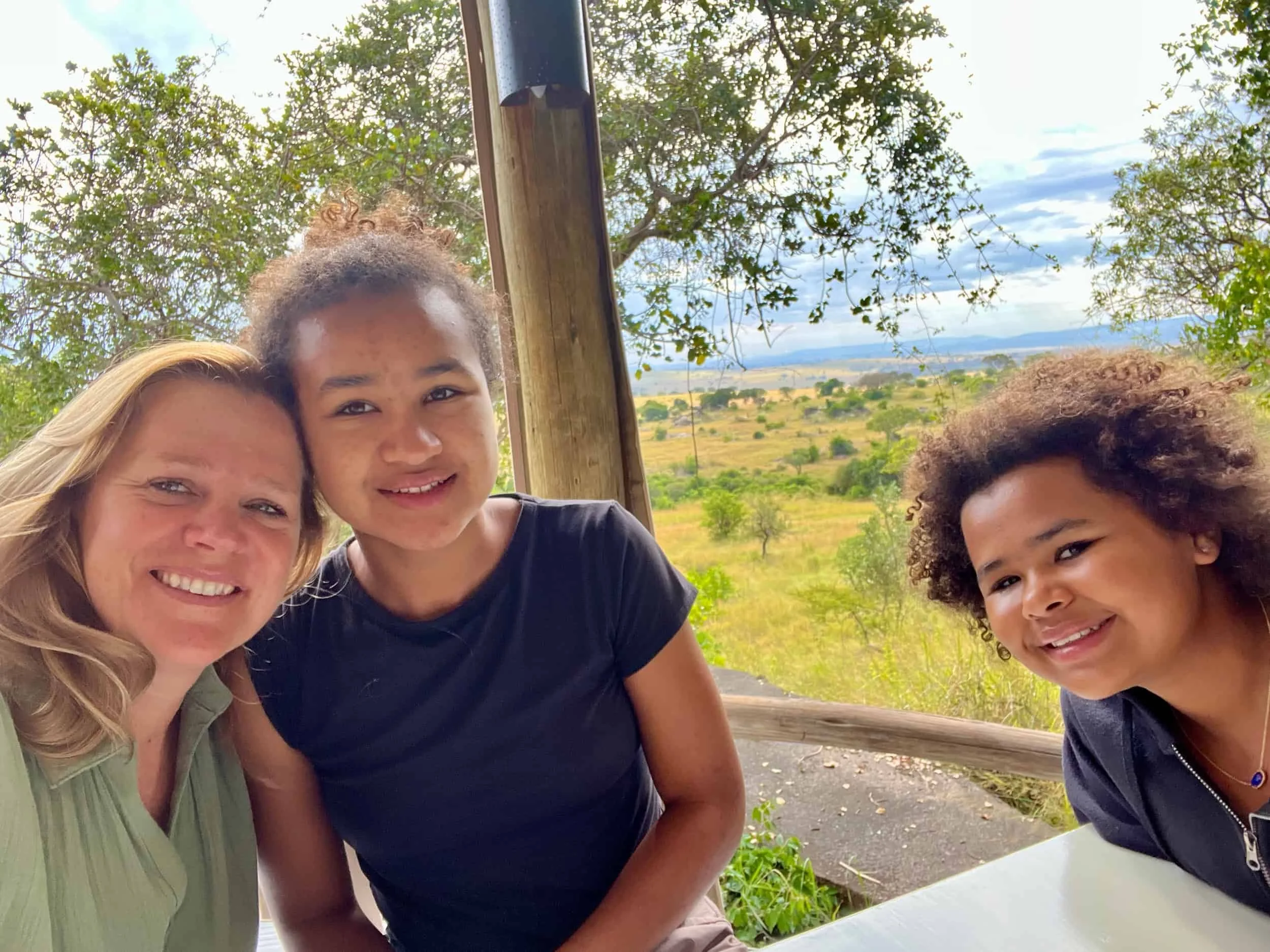
What's Next for Stacy, Adelina & Victoria?
In 2026, Stacy and her two daughters will spend seven weeks traveling across East Africa, visiting new lodges and camps throughout Tanzania, Rwanda and Kenya. The trip includes climbing Mount Kenya to Lenana Peak, visiting the Sheldrick Elephant Orphanage in Nairobi, dining at the acclaimed Meza Malonga, and birding for Albertine Rift Valley endemics along the Congo-Nile Divide. Victoria will also complete her Girl Scout Gold Award project on Chumbe Island, where she will design and install illustrated panels at the island's bird hide — combining her love of art, wildlife, and conservation into a lasting contribution to one of Tanzania's most important marine sanctuaries.
What Ages Are Best for a Family Safari?
One of the most common questions we receive is: “How old should my kids be before we go on safari?” The honest answer is that there is no single right age. Families with babies and toddlers can have wonderful trips with the right planning, while older children and teenagers often get even more out of the experience because they can identify animals, understand ecology, and appreciate the cultural encounters more deeply.
That said, here are some practical considerations by age group:
Babies and toddlers (0–4): Absolutely possible with private vehicles and flexible itineraries. Shorter game drives, lodges with family rooms, and beach add-ons work well. Most parks have no minimum age for private vehicle safaris. Traveling with very young children is also surprisingly affordable — national park fees in Tanzania do not start until age five, many lodges do not charge for very young children, and child airfares only kick in at age two. This makes the toddler years one of the most cost-effective times to introduce your little ones to safari.
Young children (5–8): This is a wonderful age for safari. Kids are old enough to use binoculars, spot animals, and keep a wildlife journal, but still young enough to be amazed by everything. Many lodges offer junior ranger programmes and guided nature walks for this age group.
Tweens and teens (9–17): Older children thrive on safari. They can handle longer drives, appreciate cultural visits, and are often the most enthusiastic wildlife spotters in the vehicle. Walking safaris (12+), balloon rides (8+), and certain adventure activities become available at these ages.
Duma Explorer specializes in private vehicle safaris, which means there are no age restrictions imposed by shared group vehicles. We can take families of any age on safari and tailor the experience accordingly.
Family-Friendly Lodges and Camps
One of the things that pleasantly surprises families is just how well-equipped many safari lodges and camps are for children. Across Tanzania, Kenya, Uganda, and Rwanda, you will find properties that go far beyond simply “allowing” kids — they actively cater to them.
Many camps and lodges stock games, puzzles, coloring books, wildlife field guides, and children's books in their common areas. Some have dedicated kids' clubs with activities like guided scavenger hunts, bush walks to learn about animal tracks and insects, bead-making with Maasai staff, stargazing sessions, and storytelling around the campfire. Several properties offer junior ranger programmes where children earn certificates after completing wildlife identification challenges.
Family-friendly accommodations also tend to offer interconnecting tents or suites, child-friendly meal options, swimming pools, and babysitting services so parents can enjoy an evening game drive or a quiet dinner. Stacy hand-selects every property in your itinerary based on how well it caters to the specific ages and interests of your children.
Child-Friendly Cultural Tours and Activities Across East Africa
A family safari is about far more than game drives. East Africa offers an extraordinary range of cultural tours and hands-on activities that are perfect for children and families. These experiences bring history, tradition, and local communities to life in ways that are interactive, educational, and genuinely fun for kids of all ages.
The Hadzabe at Lake Eyasi, Tanzania: Visit one of the last remaining hunter-gatherer tribes on Earth. Children can join an early morning hunting and foraging demonstration, learn traditional fire-making techniques, and watch the Hadzabe craft bows and arrows — a living history lesson unlike anything in a classroom. This experience is particularly recommended for school-aged children.
The Batwa in Uganda: The Batwa pygmies, the original forest dwellers of the Bwindi Impenetrable Forest region, welcome families for guided cultural walks through their community. Children learn about ancient hunting and gathering traditions, pick wild fruits with their guide, and listen to stories from traditional healers and folk storytellers. This is an especially wonderful activity for kids under 15 who cannot join gorilla trekking.
The Samburu in Northern Kenya: A visit to a Samburu manyatta (village) is one of the most colorful and interactive cultural encounters in East Africa. Known as the “Butterfly People” for their vibrant attire, the Samburu welcome families to observe daily village life, join in traditional dances, learn about bead jewelry crafting, and hear stories passed down through generations. Children love the interactive nature of these visits.
Maasai Village Visits, Tanzania and Kenya: Meet the iconic Maasai people and learn about their pastoralist way of life, traditional dress, cattle herding, and warrior culture. Many lodges can arrange Maasai village visits as part of your itinerary.
Spice Tours in Zanzibar: A sensory adventure for families — walk through spice plantations, smell and taste fresh vanilla, cinnamon, cardamom, and cloves, and learn about the island's trading history.
Coffee Farm Tours in Tanzania: Visit a working coffee farm on the slopes of Mount Meru or Kilimanjaro and follow the bean-to-cup journey. Older children love the hands-on nature of this experience.
Multi-Generational Safaris: Bringing the Whole Family Together
Multi-generational travel is one of the fastest-growing trends in safari tourism, and for good reason. A safari is one of the rare holidays where grandparents, parents, and grandchildren can share truly extraordinary experiences together — without anyone reaching for a screen.
East Africa is perfectly suited to multi-generational groups because the experience can be tailored to every fitness level and interest. Grandparents who prefer a gentler pace can enjoy morning game drives and afternoon relaxation at the lodge with a book and a sundowner, while teenagers head out on a walking safari or cultural visit. Younger children can join a junior ranger programme, and parents can slip away for a private bush dinner. In the evening, everyone comes together around the campfire to share what they saw and experienced that day.
Many lodges now offer exclusive-use villas and family suites that can accommodate three generations under one roof, creating the feeling of a family reunion in one of the most beautiful settings on Earth. Private vehicles mean the group can move at its own pace, stop whenever the grandchildren spot something exciting, and never feel rushed by other travelers' schedules.
Duma Explorer has extensive experience planning multi-generational itineraries across Tanzania, Kenya, Uganda, and Rwanda. We coordinate everything from internal flights (to reduce long drives for older travelers) to room configurations, dietary requirements, and activity scheduling so that every generation gets the most out of the trip.
Preparing Your Family for Safari
A little preparation goes a long way in making sure your family's safari exceeds expectations.
Health and safety: Consult a travel doctor well in advance, particularly regarding pediatric malaria prophylaxis. Your doctor can advise on the right medication for your children's ages. Most safari destinations are safe and well-managed, and your guide will brief your family on wildlife safety before every game drive.
What to pack for kids: Binoculars (even inexpensive ones make a big difference), a wildlife field guide or animal checklist, a journal or sketchbook, a camera or phone for older children, sunscreen, insect repellent, layers for cool mornings and warm afternoons, and comfortable closed-toe shoes for any walking activities. Many families find that packing a few car games and snacks for longer drives helps keep younger children happy.
Managing expectations: Talk to your children about what to expect before you arrive. Show them photos of the animals and landscapes. Explain that wildlife sightings are never guaranteed, but that the searching is part of the adventure. Children who arrive with curiosity rather than a checklist tend to have the best time.
Bush flights: For families with young children, internal bush flights between parks can dramatically reduce time spent on bumpy dirt roads. Stacy can advise on where flights make the most sense for your itinerary and budget.
Combining Safari With Beach and Beyond
One of the great advantages of planning a family safari in East Africa is the variety of experiences you can combine in a single trip. After several days of early mornings and game drives, a few nights on the coast provides the perfect change of pace — and kids absolutely love it.
Zanzibar, Tanzania: The most popular beach add-on for Tanzania safaris. Crystal-clear waters, white sand beaches, and a fascinating cultural history in Stone Town. Families can snorkel, sail on a traditional dhow, visit spice plantations, and explore the UNESCO World Heritage old town.
Kenyan Coast (Diani, Watamu): Beautiful beaches with excellent snorkeling and marine parks. Diani is particularly family-friendly with calm, shallow waters.
Lake Victoria: A less conventional but rewarding add-on, particularly for birding families.
Rwanda extensions: Combine a Tanzania or Kenya safari with gorilla trekking in Volcanoes National Park for families with children 15 and older.
Why Choose Duma Explorer for Your Family Safari?
Duma Explorer has been planning family safaris across East Africa since 2002. We are a Tanzanian and American-owned company with offices in both Arusha, Tanzania and the United States, giving us the local knowledge and personal touch that large tour operators simply cannot match.
Every family safari we plan is fully private and fully customized. There are no group departures, no fixed itineraries, and no age restrictions imposed by shared vehicles. Whether you are traveling with a toddler, a teenager, or three generations of your family, we build your trip around your family's specific needs, interests, and pace.
With over 600 five-star reviews on TripAdvisor and a perfect 5.0 rating, our track record speaks for itself. But what families remember most is the warmth of our guides, the thoughtfulness of our planning, and the feeling that someone who truly understands family travel is looking after every detail.
Frequently Asked Questions About Family Safaris in East Africa
-
There is no single "best" age — families travel with children of all ages, from babies to teenagers. With a private vehicle, there are no minimum age restrictions. That said, children aged five and older tend to get the most out of game drives because they can use binoculars, identify animals, and maintain focus for longer periods. Duma Explorer tailors every itinerary to your children's specific ages and interests.
-
Yes. Safari vehicles are enclosed and driven by highly experienced guides who prioritize your family's safety at all times. Lodges and camps are fenced or carefully managed to ensure wildlife stays at a safe distance. East Africans are exceptionally warm and attentive to children, and lodge staff often go above and beyond to help families feel comfortable and cared for. We also recommend consulting a travel doctor before your trip for advice on pediatric malaria prophylaxis and any necessary vaccinations.
-
Most families find that five to seven days on safari is the sweet spot — long enough to visit multiple parks and have a range of wildlife sightings, but not so long that younger children lose interest. Many families add two to three nights at a beach destination like Zanzibar or the Kenyan coast afterward for a change of pace. For multi-generational groups, seven to ten days allows enough time to mix game drives with cultural visits, rest days, and beach time.
-
The minimum age for gorilla trekking is strictly 15 years old in both Uganda and Rwanda. This rule is in place to protect the gorillas from childhood diseases. For families with children under 15, there are wonderful alternatives while parents trek — including Batwa cultural experiences, guided nature walks, and supervised activities at the lodge. Duma Explorer plans these family-friendly alternatives as part of your itinerary so everyone has a memorable day.
-
Many lodges across East Africa are very well set up for families. You will find properties with interconnecting rooms or family tents, kids' menus, swimming pools, games, books, and dedicated children's programs including junior ranger activities, nature walks, and storytelling sessions. Some lodges also offer babysitting services. Stacy hand-selects every property based on how well it caters to the specific ages and needs of your children.
-
East Africa offers a remarkable variety of child-friendly cultural experiences. Families can visit the Hadzabe hunter-gatherers at Lake Eyasi in Tanzania, spend time with the Batwa community near Bwindi in Uganda, explore a Samburu village in Northern Kenya, or meet the Maasai in Tanzania or Kenya. In Zanzibar, spice tours and Stone Town walking tours are popular with families, and coffee farm tours near Arusha are a hit with older children. These experiences are interactive, educational, and genuinely fun for kids.
-
trends in safari travel. East Africa is ideal for these trips because activities can be tailored to different fitness levels and interests. Lodges with exclusive-use villas or large family suites keep everyone under one roof, and private vehicles let the group move at its own pace. Duma Explorer has extensive experience planning multi-generational itineraries across Tanzania, Kenya, Uganda, and Rwanda.
-
Family safari costs vary depending on the destination, duration, accommodation level, and time of year. Children typically receive significant discounts — approximately 65% of adult pricing at many lodges and camps. Shoulder seasons (April–May and November) offer lower rates while still providing good wildlife viewing. Contact Stacy for a personalized quote based on your family's needs and budget.
-
We strongly recommend private vehicles for families, and all Duma Explorer safaris are private by default. A private vehicle means no minimum age restrictions, no sharing with strangers, and complete flexibility to stop, start, and adjust the schedule around your children's energy and interest levels. It also means your guide can tailor the commentary and pace specifically to your family.
-
Absolutely — and we recommend it, especially for families. After several days of early mornings and game drives, a few relaxing nights on the coast is the perfect complement. Zanzibar is the most popular beach add-on for Tanzania safaris, offering white sand beaches, snorkeling, dhow sailing, spice tours, and the historic Stone Town UNESCO World Heritage Site. The Kenyan coast (Diani and Watamu) is another excellent option with calm, shallow waters that are ideal for children.
-
Yes — this is something we handle well. We communicate all dietary restrictions and children's dietary needs to every lodge and camp in advance, so the kitchen is fully prepared before your family arrives. The chefs at the properties we use are well trained in cooking for all sorts of dietary requirements, whether that means allergies, intolerances, vegetarian or vegan diets, halal or kosher needs, or simply a child who will only eat pasta and chicken nuggets. You would be surprised at how creative safari chefs can be — many families tell us the food was one of the highlights of their trip.
