

Kilimanjaro Solo Climb (2026): Rules, Costs & Safety
TLDR
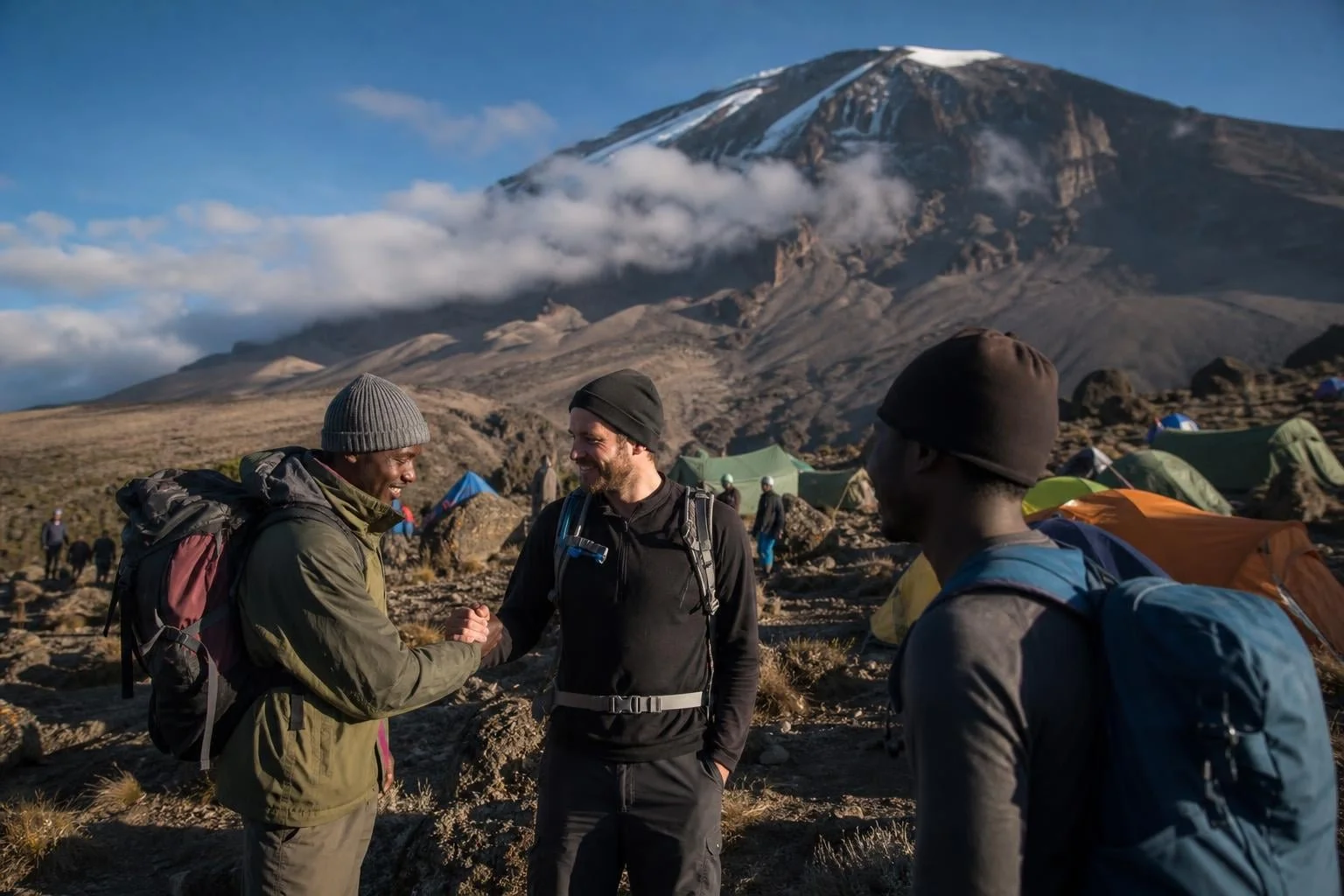
Climbing Mount Kilimanjaro alone is possible, but not in the way the phrase “solo climb” might suggest. Tanzania requires Kilimanjaro climbers to use a licensed guide, so you cannot simply enter the national park and make an unsupported ascent by yourself. Instead, a solo climb normally means traveling without friends or family and either joining a group departure or paying for a private climb with a dedicated crew.
For solo travelers, the biggest decisions are not whether you can climb alone. They are which route gives you enough time to acclimatize, whether to join a group or book privately, what the total cost includes, how the operator handles altitude emergencies, and whether the guides and porters are treated fairly.
Kilimanjaro Solo Climb: Key Takeaways
-
You can climb Kilimanjaro as a solo traveler, but you cannot make an unsupported, self-guided ascent.
-
Kilimanjaro climbs require a licensed guide and must be arranged through an appropriate operator.
-
“Solo” usually means you are traveling without companions, not that you are physically alone on the mountain.
-
You can either join a group departure or book a private climb where you are the only paying client.
-
Private solo climbs usually cost more because fixed guide, crew, transport, permit, food, and logistics costs are not shared with other climbers.
-
Route length matters for acclimatization. Longer itineraries generally provide more time to adjust to altitude.
-
Porters are not simply a cost-cutting issue. Ask how an operator manages porter loads, wages, food, accommodation, and tipping.
-
The most important safety question is what happens if you develop altitude sickness and need to descend.
Quick Answer: Can You Climb Kilimanjaro Solo? Yes, you can climb Kilimanjaro as a solo traveler, but you cannot climb it as an unsupported or self-guided trekker. Kilimanjaro climbs require a licensed guide, so a person traveling alone must either join a group departure or book a private climb with a guide and support crew. In practice, “solo Kilimanjaro climb” means you are traveling without friends or family, not that you are completely alone on the mountain.
|
Solo Climbing Option |
Allowed? |
What It Means |
|---|---|---|
|
Travel alone and join a group |
Yes |
You book as one person and climb with other clients |
|
Private solo climb |
Yes |
You are the only paying climber with a dedicated crew |
|
Self-guided climb |
No |
You cannot make an unsupported ascent without the required guide |
|
Minimal-support guided climb |
Operator-dependent |
You may carry more of your own equipment, but guide and park requirements still apply |
The best option for most solo travelers is a 7- to 8-day guided itinerary that provides more time for acclimatization rather than choosing the shortest possible route simply to reduce the price.
Is Solo Climbing Kilimanjaro Legal?
Solo travel to Kilimanjaro is legal, but self-guided climbing is not. Tanzania National Parks (TANAPA) states that Kilimanjaro climbs require a guide. Climbers should therefore arrange their ascent through an appropriate tour operator rather than attempting to enter the park and climb independently.
The important distinction is between traveling alone and climbing without required support.
|
Scenario |
Can You Do It? |
|---|---|
|
Travel to Tanzania alone |
Yes |
|
Book a Kilimanjaro climb alone |
Yes |
|
Join a group as a solo traveler |
Yes |
|
Book a private climb for yourself |
Yes |
|
Enter Kilimanjaro National Park for an unguided climb |
No |
|
Ignore park registration and permit requirements |
No |
The widely cited 1991 date is useful historical context, but the article should avoid presenting the date as the legal authority itself unless you can cite the underlying regulation or official historical source. Current TANAPA guidance is the stronger source for the present-day rule.
What Does “Solo Climb” Mean on Kilimanjaro?
The phrase “solo Kilimanjaro climb” can describe several different arrangements. Understanding the terminology prevents confusion when comparing operators and prices.
Solo Traveler
A solo traveler is someone who arrives in Tanzania and books the climb without friends, family, or a travel companion. You may join other climbers on a group departure or arrange a private climb.
Private Solo Climb
A private solo climb means you are the only paying client in the climbing party. Your guide and support crew are assigned to your climb rather than shared with other clients.
Group Climb as a Solo Traveler
You book alone but join other travelers who have booked the same departure. This is usually the lower-cost option because many trip costs are shared.
Self-Guided Climb
A self-guided climb means attempting the mountain without the required licensed guide and operator support. This is not the same thing as a private solo climb and is not permitted under current Kilimanjaro park requirements.
Bottom line: On Kilimanjaro, “solo” describes your travel or booking arrangement. It does not mean you are allowed to climb without a guide.
Why You Cannot Climb Kilimanjaro Without a Guide
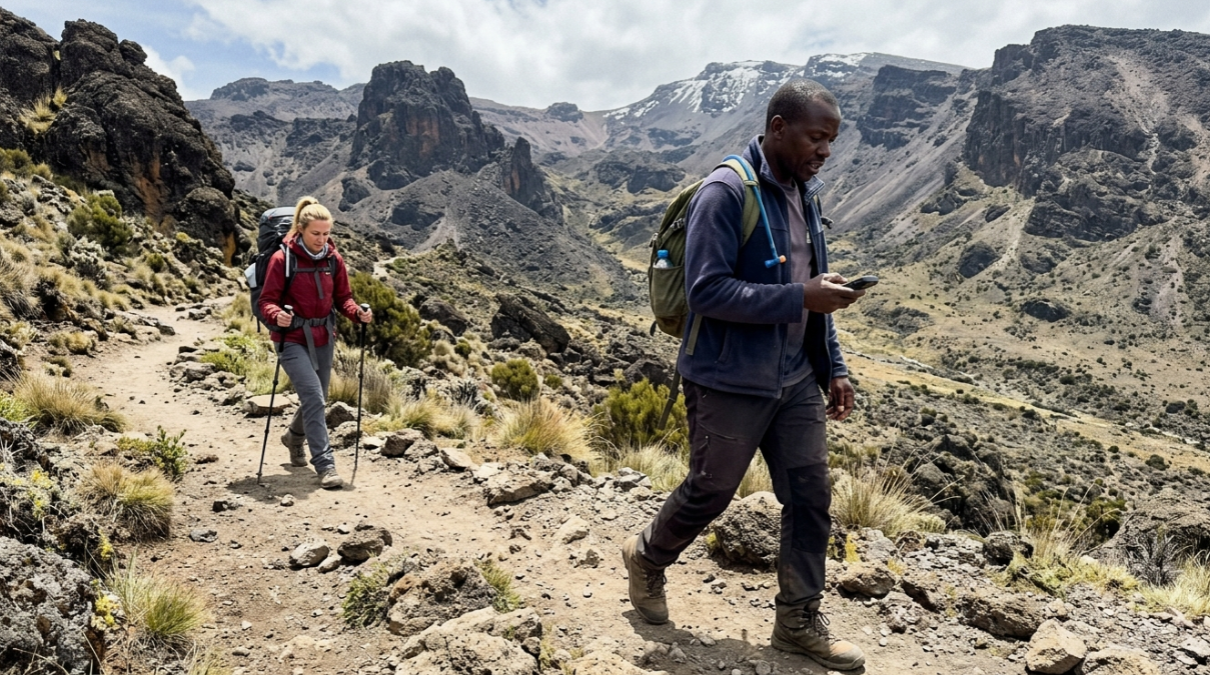
Kilimanjaro is a regulated national park and a UNESCO World Heritage site. At 5,895 meters, it is the highest mountain in Africa and the largest free-standing volcanic mass in the world. Five distinct vegetation zones stretch from montane forest to summit ice, and the park protects roughly 75,575 hectares.
The guide requirement is not a suggestion. Both full climbs and day hikes require a licensed guide affiliated with a registered company. The operator handles permits, park fees, equipment, food, crew logistics, and regulatory compliance. A freelance guide who cannot arrange permits is not a substitute.
Guides do more than navigate. They manage pacing, enforce park rules, sign the group in at each camp, monitor altitude sickness symptoms, and make descent decisions when a climber’s health demands it. On a solo climb, these responsibilities become even more concentrated because there is no group of fellow climbers to notice when something is off.
For a deeper look at the safety systems your guide should be running, see Duma Explorer’s Kilimanjaro safety terms guide.
Group Departure vs. Private Solo Climb
Every solo Kilimanjaro traveler faces the same fork: join a group or book a private climb. Neither option is universally better. The right choice depends on budget, personality, and how much control you want over pacing and dates.
Joining a group departure
Group departures run on fixed dates. Solo travelers are paired with other climbers, typically 4 to 12 people depending on the operator and route. Costs are lower because guide fees, park permits, transport, food, and crew wages get split across multiple paying climbers.
The trade-off is flexibility. You climb on the group’s schedule, at the group’s pace, and with the group’s dynamics. Tent sharing is common unless you pay a single supplement. For many solo travelers, the social element is a positive: you meet people, share meals, and have company on summit night.
Booking a private solo climb
A private climb gives you dedicated guide attention, freedom to choose your dates, and more control over pace. If you need to rest longer at a camp for acclimatization, there is no group vote. Privacy is built in.
The cost is higher because one person covers the entire fixed infrastructure: guide, assistant guide, porters, cook, park fees, transport, food, and equipment. This is not a markup or penalty. It is the simple math of fixed costs divided by one instead of six or eight.
The decision in practice
|
Factor |
Group departure |
Private solo climb |
|---|---|---|
|
Cost |
Lower per person |
Higher per person |
|
Flexibility |
Fixed dates and pace |
Choose your dates and pace |
|
Social |
Meet other climbers |
Mostly your crew |
|
Privacy |
Tent sharing unless you pay extra |
Private by default |
|
Guide attention |
Shared across group |
Dedicated to you |
Duma Explorer offers both formats: small-group Kilimanjaro departures with stated maximum sizes and private custom climbs with a 1:1 guide-to-climber ratio on summit day. The private vs. group decision guide covers the broader trade-offs for East Africa travel.
How Much Does a Solo Kilimanjaro Climb Cost?
The cost of a solo Kilimanjaro climb depends heavily on whether you join a group departure or book a private itinerary. A private climb generally costs more because you are not sharing the operator's fixed costs with other paying climbers.
Rather than comparing headline prices alone, compare what each quote includes.
|
Cost Component |
Group Solo Traveler |
Private Solo Climb |
|---|---|---|
|
Park and conservation fees |
Included in operator quote |
Included in operator quote |
|
Guide costs |
Shared across clients |
Primarily your responsibility |
|
Porters and crew |
Shared across clients |
Dedicated to your climb |
|
Food and camp logistics |
Shared |
Dedicated |
|
Airport transfers |
Depends on operator |
Often private or arranged separately |
|
Pre/post-climb hotel |
Depends on package |
Depends on package |
|
Gear rental |
Usually optional |
Usually optional |
|
Private tent |
May cost extra |
Often included or available |
|
Private toilet |
Optional |
Available from some operators |
|
Travel insurance |
Separate |
Separate |
|
Tips |
Usually separate |
Usually separate |
Why Private Solo Climbs Cost More
A private solo climb does not simply multiply the price of a group climb by one person. Many expenses are relatively fixed: guides, transport, food logistics, crew, equipment, permits, and pre- or post-climb arrangements.
When several clients share those costs, the per-person price falls. When one climber books privately, a larger share of those costs is allocated to that one traveler.
What to Ask When Comparing Prices
Before choosing the cheapest quote, ask whether the price includes:
-
Park and conservation fees
-
Rescue fees
-
Guide and porter wages
-
Meals
-
Camping or hut fees
-
Airport transfers
-
Pre- and post-climb accommodation
-
Private or shared tent
-
Emergency equipment
-
Gear rental
-
Government taxes and fees
-
Tips
Because TANAPA fees can change, use the operator's current quote and verify the latest official tariff rather than relying on an old published price. TANAPA maintains current park guidance and tariff information through its official channels.
Why Solo Climbs Cost More (and Why Minimal Support Rarely Saves Money)
Many solo travelers assume they can reduce costs by stripping down support. Fewer porters, no cook, carry your own gear. The logic makes sense on paper. In practice, it falls apart because of how Kilimanjaro costs are structured.
The cost equation for any Kilimanjaro climb looks roughly like this:
Fixed park fees + crew wages and logistics + route length + comfort choices + operator safety standards + private vs. shared cost allocation
Park fees (conservation fees, camping or hut fees, rescue fees) are charged per person per day. They do not shrink because you have fewer porters. Transport to and from the gate, hotel nights before and after the climb, food supplies, cooking fuel, and guide wages remain regardless of group size. Fee schedules change periodically, so confirm current TANAPA rates when booking. But as a structural point, park fees and logistics make up the expensive core of a climb. Porter wages, while important for ethical reasons, are a smaller slice of the total.
This is why reducing porters does not meaningfully reduce the price. Practitioners on Reddit echo this: one July 2026 r/kilimanjaro thread asked whether ultralight hikers can carry their own gear for a discount. Replies emphasized that most operators do not reduce crew because altitude can force even strong hikers to hand off gear, and reducing porters risks shifting overweight burdens to the remaining crew.
For a complete breakdown of where your money goes, see the Kilimanjaro climb cost breakdown.
Can I carry my own gear?
You carry your own daypack every day. It typically holds water, snacks, rain gear, warm layers, sunscreen, camera, and medications. The main duffel (sleeping bag, extra clothing, personal items) gets carried by porters between camps.
Some operators may let you carry more. But this usually does not change the need for a support team, and it often does not meaningfully reduce cost. The bigger risk is practical: altitude can change your strength quickly. A 20 kg pack that felt manageable at 3,000 meters can become unbearable at 4,500 meters when your body is working harder just to breathe.
What Is Included in a Solo Kilimanjaro Climb?
A Kilimanjaro climb package can include very different services depending on the operator. Never assume that two prices are comparable simply because they cover the same number of climbing days.
A typical full-service package may include:
-
Kilimanjaro park fees
-
Climbing permits and required registrations
-
Licensed mountain guide
-
Assistant guides when required by group size or operator policy
-
Porters
-
Cook and camp meals on camping routes
-
Tents and camping equipment
-
Drinking water during the trek
-
Airport or hotel transfers, depending on the package
-
Pre- or post-climb accommodation, depending on the package
Items commonly charged separately or requiring confirmation include:
-
International flights
-
Tanzania visa
-
Travel insurance
-
Medical expenses
-
Personal climbing equipment
-
Gear rental
-
Tips
-
Private toilet facilities
-
Extra hotel nights
-
Personal expenses
Before booking, ask the operator for a written list of inclusions and exclusions.
Altitude Sickness: What Solo Climbers Need to Know
The biggest risk on Kilimanjaro is not loneliness. It is altitude.
A 2022 prospective study of 1,237 recreational hikers on Kilimanjaro found severe altitude illness symptoms in 8.6% of recreational hikers and 1.1% hospitalized due to severe altitude illness. The study also found that 87.9% reached Uhuru Peak, and that climbing in more days predicted summit success. The authors noted something troubling: hikers often continued ascending despite symptoms, rather than pausing or descending.
For solo climbers, this finding matters enormously. Without a group of peers to compare notes with, a solo traveler depends on their guide to notice early signs and make the right call.
Key altitude terms
AMS (Acute Mountain Sickness): The common form. Headache plus nausea, fatigue, dizziness, or appetite loss after ascending. The CDC Yellow Book recommends not ascending until mild symptoms resolve. Travelers with AMS typically improve rapidly with descent of at least 300 meters.
HACE (High-Altitude Cerebral Edema): Severe. Affects the brain. Emergency requiring immediate descent and medical treatment. Coma can occur within 12 to 24 hours without action.
HAPE (High-Altitude Pulmonary Edema): Severe. Affects the lungs. Symptoms include worsening breathlessness, cough, and reduced exercise performance. Descent is urgent.
Acclimatization day: A rest or short-hike day built into the itinerary to let the body adjust. The CDC recommends increasing sleeping altitude by no more than about 500 meters per day above 3,000 meters and adding an extra acclimatization night for every additional 1,000 meters of sleeping-altitude gain.
Diamox (acetazolamide): A medication some travelers take to help prevent or treat AMS. This is a conversation with your doctor, not a blog recommendation. CDC guidance lists preventive dosing, but individual medical history matters.
What should happen if a solo climber shows symptoms
On a well-run guided climb, the process should look like this:
-
Guides check vital signs (pulse oximetry, symptom questions) at each camp.
-
If mild symptoms appear, the guide slows or pauses ascent.
-
If symptoms worsen, the guide arranges descent, not tomorrow, now.
-
On a group climb, a separate guide or assistant can accompany the sick climber down while the group continues.
-
Emergency communication, oxygen, and evacuation plans should be in place before the climb starts.
Solo travelers should also carry travel insurance covering trekking to 5,895 meters, including helicopter evacuation. The park rescue fee covers a basic rescue response, not the full cost of medical evacuation.
Duma Explorer’s Kilimanjaro guides carry 15+ years of mountain experience and hold Wilderness First Responder certification. The company also avoids the Western Breach ascent for safety and maintains a 1:1 guide-to-climber ratio on summit day.
Porter Welfare: Why It Matters for Solo Climbers
Solo travelers sometimes feel uneasy about having a team of porters. It can feel excessive. Some want fewer porters out of a desire for a more self-sufficient experience. That instinct is understandable, but Kilimanjaro works differently from most mountains.
Porters are part of the local mountain economy. They carry group equipment, tents, food, cooking supplies, and a portion of each climber’s personal gear between camps. A typical full-service climb includes a guide, assistant guide, cook, and several porters.
The question is not whether you need porters. It is whether your porters are treated fairly.
The Kilimanjaro Porters Assistance Project (KPAP) monitors porter welfare across wages, tipping practices, bag weight, food provision, and accommodation. Their good-practice standards include minimum wages, salary payment within two days after descent, transparent tipping, proper porter numbers (at least 3 per climber on camping routes), three meals daily, proper tents and sleeping space, gear checks, and medical help for sick porters. Since 2003, KPAP reports that porters on 37,478 climbs have borrowed mountain gear free of charge, and over 7,000 porters per year receive fair treatment through Partner companies.
A low quote from an operator may mean the crew is underpaid or poorly equipped. KPAP’s 2024 data found that some workers earned as little as TSh 10,000 per day, well below adequate wages. Transparent tipping was reported on 95.2% of Partner company climbs, and good-quality tents were provided 97.4% of the time.
Duma Explorer is a KPAP founding partner and Travelife Certified. For a deeper look at what ethical porter treatment looks like, read the porter wages and tipping guide.
Porter load limit
The maximum weight a porter should carry is 20 kg, enforced through park regulations and ethical operator practices. KPAP Partner companies weigh bags to ensure compliance. If a climber insists on fewer porters, the remaining crew may end up carrying overweight loads, which is both unsafe and unethical.
Solo Women on Kilimanjaro: Practical Logistics, Not Just Reassurance
Solo women climb Kilimanjaro every year. Saying “it’s safe” as a blanket statement is not useful. What matters is answering the specific questions solo women actually ask.
A June 2026 thread on r/kilimanjaro from a 31-year-old woman planning a solo climb showed the real anxieties: altitude sickness, traveling alone, joining a group, tent privacy, female-only climbs, private toilets, hygiene, and whether fitness protects against AMS. Replies from climbers and operators emphasized that solo travelers are common, 7 to 8 day routes are better for acclimatization, private tents may be worth paying for, and guides monitor health closely.
Questions solo women should ask before booking
-
Can I have a private tent, and what does it cost?
-
Can I request a female guide or female crew member?
-
Are airport transfers included, and what happens when I land?
-
Where do I stay before and after the climb?
-
What is the bathroom setup on the mountain?
-
How does the guide handle privacy during trail breaks?
-
What happens if I need to descend while the group continues?
-
Is the group mixed-gender, and what is the expected group size?
-
Can I book a private toilet tent?
Industry attention to women on Kilimanjaro is growing. KPAP’s LinkedIn posts encourage climbers to choose Partner operators with fair standards. Other industry voices on LinkedIn have highlighted all-female or mostly female crew concepts, with women increasingly entering mountain guiding and porter roles. If having a female guide or crew member matters to you, ask the operator directly during the booking conversation.
Best Kilimanjaro Routes for Solo Climbers
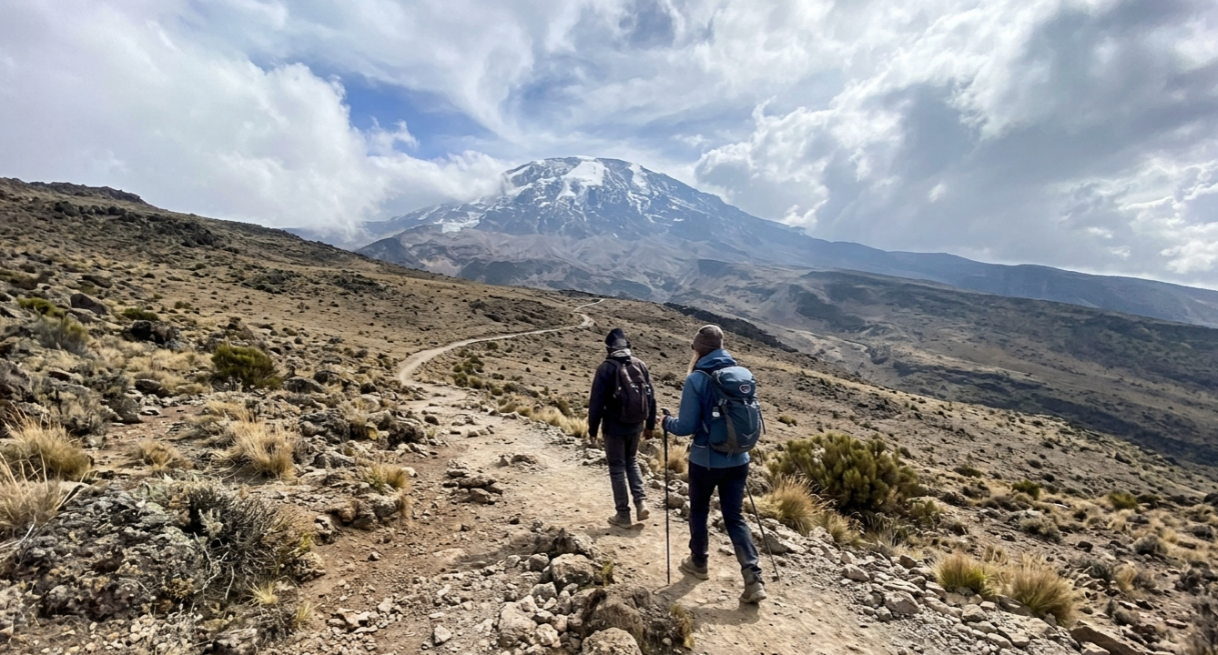
There is no single “best” Kilimanjaro route for every solo traveler. For most people, the most important factor is not scenery or crowd levels but whether the itinerary provides enough time for acclimatization.
|
Route |
Typical Duration |
Best For |
Main Consideration |
|---|---|---|---|
|
Lemosho |
7–8 days |
Strong acclimatization and scenery |
Longer and usually more expensive |
|
Machame |
6–7 days |
Scenic, popular trekking |
More crowded |
|
Northern Circuit |
8–9 days |
Maximum acclimatization time |
Longest itinerary |
|
Rongai |
6–7 days |
Quieter approach and drier conditions |
Different scenery and logistics |
|
Marangu |
5–6 days |
Climbers who prefer huts |
Short itineraries provide less acclimatization time |
Which Route Is Best for a Solo Climber?
For most solo travelers, a 7- or 8-day itinerary is a better starting point than choosing the shortest available route. A longer itinerary gives the body more time to adjust to increasing altitude, and research on Kilimanjaro has found that climbing over more days was associated with summit success.
The right route still depends on your experience, budget, preferred scenery, accommodation preferences, and the operator's itinerary.
For a detailed comparison, see the Kilimanjaro route comparison guide.
Duma Explorer offers climbs on Lemosho, Machame, Northern Circuit, Rongai, and Marangu, and avoids the Western Breach for safety while still providing access to Crater Camp via a safer ascent route.
Summit night
The final push to Uhuru Peak usually begins around midnight from high camp (Barafu Camp on most routes, Kibo Hut on Marangu). It takes roughly 6 to 8 hours. This is the hardest mental and physical phase of the entire climb. Cold, dark, steep scree, thin air. For solo climbers, having a dedicated and experienced guide next to you during these hours makes a real difference.
Is Kilimanjaro Safe for Solo Climbers?
Kilimanjaro can be climbed safely by solo travelers when the trip is properly guided and the itinerary allows adequate acclimatization, but altitude illness remains the major medical risk. A prospective study of 1,237 recreational Kilimanjaro hikers found severe altitude-illness symptoms in 8.6% of hikers, while 1.1% were hospitalized for severe altitude illness. The study also found that climbing over more days was associated with a higher probability of reaching the summit.
For a solo climber, the most important safety questions are therefore:
-
How does the operator monitor altitude symptoms?
-
What happens if you need to stop ascending?
-
Who accompanies you if you need to descend?
-
What emergency communication is available?
-
What medical and evacuation coverage does your insurance provide?
Being fit does not eliminate the risk of altitude illness. Acclimatization and the ability to recognize symptoms are critical.
Gear Basics for Solo Climbers
Daypack
Your small backpack for each day’s hike. Usually 20 to 35 liters, holding water, snacks, rain gear, warm layers, sunscreen, camera, medications, and personal essentials. Reddit logistics threads show this is a common source of confusion for first-time climbers.
Duffel bag
The main soft bag carried by porters between camps. It holds your sleeping bag, extra clothing, toiletries, and other non-essential items. A soft duffel is easier for porters to carry than a rigid backpack. Most operators limit duffel weight to 15 kg.
What to leave behind
Non-climb luggage (city clothes, electronics, extra shoes) stays at your hotel in Arusha or Moshi. Ask your operator about storage arrangements. For a complete gear list, the East Africa packing list covers both mountain and safari essentials.
Altitude Sickness: What Should a Solo Climber Do?
|
Situation |
What It Means |
Appropriate Response |
|---|---|---|
|
Mild altitude symptoms |
Possible AMS |
Do not continue ascending until symptoms resolve |
|
Symptoms getting worse |
Increasing altitude illness risk |
Stop ascent and reassess with the guide |
|
Severe neurological symptoms |
Possible HACE |
Emergency descent and medical treatment |
|
Severe breathlessness or respiratory symptoms |
Possible HAPE |
Immediate descent and emergency medical care |
The key principle is simple: do not treat worsening altitude symptoms as something to push through for the summit. The Kilimanjaro cohort study found that many hikers continued ascending despite symptoms, while not climbing higher when mild symptoms appeared was associated with a lower incidence of severe symptoms.
The SOLO Decision Framework
Use this as a simple mental checklist before booking a Kilimanjaro solo climb:
S, Support level: Do you want group, private, or minimal support? Match your budget, personality, and experience level.
O, Operator ethics: Does the operator use licensed guides, fair porter practices, transparent tipping, and proper crew gear? Is the company a KPAP Partner?
L, Length of route: Are you choosing enough days for acclimatization? A 5-day route is riskier than a 7 or 8-day route, regardless of your fitness.
O, On-mountain safety: What are the health checks, guide-to-climber ratios, oxygen and medical kit protocols, and descent plan?
Questions to Ask Before Booking a Solo Kilimanjaro Climb
-
Am I joining a group or booking a private climb?
-
What is the maximum group size?
-
Will I share a tent?
-
What is the guide-to-climber ratio on the mountain and on summit day?
-
What route and number of days do you recommend for acclimatization?
-
What altitude checks are done daily?
-
What happens if I need to descend while the group continues?
-
Is supplemental oxygen carried? Is a pulse oximeter used?
-
Are guides Wilderness First Responder or first-aid certified?
-
Is the company a KPAP Partner or independently monitored for porter welfare?
-
What is the tipping procedure, and how is it handled transparently?
-
What is included in the price: park fees, rescue fees, airport transfers, hotel nights, gear rental, private tent, private toilet?
-
Where can I store non-climb luggage?
-
What altitude limit does my travel insurance need to cover?
For guidance on tipping amounts and etiquette, plan this before you arrive on the mountain.
Regulations and Fees: A Freshness Note
Park fees, conservation fees, camping fees, and rescue fees are set by TANAPA (Tanzania National Parks Authority) and can change between financial years. During research for this article, the most recent official tariff material found covered the period through June 30, 2026, and may no longer reflect current rates. Always confirm the latest fee schedule with your operator before booking.
The structural point stands regardless of the exact numbers: park fees are charged per person per day and represent a major portion of total climb cost. One person on a private solo climb pays the same daily park fees as one person in a group of ten.
Putting It All Together
A Kilimanjaro solo climb is entirely doable and thousands of solo travelers do it every season. The key is understanding that “solo” refers to how you book, not how you climb. You will have a guide, a crew, and a support structure around you. The real planning decisions are about group vs. private format, route length, operator quality, porter ethics, altitude safety, and whether the price you see reflects fair treatment of the people carrying your gear up the mountain.
If you are traveling alone, Duma Explorer can help you decide whether a small-group departure or private Kilimanjaro climb fits your dates, route preference, budget, and comfort level. Start with the Kilimanjaro route comparison to narrow your options.
Frequently Asked Questions
Can I climb Kilimanjaro solo?
Yes, if “solo” means traveling alone or booking a private climb as the only paying climber. No, if you mean climbing without a guide. Kilimanjaro climbs require a licensed guide and registered operator. Self-guided ascents have not been permitted since 1991.
Can I climb Kilimanjaro without porters?
Sometimes, but only as a specialized guided minimal-support climb. You still need a licensed guide. These climbs require carrying much more gear, handling camp tasks, and coping with extra physical stress at altitude. They are not recommended for most climbers and usually do not save much money because park fees and logistics remain.
Is a private solo Kilimanjaro climb more expensive than joining a group?
Usually yes. A private solo climber pays for a dedicated guide, crew, and logistics without splitting those costs with other climbers. The fixed costs (park fees, transport, food, equipment) do not shrink because only one person is climbing.
Is Kilimanjaro safe for solo women?
Solo women climb Kilimanjaro regularly, but safety depends on the operator, group setup, guide professionalism, privacy arrangements, route length, and logistics before and after the climb. Ask about private tents, female crew availability, bathroom logistics, and airport transfers.
What happens if I get altitude sickness while climbing solo?
On a well-run guided climb, the guide monitors symptoms, adjusts pace, pauses ascent if mild symptoms appear, and arranges descent if symptoms worsen. A Kilimanjaro-specific study found severe altitude illness symptoms in 8.6% of recreational hikers and emphasized that climbers should not continue ascending until symptoms resolve.
Which route is best for a solo Kilimanjaro climber?
The best route is one with enough days for acclimatization. Longer routes like Lemosho (7 to 8 days) and Northern Circuit (8 to 9 days) give more adjustment time and are associated with higher summit success rates. Route choice matters more than fitness level when it comes to altitude safety.
What is KPAP and why does it matter for solo climbers?
KPAP (Kilimanjaro Porters Assistance Project) monitors porter welfare including wages, tipping, load limits, food, and accommodation. A KPAP Partner operator has agreed to meet specific ethical standards. For solo climbers, choosing a KPAP Partner means the people supporting your climb are treated fairly, which is both an ethical and a quality signal.
Should I carry my own gear on Kilimanjaro to save money?
Carrying your own daypack is standard. Carrying all your gear (replacing porters) is rare, physically much harder at altitude, and usually does not reduce cost significantly. Most operators will not reduce crew because altitude can force even strong hikers to hand off gear unexpectedly.