

What Is the Best Time for Safari in Tanzania? 2026 Guide
TL;DR
The best time for safari in Tanzania is during the dry season from June to October, when wildlife concentrates around water sources and visibility is excellent. But “best” depends on what you want. January and February deliver calving season drama in the Southern Serengeti. July through September bring the famous Mara River crossings. November and December offer lower prices, fewer crowds, and lush green scenery. The Serengeti alone covers nearly 15,000 square kilometers, so the right zone matters as much as the right month.
Every Tanzania safari guide gives the same answer: June through October. That’s the safe recommendation, and it’s not wrong. But it’s incomplete. The best time for safari in Tanzania depends on whether you’re chasing river crossings or newborn wildebeest, whether you care more about empty parks or guaranteed big cat sightings, and how much you’re willing to spend.
This glossary decodes every season, wildlife event, and planning term you’ll encounter while researching your trip. Instead of another narrative guide that buries the answer, each entry here gives you the definition, the dates, and what it actually means for your time on the ground.
Before diving in, a quick cheat sheet:
-
Classic game viewing: June to October (dry season)
-
Calving season: January to February (Southern Serengeti)
-
River crossings: July to September (Northern Serengeti)
-
Best value + scenery: November to December (short rains)
-
Lowest prices: March to May (long rains)
Exploring private safari options early in your planning process makes it easier to match timing with your priorities.
Direct Answer: When Is the Best Time for a Tanzania Safari? If you're wondering what is the best time for safari in Tanzania, here's the short answer:
|
Travel Goal |
Best Time |
|---|---|
|
Overall wildlife viewing |
June to October |
|
Great Migration river crossings |
July to September |
|
Wildebeest calving season |
January to February |
|
Best weather |
June to October |
|
Lowest prices |
March to May |
|
Best value |
November to December |
|
Bird watching |
November to April |
|
Photography (green landscapes) |
November to March |
|
Fewest crowds |
June, October and November |
For most first-time visitors, June through October offers the highest chance of seeing large concentrations of wildlife with excellent weather. However, photographers, repeat visitors, and travelers seeking lower prices may find January-February or November to be even better depending on their priorities.
Tanzania’s Seasons Defined
Tanzania doesn’t have a simple summer-and-winter split. It operates on a cycle of two rainy seasons and two dry seasons, all of which affect wildlife behavior, road conditions, park access, and pricing.
Long Dry Season (June to October)
The primary dry season and the period most safari operators consider the best time to visit Tanzania. Daytime temperatures hover in the mid-70s to low 80s°F, while mornings and evenings dip into the 50s and low 60s°F. Rainfall is minimal. Vegetation thins out, forcing animals to congregate around rivers and permanent water sources, which makes spotting them far easier.
Less rain also means fewer mosquitoes, better road conditions, and clearer skies for photography. The trade-off is crowds (especially July and August) and dust. Practitioners on Reddit and safari forums frequently mention that Serengeti dust during peak dry season is genuinely awful, coating cameras, clothes, and everything in between.
Short Dry Season (January to February)
A brief window sandwiched between the two rainy seasons. This is technically still the wet period on paper, but rainfall tends to be light and intermittent. The real draw is calving season in the Southern Serengeti and Ndutu area. It’s warm, green, and alive with predator-prey action that many experienced safari-goers consider the single most exciting wildlife spectacle in Tanzania.
Long Rains / Masika (March to May)
Masika is the Swahili term for Tanzania’s long rains. This is the heaviest rainfall period, with April averaging roughly 280mm over 18 rainy days in some areas. Many lodges in southern and western Tanzania close during masika. Roads become difficult or impassable in remote areas. Tourist numbers plummet.
That said, prices drop significantly. If you’re flexible and focused on the northern circuit (where infrastructure is stronger), March and early May can still deliver decent game viewing at a fraction of peak-season cost. Late April is the month most operators recommend avoiding entirely.
Short Rains / Mvuli (November to mid-December)
Mvuli refers to Tanzania’s shorter, lighter rainy season. These are brief afternoon showers, not all-day downpours. The landscape transforms from parched brown to vivid green almost overnight. Migratory birds arrive. Predator activity increases as prey species disperse across fresh grazing.
This is one of the most underrated windows for a Tanzania safari. Experienced travelers on forums consistently describe November as a sweet spot: good wildlife, dramatic skies, and parks that feel almost private.
Green Season
Green season is the marketing-friendly term for the wet months, roughly November through March, sometimes extended to May. “Green” accurately describes what happens: the entire ecosystem renews. Grass grows tall, trees leaf out, and the savannah looks nothing like the dusty plains of August.
For travelers who prioritize photography of landscapes (not just animals), green season delivers unmatched scenery. The challenge is that tall grass can make smaller animals harder to spot, and some parks in the southern and western circuits become inaccessible. Packing for variable weather is essential, and the safari packing list looks quite different for a wet-season trip.
Shoulder Season
Shoulder season falls at the edges of peak and low seasons: June, late October, November, and early December. These months often deliver 80% or more of the peak wildlife experience at significantly lower cost and with far fewer vehicles at sightings.
June is technically part of the dry season but comes before the July-August crush. November offers green-season beauty with manageable rain. Smart budget travelers target these months specifically.
High Season / Peak Season
High season in Tanzania runs from July to October and again from late December through February. These months align with the best weather and the biggest wildlife events (Migration crossings and calving). Accommodation rates are at their highest, popular camps sell out months in advance, and you’ll share sightings with more vehicles.
Low Season
Low season covers March through May. It’s the cheapest time to visit Tanzania, and parks are uncrowded. But it comes with real trade-offs: heavier rain, closed camps, difficult roads in remote areas, and reduced wildlife visibility in some parks. It’s not “bad,” but it requires more flexibility and lower expectations for certain species.
Understanding safari costs and fee structures helps you weigh these seasonal price differences in real terms.
Tanzania Safari Month-by-Month Calendar
|
Month |
Wildlife |
Weather |
Crowds |
Overall |
|---|---|---|---|---|
|
January |
Calving begins |
Warm |
Medium |
★★★★★ |
|
February |
Peak calving |
Warm |
Medium |
★★★★★ |
|
March |
Migration moving |
Rain begins |
Low |
★★★☆☆ |
|
April |
Heavy rain |
Wet |
Very Low |
★★☆☆☆ |
|
May |
Grumeti migration |
Rain easing |
Low |
★★★☆☆ |
|
June |
Dry season starts |
Excellent |
Medium |
★★★★★ |
|
July |
River crossings begin |
Excellent |
High |
★★★★★ |
|
August |
Peak migration |
Excellent |
Very High |
★★★★★ |
|
September |
Excellent wildlife |
Dry |
High |
★★★★★ |
|
October |
Great game viewing |
Warm |
Medium |
★★★★★ |
|
November |
Green season |
Light rain |
Low |
★★★★☆ |
|
December |
Migration returns south |
Warm |
Medium |
★★★★☆ |
Wildlife Events and What They Mean
Knowing what is the best time for safari in Tanzania requires understanding the specific wildlife events that define each season. These aren’t abstract concepts. They’re the reason one month in the Serengeti looks completely different from another.
Great Migration
The Great Migration involves roughly 1.5 to 2 million wildebeest, along with hundreds of thousands of zebras and gazelles, moving in a roughly circular route through the Serengeti-Mara ecosystem. It’s the largest terrestrial animal migration on Earth.
Here’s the critical nuance most guides gloss over: the Migration does not run on a calendar. Every timeline you see (including this one) is a general pattern based on what usually happens. A sudden dry spell can push herds earlier. Unexpected rain can hold them in place for weeks. Climate change is making these patterns less predictable year by year, with herds arriving a month earlier or later than expected in recent seasons.
The general pattern looks like this:
-
December to March: Herds in the Southern Serengeti and Ndutu for calving
-
April to May: Moving northwest toward the Western Corridor
-
May to June: Grumeti River crossings
-
July to September: Mara River crossings in the Northern Serengeti
-
October to November: Herds begin moving south again
Since the Migration straddles the Tanzania-Kenya border, travelers considering both countries should understand how the timing differs on each side.
Calving Season
Calving season occurs in January and February in the Southern Serengeti, primarily around the Ndutu area. An estimated 500,000 wildebeest calves are born within a two-to-three-week window, usually in February. This concentrated birth event attracts lions, cheetahs, hyenas, and wild dogs in exceptional numbers.
Most “best time for Tanzania safari” guides undersell calving season. It happens during what’s technically the wet season, so it gets less attention than the dramatic river crossings. But many safari operators and repeat visitors consider it the single most rewarding wildlife spectacle in the country. The combination of newborn animals, frantic predators, and lush green plains creates extraordinary scenes.
River Crossings
Two river crossings define the Migration’s most dramatic moments:
Grumeti River crossings happen in May and June as the herds move through the Western Corridor of the Serengeti. These crossings are less famous but can be spectacular, with large Nile crocodiles waiting in the murky water.
Mara River crossings occur from July through September in the Northern Serengeti, near the Kenyan border. This is where the most iconic Great Migration photographs come from: thousands of wildebeest plunging into churning water, crocodiles striking, and the chaos of animals scrambling up steep banks. For many travelers, witnessing a Mara River crossing is the primary reason they choose July to September as the best time for their Tanzania safari.
Predator Concentrations
Dry season wins for big cat sightings, and it’s not subtle. One traveler who visited Tanzania in both wet and dry seasons reported seeing lion prides of maximum three during the wet season compared to prides as large as 13 lions of all ages in the dry months. The difference for cheetahs was even more striking: zero wet-season sightings versus seven in the dry season.
The reason is straightforward. When water is scarce, prey animals must visit the remaining water sources, and predators know exactly where to wait. The short grass of dry season also makes cats far easier to spot. During green season, a pride of lions can disappear completely in waist-high grass.
Big Five Viewing
The Big Five (lion, leopard, elephant, buffalo, rhino) can be found year-round in Tanzania, but reliability varies by season and park:
-
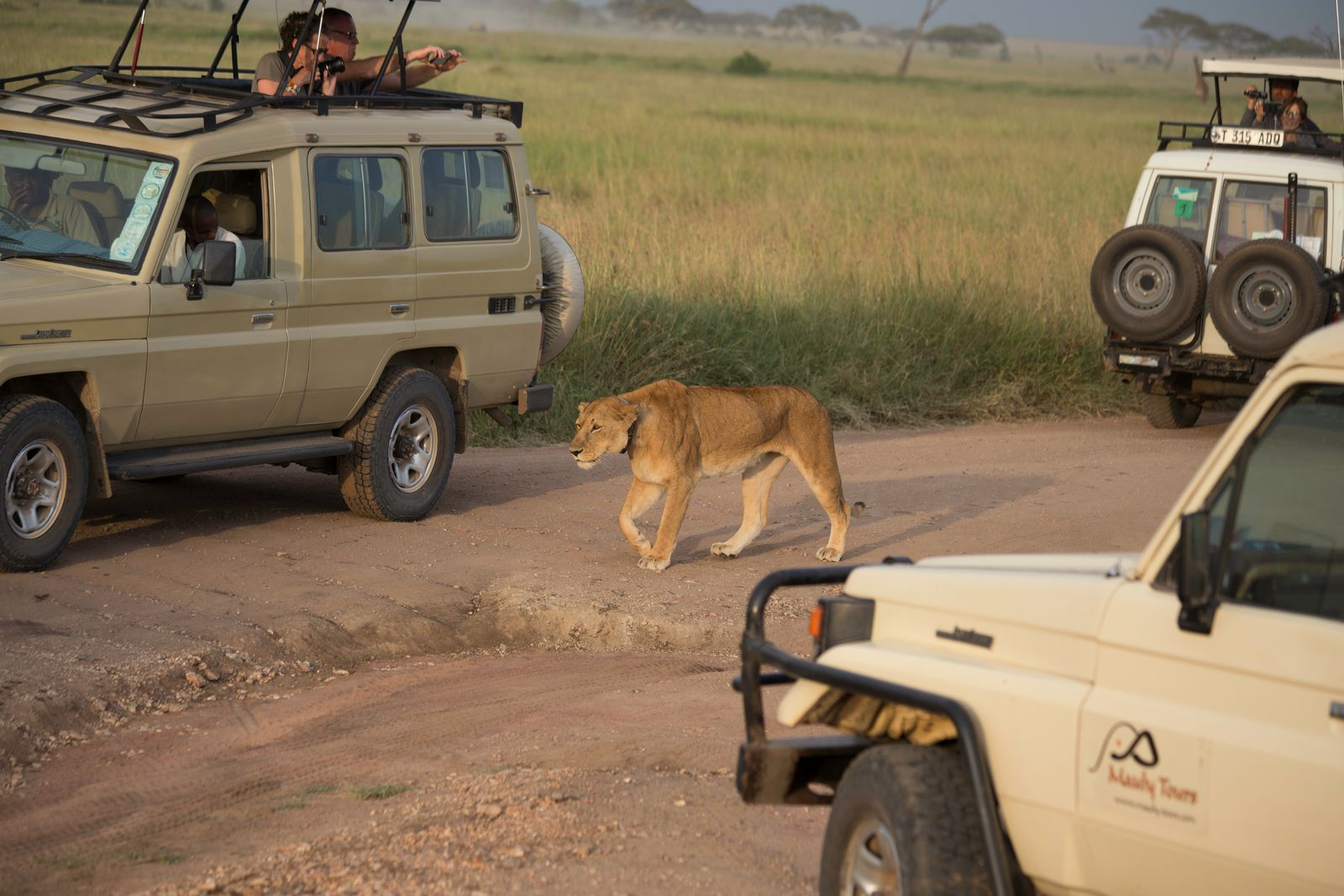
Lions and leopards: Most reliably seen June to October across the Serengeti and Ngorongoro Crater
-
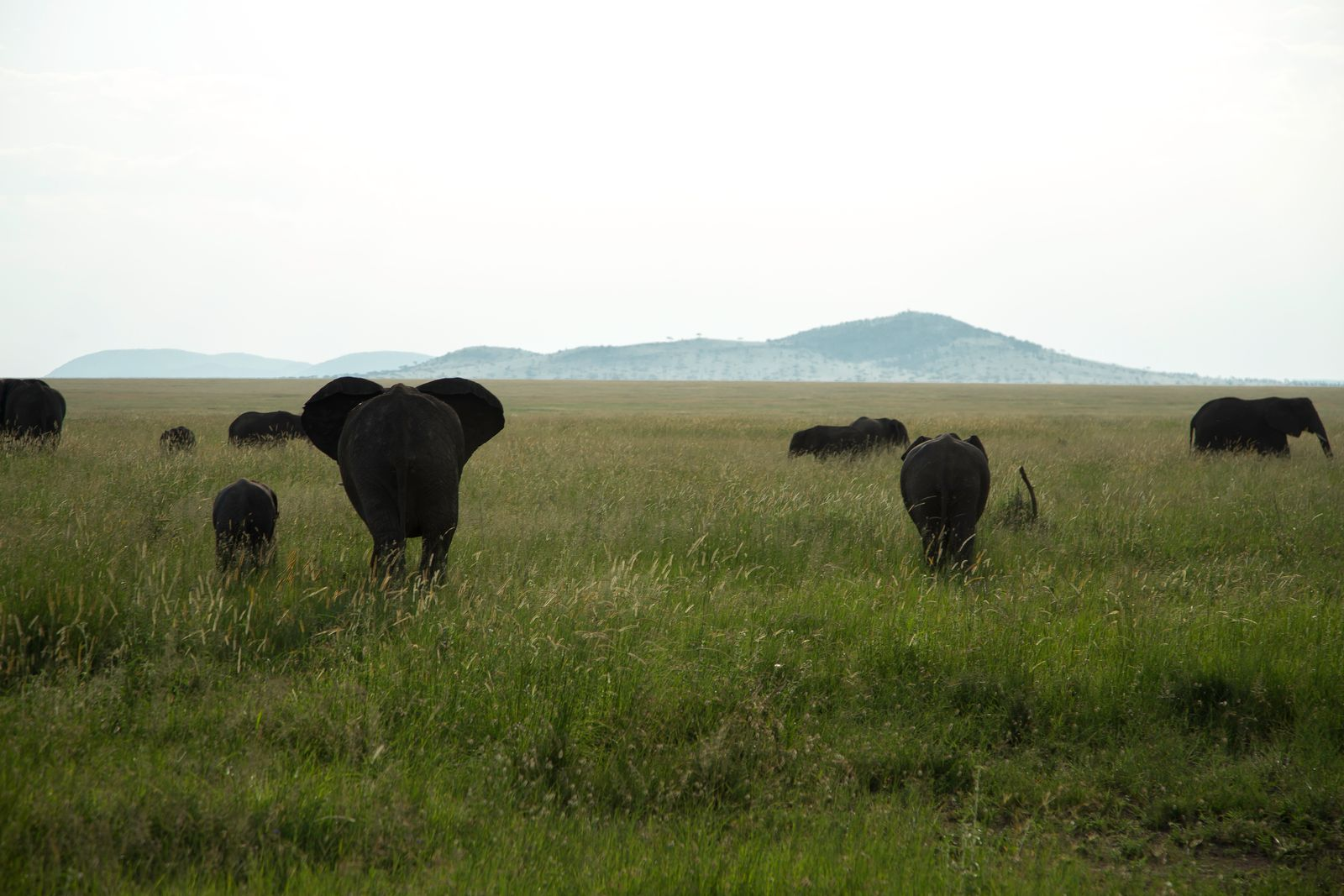
Elephants: Peak concentrations in Tarangire during dry season (hundreds gather along the Tarangire River)
-
Buffalo: Large herds visible year-round in Ngorongoro; exceptional dry-season herds in Katavi
-
Rhinos: Best seen in Ngorongoro Crater year-round (small but viewable population)
Birding Season
November through May is prime birding season in Tanzania. European and Asian migratory species arrive to overwinter, joining resident species for peak diversity. Flamingos gather at Lake Manyara during the wet months. For dedicated birders, the bird-watching parks and seasons guide covers specific species and locations in detail. Green season’s lush vegetation and insect abundance means more bird activity overall.
Park-by-Park Best Timing
The question of what is the best time for safari in Tanzania changes depending on which park you’re visiting. Tanzania’s parks span different ecosystems, altitudes, and rainfall patterns. The Serengeti in February and the Serengeti in August are almost different destinations.
Serengeti National Park
The Serengeti covers roughly 14,750 square kilometers. Saying “visit the Serengeti in July” without specifying the zone is like saying “visit California in spring” without mentioning whether you mean Death Valley or Mendocino.
Southern Serengeti (Ndutu area): Best from January to March for calving season. The short-grass plains here are where the wildebeest give birth. This zone is relatively quiet from June onward when the herds have moved north.
Central Serengeti (Seronera): Offers strong resident wildlife year-round. Big cats, hippos, and elephants live here permanently. This is the most accessible zone and works in any month.
Western Corridor (Grumeti): Peaks in May and June during the Grumeti River crossings. The landscape is different here, with more woodland and riverine habitat.
Northern Serengeti (Kogatende/Lamai): The place to be from July through September for Mara River crossings. Roads can be challenging, and this area is remote, but the payoff is extraordinary.
Mobile tented camps relocate two to four times per year to follow the Migration’s path. Permanent lodges offer more comfort but may require longer game drives to reach the herds. If you’re timing your trip around the Migration, choosing a mobile camp that positions itself in the right zone can make or break the experience.
For a deeper look at how Tanzania’s parks connect into safari routes, the safari locations and circuits guide maps out the Northern, Southern, and Western circuits.
Ngorongoro Crater
Wildlife viewing inside the Ngorongoro Crater is superb at all times of year. The crater floor is home to around 25,000 to 30,000 large mammals in a relatively small, enclosed area. Animals don’t need to migrate to find water, so the viewing remains consistent regardless of season.
Dry season (June to October) offers shorter grass, making animals easier to spot. Wet season delivers lush, photogenic scenery and fewer tourists. Neither choice is wrong.
One practical note: Ngorongoro is managed by the NCAA (Ngorongoro Conservation Area Authority), not TANAPA, so it has its own fee structure. Vehicle descent into the crater costs $295 per vehicle, on top of per-person entry fees.
Tarangire National Park
Tarangire is a dry-season standout. From June through October, elephants gather along the Tarangire River in some of the largest concentrations anywhere in East Africa. Hundreds of elephants in a single game drive is common during peak dry months. The park empties during wet season as animals disperse across the wider ecosystem, making it far less productive for visitors.
Lake Manyara National Park
A small but scenic park. Wet season brings flamingos to the lake’s alkaline waters. Dry season concentrates game along the lake’s western shore. It works as a half-day stop in any season but is most rewarding from June to October for terrestrial wildlife or November to March for water birds.
Ruaha and Nyerere (Selous)
Tanzania’s Southern Circuit parks are best visited from June to October. Both parks become difficult to access during the long rains, and many camps close entirely from March through May. During the dry season, wildlife viewing is exceptional, with less tourist traffic than the northern parks. The Southern Circuit safari guide covers logistics and camp options.
Katavi and Mahale
The Western Circuit is remote and seasonal. July through October is the only practical window. Katavi delivers massive buffalo herds and hippo concentrations in its shrinking pools. Mahale Mountains is one of the best places in Africa for chimpanzee tracking. Both parks require fly-in access and advance planning.
Best Time by Safari Circuit
|
Circuit |
Best Months |
Why |
|---|---|---|
|
Northern Circuit |
June-October |
Big Five, Migration, easiest logistics |
|
Southern Circuit |
June-October |
Remote parks, fewer vehicles |
|
Western Circuit |
July-October |
Chimpanzees and buffalo |
|
Coastal & Zanzibar extension |
June-October |
Best beach weather |
Practical Planning Terms
TANAPA
The Tanzania National Parks Authority manages most of Tanzania’s national parks, including the Serengeti, Tarangire, Lake Manyara, Ruaha, and Katavi. TANAPA sets entry fees, regulates visitor activities, and maintains park infrastructure. Fees can change on July 1 each year, so confirm current rates before booking.
NCAA
The Ngorongoro Conservation Area Authority operates separately from TANAPA. It manages the Ngorongoro Conservation Area, which includes the crater, Olduvai Gorge, and surrounding highlands. The NCAA has its own fee schedule, rules about vehicle access, and time limits for crater visits.
Park Entry Fees
For 2025-2026, the Serengeti National Park entry fee is $70 per adult foreign non-resident per day. Other parks have different rates. A critical detail that many travelers miss: an additional 18% VAT is applied on top of listed park fees in Tanzania. A $70 entry fee actually costs $82.60. This adds up quickly on multi-day, multi-park safaris.
Understanding total costs in advance prevents sticker shock. The safari cost and pricing guide breaks down what you’ll actually pay across different trip structures.
Concession Fees
Some private concession areas within or adjacent to national parks charge their own fees on top of TANAPA or NCAA entry fees. These concessions often offer exclusive game-viewing experiences with fewer vehicles, walking safaris, and night drives that aren’t permitted in public park areas. The fees fund conservation and community programs in those zones.
Mobile Tented Camp
A mobile tented camp is a semi-permanent camp that relocates seasonally to follow wildlife movements, particularly the Great Migration. These camps set up in remote areas where permanent lodges don’t exist. They’re simpler than luxury lodges but put you closer to the action. For travelers whose primary goal is witnessing the Migration, mobile camps are often the better choice over fixed lodges that may be hours from the herds.
Booking Lead Time
For peak season travel (July to October, late December to February), booking 9 to 12 months before departure is recommended. Popular camps and lodges fill up quickly, and specific Migration camps with limited tent capacity sell out even earlier. Shoulder-season and low-season travel allows more flexibility, but planning ahead still gets you better camp placement and pricing. Rushing the booking process is one of the most costly safari booking mistakes travelers make.
Tanzania Safari Weather by Month
|
Month |
Day °C |
Night °C |
Rain |
|---|---|---|---|
|
January |
28 |
17 |
Low |
|
February |
28 |
17 |
Low |
|
March |
28 |
18 |
Moderate |
|
April |
26 |
18 |
High |
|
May |
25 |
17 |
High |
|
June |
24 |
14 |
Very Low |
|
July |
23 |
13 |
Very Low |
|
August |
24 |
13 |
Very Low |
|
September |
27 |
15 |
Very Low |
|
October |
29 |
17 |
Low |
|
November |
29 |
18 |
Moderate |
|
December |
28 |
18 |
Moderate |
Timing by Priority: A Decision Framework
The best time for a safari in Tanzania ultimately depends on what you care about most. Here’s a quick-reference guide matched to common traveler priorities.
“I Want the Great Migration River Crossings”
When: July to September
Where: Northern Serengeti (Kogatende, Lamai)
Notes: This is peak season with peak pricing. Book mobile tented camps 9 to 12 months ahead. Accept that crossing timing is unpredictable: you might wait days at the river before herds attempt a crossing.
“I Want Calving Season”
When: January to February
Where: Southern Serengeti, Ndutu area
Notes: Half a million calves born in weeks. Predator activity is intense. Weather is warm with light rain. This is one of the best-kept secrets for wildlife photography.
“I Want the Best Prices”
When: March to May (long rains) or November to December (short rains)
Where: Northern Circuit parks handle wet season best
Notes: Expect 30-50% lower accommodation rates in March to May. November offers the better balance of price and experience. For a full breakdown, the Tanzania safari cost guide explains how seasons affect total trip pricing.
“I Want Fewer Crowds”
When: June, October, or November
Where: Any park benefits, but particularly Serengeti and Ngorongoro
Notes: June is early dry season before the European summer holiday rush. October is late dry season when many travelers have returned home. November’s short rains thin crowds further while still delivering good game viewing.
“I Want the Best Photography”
When: Depends on subject
Where: Varies
-
February for calving drama (action shots, predator-prey)
-
July to September for river crossing chaos
-
November to December for dramatic storm-lit skies and green backgrounds
-
Dry season for big cat portraits with clean, uncluttered backgrounds
“I’m Combining Safari with Kilimanjaro”
When: January to February or September to October
Where: Safari first (Northern Circuit), then Kilimanjaro or vice versa
Notes: September and October offer the best Kilimanjaro climbing conditions: mild temperatures, less rain, and clearer skies. Pair with late dry season safari. January to February pairs calving season with Kilimanjaro’s other dry window. The Kilimanjaro month-by-month guide helps you align climbing dates with safari timing.
“I’m Adding Zanzibar”
When: Works year-round, but June to October offers the best beach weather
Where: Safari first, then fly to Zanzibar for decompression
Notes: Zanzibar is hot and humid in November and December with occasional showers. The driest, most comfortable beach months overlap with Tanzania’s safari high season, making a combined trip from June to October the most seamless option. Check the Zanzibar month-by-month guide for specific conditions.
Tanzania Safari Timing at a Glance
|
If your priority is... |
Go during... |
|---|---|
|
See lions |
June-October |
|
See elephants |
June-October |
|
River crossings |
July-September |
|
Baby animals |
January-February |
|
Save money |
March-May |
|
Avoid crowds |
November |
|
Birding |
November-April |
|
Photography |
February or November |
A Note on Climate Change and Migration Timing
This deserves its own section because it affects everything above. Weather patterns across East Africa are becoming increasingly unpredictable. Unexpected rains during dry season and droughts during wet season have both occurred in recent years. Safari operators with ground teams in Tanzania report that herds have been reaching traditional locations a month earlier or later than the “standard” calendar suggests.
What this means for planning: treat every month-by-month calendar (including this one) as a useful guide, not a guarantee. The Migration responds to rainfall, and rainfall is getting harder to predict. Working with an operator who has real-time information from guides on the ground, rather than relying solely on published calendars, gives you the best chance of being in the right place at the right time.
Frequently Asked Questions
Is the dry season always the best time for safari in Tanzania?
For classic game viewing with reliable big cat sightings and easy wildlife spotting, yes. But calving season (January to February) and the short rains (November to December) both offer exceptional experiences that the dry season can’t match. “Best” truly depends on your priorities.
Can I see the Great Migration year-round?
The wildebeest are always somewhere in the Serengeti-Mara ecosystem, so technically yes. But the dramatic events people picture (river crossings, calving) happen in specific windows and locations. You won’t see a Mara River crossing in February, and you won’t find calving herds in August.
What is the cheapest month for a Tanzania safari?
April and May offer the lowest prices because they fall during the heaviest rains (masika). Tourist numbers are minimal, and many camps discount heavily or close entirely. November also brings lower rates with significantly better conditions than the long rains.
How far in advance should I book a Tanzania safari?
Nine to twelve months for peak season (July to October, late December to February). Six months is usually sufficient for shoulder and low season, though popular camps still fill up. Last-minute bookings in peak season often mean settling for second-choice accommodations.
Is Tanzania safe to visit during the rainy season?
Yes. Rain doesn’t create safety issues at well-established camps on the Northern Circuit. The main risks during wet season are logistical: impassable roads in remote parks, flight delays, and reduced wildlife visibility. The Tanzania safari safety guide covers both seasonal and general safety considerations.
Should I choose a mobile camp or a permanent lodge?
If your trip centers on the Great Migration, a mobile tented camp that repositions throughout the year puts you closer to the action. Permanent lodges offer more comfort, more amenities, and consistent quality, but you may need to drive an hour or more to reach the herds. Many travelers combine both: a permanent lodge for the start of their trip and a mobile camp for the Migration portion.
What is the best time for safari in Tanzania with kids?
June to October works well for families. Dry conditions mean fewer mosquitoes, more comfortable temperatures, and better road conditions. The long school holidays (July and August) align with peak season, making family-friendly camps more available (though pricier). January to February is another family-friendly window if your travel dates are flexible.
The right timing transforms a good safari into an extraordinary one. Whether you’re drawn to the thundering chaos of a river crossing, the quiet miracle of half a million calves being born on the plains, or the simple beauty of a leopard silhouetted against a green-season sky, Tanzania delivers something remarkable in every season.
Explore private Tanzania safari options to start matching your ideal timing with the right route, parks, and camps.