

2026 Tanzania Safari Trip Itinerary: Glossary & Costs
TL;DR
A Tanzania safari trip itinerary typically runs 7 to 10 days and follows the Northern Circuit through Serengeti, Ngorongoro Crater, and Tarangire. Park fees alone cost $70 to $83 per person per day at major parks, and a mid-range 7-day safari runs $2,800 to $4,900 per person. This glossary defines every term you’ll encounter when comparing operator proposals, from park fee structures to migration zones to accommodation types.
When you receive your first Tanzania safari trip itinerary from an operator, the document reads like it was written in code. Ndutu plains, crater descent fees, NCAA, concession fees, mobile tented camps, GePG control numbers. None of it means anything yet.
The internet is full of “Day 1, Day 2, Day 3” itinerary posts. What’s missing is a single reference that decodes the vocabulary of safari planning so you can actually evaluate those itineraries, compare quotes, and ask better questions.
That’s what this guide does. It organizes every term you’ll encounter, thematically, building from geography to parks to timing to costs to logistics. By the end, you’ll be able to read any Tanzania safari trip itinerary and understand exactly what’s being offered, what’s missing, and what it should cost.
For a broader look at stitching multiple East African countries into one trip, our safari itineraries and routes guide covers the big picture.
Quick Answer: How Do You Plan a Tanzania Safari Itinerary? A typical Tanzania safari itinerary lasts 7 to 10 days and focuses on the Northern Circuit, including Tarangire National Park, Ngorongoro Crater, and Serengeti National Park. Most travelers arrive through Kilimanjaro International Airport (JRO), spend one night in Arusha, then gradually move west through the parks. A realistic mid-range budget is $2,800 to $4,900 per person, including accommodation, transportation, park fees, and game drives. Travelers should choose travel dates based on wildlife goals rather than weather alone—for example, January to March for calving season or July to October for Mara River crossings.
Before booking, always verify: - Number of park days - Park fees included - Crater descent fee included - Private vs shared vehicle - Lodge location inside or outside the parks - Bush flight luggage restrictions - Total driving hours between parks
Understanding these basics makes comparing safari quotes much easier.
Safari Circuits and Geography
Tanzania’s safari regions divide into distinct circuits, and understanding which circuit you’re on shapes everything: which parks you visit, how you travel between them, and how long you need.
Northern Circuit
The Northern Circuit is Tanzania’s most popular safari region and the foundation of nearly every first-timer’s itinerary. It includes four parks clustered within a few hours’ drive of Arusha: Serengeti, Ngorongoro, Tarangire, and Lake Manyara. Most experts recommend the Northern Circuit for a first Tanzania safari because the parks are relatively close together, wildlife density is extraordinary, and infrastructure is well developed.
A solid Northern Circuit itinerary needs 7 to 10 days. The standard flow runs Arusha to Tarangire to Ngorongoro to Serengeti, then either driving back or flying out. This sequence works because it moves from lower to higher elevation gradually, positions you logically on the map, and saves the Serengeti (the longest stop) for last.
For a detailed breakdown of each park on this route, see our Northern Circuit safari guide.
Southern Circuit
The Southern Circuit centers on Ruaha National Park and Nyerere National Park (formerly Selous Game Reserve). These are vast, remote wilderness areas with far fewer tourists. The trade-off: you need light aircraft transfers to reach them, which adds cost and requires 10 to 12 days for a meaningful experience. Domestic flights run $200 to $500 per person per sector.
The Southern Circuit is best suited for return visitors or travelers who specifically want solitude and wild dog sightings. Our Southern Circuit safari guide explains the logistics.
Western Circuit
Rarely included in a first Tanzania safari trip itinerary, the Western Circuit covers Katavi National Park and Mahale Mountains National Park. Mahale is one of the best places in Africa to trek with wild chimpanzees. Access is by light aircraft only.
Arusha
The gateway city for Northern Circuit safaris. Nearly all itineraries begin and end here. Arusha sits at about 1,400 meters elevation, roughly 45 minutes from Kilimanjaro International Airport.
Kilimanjaro International Airport (JRO)
The primary arrival point for safari travelers. Located between Arusha and Moshi, JRO handles international flights from Nairobi, Addis Ababa, Amsterdam, Istanbul, and Doha. A separate, smaller airport (Arusha Airport / ARK) handles domestic and bush flights within Tanzania.
Which Tanzania Safari Circuit Is Right for You?
Many travelers only discover the different safari circuits after requesting quotes. Choosing the correct circuit first makes itinerary planning much easier.
|
Circuit |
Best For |
Typical Length |
Budget |
|---|---|---|---|
|
Northern Circuit |
First-time visitors |
7–10 days |
$$ |
|
Southern Circuit |
Repeat visitors |
10–12 days |
$$$ |
|
Western Circuit |
Chimpanzee trekking |
10–14 days |
$$$$ |
|
Coastal + Saadani |
Safari + beach |
6–9 days |
$$ |
Key Takeaway If this is your first safari, the Northern Circuit delivers the best combination of wildlife density, logistics, and value.
The Parks: What Each Name Means
Every Tanzania safari trip itinerary references specific parks, and each one serves a different purpose. Here’s what matters about each.
Serengeti National Park
At roughly 30,000 square kilometers, the Serengeti is the anchor of any Northern Circuit safari. It hosts the Great Migration and has the highest concentration of large predators in Africa. Most operators recommend spending at least 2 to 3 nights here, and serious wildlife enthusiasts often stay 4 nights to explore different zones.
The Serengeti is not one homogeneous place. It’s divided into distinct areas (Seronera, Western Corridor, Northern Serengeti, Ndutu), and where you stay determines what you see. More on these zones in the migration section below.
Ngorongoro Conservation Area and Ngorongoro Crater
The Ngorongoro Conservation Area (NCA) is managed separately from Tanzania’s national parks, by the NCAA rather than TANAPA. The crater itself is a collapsed volcanic caldera about 20 kilometers across, with a permanent population of roughly 25,000 large animals including black rhino, one of the Big Five species hardest to see elsewhere.
Key detail: the NCA is a conservation area, not a national park. Maasai communities live and graze cattle here alongside wildlife. Descending into the crater for a game drive requires a separate $295 vehicle fee.
Tarangire National Park
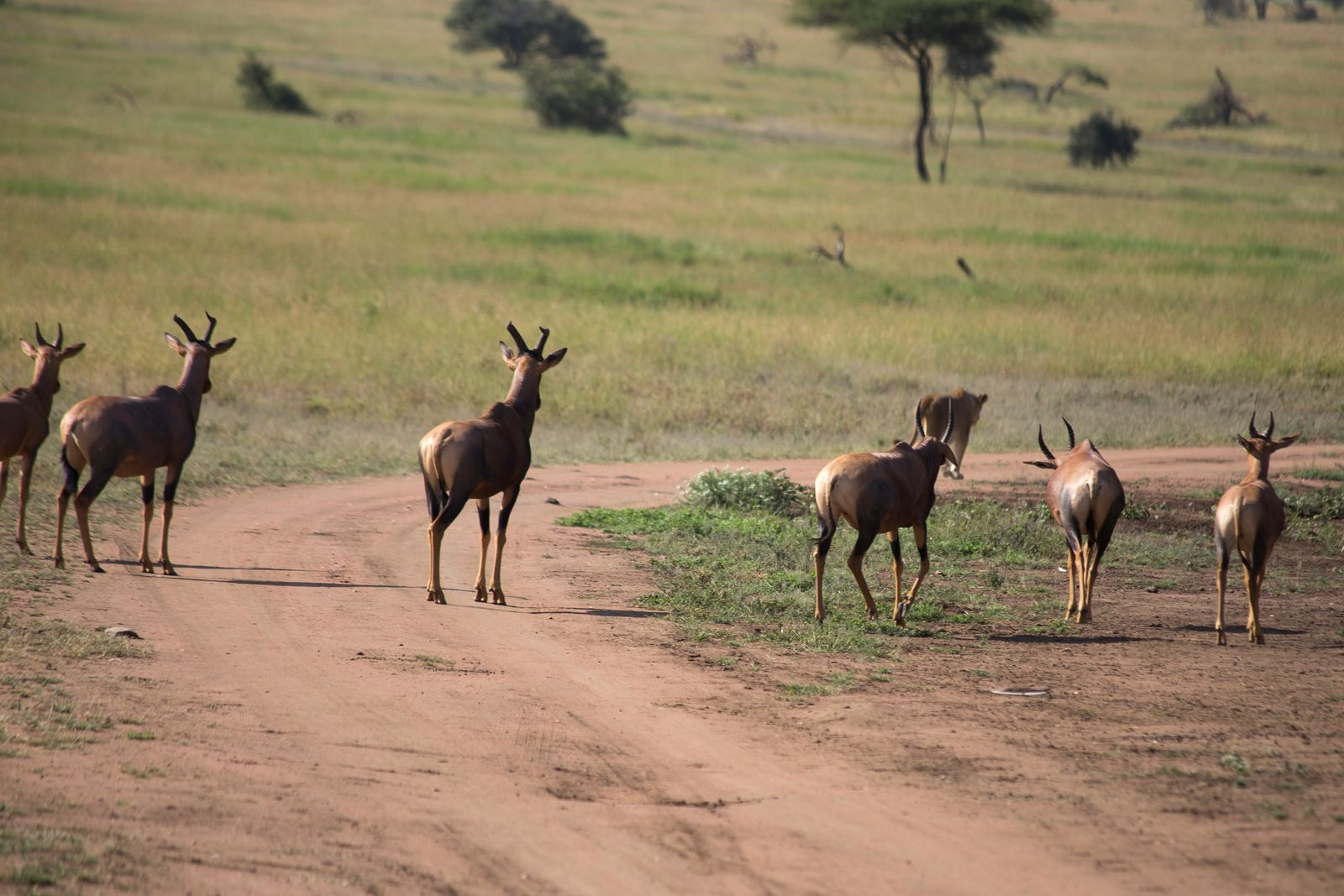
Practitioners on Reddit and safari forums consistently call Tarangire the most underrated park on the Northern Circuit. The elephant herds here are larger than anywhere else in Tanzania, and the baobab-studded landscapes make for dramatic photography. Most first-timers skip it for an extra night at Ngorongoro, which experienced operators consider a mistake. One to two nights at Tarangire adds enormous variety to your itinerary without adding much distance.
Lake Manyara National Park
A small park known for tree-climbing lions and seasonal flamingo populations. Many itineraries include a half-day stop here as a transit between Tarangire and Ngorongoro. It’s worth visiting but not worth building an itinerary around.
Nyerere National Park (formerly Selous Game Reserve)
Africa’s largest game reserve, redesignated as a national park in 2019. Located on the Southern Circuit, Nyerere offers boat safaris on the Rufiji River alongside traditional game drives. Reaching it requires a bush flight from Dar es Salaam or Arusha.
Ruaha National Park
The second-largest national park in Tanzania and one of the best places to see wild dogs. Ruaha gets a fraction of the Serengeti’s visitors despite having comparable predator sightings. For travelers interested in remote Tanzania safaris, Ruaha is the crown jewel.
Saadani National Park
The only national park in East Africa that borders the Indian Ocean. Saadani combines beach time with bush game drives, making it an unusual extension option. See our Saadani guide for details on reaching it and what to expect.
Which Parks Should You Prioritize?
|
Park |
Minimum Time |
Best Known For |
|---|---|---|
|
Serengeti |
3 nights |
Great Migration, predators |
|
Ngorongoro |
1 day |
Big Five, crater ecosystem |
|
Tarangire |
1–2 nights |
Elephants, baobabs |
|
Lake Manyara |
Half day |
Tree-climbing lions |
|
Ruaha |
3+ nights |
Wild dogs, fewer tourists |
|
Nyerere |
3+ nights |
Boat safaris |
The Great Migration: Terms Decoded
The Great Migration is the single most common reason travelers choose a Tanzania safari trip itinerary over other African destinations. Understanding the migration vocabulary is essential for timing your trip correctly.
Great Migration
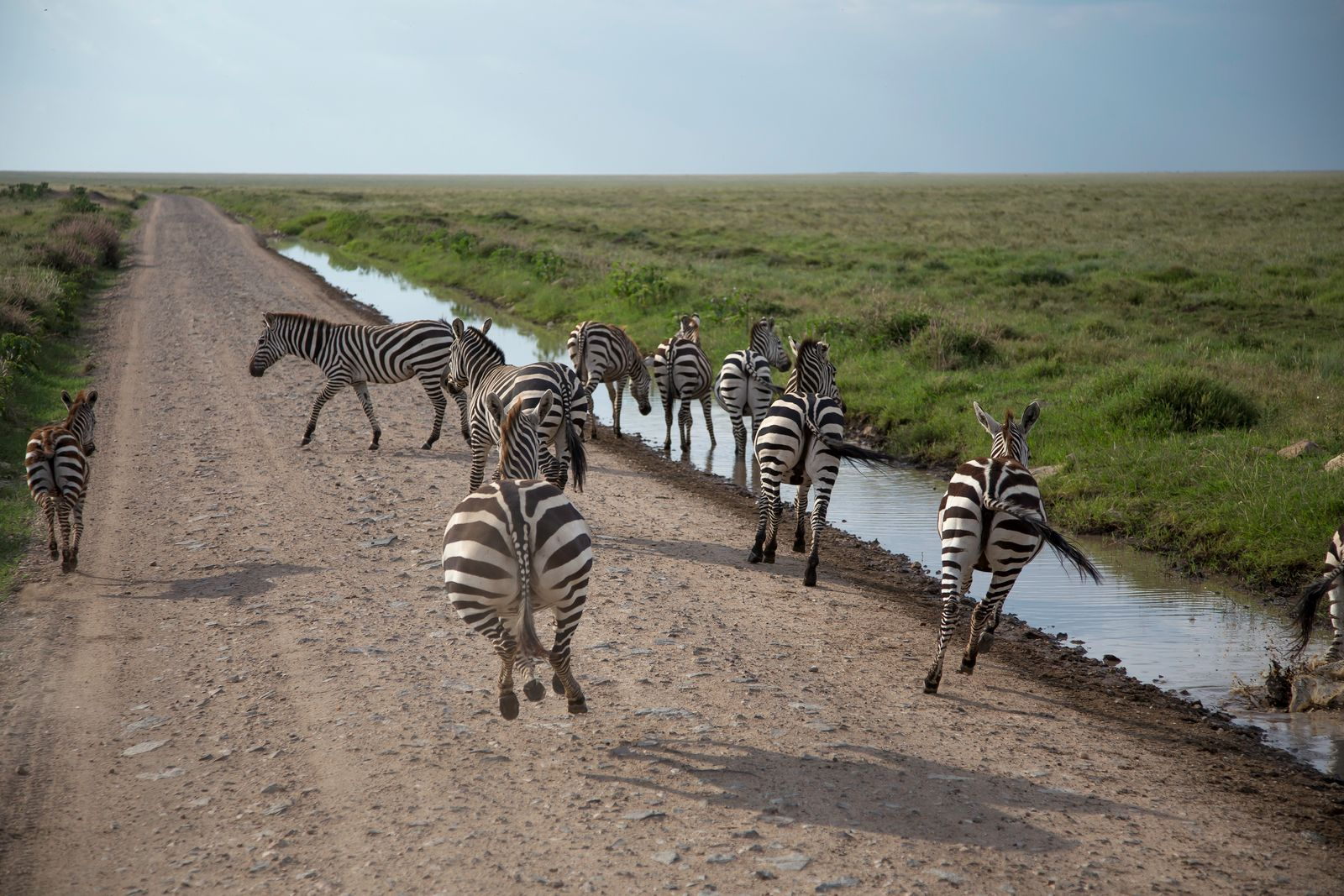
Approximately 1.5 million wildebeest, along with hundreds of thousands of zebras and gazelles, move in a continuous clockwise loop through the Serengeti-Mara ecosystem. There is no start or end point. The herds follow the rains and fresh grass year-round.
The common mistake: assuming “migration season” is a fixed window. In reality, the herds are always somewhere in the Serengeti. The question is where, and whether what’s happening there matches what you want to see.
Calving Season (January to March)
The herds congregate on the short-grass plains of the southern Serengeti and the northernmost regions of the Ngorongoro Conservation Area. An estimated 500,000 calves are born during a two- to three-week window in February. Predator activity is intense because newborns are easy targets. This is arguably the best time for raw wildlife drama, and it’s less crowded than the famous river crossings.
Ndutu Plains
The specific area where calving occurs, straddling the southern Serengeti and the NCA. When an itinerary mentions “Ndutu,” it means the calving grounds. Camps in this zone are typically mobile tented camps that set up from December through March.
Seronera
The central Serengeti, home to the park’s main airstrip and several permanent lodges. Seronera offers year-round game viewing because its mix of riverine forest, woodland, and grassland supports resident predators regardless of where the migration herds happen to be. Many itineraries default to Seronera as a safe bet.
Western Corridor
The band of Serengeti stretching west toward Lake Victoria. The migration passes through here from May to July, and the herds cross the Grumeti River during this period. The Grumeti crossings are smaller and less famous than the Mara River crossings but still dramatic.
Kogatende and Northern Serengeti
The northernmost section of the Serengeti, bordering Kenya’s Masai Mara. The herds arrive here from July through October, and the famous Mara River crossings happen in this zone. August is generally considered the best month for witnessing crossings, though timing varies year to year.
Mobile Tented Camp
A camp that physically relocates throughout the year to follow the migration herds. Operators recommend mobile camps for travelers whose primary goal is the migration, because a fixed lodge might be hundreds of kilometers from where the action is in any given month. Mobile camps typically offer comfortable beds, en-suite bathrooms, and full-board meals despite being temporary structures.
For a deeper look at migration timing across the year, our Great Migration safari guide maps each month to specific zones.
Great Migration Cheat Sheet
|
Month |
Best Area |
Main Wildlife Event |
|---|---|---|
|
Jan |
Ndutu |
Calving |
|
Feb |
Ndutu |
Predator action |
|
Mar |
Southern Serengeti |
Calving ends |
|
Apr |
Central Serengeti |
Herd movement |
|
May |
Western Corridor |
Grumeti crossings begin |
|
Jun |
Western Serengeti |
Migration moving north |
|
Jul |
Northern Serengeti |
Mara River crossings begin |
|
Aug |
Northern Serengeti |
Peak crossings |
|
Sep |
Northern Serengeti |
River crossings |
|
Oct |
Northern Serengeti |
Return movement |
|
Nov |
Central Serengeti |
Southbound migration |
|
Dec |
Southern Serengeti |
Herds return to Ndutu |
Itinerary Building Blocks
These are the activity terms you’ll see listed day by day in any Tanzania safari trip itinerary proposal.
Game Drive
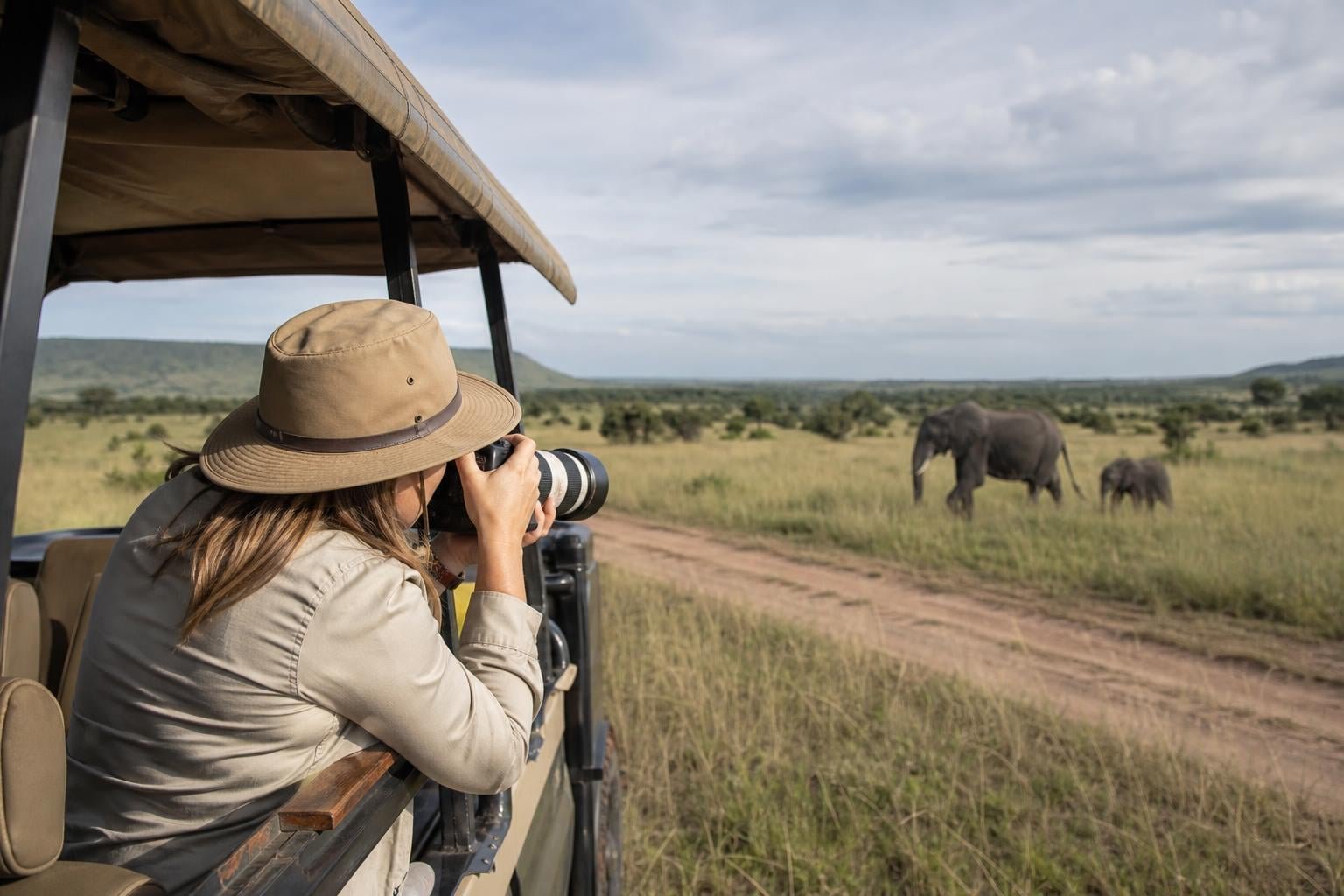
The core safari activity. You ride in a 4x4 vehicle with a pop-up roof, driving through the park while your guide spots and identifies wildlife. Most itineraries include two game drives per day: an early morning drive (departing around 6:00 AM) and an afternoon drive (starting around 3:30 PM). Some days offer full-day game drives with a packed lunch eaten in the bush.
Walking Safari
A guided walk through the bush on foot, typically 2 to 3 hours, accompanied by an armed ranger. Walking safaris shift the experience from vehicle-based observation to ground-level immersion. They’re available in select parks, not in the Ngorongoro Crater or most of the Serengeti’s main areas.
Night Game Drive
A game drive conducted after dark using a spotlight to find nocturnal species like aardvarks, genets, bush babies, and hunting leopards. Night drives are not permitted inside national parks but are available in conservation areas and some private concessions.
Balloon Safari
A hot-air balloon flight over the Serengeti at dawn, followed by a bush champagne breakfast. The cost runs approximately $599 per person. It’s a splurge, but practitioners on forums consistently describe it as one of the most memorable experiences of their trip.
Bush Lunch and Sundowner
A bush lunch is a meal set up at a scenic spot in the park during a full-day game drive. A sundowner is an evening drink served at a viewpoint as the sun sets. Both are standard at mid-range and luxury properties.
Cultural Visit
Many itineraries include a visit to a Maasai village or a Hadzabe hunter-gatherer community. These visits are typically arranged through local cultural tourism programs. Our cultural safaris glossary covers what to expect and the etiquette involved.
Accommodation Types
The accommodation vocabulary in a Tanzania safari trip itinerary can be confusing because “tented camp” doesn’t mean what most people think it means.
Lodge
A permanent, built structure with solid walls, a roof, running water, and electricity. Safari lodges range from basic to five-star. They don’t move.
Permanent Tented Camp
A camp with canvas-walled tents built on raised platforms, typically with en-suite flush toilets, hot showers, and real beds. These are permanent structures that stay in one location year-round. Despite the word “tent,” the experience is closer to a boutique hotel than anything involving sleeping bags.
Mobile Tented Camp
A canvas camp that relocates seasonally, usually to follow the Great Migration. Comfort levels vary but generally include proper beds, bucket showers or portable flush toilets, and full-service dining. Mobile camps tend to be smaller (6 to 12 tents) and more intimate than permanent lodges.
Public Campsite vs. Special Campsite
Public campsites are shared, basic facilities inside national parks with communal bathrooms. Special campsites are private (reserved by one group at a time) with no permanent infrastructure, meaning you bring everything. Special campsites cost more but guarantee solitude.
Fly-in Camp vs. Drive-in Camp
A fly-in camp is accessed by bush flight, common in the Southern Circuit and remote Serengeti zones. Drive-in camps are accessed by road, typical on the Northern Circuit. The choice affects cost significantly: a 7-day mid-range drive-in safari runs roughly $3,500 to $5,000 per person, while a comparable fly-in trip costs $5,000 to $8,000.
Per Person Sharing (pps)
The standard pricing unit for safari accommodation. It means the price per person when two people share a room or tent. Solo travelers usually pay a single supplement of 20% to 50% more. If a quote says “$450 pps,” that’s $450 per person assuming double occupancy.
Full-Board vs. All-Inclusive
Full-board covers all meals (breakfast, lunch, dinner) but not drinks or activities beyond standard game drives. All-inclusive adds drinks (sometimes limited to house wines, beers, and soft drinks) and may include certain activities like walking safaris or cultural visits. Always clarify what “all-inclusive” actually includes, because it varies by property.
Costs and Fees Vocabulary
This is where most first-timers get tripped up. Park fees constitute a major portion of any Tanzania safari’s cost, and the fee structure involves multiple separate charges from different authorities. For a complete cost and fee breakdown, see our dedicated guide. Below are the terms you need to know.
TANAPA (Tanzania National Parks Authority)
The government body that sets entry fees for all national parks in Tanzania (Serengeti, Tarangire, Ruaha, etc.). TANAPA fees are standardized and publicly posted.
NCAA (Ngorongoro Conservation Area Authority)
A separate authority that manages the Ngorongoro Conservation Area independently from TANAPA. The NCA has its own fee schedule, which is why Ngorongoro costs are listed separately from other parks.
Park Entry Fee
The per-person charge to enter a national park or the NCA, calculated in 24-hour periods. At major parks like Serengeti and Ngorongoro, entry fees range from $70 to $83 per person per day (inclusive of 18% VAT) based on the 2026 TANAPA fee schedule. If you cross the 24-hour mark by even an hour, you pay for a full additional day.
For a standard Northern Circuit itinerary, park fees alone can account for 25% to 35% of total trip spend.
Crater Descent Fee (Crater Service Fee)
A separate $295 charge per vehicle to drive down into Ngorongoro Crater for a game drive. This fee is per vehicle, not per person, so it’s split among all passengers. It’s a common source of sticker shock because it comes on top of the NCA entry fee.
Concession Fee
Every lodge, tented camp, and campsite inside a national park pays a concession fee to TANAPA, typically $50 to $71 per person per night plus 18% VAT. This fee is separate from the park entry fee and is often baked into accommodation rates rather than shown as a line item. Critically, it’s sometimes omitted from budget safari quotes. If a quote seems too good to be true, check whether concession fees are included.
Transit Fee
A reduced fee for passing through the NCA without descending into the crater. Travelers driving from Arusha to the Serengeti transit through the NCA, and this fee covers that passage.
18% VAT
Applied to all TANAPA and NCAA fees. When you see “$70.80 per person” for Serengeti entry, the 18% VAT is already included.
GePG (Government Electronic Payment Gateway)
Tanzania’s electronic payment system for park fees. All payments require a GePG control number, obtained through a registered tour operator or official TANAPA portals. You can pay by Visa, Mastercard, or local mobile money services like M-Pesa. This system replaced cash payments at park gates.
What a 7-Day Safari Actually Costs
Seven-day Tanzania safaris in 2026 cost roughly $1,800 to $3,500 per person for budget camping, $2,800 to $4,900 for mid-range lodge-based trips, and $5,500 to $10,500+ for luxury accommodations. Most travelers end up spending $350 to $500 per day for a quality mid-range experience with comfortable lodges, a private vehicle, and a professional guide.
The single biggest cost lever is not the lodge. It’s whether you share a vehicle with other travelers or book a private safari with your own guide.
For a complete safari cost breakdown, our pricing guide walks through every cost category.
Estimated Tanzania Safari Costs at a Glance
|
Expense |
Typical Cost (USD) |
|---|---|
|
Park Fees |
$70–83/day |
|
Ngorongoro Crater Fee |
$295 per vehicle |
|
Balloon Safari |
~$599 |
|
Bush Flight |
$200–500 |
|
Mid-range Safari |
$2,800–4,900 |
|
Luxury Safari |
$5,500–10,500+ |
|
Driver Tip |
$15–25/day |
Seasons and Timing
Seasonality determines everything about a Tanzania safari trip itinerary: which animals you see, where the migration herds are, how crowded the parks feel, and what you pay.
Peak Season / Dry Season (June to October)
The best wildlife viewing conditions. Vegetation thins out, animals congregate around water sources, and predator-prey action is concentrated. This is also the most expensive and crowded period. Prime camps in July and August should be booked 12 to 18 months in advance.
Green Season / Wet Season (March to May)
The long rains. Some roads become impassable, some camps close, and fewer travelers visit. But rates drop substantially, the scenery is lush, and migratory birds arrive. Budget-conscious travelers who don’t mind afternoon rain showers can find excellent deals.
Shoulder Season (November, Early June)
Peak-season months offer incredible action but come with more crowds and higher prices. Shoulder seasons can provide a great balance of strong sightings with fewer vehicles around. One operator perspective worth noting: early June may be the best-value window in Tanzania. You get peak-season weather and wildlife viewing with lower accommodation rates and easier availability than July through October.
Short Rains (November to December)
Brief, intermittent showers that green up the landscape without shutting down safari operations. November is technically low season in pricing but can offer superb game viewing, especially for calving season build-up.
For month-by-month guidance on planning, check our best time to visit East Africa season guide.
Logistics and Booking Terms
These terms appear in every safari proposal. Understanding them is the difference between evaluating a quote intelligently and signing something you don’t fully understand.
Driver-Guide
A combined chauffeur and wildlife interpreter. Your driver-guide handles navigation, wildlife spotting, identification, and often the entire narrative of your safari experience. The quality of your guide matters more than the quality of your lodge.
Private Safari vs. Group/Shared Safari
A private safari means your own vehicle and guide, traveling on your own schedule. A shared or group safari means you join other travelers in a vehicle, following a fixed itinerary. Private safaris cost more but offer total flexibility. The private vs. shared safari comparison breaks down the pros, cons, and cost differences.
Fly-in Safari vs. Drive-in Safari
Drive-in safaris travel by road between parks. Fly-in safaris use light aircraft (bush flights) to hop between airstrips. Fly-in trips save time but cost significantly more ($200 to $500 per person per sector) and come with strict luggage limits.
Bush Flight / Light Aircraft Transfer
Small propeller planes (Cessna Caravans, typically) that operate from dirt or grass airstrips inside parks. These flights connect Arusha to the Serengeti in about an hour, versus 8+ hours by road. The luggage limit is 15 kg in a soft-sided bag. Hard-shell suitcases don’t fit and will be left behind.
Pop-up Roof 4x4 / Safari Vehicle
The standard game drive vehicle: a Toyota Land Cruiser with a roof that lifts up so passengers can stand, photograph, and observe wildlife from an elevated position. Most vehicles seat 4 to 6 passengers. Window seats matter because the middle seat has limited visibility.
Inclusions vs. Exclusions
The most important section of any safari quote. “Inclusions” lists what’s covered in the price: typically accommodation, meals, park fees, vehicle, guide, and airport transfers. “Exclusions” lists what you’ll pay separately: usually tips, drinks, visa fees, international flights, travel insurance, optional activities (balloon safari, walking safari), and sometimes the crater descent fee. Always read the exclusions first. That’s where surprises hide.
Don’t miss our guide on costly booking errors to avoid, which covers the most common ways travelers misread quotes.
Deposit, Final Payment, and Cancellation Terms
Standard practice: a 25% to 30% deposit to secure your booking, with the balance due 60 to 90 days before departure. Cancellation policies become progressively stricter as the travel date approaches. During peak season, camps charge 100% cancellation fees within 30 days of arrival. Travel insurance is not optional.
Extensions and Add-Ons
Many travelers tack on extensions before or after their Northern Circuit safari. These terms show up frequently in multi-destination Tanzania safari trip itinerary proposals.
Zanzibar Beach Extension
The most common add-on. A 3- to 5-day stay on Zanzibar Island, reached by a short flight from the Serengeti or Arusha. Zanzibar offers beach relaxation, Stone Town cultural exploration, snorkeling, and spice tours. It’s the standard “safari and beach” combination.
Swahili Coast / Pangani
A less-visited alternative to Zanzibar for travelers who want a quieter coastal experience. Pangani is a historic port town on the mainland coast near Saadani National Park. See our Swahili Coast travel glossary for details.
Gorilla Trekking Extension
A 2- to 3-day add-on to visit mountain gorillas in Uganda’s Bwindi Impenetrable Forest or Rwanda’s Volcanoes National Park. This requires a separate flight from Tanzania and advance permit purchase. Permits cost $700 in Uganda and $1,500 in Rwanda.
Maasai Mara Fly-in Extension
A 3- to 4-day extension from northern Tanzania into Kenya’s Masai Mara, typically by light aircraft. This is popular during the July to October migration period when the herds cross into Kenya.
Kilimanjaro Climb Add-On
Some travelers combine a safari with a Mount Kilimanjaro climb, which adds 6 to 9 days depending on the route. The two experiences are typically booked back-to-back, starting or ending in Arusha.
Tipping and Practical Terms
These practical vocabulary items come up in the final stages of planning and trip preparation.
Tipping Norms
Tipping is expected and important in Tanzania’s tourism economy. Standard guidelines: $15 to $25 per person per day for your driver-guide, and $10 to $15 per person per day for lodge or camp staff (typically pooled into a shared tip box). Tips are usually given in US dollars at the end of your stay or at the end of the safari.
For more detailed tipping guidance, our Tanzania safari tipping guide covers amounts by role and situation.
Tanzania e-Visa
Most nationalities need a visa to enter Tanzania, obtainable online before travel. The cost is $50 for single-entry or up to $100 depending on nationality and visa type. Apply at least two weeks before departure through the official Tanzanian immigration portal. For the full visa requirements walkthrough, see our East Africa visa guide.
Soft-Sided Duffel Bag
If your itinerary includes any bush flights, you must use a soft-sided duffel bag rather than a hard-shell suitcase. Maximum weight is 15 kg (33 lbs), including your camera gear and carry-on items. This is a firm limit, not a suggestion. Pack accordingly.
Type G Plug Adapter
Tanzania uses the UK three-pin plug (Type G). Most safari lodges have charging stations, but outlets can be limited. Bring at least one adapter and a multi-port USB charger.
Malaria Prophylaxis Area
All safari destinations in Tanzania fall within malaria-endemic zones. Consult a travel medicine specialist about prophylaxis options (atovaquone-proguanil, doxycycline, or melarquine) at least four weeks before departure. Lodges provide mosquito nets; bring DEET-based insect repellent as well.
For a full rundown on what to bring, see our East Africa packing list.
Common First-Timer Mistakes
Understanding the vocabulary is one thing. Avoiding the planning traps is another. These are the mistakes that operators and experienced travelers flag most often.
Cramming too many parks. Tanzania is enormous, and the Serengeti alone covers 30,000 square kilometers. Travelers who try to visit five parks in seven days spend most of their time in transit rather than watching wildlife. A focused 7-day Northern Circuit safari covering three parks (Tarangire, Ngorongoro, Serengeti) beats a rushed five-park marathon every time.
Choosing dates for convenience, not wildlife goals. Booking around school breaks or cheap flights without checking what’s happening in the ecosystem. The fix is simple: match your goals to months. January through February for calving at Ndutu, July through August for Mara River crossings, November and early June for value with good conditions.
Skipping Tarangire. Many first-timers allocate its days to the Serengeti or Ngorongoro instead. Tarangire is quieter, the elephant herds are bigger than anywhere else in Tanzania, and the baobab scenery is unlike anything on the rest of the circuit.
Choosing the cheapest operator without scrutiny. Travelers attracted to extremely low rates on forums and booking platforms often end up disappointed by poor vehicle quality, inexperienced guides, hidden costs, or canceled bookings. Multiple practitioners on Reddit report that budget operators sometimes cancel trips weeks before departure when they can’t fill enough seats to break even.
Ignoring the luggage limit. The 15 kg soft-sided bag rule for bush flights is absolute. Hard-shell suitcases physically do not fit in the cargo hold of a Cessna Caravan.
Building Your Tanzania Safari Trip Itinerary: A Sample Framework
While this guide is a glossary rather than a day-by-day plan, here’s a framework showing how the terms above fit together in a real 7-day itinerary structure.
|
Day |
Location |
Key Terms in Play |
|---|---|---|
|
Day 1 |
Arrive JRO, transfer to Arusha |
Transfer, JRO, Arusha |
|
Day 2 |
Arusha to Tarangire |
Park entry fee (TANAPA), game drive, pop-up roof 4x4 |
|
Day 3 |
Tarangire to Ngorongoro |
Transit fee (NCA), lodge or tented camp |
|
Day 4 |
Ngorongoro Crater |
Crater descent fee ($295/vehicle), NCAA, full-day game drive |
|
Day 5 |
Ngorongoro to Serengeti |
Park entry fee, concession fee, Seronera or migration zone |
|
Day 6 |
Full day Serengeti |
Morning and afternoon game drives, optional balloon safari |
|
Day 7 |
Serengeti to Arusha (drive or fly-out) |
Bush flight or drive-in, 24-hour fee period, departure transfer |
This is the standard Northern Circuit loop. Extensions to Zanzibar, the Swahili Coast, or gorilla trekking add 2 to 5 days after Day 7.
Ready to start designing your specific itinerary? Our team builds custom Tanzania safari itineraries around your dates, goals, and budget.
Frequently Asked Questions
How many days do you need for a Tanzania safari trip itinerary?
Seven days is the most common length for a Northern Circuit safari and enough to cover Tarangire, Ngorongoro, and the Serengeti meaningfully. If you want to combine the safari with Zanzibar, plan for 10 to 12 days total. Southern Circuit itineraries need 10 to 12 days minimum because of the longer distances and remote access.
What does a 7-day Tanzania safari cost in 2026?
Budget camping safaris run $1,800 to $3,500 per person. Mid-range lodge-based trips cost $2,800 to $4,900 per person. Luxury experiences start at $5,500 and can exceed $10,500 per person. These ranges assume the Northern Circuit with a mix of game drives and standard inclusions.
When is the best time to visit Tanzania for safari?
June through October (dry season) offers the best all-around wildlife viewing. January through March is ideal for the calving season in the southern Serengeti. July through September targets the Mara River crossings. Early June and November provide shoulder-season value with good conditions.
Are park fees included in most safari quotes?
Usually yes, but not always. TANAPA and NCAA entry fees are typically listed under inclusions, while the $295 Ngorongoro Crater descent fee and concession fees are sometimes listed under exclusions. Always read the exclusions section of any quote carefully.
What is the difference between a lodge and a tented camp?
A lodge has permanent walls, a roof, and fixed infrastructure. A tented camp uses canvas structures on platforms but still offers en-suite bathrooms, real beds, and hot water. The experience level can be identical; the construction method differs. Mobile tented camps relocate seasonally to follow wildlife.
Do I need a visa for Tanzania?
Most nationalities require an e-Visa, obtainable online for $50 to $100 depending on nationality and visa type. Apply at least two weeks before your trip through the official Tanzanian immigration portal.
Should I book a private safari or join a group?
Private safaris cost more but give you control over pace, route, and schedule. Group safaris are cheaper per person but follow fixed itineraries and require flexibility with strangers. For families, couples, and photographers, private is almost always worth the premium.
How far in advance should I book a Tanzania safari?
For peak season (July through October), book 12 to 18 months ahead to secure preferred camps and lodges. Shoulder and green season trips can often be arranged 3 to 6 months out. Last-minute bookings are possible but limit your accommodation choices significantly.