

Kenya Safari vs Tanzania 2026: Which Is Best for You?
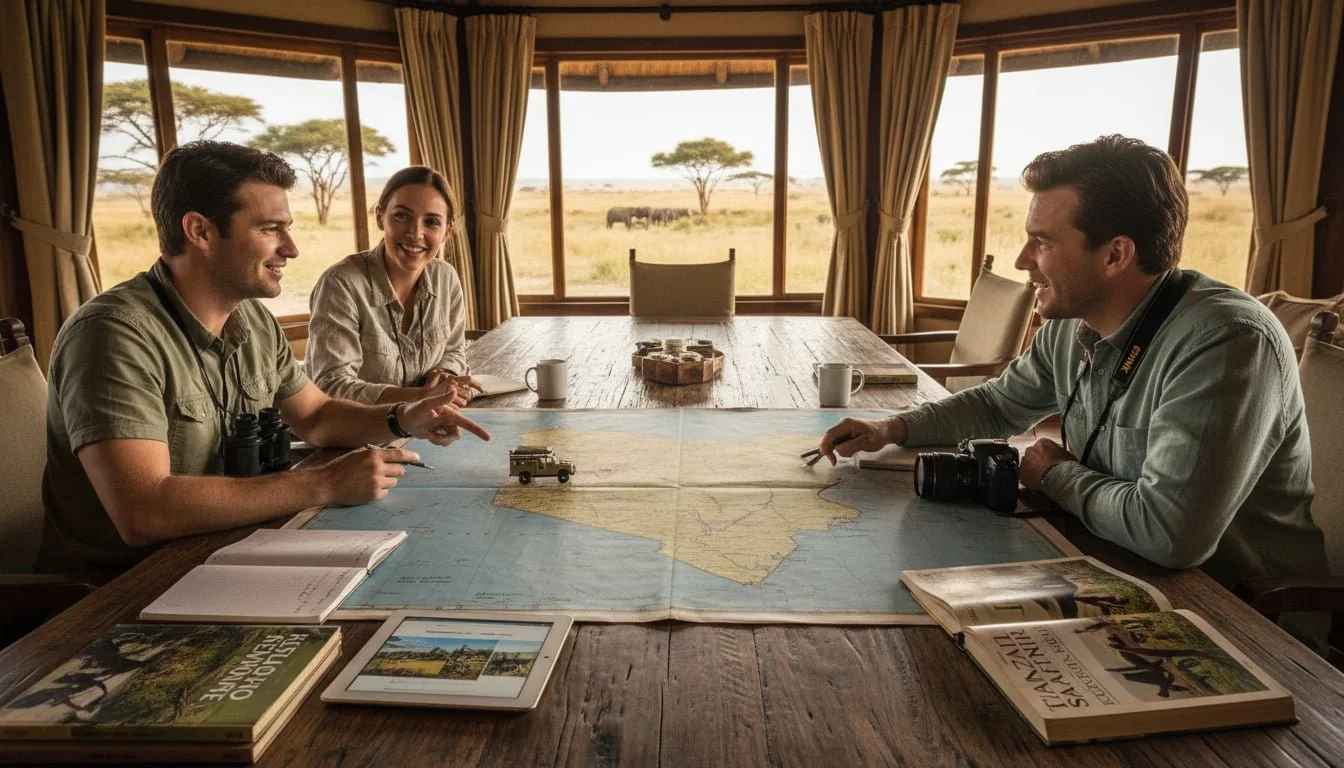
Deciding between a Kenya safari vs Tanzania for your dream African adventure is one of the toughest, yet most exciting, choices a traveler can make. Both East African neighbors offer breathtaking landscapes, incredible wildlife, and the theater of the Great Migration in East Africa (https://www.dumaexplorer.com/blog/the-great-migration-in-east-africa). They are, without a doubt, two of the world’s premier safari destinations.
But while they share a border and an ecosystem, they offer distinctly different experiences. Kenya is the historic home of safari, known for its accessibility and concentrated wildlife. Tanzania is a land of epic scale, boasting vast, untamed wilderness and staggering numbers of animals. So, which one is right for you?
Generally, Kenya provides more accessible and budget friendly safaris, making it ideal for shorter trips or first time visitors. Tanzania, on the other hand, offers larger wilderness areas, a more exclusive feel, and the highest concentration of wildlife in Africa. This guide breaks down the Kenya safari vs Tanzania decision to help you make the perfect choice.
Kenya vs Tanzania Safari: The 2026 Verdict
The main difference between a Kenya and Tanzania safari is scale versus accessibility. Kenya is generally more budget-friendly and better for short trips (4-6 days) due to higher wildlife density and superior flight connectivity via Nairobi. Tanzania offers a more exclusive, vast wilderness experience across larger parks like the Serengeti, making it ideal for longer expeditions (7-10+ days) and those seeking the Ngorongoro Crater. For 2026, Kenya’s entry fees average $100–$200 per day, while Tanzania ranges from $110–$160 plus vehicle fees.
The Quick Verdict: Kenya Safari vs Tanzania
If you’re short on time, here’s the quick take. Both Kenya and Tanzania are phenomenal choices. Kenya often provides more accessible and budget friendly safaris, making it ideal for shorter trips or first time visitors. Tanzania, on the other hand, offers larger wilderness areas, a more exclusive feel, and the highest concentration of wildlife in Africa. Both host the Big Five and the Great Migration, so you’re guaranteed a world class experience either way.
Kenya vs Tanzania at a Glance
Let’s put these two safari giants side by side for a quick comparison.
|
Feature |
Kenya |
Tanzania |
|---|---|---|
|
Overall Vibe |
Vibrant, accessible, social |
Vast, wild, exclusive |
|
Wildlife |
High density in compact parks |
Unmatched numbers, huge herds |
|
Great Migration |
July to October (river crossings) |
All other months (calving season) |
|
Cost |
More affordable, great for budgets |
Higher end, more exclusive |
|
Crowds |
Can be busy in popular parks |
Fewer tourists, more solitude |
|
Logistics |
Easier, shorter travel times |
Longer distances, requires more planning |
|
Best For |
First timers, shorter trips, budgets |
Photographers, repeat visitors, adventurers |
2026 Entry Requirements & Logistics Comparison
Navigating East African borders has changed with new digital systems. Here is what you need to know for 2026 planning:
|
Feature |
Kenya (2026) |
Tanzania (2026) |
|
Entry Document |
Electronic Travel Authorization (eTA) |
e-Visa or Visa on Arrival |
|
Visa/Processing Fee |
~$33 USD |
~$50 USD ($100 for US Citizens) |
|
Main Arrival Hub |
Nairobi (NBO) |
Kilimanjaro (JRO) or Dar es Salaam (DAR) |
|
Best Transport |
Shared 4x4 or Domestic Flights |
Private 4x4 or Bush Planes |
|
Sustainability |
Strict Single-use Plastic Ban |
Focus on Low-Impact/High-Value |
An Overview of Kenya as a Safari Destination
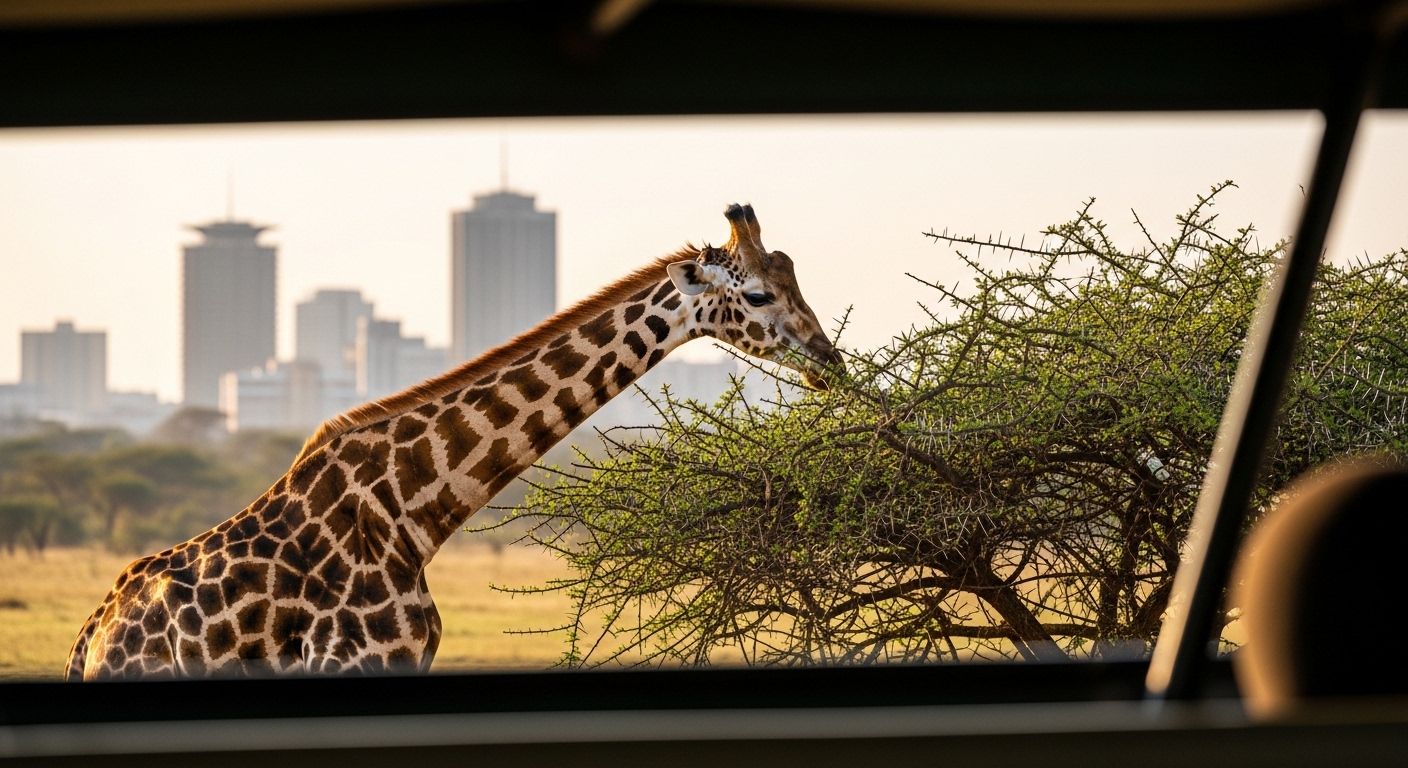
Kenya is often called the birthplace of the safari, and for good reason. The word safari itself is Swahili for “journey.” Its capital, Nairobi, is a major international air hub, making it incredibly easy to get to. You can land at Jomo Kenyatta International Airport (NBO) and, within hours, be on a game drive in Nairobi National Park with giraffes and rhinos roaming against a city skyline backdrop.
Kenya’s main draw is the legendary Maasai Mara National Reserve. Though relatively small at 1,510 square kilometers, it packs in an astonishing density of wildlife. It forms the northern part of the vast Serengeti Mara ecosystem and is world renowned for its large populations of lions, leopards, and cheetahs.
Beyond the Mara, Kenya offers a stunning variety of landscapes. You can see massive elephant herds with the snow capped peak of Mount Kilimanjaro as a backdrop in Amboseli National Park. You can explore the semi arid landscapes of Samburu, home to the “Samburu Special Five”, a collection of unique animals like the Grevy’s zebra and the long necked gerenuk. The Great Rift Valley offers flamingo filled lakes like Nakuru, which is also a key sanctuary for rhinos.
With a well developed tourism infrastructure, Kenya offers a wide range of lodges and camps for every budget. Its compact size and good network of domestic flights make it easy to combine different parks in a shorter amount of time, delivering maximum wildlife sightings with minimal travel.
An Overview of Tanzania as a Safari Destination
Tanzania is a land of superlatives. It’s a much larger country than Kenya and has dedicated an incredible 38% of its land to conservation, the highest of any African nation. This commitment has resulted in some of the largest and wildest parks on the continent, teeming with an estimated 4 million wild animals.
The crown jewel of Tanzania is the Serengeti National Park. At nearly 15,000 square kilometers, it is roughly ten times the size of the Maasai Mara, and its name rightfully means “endless plains.” The Serengeti hosts the Great Migration for 10 months of the year, including the spectacular calving season.
Tanzania is also home to several other iconic natural wonders. The most famous is the Ngorongoro Crater, a massive volcanic caldera that is a self contained ecosystem for some 25,000 large animals, including the rare black rhino. It is also where you will find Africa’s highest peak, Mount Kilimanjaro (see our Mount Kilimanjaro climbing routes: https://www.dumaexplorer.com/blog/mt-kilimanjaro-climbing-routes). For those seeking a truly off the beaten path experience, Tanzania’s southern and western parks, like the vast Nyerere National Park (formerly Selous) and the remote Katavi, offer raw wilderness with very few visitors. And uniquely, Tanzania is one of the few places in the world where you can track wild chimpanzees in the forests of Mahale Mountains National Park.
Safaris in Tanzania often feel more like expeditions. The distances are greater, requiring more driving or internal flights, but the reward is a profound sense of solitude and immersion in a truly immense wilderness.
The Pros and Cons: A Head to Head Comparison
Every destination has its strengths and weaknesses. Here’s a look at the advantages and potential drawbacks when considering a Kenya safari vs Tanzania.
Why Choose a Kenya Safari? (Pros)
-
Accessibility: With more direct international flights into Nairobi and shorter drives to major parks, Kenya is simply easier and quicker to get to and around.
-
Affordability: Generally, safaris in Kenya are more budget friendly. There are more options for group tours, which helps keep costs down, and a wider range of accommodation at different price points.
-
High Wildlife Density: Parks like the Maasai Mara and Amboseli are packed with animals, meaning you can often see a huge amount of wildlife in a short period. It’s a fantastic option if you have limited time.
-
Diverse Activities: Kenya’s private conservancies, which border the main parks, offer activities not allowed in the national reserves, such as night game drives, guided bush walks, and off road driving for more intimate encounters.
What are the Drawbacks of a Kenya Safari? (Cons)
-
Crowds: The flip side of accessibility is that popular parks, especially the Maasai Mara during the migration, can get crowded with safari vehicles.
-
Smaller Parks: While the wildlife is dense, the parks are smaller than in Tanzania. You may not get the same feeling of endless, untouched wilderness.
-
Shorter Migration Window: Kenya hosts the Great Migration for a shorter period, primarily from July to October. The rest of the year, the massive herds are in Tanzania.
Why Choose a Tanzania Safari? (Pros)
-
Epic Scale and Solitude: Tanzania’s national parks are enormous, giving you a true sense of vast, untamed Africa. This size also means fewer tourists and a more exclusive, intimate experience with nature.
-
Unmatched Wildlife Numbers: With the largest population of mammals in Africa, the sheer volume of wildlife in Tanzania is mind boggling.
-
Iconic Landmarks: Tanzania is home to world famous sites you can’t see anywhere else, including the Ngorongoro Crater, Mount Kilimanjaro, and Olduvai Gorge.
-
Year Round Migration: Tanzania hosts the Great Migration for the majority of its cycle, including the incredible calving season from January to March, an event unique to the southern Serengeti.
What are the Drawbacks of a Tanzania Safari? (Cons)
-
Higher Cost: Safaris in Tanzania are typically more expensive due to higher park fees, the need for domestic flights to cover large distances, and a focus on a “high value, low volume” tourism model.
-
Longer Travel Times: The country’s vast size means more time spent traveling between parks, whether by bumpy roads or on internal flights.
-
More Complex Logistics: Getting to Tanzania often requires connecting flights, and planning a multi park itinerary can be more logistically demanding.
Digging into the Details: Key Safari Differences
Let’s dive deeper into some of the most important factors that distinguish a Kenya safari vs Tanzania.
Cost Comparison: What’s the Price Difference?
When it comes to the cost of a Kenya safari vs Tanzania, Kenya is generally the more affordable option. For a deeper breakdown of fees and inclusions, see our Tanzania safari cost guide (https://www.dumaexplorer.com/blog/tanzania-safari-cost). This is due to several factors:
-
Park Fees: While Kenya increased its park fees in 2024, they often remain slightly lower than Tanzania’s. Tanzania’s fees for premier parks like the Serengeti and the additional fees for the Ngorongoro Crater can add up significantly.
-
Transportation: In Kenya, you can create a fantastic itinerary primarily by driving, which saves on the cost of internal flights. In Tanzania, the vast distances often make flying between parks a necessity, adding a considerable expense to your budget.
-
Tour Styles: Kenya has a well established market for shared group safaris, allowing solo travelers and couples to join others to split the cost of a vehicle and guide. Safaris in Tanzania are predominantly private, which offers great flexibility but comes at a higher per person cost.
For budget and mid range travelers, your money will likely go further in Kenya. At the luxury level, the costs become more comparable, as both countries offer world class high end lodges and experiences.
Which Country is More Budget-Friendly?
Kenya remains the leader for mid-range and budget travelers. While Tanzania’s park fees can appear lower on paper, the mandatory vehicle fees (especially the $295+ crater descent fee) and the need for internal flights to cover the vast Serengeti usually make a Tanzania safari 15% to 30% more expensive than a similar itinerary in Kenya.
The Great Migration: 2026 Peak Dates
-
Kenya (July–October): Best for the dramatic Mara River crossings.
-
Tanzania (December–March): Best for the calving season in the Southern Serengeti.
-
Tanzania (May–July): Best for the migration movement through the Western Corridor.
Wildlife Comparison: Who Has More Animals?
This is a heavyweight title fight, and both contenders are champions. Tanzania wins on sheer numbers, with an estimated 4 million wild animals. The scale of its wildlife populations, from the two million strong Great Migration to its massive elephant herds in Tarangire, is unparalleled.
However, Kenya excels in wildlife density. In the Maasai Mara, it’s not uncommon to see multiple lion prides, cheetahs, and hyena clans in a single day. For certain species, Kenya has a clear advantage. It is the best place to see rhinos, thanks to successful conservation in sanctuaries like Ol Pejeta and Lake Nakuru National Park. Northern Kenya is also the only place to find the unique “Samburu Special Five.”
Tanzania has its own unique wildlife draws, most notably the ability to track wild chimpanzees in Mahale Mountains and Gombe Stream national parks. Ultimately, you will see a spectacular amount of wildlife in either country. Tanzania offers scale and volume, while Kenya offers incredible density and easy viewing.
The Great Migration: A Month by Month Timeline
The Great Migration is a continuous, year long circular journey. The best place to see it depends entirely on the time of year.
-
January to March (Tanzania): The herds are in the southern Serengeti, especially the Ndutu (https://www.dumaexplorer.com/blog/walking-safari-in-ndutu) area, for the calving season. This is a phenomenal time for predator action as hundreds of thousands of wildebeest are born.
-
April to June (Tanzania): The herds begin their long trek north and west through the Serengeti’s Western Corridor, facing their first major obstacle at the Grumeti River.
-
July to October (Kenya & Tanzania): This is the most famous phase. The herds arrive in the northern Serengeti and cross the treacherous, crocodile infested Mara River into Kenya’s Maasai Mara. This is peak season for dramatic river crossings.
-
November to December (Tanzania): Following the short rains, the herds leave the Mara and head back south through the Serengeti to return to the nutrient rich plains of the south, completing the cycle.
Park Size and Scenery: Vast Wilderness vs. Compact Variety
The difference in scale is one of the most significant factors in the Kenya safari vs Tanzania debate. Tanzania’s parks are vast. The Serengeti alone is ten times the size of the Maasai Mara. This creates an incredible sense of endless wilderness, where you can drive for hours surrounded by nothing but nature.
Kenya’s parks are more compact, which has its own advantages. You can easily visit several parks with distinctly different landscapes in a single trip. In one week, you could experience the golden savannah of the Mara, the wetlands of Amboseli, and the flamingo covered shores of Lake Nakuru. This variety in a small area is one of Kenya’s greatest strengths.
Safari Style and Crowd Levels: Private Expeditions vs. Social Adventures
Your experience on the ground can also differ. Tanzania favors private, customized safaris. You’ll likely have your own vehicle and guide, giving you complete flexibility. This, combined with the larger parks, leads to a more exclusive and secluded feel with fewer crowds.
Kenya offers a wider range of safari styles, including many scheduled group departures. This can be a fun, social way to see the country and is more accessible for solo travelers or those on a budget. However, the popularity of parks like the Maasai Mara means you should expect to share major sightings with other vehicles, especially in peak season.
Logistics and Accessibility: Getting There and Getting Around
When it comes to ease of travel, Kenya has the edge. Nairobi’s Jomo Kenyatta International Airport (NBO) is a major international hub with direct flights from many cities in Europe, the Middle East, and the US. Tanzania’s main safari airport, Kilimanjaro International (JRO), has fewer direct long haul flights, often requiring a connection.
Once you’re there, Kenya’s smaller size and more developed road network make getting between parks quicker and easier. A safari in Tanzania often involves longer drives on rougher roads or more expensive internal flights to cover the vast distances.
Planning Your Trip: Timing and Itineraries
So, you’ve weighed the pros and cons. Now let’s talk about turning your dream into a plan.
The Best Time to Visit for a Kenya or Tanzania Safari
The best time to visit either country is generally during the long dry season from June to October. If Tanzania is on your list, here’s the best time to safari in Tanzania (https://www.dumaexplorer.com/blog/best-time-tanzania-safari). During these months, the weather is pleasant, and wildlife is easier to spot as animals gather around rivers and waterholes. This period also coincides with the dramatic Mara River crossings of the Great Migration.
However, the “green season” also has its charms. January to March is a fantastic time for Tanzania, as it’s the calving season in the Serengeti. For birdwatchers, the months of November to April are ideal, as migratory birds from the northern hemisphere are present. The only time to generally avoid is during the heavy rains of April and May, when some lodges may close and roads can become impassable.
Ngorongoro Crater: A Tanzanian Must See
No discussion of Tanzania is complete without highlighting the Ngorongoro Crater. This UNESCO World Heritage site is the world’s largest intact and unfilled volcanic caldera. Descending 600 meters to the crater floor is like entering a lost world. The 260 square kilometer floor is home to around 25,000 large animals, including a dense population of lions, elephants, buffalo, and one of the best chances in East Africa to see the critically endangered black rhino. It is a truly unique and unforgettable part of any Tanzanian safari.
Beach Extensions: Combining Safari with Sun and Sand
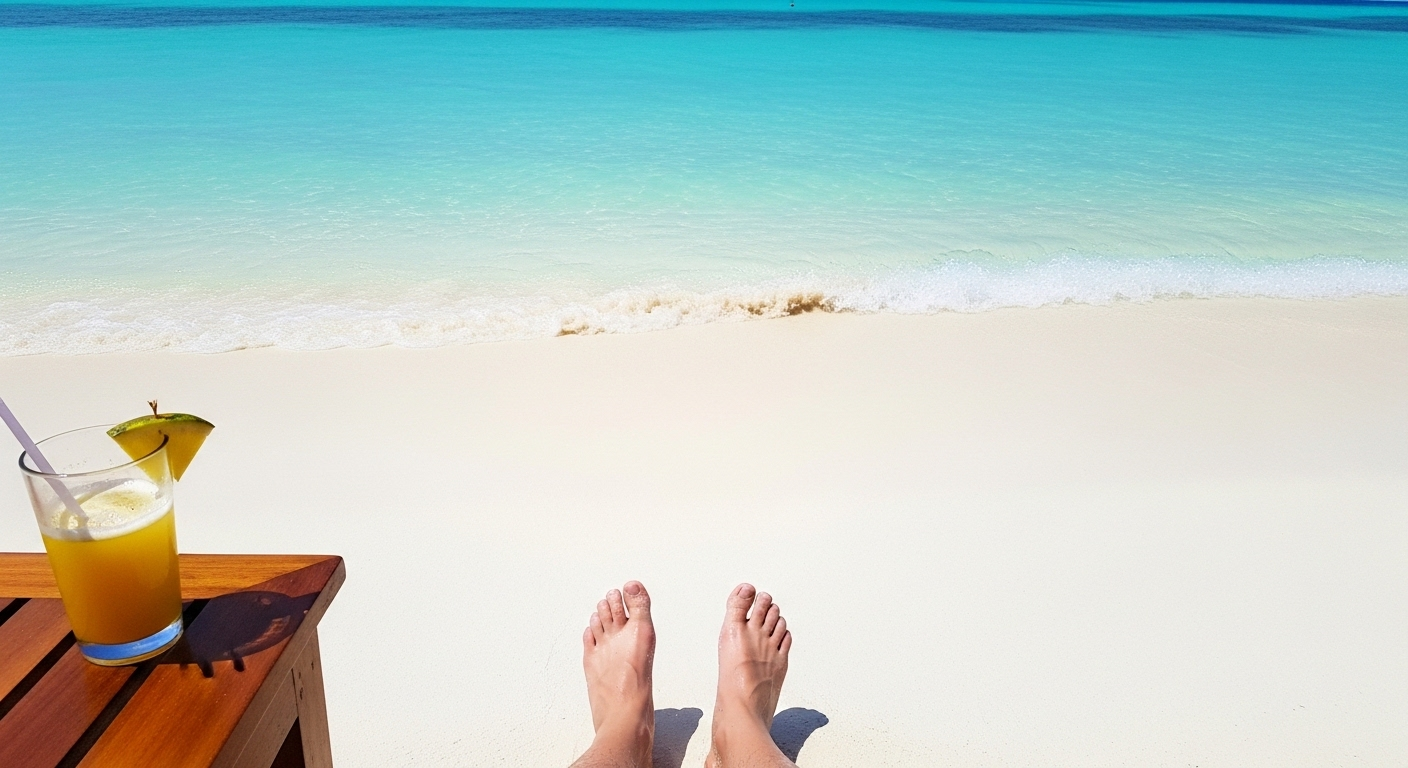
Both Kenya and Tanzania boast beautiful coastlines on the Indian Ocean, making a “bush and beach” holiday easy to arrange.
After a dusty safari, you can fly to Kenya’s coast to relax on the white sands of Diani Beach or explore the historic Swahili culture of Lamu Island. In Tanzania, a short flight can take you to the legendary “Spice Island” of Zanzibar, with its historic Stone Town (see our Stone Town guide: https://www.dumaexplorer.com/blog/stone-town-zanzibar-guide), vibrant reefs, and idyllic beaches. While Zanzibar is part of Tanzania, it is easily accessible from Kenya as well, with regular flights from Nairobi. The choice often comes down to personal preference, as both offer a perfect tropical escape.
The Best of Both Worlds: A Combined Kenya and Tanzania Itinerary
Still can’t decide? The great news is you don’t have to. A combined Kenya and Tanzania safari itinerary offers the ultimate East African experience. Here’s how to fit multiple experiences into one East Africa trip (https://www.dumaexplorer.com/blog/how-to-fit-multiple-experiences-into-one-east-africa-trip). You can follow the Great Migration from the Serengeti to the Mara, see the unique species of northern Kenya, and descend into the Ngorongoro Crater all in one trip.
While this requires a bit more time (ideally 10 days or more) and careful planning, it is entirely possible. For inspiration, explore our sample 7 to 10 day Tanzania safaris (https://www.dumaexplorer.com/blog/tanzania-safaris-7-10-day-itineraries). Transfers between the two countries can be done by road via border crossings like Isebania (connecting the Mara and Serengeti) or Namanga, or by a series of short flights. Working with an experienced operator who specializes in cross border logistics is key. A company like Duma Explorer, which has deep expertise in both countries, can create a seamless itinerary that handles all the transfers, visa guidance, and vehicle changes for you.
How to Choose: Which Safari is Right for You?
The decision of a Kenya safari vs Tanzania comes down to your personal travel style, priorities, and budget. Ask yourself these questions:
-
What is my budget? If you are on a tighter budget, Kenya offers more affordable options.
-
How much time do I have? For trips under a week, Kenya’s compact parks allow you to see more with less travel time.
-
What time of year can I travel? Your dates may decide for you. If you can only travel in February, Tanzania’s calving season is the star attraction. If you’re traveling in September, the Mara river crossings in Kenya are unmissable.
-
Do I mind crowds? If you value solitude and an exclusive feel, Tanzania’s vast wilderness is likely your best bet.
-
What is my must see wildlife? If rhinos are at the top of your list, head to Kenya. If you dream of tracking chimpanzees, it has to be Tanzania.
Ultimately, there is no wrong answer. Both countries deliver life changing experiences. For many travelers, the best solution is to let an expert help guide the decision. A chat with a seasoned safari planner can help you weigh the options and design a trip that perfectly matches your dreams. For a truly personalized recommendation, you can get in touch with the travel experts at Duma Explorer.
Frequently Asked Questions about Kenya Safari vs Tanzania
1. Which is better for a first time safari, Kenya or Tanzania?
Kenya is often recommended for first timers due to its easier logistics, lower costs, and high wildlife density in accessible parks like the Maasai Mara. However, Tanzania’s northern circuit is also fantastic for a first safari, offering iconic sights like the Serengeti and Ngorongoro Crater.
2. Is Kenya or Tanzania safer for tourists?
Both countries are considered safe for safari tourism, with dedicated tourism police and robust safety protocols in parks and lodges. While Tanzania currently has a slightly higher overall safety rating for travelers, millions of tourists visit Kenya safely every year by taking standard precautions.
3. Can I see the Big Five in both Kenya and Tanzania?
Yes, both countries are home to the Big Five (lion, leopard, elephant, buffalo, and rhino). Sightings are common in the major parks of both nations. Your chances of seeing a rhino are significantly higher in Kenya’s dedicated sanctuaries.
4. What is the main difference in the Great Migration between Kenya and Tanzania?
The main difference is timing and events. Tanzania hosts the migration for about 9 months, including the calving season (Jan to March). Kenya hosts the herds for about 3 to 4 months (July to Oct), which is the best time to see the dramatic river crossings over the Mara River.
5. Is the scenery better in Kenya or Tanzania?
This is subjective. Tanzania is known for its vast, epic landscapes like the endless plains of the Serengeti and the stunning Ngorongoro Crater. Kenya offers a more compressed variety of scenery, from the classic savannah of the Mara to the dramatic views of Mount Kilimanjaro from Amboseli and the flamingo filled Rift Valley lakes.
6. Do I need different visas for Kenya and Tanzania?
Yes, if you are visiting both countries, you will need separate visas for each. Both can typically be obtained online in advance or upon arrival for many nationalities.
7. Which country is better for a family safari?
Both are excellent for families. Kenya might have a slight edge due to shorter travel times between parks, which can be easier on younger children. It also has a wide range of family friendly lodges. However, many operators, including Duma Explorer, specialize in crafting custom family safaris in Tanzania that are paced appropriately for all ages.
8. Can I self drive a safari in Kenya or Tanzania?
While technically possible, it is not recommended for first time visitors. Roads can be challenging, navigating parks requires expertise, and the experience is greatly enhanced by the knowledge of a local professional guide who knows the animal behaviors and best viewing spots.
No matter which destination you choose for your East African adventure, you are in for the trip of a lifetime. Both Kenya and Tanzania offer a magic that will stay with you long after you return home. If you’re ready to start planning, you can explore custom safari itineraries with Duma Explorer to see what’s possible.