

Mt Kilimanjaro Climbing Routes: 2026 Guide To The 7 Paths
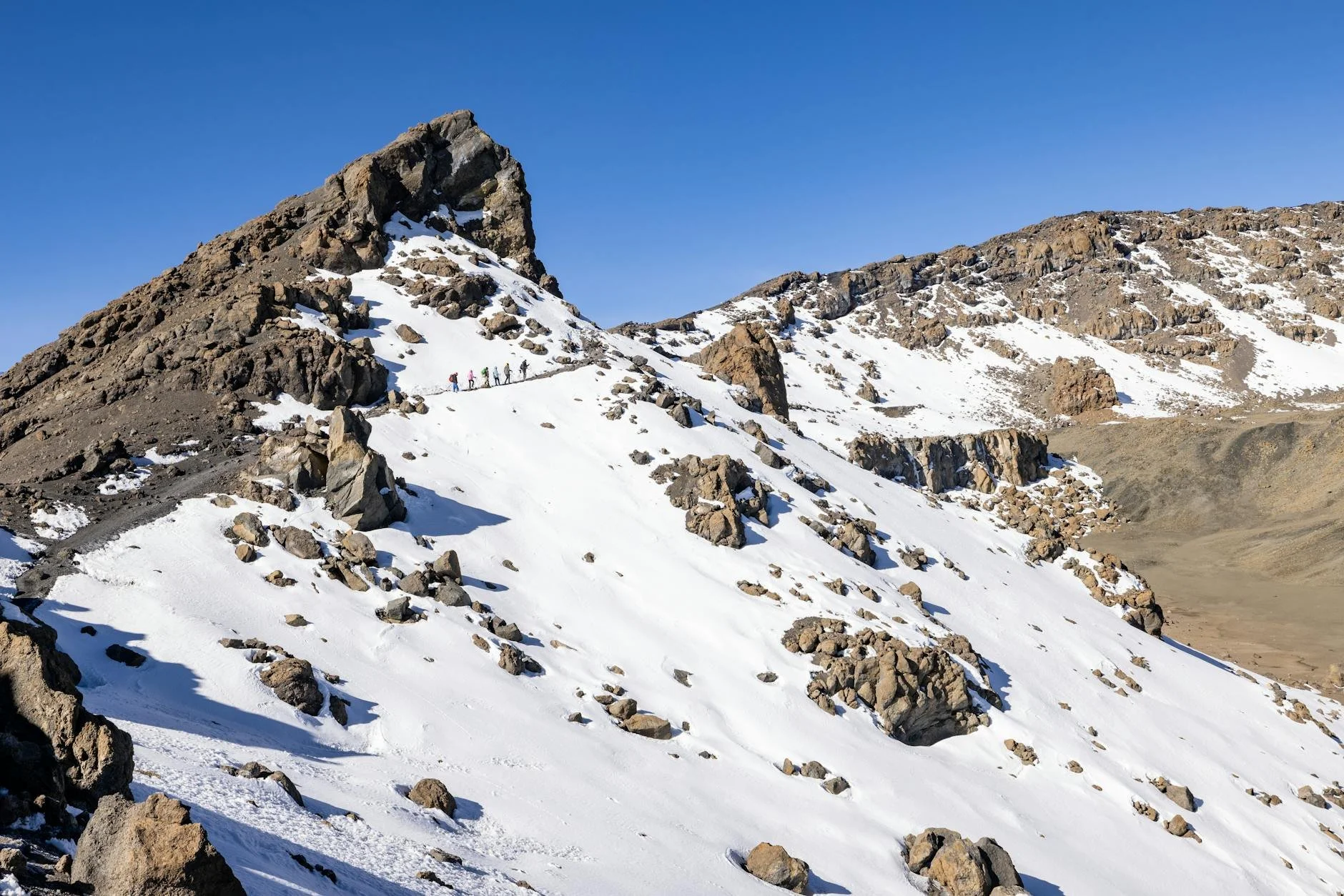
Standing at 19,341 feet (5,895 meters), Mount Kilimanjaro is the highest peak in Africa and the tallest freestanding mountain in the world. Reaching its summit is a life changing accomplishment. But before you can stand on the Roof of Africa, you have to answer one crucial question: which path will you take? With several official trails to choose from, picking the right one is the most important decision you’ll make.
This comprehensive guide breaks down all the official mt Kilimanjaro climbing routes to help you find the perfect fit for your fitness level, schedule, and sense of adventure.
At a Glance: Kilimanjaro Route Comparison (2026 Data)
|
Route |
Popularity |
Duration |
Success Rate |
Best For... |
|
Northern Circuit |
Low |
9 Days |
95-98% |
Maximum Safety & Solitude |
|
Lemosho |
Medium |
7-8 Days |
90-95% |
Best Scenery & Acclimatization |
|
Machame |
High |
6-7 Days |
85% |
Social Atmosphere & Views |
|
Rongai |
Low |
6-7 Days |
80% |
Climbing during Rainy Season |
|
Marangu |
High |
5-6 Days |
50-70% |
Budget & Sleeping in Huts |
|
Umbwe |
Very Low |
6 Days |
60-70% |
The Goal: Reaching Uhuru Peak
No matter which trail you choose, the ultimate destination is the same: Uhuru Peak. This is the true summit of Kilimanjaro, located on the crater rim of Kibo, the mountain’s tallest volcanic cone.
All seven major mt Kilimanjaro climbing routes are designed to get you to this point. They ascend through different ecosystems and from various directions, but they eventually converge on Kibo’s crater rim before the final push to the top. This shared goal unites every climber on the mountain, creating a unique sense of camaraderie as you all strive for that iconic wooden sign at the top of Africa.
A Detailed Look at the Mt Kilimanjaro Climbing Routes
Each of the mt Kilimanjaro climbing routes offers a unique journey. Understanding their differences in scenery, difficulty, and crowd levels is key to a successful and enjoyable climb.
The Lemosho Route
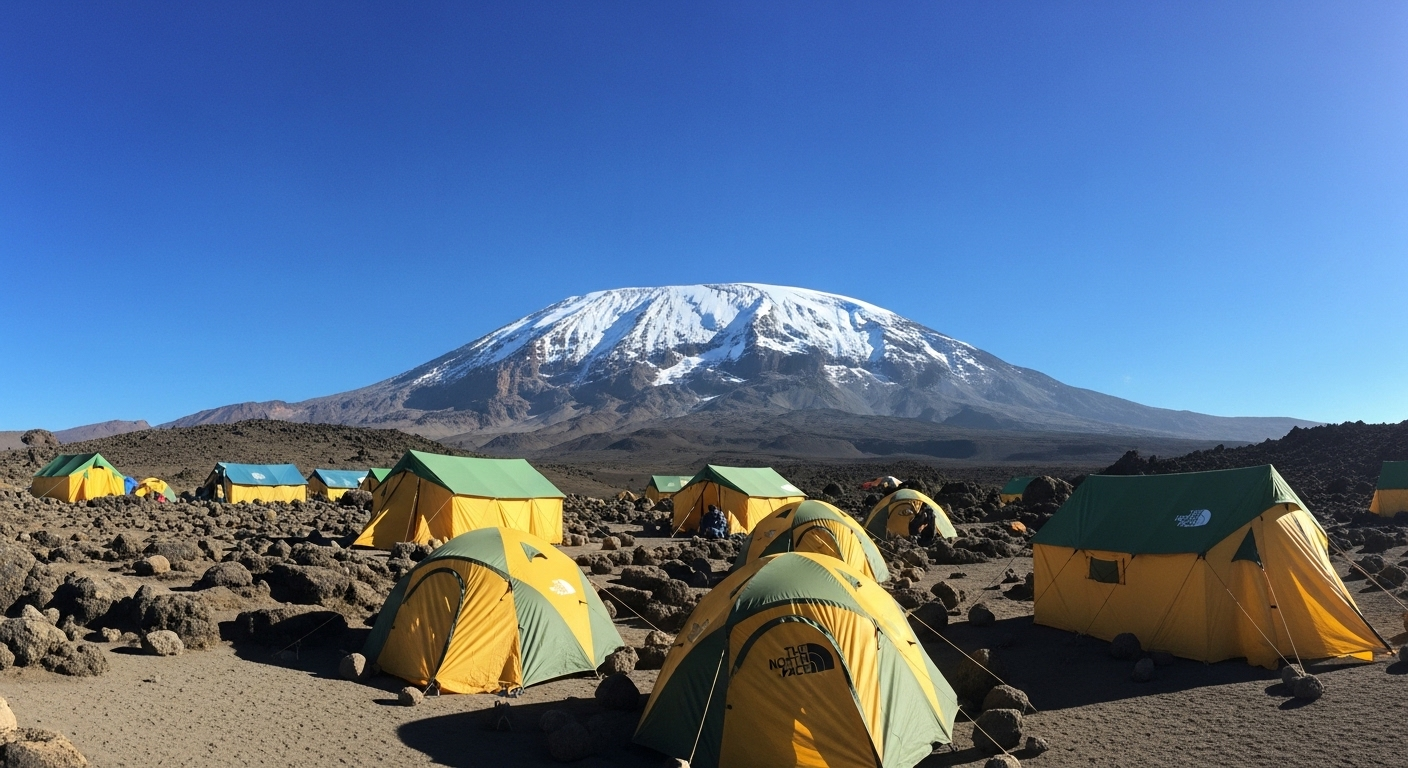
Often celebrated as Kilimanjaro’s most beautiful route, the Lemosho Route starts on the remote western side of the mountain. It begins in a lush, primal rainforest where you might spot Colobus monkeys, before opening up to the vast and stunning Shira Plateau.
-
Duration: 7 to 8 days
-
Why people love it: Lemosho offers spectacular panoramic views, a quiet start with low crowd levels, and an excellent acclimatization profile due to its length. This leads to very high summit success rates, often around 90% for 8 day itineraries.
-
The journey: After crossing the Shira Plateau, Lemosho joins the popular Machame route, so you’ll get to experience famous landmarks like the Lava Tower and the dramatic Barranco Wall.
The Machame Route
Known as the “Whiskey Route,” the Machame Route is the most popular of all the Mt Kilimanjaro climbing routes. According to park statistics, approximately 35% of all climbers choose this trail. It’s a camping only route that offers a fantastic balance of stunning scenery and a great acclimatization schedule.
-
Duration: 6 to 7 days
-
Why people love it: The scenery is incredibly varied, taking you through five distinct ecological zones. Its “climb high, sleep low” profile, where you hike to a higher altitude during the day and descend to a lower camp to sleep, is fantastic for acclimatization. The success rate is high, around 85% for a 7 day trip.
-
The journey: Starting in the southwest, you’ll traverse from lush jungle to the Shira Plateau, scramble up the Barranco Wall, and take in incredible views from your camps. It’s a social and energetic route.
The Marangu Route
The “Coca-Cola Route,” the Marangu route, is Kilimanjaro’s oldest and most established trail. It holds a unique distinction: it is the only route that provides accommodation in communal A‑frame huts instead of tents.
-
Duration: 5 to 6 days
-
Why people love it: For those who are not keen on camping, the huts offer a welcome comfort with bunks and indoor dining areas. The trail itself has a gentler, more gradual slope compared to other routes.
-
The journey: Marangu uses the same path for ascent and descent, passing through rainforest and across the stark alpine desert known as “The Saddle.” While often called the “easiest” route, its short 5 day itinerary can make acclimatization difficult, leading to a lower success rate of about 50%. Opting for the 6 day version with an extra acclimatization day can boost success rates to over 80%.
The Rongai Route
The Rongai route is the only route that approaches Kilimanjaro from the north, near the Kenyan border. This position in the mountain’s rain shadow makes it a generally drier climb and an excellent choice during the rainy season.
-
Duration: 6 to 7 days
-
Why people love it: It’s one of the quietest mt Kilimanjaro climbing routes, offering a true wilderness feel. The climb is steady and gradual, making it a good option for those with less backpacking experience.
-
The journey: The route provides incredible views of Mawenzi, Kilimanjaro’s second highest peak. After summiting, you descend via the Marangu route, allowing you to see both the north and south sides of the mountain. A 7 day itinerary offers an 80% success rate.
The Northern Circuit Route
The newest and longest route on Kilimanjaro, the Northern Circuit offers a truly unique and comprehensive experience. It loops around the quiet, rarely visited northern slopes of the mountain, providing unparalleled 360 degree views.
-
Duration: 9 to 10 days
-
Why people love it: It has the best acclimatization profile, leading to the highest success rates on the mountain, often exceeding 90%. It is also the quietest and least crowded route, with some campsites feeling practically deserted.
-
The journey: Starting along the Lemosho trail, the route traverses the entire northern side of Kibo. You’ll experience every type of scenery Kilimanjaro has to offer in near total solitude.
The Umbwe Route
The Umbwe Route has a clear reputation: it is the shortest, steepest, and most challenging path to the summit. It’s a direct and demanding climb recommended only for experienced high altitude trekkers who are confident in their physical fitness.
-
Duration: 6 to 7 days
-
Why people love it: For those seeking a serious physical challenge and solitude, Umbwe delivers. It’s an extremely quiet route, far from the crowds on more popular trails.
-
The journey: The first few days involve a relentless climb up a narrow, forested ridge. The rapid ascent makes acclimatization very difficult, resulting in lower success rates of around 70%. Modern itineraries now merge with the Machame route for a safer summit approach.
The Shira Route
The Shira Route is an older variation of the Lemosho route. The main difference is its starting point. Instead of trekking through the rainforest, climbers are driven to a high elevation gate (around 11,800 feet or 3,600 meters) to begin their hike.
-
Duration: 6 to 7 days
-
Why people love it: It offers access to the beautiful Shira Plateau scenery without the first one or two days of hiking.
-
The journey: This high starting altitude poses a significant risk for altitude sickness, making it a less favorable and rarely used option today. Most operators, including the safety conscious team at Duma Explorer, will recommend the Lemosho route instead for a safer, more gradual, and ultimately more successful ascent.
The Mweka Route (Descent Only)
You won’t find any tour operator offering to take you up the Mweka Route. This trail is used exclusively for descent. It serves as the main exit path for climbers who have summited via the Lemosho, Machame, Northern Circuit, or Umbwe routes.
Mweka offers the fastest and most direct way down the mountain, helping to manage trail traffic and ensure safety. The path can be steep and hard on the knees, but it takes you quickly back into the oxygen rich air of the beautiful montane forest.
How to Choose Your Perfect Kilimanjaro Route
New for 2026: Sustainable Climbing Standards
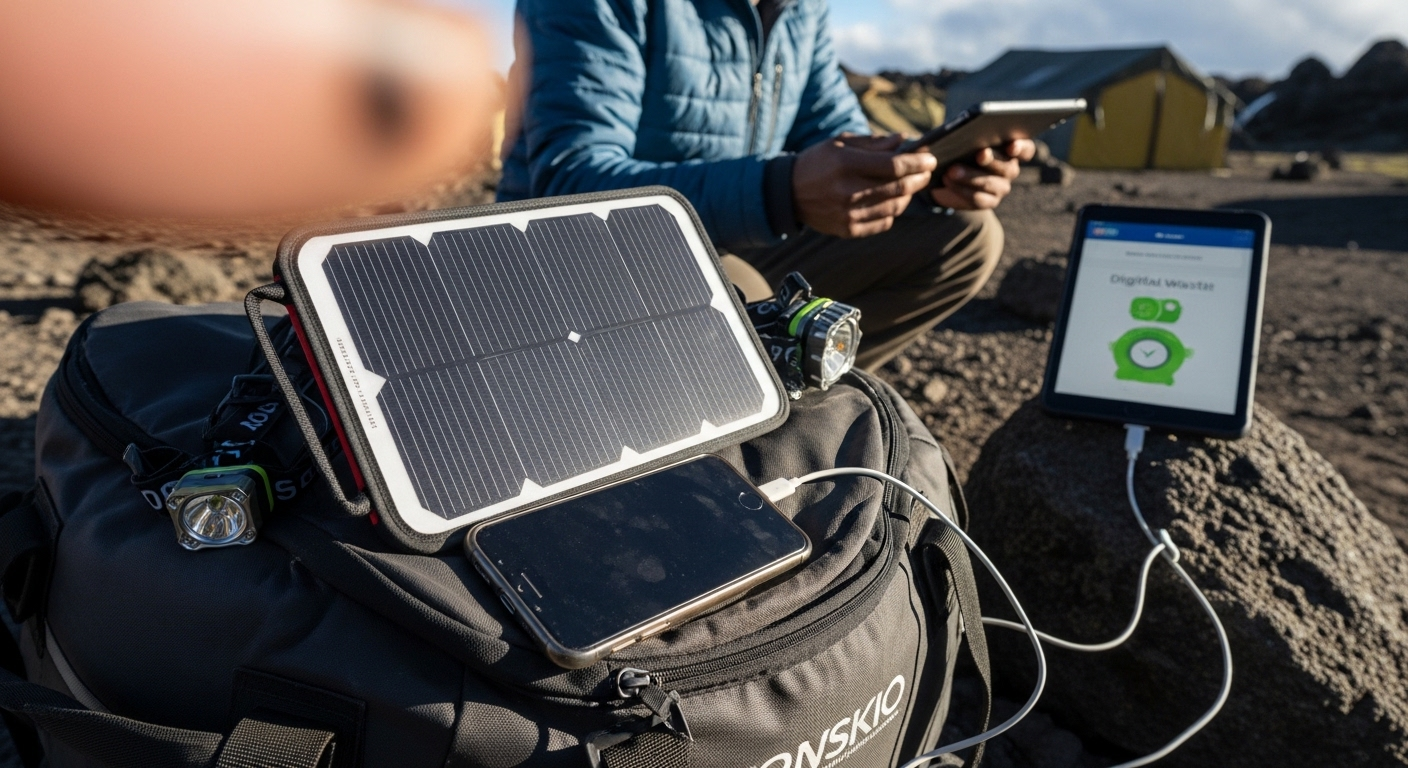
As of 2026, Kilimanjaro National Park (TANAPA) has implemented strict "Leave No Trace" regulations. When choosing your route and operator, keep in mind:
-
Waste-Free Mandate: All plastic packaging is strictly banned. Operators now use digital tracking to log all waste brought on and off the mountain.
-
Solar Energy: Over 70% of campsites have transitioned to solar-powered lighting and lithium-rechargeable systems, reducing carbon emissions by 40%.
-
Porter Welfare: Ensure your operator follows the 2026 ethical treatment guidelines regarding fair wages and equipment standards.
With so many options, how do you decide? Choosing the right mt Kilimanjaro climbing route depends on balancing several personal factors.
Key Factors in Your Route Selection
Consider these elements when making your choice:
-
Acclimatization and Success Rate: This is arguably the most important factor. Longer routes with gradual ascents and “climb high, sleep low” profiles offer the best acclimatization and dramatically increase your chances of reaching the summit. Routes like the 8 day Lemosho and 9 day Northern Circuit have the highest success rates (90% or more). Shorter routes, like the 5 day Marangu, have historically low success rates.
-
Scenery and Variety: Do you want to see it all? Lemosho is often called the most scenic for its variety, from rainforest to the vast Shira plateau and Barranco Valley. Machame is a close second. The Northern Circuit offers the most comprehensive 360 degree views. Rongai provides a unique, wilder perspective of Mawenzi peak.
-
Difficulty and Fitness: Be honest about your hiking experience. Umbwe is for highly fit, experienced mountaineers. Machame is challenging but achievable for most fit individuals. Marangu and Rongai have gentler gradients that are more forgiving for beginners.
-
Crowd Levels: If solitude is important, avoid the popular Machame and Marangu routes during peak season. The Northern Circuit is by far the quietest, followed by Rongai and Umbwe. Lemosho offers a quiet start before it merges with the busier Machame trail.
-
Accommodation: This is a simple one. If you absolutely do not want to camp, your only option is the Marangu route with its mountain huts. All other routes are camping only, where your crew will set up high quality mountain tents at each campsite.
-
Cost: Generally, the longer the route, the higher the cost due to additional park fees and crew wages. A 9 day Northern Circuit will be more expensive than a 6 day Marangu. While budget is a valid concern, choosing a route based on being the absolute cheapest can compromise safety and success. Investing in an extra day for acclimatization is often the best money you can spend.
The Truth About Summit Night
No matter which of the mt Kilimanjaro climbing routes you select, the final push to the summit will be the most difficult part of your journey. The challenge is a combination of factors:
-
Extreme Altitude: At Uhuru Peak, there is less than 50% of the oxygen available at sea level.
-
Midnight Start: Climbs begin around midnight to reach the summit for sunrise. This means hiking for 6 to 8 hours in the dark and in freezing temperatures.
-
Steep Ascent: You will gain over 1,200 meters (4,000 feet) of elevation in a single, continuous push on steep, loose scree.
-
The Long Descent: After the elation of reaching the top, you still face a long descent of over 2,000 meters back to a lower camp, all on the same day. The total trekking time can be 12 to 16 hours.
This is a true test of mental and physical endurance. A good acclimatization strategy and the support of experienced guides are what get you through it.
Your Acclimatization Strategy is Everything
Altitude sickness can affect anyone, regardless of age or fitness level. The only way to prevent it is to give your body time to adjust. A smart acclimatization strategy is built into the best mt Kilimanjaro climbing routes. If you’re not ready for a full summit, consider a Kilimanjaro day hike to experience the mountain without high‑altitude exposure.
-
Go “Pole Pole”: This Swahili phrase, meaning “slowly, slowly,” will be your mantra. Your guides will set a deliberately slow pace to help your body adapt.
-
Climb High, Sleep Low: Routes like Machame and Lemosho are designed with days where you ascend to a higher point before descending to a lower altitude to sleep. This process is proven to help the body create more red blood cells.
-
Take an Extra Day: Adding an acclimatization day to your itinerary is the single best way to increase your summit chances. Data shows that 7 day climbs have significantly higher success rates (around 64%) than 5 day climbs (around 27%).
A reputable operator like Duma Explorer prioritizes safety by building excellent acclimatization schedules into their standard itineraries and employing highly trained, Wilderness First Responder certified guides who monitor your health every step of the way.
Frequently Asked Questions about Mt Kilimanjaro Climbing Routes
What does a typical day on a Kilimanjaro climb look like?
A typical day begins with an early wakeup call with hot tea or coffee brought to your tent. After breakfast, you’ll start hiking around 8 AM, walking “pole pole” for 4 to 7 hours. You’ll carry a small daypack while porters carry the main gear. You’ll stop for lunch on the trail or arrive at the next camp in the afternoon. Afternoons are for relaxing, exploring, and acclimatizing. Dinner is served in the evening, followed by a briefing for the next day.
Which Mt Kilimanjaro climbing route has the highest success rate?
The Northern Circuit has the highest success rate, typically over 90%, due to its long duration (9+ days) and excellent acclimatization profile. The 8 day Lemosho route is a close second, also boasting a success rate of around 90%.
Which Kilimanjaro route is best for beginners?
The Marangu route (done in 6 days) and the Rongai route are often recommended for beginners. Marangu offers the comfort of sleeping in huts and has a well established, gradual trail. Rongai is also very gradual, sees fewer crowds, and is typically drier.
What is the most scenic route on Kilimanjaro?
The Lemosho route is widely considered the most scenic. It offers breathtaking, diverse landscapes, including lush rainforest, the expansive Shira Plateau, and the dramatic Barranco Valley.
How does my choice of route affect the cost?
The cost of your climb is directly related to the number of days you spend on the mountain. Longer routes like the Northern Circuit and Lemosho are more expensive because of the extended park fees, crew wages, and supplies. Shorter routes like the 5 or 6 day Marangu are generally the least expensive options.
Is there a big difference between approaching from the north versus the south?
Yes. The southern routes (Machame, Lemosho, Marangu) are wetter and feature more lush, dense rainforest. The northern route (Rongai) is much drier and more arid, offering a wilder, more remote feel with expansive views into Kenya.
Ready to start planning your own adventure to the Roof of Africa? The expert team at Duma Explorer has been guiding climbers safely to the summit for over 20 years and can help you select the perfect Mt Kilimanjaro climbing route for your adventure of a lifetime, or join one of our small-group Kilimanjaro departures.