East Africa Itinerary 2026: Safari Routes, Permits & Tips
TL;DR
An East Africa itinerary is a day-by-day route through some combination of Tanzania, Kenya, Uganda, Rwanda, and Zanzibar, built around “anchor” experiences like safari, gorilla trekking, the Great Migration, or beach recovery. Most travelers searching for a multi-country East Africa itinerary have 10 to 14 days and want to combine two or three big experiences, but the biggest planning mistake is trying to fit too much into too few days. This glossary defines every term you will encounter while comparing itineraries, explains what each one actually means for your route, and gives you the questions to ask before booking anything.
Every East Africa itinerary you find online sounds incredible. Serengeti sunrises. Gorillas in the mist. Zanzibar turquoise. The problem is not a lack of options. It is that the planning vocabulary, from “Northern Circuit” to “concession fee” to “fly-in safari,” gets thrown around without explanation, making it hard to tell a well-designed route from an overstuffed one.
This glossary exists to fix that. It defines the terms safari operators use, explains what they mean for your schedule and budget, and gives you frameworks for building a route that actually works. Whether you are comparing sample itineraries from three different companies or trying to figure out if gorillas, the Serengeti, and Zanzibar can fit into two weeks, start here.
What is the best East Africa itinerary for 2026? The ideal East Africa itinerary for 2026 is a 12 to 14-day multi-country route that combines two "anchor" experiences to minimize travel fatigue. For first-time travelers, the top-rated route is the Tanzania Northern Circuit (7 days) paired with Zanzibar (4 days). For bucket-list seekers, a Uganda Gorilla Trek (3 days) combined with a Kenya Maasai Mara Safari (5 days) offers the best wildlife diversity. Primary Entry Points: Nairobi (NBO), Entebbe (EBB), or Kilimanjaro (JRO). Daily Budget: $350–$700 (Mid-range) to $1,500+ (Luxury). Best Connectivity: Use the East Africa Tourist Visa for seamless entry between Kenya, Uganda, and Rwanda.
What Is an East Africa Itinerary?
An East Africa itinerary is a day-by-day travel plan through one or more East African countries, usually combining wildlife safaris, primate trekking, cultural experiences, mountain climbs, and Indian Ocean coast time.
The phrase sounds simple but hides a geography problem. The East African Community (EAC) officially includes eight partner states: Burundi, the Democratic Republic of Congo, Kenya, Rwanda, Somalia, South Sudan, Uganda, and Tanzania source. On safari websites, though, “East Africa itinerary” almost always means a route through Tanzania, Kenya, Uganda, Rwanda, and/or Zanzibar. Not every EAC country. Not even close.
A typical 14-day East Africa itinerary might start with gorilla trekking in Uganda, fly to Kenya’s Maasai Mara, continue to Tanzania’s Serengeti and Ngorongoro Crater, and end in Arusha or Zanzibar. The top-ranking Google result for this keyword is exactly that: a 14-day Uganda, Kenya, and Tanzania safari priced at $17,930 to $23,840 per person sharing, with flights between countries to reduce travel fatigue source.
That price range surprises people. It should also tell you something important: East Africa itinerary planning is not casual browsing. The decisions about which countries to include, which parks to prioritize, how to connect them, and when to go carry real financial weight.
How to Use This Glossary
Before jumping into definitions, identify your anchor experience, the single thing you most want from this trip. Your anchor determines your routing, your timing, and often your budget.
Common anchors include:
-
Great Migration safari (requires being in the right Serengeti region or Maasai Mara at the right month)
-
Gorilla trekking (requires a permit secured months in advance)
-
Classic savannah safari (most flexible on timing)
-
Kilimanjaro climb (requires a full week on the mountain plus recovery)
-
Beach and coast (usually best placed at the end for decompression)
Once you know your anchor, every other decision, from second destinations to flight routing to season, flows from it. The definitions below include a “what it means for your itinerary” note for each important term so you can connect vocabulary to actual trip decisions.
If you are trying to combine multiple experiences, our guide to fitting multiple experiences into one East Africa trip walks through the logistics in detail.
2026 East Africa Permit and Entry Costs
|
Activity/Requirement |
Destination |
2026 Official Cost (USD) |
|
Gorilla Permit |
Rwanda (Volcanoes) |
$1,500 |
|
Gorilla Permit |
Uganda (Bwindi) |
$800 |
|
East Africa Tourist Visa |
Kenya, Uganda, Rwanda |
$100 |
|
Zanzibar Inbound Insurance |
Zanzibar (Mandatory) |
$44 |
|
Kenya eTA |
Kenya (Mandatory) |
$30 – $50 |
|
Serengeti Entry Fee |
Tanzania |
$70 – $80 |
The 5 Main East Africa Itinerary Types
Classic Tanzania Safari Itinerary
Typical route: Arusha, Tarangire, Ngorongoro Crater, Serengeti, with an optional Zanzibar extension.
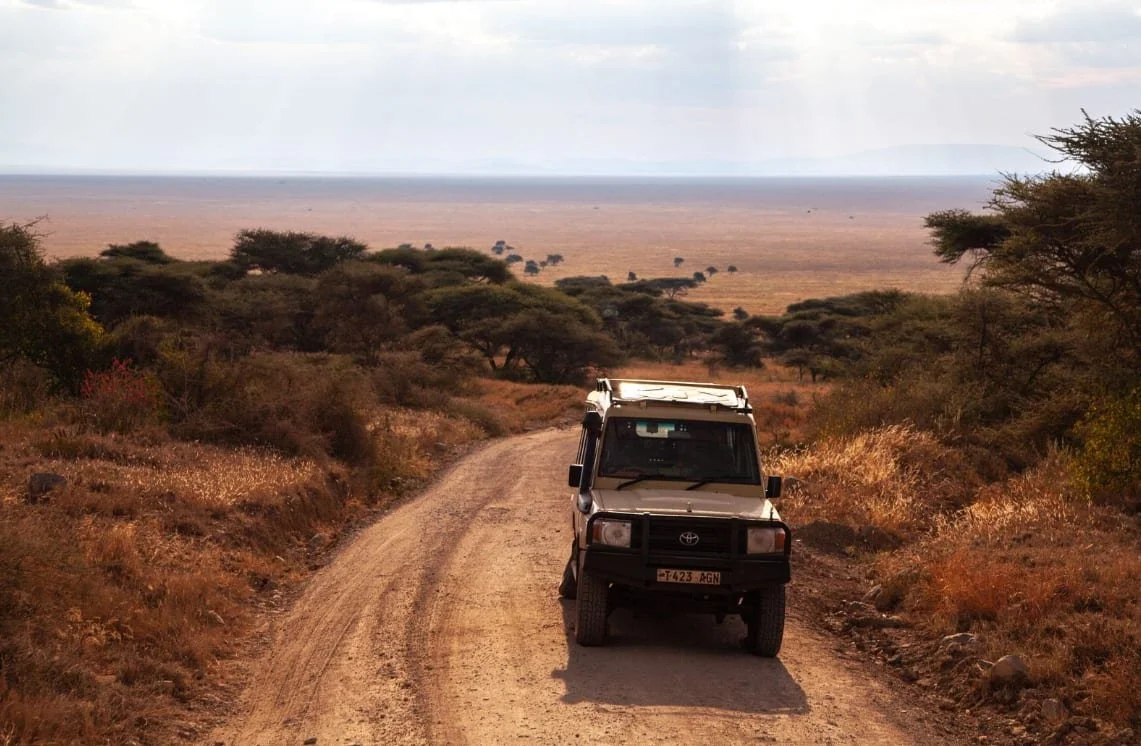
Best for first-time safari travelers who want high wildlife density and efficient routing. Tanzania’s Northern Circuit links famous parks in a logical loop that minimizes backtracking.
Kenya and Tanzania Safari Itinerary
Typical route: Nairobi, Maasai Mara, Serengeti, Ngorongoro, Arusha or Zanzibar.
Best for travelers who want both sides of the Serengeti-Mara ecosystem, which UNESCO describes as a single migration corridor spanning a 1,000 km circular trek across Kenya and Tanzania source. If you are torn between the two countries, a Kenya vs. Tanzania safari comparison can help clarify which parks match your priorities.
Safari and Gorilla Trekking Itinerary
Typical route: Tanzania or Kenya safari plus Uganda’s Bwindi or Mgahinga, or Rwanda’s Volcanoes National Park.
Best for bucket-list travelers who prioritize rare primate encounters alongside classic savannah wildlife. The International Gorilla Conservation Programme estimates only 1,063 known wild mountain gorillas remain, and they were downlisted from Critically Endangered to Endangered on the IUCN Red List in 2018 source.
Safari and Zanzibar Itinerary
Typical route: Northern Tanzania safari followed by a flight to Zanzibar, Pangani, Saadani, or another stretch of the Swahili Coast.
Best for honeymooners, families, and anyone who wants recovery time after early safari mornings. If you are weighing whether to add beach days or extend your safari instead, a Zanzibar vs. mainland Tanzania comparison breaks down the trade-offs.
Kilimanjaro and Safari Itinerary
Typical route: Kilimanjaro climb (6 to 9 days depending on route), a recovery night in Arusha, then safari and optional beach.
Best for adventure travelers combining a summit attempt with wildlife. Climbers often want recovery after the mountain, so safari and beach typically come second. For help choosing a climbing route, see this Kilimanjaro route comparison.
What Fits in 7, 10, 14, and 21 Days
The single most common mistake in East Africa itinerary planning is cramming too much into too few days. Practitioners on Reddit report that safari can involve 8 to 10 hours a day in a very bumpy vehicle source, and community discussions repeatedly flag itinerary overload as a real risk when travelers try to include classic safari, gorilla trekking, beach, cultural visits, and long overland transfers in one trip.
Here is what realistically fits:
|
Trip Length |
What Fits Well |
What to Avoid |
|---|---|---|
|
5 to 7 days |
One country. One safari circuit or one gorilla-focused trip. |
Multi-country itineraries of any kind. |
|
8 to 10 days |
Tanzania safari plus Zanzibar, or Kenya safari plus beach, or a gorilla-focused Uganda/Rwanda trip with one safari area. |
Gorillas plus Serengeti plus Mara plus Zanzibar unless you are using flights and accepting a fast pace. |
|
11 to 14 days |
Two major anchors. Tanzania plus Zanzibar, Kenya plus Tanzania, or safari plus gorillas. This is the sweet spot most travelers target. |
Four anchors with mostly road transfers. |
|
15 to 21 days |
Multi-country safari plus gorillas plus beach at a humane pace. |
Treating every transfer day as a sightseeing day. |
|
21+ days |
Kenya plus Tanzania plus Uganda/Rwanda plus Zanzibar with proper buffer days. |
Over-optimizing to “see everything” at the expense of quality time anywhere. |
The core question for 10 to 14 days is not “How many places can I fit?” It is “Which two experiences do I most want to do well?”
One Reddit trip report describes a 13-day Uganda, Kenya, and Zanzibar route with gorilla trekking, the Maasai Mara, and beach time, noting that a travel agent helped substantially with logistics source. It is possible. But it is not effortless or cheap.
Route and Geography Glossary
East Africa Itinerary
A day-by-day route through one or more East African destinations. In safari planning, this usually means Kenya, Tanzania, Uganda, Rwanda, and/or Zanzibar rather than the full East African Community.
What it means for your route: When an operator says “East Africa itinerary,” they are talking about the safari-market countries. Do not assume it includes Ethiopia, Mozambique, or other nearby destinations.
Northern Circuit
Tanzania’s most popular safari route, linking Arusha with Tarangire, Lake Manyara, Ngorongoro Crater, and the Serengeti.
What it means for your route: This is the default first-time Tanzania safari route because it combines famous parks with established logistics. Most Tanzania-based East Africa safari itineraries start here.
Southern Circuit
A Tanzania safari route focused on parks like Nyerere (formerly Selous) and Ruaha.
What it means for your route: Better for repeat visitors seeking fewer crowds and a wilder feel. You can read more in this Southern Circuit guide.
Western Circuit
A more remote Tanzania route that may include Mahale or Gombe for chimpanzee tracking on Lake Tanganyika.
What it means for your route: Best for specialist or longer trips, not standard first-time itineraries.
Serengeti-Mara Ecosystem
The cross-border ecosystem that includes Tanzania’s Serengeti National Park and Kenya’s Maasai Mara National Reserve. The Great Migration moves through this wider system rather than staying in one place. UNESCO describes the Serengeti as 1.5 million hectares of savannah where the annual migration includes roughly two million wildebeest plus hundreds of thousands of gazelles and zebras source.
What it means for your route: An East Africa itinerary does not always need both the Serengeti and the Maasai Mara. If you have 7 to 10 days, choose one side. If you have 12 to 14 days and budget for flights, combining them can work well. For more on the Mara side, see our Maasai Mara safari guide.
Swahili Coast
The Indian Ocean coast of East Africa, including Zanzibar and mainland coastal areas like Pangani and Saadani.
What it means for your route: A good phrase for beach options beyond Zanzibar. Not every coastal add-on requires a flight to the island.
Safari and Wildlife Glossary
Safari
A wildlife-focused journey, usually involving game drives, walking safaris, boat safaris, or nature walks. The word comes from the Swahili for “journey.”
What it means for your route: A “safari day” may mean a full wildlife-viewing day, a transfer with some game viewing, or a long drive between parks. Always clarify which type each day on your itinerary actually is.
Game Drive
A wildlife-viewing drive in a safari vehicle, usually scheduled in the morning, afternoon, or as a full day.
What it means for your route: Morning and afternoon game drives typically run 3 to 4 hours each. Full-day game drives include a packed lunch and cover more ground. Long game drives on rough roads are tiring, so budget your energy.
Big Five
Lion, leopard, elephant, rhino, and buffalo. The term originates from hunting, not conservation, but it remains common in safari marketing.
What it means for your route: Do not build your entire East Africa itinerary around checking off the Big Five. Modern safari travelers increasingly care about migration timing, primates, birds, guiding quality, low vehicle density, and conservation impact.
Great Migration
The annual movement of wildebeest, zebra, gazelles, and other ungulates through the Serengeti-Mara ecosystem. UNESCO calls it the largest remaining unaltered animal migration in the world source.
What it means for your route: The migration is a year-round cycle, not a single event. Where you should sleep in the Serengeti depends on the month. Our Great Migration safari guide explains the month-by-month movement in detail.
Calving Season
The period (roughly January to March) when wildebeest gather on the southern Serengeti and Ndutu plains to give birth.
What it means for your route: Calving season delivers predator action and photography opportunities, but it is not the same as the Mara River crossing season. Choose based on what you want to see.
Mara River Crossing
A dramatic migration event when herds cross the Mara River in the northern Serengeti or the Maasai Mara.
What it means for your route: Crossings are unpredictable. No operator can guarantee a crossing on a specific day. Be skeptical of any East Africa safari itinerary that promises one.
Conservancy
A protected or semi-protected wildlife area, often outside a national reserve or park, sometimes allowing activities not permitted in national parks (night drives, walking safaris, off-road driving).
What it means for your route: In Kenya especially, conservancies can deliver lower vehicle density and a more private-feeling experience than popular national reserves during peak season.
Low-Density Safari
A safari designed to reduce crowding around sightings, often through private concessions, conservancies, remote camps, or timing choices.
What it means for your route: A LinkedIn travel-industry post argued that East Africa luxury in 2026 is shifting toward protected ecosystems with low vehicle density, strong guiding, seamless air logistics, and intimate camps rather than marble bathrooms and champagne on arrival source. If crowds bother you, ask about concession or conservancy-based itineraries.
Gorilla and Primate Glossary
Gorilla Trekking
A guided hike to spend time with a habituated mountain gorilla family in Uganda, Rwanda, or the DRC.
Key rules: The minimum trekking age is 15. Viewing time is limited to one hour per gorilla group per day. Groups are capped at eight visitors. Visitors must maintain distance (Uganda’s UWA uses 10 meters, Rwanda’s RDB uses 7 meters in their current public guidance) and must not trek when sick source.
Gorilla Permit
The official permission to join a gorilla trek. This is not a complete gorilla trip package. It is one line item in a larger cost that also includes accommodation, transport, guide fees, porter tips, possible domestic flights, and pre/post trek nights.
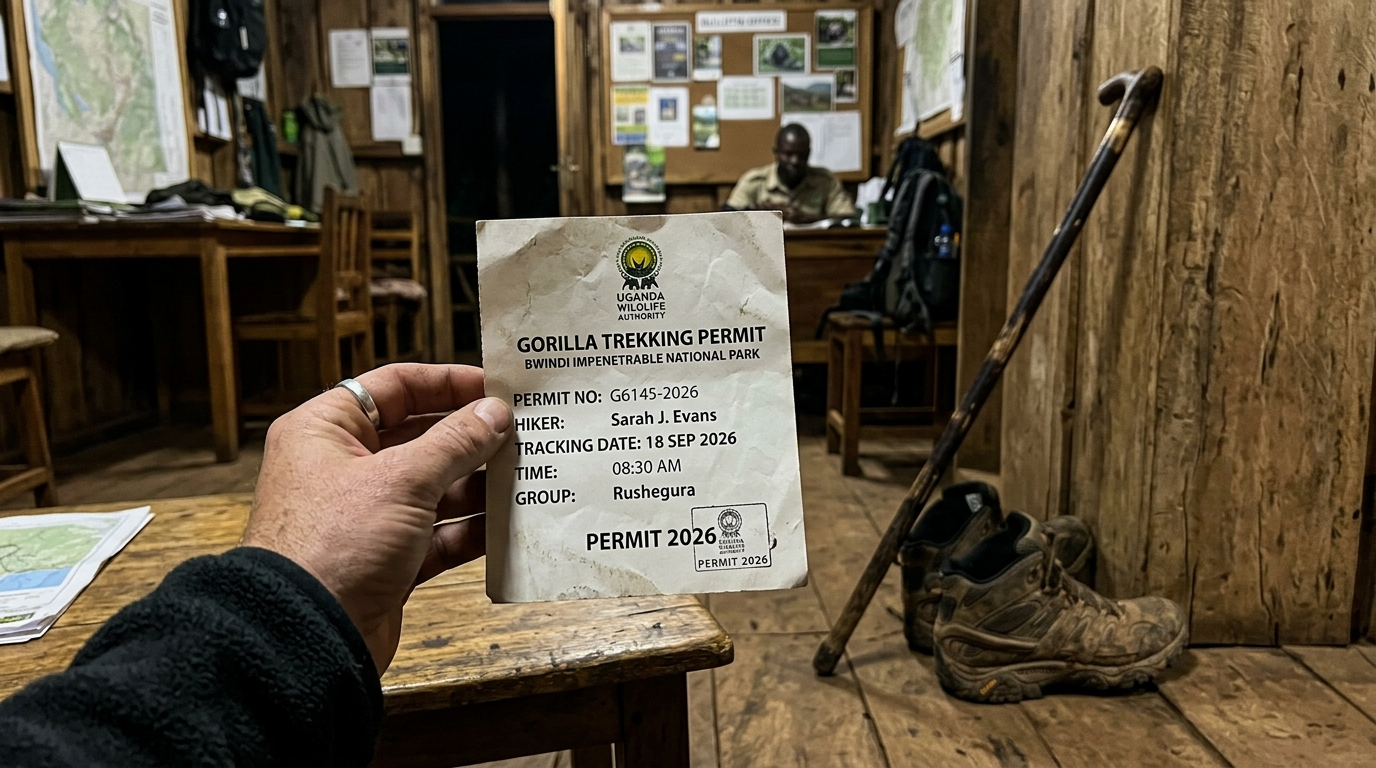
Uganda Wildlife Authority’s 2024 to 2026 tariff lists a foreign non-resident gorilla permit at US$800 source. Rwanda’s official booking portal lists mountain gorilla tracking at US$1,500 for foreigners source.
Reddit threads show travelers confused about whether these prices include taxes or additional fees, and many compare Rwanda’s $1,500 with Uganda’s $800 without factoring in the surrounding logistics costs, which can differ significantly between the two countries source.
What it means for your route: Secure permits early. They dictate your dates, your trekking sector, and therefore your accommodation and flight timing. For a full breakdown of Uganda logistics and costs, see this gorilla trekking Uganda guide.
Gorilla Habituation Experience
A longer, more specialized experience where visitors spend extended time with a gorilla group undergoing the habituation process. Uganda’s tariff lists gorilla habituation at US$1,500 for foreign non-residents source.
What it means for your route: Useful for photographers or primate enthusiasts who want more than the standard one-hour visit, but it is available only in specific sectors and is not the standard trek.
Bwindi Impenetrable National Park
Uganda’s best-known gorilla trekking destination, with multiple trekking sectors.
What it means for your route: Sector choice matters because accommodation options and drive times from the nearest airstrip depend on which sector your permit is assigned to. For more detail, see the Bwindi gorilla trekking guide.
Volcanoes National Park
Rwanda’s mountain gorilla trekking destination, located near the town of Musanze.
What it means for your route: Often logistically easier from Kigali than many Uganda gorilla routes (shorter drive), but Rwanda’s permit is nearly double the price. Read the Rwanda gorilla trekking permits and costs guide for a full comparison.
Chimpanzee Tracking
A guided primate experience focused on chimpanzees, often in Kibale (Uganda), Mahale, or Gombe (Tanzania). UWA’s tariff notes the minimum age for chimpanzee tracking is 12, lower than the 15-year minimum for gorilla trekking source.
What it means for your route: A Reddit traveler who did a 4-day Uganda gorilla add-on said they wished they had included a chimp trek too, because the short extension delivered the gorilla permit experience but not a full Uganda primate experience source.
Season and Timing Glossary
Dry Season
Months with less rainfall and generally easier wildlife viewing. In Tanzania, the main dry season runs roughly June to October. In Kenya, it is similar with a shorter dry spell in January and February.
What it means for your route: Dry season is popular, often more expensive, and can mean more vehicles in famous parks. It is not automatically the “best” time; it is the most competitive time.
Green Season
Rainier months when landscapes are lush, prices tend to be lower, and birding can be exceptional. Sometimes called “low season” or “rainy season” in marketing.
What it means for your route: Not automatically bad. Some parks are still productive, and the lower visitor numbers can improve the experience. It depends on which parks you are visiting, your tolerance for afternoon rain, and road conditions. A detailed look at timing is available in this best time for a Tanzania safari guide.
Shoulder Season
The transition weeks between high season and low season.
What it means for your route: Often a good value window with decent wildlife viewing, if roads and weather cooperate.
Migration Season
A misleading phrase unless tied to a specific region and month. The migration is a continuous, year-round cycle. Calving happens in the southern Serengeti around January to March. The western corridor movement is roughly May to June. Mara River crossings cluster around July to October. The return south is November to December.
What it means for your route: Never book a “migration safari” without confirming which migration event you are targeting and which region of the Serengeti or Mara the camp is located in. “Serengeti” is not one location; where you sleep matters far more than the lodge brand if your goal is seeing the migration.
Logistics Glossary
Fly-In Safari
A safari that uses small aircraft or regional flights to connect parks, reducing driving time between destinations.
What it means for your route: The top-ranking East Africa itinerary online explicitly uses flights to minimize travel time and fatigue between Uganda, Kenya, and Tanzania source. Fly-in safaris cost more but buy back entire days that would otherwise be lost to bumpy roads.
Road Safari
A safari using a 4x4 vehicle to drive between parks and lodges.
What it means for your route: More flexible and often cheaper, but long drives on unpaved roads create fatigue. A road safari between distant parks can mean 6 to 10 hours of driving in a single day.
Open-Jaw Flight
An international flight plan where you arrive in one airport and depart from a different one.
What it means for your route: This is one of the most useful tricks in East Africa itinerary planning. A Tripadvisor Tanzania forum response recommended flying into Kilimanjaro International Airport (JRO) and departing from Dar es Salaam (DAR) or Zanzibar (ZNZ) for a Tanzania safari plus beach plan, avoiding an inefficient return to Arusha source. Open-jaw routing can save a full transfer day.
Cross-Border Transfer
The process of moving between countries by road or air.
What it means for your route: Ask whether your itinerary includes border fees, vehicle swaps (your Tanzania vehicle cannot always cross into Kenya and vice versa), visa or eTA processing, and waiting time. A Reddit user with safari-industry experience specifically warned travelers to check whether Kenya-Tanzania quotes include border vehicle swaps source.
Transfer Day
A day primarily spent moving between destinations rather than on safari activities or at leisure.
What it means for your route: A transfer day is still a travel day, not a rest day. It may include an early departure, hours on rough roads, airstrip waits, border procedures, and arrival after dark. Do not count it as a full safari or beach day when evaluating an itinerary.
Buffer Day
A day with little or no scheduled activity, used to absorb flight delays, recover from long drives, or rest before a major experience.
What it means for your route: Build buffer days before gorilla trekking, Kilimanjaro climbs, and international departures when possible. A missed connection the day before your gorilla permit means a lost $800 to $1,500 permit with no refund.
Private Safari
A safari with a private guide and vehicle dedicated to your party.
What it means for your route: Improves pacing and flexibility, especially for families, photographers, and honeymooners. Practitioners on Reddit note that private setups prevent the frustration of being locked into group timing or rushed transfers source.
Small-Group Safari
A shared itinerary with other travelers, typically in a larger vehicle.
What it means for your route: Can reduce cost but limits flexibility on game drive duration, lunch timing, and how long you stay at a sighting.
Cost and Quote Glossary
Understanding the cost vocabulary is critical. A Reddit user identifying as an Africa safari industry participant warned travelers to check whether quotes include park fees, concession fees, Ngorongoro Crater service fees, vehicle fees, border vehicle swaps, and internal flights, noting that a roughly $6,000 per person 14-day Kenya-Tanzania-Zanzibar quote can be fair or padded depending on what is actually included source.
Park Fee
A government or park authority fee charged for entering a national park or reserve.
What it means for your route: These are charged per person per day (sometimes per 24-hour period), and they add up quickly. Always clarify whether they are included in your quote.
Concession Fee
A fee associated with staying or operating in certain protected concession areas within or adjacent to national parks.
What it means for your route: Can add significant cost, especially for Serengeti concession camps. A separate line item from the park fee.
Crater Service Fee
A vehicle and service fee charged for descending into the Ngorongoro Crater.
What it means for your route: This is one of the most commonly overlooked hidden costs in Tanzania itinerary quotes. It is separate from the Ngorongoro Conservation Area entry fee.
Included vs. Excluded
The most important section of any safari quote.
What to check: Accommodation, meals, park fees, concession fees, crater fees, gorilla permits, internal flights, airport transfers, tipping, drinks, laundry, visas, eTA, travel insurance, and medical evacuation coverage.
Per Person Sharing
Pricing based on two people sharing a room or tent. This is the standard pricing format across safari operators.
What it means for your route: If you are traveling solo, expect to pay more. See “single supplement” below.
Single Supplement
An added cost for a solo traveler occupying a room or tent alone.
What it means for your route: Can be substantial, sometimes 30% to 50% more than the per-person-sharing rate. Solo travelers should factor this in from the start.
Tipping Guideline
A suggested gratuity range for guides, drivers, porters, camp staff, and trekking teams.
What it means for your route: Tips are almost never included in the base price. Budget an additional amount (varies by trip type and operator recommendations) and bring cash in small denominations.
Visa and Travel Admin Glossary
East Africa Tourist Visa (EATV)
A joint tourist visa covering Uganda, Kenya, and Rwanda only. It is multiple-entry for tourism, valid for 90 days, costs US$100, and must be issued by the first country of entry source.
Common confusion that competitors get wrong: The name suggests it covers all of East Africa. It does not. Tanzania and Zanzibar are not included. If your East Africa itinerary includes Tanzania, you need a separate Tanzania visa.
Kenya eTA
Kenya’s electronic travel authorization, required for most travelers before arrival. Certain exemptions apply, including Kenya passport holders and citizens of East African Partner States source.
What it means for your route: Apply before you travel. Do not assume you can get it on arrival.
Tanzania Multiple-Entry Visa
For U.S. nationals visiting Tanzania for tourism, Tanzania Immigration requires a multiple-entry visa. The listed fee is US$100, and passports must have at least six months’ validity source. The U.S. State Department confirms this requirement and notes that proof of yellow fever vaccination is required for travelers arriving from countries where yellow fever is endemic, including certain long airport transits source.
What it means for your route: If your itinerary crosses into Tanzania from Kenya, Uganda, or Rwanda, confirm you have the right visa before you reach the border.
Yellow Fever Certificate
Proof of yellow fever vaccination, which may be required depending on your travel history and transit countries.
What it means for your route: Even a long layover in an endemic country can trigger the requirement. Check before you book your international flights.
Zanzibar Inbound Travel Insurance
A mandatory insurance requirement for foreign visitors entering Zanzibar, effective since October 1, 2024 source.
What it means for your route: This applies even if you already have private travel insurance. Reddit threads after the policy launch show travelers confused by payment friction and frustrated that the mandatory policy overlaps with their existing coverage source. Check the official Zanzibar government source for current requirements before departure.
Health and Malaria Prevention
The CDC recommends malaria prevention medication for travelers visiting certain areas of Kenya, including game parks below 2,500 meters source. Similar guidance applies for Tanzania, Uganda, and Rwanda.
What it means for your route: Consult a travel medicine clinician well before departure. This glossary is not medical advice.
Beach and Coast Glossary
Zanzibar Add-On
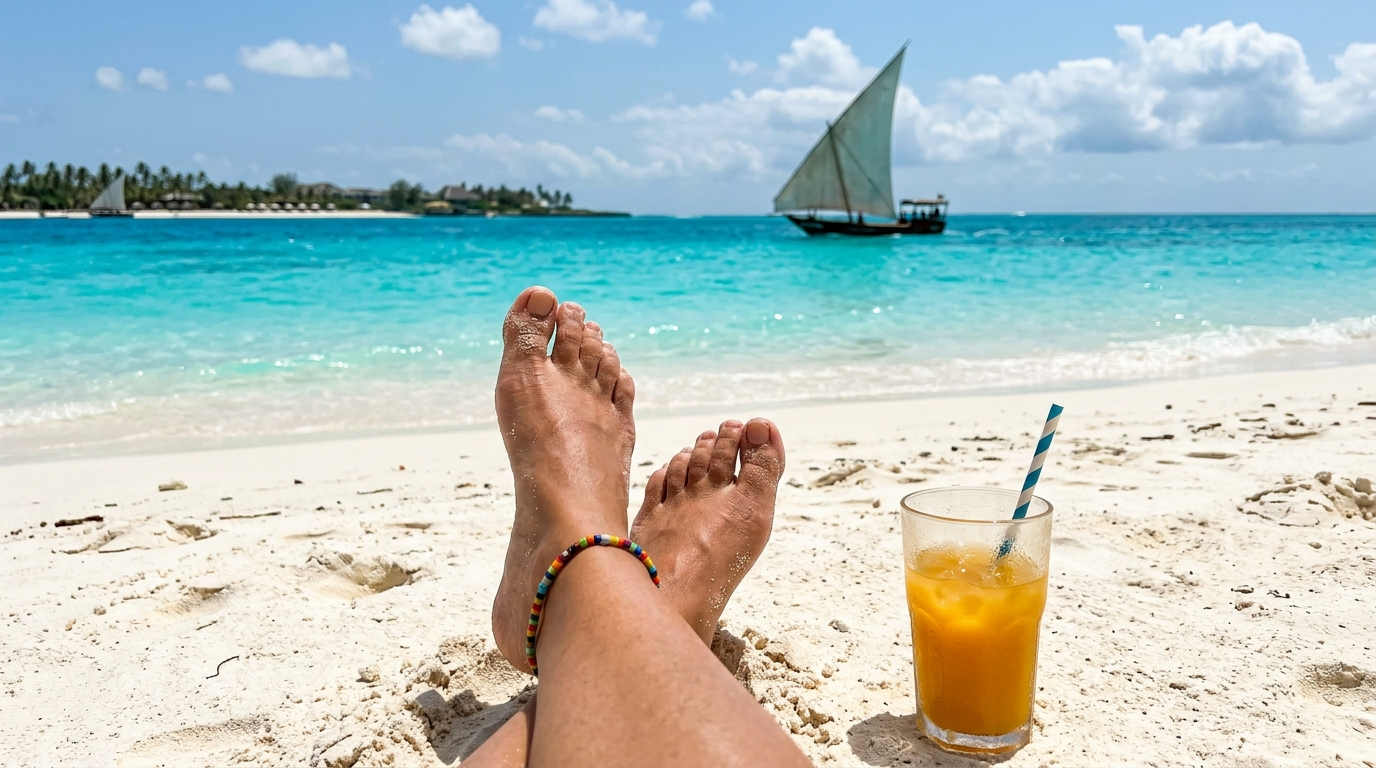
A post-safari beach stay on Zanzibar, typically 2 to 4 nights.
What it means for your route: Best placed at the end of the itinerary for physical and mental recovery after early safari mornings and long game drives.
Stone Town
The historic urban center of Zanzibar, known for its architecture, spice markets, and food scene. Worth 1 to 2 nights before or after beach time. See the Stone Town travel guide for specifics.
Pangani
A quieter mainland Tanzania coast option north of Dar es Salaam.
What it means for your route: Useful for travelers who want Swahili Coast atmosphere without defaulting to Zanzibar, and it avoids the Zanzibar mandatory insurance requirement.
Saadani
A coastal Tanzania national park offering a combined beach-and-bush experience.
What it means for your route: The only national park in East Africa on the Indian Ocean coast. A good option for travelers who want wildlife and coast in one stop without flying to Zanzibar.
Diani
A Kenya south coast beach destination.
What it means for your route: Often paired with Kenya-based safari itineraries as the beach recovery stage.
Sample East Africa Itinerary Routes
10-Day Tanzania Safari and Zanzibar
Route concept: Day 1 Arusha. Days 2 to 3 Tarangire and Lake Manyara. Day 4 Ngorongoro Crater. Days 5 to 7 Serengeti. Days 8 to 10 Zanzibar.
This is the most popular East Africa itinerary structure for first-timers and honeymooners. It works well because it stays in one country, uses established logistics, and ends with beach decompression. For maximum efficiency, use a Serengeti-to-Zanzibar flight rather than driving back to Arusha. For a full planning breakdown, see Tanzania safari itineraries and costs.
14-Day Tanzania and Uganda Gorillas
Route concept: Days 1 to 7 Tanzania Northern Circuit. Day 8 fly to Entebbe or Kigali. Days 9 to 11 gorilla trekking base, trek, and buffer. Days 12 to 14 optional chimp tracking, Lake Bunyonyi, or return travel.
This is the right format for travelers who want classic savannah plus rare primates. Remember: Uganda’s foreign non-resident gorilla permit is $800 and Rwanda’s is $1,500, but total trip costs differ beyond the permit price.
14-Day Kenya and Tanzania Safari
Route concept: Nairobi. Maasai Mara (3 to 4 nights). Cross to Serengeti (2 to 3 nights). Ngorongoro (1 to 2 nights). Arusha or Zanzibar.
Use this route when you have a specific migration goal that benefits from seeing both sides of the ecosystem, or when you have enough time for both countries. If you only have 8 to 10 days, pick one side.
13 to 14-Day Gorillas, Safari, and Beach
Route concept: Uganda or Rwanda gorillas. Kenya or Tanzania safari. Zanzibar or Diani beach.
This is the premium, logistics-heavy version of an East Africa travel itinerary. It is possible in under two weeks, but it requires flights between segments and a willingness to maintain a steady pace. A Reddit trip report confirms a 13-day version worked with substantial travel-agent support source.
Questions to Ask Before Booking an East Africa Itinerary
Before accepting any quote, run through this list:
-
Are all park fees included?
-
Are concession fees included?
-
Are Ngorongoro Crater service and vehicle fees included?
-
Are gorilla permits included, and for which country, date, and sector?
-
Are domestic and regional flights included?
-
Are airport transfers included?
-
Is the safari private or shared?
-
What exact vehicle type is used?
-
Are border transfers handled by one vehicle or do vehicle swaps happen at the border?
-
Are tips included or separate?
-
Are visas, Kenya eTA, Zanzibar insurance, and travel insurance excluded?
-
Is there a buffer day before gorilla trekking or the international flight home?
-
What happens if a flight delay causes a missed permit or activity?
-
What luggage limits apply to bush flights?
-
Are cultural visits private and community-led, or are they staged group stops?
This checklist directly addresses concerns surfaced in Reddit safari planning threads, where an industry participant warned that “midrange” quotes can vary dramatically depending on which of these items are included or excluded source.
If you have a draft East Africa itinerary and want a second opinion on route logic, hidden transfer days, or missing fees, sharing it with an East Africa specialist is worth the conversation before you commit a deposit.
Final Takeaway
The best East Africa itinerary is not the one with the most countries or the longest list of parks. It is the route that matches your anchor experience, your travel month, your permit availability, and your honest tolerance for transfer days.
Start with one anchor. Add one secondary experience. Protect your buffer days. Ask the checklist questions. Then, and only then, does the itinerary start to come together.
Frequently Asked Questions
How many countries can I visit on a 14-day East Africa itinerary?
Two countries plus a beach add-on is the comfortable maximum for 14 days. Three countries are possible with flights between each segment, but community discussions consistently warn that the pace can feel rushed when you add gorillas, savannah safari, and beach into a two-week window. Choose two anchors and do them properly.
Does the East Africa Tourist Visa cover Tanzania?
No. The East Africa Tourist Visa covers Uganda, Kenya, and Rwanda only, costs US$100, and is valid for 90 days source. Tanzania requires a separate visa. For U.S. nationals, that is a multiple-entry visa at US$100 source. This is one of the most common misconceptions in East Africa trip planning.
Is a gorilla permit the same as a gorilla trekking trip?
No. A gorilla permit is the official authorization to join a trek. The total cost of a gorilla experience also includes accommodation near the trekking site, transport, guide and porter fees, possible domestic flights, and pre and post trek nights. Uganda’s permit is $800 for foreign non-residents; Rwanda’s is $1,500.
When is the best time for an East Africa safari itinerary?
There is no single best time because it depends on your anchor experience. For Mara River crossings, target July to October in the northern Serengeti or Maasai Mara. For calving season, go January to March on the southern Serengeti plains. For gorilla trekking, year-round is possible, though June to September and December to February tend to have drier trekking conditions. For beach, avoid the heavy rains of April and May.
What is an open-jaw flight and why does it matter?
An open-jaw flight means flying into one airport and home from a different one. For example, flying into Kilimanjaro International Airport and departing from Zanzibar. This avoids backtracking to your starting city at the end of the trip and can save a full transfer day. Experienced travelers on Tripadvisor forums specifically recommend open-jaw routing for Tanzania safari-plus-beach itineraries source.
What hidden costs surprise travelers the most?
Park fees, concession fees, and Ngorongoro Crater service fees are the most commonly overlooked. These are often listed as “excluded” in midrange quotes but not flagged clearly. Internal flights, border vehicle swaps, and gorilla permit logistics also add costs that may not be obvious in a headline price.
Can I plan an East Africa itinerary myself or do I need an operator?
A single-country, road-based safari in Kenya or Tanzania can be booked independently with research and a good local driver-guide. Multi-country itineraries involving gorilla permits, cross-border transfers, domestic flights, and tight seasonal timing are significantly harder to coordinate solo. The more moving pieces your itinerary has, the more an experienced East Africa operator earns their fee.
Is Zanzibar worth adding to an East Africa safari itinerary?
For most travelers, yes, especially if the trip is 10 days or longer. Two to four nights of beach time after a safari provides genuine physical recovery and a completely different cultural experience. Just be aware of the mandatory Zanzibar inbound travel insurance policy for foreign visitors, effective since October 2024 source.