

When to See the Great Migration: 2026 Safari Guide
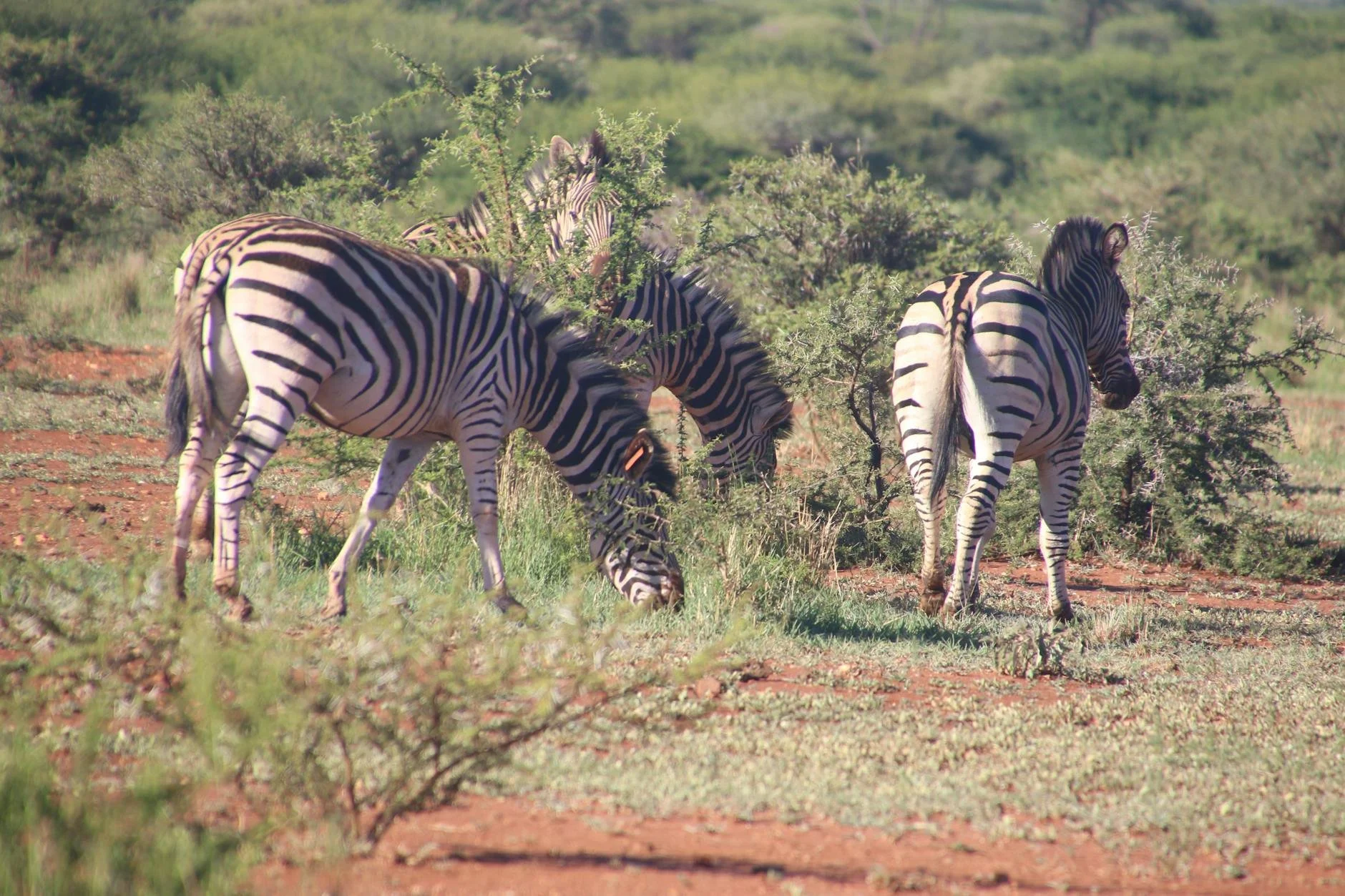
Imagine over a million wildebeest, hundreds of thousands of zebras, and a sea of gazelles on a relentless journey across the plains of East Africa. This isn’t a scene from a documentary, it’s the raw, unfiltered reality of the great migration, one of the most spectacular wildlife events on Earth. This guide breaks down everything you need to know about this incredible phenomenon, from its ancient rhythms to how you can witness it yourself.
2026 Great Migration Calendar: At a Glance
If you are planning your 2026 safari, use this table to align your dates with the herd's location.
|
Month |
Region |
Key Event |
Wildlife Activity |
|
Jan – Mar |
Southern Serengeti (Ndutu) |
Calving Season |
8,000 births/day; High predator action |
|
Apr – May |
Central & Western Serengeti |
The Trek Begins |
Massive moving columns; heavy rains |
|
June |
Western Corridor |
Grumeti Crossing |
River crossings; less crowded than Mara |
|
July – Sept |
Northern Serengeti / Mara |
The Big Crossing |
Iconic Mara River leaps; Peak drama |
|
Oct – Nov |
Maasai Mara to Serengeti |
The Return |
Herds move south; short rains begin |
|
December |
Eastern & Southern Serengeti |
Regrouping |
Grasslands turn green; herds settle |
What is the Great Migration? An Overview
At its heart, the great migration is the continuous, circular journey of immense herds of herbivores across the Serengeti and Maasai Mara ecosystem. It is a cast of millions, led by over 1.5 million wildebeest, accompanied by around 250,000 zebras and 300,000 gazelles. Every year, these animals trek roughly 800 kilometers (or 500 miles) in a clockwise loop, driven by the eternal search for fresh grass and water.
This is not a casual stroll. It’s a year round pilgrimage fraught with danger. Each year, an estimated 250,000 wildebeest and 30,000 zebras perish from predation, thirst, exhaustion, or drowning. Yet, this cycle of life and death is the very heartbeat of the ecosystem, supporting one of Africa’s largest predator populations and ensuring the renewal of the savannah. Its sheer scale has earned it a place as one of Africa’s Seven Natural Wonders.
What Drives the Great Migration?
The primary driver of this incredible movement is simple: survival. The herds are constantly chasing the rains. The climate of the Serengeti is defined by wet and dry seasons, and the timing of the rainfall dictates where the most nutritious grass will be. The animals’ instincts are finely tuned to these weather patterns. As the long rains from March to May breathe life into the plains, the grass flourishes.
When these grasses are depleted and an area begins to dry up, the herds instinctively move on, following the promise of rain and fresh grazing elsewhere. This constant movement ensures they have the resources to survive, mate, and give birth, continuing a cycle that has played out for millennia.
The Great Migration Route: A Never Ending Loop
The route of the great migration is a vast, unfenced loop spanning over 25,000 square kilometers of northern Tanzania and southern Kenya. For a visual breakdown of where and when the herds move, see Mapping the Migration. Because there are no fences between Tanzania’s Serengeti National Park and Kenya’s Maasai Mara National Reserve, the animals can follow their ancient migratory paths unhindered.
The journey generally follows a clockwise direction:
-
The herds start the year in the southern Serengeti plains for the calving season.
-
They then move west and north through the Serengeti’s central plains and Western Corridor.
-
Next, they head north to cross into Kenya’s Maasai Mara.
-
Finally, they circle back south into the Serengeti as the rains return there.
Along the way, they face two legendary and perilous obstacles: the Grumeti River in the Serengeti and the even more formidable Mara River at the Tanzania Kenya border. These river crossings are home to enormous Nile crocodiles and are among the most dramatic and dangerous stages of the entire journey.
When is the Best Time to See the Great Migration?
This is a common question, but the simple answer is that the migration is a year round event. The best time to go depends entirely on what you want to experience. For broader seasonal planning beyond the migration, see how to choose the best time for your African safari. Since the animals are always on the move, different months offer unique spectacles in different locations.
-
For Newborn Calves: Visit the Southern Serengeti from January to February. This is the calving season, where up to 500,000 wildebeest are born within just a few weeks.
-
For Dramatic River Crossings: The ultimate action happens from July to September. This is when the herds face the crocodile infested Mara River in the Northern Serengeti and Maasai Mara.
-
For a Quieter Crossing: In June, you might catch the herds crossing the Grumeti River in the Western Serengeti, a thrilling event with fewer crowds.
It’s crucial to remember that the timing can shift slightly each year based on rainfall. Flexibility is your best friend when planning a great migration safari.
A Month by Month Guide to the Great Migration
While nature never follows a precise calendar, this timeline gives you a general idea of where the herds are and what they’re doing throughout the year.
November to December: The Herds Return South
As the short rains begin around November, the parched southern Serengeti plains turn green. This is the signal for the herds, which have been grazing in Kenya’s Maasai Mara, to begin their long journey south. You’ll see long columns of wildebeest and zebra moving back into Tanzania to feast on the fresh, nutritious grass, building their strength for the coming calving season.
January to March: The Calving Season
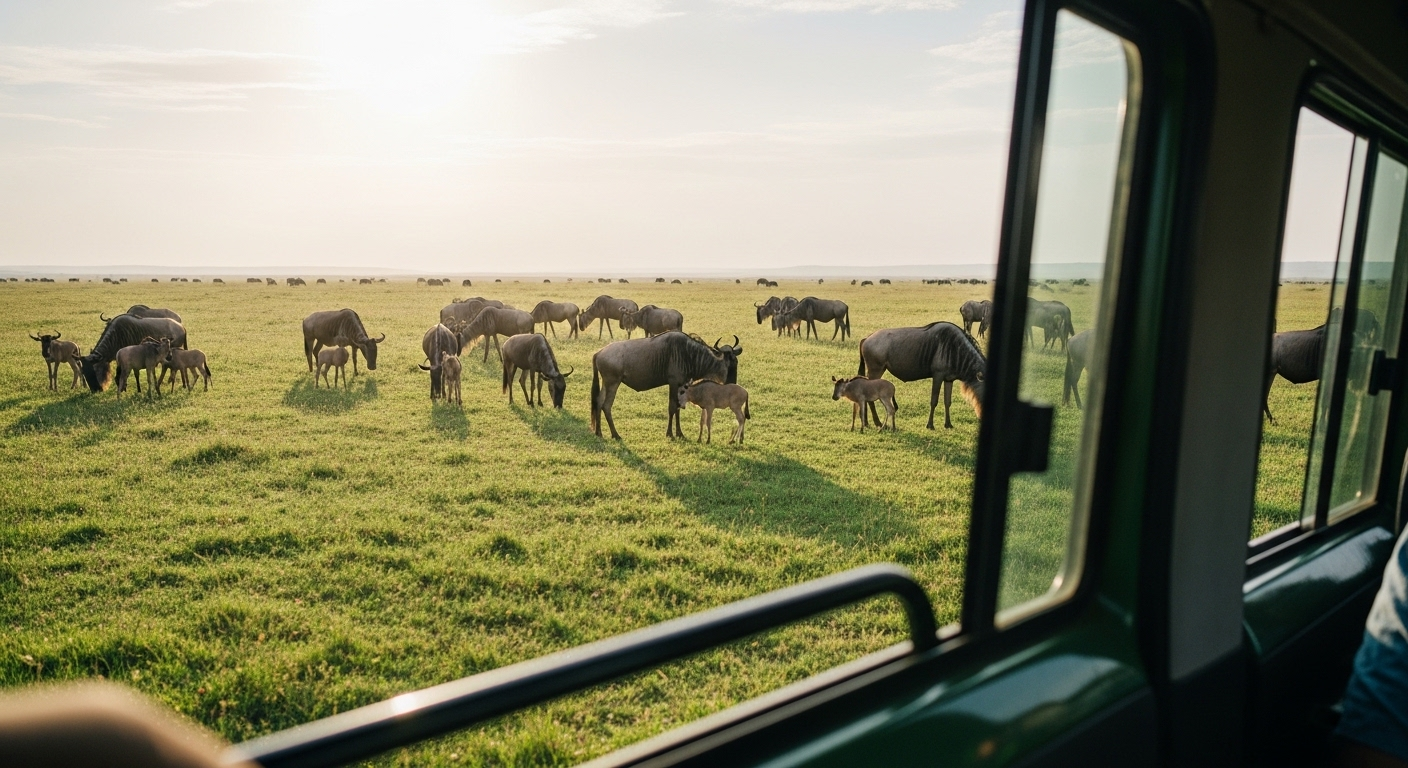
The southern Serengeti and the Ndutu region become the world’s largest nursery. From late January through March, an incredible 400,000 to 500,000 wildebeest calves are born. At its peak, there can be up to 8,000 births per day. This synchronized birthing is a survival strategy; with so many newborns, predators can’t possibly get to them all. This period offers incredible scenes of new life and, inevitably, dramatic predator action as lions, cheetahs, and hyenas take advantage of the easy prey.
April to May: The Journey to the Western Corridor
By April, the southern plains have been grazed down, and the long rains are in full swing. The herds begin their trek northwest, moving through the central Serengeti (Seronera) toward the Western Corridor. In May, the wildebeest mating season, known as the rut, kicks into high gear. The air fills with the sounds of bulls competing for females, ensuring the next generation of the great migration.
June: Grumeti River Crossings and The Rut
June is a fantastic transitional month. The herds congregate in the Western Corridor, where they face their first major challenge: the Grumeti River. This river is home to some of Africa’s largest Nile crocodiles, making for a tense and exciting crossing. While not as famous as the Mara, the Grumeti crossings are still a spectacular and often more intimate sight. The rut also continues, offering a noisy, action packed spectacle.
July to September: The Famous Mara River Crossings
These are the blockbuster months of the great migration. The herds arrive in the northern Serengeti and face their ultimate test: the Mara River. This is the scene many people dream of, thousands of wildebeest plunging into the churning, crocodile filled water. The crossings are chaotic, frantic, and utterly unforgettable. The herds cross back and forth between the northern Serengeti and the Maasai Mara in Kenya, following the best grazing. This is peak safari season for a reason; the drama is non stop.
October: The Journey Home Begins
The grasses of the Maasai Mara are wearing thin, and the scent of rain is on the wind from the south. In October, the great herds begin their return journey. They leave Kenya, often crossing the Mara River one last time, and head back down through the northern and central Serengeti. The cycle is poised to begin all over again.
Key Serengeti Regions in the Great Migration
Each part of the Serengeti ecosystem plays a crucial role in this epic journey.
Southern Serengeti: The Nursery
These vast, short grass plains, enriched by volcanic ash, are the birthing grounds. From December to March, this area is teeming with life, hosting the massive herds and their newborns. But when the dry season hits, the plains empty out almost completely as the animals move on. For an immersive on-foot perspective during calving, consider a walking safari in Ndutu.
Central Serengeti: The Year Round Hub
Known as Seronera, this region has permanent water sources, making it a fantastic wildlife destination any time of year. It boasts one of Africa’s densest populations of big cats. During the migration, it serves as a crucial corridor, and the sight of the herds moving past its iconic rock outcroppings, or kopjes, is breathtaking.
Western Corridor: The First Gauntlet
This arm of the Serengeti is defined by the Grumeti River and its forests. It’s a lush, wild region that becomes the stage for the first dramatic river crossings of the migration season around June. The enormous crocodiles that lie in wait here are a legendary part of the great migration story.
Northern Serengeti: The Grand Stage
Remote, rugged, and beautiful, the Northern Serengeti is home to the most famous chapter of the migration: the Mara River crossings. From July to October, this area is the epicenter of the action. Its rolling hills and riverbanks provide the dramatic backdrop for life and death struggles that define this incredible spectacle.
How to See the Great Migration on Safari
Witnessing the great migration is a bucket list dream for many. Here’s how to make it a reality. For curated route ideas and camp suggestions, browse our Top Serengeti Safari Tours.
-
Plan Around the Seasons: Decide which phase of the migration you want to see, whether it’s the adorable newborns or the thrilling river crossings, and book your safari for the right location at the right time.
-
Allow Enough Time: Nature keeps its own schedule. Plan to spend at least 3 to 4 days in a key migration area to maximize your chances of seeing major action, as herds can gather for days before deciding to cross a river.
-
Go with Expert Guides: The Serengeti is vast. A knowledgeable local guide is your greatest asset. They track herd movements and know the best places to be. Companies like Duma Explorer specialize in creating custom safaris that put you in the right place at the right time. Learn more about what to expect on safari with Duma.
-
Choose Your Experience: Do you prefer the relative peace of the calving season or the adrenaline of a river crossing? Consider a mobile camp that moves with the herds or a hot air balloon safari for a bird’s eye view. You can also unwind after your safari on the Indian Ocean islands.
-
Consider Peak vs. Shoulder Season: Peak months (June to September) offer incredible action but come with more crowds and higher prices. Shoulder seasons (like November or early June) can provide a great balance of fantastic sightings with fewer vehicles.
Expert Tactics to Avoid the 2026 Crowds
The Great Migration is no longer a secret. In 2026, the popular crossing points can become congested with vehicles. To ensure a more "private" experience, consider these expert tips:
-
The "Reverse" Migration: Look for herds moving south in October/November. The drama is high, but the tourist numbers drop by 40%.
-
Private Concessions: Stay in private conservancies bordering the Maasai Mara or the Grumeti Reserve. You get off-road driving privileges that national parks don't allow.
-
Fly-in Safaris: Use bush planes to reach the Northern Serengeti directly. It saves 8 hours of bumpy driving and puts you at the riverbanks before the day-trip crowds arrive.
Tips for Your Great Migration Safari
A little preparation goes a long way in making your trip unforgettable.
-
Book in Advance: Prime lodges and camps, especially for river crossings or calving, can be fully booked more than a year in advance. Plan early to secure the best spots and review current Tanzania park fees to budget accurately.
-
Pack Smart: Dress in layers with neutral colors (khaki, green, brown). Mornings are chilly, while afternoons can be hot. A hat, sunscreen, and sunglasses are essential. In the rainy season, a waterproof jacket is a must.
2026 Safari Tech Essentials
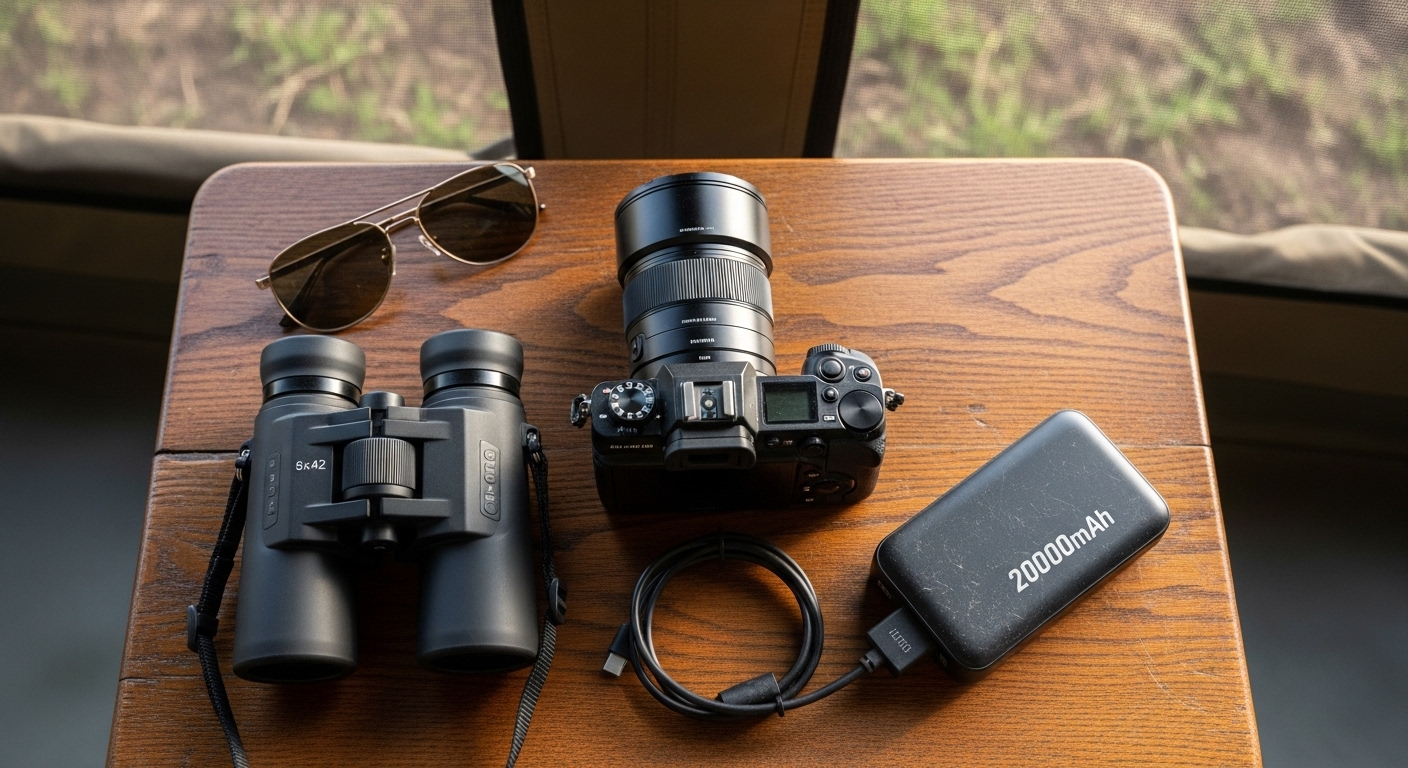
-
High-MP Mirrorless Camera: 2026 standards favor high-resolution video. A body with "Animal Eye AF" (Auto Focus) is a game-changer for fast-moving river crossings.
-
Binoculars (8x42): Don't rely solely on your camera lens. Shared binoculars are a thing of the past; bring your own for every family member.
-
Power Banks & International Adapters: While many 2026 camps are solar-powered, a 20,000mAh power bank ensures your devices stay charged during long days in the bush.
-
-
Bring the Right Gear: A good camera with a telephoto lens (300mm or more is ideal) is crucial for capturing the action. Don’t forget extra batteries and memory cards. A pair of binoculars is also indispensable for every traveler.
-
Prepare for Raw Nature: The great migration is beautiful, but it’s also a story of survival. Be prepared to witness the entire circle of life, including predator hunts and the dangers of the journey. It’s a powerful and humbling experience.
-
Leverage Local Expertise: Don’t hesitate to lean on the knowledge of your safari operator. A specialist like Duma Explorer can handle all the complex logistics, from park permits to bush flights, allowing you to simply immerse yourself in the wonder of it all. To start planning your own adventure, you can get in touch with their safari experts.
Frequently Asked Questions About the Great Migration
Does the Great Migration ever stop?
No, it’s a continuous, year round cycle. While specific events like the river crossings happen during certain months, the herds are always on the move somewhere within the Serengeti and Maasai Mara ecosystem.
Which country is better for the Great Migration, Tanzania or Kenya?
Both are incredible. Tanzania hosts the migration for about nine months of the year, including the entire calving season and the Grumeti crossings. Kenya’s Maasai Mara offers a concentrated viewing experience of the Mara River crossings from roughly July to October. For a comprehensive experience, many travelers visit both.
How dangerous are the river crossings?
They are extremely perilous for the animals. The rivers can have strong currents, steep, slippery banks, and are home to some of Africa’s largest Nile crocodiles. Thousands of wildebeest die each year during these crossings.
Can you guarantee I will see a river crossing?
No one can guarantee it. The wildebeest are unpredictable and may wait for days at a riverbank before crossing, or they might cross several times in one day. The key is patience and spending enough time in the area to increase your odds.
Is a Great Migration safari suitable for families?
Absolutely. Witnessing the great migration is a life changing educational experience for all ages. However, be prepared to discuss the “circle of life” with children, as predator hunts and other raw nature moments are common. Many lodges and operators, including Duma Explorer, are experienced in crafting family safari itineraries.