

Gorilla Trekking Packing List 2026: Exactly What to Pack
TL;DR
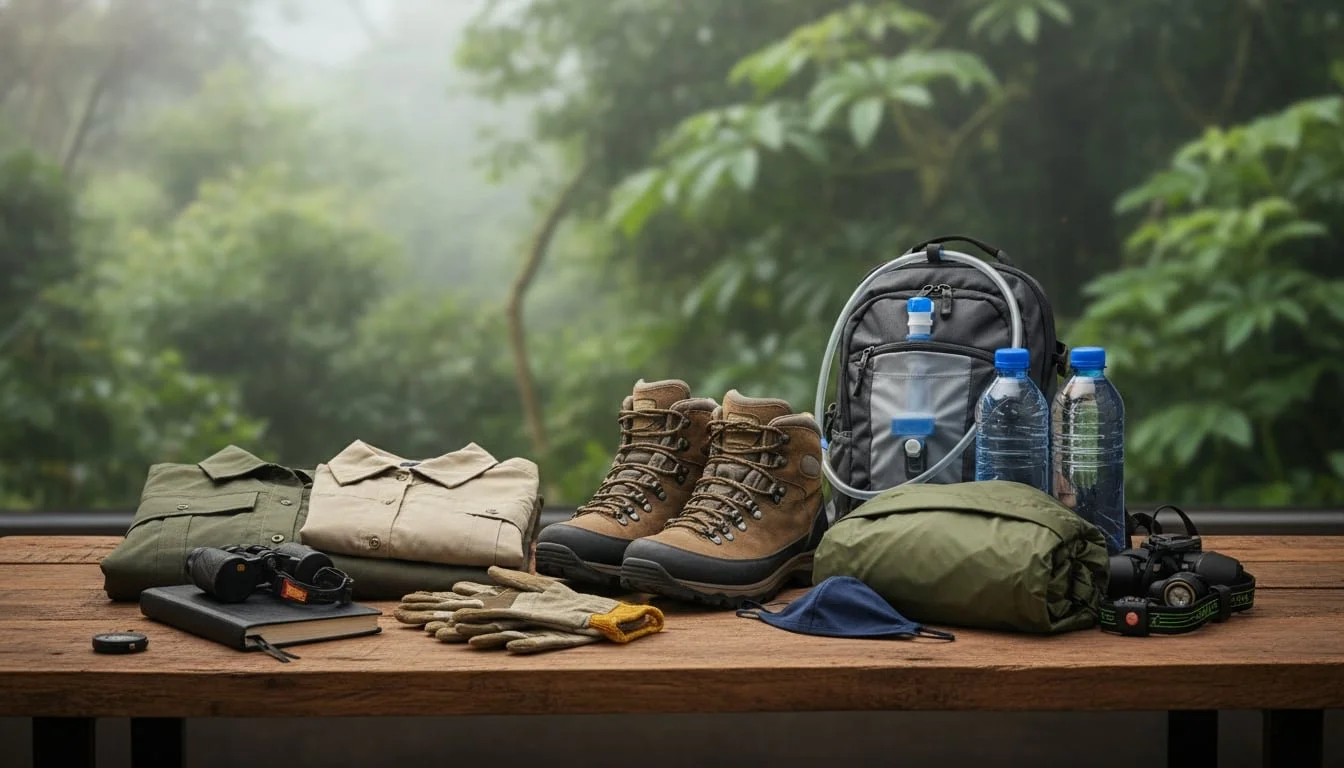
Your gorilla trekking packing list comes down to six essentials: waterproof hiking boots with ankle support, long-sleeve layers in neutral colors, a rain jacket, gardening gloves for stinging nettles, a small daypack with two liters of water, and a mask for your viewing hour near the gorillas. Everything else is secondary. If you’re trekking in Rwanda, leave all plastic bags at home because they’ll be confiscated at the airport.
At a Glance: The 2026 Gorilla Trekking Essential Checklist To ensure a successful trek in Uganda or Rwanda, prioritize these items: Footwear: Waterproof hiking boots with high ankle support (broken in). Hand Protection: Durable gardening gloves (essential for stinging nettles). Legwear: Long trekking pants tucked into tall socks (prevents safari ants). Upper Layers: Moisture-wicking long sleeves and a lightweight rain shell. Gear: 15–25L waterproof daypack with a rain cover. Health: Two PFC-free face masks for gorilla viewing. Pro-Tip: Pack reusable dry bags instead of plastic; plastic bags are illegal in Rwanda.
What a gorilla trekking packing list actually is (and why it’s not a safari list)
A gorilla trekking packing list is the specific set of clothing, gear, documents, and health items you need for a day hike to see habituated mountain gorillas in Uganda’s Bwindi Impenetrable National Park, Uganda’s Mgahinga, or Rwanda’s Volcanoes National Park. It exists because the conditions on a gorilla trek are nothing like a standard game-drive safari.
On safari, you sit in a vehicle. On a gorilla trek, you hike through equatorial rainforest for anywhere from two to eight hours, pushing through mud, climbing steep slopes, and brushing past stinging nettles and thorny vegetation. The altitude matters too. Bwindi sits between 1,160 and 2,607 meters, while Volcanoes National Park ranges from 2,400 to 4,507 meters. Mornings start cool and damp, rain can arrive any month, and the forest canopy keeps trails wet even on “dry” days.
That combination of altitude, mud, dense vegetation, and unpredictable weather is why generic safari packing advice falls short. Your gorilla trek daypack needs to be tight, specific, and built around the actual conditions underfoot.
The non-negotiables: boots, long layers, rain shell, gloves, socks, daypack
These six categories are not optional. Skip any of them and the trek gets harder, less comfortable, or both.
Footwear
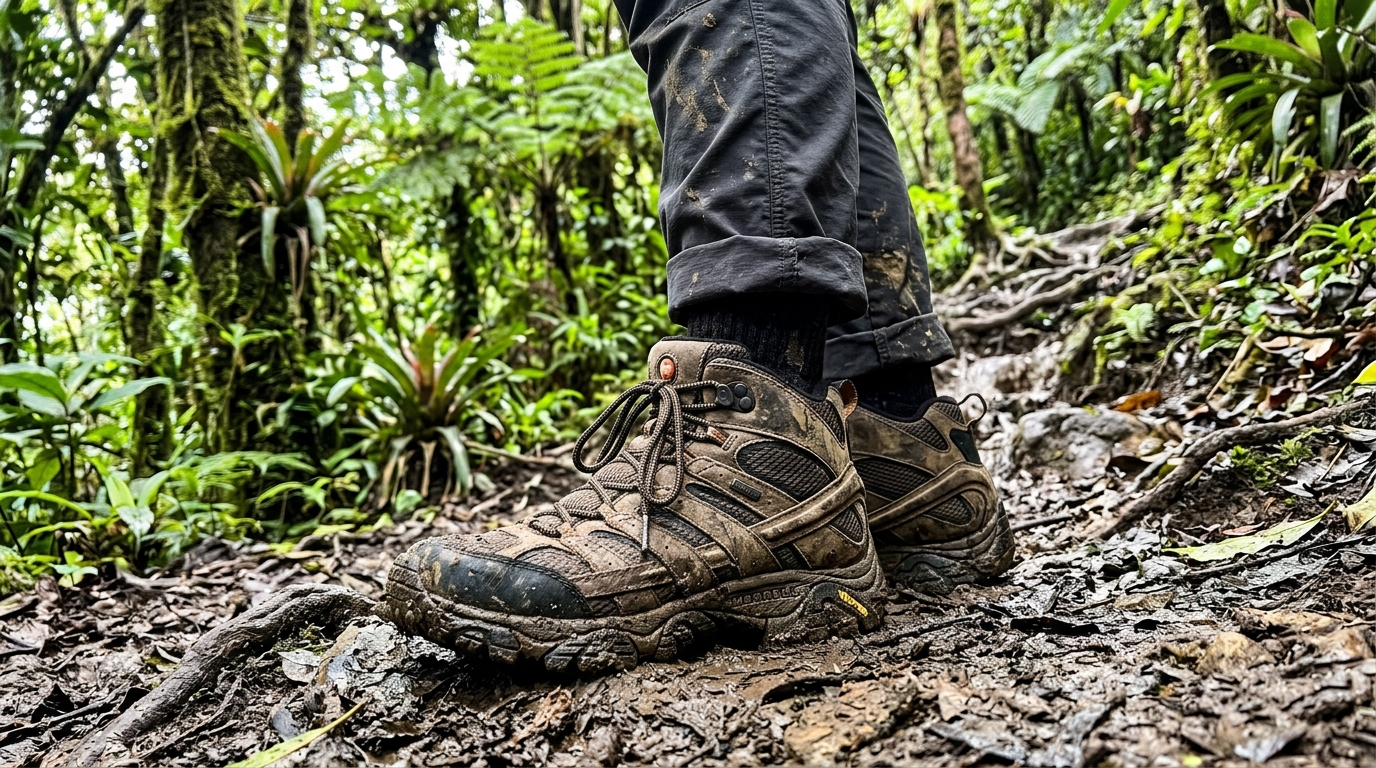
Waterproof hiking boots with ankle support, already broken in. This is the single most important item on your packing list for gorilla trekking. Trails are steep, muddy, crossed with slippery roots, and often without clear paths. Waterproofing matters because your feet will be in mud. Ankle support matters because one twisted ankle ends the trek. And “broken in” matters because blisters at 2,500 meters in a rainforest are miserable.
A quick way to remember it: Ankle support, Broken in, Cleat grip for mud. If your boots don’t check all three, get different boots.
Optional: pack sandals or camp shoes for the lodge afterward. Your boots will be filthy.
Clothing
-
Long-sleeve, breathable top and long trekking pants in neutral colors. Earth tones, greens, khakis, or dark blues. Avoid bright whites and animal prints. Camouflage clothing should be avoided entirely, as some East African countries restrict civilians from wearing it. Long coverage protects against nettles, thorns, and insects.
-
Lightweight waterproof rain jacket. Carry this every single trek, regardless of season. Showers hit without warning in montane rainforest.
-
Fleece or light mid-layer. Mornings at altitude are chilly. Once you start hiking, you warm up quickly, so this goes in the daypack.
-
Tall hiking socks. Tuck your pants into your socks. This looks silly. It also stops safari ants from climbing up your legs, which practitioners on Reddit confirm is a real and unpleasant problem.
-
Gardening or work gloves. This is the item most first-timers question and most returning trekkers swear by. Stinging nettles line the trails in Bwindi and Volcanoes. You will grab vegetation to steady yourself on slopes. Gloves protect your hands from painful stings, and they cost almost nothing. Bring them.
-
Gaiters (knee-high preferred). Not cosmetic. In wet months, gaiters keep mud and water out of your boots and your trouser bottoms dry. More on when to add these in the seasonal section below.
-
Hat and sunscreen. Some trail sections break out of the canopy.
Quick-dry, synthetic fabrics are the right call throughout. Heavy cotton jeans hold water, chafe, and take forever to dry. Leave them at the lodge.
Comparison: Essential Gear vs. Optional Extras
|
Item |
Necessity |
Why You Need It |
|
Hiking Boots |
Non-Negotiable |
Prevents ankle rolls on 45° muddy slopes. |
|
Gardening Gloves |
Critical |
Protection against "Mountain Devil" stinging nettles. |
|
Rain Jacket |
Critical |
Rainforest weather changes in under 10 minutes. |
|
Gaiters |
Recommended |
Keeps mud and "bites" out of your boots. |
|
Walking Stick |
Optional |
Usually provided for free at the trailhead. |
|
Porter Services |
Highly Recommended |
Supports local economy and eases the hike. |
The daypack
A 15 to 25 liter waterproof daypack is plenty. This is what goes in it on trek morning (and nothing more).
Day-of checklist: what goes in your small pack
Keep this tight. Aim for under 3 kilograms total to reduce fatigue on steep ground. Porters are available on-site (paid locally, in cash), and practitioners on Reddit report that they’re worth it not just for carrying weight but for physically stabilizing you on slippery slopes.
Here’s the complete day-of gorilla trekking checklist:
-
2 liters of water (bottle or hydration bladder)
-
Packed lunch and snacks (you’ll eat these away from the gorillas, never near them)
-
Rain jacket (if not already wearing it)
-
Packable warm layer (fleece or light insulating jacket)
-
Gloves
-
Gaiters (wet season especially)
-
Camera or phone with flash disabled, plus spare batteries in a dry sack
-
Two masks (one to wear, one spare)
-
Hand sanitizer
-
Small tissue pack
-
Personal medications, blister care kit, and electrolyte packets
-
Reusable dry bags or stuff sacks (not plastic shopping bags)
-
Passport or ID copy and gorilla permit (your operator typically carries the originals, but bring a copy)
-
Small bills in local currency for tipping guides, trackers, and porters
That’s the full gorilla trekking daypack list. If an item isn’t on this list, it probably belongs at the lodge.
Park rules that change what you pack
Several official regulations directly affect your packing list for gorilla trekking. These aren’t suggestions.
Distance and group size
Uganda’s current conservation tariff (2024 to 2026) specifies that trekkers must maintain a minimum distance of 10 meters (about 33 feet) from gorillas. A maximum of eight visitors are allowed with a gorilla family at one time. Rwanda enforces a similar separation; you’ll receive a detailed briefing at park headquarters before setting out.
Packing implication: you don’t need enormous telephoto lenses. Gorillas are close. In fact, trekkers on Reddit note that gorillas sometimes wander closer than the 10-meter rule. When that happens, you hold still. Rangers manage the spacing.
No flash photography
This is explicitly banned by the Uganda Wildlife Authority and enforced in Rwanda. Turn off your flash before you leave the trailhead. Check your phone settings too, because many phones have auto-flash enabled by default.
Masks
Trekkers are commonly required to wear face masks during the one-hour viewing period near the gorillas. Mountain gorillas are susceptible to human respiratory diseases, and masks reduce transmission risk. Follow your ranger’s current instructions. Pack at least two masks in case one gets wet or muddy on the hike in.
No eating or drinking near gorillas
You will stop for lunch and snacks away from the gorilla family. Eating and drinking are not permitted during the viewing hour. Pack food that’s easy to eat quickly during rest stops on the trail.
Rwanda’s plastic bag ban
This one catches travelers off guard. Rwanda enforces a nationwide ban on plastic shopping bags, and they will be confiscated at the airport on arrival. Do not pack plastic grocery bags, ziplock-style shopping bags, or single-use plastic wrapping. Use reusable dry bags, stuff sacks, or cloth bags instead. This is not a park rule. It’s a national law.
Drones
Drones require formal permits and are generally not allowed in national parks without prior authorization from the relevant civil aviation and park authorities. Assume the answer is “no” unless you have written clearance.
For a deeper look at Rwanda-specific preparation beyond packing, including permits and logistics, see our guide to preparing for Rwanda gorilla trekking.
Dry vs. wet season tweaks
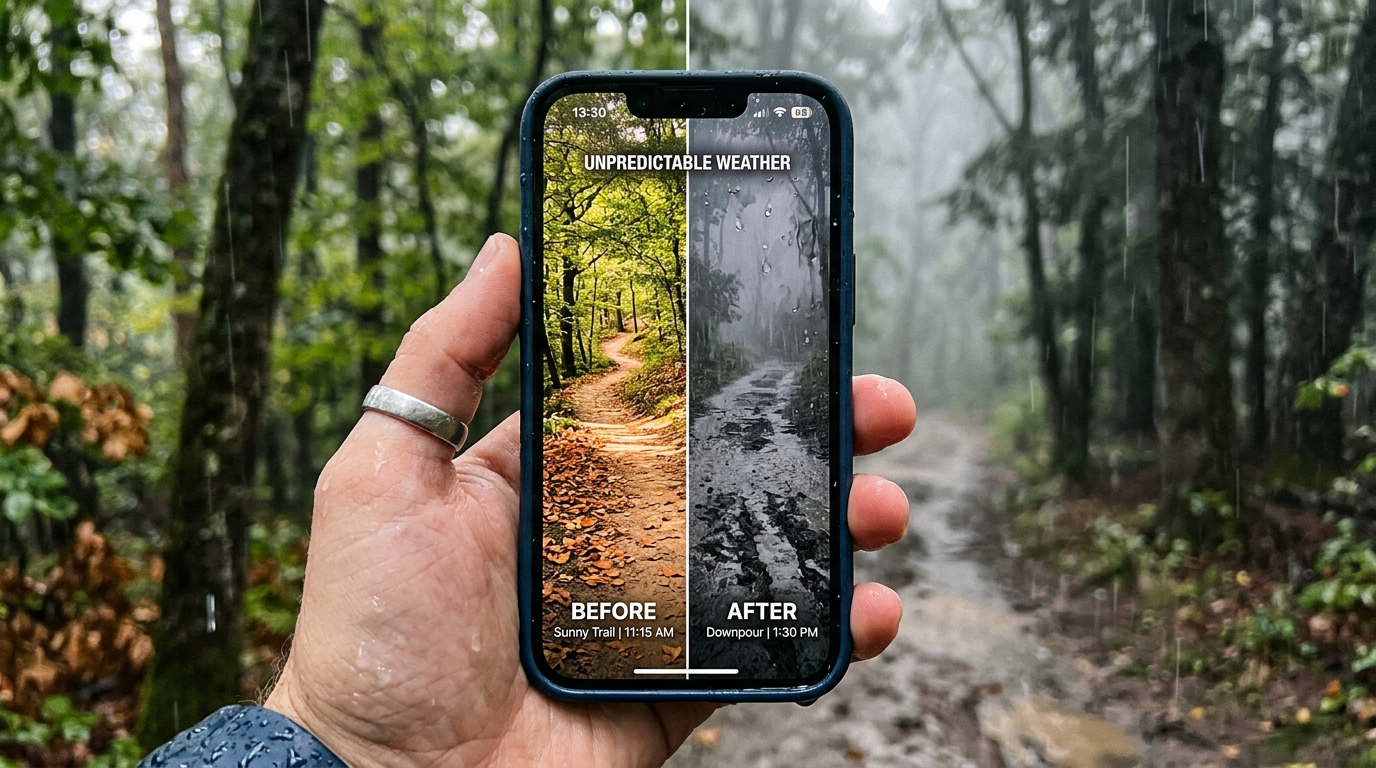
The core gorilla trekking packing list stays the same year-round. What changes is how much rain protection you layer on top.
Dry season (June to September, December to February)
These months see less rainfall in both Uganda and Rwanda, though “dry” in a montane rainforest still means occasional showers. Pack your rain jacket (always), but you can leave rain pants behind. Standard hiking socks and gaiters are usually sufficient. Sun protection becomes more important on exposed sections.
Wet season (March to May, October to November)
Trails get significantly muddier and more slippery. Add these to your pack:
-
Rain pants (lightweight, packable)
-
Taller gaiters (knee-high, not ankle)
-
Extra pair of socks (you will get wet)
-
Pack liner or extra dry bags for electronics and documents
-
More blister care supplies (wet feet blister faster)
The upside of wet season trekking? Forests are lush and photogenic, and there are fewer trekkers on the trails.
For timing guidance specific to Uganda, our article on the best time for gorilla trekking in Uganda covers seasonal patterns and wildlife activity in detail. If you’re weighing broader timing across the region, the guide to choosing the best time for your African safari puts it in a multi-country context.
What not to bring (or what to handle carefully)
A good gorilla trek packing list is as much about what you leave out as what you include.
-
Plastic shopping bags. Rwanda will confiscate them. Pack reusable alternatives.
-
Flash-enabled cameras without a flash-off check. Disable it before you enter the forest.
-
Drones. Not without formal written permits.
-
Bright white clothing or animal prints. They stand out in the forest and can agitate wildlife.
-
Camouflage. Restricted or frowned upon for civilians in several East African countries.
-
Heavy jeans or pure cotton layers. They absorb water, dry slowly, and chafe.
-
Perfume or strong-scented products. Unnecessary in the forest and potentially disruptive.
-
Excessive camera gear. One body and one versatile zoom lens is enough. The gorillas are close, the light is low, and you’re hand-holding while standing on uneven ground. Heavy tripods are impractical.
Trekker-proven tips: nettles, ants, porters, and lodge loaners
The best additions to any gorilla trekking packing list come from people who’ve actually done it.
Nettles and thorny vines are not exaggerated. Practitioners on Reddit consistently report that gloves saved their hands and thick pants made a real difference. The stinging nettles in Bwindi are genuinely painful, and you will brush against them when the trail narrows.
Tuck pants into socks. This is the standard advice for safari ants, and trekkers confirm it works. The ants are small, fast, and bite. Long socks tucked over trouser cuffs create a barrier.
Hire a porter. Porters are available at the trailhead, paid in cash on-site. They carry your daypack, but more importantly, they stabilize you on slippery slopes by holding your arm or pushing from behind on steep sections. Hiring a porter also directly supports the local community. Rates are determined locally.
Ask about lodge gear before you pack extras. Some lodges and operators loan gaiters, rain jackets, or walking sticks. Don’t count on this, but ask your operator or lodge in advance so you aren’t packing duplicates.
Walking sticks are available at park headquarters. Both Bwindi and Volcanoes NP provide wooden walking sticks at the starting point. Unless you have a strong preference for your own collapsible trekking poles, you don’t need to pack them. The wooden sticks are sturdy and well-suited to the terrain.
For a comprehensive look at the Bwindi trekking experience, including trail conditions and what to expect on the ground, check out our Bwindi gorilla trekking guide.
Photo kit that works in the rainforest (and respects the rules)
Photography on a gorilla trek is thrilling and challenging. The forest canopy blocks most light, the air is humid, and you cannot use flash. Plan accordingly.
Gear recommendations:
-
One camera body with a fast lens (wide aperture, f/2.8 or wider) or a versatile zoom in the 24 to 200mm range
-
High-ISO capability is more important than reach. You’ll shoot at ISO 3200 or higher in many situations.
-
Spare batteries in a waterproof dry sack (cold and humidity drain batteries faster)
-
A rain sleeve or plastic cover for the camera body
-
Lens cloth (humidity fogs glass constantly)
What to skip: Flash (banned), tripods (impractical on uneven, cramped ground), and heavy second bodies. You have one hour with the gorillas. Simplicity wins.
Disable flash on your phone before the trek starts. Many smartphones have auto-flash modes that will fire in low light unless manually turned off.
Plan the permits and the rest of your trip
Packing is the last step. Before you get there, you need permits, logistics, and dates sorted.
Gorilla permits require advance booking, and coordinating them with flights, accommodations, and any safari or beach extensions adds complexity. If you’re considering Uganda, our breakdown of Uganda gorilla trekking costs and permits covers what to expect and how to budget.
Duma Explorer handles gorilla permits and all in-country logistics across both Uganda and Rwanda as part of custom, multi-country trip design. That means permit acquisition, ground transport, lodge bookings, and connections to Tanzania safaris or Zanzibar beach time can all sit under one plan. For travelers building a larger East Africa itinerary that combines gorillas with wildlife safaris or Indian Ocean coastline, the complete safari planning guide is a good starting point.
If you want to combine multiple experiences into one East Africa trip, gorilla trekking pairs naturally with a Serengeti safari and a few days on Zanzibar’s beaches. One operator managing the whole thing removes the friction of coordinating across borders.
Frequently asked questions
What should I wear for gorilla trekking?
Long-sleeve shirt, long quick-dry pants, waterproof hiking boots with ankle support, tall socks (tucked over pants), a rain jacket, gardening gloves, and a hat. Stick to neutral, earthy colors. Avoid camouflage, bright whites, and heavy cotton.
Do I need gaiters for gorilla trekking?
Gaiters are strongly recommended during wet months (March to May, October to November) when trails are muddiest. During dry season they’re still useful but less critical. Knee-high gaiters work best because they protect both boots and lower legs from mud and water.
Are trekking poles necessary for gorilla trekking?
No. Both Bwindi and Volcanoes National Park provide sturdy wooden walking sticks at the trailhead. If you prefer your own collapsible poles, bring them, but they aren’t required.
Why do I need gloves for gorilla trekking?
Stinging nettles grow along the trails in both Uganda and Rwanda. You’ll grab branches and vegetation to steady yourself on steep, slippery slopes. Simple gardening gloves prevent painful stings and scratches. Experienced trekkers on Reddit call them one of the most underrated items on the packing list.
Can I use flash photography during gorilla trekking?
No. Flash photography is explicitly banned by the Uganda Wildlife Authority and prohibited in Rwanda. Disable flash on both your camera and phone before the trek starts.
Can I bring plastic bags to Rwanda for gorilla trekking?
No. Rwanda enforces a nationwide ban on plastic shopping bags. Bags can be confiscated at the airport. Use reusable dry bags, stuff sacks, or cloth bags for organizing gear in your daypack.
How much water should I carry on a gorilla trek?
Plan for approximately two liters. Treks last anywhere from two to eight hours depending on where the gorilla family is that day, and the hiking is strenuous at altitude. A hydration bladder with a drinking tube is convenient because you won’t need to stop and dig through your pack.
Do I need to wear a mask near the gorillas?
Trekkers are commonly required to wear a face mask during the one-hour viewing period. Mountain gorillas are vulnerable to human respiratory infections, and masks help reduce that risk. Pack at least two in case one gets damaged or wet on the approach hike. Always follow your ranger’s current guidance on the day.
Can I wear leggings for gorilla trekking?
While comfortable, thin fashion leggings are not recommended. Thick, "brush-resistant" trekking leggings are okay, but hiking trousers offer better protection against thorns and stinging nettles. Always ensure they can be tucked into your socks.