

Uganda Gorilla Trekking: Costs, Permits & Tips (2026)
Thinking about an adventure that’s truly once in a lifetime? Imagine hiking through a misty, ancient rainforest to spend an hour with a family of mountain gorillas. That’s the magic of gorilla trekking Uganda, a profound wildlife encounter that stays with you forever. Uganda is home to roughly half of the world’s remaining mountain gorillas, making it one of the absolute best places on Earth for this experience.
This guide covers everything you need to know, from the best time to visit and what it costs, to what to pack for your journey. For broader trip design across East Africa, see our Complete Safari Planning Guide. Let’s get you ready for an unforgettable trek.
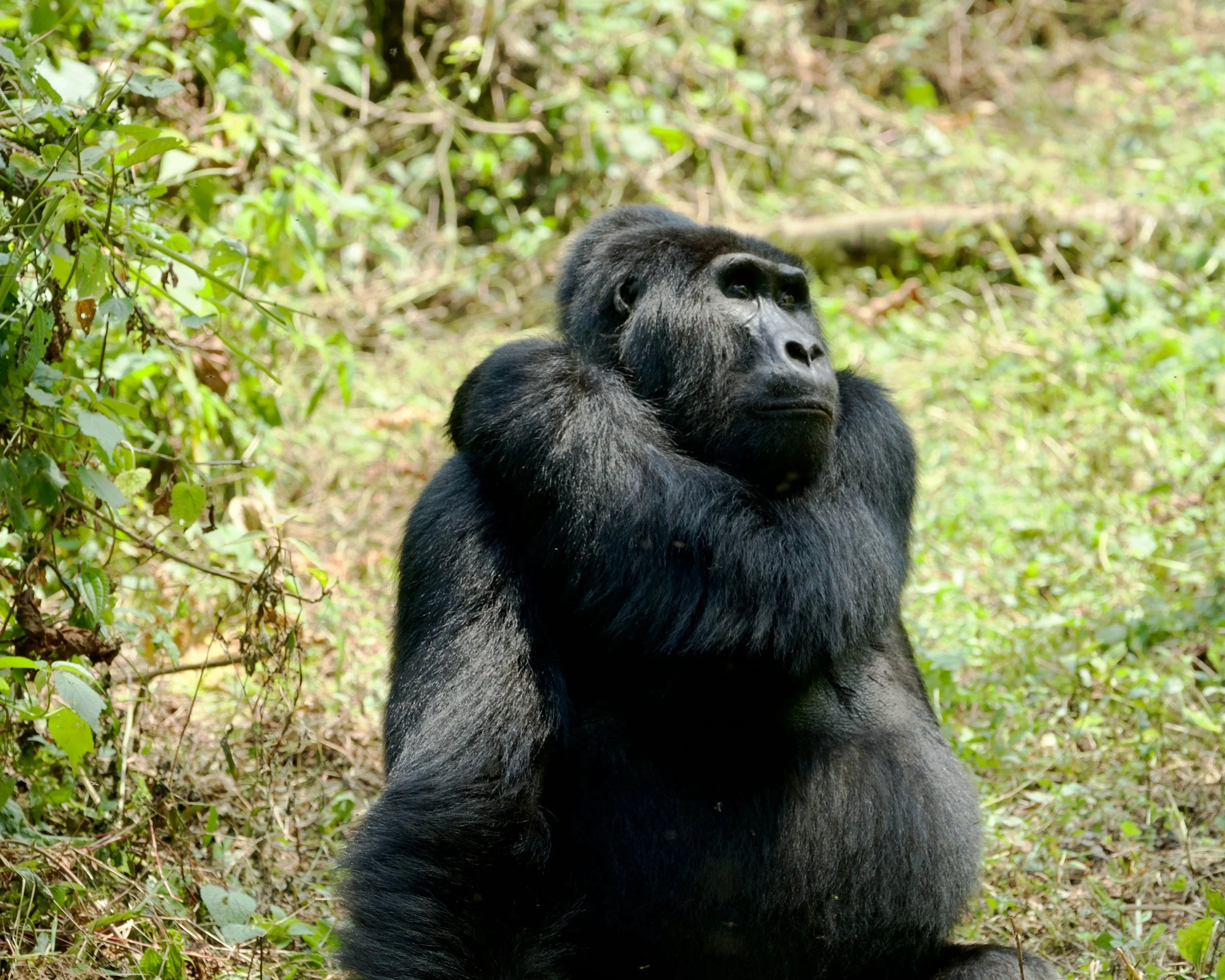
Quick Summary: Gorilla Trekking Uganda at a Glance
Permit Cost: $800 USD (Foreign Non-Residents)
Best Time to Visit: June–September and December–February (Dry seasons)
Difficulty: Moderate to Strenuous (2–6 hour hikes)
Chances of Seeing Gorillas: Over 99%
Minimum Age: 15 years old
What’s Included: Park entry, ranger guides, and 1 hour with the gorillas.
What is Gorilla Trekking and Where Does It Happen?
So, what exactly is gorilla trekking Uganda? It’s a guided hike through lush tropical forests to find and observe endangered mountain gorillas in their natural habitat. This incredible activity is only possible in three countries, and Uganda is a prime destination alongside Rwanda and the Democratic Republic of Congo.
The Best Parks for Gorilla Trekking Uganda
In Uganda, you have two amazing locations to choose from for your gorilla trek:
Bwindi Impenetrable National Park: This is the star of the show. A UNESCO World Heritage Site, Bwindi is a dense, misty, and absolutely stunning ancient rainforest. It’s home to an estimated 459 gorillas and has over 20 habituated gorilla families available for trekking. Because of its size, Bwindi is divided into four main sectors (Buhoma, Ruhija, Rushaga, and Nkuringo). Your permit will be for a specific sector, so it’s important to book accommodation nearby.
Mgahinga Gorilla National Park: Part of the larger Virunga Massif which straddles the borders of Uganda, Rwanda, and DRC, Mgahinga offers a different landscape. Here, you’ll trek on the slopes of dormant volcanoes, often through beautiful bamboo forests. The park is home to one habituated gorilla family, the Nyakagezi group. Mgahinga is also famous for its golden monkeys, offering a fantastic two for one wildlife experience.
The Gorilla Encounter Itself
Your trekking day starts early with a briefing from park rangers. You’ll be placed in a small group of no more than eight people and led by experienced guides and trackers deep into the forest. The hike can take anywhere from an hour to several hours, depending on where the gorilla family is that day.
Once you find them, you get to spend one precious hour observing the family. Watching a massive silverback stand guard while juveniles play and mothers tend to their infants is a humbling and deeply moving experience. This one hour rule is strictly enforced to minimize disturbance to these gentle giants.
Planning Your Trip: When to Go and Who to Book With
Timing and choosing the right operator are two of the most critical parts of planning your gorilla trekking Uganda adventure.
Best Time to Go Gorilla Trekking
While you can go gorilla trekking year round (rangers lead treks 365 days a year), the experience is generally more comfortable during Uganda’s two dry seasons:
June to September
December to February
During these months, there’s less rainfall, which means the forest trails are less muddy and slippery. You can expect more sunshine and clearer skies, making the hike more pleasant. The wettest months are typically April and May. However, trekking in the wet season is still very possible, and you might encounter fewer other tourists. Just be prepared for a more challenging and muddy hike. If you’re pairing your trek with a classic safari elsewhere in East Africa, here’s how to choose the best time for your African safari.
Finding the Best Gorilla Tour Company
Since getting permits and organizing logistics can be complex, most visitors book their trip through a tour operator. A top tier company will handle everything seamlessly, from securing your permits to arranging transport and accommodation.
Look for a company that is licensed, has years of experience, and boasts excellent reviews. For example, a trusted outfitter like Duma Explorer has over 15 years of experience in East Africa and more than 600 five star reviews. They specialize in creating custom safari packages that include gorilla trekking, ensuring you have expert local guides and a perfectly planned itinerary. A good operator makes the process stress free, so all you have to do is show up and enjoy the adventure.
Understanding the Costs of Gorilla Trekking
A gorilla safari is a significant investment, but it’s one that directly supports vital conservation efforts. Let’s break down the costs.
Your Gorilla Permit
The single biggest cost is the gorilla permit. As of 2024, a permit for gorilla trekking Uganda costs $800 USD per person. This fee might seem steep, but it funds park management, ranger salaries, and conservation projects that have helped the mountain gorilla population grow from the brink of extinction to over 1,000 individuals. Importantly, 20% of all park fees go directly to local communities, funding schools and health clinics.
Calculating Your Total Safari Cost
Beyond the permit, your total gorilla safari cost will depend on a few factors:
Transportation: Getting to Bwindi or Mgahinga involves either a long drive (9 to 10 hours from Entebbe) or a short domestic flight. A private 4x4 vehicle with a driver is a common and comfortable option.
Accommodation: Lodges range from budget friendly community guesthouses to mid range camps and ultra luxury lodges. Prices can vary from under $100 to over $1,000 per person per night.
Duration: A typical trip is at least three days (two nights), but many people combine gorilla trekking Uganda with other activities, creating a longer 7 to 10 day safari; for ideas, see these 7-10 day Tanzania safari itineraries.
A basic three day budget gorilla tour might cost around $1,500 per person, while a mid range trip could be closer to $2,000 to $2,500. A luxury fly in safari can easily exceed $4,000 per person. If you’re adding Tanzania, here’s a detailed Tanzania safari cost guide to help you budget the rest of your trip.
The Gorilla Habituation Experience: An Alternative to Standard Trekking
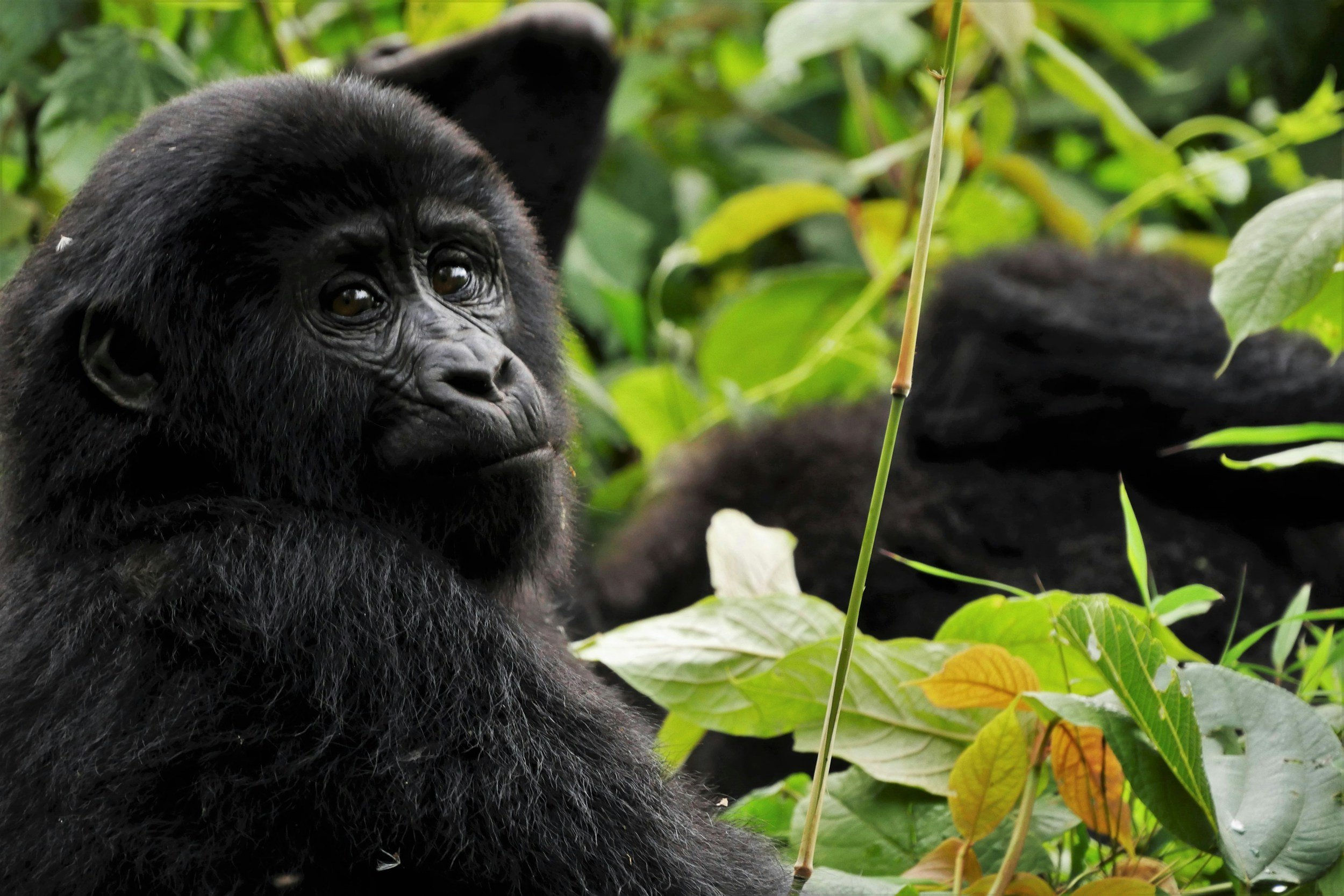
If one hour isn't enough, Uganda offers a unique Gorilla Habituation Experience in the Rushaga sector of Bwindi.
Cost: $1,500 USD per person.
Duration: 4 hours with the gorillas (instead of the standard 1 hour).
The Experience: You join researchers and trackers as they habituate a wild family to human presence. It is a deeper, more educational encounter perfect for serious photographers.
Uganda vs. Rwanda for Gorilla Trekking
Many travelers wonder whether to choose Uganda or Rwanda. Both offer incredible experiences, but there are key differences.
Cost: This is the biggest differentiator. Uganda’s permit is $800, while Rwanda’s is $1,500. This makes Uganda the more budget friendly option by a significant margin. Accommodation and general tour costs also tend to be lower in Uganda.
Accessibility: Rwanda’s Volcanoes National Park is just a 2.5 hour drive from Kigali’s international airport, making it very convenient for short trips. Uganda’s parks are more remote, requiring a long drive or a domestic flight.
The Trek: The terrain in Bwindi is dense, rugged jungle, which some people feel is a more “authentic” and challenging adventure. The terrain in Rwanda involves hiking on volcano slopes, which can have more open bamboo forests.
Overall Vibe: Uganda offers a wider range of activities and is often seen as providing better overall value, allowing you to combine your trek with classic savannah safaris (like timing the Great Migration). Rwanda has positioned itself as a more exclusive, high end luxury destination.
Ultimately, Uganda often feels more like a classic African adventure, while Rwanda provides a more polished and streamlined experience. If you’re looking for value and a diverse safari, gorilla trekking Uganda is an excellent choice. Leaning toward Rwanda? Here’s how to prepare for an unforgettable Rwanda gorilla trekking adventure.
Bwindi vs. Mgahinga: Which Park Should You Choose?
Feature
Bwindi Impenetrable Forest
Mgahinga Gorilla National Park
Gorilla Population
~459 (Approx. half of world total)
One habituated family (Nyakagezi)
Terrain
Dense, rugged ancient rainforest
Open bamboo forests & volcanic slopes
Best For
Multiple sector options & availability
Shorter hikes & Golden Monkey combos
Vibe
Jungle adventure
Scenic volcanic views
Preparing for Your Trek: What to Pack and Expect
Being well prepared will make your gorilla trek much more enjoyable. The hike can be challenging, so knowing what to wear and what to expect is key.
How Difficult is Gorilla Trekking?
The difficulty level varies from moderate to strenuous. You’ll be hiking on steep, uneven, and often muddy terrain with no set trails. Treks can last anywhere from two to eight hours round trip. You don’t need to be an elite athlete, but a good level of fitness is required. The key is to go at your own pace. And remember, hiring a porter for about $20 is highly recommended. They not only carry your bag but also provide a helping hand on difficult sections, all while supporting the local economy.
What to Wear for Gorilla Trekking
Dressing in layers is the best strategy. Here’s what your outfit should include:
Long sleeved shirt and long trousers: To protect your skin from scratches, stinging nettles, and insects. Choose neutral colors like green, brown, or khaki.
Sturdy hiking boots: Waterproof boots with good ankle support are essential for the muddy and uneven trails.
Waterproof rain jacket: Rain can fall at any time in the rainforest, even in the dry season.
Gardening gloves: These are surprisingly useful for gripping muddy branches and protecting your hands from thorns.
Gaiters: These wrap around your lower legs to keep mud, water, and insects out of your boots.
Your Gorilla Trekking Packing List
In your daypack, you should carry:
At least 1 to 2 liters of water
High energy snacks
Insect repellent
Sunscreen and a hat
Your camera (with flash disabled) and extra batteries
A face mask (often required to protect the gorillas from human illness)
A small amount of cash for tips
Accommodation and Travel Style
Where you stay and how you travel will shape your overall experience.
Accommodation for Gorilla Trekking Uganda
You’ll find a wide range of lodging options near the gorilla parks, catering to every budget.
Budget: Community run rest camps and basic guesthouses offer a simple but authentic experience, often for under $100 per night.
Mid Range: Comfortable lodges and tented camps provide more amenities like private bathrooms and good restaurants, typically costing $150 to $400 per person.
Luxury: High end lodges offer premium service, gourmet food, and stunning views, with prices often starting at $500 and going well above $1,000 per person per night.
The Best Way to Travel
The most convenient and reliable way to organize a gorilla trekking Uganda trip is with an experienced tour operator. They handle the complex logistics of permits, transport, and accommodation, leaving you free to enjoy the journey. You can choose a private tour for maximum flexibility or join a small group tour to share costs.
Combining your gorilla trek with other East African highlights is a popular option. Many travelers create a multi country itinerary that includes a classic safari in Tanzania’s Serengeti or Kenya’s Maasai Mara. An operator with expertise across the region, like Duma Explorer, can seamlessly arrange these incredible combination trips for you.
Frequently Asked Questions About Gorilla Trekking Uganda
1. How much does a gorilla permit cost in Uganda?
As of 2024, a gorilla permit in Uganda costs $800 USD per person for foreign non residents. This permit allows you a one hour visit with a habituated gorilla family.
2. How long and difficult is the hike?
The trek to find the gorillas can take anywhere from one to four hours each way, and sometimes longer. The terrain is steep and often muddy, so the difficulty ranges from moderate to strenuous. A reasonable level of fitness is recommended.
3. Is gorilla trekking in Uganda safe?
Yes, it is very safe. You are always accompanied by trained and armed park rangers who are experts in the forest and animal behavior. The gorillas themselves are habituated to human presence and are very peaceful unless threatened.
4. What are my chances of seeing gorillas?
Your chances of seeing gorillas are extremely high, over 99%. Trackers go out ahead of your group each morning to locate the gorilla families, so your guide knows roughly where to lead you.
5. Can I trek if I am not very fit?
Yes. While the trek is challenging, people of varying fitness levels complete it successfully. You can request an easier trek at the park headquarters, and hiring a porter to carry your bag and offer a helping hand makes a huge difference.
6. How close do you get to the gorillas?
Park rules require you to maintain a distance of about 7 to 10 meters (23 to 32 feet) from the gorillas. This is to protect them from human diseases and to avoid disturbing their natural behavior.
7. Why is gorilla trekking so expensive?
The high cost is primarily a conservation tool. The revenue from permits funds the protection of the gorillas and their habitat, supports anti poaching patrols, and provides economic benefits to local communities, giving them a direct incentive to protect the wildlife.
Ready to embark on this incredible adventure? A journey to see the mountain gorillas is more than just a trip; it’s an opportunity to connect with nature in its purest form. If you’re feeling inspired, reach out to the experts at Duma Explorer to start planning your custom gorilla trekking Uganda safari today.
