

Kilimanjaro Machame Route 2026: 7-Day Itinerary & Guide
Thinking about climbing Mount Kilimanjaro? You’re not alone. And if you’re looking for the most beautiful, adventurous, and rewarding path to the summit, chances are you’ve heard of the Machame Route. Known for its breathtaking scenery and excellent acclimatization profile, it’s the top choice for trekkers who want a bit of a challenge with a high chance of success.
This guide covers everything you need to know about the incredible journey that is the Machame Route, from the lush rainforest at its base to the icy summit of Uhuru Peak.
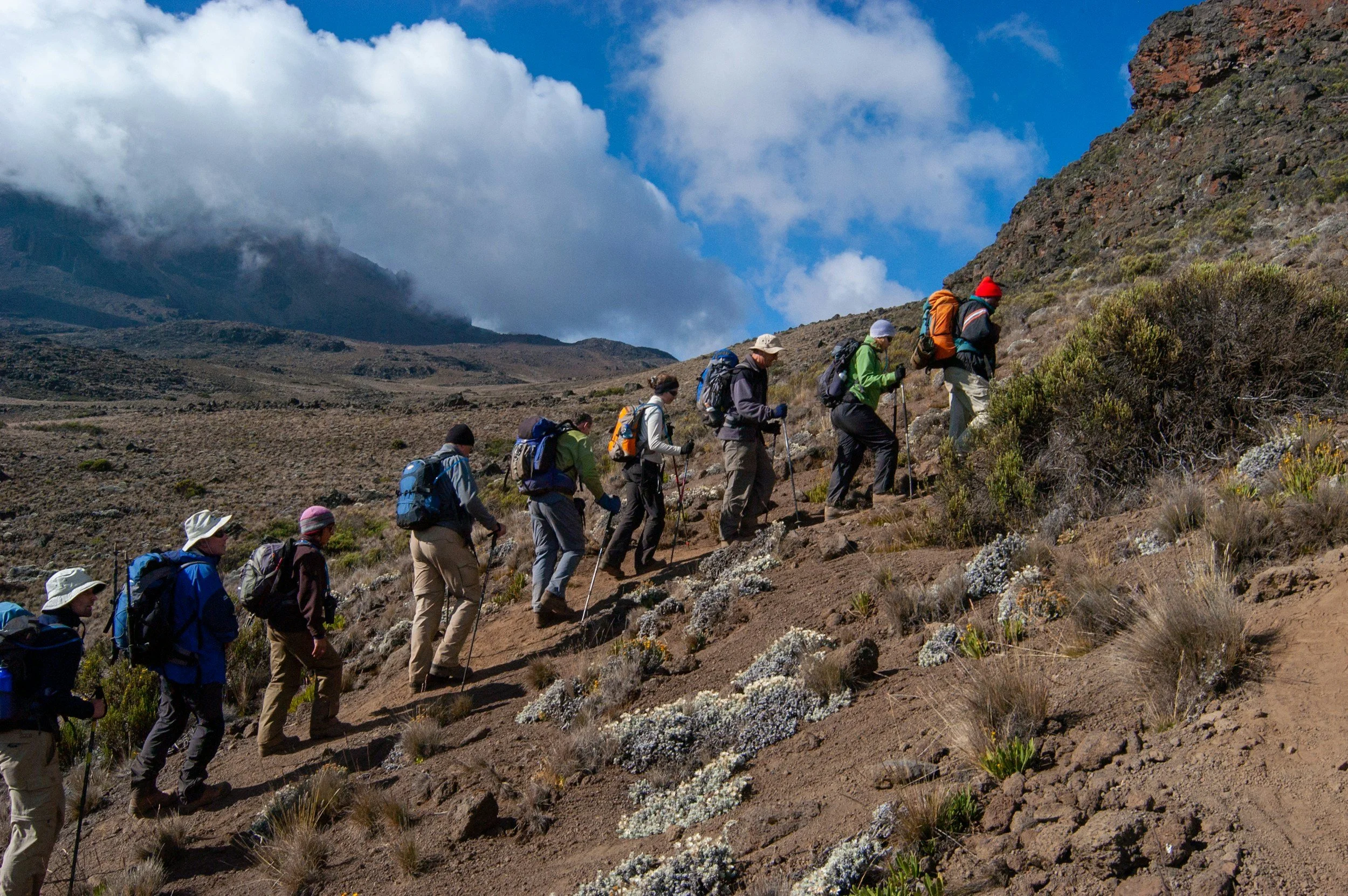
Feature
Details
Total Distance
Approximately 62 km (38 miles)
Duration
7 Days (Recommended) or 6 Days
Difficulty
Strenuous / High (Non-technical)
Scenery
Excellent (Rainforest, Moorland, Alpine Desert, Arctic)
Success Rate
~85% (7-day itinerary)
Accommodation
Camping in four-season tents
Hidden Highlight
The Barranco Wall Scramble
What is the Machame Route?
The Machame Route is one of the main trails leading to the 5,895 meter (19,341 ft) summit of Mount Kilimanjaro in Tanzania. It’s a camping only route, meaning you’ll be sleeping in tents surrounded by nature, unlike the hut based Marangu route. The trek typically takes 6 or 7 days and covers about 62 kilometers (38 miles) from the starting gate to the summit and back down.
Starting on the mountain’s lush southwestern side, the trail offers a fantastic journey through four distinct climate zones. This variety is a big reason why Machame has become Kilimanjaro’s most popular route, attracting climbers who crave stunning panoramic views.
Why Is It Called the “Whiskey Route”?
You’ll often hear the Machame Route called the “Whiskey Route.” This fun nickname is a playful contrast to the Marangu route’s “Coca Cola Route” moniker. It suggests that Machame is a tougher and more adventurous climb, like a strong whiskey compared to a simple soda. While no actual whiskey is involved, the name perfectly captures the route’s rugged and spirited character. It’s a bit more challenging, but the rewards are that much sweeter.
The Machame Route Itinerary: A Day by Day Journey
The 7 day Machame Route itinerary is highly recommended because it gives your body more time to adjust to the altitude, significantly boosting your chances of reaching the summit. Here’s what you can expect on this incredible adventure.
Day 1: Machame Gate to Machame Camp
Your journey begins at Machame Gate (around 1,800 m), where you’ll sign in with park authorities. The first day is a beautiful trek through dense, humid montane rainforest. The trail can be muddy but the scenery is magical, with moss draped trees, giant ferns, and the chance to spot Colobus monkeys. After about 5 to 7 hours of hiking, you’ll arrive at Machame Camp (3,000 m), nestled at the edge of the forest.
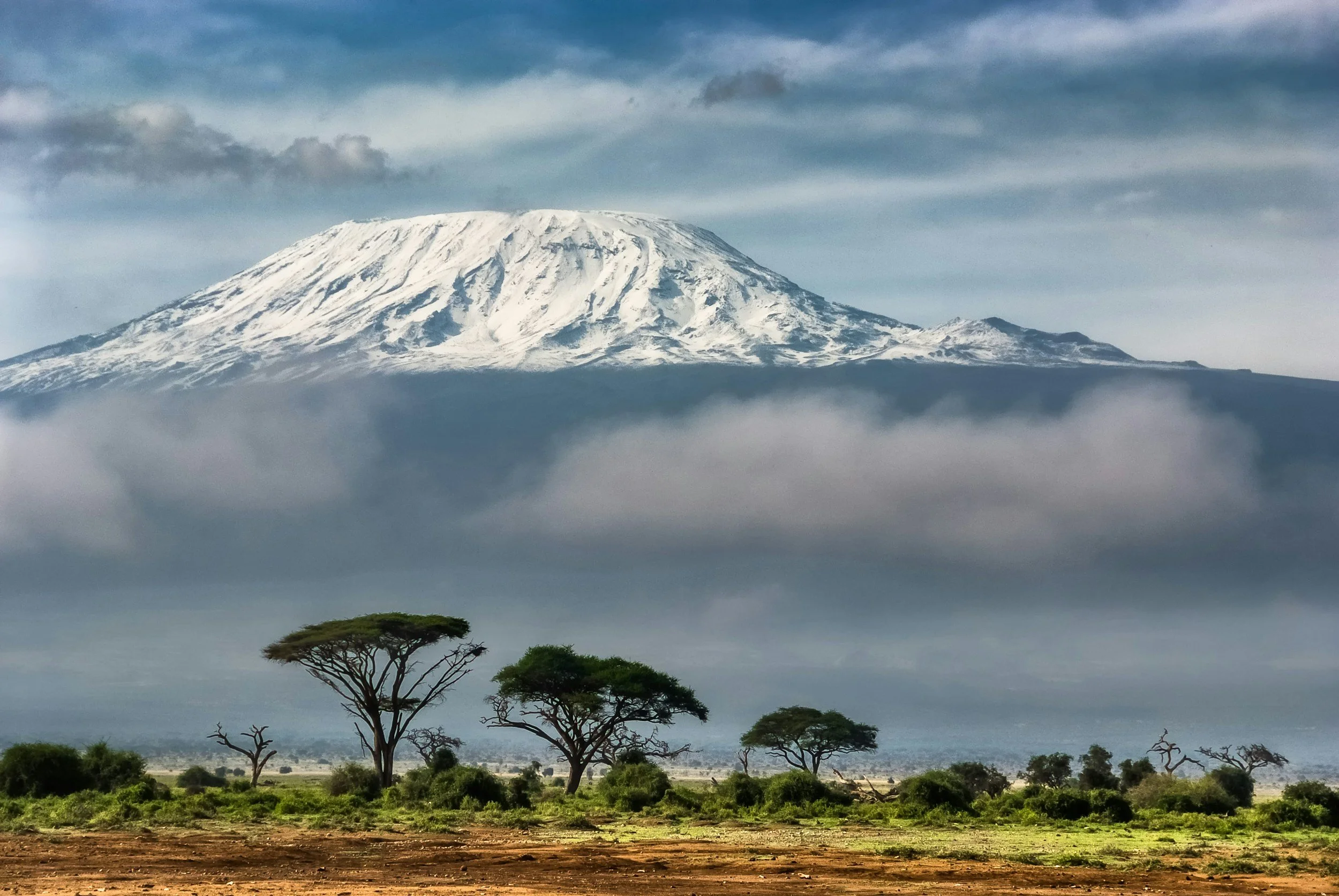
Day 2: Machame Camp to Shira Camp
Today, the landscape changes dramatically as you leave the forest behind and enter the heath and moorland zone. The path gets steeper as you climb onto the expansive Shira Plateau, a vast high altitude desert left behind by an ancient collapsed volcano. After about 4 to 6 hours, you’ll reach Shira Camp (3,840 m). The views from here are spectacular, offering your first clear sight of Kibo, Kilimanjaro’s summit cone.
Day 3: Shira Camp to Barranco Camp via Lava Tower
This is a crucial acclimatization day built on the “climb high, sleep low” principle. You’ll ascend to the striking Lava Tower, a 150 meter tall volcanic rock formation standing at 4,630 m. This is often where climbers first feel the effects of high altitude. After a break for lunch, you’ll descend into the stunning Barranco Valley to sleep at Barranco Camp (3,950 m). This camp is considered one of the most beautiful on the mountain, surrounded by giant senecio plants and sitting directly beneath the imposing Barranco Wall.
Day 4: Barranco Camp to Karanga Camp
The day starts with a fun challenge: climbing the Barranco Wall. While it looks intimidating, this 257 meter cliff is a non technical scramble where you’ll use your hands for balance. Conquering it takes about an hour and rewards you with incredible views of the Southern Icefields. The rest of the day is a shorter hike across ridges and valleys to reach Karanga Camp (4,035 m). This extra night is key to the 7 day itinerary’s success, allowing for more rest and better acclimatization.
Day 5: Karanga Camp to Barafu Camp
A relatively short but steady uphill hike brings you to Barafu Camp (4,600 m), your base camp for the summit attempt. “Barafu” means “ice” in Swahili, and the camp lives up to its name. It’s a cold, windy, and rocky outpost set on an exposed ridge. You’ll arrive around midday, giving you plenty of time to eat, rest, and mentally prepare for the long night ahead. The views of Mawenzi, Kilimanjaro’s second peak, are often spectacular from here.
Day 6: Barafu Camp to Uhuru Peak to Mweka Camp
Summit day begins around midnight. After a hot drink and a light snack, you’ll start the final ascent under a canopy of stars, guided by the light of your headlamp. The climb up the steep scree slope is slow and demanding. Most groups reach Stella Point (5,756 m) on the crater rim right around sunrise. From there, it’s about another 45 minutes of trekking along the rim to Uhuru Peak (5,895 m), the true summit and the highest point in Africa.
After celebrating your incredible achievement, you’ll begin the long journey down. You’ll descend back to Barafu for a short rest before continuing down the Mweka descent route to Mweka Camp (3,100 m) for your final night on the mountain.
Day 7: Mweka Camp to Mweka Gate
Your last day is a short, 3 to 4 hour descent through the lush rainforest to Mweka Gate. At the gate, you’ll sign out and receive your official summit certificate. It’s a moment of triumph before you’re transferred back to your hotel for a well deserved hot shower and celebration. Many climbers cap their trek with a few days in Zanzibar. Here’s our Stone Town guide.
How to Prepare for the Machame Route
Success on Kilimanjaro isn't just about grit; it's about preparation. Because the Machame route involves steep inclines and the Barranco Wall, we recommend a focused 8–12 week training plan.
Cardiovascular Fitness: Focus on zone 2 heart rate training (long walks, cycling, or swimming) to build aerobic capacity.
Hike with Weight: Spend time hiking in your actual summit boots with a 5-10kg daypack to condition your legs and back.
Mental Prep: The summit night is an 11–14 hour ordeal. Practice "moving meditation" and staying positive during long physical efforts.
Key Questions About the Machame Route
Planning a climb involves a lot of questions. Here are answers to some of the most common ones.
6-Day vs. 7-Day Machame Comparison
Feature
6-Day Itinerary
7-Day Itinerary (Recommended)
Success Rate
~73%
~85%
Acclimatization
Aggressive
Optimal (Extra night at Karanga)
Daily Fatigue
High (Combines Days 4 & 5)
Moderate (Better recovery)
Best For
Experienced high-altitude trekkers
First-timers & intermediate hikers
Unless you are very experienced at high altitude, the 7 day Machame Route is the superior choice. The extra day provides critical rest, improves acclimatization, and makes the entire experience safer and more enjoyable. Reputable operators like Duma Explorer prioritize safety and almost exclusively offer the 7 day option.
How Difficult Is the Machame Route?
Machame is considered a moderately difficult trek. It doesn’t require any technical climbing skills, but it does demand good physical fitness, leg strength, and mental endurance. The main challenges are the long hiking days, the steep sections, the Barranco Wall scramble, and of course, the high altitude. The summit night is particularly grueling, involving a 1,200 meter ascent in thin, cold air. However, with proper training and by following your guide’s “pole pole” (slowly, slowly) advice, the route is very achievable for most determined hikers. For peace of mind, here’s how helicopter evacuation works on Kilimanjaro.
Is the Machame Route Good for Beginners?
Yes, the Machame Route is a great choice for first time high altitude trekkers, provided they are in good physical condition. While some routes are technically easier, Machame’s excellent acclimatization profile gives beginners a much higher chance of safely reaching the summit. The key is preparation. Beginners should:
Engage in cardiovascular training before the trip.
Invest in proper gear, especially well broken in hiking boots.
Choose a reliable outfitter with experienced, safety conscious guides. You can start with our Best Moshi Kilimanjaro Climb Operator Guide.
Companies like Duma Explorer, a KPAP Partner committed to porter welfare, provide Wilderness First Responder certified guides and maintain a 1:1 guide to climber ratio on summit day, offering an exceptional level of support for beginners.
What is the Acclimatization Profile Like?
The Machame Route is famous for its excellent “climb high, sleep low” profile. On Day 3, you ascend to Lava Tower at 4,630 meters before descending to sleep at Barranco Camp at 3,950 meters. This process helps your body produce more red blood cells and adapt to the lower oxygen levels, which is the best way to prevent altitude sickness. This natural acclimatization advantage is a major reason for the route’s high summit success rate.
Life on the Mountain: Camping and Costs
What’s Camping Like on Kilimanjaro?
Since this is a camping only route, your accommodation will be in high quality, all weather mountain tents. Your porters will carry, set up, and take down your tent each day, so it’s always waiting for you when you arrive at camp. Most groups also have a larger mess tent with a table and chairs for meals.
Facilities at the campsites are basic. You’ll find simple pit toilets (long drops). Many operators, including Duma Explorer, offer the option of a private, portable toilet tent for your group for added comfort and hygiene. There are no showers, but your crew will provide a bowl of warm water each morning and evening for washing.
How Much Does a Machame Route Climb Cost?
The price for a 7 day Machame Route climb typically ranges from $2,000 to $3,500 USD per person. Be wary of deals that seem too good to be true, as they often come at the expense of guide quality, safety standards, and porter welfare.
The cost generally includes:
Kilimanjaro National Park fees (around $800 per person)
Wages for your crew (guides, porters, cook)
All meals and water on the mountain
Group camping equipment (tents, mess tent, etc.)
Transportation to and from the mountain gate
Hotel accommodation before and after the climb
For a high quality, safe, and ethical climb with a company that ensures fair treatment for its staff, planning your trip with an experienced operator like Duma Explorer is a great investment in your success and enjoyment.
Essential Gear for the Whiskey Route
The Machame route crosses four climate zones, meaning you'll experience everything from tropical heat to arctic midnights.
The Layering System: Moisture-wicking base layers, a heavy fleece mid-layer, and a waterproof/windproof outer shell.
Footwear: Broken-in, waterproof hiking boots and high-quality thermal socks (merino wool is best).
Headlamp: Essential for the midnight summit push. Bring extra batteries—cold drains them fast.
Hydration: A 2-3 liter bladder for the trail and an insulated bottle for summit night to prevent freezing.
Frequently Asked Questions About the Machame Route
What is the best time of year to climb the Machame Route?
The best times are during the dry seasons, from January to early March and from June to October. These months offer the clearest skies and the most stable weather conditions, though you should always be prepared for cold temperatures and potential rain. For a month‑by‑month breakdown, see our guide to the best time to climb Kilimanjaro.
How hard is the Barranco Wall, really?
The Barranco Wall is more of a fun scramble than a dangerous climb. It’s a steep, 257 meter rock face that you navigate using your hands and feet. No technical equipment is needed, and your guides will be there to show you the best path. Most people find it to be an exhilarating highlight of the trek.
What is the summit success rate on the Machame Route?
The 7 day Machame Route boasts one of the highest success rates on Kilimanjaro, averaging around 85%. This is largely due to its excellent acclimatization profile. Choosing a good operator with experienced guides can push this rate even higher.
Do I need special gear?
You don’t need technical climbing gear like ropes or harnesses. However, you do need high quality trekking gear, including waterproof layers, warm thermal clothing, a sub zero sleeping bag, sturdy hiking boots, and trekking poles. Most gear can be rented in Tanzania if you don’t own it.
What are the toilets like on the mountain?
Each campsite has basic public pit toilets, often called long drops. They are very simple structures. For better comfort and hygiene, many climbers prefer to book a climb with a company that provides a private, portable chemical toilet for their group.
Is it really that cold at the summit?
Yes. Temperatures on summit night at Uhuru Peak can easily drop to between -10°C and -20°C (14°F and -4°F), not including wind chill. Dressing in multiple warm layers is absolutely essential for a safe and successful summit attempt.
