

Zanzibar vs Mainland Tanzania 2026: Safari or Beach?
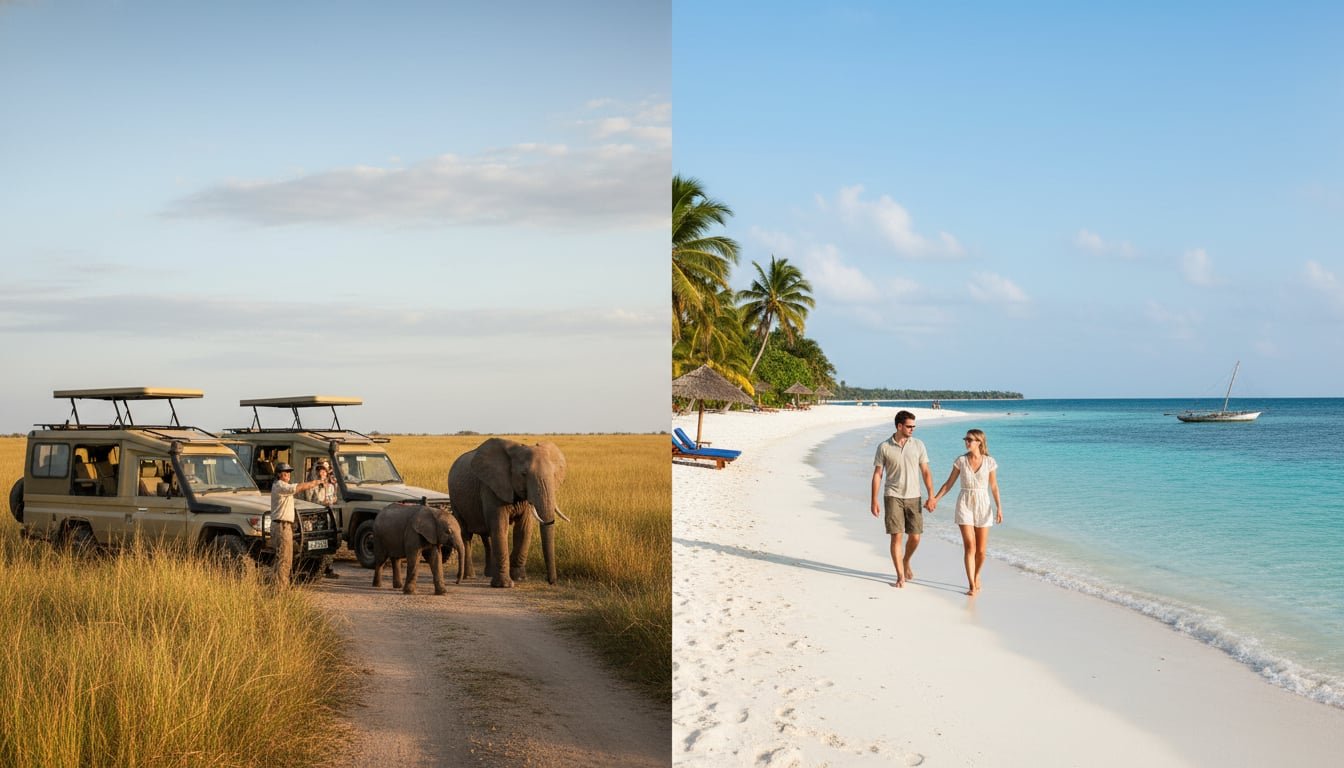
Tanzania. The name alone conjures images of endless savanna teeming with wildlife and pristine tropical beaches. For many travelers, the big question isn’t if they should go, but where to focus their time. This often boils down to the classic debate: Zanzibar vs mainland. Should you choose the epic adventure of a wildlife safari or the blissful relaxation of an island paradise?
The great news is you don’t have to choose. Combining both is the quintessential Tanzanian experience: here’s how to fit multiple experiences into one East Africa trip. This guide will break down the Zanzibar vs mainland comparison, helping you understand the unique character of each so you can design the trip of a lifetime.
| Feature | Mainland Tanzania (Safari) | Zanzibar (Island) |
|---|---|---|
| Primary Vibe | Adventure, Wildlife, High-Energy | Relaxation, Culture, Tropical |
| Daily Budget (Mid-range) | $400 – $700 per person | $150 – $300 per person |
| Transportation | 4x4 Jeep / Bush Planes | Taxis, Scooters, Dhow Boats |
| Top Activity | The Great Migration (Serengeti) | Snorkeling & Stone Town Tours |
| Clothing | Neutral "Safari" tones, Layers | Modest dress (shoulders/knees covered) |
| Best For | Early Risers & Nature Lovers | Couples & Slow Travelers |
The Mainland: A World of Wildlife and Adventure
When you picture a classic African safari, you’re picturing mainland Tanzania. This is the realm of vast, untamed wilderness, legendary national parks, and unforgettable wildlife encounters. It’s an active, thrilling experience that puts you right in the heart of nature.
An Unrivaled Safari Experience
Mainland Tanzania is a global biodiversity hotspot, home to an astonishing 20% of Africa’s large mammal population. A safari here is an immersion into a world governed by the rhythms of the wild.
The Serengeti: This iconic park, spanning nearly 30,000 square kilometers, is the stage for the Great Migration. See our Top Serengeti safari tours to choose the right region and season. Witnessing over 1.5 million wildebeest journey across the plains is a spectacle that defines the safari experience.
The Big Five: The mainland is one of the best places on earth to see the legendary “Big Five” (lion, leopard, elephant, rhino, and buffalo) roaming freely in their natural habitat.
Ngorongoro Crater: This massive volcanic caldera is a self contained ecosystem packed with wildlife, offering some of the most reliable game viewing in Africa.
A mainland safari is an adventure. Days often start before dawn, filled with game drives in a rugged 4x4 vehicle. The pace is exciting and the landscapes are epic. It’s less about lounging and more about active exploration, discovery, and the thrill of the chase.
Zanzibar: An Island of Spice, History, and Serenity
Just 35 kilometers (about 22 miles) off the mainland coast lies the Zanzibar Archipelago. This is Tanzania’s tropical alter ego, a place where the pace of life slows to the gentle rhythm of the Indian Ocean tides. While the mainland offers adrenaline, Zanzibar offers rejuvenation.
Beaches, Culture, and a Slower Pace
Zanzibar is more than just stunning beaches, it’s a cultural melting pot with a story to tell.
Pristine Beaches: Think postcard perfect scenes of powdery white sand, turquoise waters, and swaying palm trees. From the vibrant sunsets of Nungwi in the north to the kite surfing paradise of Paje in the east, there’s a beach for every mood.
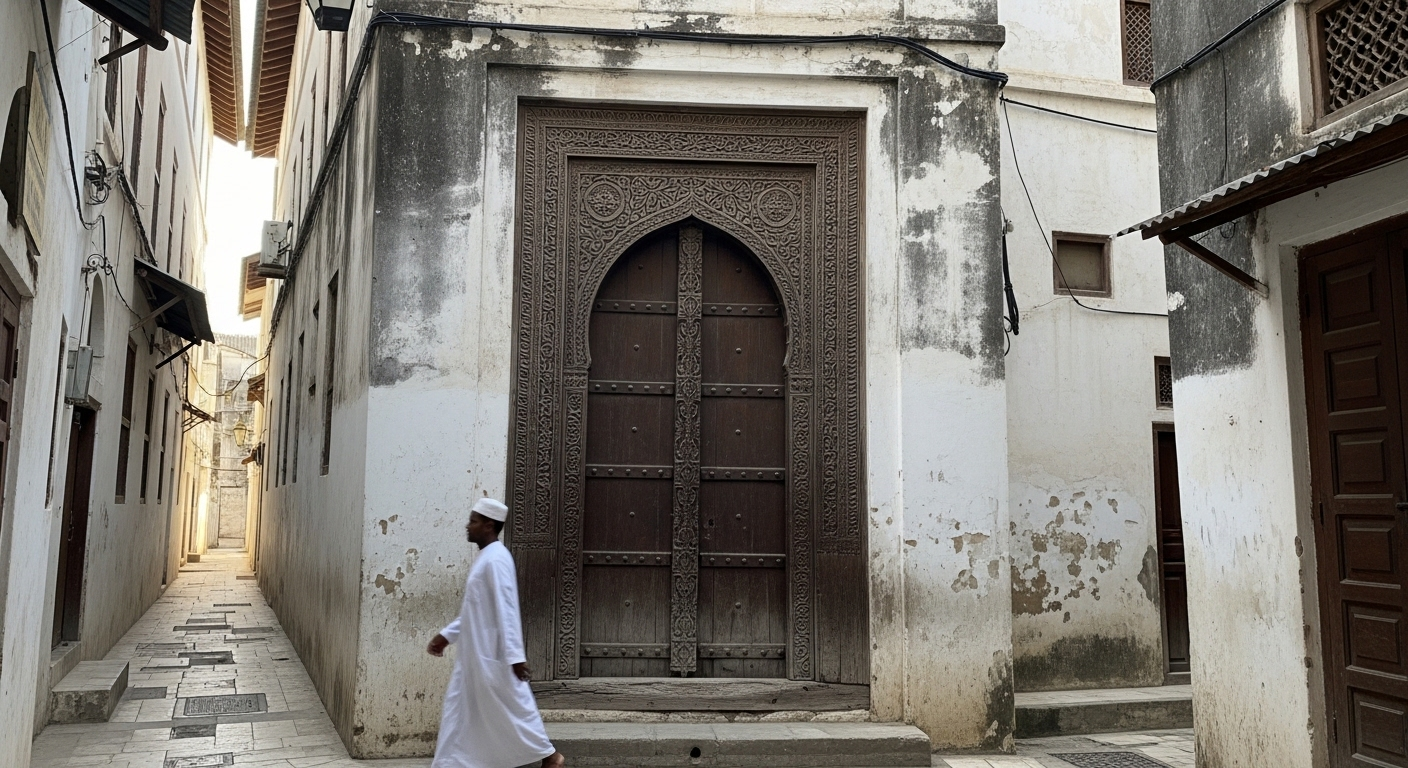
Historic Stone Town: A UNESCO World Heritage site, Stone Town is the cultural heart of Zanzibar. Start with our Stone Town Zanzibar guide before you lose yourself in its winding alleys, admire the intricately carved Omani style doors, and explore bustling bazaars. The air is fragrant with the scent of spices, a nod to its history as the “Spice Island.”
A Rich Swahili Heritage: Zanzibar’s culture is a unique fusion of African, Arab, Persian, and Indian influences. With a population that is over 98% Muslim, the island has a conservative and welcoming atmosphere. The call to prayer provides a serene soundtrack to the day.
A trip to Zanzibar is your chance to decompress. You can spend your days snorkeling in coral reefs, touring a spice farm, or simply doing nothing at all.
Key Differences: Zanzibar vs Mainland Showdown
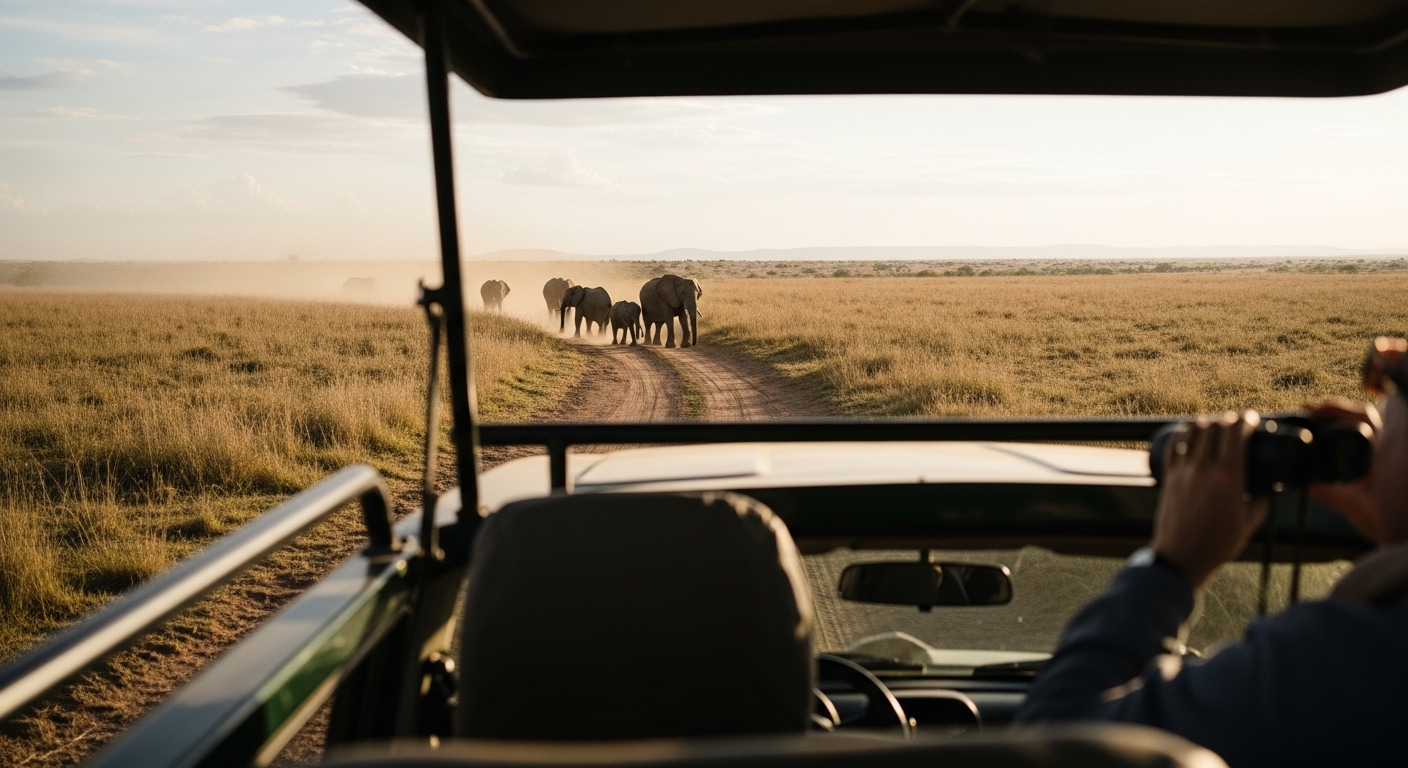
While part of the same country, the two regions feel worlds apart. Understanding the Zanzibar vs mainland distinctions is key to planning your trip.
Cultural Landscape
The biggest difference lies in the culture. Mainland Tanzania is a tapestry of over 120 distinct ethnic groups, including the Maasai, Sukuma, and Chagga. This creates a diverse cultural landscape with a mix of Christian, Muslim, and traditional beliefs.
Zanzibar, by contrast, has a more homogenous Swahili culture deeply shaped by centuries of Arab and Persian influence. This history is reflected in its architecture, cuisine, and the prominence of Islam, which guides the rhythm of daily life. Visitors are encouraged to dress modestly, especially when outside of beach resorts.
Language Nuances
Swahili (or Kiswahili) is the official language that unites all of Tanzania. You can communicate easily in both places. However, the dialects differ slightly. Zanzibari Swahili is often considered the most classical form, rich with Arabic loanwords. On the mainland, you might hear more English words and local slang mixed into conversation. These are minor variations, and learning a few basic phrases like jambo (hello) and asante (thank you) will be appreciated everywhere.
Political Status
Here’s a fascinating detail: Zanzibar is a semi autonomous region within the United Republic of Tanzania. It has its own president, parliament, and flag. This unique political status is a result of the 1964 union between mainland Tanganyika and the islands of Zanzibar. For travelers, this means you might go through a quick passport check when traveling between the two, even on a domestic flight. It’s a simple formality, not an international border crossing.
Planning Your Trip: Logistics and Timing
Planning the logistics for a Zanzibar vs mainland trip is simple, making a combined itinerary easy to arrange. For step-by-step logistics and timelines, see our complete safari planning guide.
Travel Connections: Flights and Ferries
Traveling between the two is a well worn path, with two main options:
By Air: The quickest way is a short flight. A trip from Dar es Salaam to Zanzibar takes only about 20 minutes. There are also direct flights from safari hubs like Arusha, connecting you from the bush to the beach in just a couple of hours.
By Sea: For a more scenic and budget friendly journey, a high speed ferry runs between Dar es Salaam and Stone Town. The trip takes about two hours and offers beautiful views as you approach the island.
2026 Transit Times & Costs
Connecting the two regions is easier than ever. Here is what to expect for your 2026 transit:
Arusha/Serengeti to Zanzibar (Flight): 1.5 to 2.5 hours. Expect to pay between $200 – $350 USD for a one-way bush flight.
Dar es Salaam to Stone Town (Ferry): 2 hours. High-speed ferries (like Azam Marine) cost approximately $35 – $50 USD for "Economy" to "Royal" class.
Pro-Tip: Book "Coastal Aviation" or "Safari Air Link" for direct bush-to-beach flights to avoid a layover in Dar es Salaam.
Because this is a domestic route, you do not need a separate visa for Zanzibar. Your Tanzanian tourist visa covers both the mainland and the islands.
Accessibility and Getting Around
The scale of travel in each location is vastly different. The mainland is immense. Getting between national parks often involves long drives on bumpy roads or short flights on small bush planes. This is where a tour operator is essential for managing the complex logistics.
Zanzibar is much more compact. You can drive the length of the main island in about two hours. Taxis, rental scooters, and local minibuses (dala dalas) make getting around relatively easy and affordable.
The Best Time to Visit
The best time for both a safari and a beach holiday is during the main dry season from June to October; see our best time to visit Tanzania for safari guide. The weather is sunny and pleasant, and wildlife is easier to spot as animals gather around water sources. This period also includes the spectacular Great Migration river crossings in the Serengeti (typically July and August).
Another excellent window is from late December to February. This is the calving season in the southern Serengeti, where thousands of wildebeest are born, attracting predators and creating dramatic scenes. For Zanzibar, these months offer beautiful beach weather.
The main rainy season from March to May is the low season, with fewer crowds and lower prices but a higher chance of downpours disrupting plans.
Budget, Travel Style, and Trip Flow
Deciding on your approach involves considering your budget, who you’re traveling with, and how you like to vacation. The Zanzibar vs mainland debate also extends to cost and pacing.
Cost and Budget Comparison
Generally, a mainland safari is more expensive per day than a Zanzibar stay. Safari costs include significant park entry fees (often $60 to $70 per person per day), a private 4x4 vehicle, a professional guide, and full board accommodation in remote lodges or camps. A mid range private safari can cost between $400 and $700 per person per day. For a detailed breakdown, see our Tanzania safari cost guide.
Zanzibar offers more flexibility. While luxury resorts can be pricey, there are many wonderful mid range hotels, boutique guesthouses, and beach bungalows at a fraction of the cost. Food and activities are also generally more affordable. This flexibility allows you to balance your overall trip budget, perhaps by splurging on an incredible safari and then choosing more modest accommodation in Zanzibar.
Who is it For? A Match for Every Traveler
Wildlife Enthusiasts & Photographers: The mainland is your primary destination. The sheer density and diversity of animals are unparalleled.
Honeymooners & Relaxation Seekers: Zanzibar is a romantic paradise. However, the shared adventure of a safari followed by beach relaxation is a classic honeymoon combination.
Adventure Seekers: The mainland offers trekking, walking safaris, and the ultimate challenge of climbing Mount Kilimanjaro.
Families: A combined trip is perfect. Safaris create core memories for kids, while Zanzibar’s calm waters provide a safe and fun environment for everyone to unwind.
Cultural Travelers: Both offer rich experiences. Explore Maasai culture on the mainland and dive into Swahili history in Stone Town.
Solo Travelers: A guided safari provides security and companionship. Zanzibar is a friendly and easy place to explore on your own, though it’s always wise to take standard safety precautions.
The Perfect Order: Safari First or Zanzibar First?
While you can plan it either way, most experts recommend the safari first, beach second itinerary. A safari is exhilarating but can be tiring, with early mornings and long days in a vehicle. Finishing your trip in Zanzibar allows you to fully relax and process the incredible things you’ve seen. You end your vacation feeling rested and rejuvenated, rather than needing a vacation from your vacation.
For a seamless experience, a well planned itinerary is crucial. An operator like Duma Explorer can craft a custom trip that perfectly balances your desire for adventure and relaxation.
Packing for Two Worlds
The contrast between the dusty plains and the humid coast requires a smart suitcase:
On the Mainland: Think function. Pack long trousers and sleeves for the evenings to protect against mosquitoes and Tsetse flies. Avoid bright blue or black clothing, as they attract biting flies in some parks.
In Zanzibar: Think respect. While bikinis are fine on resort beaches, Stone Town is a conservative area. Both men and women should ensure shoulders and knees are covered when walking through town or local villages.
The Verdict: The “Bush and Beach” Combination
Ultimately, the debate over Zanzibar vs mainland is best solved by not choosing at all. The magic of Tanzania lies in its diversity. A combined “bush and beach” itinerary offers a complete and deeply satisfying journey.
You get the adrenaline of tracking lions across the Serengeti, followed by the tranquility of watching a dhow sail across an Indian Ocean sunset. It’s a trip of powerful contrasts, adventure and serenity, that captures the true soul of East Africa. By experiencing both, you get two incredible vacations in one unforgettable trip.
Ready to plan your own adventure? Explore custom safari and Zanzibar packages to start building your dream Tanzanian holiday.
Frequently Asked Questions About Zanzibar vs Mainland Tanzania
1. Do I need a different visa for Zanzibar?
No. Zanzibar is part of Tanzania, so your single Tanzanian tourist visa is valid for both the mainland and the islands. You will only go through a brief passport check when traveling between them.
2. What is the best way to travel from a safari in the Serengeti to Zanzibar?
The most efficient way is to take a small bush flight from an airstrip within or near the Serengeti directly to Zanzibar. This saves you a full day of travel and is a scenic experience in itself.
3. Is it better to end my trip on the mainland or in Zanzibar?
Most travelers prefer to end their trip in Zanzibar. After the exciting and often tiring pace of a safari, the relaxing beach environment is the perfect way to unwind before heading home.
4. How many days do I need for a combined safari and Zanzibar trip?
A good starting point is 10 to 14 days. This allows for a 5 to 7 day safari covering a few key parks, and 4 to 6 days in Zanzibar to experience both Stone Town and the beaches without feeling rushed.
5. Is Tanzania safe for solo travelers?
Yes, Tanzania is generally a safe and welcoming destination for solo travelers. On safari, you are always with a professional guide, which provides security. In Zanzibar and mainland cities, it is important to take standard precautions like avoiding walking alone at night and being aware of your surroundings.
6. Which is more expensive, a mainland safari or a Zanzibar vacation?
On a per day basis, a mainland safari is almost always more expensive due to high park fees, vehicle costs, and the logistics of operating in remote areas. Zanzibar offers a wider range of budget friendly options for accommodation and dining.
7. Can I experience local culture on both the mainland and in Zanzibar?
Absolutely. On the mainland, you can visit local markets or arrange a respectful visit to a Maasai community. In Zanzibar, immersing yourself in Stone Town, visiting a spice farm, and enjoying local Swahili cuisine are fantastic cultural experiences.
8. What is the biggest difference in the experience of Zanzibar vs mainland?
The biggest difference is the pace. A mainland safari is an active, structured adventure focused on wildlife. A Zanzibar trip is a relaxed, leisurely escape focused on beaches, culture, and rejuvenation.
