Tanzania Safaris: 7-10 Day Itineraries, Costs & Guide (2026)
Imagine the endless plains of the Serengeti stretching out before you, the ground trembling as a million wildebeest thunder past. Picture the first light of dawn illuminating the Ngorongoro Crater, revealing a real life Noah’s Ark of wildlife below. This is the magic of Tanzania safaris, a journey that promises not just a vacation, but a profound connection with the wild heart of Africa.
Quick Answer: How to Plan a 7–10 Day Tanzania Safari
A 7–10 day Tanzania safari is the ideal timeframe to experience the Northern Circuit, including the Serengeti, Ngorongoro Crater, and Tarangire. In 2026, expect to pay $3,150–$4,550 per person for a mid-range 7-day itinerary. For the best experience, spend at least 3 nights in the Serengeti to witness the Great Migration, and consider a fly-back option from the Serengeti to Arusha to save 8 hours of driving time.
Planning your Tanzania safaris can feel like a monumental task, but it doesn’t have to be. This guide will walk you through everything you need to know, from crafting the perfect itinerary to packing the right gear, ensuring your adventure is as seamless as it is spectacular.
Tanzania Safari Cost Comparison (2026 Estimates)
| Safari Tier | Daily Cost (Per Person) | Accommodation Type | Best For |
|---|---|---|---|
| Budget | $250 – $350 | Public Campsites / Pop-up Tents | Solo travelers, Students |
| Mid-Range | $450 – $650 | Tented Camps / En-suite Lodges | Families, First-timers |
| Luxury | $800 – $1,500+ | Boutique Lodges / Private Villas | Honeymoons, Photography |
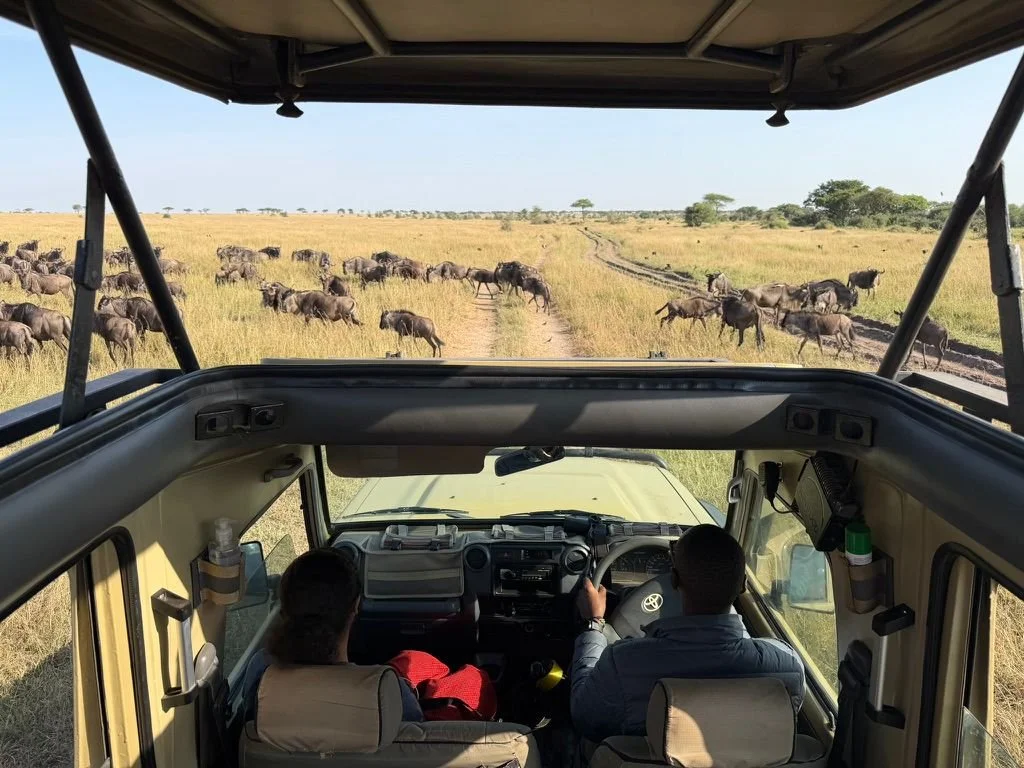
Understanding Your Tanzania Safari Itinerary (7 to 10 Days)
So, how long should you spend on Tanzania safaris? For most travelers, the sweet spot is between seven and ten days. This duration provides a fantastic balance, allowing you to immerse yourself in the wilderness without feeling rushed, all while fitting comfortably into a standard vacation window. It’s the classic timeframe for experiencing the iconic Northern Circuit, home to some of the world’s most famous national parks.
A Classic 7 Day Tanzania Safari Itinerary
A one week safari is a popular and powerful choice. It’s a condensed yet incredibly fulfilling experience, perfect for first time visitors. A typical 7 day trip focuses on the Northern Circuit’s superstar parks.
Parks Visited: Tarangire National Park, Lake Manyara National Park, the Ngorongoro Crater, and the legendary Serengeti National Park.
Pacing: It’s an active week with early starts to maximize wildlife viewing. You can expect to spend one or two nights in each location, with at least two nights in the Serengeti to make the journey worthwhile.
Wildlife Highlights: In just a week, you have a strong chance of spotting the “Big Five” (lion, leopard, elephant, buffalo, and rhino). The high animal density in the Ngorongoro Crater often delivers incredible sightings in a single day.
Expanding to a 9 Day Tanzania Safari Itinerary
Adding just two extra days opens up a world of possibilities. A 9 day itinerary allows you to either slow the pace or broaden your horizons.
Deeper Exploration: You could dedicate three or even four nights to the Serengeti. This is ideal for photographers or anyone keen on following the Great Migration, as it allows you to explore different regions of this vast park, like tracking river crossings in the north.
More Variety: The extra time could be used to add a unique cultural experience, like a visit to Lake Eyasi to meet the Hadzabe hunter gatherers. It adds a fascinating human element to your wildlife adventure.
Relaxed Pace: A 9 day trip means less time spent packing and unpacking every single day, giving you more breathing room to simply soak in the atmosphere at a beautiful lodge or tented camp.
The Comprehensive 10 Day Tanzania Safari Itinerary
With ten days, you can craft a truly immersive journey. This length is perfect for travelers who want to see it all or combine different types of experiences.
The Ultimate Northern Circuit: Spend more quality time in each park, perhaps adding a walking safari in Arusha National Park or exploring a more remote section of the Serengeti.
Bush and Beach Combo: A very popular option is to spend about seven days on safari and then use the remaining days to fly to the spice island of Zanzibar for some well deserved beach relaxation.
Two Circuits in One: For the ultimate adventurer, ten days can be long enough to combine the northern parks with a flight down to the Southern Circuit, visiting a wild and remote park like Ruaha.
A Sample Day by Day Itinerary
So what does a day on safari actually look like? It follows the rhythm of the wild. A day by day plan provides a clear narrative for your adventure.
Day 1: Arrive at Kilimanjaro Airport (JRO) and transfer to your lodge in Arusha to rest.
Day 2: Drive to Tarangire National Park for an afternoon game drive among giant baobab trees and elephant herds.
Day 3: Morning game drive in Tarangire, then travel to the Ngorongoro highlands.
Day 4: Descend into the Ngorongoro Crater for a spectacular morning of game viewing, then continue to the Serengeti.
Day 5 & 6: Two full days exploring the Serengeti, tracking big cats and the Great Migration.
Day 7: One last morning game drive before heading back to Arusha for your flight home.
Choosing Your Destination: The Northern vs. Southern Circuit
Tanzania’s safari destinations are generally grouped into two distinct circuits. While both offer incredible wildlife, they provide very different experiences.
The Iconic Northern Circuit
The Northern Circuit is the undisputed superstar of Tanzania safaris. It’s home to the country’s most famous parks, which are conveniently located in a loop that starts and ends in the safari hub of Arusha.
Serengeti National Park: The main event. Its name means “endless plains,” and it’s home to the Great Migration, a staggering spectacle of over 1.3 million wildebeest and 200,000 zebras on the move. For planning ideas, see this guide to top Serengeti safari tours.
Ngorongoro Crater: A UNESCO World Heritage Site, this massive volcanic caldera is a self contained ecosystem teeming with about 25,000 large animals, including the rare black rhino.
Tarangire National Park: Known for its enormous elephant herds, which can number over 3,000 in the dry season, and its landscape of ancient baobab trees.
Lake Manyara National Park: Famous for its tree climbing lions and vibrant birdlife, including flocks of pink flamingos against the backdrop of the Rift Valley escarpment.
The Wild Southern Circuit
If the Northern Circuit is a blockbuster movie, the Southern Circuit is an indie adventure film. It’s for travelers seeking a more remote, off the beaten path experience with far fewer tourists.
Nyerere National Park (formerly Selous): One of Africa’s largest protected areas, this vast wilderness is defined by the mighty Rufiji River. It’s a stronghold for the endangered African wild dog and offers unique activities like boat safaris.
Ruaha National Park: Tanzania’s largest national park is a rugged, wild paradise. It’s home to an estimated 10% of the world’s remaining lion population and offers a feeling of true exclusivity; you can drive for hours without seeing another soul.
When is the Best Time for Tanzania Safaris?
There really is no bad time to go on safari in Tanzania, as each season offers something unique. The choice depends on what you want to see and experience—see our guide to the best time for your African safari.
Dry Season vs. Green Season: A Comparison
The Dry Season (June to October)
This is the peak season for a reason. With less water available, animals congregate around rivers and waterholes, making them easier to spot. The vegetation is sparse, so visibility is excellent. The weather is sunny and pleasant, though mornings can be chilly. This is the classic safari experience.
The Green Season (November to May)
Also known as the “emerald season,” this is when the landscape transforms into a lush, green paradise. It’s a stunning time for photography, with dramatic skies and vibrant colors. This is the birthing season for many animals. While wildlife can be harder to spot in the dense vegetation, you’ll be rewarded with fewer crowds and lower prices.
Timing the Great Migration: Calving & River Crossings
| Month | Region | Wildlife Event |
|---|---|---|
| Jan – March | Southern Serengeti | Calving Season (Predator Action) |
| April – May | Central Serengeti | The "Green Season" (Lush, Quiet) |
| June – July | Western Corridor | Grumeti River Crossings |
| Aug – Oct | Northern Serengeti | Mara River Crossings (The Big Event) |
| Nov – Dec | Central Serengeti | Herds moving South (Short Rains) |
The Great Migration is a year round phenomenon, but two events stand out as particularly spectacular.
The Calving Season (January to February): Head to the southern Serengeti and Ndutu plains. Here, you can witness the incredible spectacle of hundreds of thousands of wildebeest giving birth. In a window of just a few weeks, an estimated 8,000 calves are born every single day, attracting a high concentration of predators.
The River Crossings (July to September): For pure drama, nothing beats the river crossings. The herds arrive in the northern Serengeti and must cross the crocodile infested Mara River to reach the grasslands of Kenya’s Maasai Mara. It is a life or death struggle and one of nature’s most awe inspiring events.
How to Style Your Safari: Key Choices to Make
Beyond where and when to go, you can tailor your Tanzania safaris to fit your travel style and budget. Trusted local experts, such as the team at Duma Explorer, specialize in crafting these custom journeys.
Private Safari vs. Group Safari
Private Safari: This is your trip, your way. You have your own private vehicle and guide, which means ultimate flexibility. Want to spend an hour watching a leopard in a tree? No problem. The itinerary is customized to your interests, and you travel at your own pace. While the per person cost can be higher for a couple, the price becomes quite competitive for families or small groups of friends, as the cost of the vehicle and guide is shared among more people. For more ideas, explore our family safari planning tips.
Group Safari: You join a scheduled tour with other travelers. This is a great way to meet new people and is often the most budget friendly option, as you share the costs. The tradeoff is a fixed itinerary and the need to compromise with the group’s interests.
Choosing Your Accommodation: From Budget to Luxury
Tanzania offers a vast range of lodging options to suit every taste.
Budget: Adventure camping at public campsites, where you sleep in dome tents and meals are prepared by a camp cook. It’s basic but offers an authentic, close to nature experience.
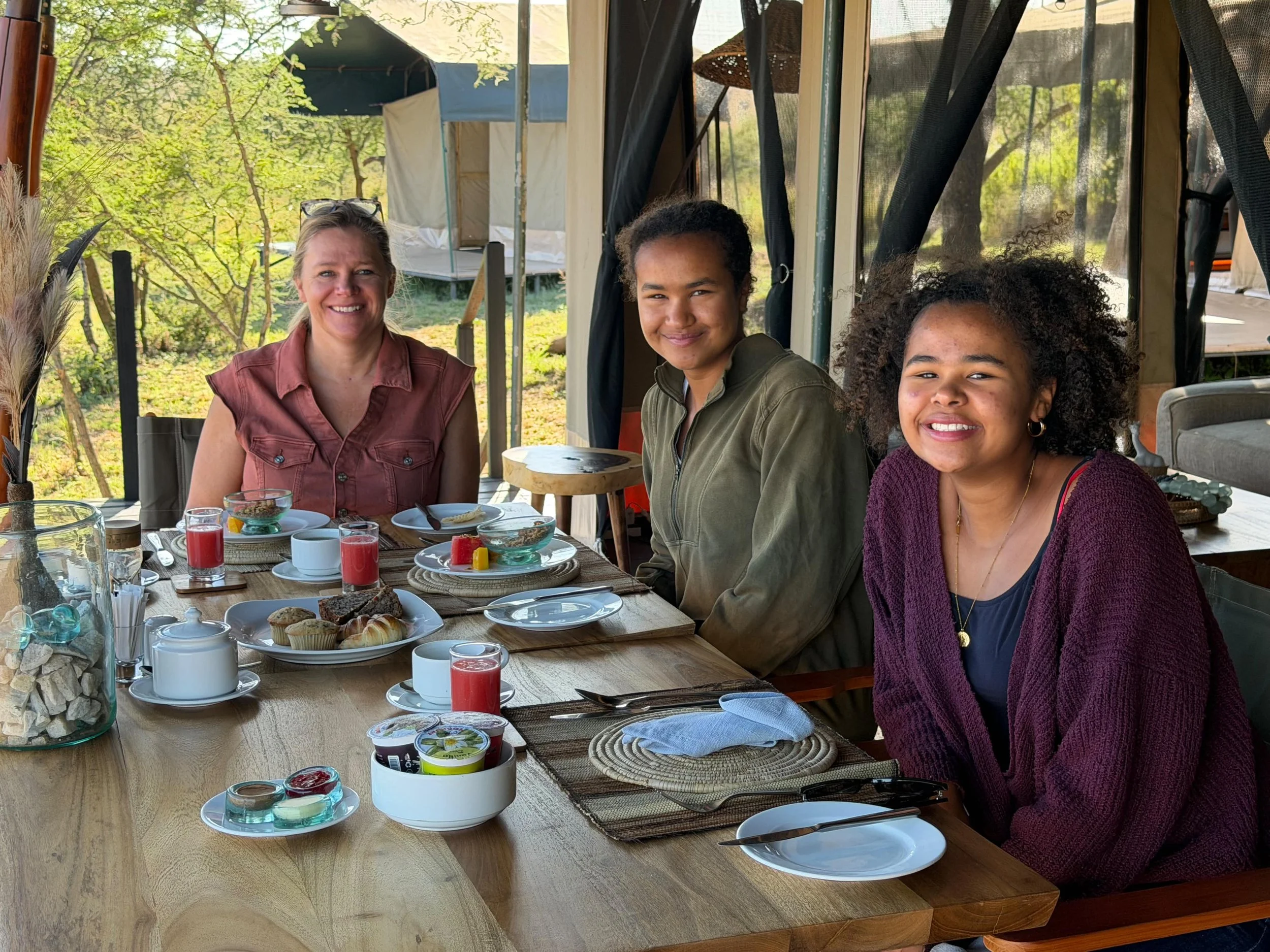
Mid Range: A mix of comfortable safari lodges and permanent tented camps. These offer amenities like en suite bathrooms, proper beds, and restaurant dining, providing a great balance of comfort and value.
Luxury: Exclusive lodges and high end tented camps offering gourmet food, exceptional service, and stunning locations. Many luxury options include extra perks like swimming pools, spa services, and all inclusive drinks.
Getting Around: 4x4 Overland vs. Fly In Safaris
4x4 Overland Safari: The classic road trip. You travel between parks in a sturdy 4x4 safari vehicle with a pop up roof. This allows you to see the changing landscapes and life in rural Tanzania between the parks. It’s generally more affordable and gives you the continuity of having the same guide throughout.
Fly In Safari: You use small bush planes to hop between parks, saving significant travel time. A drive from the Serengeti to Arusha can take eight hours, while a flight takes about one. This maximizes your time for game drives and is ideal for shorter trips or those covering vast distances. The tradeoff is a higher cost and strict luggage limits, typically 15 kg per person in soft bags.
Adding a Cultural Touch: Visiting the Maasai, Hadzabe, & Datoga
A visit to a local community adds a rich, human dimension to your safari—explore Tanzania’s cultural heritage to see how these experiences can be woven into your trip.
Maasai: Visit a traditional Maasai boma (village) to learn about their semi nomadic, cattle herding culture. You’ll likely be greeted with a traditional jumping dance and invited into a mud and stick home.
Hadzabe: Join one of Africa’s last hunter gatherer tribes on an early morning hunt near Lake Eyasi. It’s a fascinating and authentic glimpse into an ancient way of life.
Datoga: Meet these skilled blacksmiths, who craft arrowheads and tools for their Hadzabe neighbors. It’s a chance to witness an ancient craft that has been passed down for generations.
Navigating the Logistics: Booking and Costs
Understanding the practical side of planning your Tanzania safaris is key to a stress free trip.
Tanzania Safari Cost Breakdown (What’s Included?)
A safari package is typically an all inclusive affair, meaning the price you are quoted covers most of your major expenses.
What’s Usually Included:
All accommodations for the duration of the safari.
Most meals (usually three per day) and bottled water in the vehicle.
A private 4x4 safari vehicle with a professional driver and guide.
All national park and conservation fees. These fees, which can be $70 to $80 per person per day for a park like the Serengeti, are a significant part of the cost and contribute directly to conservation (learn more about how much park fees cost in Tanzania).
Airport transfers at the start and end of your trip.
What’s Usually Not Included:
International flights to and from Tanzania.
Visas and travel insurance.
Tips for your guide and lodge staff.
Alcoholic drinks, sodas, and personal expenses like souvenirs.
Optional activities like a hot air balloon safari over the Serengeti.
Booking Options: Local Operator vs. International Agent vs. Self Drive
Local Operator: Booking directly with a Tanzania based company often provides the best value and the most authentic experience. They have on the ground knowledge and can create a truly customized trip. Companies like Duma Explorer, operating locally as Alika Africa, offer this direct, personalized planning service.
International Agent: Booking through an agent in your home country can offer convenience, but it often comes at a higher price due to the added layer of commission.
Self Drive: While possible, self driving in Tanzania’s parks is challenging due to rough roads and limited signage. It’s generally recommended only for very experienced and adventurous travelers.
Getting Ready for Your Trip
With the big decisions made, it’s time to prepare for your adventure.
Your Essential Safari Packing List
For Tanzania safaris, the key is to pack light and smart, using layers and neutral colors.
Clothing: Lightweight shirts and trousers in khaki, tan, or olive green. Avoid bright colors, white, and camouflage. A warm fleece or jacket is essential for chilly mornings (see quick tips for ladies heading on a safari adventure for more packing ideas).
Gear: A wide brimmed hat, sunglasses, and comfortable closed toe shoes. Binoculars are a must have, and don’t forget your camera with extra batteries and memory cards.
Luggage: Use a soft sided duffel bag, as hard suitcases are often not permitted on small bush flights.
Health: Pack sunscreen, insect repellent, any personal medications, and a basic first aid kit. Consult your doctor about anti malarial medication.
Key Safari Safety Tips
Tanzania safaris are very safe when you follow a few simple rules.
Listen to Your Guide: This is the most important rule. Their experience is your best safety asset.
Stay in the Vehicle: Never get out of the safari vehicle unless your guide says it is safe to do so. Wild animals see the vehicle as a single, non threatening object, but a person on foot can be viewed as prey or a threat.
Be Quiet and Respectful: Don’t make loud noises to attract an animal’s attention. Observe them quietly and from a respectful distance.
Nighttime Caution: In unfenced camps, always have a staff member escort you to and from your tent after dark, as wildlife can wander through the property.
Driving Times Between Parks
While fly in safaris are an option, most people travel overland. Understanding the distances helps set expectations.
Arusha to Tarangire: About 2.5 to 3 hours.
Ngorongoro Crater to Serengeti (Central): About 5 to 6 hours, often done as a game drive.
Serengeti (Central) to Arusha: A long 8 to 9 hour drive. Many travelers break this up with an overnight stop or choose to fly back to save time.
Travel Logistics: Getting Around the Northern Circuit
If you are choosing an overland safari, keep these average driving times in mind to avoid "safari fatigue."
Frequently Asked Questions About Tanzania Safaris
-
A 7-day mid-range safari typically costs between $3,150 and $4,550 per person. This includes park fees (approx. $70-$82/day), professional guides, and en-suite tented camps. Budget options start as low as $250/day for group camping.
-
Most travelers require a Tanzania E-Visa, which costs $50 for most nationalities and $100 for US citizens. It is recommended to apply online at least 3 weeks before departure.
-
Yes. It offers the highest density of big game in Africa. It is the best place in Tanzania to see the endangered Black Rhino in a single morning game drive.
A safari in Tanzania is more than just a trip; it’s an experience that will stay with you forever. From the endless plains to the incredible wildlife, it’s a journey that awakens a sense of wonder. If you’re ready to start planning your own adventure, the expert team at Duma Explorer can help you design the perfect custom safari.