How Much Does a Tanzania Safari Cost in 2026?
Quick answer (2026): A custom mid-range Tanzania safari with Duma Explorer typically runs $450–$600 per person, per day, including lodges/tented camps, meals, a private 4x4, guide, and park fees. Across the market, budget camping is about $250–$400, mid-range $450–$800, and luxury $850–$1,500+. A 7-day mid-range trip is usually about $3,150–$4,200 per person before international flights, visa, and tips. Park fees ($53–$83/day) and group size move the number more than most people expect.
See Tanzania safari itineraries →
How Much Does a Tanzania Safari Cost? An Overview
Quick Answer:
A Tanzania safari in 2026 typically costs between $250 and $1,500+ per person, per day. Budget camping safaris range from $250–$400, mid-range lodge safaris average $450–$800, and luxury fly-in safaris start at $850 and can exceed $1,500. Key cost drivers include mandatory daily park fees ($53–$83), group size, and whether you travel during the Peak Season (June–October).
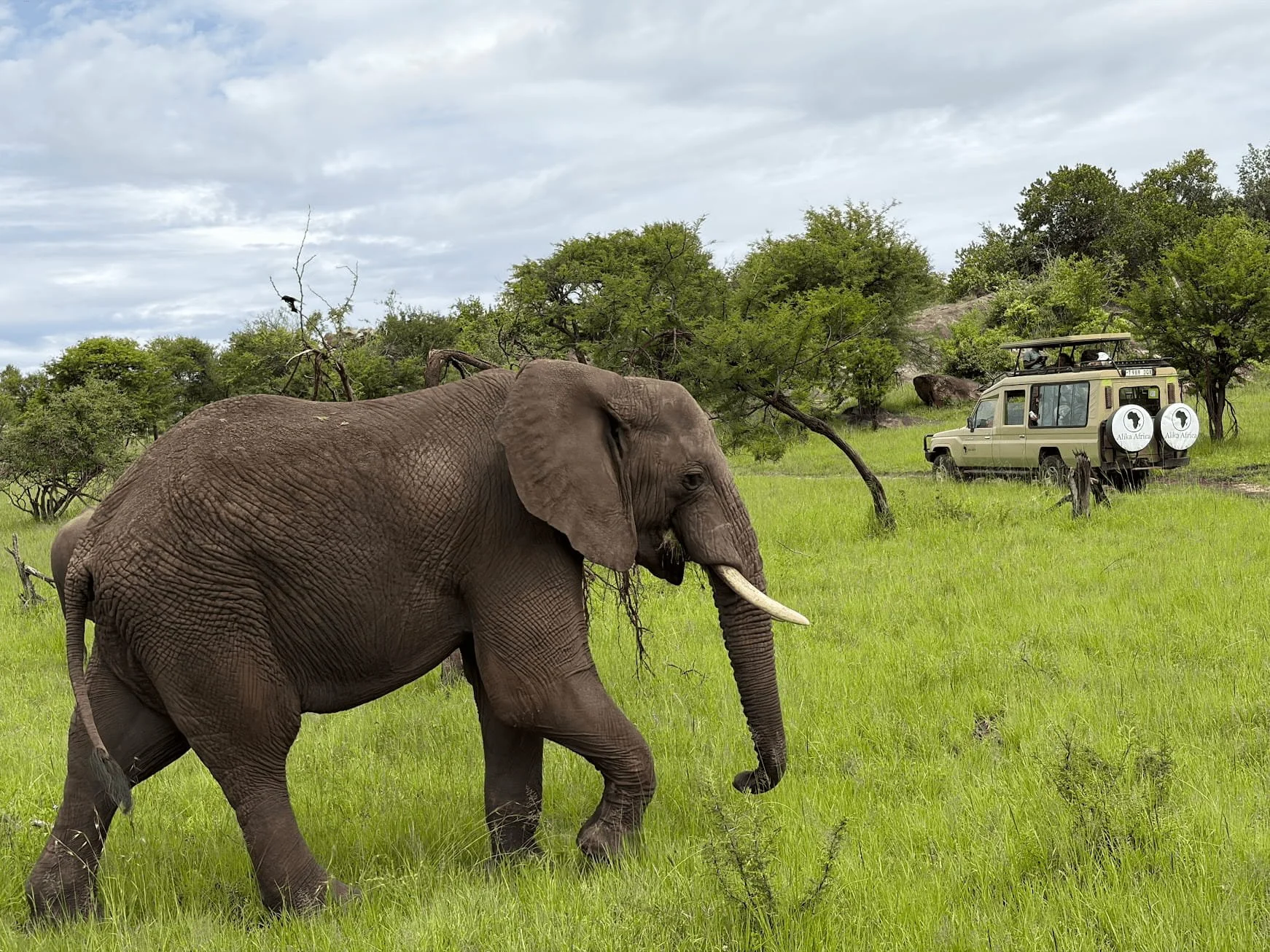
So, what are you actually paying for? A safari package typically bundles all your major on the ground expenses into one price. This includes your accommodation, all meals, park entry fees, a private 4x4 vehicle with a pop up roof, and the invaluable expertise of a professional driver guide. This cost guide is really just one lens on our broader Tanzania safari options — same parks, vehicles, and guides, just focused entirely on the numbers.
To give you a starting point, here are the general daily price ranges per person:
Budget Safaris: Approximately $250 to $400 per person, per day.
Mid Range Safaris: Around $450 to $800 per person, per day.
Luxury Safaris: Starting from $850 and climbing to $1,500 or more per person, per day.
Want a number tailored to your exact trip length and style? Use our safari cost calculator to get a personalized estimate in under a minute.
Using these numbers, a one week (7 day) safari could range from about $1,750 for a basic camping trip to over $4,200 for a comfortable lodge experience.
Want a number tailored to your exact trip? Plug in your travel dates, group size, and style into our safari cost calculator for an instant estimate — as an example, the tool currently estimates $6,300–$11,200 total for 2 travelers on a 7-day mid-range safari.
| Safari Tier | Daily Cost (Per Person) | Accommodation Type | Best For |
|---|---|---|---|
| Budget | $200 – $400 | Public Campsites / Basic Tents | Solo travelers & Backpackers |
| Mid-Range | $450 – $800 | Comfort Tented Camps / Lodges | Couples & Families (Best Value) |
| Luxury | $850 – $1,500+ | 5-Star Lodges / Fly-in Camps | Honeymoons & Special Occasions |
Breaking Down Your Safari: Budget, Mid Range, and Luxury
Your choice of travel style is the single biggest factor determining your final Tanzania safari cost. Let’s look at what you can expect from each tier.
The Budget Safari Experience
A budget safari is for the adventurous traveler who prioritizes the wildlife experience over creature comforts. These trips keep costs low by using simple accommodations, like public campsites where you sleep in tents, or basic lodges outside the parks.
You can expect a budget group camping safari to start at around $250 per person per day for a group of 5. This price typically includes your park fees, a shared 4x4 vehicle, a guide, camping equipment, and meals often cooked by a dedicated safari chef. It’s a rustic and authentic way to experience the bush without breaking the bank.
What to Expect at a Public Campsite
On a budget camping safari, you stay at designated public campsites inside or near Tanzania’s national parks. These campsites are shared with other travellers and safari groups, so you will be using communal toilet and shower facilities rather than a private en-suite. The campsites are typically unfenced, which means wildlife such as zebras, antelopes, and wildebeest may wander through camp in the evening — making for an incredibly authentic bush experience that lodge guests rarely get to enjoy.
Meals, Equipment, and Camp Setup
Your safari operator will send a dedicated cook who prepares all of your meals fresh at the campsite — typically hearty, home-style dishes served alongside tea, coffee, and bottled drinking water. All camping equipment is provided and carried in the safari vehicle itself, including tents, sleeping bags, foam mattresses, pillows, folding chairs, and a small dining table. Because everything needs to be loaded and secured each morning before departure, start times can be a little later than on lodge-based itineraries. The good news is that guests never have to set up or break down camp themselves — your cook, guide, and camp staff take care of all the heavy lifting so you can focus on the wildlife.
Is a Budget Camping Safari Right for You?
If you are comfortable with shared facilities and a simpler setup, a budget camping safari is one of the most rewarding ways to experience Tanzania’s wilderness. You will visit the same iconic parks — the Serengeti, Ngorongoro Crater, Tarangire, and Lake Manyara — with the same knowledgeable guides, just without the premium price tag that comes with private lodges and tented camps. It is the closest you can get to the classic safari experience, sleeping under canvas with the sounds of the African bush all around you.
The Mid Range Safari: Comfort and Value
The mid range safari is the most popular option for travellers in Tanzania, and for good reason — it strikes a perfect balance between comfort and cost. This is the sweet spot for great value, and over the last decade the quality of mid range properties has improved dramatically. Increased competition and a wave of new lodges and tented camps opening across the northern and southern circuits mean that today’s mid range options often deliver close to the same level of service you would find at a luxury property, at a fraction of the price.
Mid range safaris usually cost between $450 and $800 per person per day. For this price, you get a significant upgrade in lodging. Think charming tented camps with real beds, stylish furnishings, and private en-suite bathrooms with on-demand hot water showers — a far cry from the bucket showers that were standard at this tier just ten years ago. Many properties also feature welcoming communal areas, swimming pools, and elevated viewing decks overlooking waterholes or the open savanna. Your safari vehicle is often private for your group, and the itinerary can be customised to your interests.
This tier delivers an amazing wildlife adventure with all the comforts of home, and the consistently high standard across Tanzania's mid range accommodation makes it an excellent choice for first-time safari goers who want a memorable experience without stretching to luxury pricing. For a real-world example, a 5-day private safari can start from around $2,000 per person. If you're still deciding how many days to book, our 7-10 day itinerary guide lays out sample day-by-day plans and what each length actually costs.
The Luxury Safari: The Ultimate Indulgence
A luxury safari is an all-inclusive, top-tier journey where every detail is taken care of. These trips feature exclusive five-star lodges and boutique camps in prime locations, gourmet dining, and highly personalised service. At this level, expect amenities that rival the world’s best hotels — on-site massage and spa services, swimming pools, fully equipped gyms, and stunning views from both the rooms and dining areas that look out over the plains, craters, or riverbanks below.
The price for a luxury safari averages $850 per person per day but can easily exceed $1,500 per person per day at the most exclusive properties. For luxury lodges and camps located within their own private concessions — offering game drives away from the crowds with exclusive traversing rights — expect to pay $2,500 or more per person per night. You might enjoy fly-in safaris with bush plane flights between parks, private sundowners overlooking the savanna, and expert guides who offer deep insights into the ecosystem.
For travellers seeking unparalleled privacy, comfort, and service, a luxury safari delivers a truly once-in-a-lifetime experience.
Key Factors That Influence Your Tanzania Safari Cost
Beyond your choice of safari tier, several other variables can raise or lower your final price. Understanding these levers is key to planning a trip that fits your budget.
Seasonality: Traveling during the peak season (the dry months of June to October) is most expensive. You can find significant discounts, sometimes 30% or more, by traveling in the low season (the rainy months of April, May, and November). For help choosing the right window for wildlife and value, read our guide to the best time for your African safari adventure.
Trip Duration: The longer you stay, the higher the total cost. Each day adds more accommodation, food, and park fee expenses.
Accommodation Style: This is a huge variable. A night in a public campsite might cost $30, while a night in a luxury lodge can run over $1,500.
Transportation: Driving between parks is the most common and cost effective method. Flying between remote parks on small planes is faster but adds hundreds of dollars per flight to your budget.
Group Size: The more people sharing the fixed costs of a vehicle and guide, the lower the price per person. A private Tanzania safari for two will cost more per person than a trip for a family of five.
Optional Activities: Standard game drives are included, but extras like a hot air balloon ride over the Serengeti or a guided night drive in Tarangire will add to your budget.
A Closer Look at Core Safari Expenses
Let’s dig into the specific line items that make up your Tanzania safari cost.
Accommodation Costs
Lodging is often the biggest piece of the safari price puzzle. Your nightly rate can range from $30 to $50 for a basic campsite all the way up to $800 to $2,500 per person for a high end luxury lodge. Importantly, if you stay at a lodge or camp located inside a national park, you will also pay a nightly concession fee of around $60 to $70, which goes directly to the park authorities for conservation.
Fixed 2026 Government Park Fees (VAT Inclusive)
These fees are mandatory and usually included in your tour operator's quote. Note that fees are often higher in the Peak Season (July–September).
| Park / Area | Adult Fee (16+) | Child Fee (5-15) | Notable Extra Fees |
|---|---|---|---|
| Serengeti NP | $82.60 | $23.60 | $70.80 Nightly Concession Fee |
| Ngorongoro Crater | $70.80 | $23.60 | $295.00 Vehicle Descent Fee |
| Tarangire / Manyara | $53.10 | $17.70 | $47.20 Nightly Concession Fee |
| Nyerere (Selous) | $59.00 | $35.40 | Lower crowds, higher flight costs |
For the most popular parks like the Serengeti and Ngorongoro Conservation Area, the entry fee is approximately $70 to $83 per adult for every 24 hour period. There is also an overnight camping, concession, or special campsite fee depending on your lodging choice. For a park-by-park breakdown and what’s included, see how much are park fees in Tanzania.
Transportation Costs: Getting Around the Parks
Your safari 4x4 vehicle, fuel, and driver guide are all bundled into your package. A road safari, where you drive between all the parks in the Northern Circuit, is the most economical approach.
In contrast, a fly in safari, which is more common for the remote Southern Circuit, saves time but adds considerable expense. A single internal flight can cost $200 to $575 per person, and you may need several to complete your itinerary.
How Group Size Impacts Your Per Person Cost
A standard safari vehicle typically seats up to six guests. Because the costs of the vehicle and guide are fixed, sharing them among six people is far cheaper per person than if only two people are covering the cost. Families can also use our family safari guide for tips on planning multi‑generational trips and smart ways to save.
Dining Costs on Safari
The good news is that nearly all safari packages are full board. This means your breakfast, lunch, and dinner are included in the price. While on safari, you won’t need to budget for meals, as there are rarely restaurants available in the bush anyway. Mid-range and luxury options also include sundowner snacks served around the fire pit in the evening — a highlight of any safari day and a wonderful way to unwind after a game drive.
We are often asked whether it is necessary to bring snacks from home, but you will be well fed on any Tanzania safari, so this is rarely needed. If you do have a craving for specific treats, it is certainly possible to stop by a grocery store on the way to the park to pick up potato chips, chocolate bars, or anything else you fancy — just let your guide know.
Water, tea, and coffee are usually included, but you should clarify with your operator whether soft drinks and alcoholic beverages are covered. If not, plan to pay for those extras at your lodge or camp.
If you have any dietary restrictions, there is no need to worry. Safari chefs in Tanzania are well versed in preparing meals for all sorts of dietary requirements — whether vegetarian, vegan, gluten-free, halal, kosher, or anything else. Simply let us know in advance and the kitchen team will take care of the rest.
Itinerary Choices and Their Impact on Cost
Where you go and what you do will also shape your budget.
Northern vs. Southern Circuit: Which Costs More?
Tanzania’s famous Northern Circuit (Serengeti, Ngorongoro, Tarangire) is visited by about 90% of all safari travelers. The Southern Circuit (Ruaha, Nyerere) is more remote and wild. If you’re aiming to see the Great Migration in East Africa, understanding how it moves through the Serengeti helps you time your trip and budget accordingly.
While the park fees in the south can be slightly lower, the overall cost of a Southern Circuit safari is often higher. This is because you typically need to fly between the parks, which adds significant transportation costs. The Northern Circuit, which can be done entirely by road, generally offers better value, especially for first time visitors. A 7 day Northern Circuit safari might cost between $2,000 and $3,500, while a similar trip to the south could be $2,500 to $4,000. If the Serengeti is on your list, compare Serengeti safari tours to match experiences with your budget.
Adding Optional Activities
While daily game drives are the heart of a safari, you can enhance your trip with special excursions. These are almost always an additional cost. For a unique on‑foot perspective (and to understand the added costs), consider a walking safari in Ndutu.
Hot Air Balloon Safari: A breathtaking flight over the Serengeti at dawn costs around $599 per person.
Night Game Drive: A guided drive after dark to spot nocturnal animals can cost between $150 and $200.
Ngorongoro Crater Descent: To drive down onto the crater floor, there is a special vehicle fee of $295 per vehicle. This is usually included in itineraries featuring the crater, but it’s a key reason why that day is more expensive.
The Cost of Cultural Tours
Visiting a local community, such as a Maasai village, is a wonderful way to enrich your trip. These cultural tours are optional add ons and typically cost between $50 and $200 per person, depending on the length and depth of the experience. The fee usually supports the community directly and provides you with a guided, authentic interaction.
Tipping Guidelines & Extra Costs
While your package is "all-inclusive," you should budget for these standard 2026 industry rates:
Safari Guide: $50 per vehicle, per day (shared by the group).
Camp/Lodge Staff: $10 – $15 per guest, per day (usually via a communal tip box).
Tanzania Visa: $100 for US Citizens; $50 for most other nationalities.
Serengeti Balloon Safari: $599 per person.
Maasai Village Visit: $30 – $50 per person.
Practical Money Matters for Your Trip
One final piece of the puzzle is managing your money on the ground.
How Much Cash Should You Bring on Safari?
While your main safari costs are prepaid, you will need cash for a few key things. Park gates do not accept cash, but it is essential for tipping, buying souvenirs, and paying for your visa on arrival. For denominations, ATM availability, and tipping examples, see our guide on how much money should I bring on a safari.
Visa on Arrival: U.S. citizens must pay $100 by credit card. Most other nationalities pay $50.
Tipping: It’s customary to tip your guide (around $10 to $20 per person, per day) and lodge staff. Tips are almost always given in cash.
Souvenirs: Local markets and village craft stalls operate on a cash basis. Larger stores accept credit cards.
A good guideline is to bring $300 to $500 in cash per person for a week long trip. It’s best to have a mix of U.S. dollars (newer bills) and some local Tanzanian Shillings, which you can get from an ATM in Arusha before your safari begins.
Feeling more confident about budgeting for your adventure? The key is to work with an expert who can tailor an itinerary to your specific budget and interests. Get a custom Tanzania safari quote and let our team of specialists design the perfect trip for you.
Frequently Asked Questions About Tanzania Safari Costs
-
A realistic Tanzania safari cost for a 7 day trip can range from $1,750 for a basic camping safari to $3,500 for a comfortable mid range lodge safari, and $6,000 or more for a luxury experience. The mid range option is the most popular for its excellent balance of comfort and value.
-
The cheapest months are typically during the long rainy season in April and May. Many lodges offer significant discounts during this time, but you should be prepared for potential disruptions due to weather. The shoulder seasons (like November and early December) can also offer better pricing than the peak dry season.
-
Tanzania safari packages generally cover more than you might expect. Most operators include all national park and conservation area fees, full meals while on safari, bottled drinking water, and the services of an experienced English-speaking safari guide. Your safari vehicle will typically come equipped with an electric fridge to keep drinks cool, USB charging points for your devices, and a pop-up roof designed for comfortable wildlife viewing and photography. Depending on the package tier, accommodation, airport transfers, and internal flights between parks may also be included. It is always worth confirming the full list of inclusions with us before booking to avoid any surprises.
-
A Tanzania safari in 2026 typically costs between $250 and $1,500+ per person per day, depending on the experience level. Budget safaris with camping accommodations range from $250 to $400 per day. Mid-range safaris with comfortable tented camps cost $450 to $800 per day. Luxury safaris featuring exclusive lodges and fly-in experiences start at $850 and can exceed $1,500 per day.
-
The most affordable time to visit Tanzania is during the green season, which runs from late March through May. During this period, accommodation rates drop significantly, parks are less crowded, and many lodges offer special promotions. While there may be occasional rainfall, the landscape is lush and green, birdlife is exceptional, and wildlife viewing remains rewarding — especially in the Serengeti and Ngorongoro Crater.
-
Tanzania is widely considered one of the best safari destinations in the world, and for good reason. The Serengeti hosts the Great Migration — one of nature's most spectacular events — and the Ngorongoro Crater offers unmatched wildlife density in a stunning volcanic setting. Mid-range safaris offer an excellent balance of comfort and value, with private vehicles, knowledgeable guides, and quality tented camps at a fraction of luxury pricing.
-
Beyond the safari package itself, plan for international flights to Tanzania, a visa on arrival (approximately $50 for most nationalities), travel insurance, tips for your guide and camp staff (a common guideline is $20 to $50 per day for your guide), and any optional activities such as hot air balloon rides over the Serengeti (around $599 per person). It is also wise to carry $300 to $500 in US dollar cash for personal purchases and smaller tips.
-
Yes, budget-friendly Tanzania safaris are absolutely possible, and they offer an authentic bush experience that many travellers love. On a budget camping safari you stay at public campsites inside or near the national parks, sharing toilet and shower facilities with other travellers and safari groups. Your operator will send a dedicated cook who prepares all of your meals at the campsite — typically simple but hearty dishes alongside tea, coffee, and drinking water. All camping equipment, including tents, sleeping bags, mattresses, pillows, chairs, and a small table, is carried in the safari vehicle itself. Because everything needs to be loaded and unloaded each morning and evening, departure times can be a little later than on lodge-based safaris. The good news is that guests do not have to set up or break down camp — your cook, guide, and camp staff take care of all of that. Public campsites are unfenced, so it is not uncommon for wildlife such as zebras, antelopes, and wildebeest to wander through in the evening, making the experience feel wonderfully close to nature. Budget camping safaris start from around $250 per person per day and are an excellent way to experience parks like the Serengeti, Ngorongoro Crater, and Tarangire without the premium price tag.
-
Budget safaris ($250–$400/day) typically involve camping or basic guesthouses, shared vehicles, and simpler meals. Mid-range safaris ($450–$800/day) offer comfortable tented camps with en-suite bathrooms, private safari vehicles, and full-board dining. Luxury safaris ($850–$1,500+/day) feature exclusive lodges or boutique camps, fly-in transfers between parks, gourmet cuisine, and highly personalised service with experienced private guides.
-
Travel insurance is strongly recommended for any Tanzania safari. A good policy should cover trip cancellation, medical evacuation (which can be extremely expensive in remote safari areas), emergency medical treatment, and lost or delayed luggage. Some safari operators require proof of travel insurance before confirming your booking, so it is best to arrange this early in your planning process.
-
What is included depends on the level of accommodation. Most high-end tented camps and luxury lodges automatically include a curated drink selection — covering house wines, local beers, spirits, and soft drinks — as well as a complimentary laundry service. Some mid-range properties also offer an inclusive drinks package, and many lodges that do not include drinks by default will let you add them for a per-person, per-night supplement of around $35. As for laundry, the good news is that it is available at most safari camps and lodges, even if a small fee applies. One practical tip: hand in your laundry on the first night of each stay to give it enough time to air-dry in the bush — there are rarely tumble dryers out on the plains.
-
A common guideline is to budget $50 per safari guide per day. For lodge and camp staff, you can either tip individuals or leave an amount in a general staff tip box, often around $10 per person, per day.
Feeling more confident about budgeting for your adventure? The key is to work with an expert who can tailor an itinerary to your specific budget and interests. Contact Duma Explorer for a custom quote and let our team of specialists design the perfect Tanzanian safari for you.