

Best Time Tanzania Safari: 2026 Month-by-Month Guide
Planning a trip to Tanzania can feel like a puzzle. You Givehear about the Great Migration, rainy seasons, and peak wildlife viewing, but figuring out how it all fits together is tricky. When is the best time for a Tanzania safari? The simple answer is that it depends entirely on what you want to see and do.
Quick Answer: When is the Best Time for a Tanzania Safari?
The best time for a Tanzania safari is during the Long Dry Season (June to October) for peak wildlife viewing and Great Migration river crossings. For budget travelers and birdwatchers, the Long Rains (March to May) offer the lowest prices and lush scenery, while January to February is the best window for the wildebeest calving season in the Southern Serengeti.
Tanzania is a phenomenal year round destination, but your experience can change dramatically from one month to the next. One season offers dramatic river crossings, while another brings lush green landscapes dotted with newborn animals. This guide breaks down Tanzania’s seasons, wildlife events, and park highlights to help you discover your perfect travel window. For a step‑by‑step checklist, see our complete East Africa safari planning guide. Understanding these rhythms is the key to planning the best time Tanzania safari for your bucket list adventure.
| Period | Season | Wildlife Highlight | Budget | Crowd Level |
|---|---|---|---|---|
| Jan – Feb | Short Dry | Calving Season (Serengeti) | Mid | Moderate |
| Mar – May | Long Rains | Birding & Lush Landscapes | Low ($) | Very Low |
| Jun – Oct | Long Dry | River Crossings & Big 5 | High ($$$) | Peak |
| Nov – Dec | Short Rains | Migratory Birds & Returning Herds | Mid | Moderate |
Tanzania’s Safari Seasons Explained
Tanzania’s climate is defined by wet and dry seasons rather than the four seasons you might be used to at home. Each period offers a unique safari experience.
The Dry Season (June to October): The Classic Safari Experience
Often considered the absolute best time Tanzania safari, the long dry season from June to October delivers prime wildlife viewing conditions. With very little rain, the vegetation thins out and animals congregate around the few remaining rivers and waterholes, making them much easier to spot.
Wildlife Viewing: This is peak season for a reason. The scarcity of water forces elephants, buffalo, zebras, and wildebeest to gather in large, predictable numbers. In Tarangire National Park, thousands of elephants flock to the Tarangire River. Predators like lions and leopards take advantage of these gatherings, leading to incredible action.
Weather: Expect sunny, clear blue skies and pleasant daytime temperatures in the mid 20s Celsius. Mornings and evenings, especially at higher elevations like the Ngorongoro Crater, can be cool, so packing layers is a smart move. You’ll also encounter fewer mosquitoes.
Crowds: This is the high season, so expect more safari vehicles in popular areas. Events like the Great Migration river crossings can attract significant crowds, but the spectacular wildlife sightings are often worth it.
The Short Dry Season (January to February): Calving and Green Landscapes
Falling between the two rainy seasons, this short, hot, and relatively dry period is another fantastic window for a safari. It offers a wonderful balance of great weather and unique wildlife events, making it a contender for the best time Tanzania safari.
Wildebeest Calving: This is the season’s main event. On the southern plains of the Serengeti around Ndutu, a synchronized baby boom occurs as an estimated 8,000 wildebeest are born each day. This spectacle of new life attracts a high concentration of predators, making it one of the best times to witness dramatic hunts.
Scenery: The landscape remains lush and green from the earlier short rains, providing a beautiful, vibrant backdrop for photography that you don’t get in the dusty dry season.
Tourism: While still popular, it’s generally less crowded than the July to August peak, offering a slightly more relaxed safari atmosphere.
The Long Rains (March to May): The “Green Season” for Budget & Solitude
Known as the main rainy season or the “Green Season,” March through May sees the heaviest and most consistent rainfall. While this presents some challenges, it also has unique advantages.
Lush Scenery and Birding: The landscape is stunningly green, with blooming wildflowers and dramatic, stormy skies. This is also the peak of the bird breeding season, making it a paradise for birdwatchers.
Fewer Crowds: This is the low season for tourism. You’ll enjoy an incredible sense of solitude, often having major wildlife sightings all to yourself.
Lower Prices: This is the cheapest time to visit Tanzania. Many lodges and tour operators offer significant discounts, making it the best time Tanzania safari for budget conscious travelers. Be aware that some remote camps may close due to inaccessible roads.
The Short Rains (November to December): A Birder’s Paradise
This period marks the transition from the long dry season back to wet conditions. The rains are typically short, afternoon thunderstorms that clear up quickly, leaving fresh, green landscapes.
Birdwatching: The short rains kick off the best season for birding, which lasts until April. Migratory birds from Europe and Asia arrive in huge numbers, and resident birds display their vibrant breeding plumage.
Good Wildlife Viewing: While animals begin to disperse from the rivers, wildlife viewing remains very good. The Great Migration herds are on the move back towards the southern Serengeti, and with fewer tourists around, sightings feel more exclusive.
Photography: The combination of rejuvenated landscapes, dramatic clouds, and excellent light makes this a favorite time for photographers.
The Great Migration: Timing is Everything
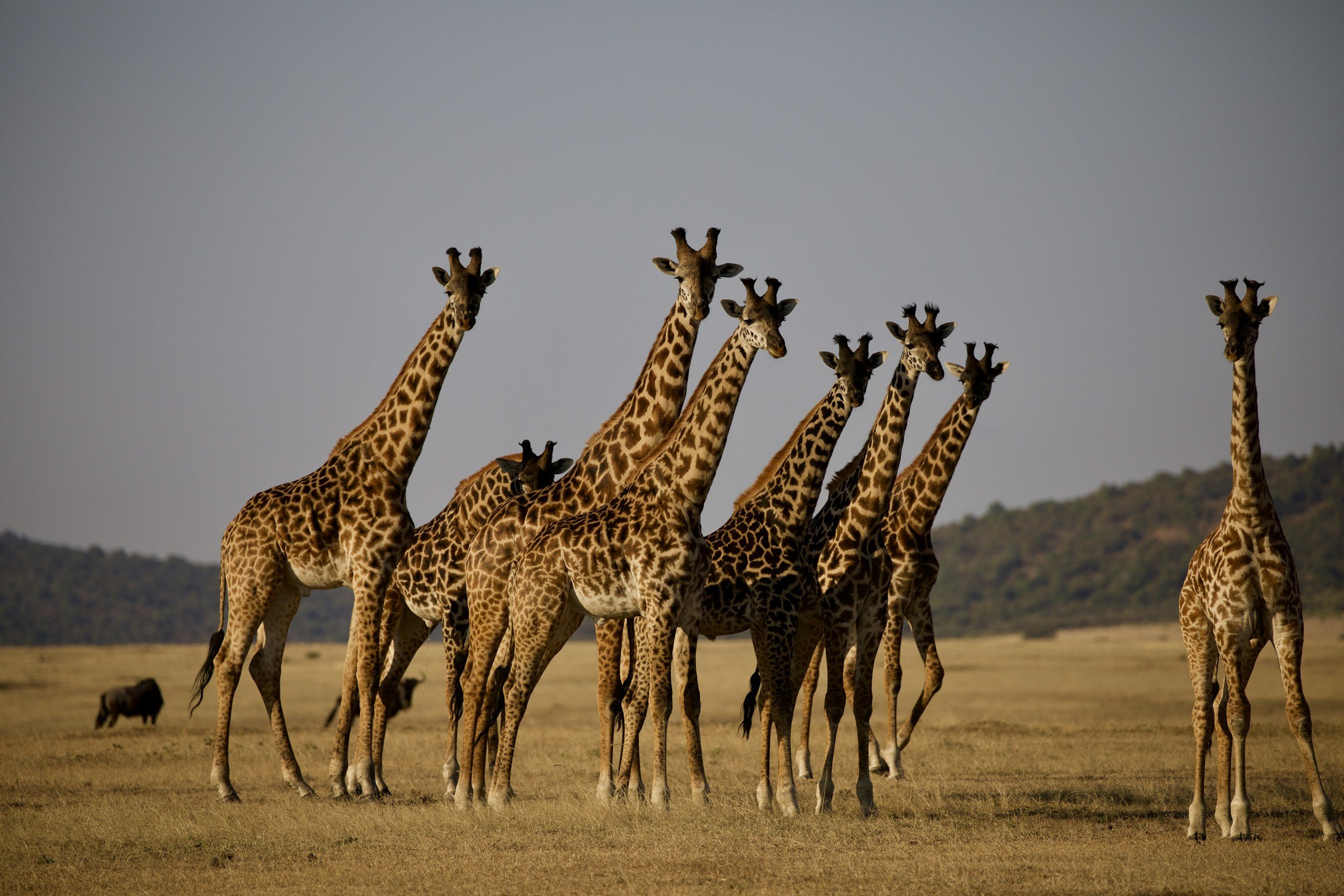
For many, the Great Migration is the ultimate safari goal. This year long journey of over 1.5 million wildebeest and zebra is a continuous cycle, but two key events stand out.
The Great Migration River Crossings (July to September)
This is arguably the most dramatic wildlife spectacle on Earth. The herds gather on the banks of the crocodile infested Mara River in the Northern Serengeti before making the perilous plunge across.
The Drama: Witnessing the chaos, panic, and determination of the herds is an unforgettable, adrenaline filled experience. The tension builds for hours or even days before the wildebeest finally commit to crossing.
Location: The best place to see this in Tanzania is the Kogatende area of the Northern Serengeti. For route ideas and camp suggestions, explore our top Serengeti safari tours guide.
Patience is Key: Crossings are unpredictable. It’s wise to spend at least three or four days in the area to maximize your chances of witnessing this incredible event. Planning your trip with local experts like Duma Explorer can put you in the right place at the right time.
The Great Migration Calving Season (January to March)
A completely different but equally awe inspiring phase of the migration is the calving season in the Southern Serengeti and Ndutu region.
A Baby Boom: Within a few short weeks, over 500,000 wildebeest calves are born on the nutrient rich plains. The sight of thousands of wobbly newborns taking their first steps is heartwarming and spectacular.
Predator Action: This abundance of vulnerable prey creates a feast for lions, cheetahs, hyenas, and leopards. It’s considered the best time Tanzania safari for seeing predator prey interactions up close.
The Experience: This is a time of renewal and the raw circle of life. It’s a powerful and poignant experience that showcases the regeneration of the entire ecosystem.
Park by Park Guide: When to Visit Where
While the seasons provide a general guide, each of Tanzania’s famous parks has its own peak timings, which helps narrow down the best time Tanzania safari for specific goals.
Best Time for Serengeti National Park
The Serengeti is vast, and the best time to visit depends on where you go. For general game viewing, the dry months of June to October are unbeatable. However, to see the Great Migration, you need to be in the right place at the right time:
July to September: Head to the Northern Serengeti for the dramatic Mara River crossings.
January to March: Focus on the Southern Serengeti (Ndutu) for the calving season.
All Year: The Central Serengeti (Seronera) offers fantastic resident wildlife viewing any month of the year.
Best Time for Ngorongoro Crater
The Ngorongoro Crater is a self contained ecosystem with a high density of resident wildlife, making it a rewarding destination all year. However, the dry season from June to October is often considered best because the shorter grass makes spotting animals, including the rare black rhino, much easier. Note that accommodation availability can change. For example, &Beyond Ngorongoro Crater Lodge is closed for renovations until January 2027. The wet season (November to May) is also fantastic, with lush green scenery, fewer crowds, and beautiful light for photography.
Note for 2026 Travelers: If you are looking for ultra-luxury on the crater rim, please note that &Beyond Ngorongoro Crater Lodge is closed for a total rebuild throughout 2026. It is slated to reopen in January 2027. For 2026 trips, consider Lemala Osonjoi or Entamanu Ngorongoro for similar views and luxury.
Best Time for Tarangire National Park
Tarangire is a highly seasonal park. The absolute best time to visit is during the dry season from late June to October. During these months, the Tarangire River becomes the only major water source in the region, attracting enormous herds of elephants (reportedly up to 3,000), buffalo, and other wildlife. In the wet season, many of these animals disperse, making the park much quieter.
Best Time for Lake Manyara National Park
Like its neighbors, Lake Manyara is best for general wildlife viewing during the dry season (July to October). Animals are more concentrated around the lake, and it’s easier to spot the park’s famous tree climbing lions. The wet season, however, is the prime time for birdwatching, as millions of flamingos and other migratory birds flock to the swollen lake.
Best Time for Ruaha National Park
This remote and wild park in Southern Tanzania shines during the dry season (June to October). The Great Ruaha River draws in massive herds of elephants and buffalo, and the park’s famously large lion prides (sometimes over 20 strong) are often seen hunting along the riverbanks. Ruaha is a true wilderness experience with very few other visitors, even in peak season.
Best Time for Nyerere National Park (Selous)
Formerly the Selous Game Reserve, Nyerere is best explored from June to October. During this dry period, wildlife congregates along the Rufiji River system. This is the perfect time for Nyerere’s signature boat safaris, offering incredible close ups of hippos, crocodiles, and elephants at the water’s edge. Much of the park becomes inaccessible during the heavy rains from March to May.
Planning Your Trip: Practical Considerations
Beyond the weather and wildlife, a few other factors can influence the best time Tanzania safari for you.
High Season vs. Low Season
High Season (July to October, late December to February): This period aligns with the best weather and wildlife viewing. Parks are busiest, and accommodation rates are at their highest. You’ll need to book your trip well in advance.
Low Season (March to May): This is the main rainy season. Tourist numbers plummet, leading to uncrowded parks and significantly lower prices. It’s a trade off between potential rain showers and a more exclusive, budget friendly experience.
Shoulder Seasons (June, November, early December): These months can offer the best of both worlds, with good weather, great wildlife, and fewer crowds than the absolute peak. If you’re traveling with kids, consider these tips for a smooth family safari.
The Cheapest Time to Visit Tanzania
For travelers on a budget, the cheapest time for a Tanzania safari is during the long rainy season from March to May. Many lodges and safari operators offer discounts of 20% to 40% or more. For a breakdown of mandatory costs, see our guide to park fees in Tanzania. If you don’t mind a bit of rain, you can have a world class safari for a fraction of the high season cost.
Crowd Levels by Season
Peak Crowds (July to August): Expect the most safari vehicles, especially at famous sightings in the Serengeti and Ngorongoro Crater.
Moderate Crowds (June, September, February): Still busy, but with a bit more breathing room than the absolute peak.
Low Crowds (November, March): These months offer a wonderfully tranquil experience where you might not see another vehicle for hours.
Virtually No Crowds (April to May): You may feel like you have the entire national park to yourself.
The Best Time for Birdwatching (November to April)
For avid birders, the period from November to April is unbeatable. This is when migratory birds from the northern hemisphere are present, and resident species are in their colorful breeding plumage. Tanzania boasts over 1,100 bird species, and the wet seasons bring this avian world to vibrant life.
Deciding on the best time Tanzania safari is the first step toward an unforgettable adventure. Many travelers also end their safari with beach time. Use our Stone Town Zanzibar guide to plan a cultural and coast extension. Whether you dream of witnessing the raw drama of a river crossing or the quiet magic of a green season morning, Tanzania has a perfect season for you. Let the local experts at Duma Explorer help you craft a personalized itinerary that matches your travel dreams.
What Does a Tanzania Safari Cost in 2026?
Budgeting for 2026 requires accounting for updated conservation fees and fuel surcharges. On average, expect the following per person, per day (including park fees, meals, and transport):
Budget (Camping): $250 – $400
Mid-Range (Tented Camps): $450 – $750
Luxury (Permanent Lodges): $850 – $1,500+
Pro Tip: To save significantly, travel in April or May 2026. Many "Green Season" lodges drop their rates by up to 40%, and park fees for the Serengeti are slightly lower ($60 vs $70 for non-residents).
Frequently Asked Questions
What is the absolute best month for a safari in Tanzania?
For the best all around wildlife viewing and pleasant weather, most experts would point to September. It’s the peak of the dry season, so animals are concentrated at water sources, the Great Migration river crossings are still happening in the Northern Serengeti, and the peak crowds of July and August have started to thin out.
When is the Great Migration river crossing?
The most dramatic Mara River crossings in Tanzania’s Northern Serengeti typically occur from July through September. The timing is unpredictable, but this three month window gives you the highest chance of witnessing the spectacle.
Is Tanzania a good place to visit in April?
April is the heart of the long rainy season. While you should expect daily rain, it can be a rewarding time to visit if you are prepared. The benefits include stunning green landscapes, very few tourists, excellent birding, and the lowest prices of the year. It’s a great choice for budget travelers and those seeking solitude.
What is the difference between the long rains and short rains?
The long rains (March to May) are more intense and sustained, with April being the wettest month. The short rains (November to December) typically consist of shorter, less frequent afternoon thunderstorms that pass quickly, having less impact on safari activities.
Can I see the Big Five in Tanzania?
Yes, Tanzania is one of the best places in Africa to see the Big Five (lion, leopard, elephant, buffalo, and black rhino). The Ngorongoro Crater offers your best chance of seeing all five in a single day, as the animal population is dense and contained.
How do I choose the best time for my Tanzania safari?
Start by defining your priorities. Do you want to see the Great Migration? Are you on a tight budget? Do you dislike crowds? Answering these questions will point you to the right season. For personalized advice on planning the best time Tanzania safari, it’s always best to speak with a safari specialist who can tailor a trip to your specific interests.
