Best Time for Gorilla Trekking in Uganda (2026 Guide)
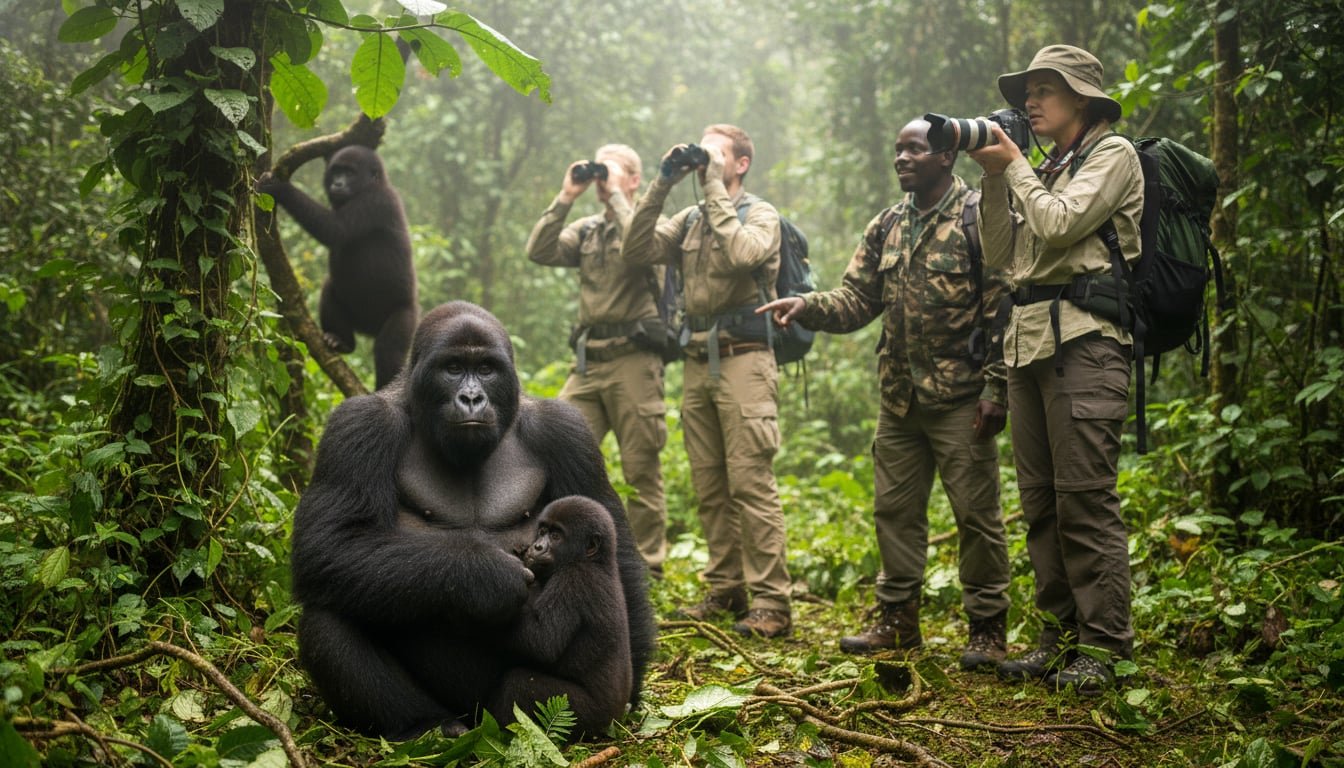
The best time to visit Uganda for gorilla trekking is during the country’s two dry seasons: from June to September and from December to February. During these months, hiking conditions are optimal with less rain and drier forest trails. Seeing mountain gorillas in their natural habitat is a profound, once in a lifetime experience, and with roughly half of the world’s remaining population residing in Uganda, it’s one of the best places on earth for this incredible encounter. If you’re also considering Rwanda, read our Rwanda gorilla trekking guide to compare seasons and logistics.
At a Glance: When is the best time to trek gorillas in Uganda?
The absolute best time for gorilla trekking in Uganda is during the dry seasons: June to August and December to February. During these months, trails are firmer, and the risk of rain disrupting your trek is lowest. However, the most budget-friendly months are April, May, and November, when gorilla permits are often discounted to $600 (a $200 saving).
This guide breaks down everything you need to know to decide on the best time for your trip, from trail conditions and crowds to costs and photography.
The Quick Answer: When Is the Best Time to Go?
For the most comfortable and predictable experience, the best time to visit Uganda for gorilla trekking is during the two dry seasons:
-
The long dry season from June to September
-
The short dry season from December to February
During these months, there is less rainfall, the forest trails are drier and less slippery, and the overall hiking is easier. This makes it the most popular time to visit, so planning well in advance is essential.
Understanding Uganda’s Seasons: A Deep Dive
While the dry seasons are often called “best,” every season offers a unique experience. Your choice depends on whether you prioritize perfect weather, smaller crowds, or a lower budget.
|
Feature |
Peak Dry Season (June–Aug, Dec–Feb) |
Low Wet Season (March–May, Oct–Nov) |
|
Trail Condition |
Dry, firm, and easier to navigate |
Muddy, slippery, and steep |
|
Permit Price |
$800 USD (Foreign Non-Resident) |
$600 USD (Discounted Months*) |
|
Crowd Level |
High (Permits sell out 6+ months prior) |
Low (Intimate treks, high availability) |
|
Photography |
Clear skies, bright natural light |
Moody, atmospheric mist, lush greens |
|
Best For |
Families, seniors, and first-timers |
Budget travelers and pro photographers |
The Dry Season (June to September & December to February)
Often considered the peak season, the dry months are popular for good reason. With minimal rain, the jungle paths in Bwindi Impenetrable National Park and Mgahinga Gorilla National Park are much more manageable. Hikes are less strenuous, and you can focus on the scenery instead of navigating mud.
What to Expect:
-
Easier Trekking: Trails are firmer and less treacherous, making the walk to find the gorillas safer and more enjoyable.
-
Better Visibility: The forest vegetation can be slightly less dense, and clearer skies provide better light for spotting and photographing the gorillas.
-
Higher Crowds: This is the most popular time to travel. Expect trekking groups to be full (with a maximum of eight people) and lodges to be busy.
-
Peak Pricing: Accommodation rates are at their highest, and permits sell out quickly. Booking your trip with an expert operator like Duma Explorer is crucial to secure your spot. Start with our complete safari planning guide.
A key fact to remember is that gorilla permits, especially for July and August, can sell out six to twelve months in advance.
The Wet Season (March to May & October to November)
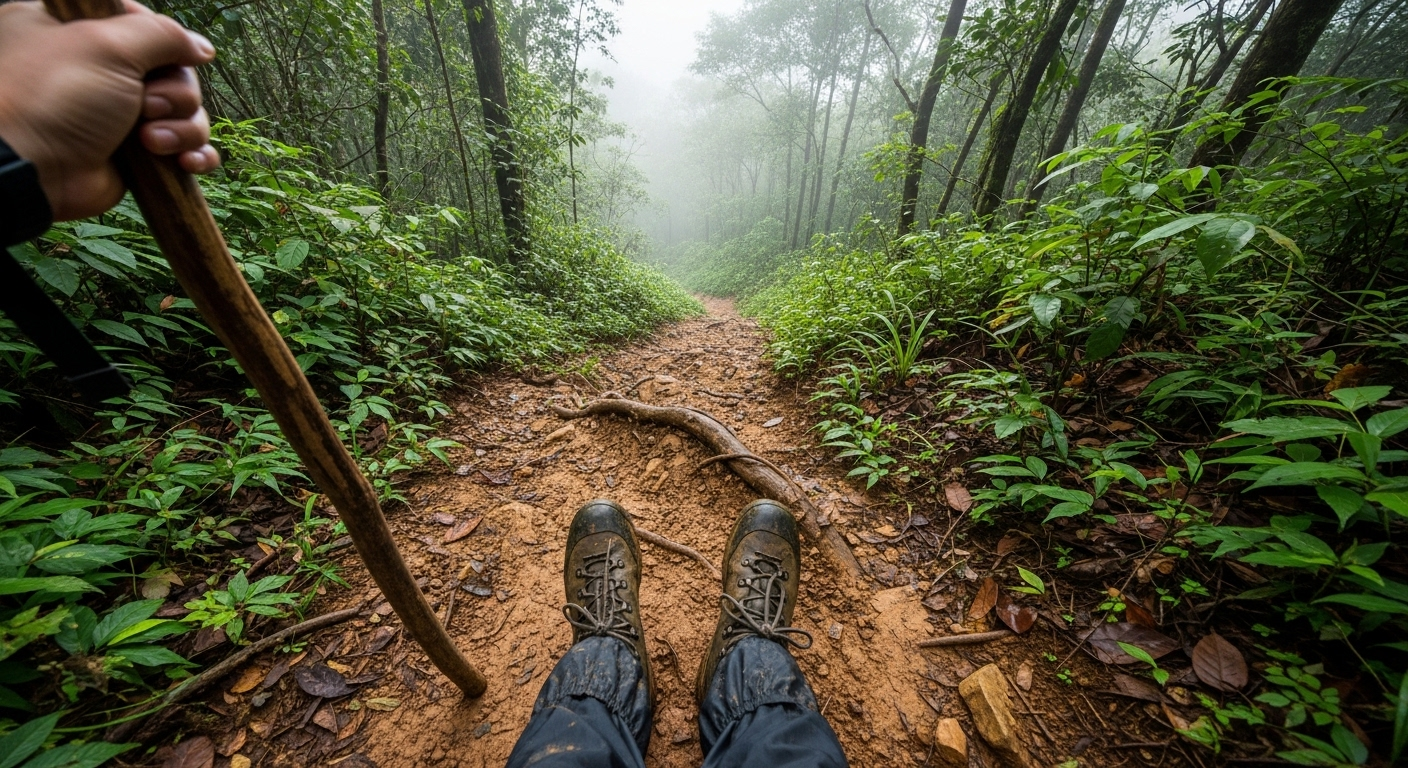
If you’re an adventurous traveler or looking for the best value, don’t discount the wet season. During these months, the rainforest truly comes alive. The landscape becomes incredibly lush and green, draped in atmospheric mist.
What to Expect:
-
Challenging Hikes: Frequent rains make the trails muddy, steep, and slippery. Good waterproof gear and a decent level of fitness are a must.
-
Fewer Tourists: You’ll share the forest with very few other people. Trekking groups are often smaller than the maximum eight, leading to a more intimate and personal experience.
-
Lower Costs: This is the cheapest time to go. Many lodges offer discounts of 15% to 30%, and the Uganda Wildlife Authority offers discounted gorilla permits.
-
Potentially Shorter Treks: With abundant food at lower elevations, gorillas don’t have to travel as far, which can sometimes mean you find them faster.
The wettest month of the year is April, which offers the biggest challenges but also the greatest rewards for budget conscious adventurers.
The Shoulder Season (May, September, & November)
The months that transition between the wet and dry seasons can offer a fantastic compromise. In late May, the heavy rains begin to subside, while September sees the first showers after the long dry spell. The weather is unpredictable, you might get a mix of sunshine and rain, but the trade offs are often worth it.
You’ll find fewer crowds than in peak season and better prices, all while conditions are generally improving. This can be a strategic time to plan your trek, and the team at Duma Explorer can help you pinpoint the best weeks to travel and the best time for your African safari.
A Month by Month Guide for Gorilla Trekking
Every month in Uganda offers a slightly different experience. Here’s a quick overview to help you plan.
-
January & February: Part of the short dry season. Weather is pleasant, trails are in good condition, and crowds are moderate. An excellent time to trek. These months also align with good windows to climb Kilimanjaro if you’re combining experiences.
-
March: The long rains begin. Rainfall increases, trails become muddy, and trekking gets more difficult. Tourist numbers start to drop.
-
April & May: These are the wettest months. Trekking is very challenging due to heavy rain and slick trails. However, you’ll be rewarded with the lowest prices, discounted permits, and virtually no crowds. The forest is spectacularly green.
-
June, July, & August: The peak of the long dry season. This is widely considered the best time for gorilla trekking in Uganda. Conditions are near perfect, with dry trails and sunny skies. It’s also the busiest and most expensive time, so book far in advance. These months also coincide with prime Great Migration in East Africa if you want to pair gorilla trekking with a Serengeti safari.
-
September: A transitional month. The dry season is ending, and rains become more frequent as the month goes on. It’s a great option for good trekking with fewer crowds than in July or August.
-
October & November: The short rainy season. Expect regular rain showers, muddy trails, and few other tourists. Like the long wet season, this period offers discounted permits and lower lodge rates.
-
December: Another transitional month. Rains subside, and conditions improve for the holidays. The second half of December becomes a secondary peak season, with more travelers and higher demand for permits. Many travelers cap their trip with a few days in Stone Town, Zanzibar for culture and beach time.
Securing Your Gorilla Permit: Availability and Lead Time
A gorilla permit is your golden ticket, and they are strictly limited to protect the gorillas. Uganda issues about 160 permits per day across all its parks. Each gorilla family can only be visited by one group of eight people for one hour each day.
This scarcity means you have to plan ahead.
-
Peak Season (June to August): You must book your permits at least six to twelve months in advance. For these months, about 98% of permits are sold out three months ahead of time.
-
Shoulder Season: Booking three to five months in advance is a safe bet.
-
Low Season (April, May, November): You have more flexibility. It’s sometimes possible to get a permit just a few weeks or even days beforehand, but booking as soon as your plans are firm is always recommended.
Seasonal Rates for Lodges and Permits
Your budget will be heavily influenced by when you travel.
-
Permits: The standard price for a gorilla permit is $800 USD for foreign non residents. However, during the low season months of April, May, and November, the Uganda Wildlife Authority offers a discounted rate of $600 USD, a significant saving of $200.
-
Lodges: Accommodation is where you’ll see the biggest price swing. During the low season, many safari lodges and camps offer discounts of 20% to 30% to attract visitors. In the peak season, expect to pay premium rates with less flexibility.
Traveling during the low season can easily save you hundreds of dollars per person, making it the cheapest and most budget friendly option. If you plan to add a Tanzania safari, review our Tanzania safari cost guide to set a realistic budget.
Weather and Trail Conditions in Bwindi and Mgahinga
Uganda’s two gorilla trekking destinations are mountainous rainforests.
Bwindi Impenetrable National Park is a vast, hilly forest with dense vegetation. Trails can be steep and challenging even in the dry season. During the rains, they become very muddy and slippery. The weather is generally humid, and rain can fall at any time.
Mgahinga Gorilla National Park is part of the Virunga Volcanoes, so treks often involve climbing the slopes of a volcano. The terrain is steep, and the volcanic soil gets extremely slick when wet. Mgahinga is best trekked in the dry season for safer and more manageable footing.
In both parks, mornings are cool, and you should always pack a rain jacket, as conditions can change quickly.
Best Months for Photography and Visibility
For most photographers, the dry season is the best choice.
-
June to September and December to February offer the best natural light. With less rain and mist, your photos will be clearer and sharper. The slightly thinner vegetation also means you may get more unobstructed views of the gorillas. Remember, flash photography is strictly forbidden.
However, the wet season offers its own unique photographic opportunities. The lush, green jungle and swirling mists create incredibly atmospheric and moody shots. If you are prepared for the challenges of low light and protecting your gear from moisture, you can capture some truly stunning images.
Is Gorilla Trekking Possible All Year Round?
Yes, absolutely! Gorilla trekking in Uganda is a year round activity. The parks are open 365 days a year, and the gorillas can be seen every single day. The experience simply changes with the seasons.
There is no bad time to see the gorillas. The decision comes down to your personal preferences. Are you willing to brave some mud to have the forest almost to yourself and save some money? Or do you prefer to pay a premium for sunny skies and easier hiking?
No matter when you decide to go, the hour you spend with a mountain gorilla family will be an unforgettable moment. For ideas on pairing gorilla trekking with the Serengeti, Kilimanjaro, or Zanzibar, see how to fit multiple experiences into one East Africa trip. If you’re ready to start planning this incredible adventure, contact Duma Explorer. Our team has deep, firsthand knowledge of Uganda and can help you craft the perfect trip for any season.
Essential Packing List for Any Season
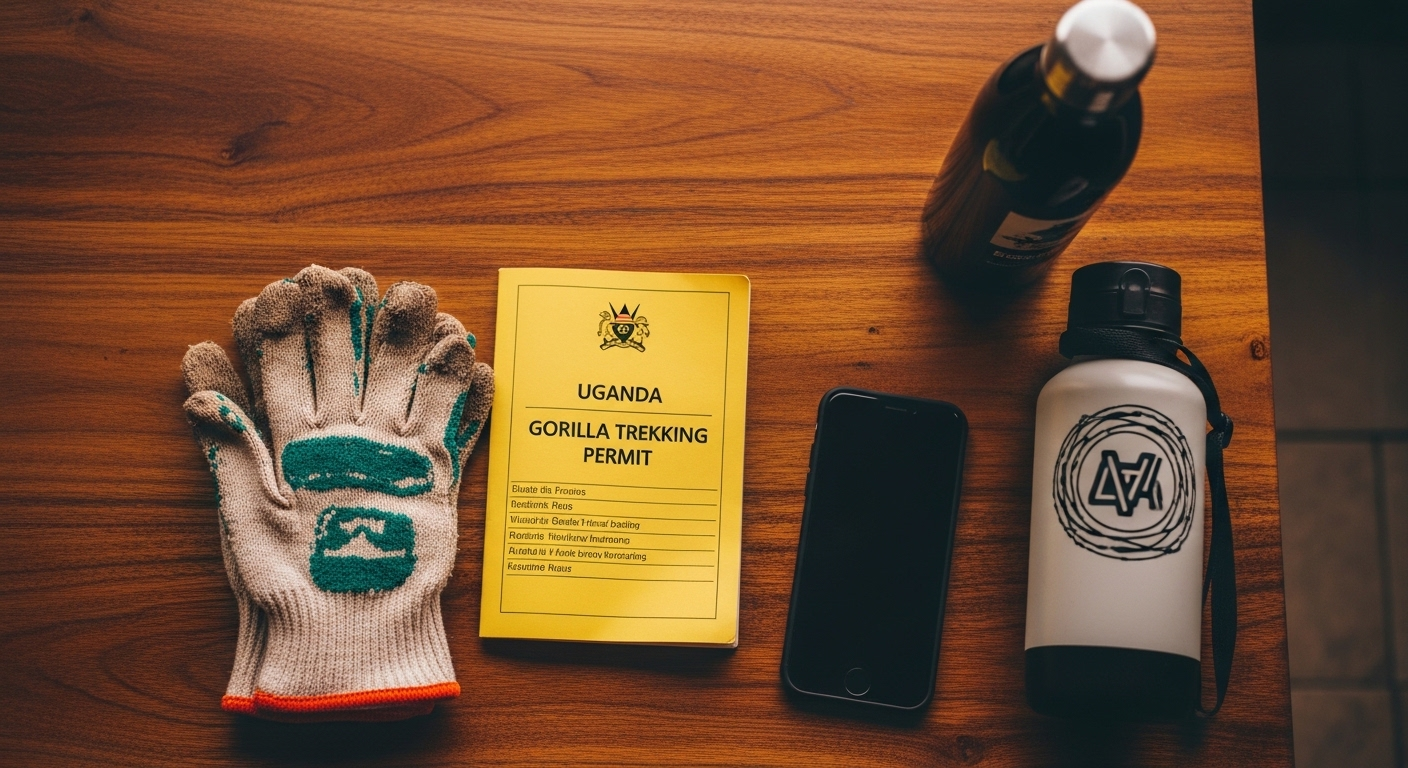
Regardless of when you visit, the Bwindi rainforest creates its own weather. Ensure you have:
-
Gaiters & Waterproof Hiking Boots: Essential for the "Impenetrable" forest floor.
-
Long-sleeved Gardening Gloves: To protect your hands from stinging nettles when grabbing branches.
-
Lightweight Rain Poncho: Even in the "dry" season, afternoon showers are common.
-
Insect Repellent (DEET): To ward off forest flies and mosquitoes.
Frequently Asked Questions
What is the absolute best month for gorilla trekking in Uganda?
July and August are often considered the best months. They are in the heart of the long dry season, offering the most stable weather and driest trail conditions, which makes for the most comfortable trekking experience.
How far in advance should I book my gorilla trek?
For the peak season (June to August), you should book six to twelve months in advance to secure your permits and choice of lodging. For other months, booking four to six months ahead is still a good idea, though you have more flexibility in the low season.
Is it worth trekking during the rainy season?
Yes, for the right type of traveler. If you are on a budget, don’t mind a bit of mud and rain, and prefer a more solitary experience with fewer tourists, the rainy season (especially April, May, and November) is an excellent choice due to discounted permits and lodge rates.
What is the hardest part of gorilla trekking in Uganda?
The physical challenge of the hike is often the hardest part. Treks can last several hours over steep, muddy, and uneven terrain at high altitudes. The difficulty depends greatly on the location of the gorilla family and the weather conditions on that day.
How much does a gorilla permit cost in Uganda?
As of 2024, a standard gorilla trekking permit costs $800 USD per person for foreign non residents. During the low season months of April, May, and November, the price is discounted to $600 USD.
Which is better for gorilla trekking, Bwindi or Mgahinga?
Bwindi is home to the vast majority of Uganda’s gorilla families (over 20) and has four different trekking sectors, offering more permit availability. Mgahinga has only one habituated gorilla family but offers a stunning volcanic landscape. Both provide incredible experiences, and the choice often comes down to logistics and permit availability for your specific dates.