

Kilimanjaro Packing List 2026: Complete Gear & Checklist
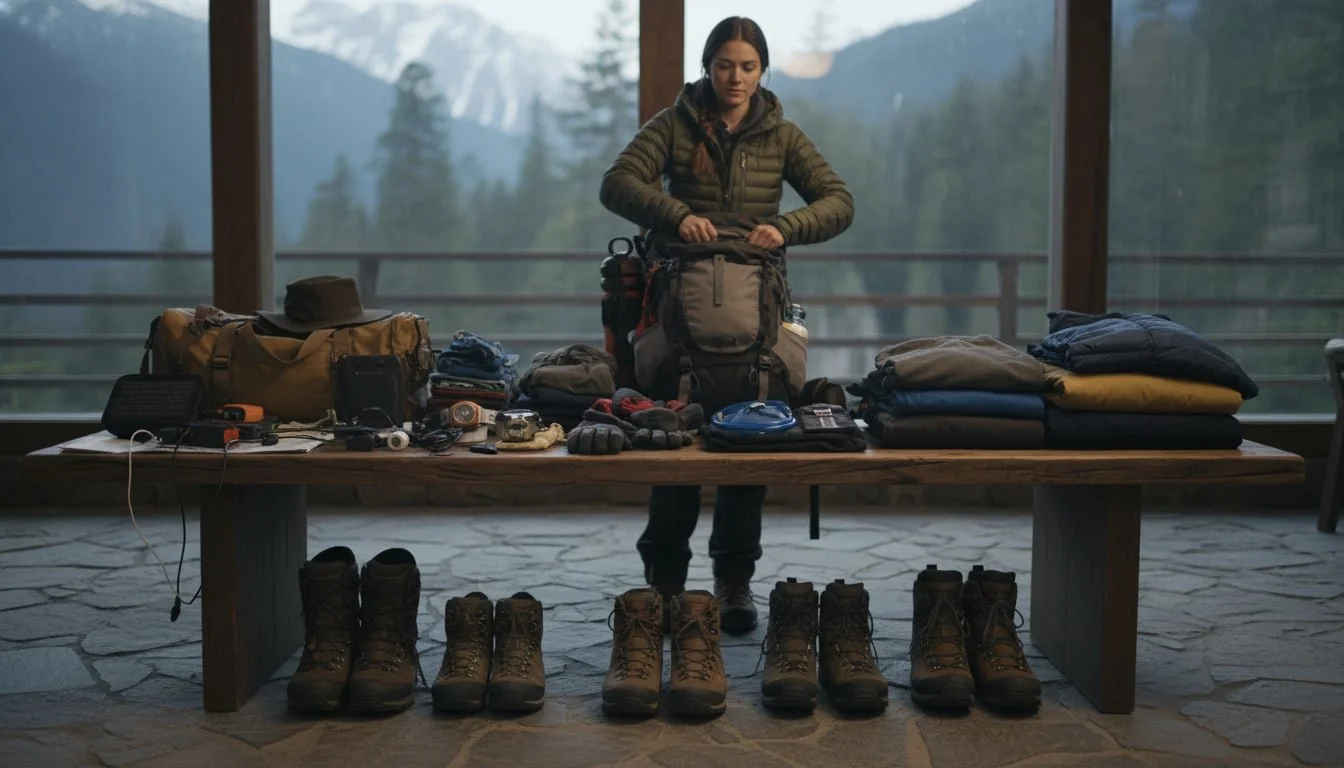
Tackling Mount Kilimanjaro is an adventure of a lifetime. The journey takes you through five distinct climate zones.pdf), a trek often compared to walking from the equator to the arctic in just a few days. This incredible variation means your success and safety hinge on having the right gear. At its core, a successful Kilimanjaro packing list includes a layered clothing system, broken-in waterproof hiking boots, a warm four-season sleeping bag, and key daily items like water and rain gear. A well-thought-out list is not just a suggestion; it’s one of the most important steps in your preparation.
This comprehensive guide breaks down everything you need, from the big bags to the smallest accessories. We’ll cover what each item is, why it matters, and how to pack it. If you’re still selecting your path to the summit, compare options in our Best Kilimanjaro Route guide.
Kilimanjaro Packing Essentials: At a Glance
To successfully summit Kilimanjaro, your gear must accommodate temperatures ranging from 20°C (70°F) to -20°C (-4°F). The non-negotiable essentials include:
-
Clothing: A moisture-wicking 4-layer system (Base, Mid, Heavy Fleece, Waterproof Shell).
-
Footwear: Mid-weight, waterproof trekking boots (well broken-in) and moisture-wicking thermal socks.
-
Sleep System: A four-season sleeping bag rated to at least -15°C (5°F).
-
Technical Gear: A 30L daypack, 80L waterproof duffel, and a high-output headlamp (minimum 300 lumens).
-
Health: 3 liters of water capacity, electrolyte tabs, and high-calorie snacks.
Your Luggage System: Duffel Bag vs. Daypack
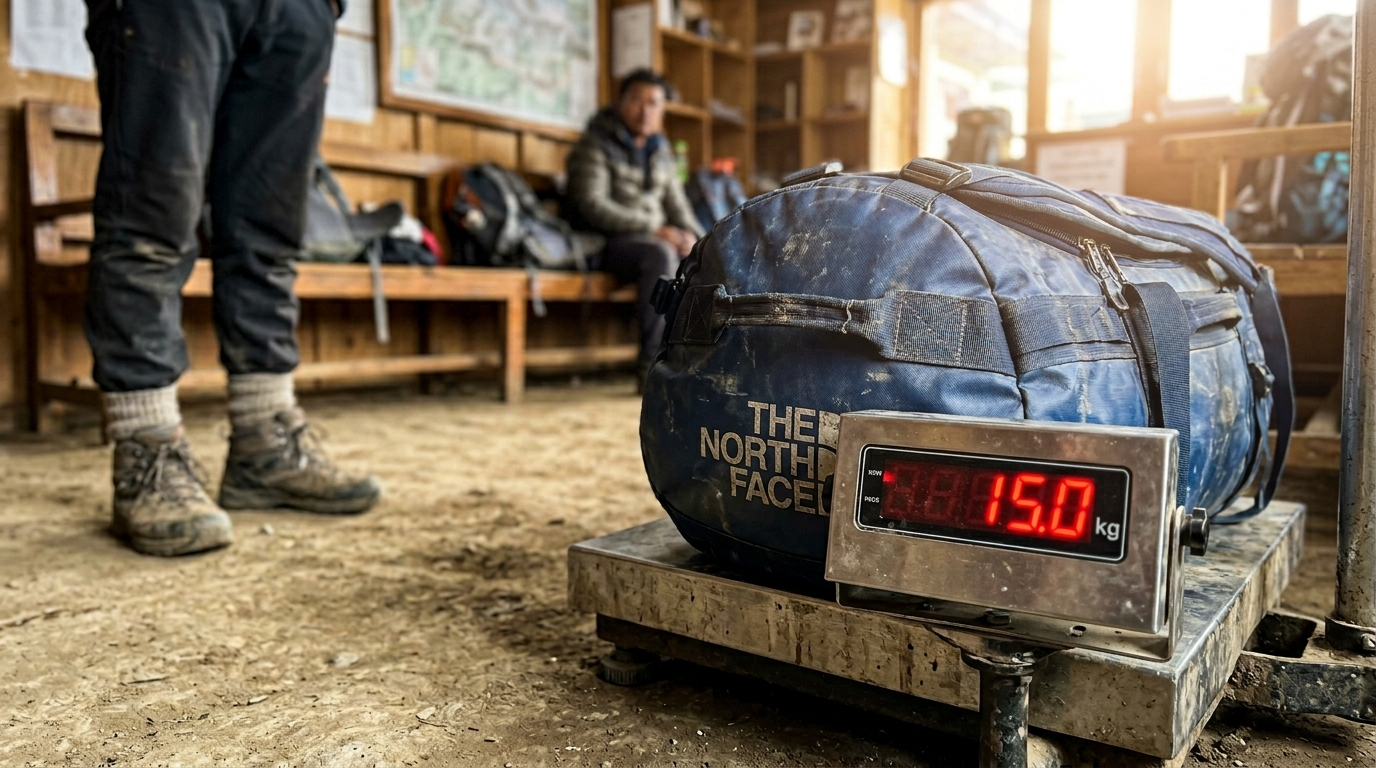
On Kilimanjaro, you won’t be carrying all your gear yourself. Your luggage is split into two crucial pieces: a large duffel bag carried by your porter and a smaller daypack that you carry.
The Duffel Bag: Your Mountain Wardrobe
Your duffel bag is your main piece of luggage on the mountain. It holds everything you don’t need during the day’s hike, like your sleeping bag, extra clothes, and toiletries. Porters carry these bags between camps, so you will only have access to your duffel in the evenings and mornings.
A tough, water resistant, soft sided duffel of about 80 to 90 liters is ideal. Hard suitcases are not suitable for the mountain. The most critical rule is the weight limit. To protect the welfare of the porters, responsible operators like Duma Explorer enforce a strict 15 kg (about 33 lbs) limit for each climber’s duffel bag. Your bag will be weighed at the park gate to ensure compliance. If you’re still choosing a team, see our guide to the best Kilimanjaro tour operators for what to look for in a responsible outfitter.
The Daypack: Your On Trail Companion
Your daypack, or backpack, is what you’ll carry each day on the trail. It should be a comfortable pack of around 25 to 35 liters with a good hip belt. This pack contains all your daily essentials since you won’t see your duffel until you reach camp.
What goes in your daypack?
-
Water: At least 2 to 3 liters.
-
Rain Gear: A waterproof jacket and pants.
-
Warm Layers: An extra fleece or light insulated jacket.
-
Snacks: High energy bars, nuts, and trail mix.
-
Sun Protection: Sunglasses, sunscreen, a hat, and SPF lip balm.
-
Personal Items: Your camera, phone, passport, and cash.
A properly packed daypack will weigh around 5 to 7 kg. Make sure it has a rain cover, as weather can change in an instant.
Dressing for the Mountain: A Head to Toe Guide
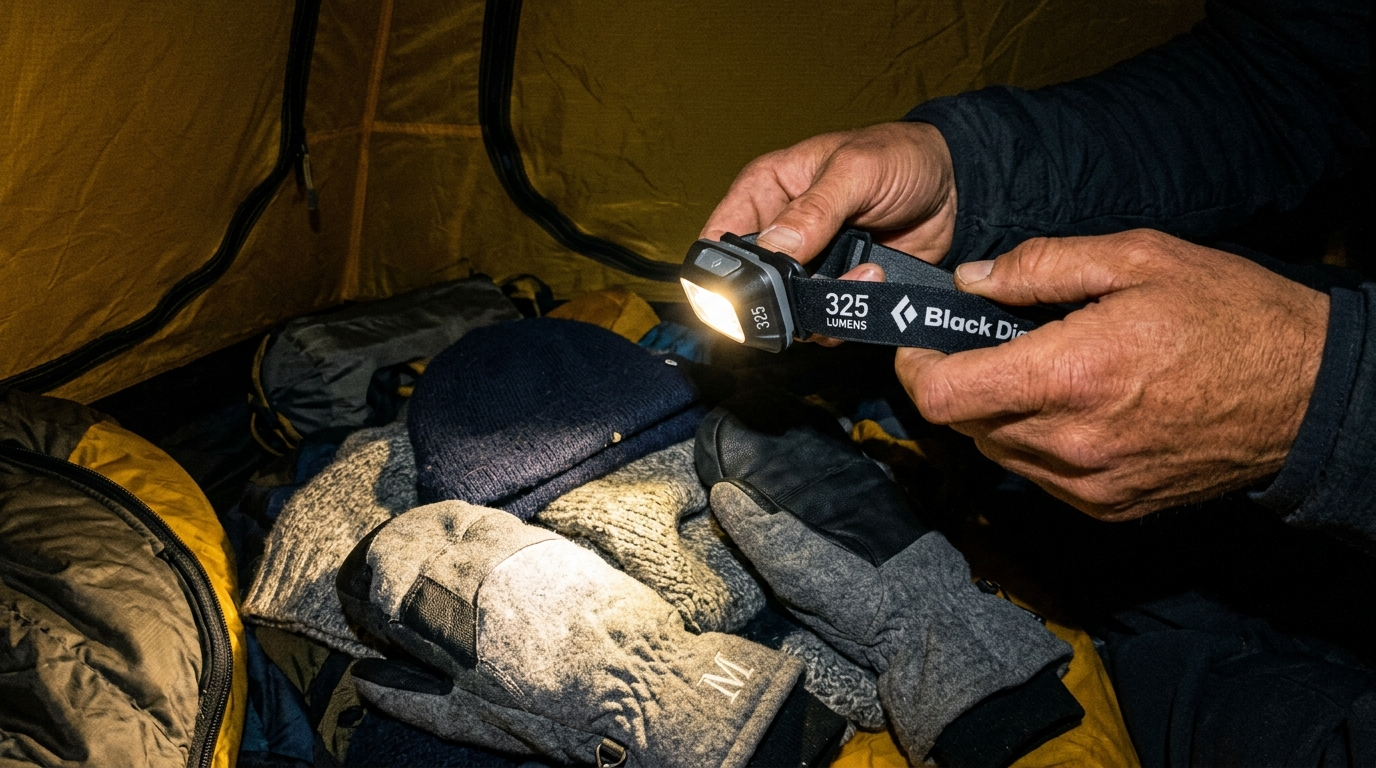
Your clothing is your first line of defense against Kilimanjaro’s changing elements. The key is layering with technical fabrics that manage moisture and trap heat.
Core Concepts of Climbing Clothing
The best approach is a three part layering system: a base layer to wick sweat, a mid layer for insulation, and an outer shell for weather protection. Absolutely avoid cotton, which holds moisture and can make you dangerously cold. Stick to merino wool or synthetic materials that are lightweight and quick drying.
Upper Body Layers: Your Personal Thermostat
On summit night, you could be wearing four to five layers on your upper body to stay warm in freezing temperatures.
-
Base Layer: A moisture wicking long sleeve shirt (merino wool or synthetic).
-
Mid Layers: A fleece jacket (like a 200 weight Polartec) and a light insulated puffy jacket or vest.
-
Outer Layer: A waterproof and windproof hardshell jacket to shield you from the elements.
The beauty of this system is its flexibility. You can add or remove layers as you warm up or cool down.
Headwear, Hands, and Feet
Your extremities are the first to feel the cold, so protecting them is a top priority for your Kilimanjaro packing list.
-
Head: You’ll need a wide brimmed sun hat for the lower slopes and a warm beanie or thermal hat for the cold nights and the summit. A neck gaiter or buff is also incredibly versatile for warmth and sun protection.
-
Hands: A dual system works best. Start with a thin pair of liner gloves, which you can wear under a pair of thick, insulated, waterproof gloves or mittens. Mittens are often warmer since your fingers share heat.
-
Feet: Pack 4 to 5 pairs of wool or synthetic hiking socks. Some climbers prefer a thin liner sock under a thicker sock to help prevent blisters.
Technical Gear Specifications for 2026
|
Item |
Recommended Spec |
Why it Matters |
|
Hiking Boots |
Gore-Tex or Leather (Mid-to-High Cut) |
Prevents ankle rolls and keeps feet dry in snow. |
|
Sleeping Bag |
Down or Synthetic (-15°C/5°F rating) |
Critical for recovery; summit night camps are freezing. |
|
Headlamp |
300+ Lumens with extra batteries |
Essential for the 12:00 AM summit start. |
|
Power Bank |
20,000 mAh (Cold-resistant) |
Batteries drain 50% faster in sub-zero temps. |
|
Trekking Poles |
Telescopic with carbide tips |
Reduces knee impact by 25% on the 4,000m descent. |
Essential Gear for Your Kilimanjaro Packing List
Beyond clothing, several key pieces of equipment are non negotiable for a safe and comfortable climb. Remember, Kilimanjaro is a non technical trek, so you won’t need ropes, harnesses, or ice axes.
Footwear: Your Most Important Gear
Your feet will carry you to the roof of Africa, so treat them well.
-
Hiking Boots: This is arguably the single most important item on your Kilimanjaro packing list. Choose a pair of waterproof, mid weight hiking boots with good ankle support. Most importantly, they must be well broken in before your trip to prevent blisters. Do not show up with brand new boots.
-
Camp Shoes: A pair of trail runners or sneakers to wear around camp is a huge relief after a long day of hiking. They let your feet breathe and recover.
Trekking Poles: Your Knees’ Best Friend
Trekking poles are highly recommended. They improve your balance on uneven trails and significantly reduce the impact on your knees, especially during the long descent. Research has shown that poles can reduce the strain on your knees by up to 25% on downhills. They provide stability and help you maintain a steady rhythm. They’re especially helpful on the Kilimanjaro Machame Route during long descent days.
Sleeping Gear: Staying Warm at Night
Nights on Kilimanjaro are cold, with temperatures at high camp often dropping well below freezing.
-
Sleeping Bag: You need a four season sleeping bag with a temperature rating of at least –15°C (5°F). A mummy shaped bag with a hood is best for trapping heat.
-
Sleeping Pad: This insulates you from the cold ground. Most operators provide a foam pad, but you can bring your own inflatable pad for extra comfort. If you choose the Marangu Route, you’ll sleep in mountain huts rather than tents, which can influence what sleeping pad you pack.
The Little Things That Make a Big Difference
A solid Kilimanjaro packing list also includes the smaller items that support your health, hygiene, and overall experience on the mountain.
Hydration: Water Bottles and Packs
Staying hydrated is crucial for acclimatization. You should aim to drink 4 to 5 liters of water daily. For more on recognizing and preventing issues at elevation, read our guide to altitude sickness on Kilimanjaro.
Most climbers use a combination of a hydration pack (like a CamelBak) for easy sipping on the trail and a couple of one liter wide mouth water bottles (like Nalgenes). The tube of a hydration pack can freeze on summit night, so insulated bottles are a better choice for the final ascent. Note that disposable single use plastic bottles are banned in the park.
Toiletry and First Aid Kit
Keep your toiletry kit minimal and travel sized.
-
Essentials: Toothbrush, toothpaste, sunscreen, SPF lip balm, hand sanitizer, and wet wipes.
-
Personal First Aid: Blister treatment (moleskin), painkillers (ibuprofen), anti diarrhea medication, and any personal prescription medications. Your guides will have a comprehensive kit, but you should carry your personal basics. If you plan to take Diamox for altitude, consult your doctor for a prescription.
Tech Items: Power and Photos
There is no electricity on the mountain. To keep your gadgets charged, bring a high capacity power bank (10,000 mAh or more). Cold drains batteries quickly, so keep your phone, camera, and spare batteries warm in your sleeping bag at night.
Your most critical tech item is a reliable headlamp with spare batteries. The summit push starts around midnight, meaning you’ll be hiking in complete darkness for hours.
Food, Water, and Snacks on the Trail
Your tour operator provides all main meals, but you should bring your own favorite snacks. High altitude can suppress your appetite, so having familiar, high energy snacks you enjoy can be a lifesaver. Think energy bars, trail mix, jerky, and chocolate. Electrolyte powders to add to your water are also a great idea to replenish salts and encourage drinking.
The 2026 Update: Sustainability & Connectivity
-
Plastic Ban 2.0: Tanzania has strictly reinforced the ban on non-biodegradable plastic. Ensure your snacks are transferred to reusable silicone bags or beeswax wraps before arrival.
-
Solar Charging: While power banks are standard, lightweight foldable solar panels (attached to your daypack) are now highly effective on the Shira Plateau and Baranco Wall due to high UV exposure.
-
eSim Readiness: If using a local Tanzanian eSim for camp connectivity, download your offline maps (AllTrails or Gaia GPS) before leaving Moshi/Arusha.
Pre Trip Prep: Documents and Final Checks
Properly organizing your travel documents and using a checklist are final steps in preparing your Kilimanjaro packing list. Planning a beach recovery after your summit? Explore the 10 best Zanzibar beach resorts to pick the perfect place to unwind.
Essential Travel Documents
Keep these documents safe and accessible in a waterproof pouch inside your daypack.
-
Passport: Must be valid for at least six months beyond your entry date.
-
Tanzanian Visa: Many nationalities can get this upon arrival, but an e visa can save time.
-
Vaccination Records: Proof of Yellow Fever vaccination may be required if you are arriving from a country with risk of yellow fever.
-
Travel Insurance: Comprehensive coverage for high‑altitude trekking and emergency evacuation is mandatory with most operators. Learn how helicopter evacuation on Kilimanjaro works so you can confirm your policy covers it.
Using a Packing Checklist
A packing checklist is your best tool to ensure nothing gets forgotten. As you gather your gear, physically tick each item off the list. Reputable companies provide a detailed Kilimanjaro packing list to their clients. It’s a simple step that eliminates the stress of wondering if you’ve packed your rain pants or your passport. Need a reliable checklist? The team at Duma Explorer can provide a complete gear guide based on decades of experience on the mountain. Not sure which trail fits your pace and comfort? Start with our guide to Kilimanjaro climbing routes.
Frequently Asked Questions About Your Kilimanjaro Packing List
1. What is the single most important item on a Kilimanjaro packing list?
Without a doubt, your hiking boots. A comfortable, waterproof, and well broken in pair of boots can make or break your climb.
2. How heavy should my duffel bag and daypack be?
Your duffel bag should not exceed 15 kg (33 lbs). Your daypack will naturally weigh around 5 to 7 kg (11 to 15 lbs) when filled with water, snacks, and daily essentials.
3. Can I rent equipment for Kilimanjaro?
Yes, many key items like sleeping bags, trekking poles, and heavy winter jackets can be rented in Tanzania. This is a great option if you don’t want to invest in expensive gear you may only use once.
4. What kind of snacks should I bring?
Bring a mix of your personal favorites that are high in energy. A combination of sweet and salty is good. Energy bars, gels, gummies, nuts, dried fruit, jerky, and chocolate are all excellent choices.
5. Do I really need a big winter jacket in Africa?
Yes. Temperatures on the summit of Kilimanjaro regularly drop well below freezing, and the wind chill can make it feel even colder. A proper insulated winter jacket is essential for summit night.
6. Should I use a hydration bladder or water bottles?
A combination is best. A hydration bladder is great for easy sipping on warmer, lower altitude days. For summit night, wide mouth insulated water bottles are better because the hose of a bladder can freeze solid.