

Kilimanjaro Route Comparison 2026: 9 Best Routes Ranked
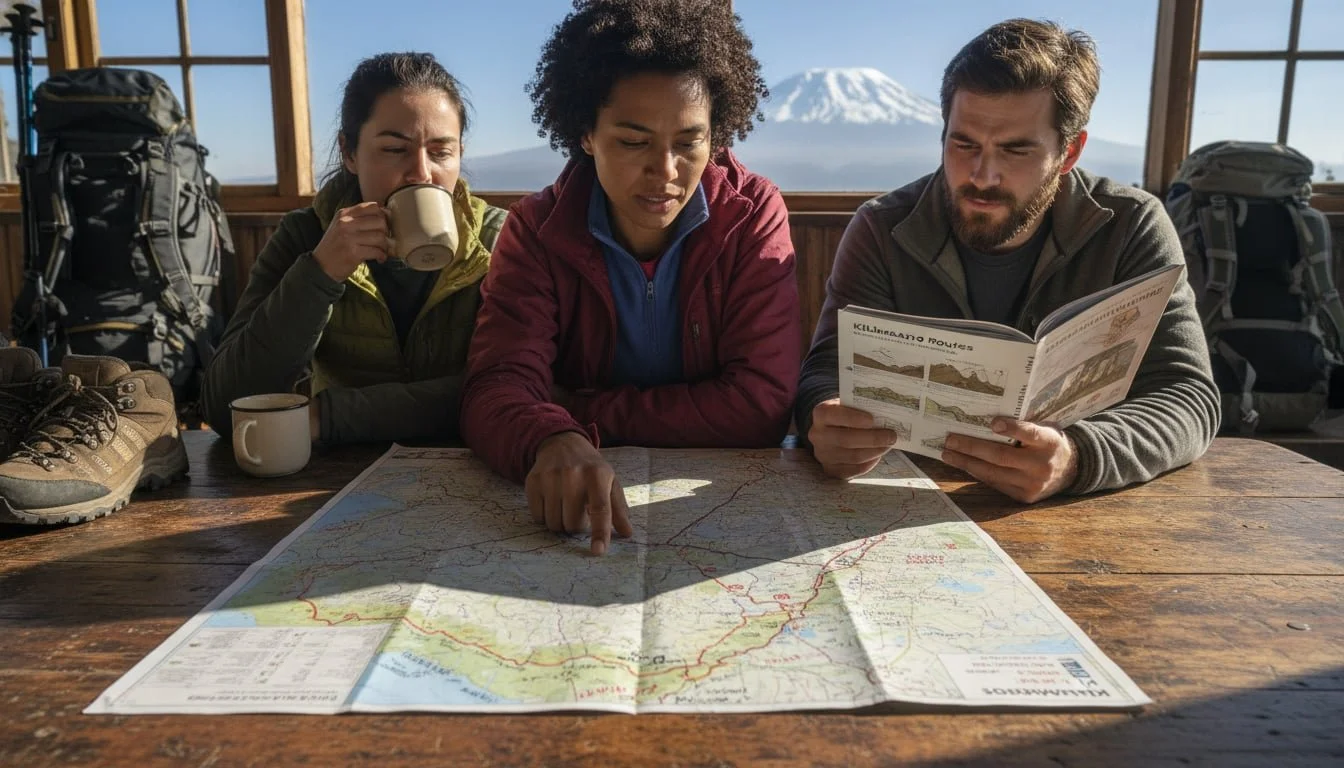
Choosing how you’ll climb Mount Kilimanjaro is the single most important decision you’ll make for your trip. The path you take determines your acclimatization schedule, the scenery you enjoy, the crowds you encounter, and ultimately, your chances of standing on Uhuru Peak. This guide provides a comprehensive Kilimanjaro route comparison, breaking down the key factors to help you select the perfect itinerary for your adventure. Use this information to understand the landscape, and then connect with an expert to finalize your plan.
At a Glance: The Best Kilimanjaro Route for You
-
Highest Success Rate: Northern Circuit (9 Days) – ~95% success.
-
Most Scenic Route: Lemosho Route (8 Days) – Best variety of views.
-
Best for Beginners: Machame Route (7 Days) – Great "climb high, sleep low" profile.
-
Best for Solitude: Rongai Route (7 Days) – Only northern approach.
-
Only Hut Accommodation: Marangu Route (6 Days) – No camping required.
The Bottom Line: To maximize safety and success, choose an 8-day itinerary. Longer routes allow your body to acclimatize to the altitude, significantly reducing the risk of AMS (Acute Mountain Sickness).
Kilimanjaro Route Landscape at a Glance
There are seven main routes leading to the summit of Kilimanjaro. While they all end at the same peak, they offer vastly different experiences. Some are known for their beauty, others for their challenge, and some for their superior acclimatization profiles. This initial Kilimanjaro route comparison table gives you a quick overview of the most popular options.
|
Route |
Rec. Days |
Success Rate |
Difficulty |
Scenery |
Traffic |
|
Northern Circuit |
9 Days |
95% |
Moderate |
High |
Very Low |
|
Lemosho |
8 Days |
90% |
Moderate+ |
Highest |
Medium |
|
Machame |
7 Days |
85% |
High |
High |
High |
|
Rongai |
7 Days |
80% |
Moderate |
Medium |
Low |
|
Marangu |
6 Days |
50% |
Moderate |
Low |
High |
|
Umbwe |
7 Days |
60% |
Extreme |
H |
How to Choose a Kilimanjaro Route: Key Decision Factors
A detailed Kilimanjaro route comparison requires looking beyond the basic stats. Your personal fitness, budget, and trekking style all play a role. Consider these critical factors before you commit to an itinerary.
Acclimatization Profile and Summit Success
The golden rule of high altitude trekking is to “climb high, sleep low.” Routes that follow this principle give your body the best chance to adapt to the thinning air, significantly boosting your summit success rate. Longer routes, like the 8 day Lemosho or 9 day Northern Circuit, are structured for optimal acclimatization. This is why experienced operators prioritize itineraries of seven days or more. Shorter, five or six day trips dramatically lower your chances of success and increase the risk of altitude sickness on Mount Kilimanjaro.
Scenery and Route Variety
Each trail offers a unique perspective of Kilimanjaro’s five distinct climate zones, from lush rainforest to the arctic summit.
-
Routes from the west (Lemosho, Machame): Generally considered the most beautiful, offering panoramic vistas and diverse landscapes.
-
The Northern Circuit: This route circles the northern face of the mountain, providing unique views and a feeling of true wilderness solitude.
-
The Rongai Route: As the only route approaching from the north, it offers a different perspective and is often drier during the rainy season.
-
The Marangu Route: Known as the “Coca Cola” route, it traverses the same path up and down.
Difficulty and Physical Challenge
No Kilimanjaro climb is easy, but some routes are more physically demanding than others. Difficulty is determined by daily trek length, elevation gain, and specific obstacles like the Barranco Wall, a steep but non technical scrambling section found on the Machame and Lemosho routes. A good Kilimanjaro route comparison considers your trekking experience. However, with highly experienced guides managing your pace, even challenging sections become achievable milestones on your journey.
Traffic and Crowds
Kilimanjaro is a popular mountain. Routes like Machame and Marangu see the most traffic, especially during peak seasons. If you’re seeking a more solitary experience, the Northern Circuit is by far the quietest trail. The Rongai and Lemosho routes offer a good balance, starting off quiet before merging with more popular trails closer to the summit.
Best Routes by Season (2026 Weather Patterns)
Different routes perform better depending on the time of year. Use this guide to match your route to the weather:
-
Dry Season (Jan–March, June–Oct): All routes are viable. Lemosho and Machame are peak experiences here.
-
Rainy Season (April–May, Nov): Choose the Rongai Route. Because it starts on the north side of the mountain, it sits in a rain shadow and receives significantly less moisture than southern routes.
-
Full Moon Summits: If you want to summit under a full moon, book the Northern Circuit to avoid the massive crowds that flock to the southern base camps.
Acclimatization, Difficulty, and Safety Fundamentals
Your safety on the mountain is paramount. Proper acclimatization is the most critical safety factor, which is why choosing a route of at least seven, and preferably eight or more, days is essential. Beyond the itinerary itself, the quality of your operator and guides makes all the difference. For what to expect in rare emergencies, see our guide to helicopter evacuation on Kilimanjaro.
Reputable companies like Duma Explorer ensure that all lead guides are Wilderness First Responder (WFR) certified, equipping them to handle medical emergencies in a remote environment. They also maintain a 1:1 guide-to-climber ratio for small groups on summit day, providing personalized support when you need it most. If you’re comparing outfitters, start with our best Moshi Kilimanjaro climb operator guide.
Furthermore, ethical operator practices contribute to a safer climb for everyone. As a founding partner of the Kilimanjaro Porters Assistance Project (KPAP), Duma Explorer guarantees fair porter treatment, including proper wages, food, and gear. A well cared for crew is a strong, motivated crew, which directly translates to a safer and more successful expedition for you. This aspect of an operator is a crucial part of any Kilimanjaro route comparison.
The 7-Day Rule
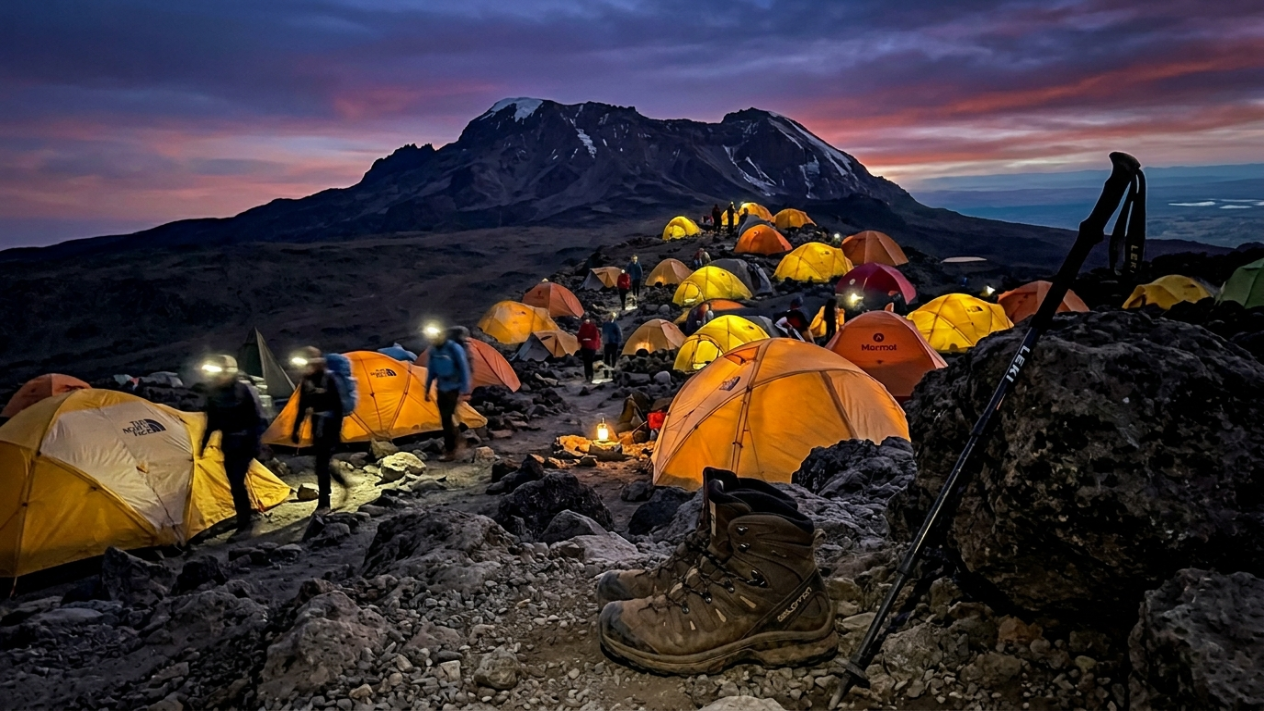
Data from the Kilimanjaro National Park (KINAPA) consistently shows a direct correlation between time on the mountain and reaching the summit.
-
5-Day Routes: 27% average success rate.
-
8-Day Routes: 85%+ average success rate.
-
The Science: Taking more time allows your blood to produce more red cells to carry oxygen. On routes like the Lemosho, you spend two days between 3,500m and 4,600m before the final push, which is the "sweet spot" for adaptation.
Kilimanjaro Route Comparison: 7 official routes up Kilimanjaro
To help you navigate the diverse options available, we have ranked the nine primary routes based on their unique characteristics, success rates, and scenic value. This comprehensive comparison highlights the trade-offs between physical challenge and acclimatization potential, ensuring you find the path that best matches your fitness and experience level. By understanding how these trails differ in terrain and traffic, you can make an informed choice that maximizes your chances of successfully reaching Uhuru Peak.
1. Northern Circuit Route
This wide-arcing traverse begins at Londorossi Gate, glides across the Shira Plateau, then slips onto Kilimanjaro’s little-visited north side for a quiet clockwise loop before descending the Mweka trail. The scenery keeps unfolding-heath to high desert to sweeping glacier views-while the route’s long, steady profile builds acclimatization day by day. Summit night from School Hut is longer than on southern routes, but the gradual approach leaves most trekkers feeling ready when it counts.
Route at a glance:
-
Difficulty: Moderate
-
Success rate: estimated 85–95%
-
Accommodation: Camping
-
Crowd level: Very quiet
Why choose it:
-
Highest summit success and best acclimatization window
-
Superb solitude on the mountain’s north side
-
Skips the Barranco Wall bottleneck
Keep in mind:
-
Longest itinerary and higher trip cost
-
Summit push is a longer overnight effort
Best for & recommended duration: Success-focused first-timers who value quiet trails; 9 days recommended for the safest acclimatization.
2. Lemosho Route
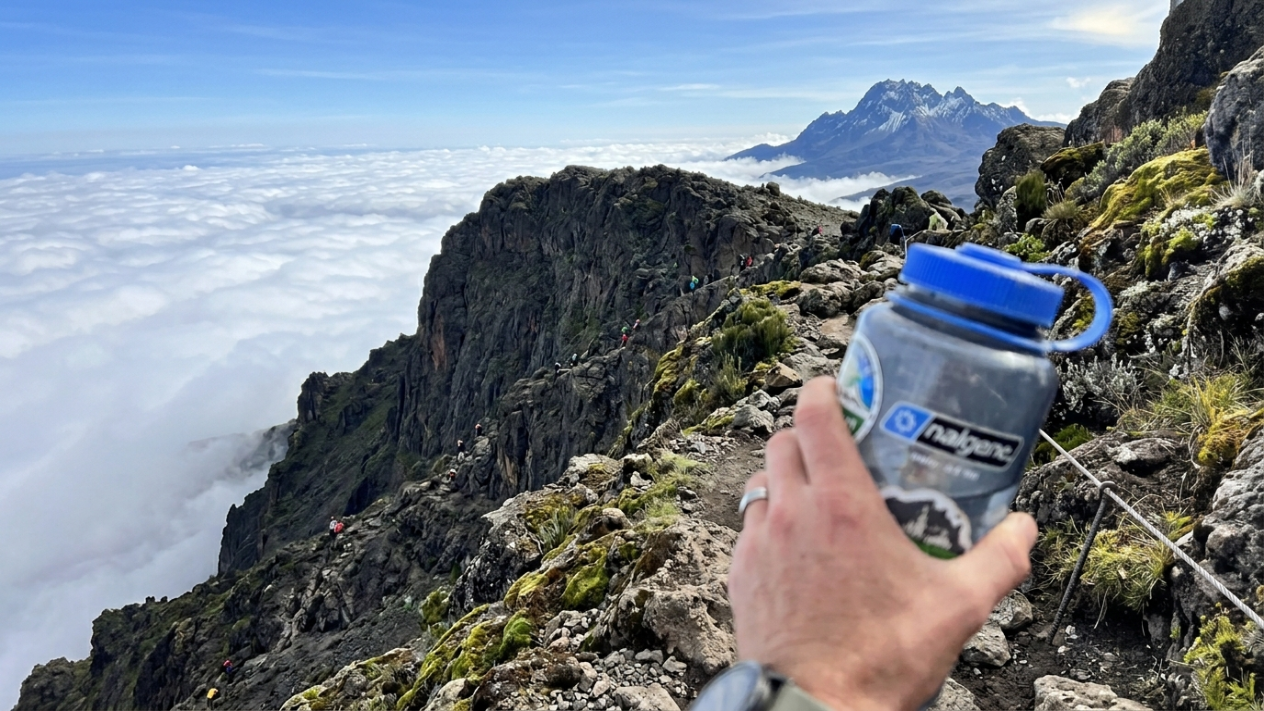
From the west, Lemosho eases through prime rainforest and the broad Shira Plateau before curving into the Southern Circuit for a classic line to Barafu and a Mweka descent. It bakes in smart acclimatization (climb high at Lava Tower, sleep low in Barranco Valley) while delivering cinematic views from every camp. Summit night is a stern, scree-covered grind, but most trekkers find the extra day makes all the difference.
Route at a glance:
-
Difficulty: Moderate to challenging
-
Accommodation: Camping only
-
Crowd level: Moderate (quiet west-side start)
Why choose it:
-
Best balance of scenery, time, and acclimatization
-
Lava Tower “climb high, sleep low” day boosts success odds
Keep in mind:
-
Western access logistics add cost
-
Summit night is steep and sustained on loose scree
Best for & recommended duration: Beginners and photographers wanting strong safety margins; 8 days recommended. Not sure if Lemosho is right for you? Compare it in our Best Kilimanjaro Route guide.
3. Machame Route
The “Whiskey Route” rises from the southwest through misty forest and high moorland, then threads Lava Tower, Barranco Valley, and Barafu before a Mweka descent, an efficient line with real alpine drama. Its profile bakes in classic acclimatization if taken over seven days, giving your body time to adjust while keeping the pace snappy. Expect a social trail and a long, chilly summit push that rewards with sunrise over Mawenzi.
Route at a glance:
-
Difficulty: Moderate to hard
-
Accommodation: Budget-friendly camping
-
Crowd level: Busy and highly social
Why choose it:
-
Big-screen scenery and varied terrain
-
Proven acclimatization when run in 7 days
Keep in mind:
-
High foot traffic and camp congestion
-
Includes the Barranco Wall scramble
Best for & recommended duration: Fit hikers chasing scenery and value; 7 days recommended for safer acclimatization. For a step-by-step overview, see our Machame Route guide.
4. Rongai Route
Rongai sneaks up from the dry, wild north near the Kenyan border, offering sweeping views of Mawenzi and a tranquil approach across the high Saddle to Kibo, with a descent via Marangu for contrast. Early gradients are gentle, and the trail stays quieter than southern options, especially in the rains. Opt for the seven-day plan to work in key acclimatization at Mawenzi Tarn before a cold, often windy summit night.
Route at a glance:
-
Distance: 79 km (49 miles)
-
Difficulty: Moderate (gentle early slopes)
-
Success rate: High (around 70% to 80% for the seven-day Rongai route)
-
Accommodation: Camping only
-
Crowd level: Quiet and remote
Why choose it:
-
Drier footing during wet seasons
-
Peaceful, less-traveled north-side approach
Keep in mind:
-
Less varied scenery than western routes
-
Longer approach drive to the trailhead
Best for & recommended duration: Rain-season planners and crowd-averse trekkers; 7 days recommended.
5. Marangu Route
Marangu’s southeast approach follows a straightforward out-and-back on well-cut paths, trading tents for dorm-style huts, an appealing comfort in foul weather. The forest and alpine desert are lovely, but the line is direct, so acclimatization can lag on five-day plans. Add the sixth day for a crucial Mawenzi Ridge acclimatization hike, then brace for a steep, chilly summit night on scree to the crater rim.
Route at a glance:
-
Days: 5-6
-
Distance: approximately 82 km or 50 miles
-
Difficulty: Moderate hiking; challenging summit night
-
Accommodation: Shared huts (dorm beds)
-
Crowd level: Busy/High
Why choose it:
-
Sleeping in huts reduces exposure and simplifies camp life
-
Gentle trail underfoot most of the way
Keep in mind:
-
Heavier traffic and less scenic variety than western routes
-
Five-day versions have notably lower success rates
Best for & recommended duration: Hut-seekers and time-limited trekkers; 6 days strongly recommended. Get hut details and pacing tips in our Marangu Route guide.
6. Western Breach/Arrow Glacier Route
This is Kilimanjaro’s direct, high-commitment line into the crater, approached via Lemosho or Machame before turning up to Arrow Glacier. The Breach itself is a steep, exposed scramble with objective rockfall hazard, sometimes paired with an overnight at Crater Camp for surreal dawn light, at the cost of added altitude stress. Descent typically follows the Mweka trail.
Route at a glance:
-
Difficulty: Strenuous/Class 3 scramble
-
Success rate: High for screened, experienced teams
-
Accommodation: Camping (Crater Camp optional)
-
Crowd level: Very quiet
Why choose it:
-
Direct access into the crater with dramatic terrain
-
Serious adventure on a quiet line
Keep in mind:
-
Rockfall risk and occasional official closures
-
Limited “walk-high, sleep-low” opportunities raise altitude risk
Best for & recommended duration: Experienced alpine scramblers with robust risk tolerance; 8-9 days recommended.
7. Shira Route
Shira skips the rainforest with a high start at the Morum Barrier, stepping immediately onto the wide-open Shira Plateau before merging with Lemosho on the Southern Circuit and descending via Mweka. The panoramas are immense and the camps quiet, but the elevated trailhead front-loads altitude exposure. A Lava Tower acclimatization day helps, followed by a demanding summit push from Barafu.
Route at a glance:
-
Days: 6–7
-
Distance: approximately 56 km
-
Difficulty: Challenging
-
Success rate: Moderate (55-85%)
-
Accommodation: Camping
-
Crowd level: Quiet and less frequented
Why choose it:
-
Vast, high-moorland scenery from day one
-
Quieter alternative to Lemosho with similar upper-mountain arc
Keep in mind:
-
High starting elevation increases early AMS risk
-
Requires extra days to match Lemosho’s acclimatization
Best for & recommended duration: Altitude-tolerant hikers craving big-sky solitude; 8 days recommended.
8. Umbwe Route
Umbwe charges straight up a narrow ridge from the south, rocketing out of the forest into the Barranco Valley before joining the Southern Circuit and descending via Mweka. It’s the steepest standard line on the mountain, rewarding with raw, dramatic views but offering little time for your body to adapt. For most, summit night feels especially punishing after such rapid gain.
Route at a glance:
-
Difficulty: Very challenging
-
Success rate: Low (50-70%)
-
Accommodation: Camping
-
Crowd level: Quiet start, busier after merging
Why choose it:
-
Wild, direct ridge climbing with big drama
-
Minimal crowds early on
Keep in mind:
-
Poor acclimatization profile and high physical demand
-
Not advised for first-timers prioritizing safety
Best for & recommended duration: Very fit, experienced trekkers seeking a hard challenge; 7 days minimum recommended.
9. Mweka Route
Mweka is the fast, efficient descent corridor used by southern approaches like Machame, Lemosho, and Shira. From high on the mountain it drops quickly through alpine desert and heather to lush rainforest, shedding altitude (and fatigue) after a taxing summit night. It’s not an ascent option, but it’s how most climbers go home.
Route at a glance:
-
Difficulty: Challenging (sustained downhill)
-
Success rate: N/A
-
Accommodation: Camping
-
Crowd level: Busy
Why choose it:
-
Rapid altitude loss aids recovery
-
Beautiful rainforest finish
Keep in mind:
-
Descent-only; can be tough on knees and joints
-
Slippery when wet; trekking poles recommended
Best for & recommended duration: Trekkers descending southern routes; allow 1-2 days for a safe, controlled exit.
Conclusion: Put the Comparison to Work for Your Trip
This Kilimanjaro route comparison should give you a clear framework for deciding which path to the Roof of Africa is right for you. There is no single “best” route, only the route that best fits your priorities for scenery, solitude, and acclimatization. The key takeaway is that longer routes almost always lead to a safer and more successful climb.
Use this guide as your starting point. The next step is to discuss your goals with a true expert who can tailor an itinerary to your specific needs. Start planning your adventure of a lifetime by visiting Duma Explorer to see proven itineraries and get in touch with a trip design specialist. Considering a beach wind-down after your summit? Explore Zanzibar’s best beaches.
FAQ
What is the easiest Kilimanjaro route?
While no route is truly “easy,” the Marangu and Rongai routes are considered physically less demanding due to their gradual slopes. However, Marangu’s short 5 day option offers poor acclimatization, making it difficult in other ways.
Which Kilimanjaro route has the highest success rate?
Longer routes consistently have the highest success rates. The 9 day Northern Circuit and the 8 day Lemosho route typically boast summit success rates well over 90% due to their excellent acclimatization profiles.
How does this Kilimanjaro route comparison help me choose?
This Kilimanjaro route comparison helps you align your personal priorities, like scenery, budget, and tolerance for crowds, with the characteristics of each trail. It highlights the critical link between trip duration, acclimatization, and your chance of success.
How long does it take to climb Kilimanjaro?
Climbs range from five to eleven days. We strongly recommend a minimum of seven days on the mountain to allow for proper acclimatization. Most successful climbs are planned for eight or nine days.
What is the best Kilimanjaro route for beginners?
For first time high altitude trekkers, the 8 day Lemosho route is an excellent choice. It combines a great acclimatization schedule, beautiful scenery, and moderate traffic, providing a fantastic all-around experience with a high chance of success.
Why is porter treatment important when choosing an operator?
Ethical porter treatment is a direct reflection of an operator’s commitment to safety and responsibility. Companies that are partners with the Kilimanjaro Porters Assistance Project (KPAP) ensure their crews are paid fairly, fed properly, and have adequate gear. A healthy, motivated crew is fundamental to a safe and successful climb for everyone.