East Africa Travel Tips 2026: The Ultimate Glossary Guide
TLDR
Most East Africa travel mistakes happen because travelers misunderstand the terms in their itinerary, quote, or pre-departure email. This glossary covers the practical vocabulary of safaris, Kilimanjaro climbs, gorilla trekking, and Zanzibar beach add-ons, from eTAs and bush flights to crater service fees and gorilla permits. Read the quick-start section for the 12 things that matter most, then use the rest as a reference while you plan.
East Africa travel planning comes with its own language. Your itinerary might mention eTAs, concession fees, crater service fees, bush flights, soft-sided duffels, long rains, green season, and summit night. Your health clinic will bring up yellow cards and malaria prophylaxis. Your safari operator’s quote will list park fees, conservation fees, and vehicle charges that may or may not be included in the total.
Understanding these terms is not trivia. It is the difference between a smooth trip and an expensive, stressful surprise at the airport, the park gate, or the mountain trailhead.
This glossary translates the most important East Africa travel tips into plain English and pairs each term with a practical action. It covers documents, health, safari logistics, seasons, gorilla trekking, Kilimanjaro, Zanzibar, cultural etiquette, and the fine print in safari quotes.
One important framing note before jumping in: “East Africa” is not one destination with one set of rules. Think of it as three overlapping layers.
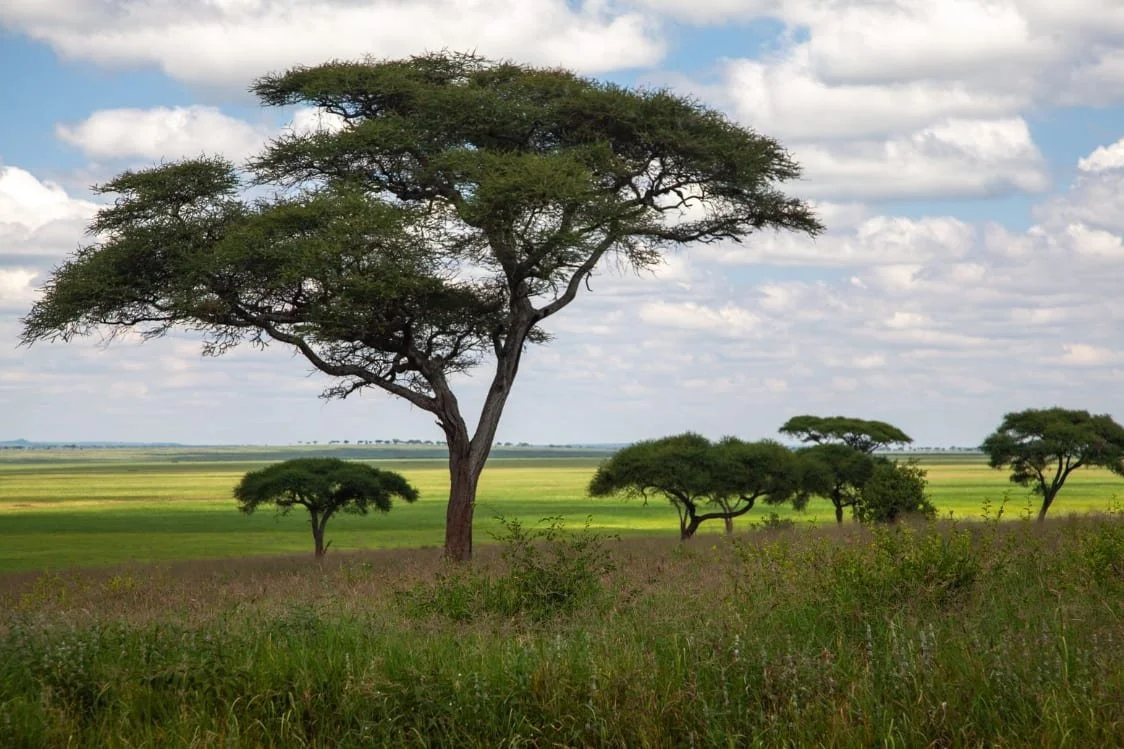
Wildlife East Africa covers the savannah parks like the Serengeti, Ngorongoro Crater, Tarangire, and Maasai Mara. Mountain and forest East Africa includes Kilimanjaro, Mount Meru, Bwindi Impenetrable Forest, and Volcanoes National Park. Coastal and cultural East Africa means Zanzibar, Stone Town, the Swahili Coast, and beach extensions. Each layer changes what you pack, what you pay, and what you need to verify before departure. If you are combining multiple experiences into one East Africa trip, the complexity multiplies.
Rules also change. Verify entry requirements, health guidance, and permit details close to your departure date. Everything in this guide reflects research current through mid-2026.
East Africa Travel Essentials 2026: Summary Table To enter East Africa in 2026, most travelers require an eTA for Kenya, an eVisa for Tanzania, or a joint East African Tourist Visa for Kenya, Rwanda, and Uganda. Essential health requirements include a Yellow Fever certificate and malaria prophylaxis. For logistics, use soft-sided duffels (max 15kg) for bush flights and ensure all park, crater, and concession fees are confirmed in your safari quote to avoid $300–$600 in unexpected daily costs.
Quick-Start East Africa Travel Tips: 12 Things to Know First
If you read nothing else, absorb these.
-
Check entry rules country by country. Tanzania is not covered by the Kenya/Rwanda/Uganda East African Tourist Visa. Each country has its own system. Source: Uganda DCIC
-
Confirm your passport has at least six months of validity and blank pages. Kenya and Tanzania both enforce this. Source: Kenya eTA FAQ
-
Use a soft-sided duffel if your itinerary includes bush flights. Common limits are 15 kg total, including hand luggage. Source: Safarilink
-
See a travel medicine clinician early. You may need malaria prophylaxis, vaccines, yellow fever documentation, and medication for travelers’ diarrhea. The CDC recommends an early pre-travel consultation for safari travelers. Source: CDC Yellow Book
-
Do not compare safari quotes by total price alone. Practitioners on Reddit report that travelers should get written confirmation of which park fees, crater fees, concession fees, and vehicle arrangements are included day by day. Source: Reddit r/safaris
-
If trekking gorillas, confirm permits, minimum age rules, illness rules, and forest-specific gear well in advance.
-
Pack for heat, dust, cold mornings, rain, and modest dress, often on the same trip. The Ngorongoro Crater rim can be cold at night while coastal areas are hot and humid. Source: Ker & Downey
-
Leave plastic carrier bags at home. Kenya banned them in 2017, Tanzania in 2019. Source: Tanzania Embassy
-
Avoid nighttime road travel where possible. The CDC flags motor-vehicle crash rates in Sub-Saharan Africa as among the highest in the world. Source: CDC Yellow Book
-
If heading to Zanzibar, verify the current inbound insurance requirement before departure. Your existing travel insurance may not satisfy it.
-
Get medical evacuation insurance. Remote safari areas and mountain camps rarely have advanced medical facilities nearby.
-
If climbing Kilimanjaro, choose a longer route. The CDC reports acute mountain sickness prevalence of 75 to 77 percent on four- and five-day ascents. Adding days makes a real difference. Source: CDC Yellow Book
Documents and Entry: East Africa Travel Tips for Visas, Passports, and Paperwork
eTA (Electronic Travel Authorization)
Plain-English meaning: A digital pre-approval required to enter Kenya. It replaced the old visa-on-arrival system.
Why it matters: Every traveler, including infants, needs an approved eTA before boarding a flight to Kenya. Applications are typically processed within about three working days. Source: Kenya eTA
Traveler tip: Apply through the official Kenya government portal only. The standard fee starts at US$30. Third-party sites that charge more and mimic official branding are not government-run. Save your approval and payment receipt offline.
Common mistake: Assuming Kenya still offers visa on arrival, or using an unofficial website.
eVisa
Plain-English meaning: An online visa application, used by Tanzania among others.
Why it matters: Tanzania requires a passport valid for at least six months with at least one unused visa page. The eVisa terms state that the grant notification is not the final authority to enter the country; the immigration officer at your entry point makes the final decision. Source: Tanzania Immigration
Traveler tip: Apply early. Travelers on Reddit report anxiety about processing delays and applications stuck in “processing” status. If your application stalls, contact the official portal rather than reapplying through a different channel. Source: Reddit r/tanzania
Common mistake: Waiting until the last week before departure to apply.
East African Tourist Visa
Plain-English meaning: A joint tourist visa covering Kenya, Rwanda, and Uganda. It costs US$100, is valid for 90 days, and allows multiple entries among those three countries. Source: Uganda DCIC
Why it matters: If your itinerary moves between Kenya, Uganda, and Rwanda, this single visa can simplify border crossings. Rwanda’s guidance notes that if you acquire the visa before travel, your first entry should be through the issuing country. Source: Rwanda Embassy
Traveler tip: Verify which country issues the visa and plan your routing accordingly.
Common mistake: Assuming this visa covers Tanzania. It does not. Tanzania sits outside the joint visa system. If your trip includes Tanzania plus Kenya or Uganda, you need separate entry documentation for Tanzania. For help understanding the differences, our Kenya vs. Tanzania safari comparison breaks down the practical planning details.
Passport Validity
Plain-English meaning: The date your passport expires, counted from your date of entry.
Why it matters: Kenya and Tanzania both require at least six months of remaining validity plus blank pages. Source: Kenya eTA FAQ
Traveler tip: Check your passport expiration date before booking flights. If it falls within seven months of your return date, renew first.
Yellow Card
Plain-English meaning: The International Certificate of Vaccination or Prophylaxis, a small yellow booklet proving you have been vaccinated against yellow fever.
Why it matters: Some East African countries require proof of yellow fever vaccination, especially if you are arriving from or transiting through a yellow-fever-endemic country. The CDC advises travelers to check requirements for every country on their itinerary, including transit stops. Source: CDC Yellow Book
Traveler tip: Get vaccinated early enough for the vaccine to take effect. Carry the physical yellow card; digital copies are not universally accepted.
Common mistake: Forgetting to check transit country requirements, not just your destination.
STEP (Smart Traveler Enrollment Program)
Plain-English meaning: A free registration service for U.S. citizens traveling abroad. It connects you to your nearest embassy or consulate for updates during emergencies.
Traveler tip: Register before departing. It takes minutes and can matter a lot during natural disasters, political unrest, or medical emergencies.
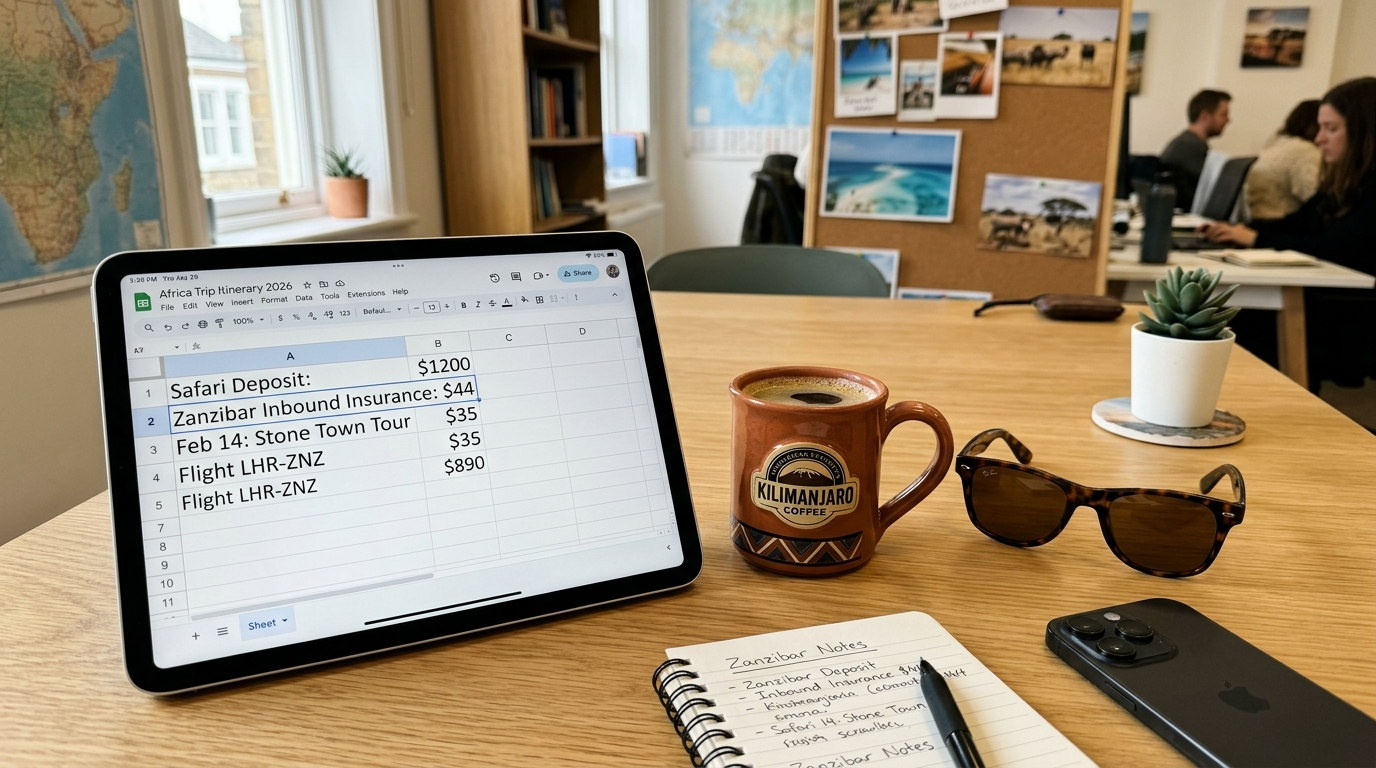
Zanzibar Inbound Insurance
Plain-English meaning: A separate travel insurance policy required for entry to Zanzibar, purchased through the Zanzibar Insurance Corporation.
Why it matters: Even if you already have international travel insurance, Zanzibar may require you to purchase this additional policy. Published references cite approximately US$44 per adult, but verify the current requirement and price before your trip.
Traveler tip: Travelers on Reddit report frustration at being surprised by this fee at the airport, even when they had separate travel insurance. Check before you fly. Source: Reddit r/zanzibar
For more on navigating Zanzibar logistics and costs, our Zanzibar safety and travel terms glossary covers this in depth.
Health and Safety: East Africa Travel Tips That Protect You
Malaria Prophylaxis
Plain-English meaning: Medication taken before, during, and after travel to prevent malaria infection.
Why it matters: Malaria is endemic in Sub-Saharan Africa, and transmission occurs in most game parks. The CDC says chemoprophylaxis plus bite prevention (long sleeves, insect repellent, permethrin-treated nets) are essential. Source: CDC Yellow Book
Traveler tip: See a travel medicine clinician well before departure. Different prophylaxis medications have different dosing schedules, side effects, and costs.
Travelers’ Diarrhea
Plain-English meaning: The most common travel-related illness, caused by consuming contaminated food or water.
Why it matters: The CDC says it is common on safaris, and access to reliable medication in remote locations is not guaranteed. Source: CDC Yellow Book
Traveler tip: Pack prescribed medication from your travel clinic. Practice careful hand hygiene and food/beverage choices. Carry hand gel or wipes for bush bathroom stops, as experienced travelers on TripAdvisor consistently recommend. Source: TripAdvisor Kenya packing thread
Tap Water
Plain-English meaning: Unfiltered water from local plumbing systems.
Why it matters: Do not drink tap water on safari unless it has been properly treated. The CDC advises drinking only commercially bottled water from unopened, factory-sealed containers. Source: CDC Yellow Book
Traveler tip: Most safari lodges and camps provide filtered or bottled water. On Kilimanjaro, your crew will typically boil and treat water daily.
Medical Evacuation Insurance
Plain-English meaning: Insurance that covers emergency air evacuation from remote locations to a hospital equipped for your condition.
Why it matters: Remote safari camps, mountain camps, and forest trekking bases may be hours from a well-equipped hospital. The CDC encourages travelers to have international health insurance and to consider medevac coverage specifically. Source: CDC Yellow Book
Traveler tip: Read the policy closely. Confirm it covers helicopter evacuation from mountain and bush settings, and that it applies in every country on your itinerary.
Tsetse Fly
Plain-English meaning: A biting fly found in parts of East Africa, active during the day.
Why it matters: Tsetse flies are attracted to dark colors, especially black and dark blue. The CDC notes that neutral-colored clothing seems to deter them. Source: CDC Yellow Book
Traveler tip: Wear khaki, olive, tan, or grey on game drives. Skip the all-black outfit.
Wildlife Distance
Plain-English meaning: The minimum safe distance between you and any wild animal.
Why it matters: The CDC says wildlife-related injuries usually happen when travelers disregard rules, such as approaching animals to photograph or feed them. Source: CDC Yellow Book
Traveler tip: Follow your guide’s instructions without exception. Never leave the vehicle during a game drive unless your guide says it is safe.
Night Driving
Plain-English meaning: Driving on rural or park roads after dark.
Why it matters: The CDC says fatal motor-vehicle crash rates in Sub-Saharan Africa are among the highest in the world and recommends avoiding nighttime driving where possible. Source: CDC Yellow Book
Traveler tip: A well-planned itinerary avoids long overland transfers after dark. If your route requires a late arrival, ask your operator about safety measures.
Safari Logistics: East Africa Travel Tips for Game Drives, Flights, and Fees
Game Drive
Plain-English meaning: A guided wildlife-viewing drive in a 4x4 vehicle, typically in the early morning or late afternoon when animals are most active. Some itineraries include full-day game drives with a packed lunch.
Traveler tip: Morning drives usually start before sunrise. Bring layers for cold starts and shed them as the day heats up.
Private 4x4
Plain-English meaning: A safari vehicle reserved exclusively for your party, with your own driver-guide.
Why it matters: Practitioners on Reddit warn that the word “private” in safari quotes can be ambiguous. “Private transfer” might mean a shared vehicle for transfers between locations but a private vehicle during actual game drives, or it might not. Source: Reddit r/safaris
Traveler tip: Ask your operator to confirm in writing: “Is the safari vehicle private for all game-drive days?”
Bush Flight
Plain-English meaning: A small aircraft flight between safari airstrips or regional airports.
Why it matters: Bush flights save hours of driving over rough roads, but they impose strict luggage limits. Safarilink lists a 15 kg total allowance on most safari routes (including hand luggage and cameras) and requires soft bags. Source: Safarilink AirKenya’s terms mirror this with 15 kg in soft bags. Source: AirKenya
Traveler tip: Pack in a soft duffel. Keep cameras, medication, documents, and one spare outfit in your daypack. Leave hard rolling suitcases at home.
Common mistake: Arriving at a bush airstrip with a hard suitcase packed to international airline limits.
Soft-Sided Duffel
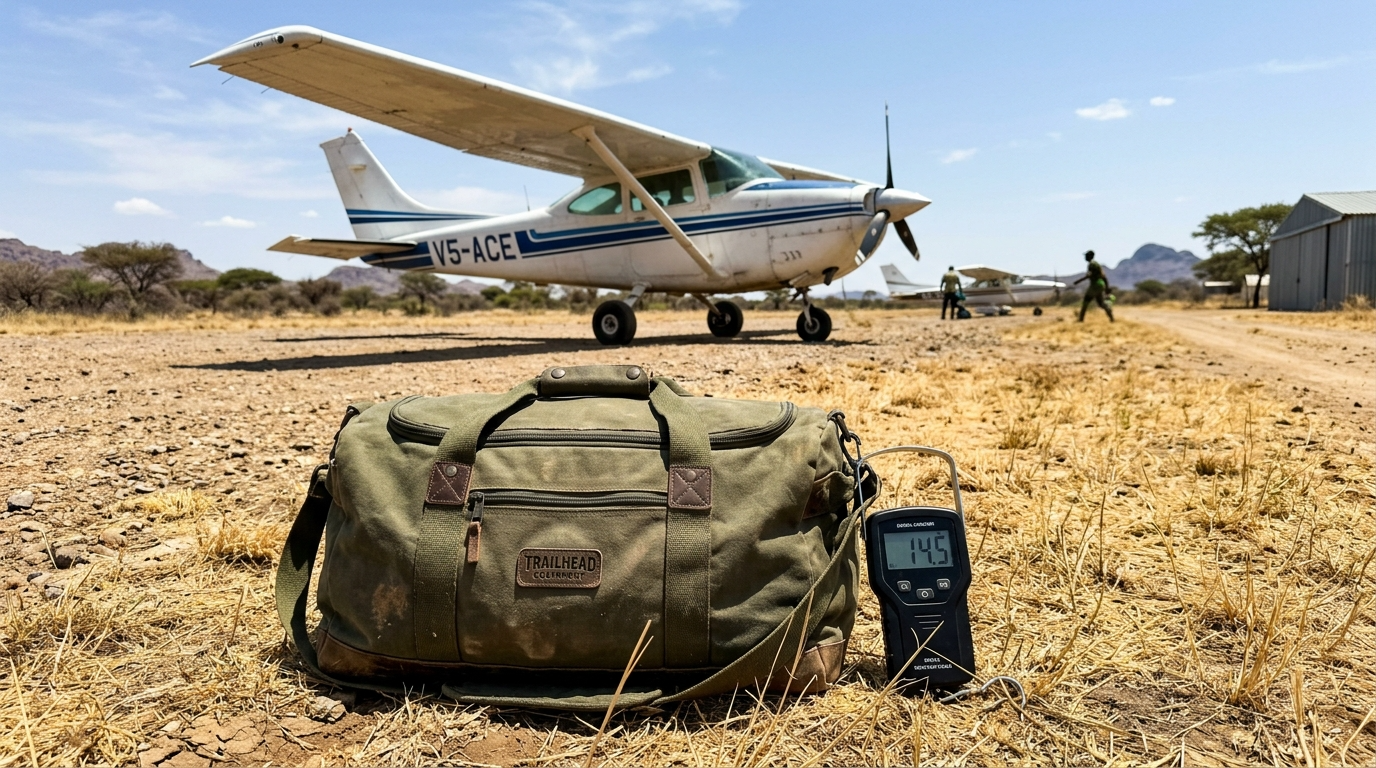
Plain-English meaning: A flexible bag without rigid walls or a hard frame, designed to compress into the small luggage compartments of light aircraft.
Why it matters: Hard suitcases often cannot physically fit in a bush plane’s cargo hold. Ker & Downey explains this directly in its East Africa packing guidance. Source: Ker & Downey
Traveler tip: Choose a duffel that is comfortable to carry but collapses when partially empty. A 50- to 65-liter duffel works for most safari trips under the 15 to 20 kg range.
Park Fee / Conservation Fee
Plain-English meaning: A government or park authority fee, usually charged per person per day, for entering a national park or conservation area.
Traveler tip: Ask whether every day’s park fees are included in your quote. A five-day safari might cross three or four different parks, each with its own fee structure.
Concession Fee
Plain-English meaning: A fee often charged when you stay at a lodge or camp that operates inside a park or protected-area concession.
Why it matters: Travelers in Reddit trip-planning threads report finding concession fees buried in the fine print of otherwise “all-inclusive” quotes. Source: Reddit r/safaris
Traveler tip: Ask specifically: “Are camp concession fees included?”
Crater Service Fee
Plain-English meaning: A vehicle or service fee specific to descending into the Ngorongoro Crater for a game drive.
Why it matters: This is separate from the general Ngorongoro Conservation Area entry fee. Reddit users specifically flag this as one of the most commonly omitted charges in Tanzania safari quotes. Source: Reddit r/safaris
Traveler tip: If your itinerary includes a crater game drive, confirm the crater service fee is included before paying a deposit.
For a full breakdown of what goes into Tanzania safari pricing, see our Tanzania safari itineraries, costs, and tips guide.
Fly-In Safari
Plain-English meaning: A safari itinerary that uses bush flights between parks or camps instead of long road transfers.
Why it matters: Fly-in safaris save time and reduce fatigue, especially on routes with long distances between parks. They typically cost more but improve pacing.
Common mistake: Assuming fly-in means you avoid all driving. You still do game drives; you just skip the long overland connections.
Road Transfer
Plain-English meaning: An overland drive between parks, airports, or lodges.
Why it matters: East Africa distances are large and roads can be rough. A traveler who reported on a 13-day Kenya/Tanzania safari noted that the Serengeti was stunning but travelers should prepare for long travel over rough roads. Source: Reddit r/solotravel
Traveler tip: Ask your operator how many hours of driving each transfer involves. Some “travel days” are almost entirely in the vehicle.
Camp Laundry
Plain-English meaning: Laundry service provided by most safari lodges and camps, usually included or available for a small fee.
Why it matters: It is the reason you can pack light for a two-week trip. Experienced travelers on TripAdvisor recommend using camp laundry frequently and note that some camps will not launder undergarments, so pack enough. Source: TripAdvisor
Single Supplement
Plain-English meaning: An extra charge applied when one person occupies a room or tent designed for two.
Traveler tip: If you are a solo traveler, ask about the single supplement upfront. It can add 30 to 50 percent to accommodation costs.
Full Board
Plain-English meaning: All meals (breakfast, lunch, dinner) included in your accommodation rate. Drinks may or may not be included depending on the property.
Traveler tip: Confirm whether “full board” includes alcoholic and premium drinks, or just meals and basic beverages.
2026 East Africa Safari & Trekking Cost Reference
Use this table to audit your safari quote for hidden fees. Note that many "budget" quotes exclude these, which must then be paid in cash at the gate.
|
Activity/Fee Type |
Estimated Cost (USD) |
Frequency |
Mandatory? |
|
Zanzibar Inbound Insurance |
$44 per adult / $22 per child |
Per Entry |
Yes (Since Oct 2024) |
|
Uganda Gorilla Permit |
$800 ($600 in low season) |
Per Trek |
Yes |
|
Ngorongoro Crater Fee |
$295 (per vehicle) |
Per Descent |
Yes |
|
Serengeti Park Fee |
$70 (Peak) / $60 (Low) |
Per 24 Hours |
Yes |
|
Kilimanjaro Park Fee |
$70 |
Per Day |
Yes |
|
Kenya eTA Fee |
~$30+ |
Once |
Yes |
Seasonality: East Africa Travel Tips for Timing Your Trip
Long Rains
Plain-English meaning: The heavier rainy season across much of East Africa, roughly March through May. Roads may be muddier, some camps close, and landscapes turn green.
Why it matters: The CDC and Ker & Downey both flag March through May as a significant rainy period across Kenya and Tanzania. Source: CDC Yellow Book
Traveler tip: Some travelers avoid this period entirely. Others embrace the green season for lower prices, fewer crowds, and excellent birding.
Short Rains
Plain-English meaning: A lighter rainy period, roughly October through December in Kenya and Tanzania, with more intermittent showers than the long rains. Source: Ker & Downey
Traveler tip: The short rains do not shut down safari the way long rains can. November is often a good shoulder month with fewer visitors.
Green Season
Plain-English meaning: A marketing term for the rainy or shoulder periods, emphasizing lush landscapes, newborn animals, migratory birds, and lower prices.
Traveler tip: Green season is not a bad time to visit. It is a different time to visit. Road conditions, camp availability, and visibility vary.
Dry Season
Plain-English meaning: The drier months (roughly June through October in many East African parks) when vegetation thins, animals concentrate around water sources, and road conditions are generally easier.
Traveler tip: Dry season is peak season. Book lodges and permits earlier, and expect higher prices. For a month-by-month breakdown, see our best time for a Tanzania safari guide.
Great Migration
Plain-English meaning: The massive circular movement of approximately two million wildebeest, plus hundreds of thousands of zebras and gazelles, across the Serengeti-Mara ecosystem. UNESCO describes it as the largest remaining unaltered animal migration in the world, covering roughly 1,000 km. Source: UNESCO
Why it matters: The migration is not a single event in one place. It shifts month by month, and where you should be depends on when you travel.
Common mistake: Expecting to see river crossings at any time of year. Crossings happen mainly in the northern Serengeti/Maasai Mara, roughly July through October, and are never guaranteed.
For detailed timing and positioning guidance, read our Great Migration safari guide.
Calving Season
Plain-English meaning: The period, roughly January through March, when vast numbers of wildebeest calves are born in the southern Serengeti and Ndutu area.
Traveler tip: Calving season brings high predator activity and is one of the best times for action photography. It overlaps with the start of the long rains.
Mara River Crossings
Plain-English meaning: The dramatic and unpredictable moments when migrating herds cross the Mara River in the northern Serengeti or Maasai Mara, typically between July and October.
Traveler tip: No operator can guarantee a river crossing on a specific day. Spending multiple days in the northern Serengeti or Mara increases your chances.
How to Save: The 2026 'Green Season' Advantage
For 2026, the Uganda Wildlife Authority (UWA) has introduced specific Green Season Discounts to encourage travel during the "long rains."
-
Gorilla Permits: Discounted to $600 for Foreign Non-Residents during April, May, and November.
-
Condition: These permits are date-specific and typically non-refundable.
-
SEO Tip: If you are booking a "Mid-Range" safari, check if your operator is passing these $200-per-person savings on to you.
Gorilla Trekking: East Africa Travel Tips for Permits, Rules, and Gear
Gorilla Permit
Plain-English meaning: A required permission, purchased in advance, allowing you to trek to a habituated mountain gorilla family.
Why it matters: Permits are limited by group. Uganda’s current tariff (through June 2026) lists gorilla tracking at US$800 for foreign non-residents, including the guide fee, park entrance for the day, and community development contribution. Source: UWA Tariff 2024-2026 Rwanda’s standard non-resident gorilla permit is US$1,500. Source: Volcanoes National Park
Traveler tip: Permit prices change by tariff period. Uganda’s 2024-2026 tariff expires June 30, 2026, and a new tariff is expected. Verify current pricing before booking. For full Uganda gorilla trip planning, our Uganda gorilla safari trips and prices guide covers routing, lodges, and costs in detail.
Gorilla Trekking
Plain-English meaning: A guided forest trek, often through steep, muddy terrain, to spend a strictly limited time with a habituated gorilla family.
Rules that matter: The minimum age is 15. Maximum group size per gorilla family is eight visitors. The visit is limited to one hour. No flash photography. No eating, drinking, or smoking during the trek. Maintain distance from the gorillas. Source: UWA Tariff Extract
Gorilla Habituation
Plain-English meaning: A longer, more expensive experience available in Uganda. Instead of visiting a fully habituated family, you join researchers working with a semi-habituated group. UWA lists habituation separately from standard tracking on its tariff card.
Traveler tip: Habituation experiences typically allow up to four hours instead of one. They are physically demanding and available only in Bwindi.
Illness Rule
Plain-English meaning: If you are sick, especially with respiratory symptoms, you may be denied trekking on the day of your permit.
Why it matters: The CDC states that respiratory illnesses can spread from humans to gorillas and chimpanzees. Responsible tourism requires sick travelers to avoid close-contact wildlife activities. Source: CDC Yellow Book
Traveler tip: This is not a suggestion. It is enforced at the briefing. Refund policies vary, so ask about illness-related cancellation terms when booking your permit.
For a deeper look at trekking safety, distance rules, and briefing protocols, see our gorilla trekking safety rules guide.
Porter
Plain-English meaning: A local community member you can hire at the trailhead to carry your daypack and help you on steep, muddy sections during gorilla trekking.
Why it matters: Porters know the terrain and provide real physical support. Hiring them also directly supports local communities.
Traveler tip: TripAdvisor users planning Uganda and Rwanda treks recommend gloves for grabbing branches, waterproof hiking boots, a rain jacket, a walking stick, and a daypack. Gorilla trekking gear is different from safari gear. Source: TripAdvisor Uganda packing Our gorilla trekking packing list has the full breakdown.
Kilimanjaro and Mountains: East Africa Travel Tips for Altitude and Safety
Acclimatization
Plain-English meaning: The process of allowing your body to adjust to higher altitude by ascending gradually, with rest days built into the schedule.
Why it matters: Kilimanjaro stands at approximately 5,900 m (19,341 ft). The CDC recommends adding one to two days to shorter Kilimanjaro ascents because extra time facilitates acclimatization. Source: CDC Yellow Book
Traveler tip: This is the single most important factor in summit success. A seven- or eight-day route gives your body more time than a five-day route.
AMS / Altitude Sickness
Plain-English meaning: Acute mountain sickness, a condition that occurs when the body fails to adjust to elevations around 3,048 m (10,000 ft) or higher. Symptoms include headache, nausea, fatigue, dizziness, vomiting, and rapid heart rate.
Why it matters: The CDC reports AMS prevalence of 75 to 77 percent in studies of four- and five-day Kilimanjaro ascents. Source: CDC Yellow Book
Traveler tip: Fitness alone does not prevent AMS. The CDC recommends ensuring your guides are trained to recognize and equipped to treat altitude sickness. Ask your operator about their altitude safety protocols. For a route-by-route breakdown of acclimatization profiles, our Kilimanjaro route comparison covers all the major options.
Summit Night
Plain-English meaning: The overnight ascent to the summit, typically starting around midnight. It is cold, slow, and physically demanding. You reach the summit at or near dawn, then descend the same day.
Traveler tip: Summit night is the hardest part of the climb. Proper layering, headlamp, and mental preparation matter as much as fitness.
Mountain Crew
Plain-English meaning: The team that supports your Kilimanjaro climb, including guides, assistant guides, a cook, and porters who carry gear, set up camps, and prepare meals.
Traveler tip: Ask about your operator’s porter policies. Ethical treatment of mountain crews, including fair wages, proper equipment, and reasonable load limits, reflects the quality of the operation.
Culture, Clothing, and Etiquette
Neutral Colors
Plain-English meaning: Khaki, olive, tan, grey, and muted earth tones. The standard safari wardrobe.
Why it matters: Neutral colors help you blend in, stay cooler, hide dust, and deter tsetse flies. The CDC confirms that neutral-colored clothing seems to reduce tsetse fly bites. Source: CDC Yellow Book
Common mistake: Packing bright white (shows dirt instantly) or all-black (attracts tsetse flies and absorbs heat).
Modest Dress
Plain-English meaning: Clothing that covers shoulders and legs, appropriate for visiting villages, cities, and religious sites.
Why it matters: Zanzibar is majority Muslim, and Stone Town in particular calls for more coverage than a beach resort. Rebecca and the World, whose ranking East Africa packing guide draws on a month of travel across Tanzania, Uganda, Rwanda, and Zanzibar, specifically recommends cover-ups for Stone Town. Source: Rebecca and the World
Traveler tip: A light linen shirt and trousers or a long skirt work for both cultural respect and sun protection.
Plastic Bag Ban
Plain-English meaning: Kenya and Tanzania prohibit plastic carrier bags. Kenya’s ban took effect August 28, 2017. Source: Kenya NEMA Tanzania’s ban started June 1, 2019. Source: Tanzania Embassy
Traveler tip: Remove plastic bags from your luggage before arriving. Use reusable bags and dry bags instead. Ziplock bags for toiletries are generally fine in practice, but plastic carrier bags can be confiscated.
Tipping
Plain-English meaning: Gratuities for safari guides, drivers, Kilimanjaro crews, lodge staff, porters, and other service providers.
Why it matters: Tipping is expected and represents a significant portion of income for many East Africa tourism workers.
Traveler tip: Ask your operator for tipping guidelines specific to your trip. TripAdvisor users report a range of norms depending on country, activity, and service level. Do not rely on a single blog post for amounts, as the appropriate tip depends on group size, trip length, and quality of service.
Photography Etiquette
Traveler tip: Ask before photographing people. No flash for gorilla or wildlife photography. Some TripAdvisor users recommend disabling GPS metadata on wildlife photos due to poaching concerns.
Swahili Basics
Useful in Tanzania and coastal areas. A few words go a long way.
-
Jambo / Hello
-
Asante / Thank you
-
Karibu / Welcome
-
Pole pole / Slowly (you will hear this constantly on Kilimanjaro)
-
Tafadhali / Please
-
Habari / How are you
Note: Swahili is less dominant in Uganda and Rwanda, where other local languages are widely spoken.
Money and Connectivity
USD Cash
Most East Africa travelers carry clean, small-denomination US dollars for tips, incidentals, and markets. Exact needs depend on your itinerary and what is already included in your package.
Traveler tip: Some vendors prefer newer bills (post-2006). Torn or heavily worn bills may be rejected.
Mobile Money / M-Pesa
The widely used mobile payment system across East Africa. Locals use it for everything from groceries to rent. Tourist access varies by country, SIM card registration rules, and ID requirements.
Traveler tip: You probably will not need mobile money for a guided safari or climb, but it can be useful in cities and markets.
SIM Card / eSIM
Available in most East African countries, though registration often requires your passport. eSIM options are expanding but coverage in remote parks can be spotty regardless.
Traveler tip: Do not count on reliable cell signal inside national parks or on Kilimanjaro above the lower camps.
Before You Book: The Quote Clarity Checklist
This section might save you more money and frustration than any other East Africa travel tip in this guide.
Safari quotes vary enormously, and the total price is the least useful number to compare. What matters is what that price includes. A Kenya-based safari professional on Reddit shared rough per-person-per-day ranges: budget US$120 to 200, mid-range US$250 to 600, and luxury US$700 to 1,200 or more, with price affected by timing, lodges, vehicles, and travel style. Source: Reddit r/AfricaSafariGuide
But the range means nothing without knowing what is included.
A travel industry professional on LinkedIn recently argued that East Africa luxury in 2026 is less about visible opulence and more about low vehicle density, conservation models, expert guiding, seamless air logistics, and access to protected ecosystems. Source: LinkedIn The practical point: a more expensive quote might reflect better guiding, more exclusive access, and fewer vehicles around your sighting, not just a fancier room.
Before paying a deposit, get written answers to these questions:
-
Is the safari vehicle private for all game-drive days, or only for some?
-
Are all park fees and conservation fees included for each day?
-
Is the Ngorongoro crater service fee included, if visiting the crater?
-
Are camp or lodge concession fees included?
-
Are internal flights included, and what is the luggage allowance?
-
Are airport transfers and domestic flight connections included?
-
Are gorilla permits included and already secured?
-
For Kilimanjaro, are crew, park fees, rescue fees, meals, and accommodation all included?
-
What happens if a domestic flight is delayed or canceled?
-
What emergency and communication support exists on safari or on the mountain?
-
What tips are expected and excluded?
-
What documents (visas, insurance, yellow card) are the traveler’s responsibility?
Think of it as a clarity ladder. Low-clarity quotes give you one package total and vague “fees included” language. Medium-clarity quotes list inclusions and exclusions but not day by day. High-clarity quotes spell out the day-by-day route, named parks and areas, exact accommodation, private or shared vehicle, all park and concession and crater fees, internal flights, permits, transfers, tips, drinks, laundry, and emergency support.
Work with an operator that provides high-clarity quotes. If you want to see how route choice, park fees, lodges, and private guiding affect a real Tanzania safari budget, read our Tanzania safari itineraries, costs, and tips guide.
Pack by Activity, Not by Country
Most packing lists organize by destination. A better approach for East Africa: organize by what you are doing.
Vehicle safari: Layers for cold mornings and hot afternoons. Neutral colors. Dust-resistant fabrics. Binoculars. Sun protection. A camera with a zoom lens or good phone camera.
Gorilla trekking: Waterproof hiking boots (broken in). Long sleeves and trousers. Rain jacket. Gardening-style gloves for grabbing branches. Daypack. Water and snacks. Insect repellent. No flash.
Kilimanjaro: Cold-weather layering system. Broken-in trekking boots. Warm sleeping bag or liner. Altitude medication if prescribed. Headlamp for summit night. Read the full Kilimanjaro packing list before buying anything.
Zanzibar and coast: Modest clothing for Stone Town. Swimwear for resorts. Reef-safe sunscreen. Light, breathable fabrics for heat and humidity. Sandals. Our Zanzibar packing essentials guide covers the details.
The 30-Day Verification Checklist
Rules change. About 30 days before departure, verify the following:
-
Entry rules and visa/eTA status for every country on your itinerary
-
Yellow fever and vaccination documentation requirements
-
Zanzibar inbound insurance requirement (if applicable)
-
Current permit fees for gorilla trekking, park entry, and conservation areas
-
Domestic flight baggage allowances
-
Official travel advisories from your home country (the U.S. State Department currently lists Kenya as Level 2: Exercise Increased Caution, Rwanda as Level 2, Tanzania as Level 3: Reconsider Travel, and Uganda as Level 3, though levels change) Source: State Department
-
Airline schedule changes for international and domestic flights
FAQ
What should I know before traveling to East Africa?
Start with documents, health, and luggage. Confirm your passport has at least six months of validity. Apply for visas or eTAs early and through official portals. See a travel medicine clinician about malaria prophylaxis, vaccines, and yellow fever documentation. Pack in a soft-sided duffel if your itinerary includes bush flights. And read your safari quote carefully to understand what fees are actually included.
Does the East African Tourist Visa include Tanzania?
No. The East African Tourist Visa covers Kenya, Rwanda, and Uganda only. Tanzania requires a separate eVisa. This is one of the most common and most consequential misunderstandings in East Africa trip planning.
What health precautions do I need for an East Africa safari?
At minimum, consult a travel medicine clinician about malaria prophylaxis, yellow fever vaccination, and travelers’ diarrhea medication. The CDC recommends these for virtually all safari travelers. Also get medical evacuation insurance, practice careful hand hygiene, drink only bottled or properly treated water, and use insect repellent and permethrin-treated clothing.
Why do safari flights require soft bags?
Bush planes that connect safari airstrips are small, with limited and oddly shaped luggage compartments. A rigid suitcase often cannot physically fit. Airlines like Safarilink and AirKenya require soft bags and enforce total luggage limits of 15 kg on most routes, including hand luggage.
What is a gorilla permit and how much does it cost?
A gorilla permit is your required authorization to trek to a habituated gorilla family. Uganda’s current tariff lists permits at US$800 for foreign non-residents. Rwanda charges US$1,500. Permits are limited per day and per gorilla group, so they can sell out months in advance, especially during peak season.
What is the best time to visit East Africa?
There is no single best month. The right time depends on what you want. Calving season in the southern Serengeti runs roughly January through March. Mara River crossings happen mostly July through October. Dry season (June through October) offers easier road conditions and concentrated wildlife. Green season brings lush landscapes, migratory birds, and lower prices. A locally operated East Africa specialist can help match timing to your priorities.
What safari fees should I check before booking?
Ask about park fees, conservation fees, concession fees, the Ngorongoro crater service fee (if applicable), vehicle fees, guide entry, internal flights, airport transfers, permits, tips, drinks, and laundry. The total price is meaningless without knowing what it covers. Get a day-by-day inclusion list in writing.
Is East Africa safe for tourists?
East Africa is not one risk category. National parks are generally safe, and the CDC notes that crime inside game parks is unusual. Cities carry higher risks for robbery and petty crime. Roads, especially at night, are statistically dangerous. Mountains carry altitude and weather risks. Primate forests have their own safety protocols. The key is choosing a qualified operator, following guide instructions, avoiding unnecessary risks, and checking current travel advisories before departure.