

Tanzania Southern Circuit Safari Guide 2026: Ruaha & Nyerere
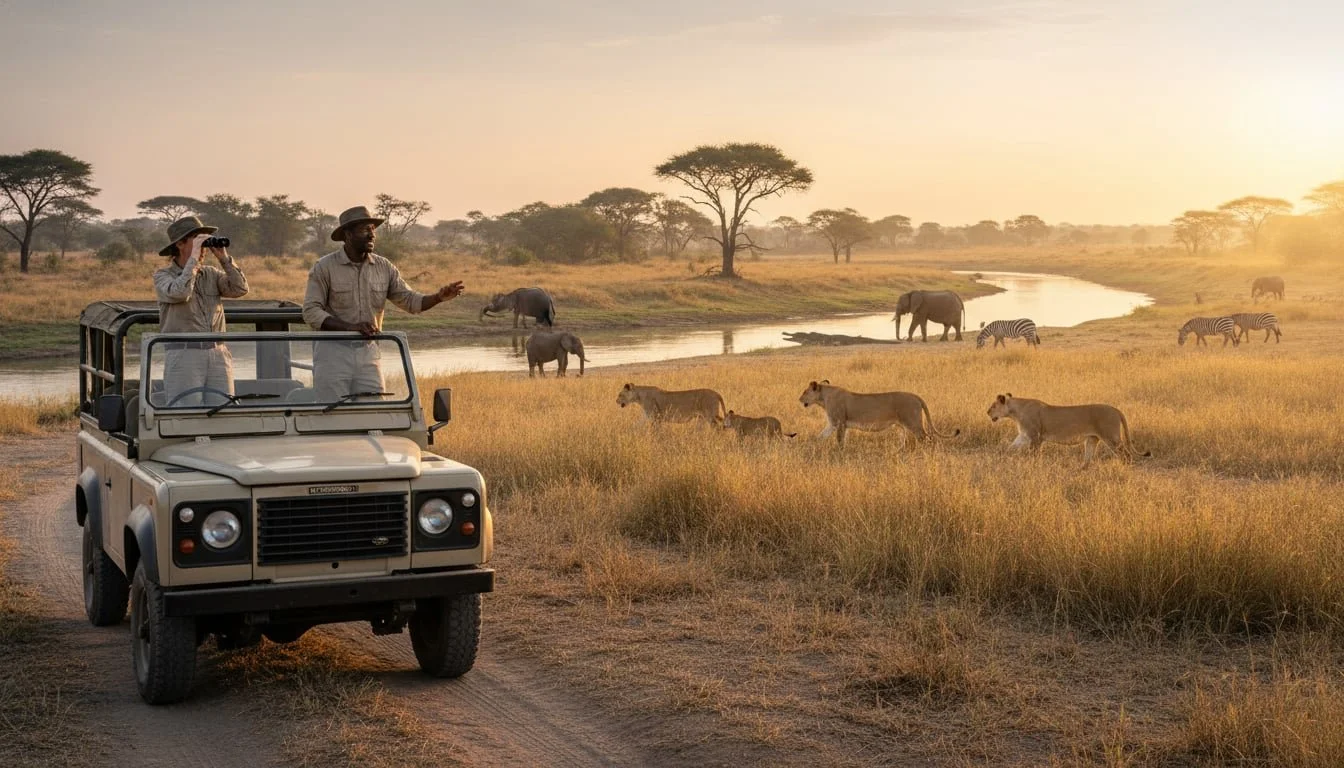
Tired of the typical safari traffic jam? Imagine watching a lion pride on the hunt with no other vehicle in sight, or gliding down a river as elephants drink from the bank. This isn’t a fantasy, it’s the reality of a Southern Circuit safari in Tanzania. While the northern parks get most of the fame, the southern and western regions offer something increasingly rare: truly wild, uncrowded, and immense landscapes.
This is a safari for the traveler who craves authenticity. It’s about swapping crowds for quiet contemplation and experiencing the African bush as it has been for centuries. If you’re looking for an adventure that feels like a genuine exploration, you’ve come to the right place.
Why Choose a Southern Circuit Safari? The Allure of the Untamed
So, why head south instead of to the world famous Serengeti? The answer lies in the experience. If the Great Migration is your priority, our guide explains when and where to see it, but the south wins for solitude and unique activities. A Southern Circuit safari is defined by its exclusivity and adventurous spirit.
- Incredible Solitude: The visitor numbers tell the story. While northern parks can feel busy, some southern parks see incredibly few tourists. Katavi National Park, for example, received 1,557 international visitors in 2022. This means you often get to enjoy breathtaking wildlife sightings all to yourself.
- Vast, Wild Spaces: The parks here are enormous. Nyerere National Park (formerly part of the Selous Game Reserve) is the largest national park in Tanzania and the biggest in East Africa, covering a staggering 30,893 square kilometers. These are some of the largest and most pristine protected areas on the continent.
- Unique Activities: The south offers experiences you simply can’t get in the north. Think boat safaris along the mighty Rufiji River, getting eye level with hippos and crocodiles. Or guided walking safaris, where you track animals on foot with an expert guide, connecting with the bush on a much deeper level. Here’s what a walking safari feels like.
The Crown Jewels: Exploring the Parks of the Southern Circuit
The heart of any Southern Circuit safari is its incredible collection of national parks, each with a unique character and appeal.
Ruaha National Park: Land of Giants
Ruaha is a raw and rugged wilderness, celebrated for its dramatic, baobab studded landscapes and incredible wildlife density. As one of Tanzania’s largest parks, it’s a critical sanctuary, particularly for elephants. The greater Ruaha ecosystem is one of Africa’s most important strongholds for the species. The park is also home to massive herds of buffalo and famously large lion prides, with some estimating it holds 10% of the world’s remaining lion population. Despite its magnificent wildlife, Ruaha remains wonderfully off the beaten path, offering a truly exclusive safari experience.
Nyerere National Park (Selous): Waterways and Wild Dogs
Formerly the northern part of the Selous Game Reserve, Nyerere National Park is a vast and watery wonderland. The park’s lifeblood is the Rufiji River, which creates a network of lakes and channels perfect for exploration by boat. This is a signature Selous experience. The park is also one of the best places in Africa to see the endangered African wild dog. These painted wolves thrive in the expansive woodlands, and witnessing a pack on the move is a highlight for any wildlife enthusiast.
The Western Wonders: Tanzania’s Most Remote Parks
For the ultimate off grid adventure, the western parks on the Southern Circuit safari route are in a league of their own.
Katavi National Park: Tanzania’s Wild West
If you’re seeking a truly untamed safari, Katavi is your destination. This remote park in Tanzania’s far west is rugged, isolated, and spectacular. During the dry season (June to October), its rivers shrink, forcing wildlife to concentrate in incredible numbers. The park is famous for its gigantic herds of buffalo, sometimes numbering over a thousand strong. The most iconic sight, however, is the hippo pools, where hundreds of hippos squeeze into the last remaining mud wallows, leading to dramatic territorial disputes.
Mahale Mountains National Park: Chimpanzees and Crystal Lakes
Mahale is a magical place, accessible only by boat and small aircraft. There are no roads here. This pristine park on the shores of Lake Tanganyika is world famous for its habituated wild chimpanzees. If seeing great apes is a priority, you can pair this with gorilla trekking in Uganda’s Bwindi. The main activity is trekking on foot into the misty mountain forests to spend time with our closest primate relatives, a truly moving experience. After your trek, you can swim, snorkel, or kayak in the crystal clear waters of Lake Tanganyika, the world’s second deepest freshwater lake.
Beyond the Big Game: Specialty Southern Parks
The Southern Circuit safari experience isn’t just about traditional game drives. It also includes unique parks focused on hiking and accessibility.
Mikumi National Park: The Accessible Serengeti
Often called a “little Serengeti” for its wide open Mkata Floodplain, Mikumi is the most accessible park on the southern route. Located just a few hours’ drive from Dar es Salaam, it offers reliable and rewarding wildlife viewing year round. You are almost guaranteed to see elephants, buffalo, giraffes, zebras, and lions. Its accessibility makes it a perfect destination for a shorter safari or an easy introduction to the wonders of a Southern Circuit safari.
Udzungwa Mountains National Park: A Hiker’s Paradise
Udzungwa is not a place for game drives, it’s a park for your feet. Known as the “Galápagos of Africa,” this lush rainforest park protects an incredible level of biodiversity, including many species found nowhere else on Earth. The main attraction is hiking through pristine forests to discover its 11 species of primates. Five of these, including the Iringa red colobus and the Sanje crested mangabey, are endemic to the area. Trekkers are rewarded with stunning scenery, including the spectacular 170 meter Sanje Waterfall.
Mapping Your Adventure: The Geography of a Southern Circuit Safari
Understanding the layout of southern and western Tanzania is key to planning your trip. Unlike the compact Northern Circuit, the southern parks are spread over vast distances.
Dar es Salaam, Tanzania’s coastal city, serves as the main gateway. Many travelers end their safari with downtime on Zanzibar. Use our guide to Zanzibar’s best beaches to pick the right coast. From there, Mikumi is the most accessible park by road. Nyerere and Ruaha are typically reached by short bush flights, which are the most practical way to travel. The western parks, Katavi and Mahale, are the most remote and are almost exclusively accessed by longer charter or scheduled flights. This geography is what preserves the wild, untouched nature of the Southern Circuit safari.
The Wildlife of the Southern Circuit: What Will You See?
The wildlife viewing on a Southern Circuit safari is nothing short of extraordinary. All the classic African animals are here in abundance, often exhibiting more natural behaviors due to the lack of human interference.
The region is a crucial conservation area for several key species. The combined Ruaha and Katavi ecosystems were found to be home to nearly 20,000 elephants in a recent survey, confirming the area as a vital stronghold. The southern parks are also a bastion for the endangered African wild dog. You can also find rare antelope species like the greater kudu, sable, and roan, which are seldom seen up north. And of course, the west offers unparalleled primate viewing, from the chimpanzees of Mahale to the unique monkeys of Udzungwa.
Planning Your Southern Circuit Safari: Logistics and Lodging
A little extra planning is required for a trip to this wild region, but the rewards are immense. Start with our complete safari planning guide.
Getting Around: Bush Planes, 4x4s, and Boats
Because distances are so large, flying between parks on small bush planes is the most common and efficient way to travel. This not only saves you time but also offers spectacular aerial views of the vast landscapes. For parks like Mikumi, overland travel in a 4x4 vehicle is a great option. Once in the parks, game drives are conducted in sturdy 4x4s. In places like Nyerere and Mahale, boats become your primary mode of transport. Navigating these logistics can be complex, which is why many travelers work with a specialist. An expert operator like Duma Explorer can seamlessly arrange all your flights, transfers, and connections, making for a stress free adventure.
Where to Stay: From Rustic Bush Camps to Lakeside Luxury
Accommodations in the south are generally more intimate and eco conscious than in the north. You won’t find large hotels here. Instead, expect small, exclusive tented camps and lodges that blend beautifully with their surroundings. In a park like Ruaha, there are only 11 camps and lodges, ensuring the wilderness never feels crowded. Whether it’s a classic canvas bush camp or a luxurious lakeside lodge in Mahale, the focus is on a personalized experience that connects you deeply with nature. Choosing the right camps for your style and budget is key to a successful trip, and a well connected tour operator can provide invaluable recommendations and handle all the bookings for your ideal Southern Circuit safari.
Frequently Asked Questions About the Southern Circuit Safari
1. What is the best time of year for a Southern Circuit safari?
The dry season, from June to October, is the best time for wildlife viewing; for nuance by region and month, see our best time for a Tanzania safari. As water sources become scarce, animals congregate around the remaining rivers and waterholes, making them easier to spot.
2. Is a Southern Circuit safari good for a first time visitor to Africa?
Absolutely. While it’s popular with seasoned safari goers, its uncrowded nature and unique activities make it an incredible first safari experience for anyone looking for a true wilderness adventure.
3. How does it compare in cost to a Northern Circuit safari?
The cost can be comparable, but it varies. The logistics, particularly the need for internal flights, can increase the price. For ballpark figures and what drives pricing, read our Tanzania safari cost breakdown. However, the exclusivity and quality of the experience offer tremendous value.
4. What kind of activities can I do besides game drives?
This is a major draw of the south. You can enjoy boat safaris in Nyerere, guided walking safaris in Ruaha and Katavi, chimpanzee trekking in Mahale, and mountain hiking in Udzungwa.
5. How long should I plan for a Southern Circuit safari?
To do it justice, especially if you want to visit multiple parks, you should plan for at least 7 to 12 days. Browse our 7–10 day Tanzania safari itineraries for inspiration. This allows you to immerse yourself in the different environments without feeling rushed.
Ready to explore the wild heart of Tanzania? A Southern Circuit safari offers an unparalleled adventure away from the crowds. Contact Duma Explorer to start planning your bespoke journey into Africa’s last great wilderness.