

Northern Circuit Safari Tanzania: Ultimate Guide 2026
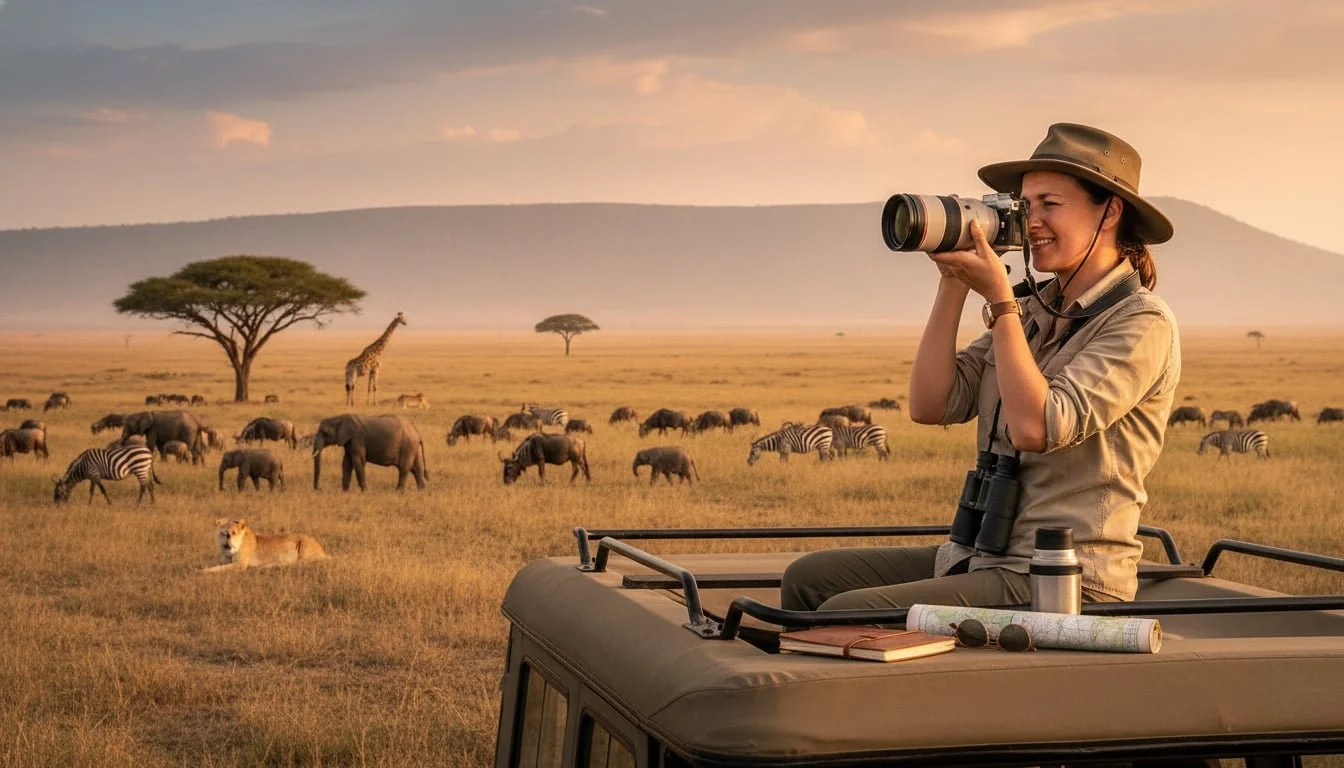
Planning a trip to Tanzania can feel like a huge undertaking, but it doesn’t have to be. The country’s famous Northern Circuit safari route is one of the most rewarding and well traveled wildlife circuits in all of Africa. It’s a spectacular journey through a cluster of legendary national parks, each offering its own unique landscape and animal encounters.
Think vast golden plains teeming with lions, giant elephant herds ambling past ancient baobab trees, and the mind boggling spectacle of the Great Migration. This guide breaks down everything you need to know to plan the perfect adventure, from the classic itinerary and best times to visit to insider tips on getting away from the crowds.
The Classic Northern Circuit Safari Itinerary
The beauty of the Northern Circuit safari lies in its efficiency. The parks are geographically close, allowing you to experience incredibly diverse ecosystems in a single trip, usually between 6 to 10 days. Most journeys begin and end in the vibrant town of Arusha.
Tarangire National Park
Often the first stop, Tarangire National Park is a landscape of rolling hills, giant baobab trees, and the life giving Tarangire River. During the dry season, it boasts one of the highest concentrations of wildlife outside the Serengeti. The park is particularly famous for its enormous elephant herds; it’s not uncommon to see a hundred or more elephants in a single day.
Lake Manyara National Park
Nestled at the base of the Great Rift Valley escarpment, Lake Manyara offers a dramatic change of scenery. Its lush groundwater forests feel like a jungle, and the park is a paradise for bird lovers with over 400 species recorded. The park’s most famous residents, however, are its tree climbing lions. Spotting a pride lounging in the branches of an acacia tree is a truly unique sight and a highlight for many visitors.
Ngorongoro Crater
A UNESCO World Heritage Site, the Ngorongoro Crater is often called a modern day Noah’s Ark. This massive collapsed volcano shelters one of the densest concentrations of wildlife in Africa, with an estimated 25,000 large animals living on the crater floor. It’s one of the best places in Tanzania to see the complete Big Five (lion, leopard, elephant, rhino, and buffalo), including the critically endangered black rhino. Descending 600 meters to the crater floor feels like entering a lost world.
Serengeti National Park
The name Serengeti comes from the Maasai word for “endless plains,” and it’s a fitting description. This iconic park is the heart of the Northern Circuit safari and home to the Great Migration, where over 1.5 million wildebeest and hundreds of thousands of zebras circle the ecosystem in search of fresh grazing.
- Seronera: Located in the central Serengeti, the Seronera Valley is often called the predator capital of the world. Its abundant resident wildlife makes it a fantastic year round destination for spotting lions, leopards, and cheetahs.
- Ndutu Plain: Situated in the south, the Ndutu area comes alive between January and February. This is the calving season, when hundreds of thousands of wildebeest give birth within a few weeks, creating a dramatic spectacle of new life and intense predator action. For a more immersive perspective, consider a guided walking safari in Ndutu.
Planning Your Adventure: Logistics and Timing
A great safari is all about smart planning. Understanding the when, where, and how of your trip will make all the difference.
Getting There: Your Arrival in Arusha
Your journey will almost certainly start in Arusha, the undisputed safari capital of Tanzania. Most international travelers fly into Kilimanjaro International Airport (JRO), which is about a 45 to 60 minute drive from the city. Arusha itself is a bustling town at the base of Mount Meru, making it the perfect place to rest after a long flight before your adventure begins. Once you meet your guide, you’ll set off by road or bush plane into the wild.
When to Go: Decoding the Seasons
Tanzania is a fantastic year round destination, but each season offers a different experience. See our guide to the best time to visit Tanzania for safari.
- The Dry Season (June to October): This is the most popular time for a Northern Circuit safari. With little rain, the vegetation is thin, and animals congregate around rivers and waterholes, making them easier to spot. It’s the peak season for tourism, so expect more crowds and higher prices.
- The Green Season (November to March): For those who prefer lush landscapes and fewer tourists, the green season is a wonderful choice. The short rains in November and December bring the plains to life. January and February are especially magical, marking the wildebeest calving season in the southern Serengeti.
- The Long Rains (March to May): This is the wettest period and the low season for tourism. While some camps may close, those who travel during the long rains are rewarded with stunningly green scenery, dramatic skies, and the feeling of having the parks all to themselves.
Making the Most of Your Time and Avoiding Crowds
A well designed itinerary maximizes your wildlife viewing while minimizing transit time and tourist congestion. See our 7 to 10 day Tanzania safari itineraries for sample routings. Consider flying between distant parks; a flight from the Serengeti back to Arusha takes about an hour versus a full day’s drive of 7 to 9 hours. An experienced operator like Duma Explorer can also help you visit popular spots at off peak times, such as descending into the Ngorongoro Crater at dawn to beat the rush.
The Nitty Gritty: Safari Logistics
Behind every seamless safari is a lot of coordination. Your trip will be in a specialized 4x4 vehicle, typically a Land Cruiser with a pop up roof for optimal viewing. While major roads are paved, expect bumpy but adventurous dirt tracks inside the parks. Your tour operator handles all park fees, permits, and accommodation bookings. The daily rhythm usually involves an early morning game drive, a midday rest during the heat, and another game drive in the late afternoon.
Departure and Beyond
At the end of your Northern Circuit safari, you will typically drive back to Arusha for your flight home from Kilimanjaro Airport. Alternatively, a popular and time saving option is to take a small bush plane directly from a Serengeti airstrip back to Arusha or onward to your next destination, like the beaches of Zanzibar.
What to Expect: Wildlife and Unforgettable Experiences
The Northern Circuit delivers iconic African wildlife and landscapes day after day.
The “Greatest Hits” of the Northern Circuit
The highlights are truly world class. Witnessing the Great Migration, the largest mammal migration on Earth, is a life changing experience. Exploring the unique, self contained ecosystem of the Ngorongoro Crater is another. You’ll also be amazed by the sheer number of elephants in Tarangire and the quirky charm of Lake Manyara’s tree climbing lions. The scenic variety is another major plus; in a single week, you can journey from open savanna to lush forests and volcanic highlands.
Wildlife and Signature Experiences
The Northern Circuit is a fantastic place to spot the Big Five. The Serengeti alone is home to one of the largest lion populations in Africa, with around 3,000 lions. Beyond the vehicle, you can elevate your trip with some truly special activities.
- Hot Air Balloon Safari: Floating silently over the Serengeti at sunrise offers a breathtaking perspective of the vast plains and the animals below. It’s an unforgettable experience, capped off with a champagne breakfast in the bush.
- Walking Safaris: In designated areas like the Ngorongoro highlands or Arusha National Park, you can leave the vehicle behind and explore on foot with an armed ranger, engaging all your senses.
- Cultural Visits: A visit to a local Maasai village offers a respectful glimpse into one of the region’s most famous traditional cultures. For a truly unique cultural immersion, consider a trip to Lake Eyasi to meet the Hadzabe, one of the last hunter gatherer tribes in Africa.
Customizing Your Trip: Add Ons and Alternate Routes
Why stop with just a safari? Tanzania offers incredible diversity, and it’s easy to combine your wildlife adventure with other experiences.
Beach Bliss: The Zanzibar Add On
After dusty days on safari, there’s nothing better than relaxing on a white sand beach. Start with our guide to Zanzibar’s best beaches. The island of Zanzibar is just a short flight away and offers a perfect blend of history, culture, and tropical paradise. Explore the ancient alleyways of Stone Town, a UNESCO World Heritage Site, or go snorkeling in the turquoise waters of the Indian Ocean.
Conquer a Giant: The Mount Kilimanjaro Climb
For the ultimate adventure, combine your safari with a trek up Mount Kilimanjaro. As Africa’s tallest peak (5,895 meters), it’s a challenging but non technical climb that rewards hikers with an incredible sense of achievement and stunning views from the roof of Africa. Not sure which path suits you? Compare Kilimanjaro climbing routes to pick the right fit. Many climbers find a safari is the perfect way to relax and recover after their trek.
Cross Border Adventure: Adding Southern Kenya
The Serengeti ecosystem extends north into Kenya’s famous Masai Mara National Reserve. Adding the Mara can be a great way to see a different perspective of the Great Migration, especially the dramatic river crossings from July to September. Nearby Amboseli National Park is famous for its large elephant herds set against the iconic backdrop of Mount Kilimanjaro.
The Adventurous Finale: Lake Natron & Ol Doinyo Lengai
For a truly off the beaten path ending to your Northern Circuit safari, head to the remote and otherworldly Lake Natron. This caustic soda lake is the world’s most important breeding ground for lesser flamingos. Nearby stands Ol Doinyo Lengai, an active volcano known to the Maasai as the “Mountain of God.” A challenging overnight hike to its summit is an unforgettable adventure for the intrepid traveler.
Practical Considerations for Your Safari
Here are a few final things to keep in mind as you plan.
How Much Does a Northern Circuit Safari Cost?
Safari costs vary widely. See our Tanzania safari cost breakdown for line item examples and what drives pricing. A budget camping safari might cost around $250 to $300 per person per day. A popular mid range private safari with comfortable lodges typically runs $425 per person per day for a private mid-range safari. For luxury lodges and fly in experiences, costs can be $800 to $1,500 or more per person per day. Remember that these prices are largely all inclusive, covering your guide, vehicle, park fees, accommodation, and meals.
Staying Safe on Safari
Tanzania is a very safe country for tourists. The most important rule is to always listen to your guide and stay inside the vehicle during game drives. The animals are wild, but they are accustomed to seeing vehicles and will leave them alone. When choosing an operator, ensure they have well maintained vehicles and experienced, professionally trained guides. A reputable company like Duma Explorer prioritizes safety above all else.
Northern vs. Southern Tanzania: What’s the Difference?
While the Northern Circuit is famous for its iconic sights and high wildlife density, Tanzania’s Southern Circuit (including Ruaha and Nyerere National Parks) offers a more remote, wild, and secluded experience. Southern safaris often feature different activities like boating and more extensive walking safaris. For first time visitors, the Northern Circuit is usually the recommended choice for its guaranteed “wow” factor.
Frequently Asked Questions about the Northern Circuit Safari
How long do I need for a Northern Circuit safari?
This route works well over 7–10 days, allowing you to comfortably visit Tarangire, Ngorongoro, and spend several days exploring the Serengeti without feeling rushed.
Is the Northern Circuit good for a first time safari?
Absolutely. It is arguably the best first time safari destination in Africa. It delivers a huge diversity of landscapes, consistently excellent wildlife viewing, and iconic experiences like the Great Migration and Ngorongoro Crater, making it a perfect introduction to the magic of safari.
Can I see the Big Five on the Northern Circuit?
Yes, it is one of the most reliable places in Africa to see all of the Big Five. Lions, leopards, elephants, and buffalo are common across the parks, and the Ngorongoro Crater is a stronghold for the rare black rhino.
What is the best month to visit?
The dry season from June to October offers fantastic weather and the easiest game viewing. However, January and February are incredible for the wildebeest calving season in the Ndutu region, offering a unique and action packed experience with fewer crowds.
Ready to start planning your own adventure? A Northern Circuit safari is a journey filled with awe inspiring moments you’ll cherish for a lifetime. If you’re looking for a trip tailored perfectly to your interests, contact the experts at Duma Explorer to craft your dream Tanzanian itinerary.